Skip to content
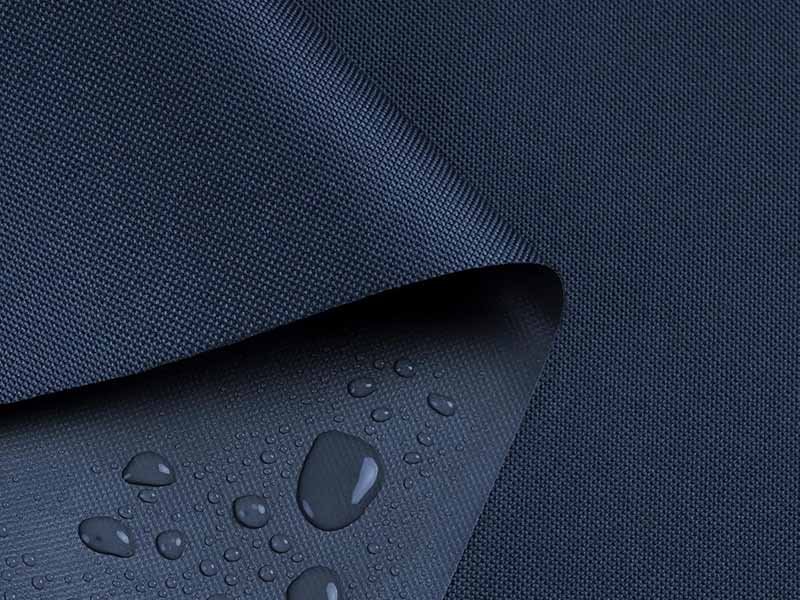
PVC fabric shows up in places where ordinary textiles struggle: rainy streets, wet warehouses, boat docks, construction sites, and the back seats of family cars. It’s used in waterproof bags, tool rolls, tarps, covers, protective aprons, and gear that gets thrown, folded, dragged, and wiped clean again and again. When customers say, “I want something that won’t soak through, won’t stain easily, and won’t fall apart at the seams,” PVC fabric is often the material behind that performance.
PVC fabric is a reinforced textile made by bonding a layer of PVC (polyvinyl chloride) onto a base fabric—most commonly polyester or nylon. The base fabric provides strength and tear resistance, while the PVC layer provides waterproofing, easy cleaning, and chemical resistance.
For product teams, PVC fabric is less about “fashion” and more about reliability. A bag made from a coated PVC textile usually survives repeated exposure to rain and dirt far better than uncoated canvas. In many real product programs, upgrading from uncoated fabric to PVC-coated fabric reduces leakage complaints and surface staining issues dramatically—especially for outdoor, work, or travel categories.
If you’ve ever seen a delivery worker’s rainproof pack or a truck tarp that looks rough but still works after years, that’s the PVC fabric story: it’s built for hard use, not just good photos. And the details—base cloth, coating thickness, and formulation—are where quality truly separates.
What’s the Difference Between PVC Fabric and PVC Material?

PVC material is the plastic polymer itself. PVC fabric is a composite: PVC coating + textile reinforcement. That reinforcement (usually woven polyester or nylon) turns PVC from a sheet material into a product-grade textile that can handle pulling, stitching, folding, and load-bearing use.
Why this difference matters when you’re sourcing
Many sourcing problems happen because someone orders “PVC” without clarifying whether they mean:
- Pure PVC film/sheet
- PVC coated fabric
- PVC laminated fabric
- PVC tarpaulin-grade textile
Those are not the same product, and performance can differ a lot.
Quick comparison
| Item | Pure PVC sheet/film | PVC fabric (PVC + base cloth) |
|---|---|---|
| Tear resistance | Low–medium (tears can run) | High (fabric grid stops tearing) |
| Load-bearing | Poor | Strong |
| Sewing strength | Weak around needle holes | Stronger seam holding |
| Fold life | Can crack faster (depends on formula) | Better fold endurance |
| Typical thickness | 0.08–0.5 mm | Often 0.3–1.2 mm total |
| Best for | Curtains, film, simple covers | Bags, tarps, gear, heavy-duty covers |
If you’re making bags, the biggest practical difference is this: PVC fabric behaves like a textile. Pure PVC behaves like plastic. That changes how it performs at seams, corners, and handle points.
What does “PVC” stand for?
PVC stands for polyvinyl chloride, a widely used plastic. By itself, PVC can be rigid (pipes) or flexible (coated textiles, flexible sheets). Flexibility depends largely on the plasticizer system used in the formulation.
For product performance, the “PVC” word alone is not enough. What matters is the formula behind it:
- Plasticizers: affect softness, cold-crack resistance, and flexibility over time
- Stabilizers: improve heat aging and long-term durability
- UV additives: reduce yellowing and brittleness under sunlight
- Fillers: can reduce cost but may affect weight and flexibility
Is PVC a plastic or cloth?
PVC is a plastic. PVC fabric is not pure cloth and not pure plastic—it’s a reinforced composite.
Think of it like this:
- The base fabric (polyester/nylon) is the skeleton: it carries tension, stops tearing, supports stitching.
- The PVC layer is the shield: it blocks water, resists stains, and creates a wipe-clean surface.
This is why PVC fabric is used when customers want:
- Waterproof performance
- Easy cleaning (mud, oil splashes, food stains)
- Better durability than uncoated textiles
And this is also why PVC fabric is usually heavier and less breathable than regular woven fabric.
How does PVC fabric differ from pure plastic sheets?
Pure PVC sheets rely on their own thickness for strength. Once punctured or cut, tears can spread quickly because there is no woven reinforcement holding the structure together.
PVC fabric is different because the base cloth acts like a tear-stop grid.
What that changes in product performance
- Handles and straps: reinforced fabric holds stitching better
- Corners: base cloth reduces split tearing
- Repetitive folding: fabric support reduces stress concentration
- Surface abrasion: PVC layer protects fibers from direct wear
Seam performance is the real test
If your product requires stitching, PVC fabric usually performs better than pure PVC film because the textile base spreads stitch stress. However, poor coating quality can still cause needle-hole cracking or surface peeling, so specification and production control matter.
Do people confuse PVC fabric with vinyl?
Yes—very often. In many markets, “vinyl fabric” basically means PVC-coated fabric. Sellers and factories may label it as:
- Vinyl-coated fabric
- PVC leather / faux leather (when embossed)
- PVC tarpaulin (when heavy-duty)
- PVC laminated textile
The safest approach is to confirm specifications rather than relying on names.
Minimum specs you should confirm before sampling
- Base fabric: polyester or nylon, woven type, yarn denier
- Total weight (GSM)
- Coating thickness and side (single/double)
- Surface finish (matte/glossy/embossed)
- Intended joining method (sewn vs heat-sealed/welded)
Helpful “Spec Cheat Sheet” for Customers
If you’re preparing a PVC fabric inquiry, the table below helps you describe what you actually need.
| Product goal | Suggested base cloth | Suggested coating | Notes |
|---|---|---|---|
| Waterproof tote / shopping bag | Polyester 600D | Single-side PVC | Cost-effective, good shape |
| Tool bag / heavy-duty carry | Polyester 900D / canvas base | Thicker PVC | Better abrasion and tear |
| Wipe-clean cosmetic pouch | Polyester 210D–420D | Soft PVC or laminated | Prioritize feel + print |
| Outdoor cover / tarp | High-density polyester | Double-side PVC | Strong water barrier |
| Cold weather use | Nylon base | Flexible PVC formula | Avoid cracking at low temp |
How Is PVC Fabric Made?

PVC fabric is produced by combining a woven base textile with a flexible PVC coating through controlled industrial processes. The base cloth provides structural strength, while the PVC layer creates a sealed, waterproof, and easy-clean surface. The final performance depends not on one step, but on how well each stage—fabric selection, coating method, curing, and finishing—is controlled.
In real production, two PVC fabrics that look similar in color or thickness can behave very differently after months of folding, sunlight exposure, or abrasion. That difference usually comes from coating quality, plasticizer stability, and bonding strength, not appearance alone.
What Base Materials Are Used (Polyester, Nylon)?
Most PVC fabrics begin with a woven polyester or woven nylon base.
Polyester base fabric
Polyester is the most common choice because it balances:
- Strength
- Dimensional stability
- Affordable cost
- Good bonding with PVC
Typical denier ranges for bags and covers:
| Polyester Base | Common Use |
|---|---|
| 210D–420D | Cosmetic bags, light covers |
| 600D | Shopping bags, backpacks |
| 900D+ | Tool bags, heavy-duty gear |
Polyester also resists stretching when wet, which helps PVC coatings stay stable.
Nylon base fabric
Nylon is used when higher tear resistance or cold-weather flexibility is required.
Common in:
- Outdoor equipment
- Inflatable or foldable gear
- Technical waterproof products
Compared with polyester, nylon:
- Is stronger for the same weight
- Handles repeated folding better
- Usually costs more
How Is PVC Coating Applied?
There are three main industrial methods used to apply PVC onto fabric. Each method changes surface feel, flexibility, durability, and price.
1. Knife coating
Liquid PVC is spread across the fabric using a precision blade.
Advantages
- Controlled thickness
- Smooth surface
- Good for waterproof bags and covers
Considerations
- Requires accurate curing to avoid cracking later
2. Calendaring / lamination
Pre-formed PVC film is pressed onto the textile using heated rollers.
Advantages
- Strong bonding
- Uniform surface
- Good for heavy tarps and industrial fabrics
Considerations
- Slightly stiffer feel
- Higher equipment cost
3. Dip coating or transfer coating
Fabric passes through liquid PVC or receives a transferred film layer.
Advantages
- Flexible finish possible
- Suitable for soft-touch products
Considerations
- Bond strength must be well controlled
Comparison of coating methods
| Method | Flexibility | Durability | Typical Products |
|---|---|---|---|
| Knife coating | Medium–high | High | Bags, rain gear |
| Calendaring | Medium | Very high | Tarps, covers |
| Transfer coating | High | Medium–high | Soft pouches |
What Manufacturing Steps Add Durability?
Beyond coating, several finishing controls determine whether PVC fabric lasts months or years.
Key durability factors
Plasticizer stability Low-quality plasticizers may migrate or harden, causing:
- Surface stickiness
- Cracking in cold weather
- Reduced flexibility over time
UV stabilizers Outdoor PVC without UV protection may:
- Fade
- Become brittle
- Lose waterproof integrity
Adhesion strength between PVC and fabric Weak bonding can lead to:
- Peeling layers
- Bubbling after folding
- Early product failure
Embossing or surface texturing Texture can:
- Improve scratch resistance
- Reduce visible wear
- Create leather-like appearance
Real durability checkpoints used in factories
| Test | Purpose |
|---|---|
| Peel strength test | Measures coating adhesion |
| Cold crack test | Checks flexibility in low temperature |
| UV aging test | Simulates sunlight exposure |
| Abrasion test | Evaluates surface wear resistance |
These tests matter more than color or thickness when predicting real product lifespan.
What Are Types of PVC Fabric?

PVC fabric is not a single uniform material. Even when two samples look similar in color or thickness, their flexibility, lifespan, weight, surface feel, and resistance to cracking can be very different. These differences come from three main variables:
- The base textile (polyester, nylon, or special reinforcement)
- The PVC formulation (plasticizer level, stabilizers, additives)
- The coating structure (single-side, double-side, laminated, embossed, etc.)
For product developers, understanding PVC fabric types is less about material names and more about matching the right structure to real usage conditions—such as outdoor exposure, heavy load, repeated folding, or easy cleaning.
Which Types Are Soft vs Rigid?
The flexibility of PVC fabric mainly depends on plasticizer content and coating thickness.
Soft PVC fabric
Soft PVC contains more plasticizer, allowing the material to bend repeatedly without cracking.
Common uses
- Cosmetic bags
- Waterproof pouches
- Inflatable or foldable products
- Lightweight rainwear accessories
Key advantages
- Easy folding and sewing
- Comfortable hand feel
- Lower risk of cold-weather cracking
Limitations
- Lower abrasion resistance than thicker PVC
- May deform under heavy load
Semi-rigid PVC fabric
Semi-rigid PVC balances flexibility with structure. This is one of the most widely used categories for commercial bags.
Common uses
- Tool bags
- Delivery backpacks
- Storage organizers
- Protective covers
Performance characteristics
| Feature | Semi-Rigid PVC Performance |
|---|---|
| Shape retention | Good |
| Fold endurance | Moderate |
| Abrasion resistance | High |
| Weight | Medium–heavy |
This type is often chosen when a product must stand upright, resist wear, and hold weight without feeling completely stiff.
Rigid PVC sheet or board (not true textile)
Rigid PVC contains little or no plasticizer and behaves more like plastic panel material than fabric.
Typical uses
- Signage
- Structural inserts
- Protective panels
It is not suitable for sewn bags because it lacks flexibility.
Which Types Are Transparent vs Colored?
PVC can be manufactured as clear film or pigmented coating, and this decision strongly affects aging behavior, UV stability, and product appearance.
Transparent PVC fabric
Common in:
- Stadium-approved clear bags
- Cosmetic pouches
- Protective dust covers
Customer-relevant concerns
- Clear PVC may yellow over time if UV stabilizers are weak.
- Surface scratches are more visible than on colored PVC.
Because of this, higher-quality clear PVC usually includes:
- UV inhibitors
- Anti-yellowing additives
- Scratch-resistant surface treatment
Colored PVC fabric
Pigmented PVC is widely used in:
- Tool bags
- Tarpaulins
- Outdoor covers
- Promotional waterproof bags
Why many brands prefer colored PVC
- Better UV resistance
- Scratches and dirt are less visible
- Stronger brand color presentation
In outdoor products, colored PVC typically lasts longer in sunlight than clear PVC of the same thickness.
Which Types Are Printed, Embossed, or Laminated?
PVC surfaces are highly adaptable, allowing multiple finishing styles that change both appearance and function.
Printed PVC fabric
Logos, patterns, and graphics can be applied by:
- Screen printing
- Digital printing
- Heat transfer printing
Used for
- Promotional bags
- Fashion accessories
- Branded waterproof gear
Print durability depends on:
- Ink compatibility with PVC
- Surface treatment before printing
- Protective top coatings
Embossed PVC fabric
Embossing creates texture such as leather grain, matte patterns, or geometric designs.
Benefits
- Improves scratch resistance
- Reduces visible wear
- Enhances perceived product quality
This is common in:
- Faux-leather bags
- Upholstery covers
- Decorative protective materials
Laminated or multi-layer PVC fabric
Some PVC fabrics include foam, lining, or reinforcement layers.
Examples
- Foam-backed PVC for soft structure
- Double-layer PVC tarpaulin for heavy outdoor use
- PVC + polyester mesh for tear resistance
These constructions are chosen when products must handle:
- Heavy load
- Long outdoor exposure
- Frequent folding and unfolding
Is PVC the Same as Polyester?
No. This is one of the most common misunderstandings in sourcing.
Key difference in simple terms
| Material | What It Is | What It Does |
|---|---|---|
| Polyester | A woven textile fiber | Provides strength and structure |
| PVC | A plastic coating polymer | Provides waterproofing and surface protection |
In most commercial PVC fabrics:
- Polyester is the base cloth
- PVC is the outer protective layer
So PVC fabric is best understood as a composite material, not a single fiber.
Confusing PVC with polyester can lead to:
- Choosing fabric that is not waterproof
- Incorrect durability expectations
- Wrong pricing comparisons during sourcing
What Properties Does PVC Fabric Have?

PVC fabric is chosen mainly for waterproofing, durability, and easy maintenance, but it also has limitations that must be considered in product design.
Is PVC Fabric Waterproof?
Yes. The continuous PVC layer blocks water penetration, making the fabric suitable for:
- Rainproof bags
- Tarps
- Covers
- Protective clothing
Water resistance depends on coating thickness and seam sealing, not just the PVC name.
Is PVC Fabric Durable?
PVC fabric generally shows strong resistance to:
- Abrasion
- Dirt and stains
- Chemicals and oils
- Repeated folding
Heavy-duty PVC fabrics can remain functional for several years in outdoor environments when properly formulated.
What Is a Disadvantage of PVC?
Despite its strength, PVC fabric has trade-offs:
- Heavier weight than many textiles
- Low breathability
- Environmental concerns related to plasticizers and disposal
- Possible stiffness in very cold temperatures if poorly formulated
Understanding these limits helps prevent misuse in comfort-focused products.
Is PVC a Good Fabric?
PVC fabric is excellent when the priority is:
- Waterproof protection
- Easy cleaning
- Long service life
- Structural strength
It is less suitable when the priority is:
- Breathability
- Ultra-light weight
- Natural fiber feel
Choosing correctly depends on real product needs, not trends.
Where Is PVC Fabric Used?
PVC fabric is mainly used in situations where water, dirt, friction, or repeated handling would quickly damage ordinary textiles. Instead of choosing PVC for appearance, most manufacturers select it to solve specific performance problems—such as leakage, tearing, contamination, or difficult cleaning.
In real sourcing projects, PVC fabric is often considered when a product must:
- Stay waterproof in rain or humidity
- Survive daily abrasion or rough handling
- Be easy to wipe clean without washing
- Maintain shape and strength under load
- Last several seasons or years, not weeks
Because of this, PVC fabric appears across a wide range of industries—from consumer bags to heavy industrial protection.
PVC Fabric Used in Bags and Luggage
PVC-coated textiles are widely used in functional bags where durability and water resistance matter more than softness or breathability.
Common PVC bag categories
- Delivery and courier backpacks
- Tool storage bags and electrician kits
- Waterproof travel duffels and dry bags
- Cosmetic pouches with wipe-clean interiors
- Medical or hygiene transport bags
Why PVC performs well in bag construction
1. Waterproof surface protection Liquids remain on the surface instead of soaking into fibers. This is critical for:
- Food delivery environments
- Outdoor travel
- Medical transport
2. Reinforced stress zones PVC coating strengthens areas that usually fail first:
- Bottom panels touching the ground
- Bag corners under friction
- Handle attachment points under weight
3. Simple cleaning and maintenance Most stains can be removed using:
- Damp cloth wiping
- Mild soap solution
This reduces long-term maintenance and helps products stay visually acceptable longer, which directly affects customer satisfaction.
Typical durability comparison in bag materials
| Material | Water Resistance | Abrasion Life | Cleaning Ease | Common Lifespan* |
|---|---|---|---|---|
| Uncoated canvas | Low | Medium | Difficult | Months–1 year |
| Polyester fabric | Medium | Medium | Moderate | 1–2 years |
| PVC-coated fabric | High | High | Easy | 2–5+ years |
- Actual lifespan varies by thickness, usage, and environment.
Which Industries Use PVC Fabric Beyond Bags?
PVC fabric is heavily used in industrial and commercial environments because it tolerates:
- Moisture
- Oils and chemicals
- Repeated folding
- Outdoor exposure
Transportation and logistics
Common products:
- Truck side curtains
- Cargo covers
- Pallet protection sheets
- Warehouse dividers
Why PVC is chosen: It prevents rain penetration while resisting tearing from wind or movement during transport.
Construction and infrastructure
Typical uses:
- Equipment covers
- Floor protection sheets
- Temporary weather barriers
- Safety curtains
These environments demand materials that survive:
- Dust and debris
- Rough surfaces
- Frequent relocation
PVC fabric’s tear resistance and wipe-clean surface make it practical here.
Agriculture and farming
PVC fabric appears in:
- Grain and feed covers
- Irrigation channel liners
- Greenhouse side curtains
- Equipment storage tarps
In these settings, resistance to moisture, mold, and sunlight is more important than softness or appearance.
Medical and hygiene environments
PVC-coated textiles are used for:
- Waterproof mattress protectors
- Protective aprons
- Medical transport covers
- Easy-disinfection surfaces
The key reason is cleanability. PVC surfaces tolerate frequent wiping with disinfectants without absorbing liquids.
Are There Outdoor or Protective Product Examples?
Outdoor use is one of the most demanding environments for any fabric. PVC performs well here because it combines:
- Waterproof sealing
- UV resistance (when stabilized)
- Abrasion durability
- Wind resistance
Common outdoor PVC applications
| Product | Performance Requirement | Why PVC Fits |
|---|---|---|
| Tarpaulins | Continuous rain protection | Fully waterproof coating |
| Boat covers | UV + salt exposure | Chemical and sunlight resistance |
| Camping ground sheets | Abrasion against soil/rocks | Thick protective layer |
| Industrial curtains | Moisture and dust barrier | Flexible sealed surface |
| Inflatable structures | Air retention | Low permeability |
With proper UV formulation and sufficient thickness, many outdoor PVC fabrics remain functional for 3–5 years or more, even under repeated weather exposure.
How Do Companies Decide Whether to Use PVC Fabric?
Experienced product teams usually evaluate real usage conditions, not just material cost.
Practical decision checklist
PVC fabric is often selected when a product must:
- Stay fully waterproof, not just water-resistant
- Handle heavy abrasion or rough transport
- Be cleaned frequently without washing
- Maintain structure under weight
- Deliver long service life in outdoor or industrial settings
PVC is usually avoided when a product requires:
- Breathability against skin
- Very lightweight construction
- Soft textile feel
- Strong environmental marketing focus
This simple comparison prevents many early product failures caused by choosing fabric based only on price or appearance.
Real-World Insight for Product Developers
Across many OEM bag and cover projects, switching from ordinary woven fabric to PVC-coated fabric typically leads to:
- Fewer leakage complaints
- Lower visible wear after months of use
- Reduced product returns
- Longer replacement cycles
Even when PVC material cost is slightly higher, the improvement in durability and user satisfaction often makes total lifecycle cost lower.
Quick Guide of major application categories
| Industry | Typical PVC Fabric Products | Key Performance Need |
|---|---|---|
| Bags & luggage | Tool bags, travel packs, delivery bags | Waterproof + abrasion resistance |
| Transportation | Truck tarps, cargo covers | Weather protection + durability |
| Construction | Protective sheets, equipment covers | Tear strength + chemical resistance |
| Outdoor & marine | Boat covers, tents, awnings | UV and moisture resistance |
| Home & consumer | Storage bags, table covers | Easy cleaning + stain resistance |
Where Is PVC Fabric Produced?

PVC fabric is manufactured in several regions around the world, but in real commercial supply chains, production is highly concentrated in Asia, where textile weaving, polymer coating, and finished-product manufacturing are closely integrated.
Which Countries Produce the Most PVC Fabric?
Global PVC-coated textile production is dominated by East and Southeast Asia, with smaller volumes in Europe and North America for specialized or regulated markets.
Major PVC fabric production regions
| Region | Key Strengths | Typical Market Role |
|---|---|---|
| China | Full supply chain, large capacity, competitive pricing, strong coating technology | Main global supplier for bags, tarps, and outdoor products |
| South Korea | Advanced chemical formulation, stable quality | Mid- to high-end technical PVC textiles |
| Taiwan | Precision coating, specialty functional fabrics | Performance and niche applications |
| Vietnam & Southeast Asia | Growing production, lower labor cost | Secondary sourcing and diversification |
| Europe | Strict environmental compliance, specialty industrial fabrics | High-regulation or premium markets |
| North America | Limited volume, technical or defense-related uses | Specialized local supply |
Among these, China supplies the majority of commercial PVC fabric used worldwide, especially for bags, logistics covers, and outdoor protection, due to scale and integrated manufacturing.
Why Do Many Brands Source PVC Fabric from China?
For most international brands, sourcing decisions are driven by total project efficiency, not just fabric price. China’s PVC textile industry developed alongside bag and luggage manufacturing clusters, creating several practical advantages.
Key sourcing advantages
1. Complete upstream supply chain
China combines:
- Polyester/nylon yarn production
- Woven base fabric mills
- PVC compounding and coating lines
- Bag and tarp manufacturing
This reduces:
- Transport time between processes
- Communication errors
- Production delays
2. Strong cost-to-durability balance
Large-scale coating capacity allows:
- Stable abrasion resistance
- Consistent waterproof performance
- Competitive pricing at volume
This balance is difficult to match in regions focused only on small-batch technical textiles.
3. Flexible MOQ and faster sampling
Integrated factories can usually provide:
- Rapid sample yardage
- Custom thickness or embossing
- Small trial production for new brands
This flexibility is critical for e-commerce sellers and growing private-label programs.
How Do Korea, Taiwan, and Europe Differ in PVC Production?
While China leads in volume and cost efficiency, other regions focus on specialized performance or regulatory compliance.
Regional specialization guide
| Region | Focus Area | When Brands Choose It |
|---|---|---|
| South Korea | High-performance PVC chemistry, durability | Premium outdoor or industrial products |
| Taiwan | Functional coatings, precise finishing | Performance gear and specialty textiles |
| Europe | Environmental regulation, certified materials | Markets with strict compliance requirements |
These materials often cost 20–80% more than standard commercial PVC fabric, so they are typically used for:
- High-end outdoor brands
- Government or infrastructure projects
- Products requiring strict certification
For everyday retail bags or covers, the performance gain may not justify the higher cost, which is why many brands still rely on Asian primary sourcing.
How Should Brands Choose a Production Region?
The best sourcing strategy depends on product positioning, not geography alone.
Practical sourcing decision guide
| Product Goal | Recommended Region Strategy |
|---|---|
| Cost-efficient mass-market bags | China primary sourcing |
| Mid-range quality with stable coating | China or Korea |
| High-performance outdoor gear | Korea or Taiwan |
| Strict regulatory compliance | Europe |
| Supply-chain diversification | China + Southeast Asia |
Many experienced brands adopt a tiered sourcing model:
- Core products: China for stability and price
- Premium line: Korea or Taiwan for performance
- Special projects: Europe for compliance
This approach balances cost, durability, and risk control.
What Role Do Integrated Manufacturers Play in PVC Fabric Supply?
One of the most common problems in PVC sourcing is disconnect between fabric mills and bag factories. Issues may include:
- Incorrect thickness for sewing
- Coating cracking at fold lines
- Color variation between batches
- Delays caused by multiple suppliers
Integrated manufacturing groups—such as Lovrix, which combines fabric production, coating technology, webbing, and bag manufacturing—help reduce these risks by aligning:
- Material engineering
- Structural product design
- Sampling and testing
- Quality control standards
This coordination often leads to:
- Faster development cycles
- Fewer production errors
- More stable long-term supply
For brands planning custom PVC bags or protective products, this integration can be as important as the material itself.
How Much Does PVC Fabric Cost?

PVC fabric prices vary widely because the material is not defined by one factor alone. Two samples that look similar in color or thickness may differ in cost by 2–4×, depending on:
- Base fabric strength (polyester denier or density)
- Total thickness of PVC coating
- Plasticizer and additive quality
- Surface finish or embossing
- Order quantity and production scale
For most commercial bag, tarp, and cover projects, understanding these cost drivers early helps avoid budget overruns, quality compromises, or repeated resampling.
What Is the Typical Price Range for PVC Fabric?
At factory-level bulk quantities, standard PVC-coated woven fabrics usually fall into several practical price bands.
Approximate wholesale reference
| PVC Fabric Type | Typical Thickness | Price per Meter (USD) | Common Uses |
|---|---|---|---|
| Lightweight PVC | 0.3–0.4 mm | $1.50 – $3.00 | Cosmetic pouches, light bags |
| Medium PVC | 0.4–0.6 mm | $2.50 – $5.00 | Shopping bags, delivery bags |
| Heavy PVC | 0.6–0.9 mm | $4.00 – $8.00 | Tool bags, covers |
| Industrial PVC tarp | 0.9–1.2+ mm | $6.00 – $12.00+ | Outdoor tarps, truck covers |
These ranges assume large production orders. Small sampling quantities or custom colors can increase price noticeably.
Which Factors Influence PVC Fabric Pricing the Most?
Several technical variables explain most price differences in real sourcing.
1. Base fabric density and yarn quality
Stronger woven reinforcement requires:
- Higher denier yarn
- Tighter weaving
- Slower production speed
This increases durability—but also raises cost.
Cost impact: Higher-density base fabric can raise total price by 15–40%.
2. PVC thickness and formulation
Thicker coating improves:
- Waterproof reliability
- Abrasion resistance
- Lifespan in outdoor use
But it also increases:
- Material weight
- Plastic consumption
- Production energy
Cost impact: Increasing thickness from 0.4 mm → 0.8 mm can raise price by 30–70%.
3. Additives and performance treatments
Special additives can significantly change price.
| Additive Type | Purpose | Typical Cost Impact |
|---|---|---|
| UV stabilizers | Outdoor durability | +10–25% |
| Flame retardants | Fire safety compliance | +20–50% |
| Cold-resistant plasticizer | Prevent cracking in winter | +10–30% |
| Anti-mold treatment | Humid environments | +5–15% |
These upgrades are often essential for industrial or outdoor products, even though they increase initial cost.
4. Surface finishing and embossing
Decorative or functional finishes also influence price:
- Matte or leather-grain embossing
- Printed graphics
- Double-side coating
- Laminated foam backing
Cost impact: Finishing processes typically add 10–35% to base fabric cost.
5. Order volume and supply chain efficiency
Like most industrial materials, PVC fabric becomes cheaper at scale.
| Order Size | Price Level |
|---|---|
| Sample yardage | Highest |
| Small batch production | Medium |
| Large bulk order | Lowest |
Integrated factories that control weaving, coating, and bag production together often reduce hidden costs such as:
- Transport between suppliers
- Communication delays
- Re-sampling due to mismatch
How Does PVC Fabric Cost Affect Final Product Pricing?
In many waterproof bags or covers, PVC fabric represents a major share of total manufacturing cost.
Typical cost structure for PVC bags
| Component | Share of Total Cost |
|---|---|
| PVC fabric | 35–55% |
| Sewing & labor | 15–30% |
| Accessories (zippers, webbing, buckles) | 10–20% |
| Packaging & logistics | 5–15% |
Because material cost is so significant, even a 10% change in fabric price can noticeably affect:
- Wholesale price
- Retail margin
- Market positioning
However, cheaper PVC often leads to:
- Earlier cracking or peeling
- Higher return rates
- Shorter product lifespan
So the lowest fabric price is rarely the lowest total business cost.
PVC vs TPU vs PU Full Comparison Guide

When developing waterproof bags, outdoor gear, or protective covers, three coated fabric options appear again and again: PVC, TPU, and PU. At first glance, these materials may look similar. They can all be flexible, water-resistant, and suitable for sewing or heat sealing. But in real product use, their durability, cost, environmental profile, and long-term behavior are very different.
Choosing the wrong coating is one of the most common reasons for:
- Cracking after winter use
- Peeling layers at fold lines
- Sticky or degraded surfaces after storage
- Unexpected cost increases during scaling
So instead of asking “Which material is best?”, the more useful question is: Which material best matches the real working conditions and price level of the product?
What Are PVC, TPU, and PU in Simple Terms?
Before comparing performance, it helps to clarify what each material actually is.
| Material | Full Name | Basic Description | Common Feel |
|---|---|---|---|
| PVC | Polyvinyl Chloride | Plastic coating bonded to fabric | Firm to semi-flexible |
| TPU | Thermoplastic Polyurethane | Elastic, rubber-like waterproof film | Soft and flexible |
| PU | Polyurethane | Thin coating used for water resistance or leather-like finish | Soft and smooth |
In coated textiles:
- PVC focuses on strength, waterproofing, and long outdoor life
- TPU focuses on flexibility, elasticity, and cleaner environmental profile
- PU focuses on light weight, soft feel, and lower cost for fashion or indoor use
How Do Durability and Lifespan Compare?
Durability is often the most important real-world factor, especially for bags and outdoor protection.
Typical durability behavior in field use
| Property | PVC | TPU | PU |
|---|---|---|---|
| Abrasion resistance | High | Medium–high | Medium |
| Long outdoor lifespan | 3–5+ years | 2–4 years | 1–2 years |
| Fold cracking resistance | Medium (depends on plasticizer) | High | Medium |
| Peel resistance | High | High | Lower |
| Waterproof stability over time | Very stable | Stable | Can degrade faster |
Practical insight
- PVC usually lasts the longest in rough outdoor or industrial use.
- TPU performs well where repeated bending or cold flexibility matters.
- PU is more suitable for fashion bags, indoor gear, or short-life products.
How Do Weight, Flexibility, and Feel Differ?
Customer perception is strongly influenced by touch and weight, not just durability.
| Factor | PVC | TPU | PU |
|---|---|---|---|
| Weight | Heavier | Medium | Light |
| Flexibility | Medium | Very high | High |
| Soft hand feel | Low–medium | High | High |
| Breathability | Very low | Low | Medium (thin PU) |
What this means for product design
- PVC → best for structure and toughness, not comfort.
- TPU → best for foldable waterproof gear and premium feel.
- PU → best for lightweight fashion items where softness matters.
How Do Costs Compare in Mass Production?
Material price strongly affects final product positioning.
Typical coated fabric cost relationship (relative index)
| Material | Relative Cost Level | Notes |
|---|---|---|
| PU | Low | Economical for fashion and indoor use |
| PVC | Medium | Strong cost-to-durability balance |
| TPU | High | Premium flexibility and cleaner chemistry |
In many OEM bag projects:
- Switching PU → PVC slightly increases cost but greatly improves lifespan.
- Switching PVC → TPU increases cost significantly, usually only justified for premium outdoor or eco-focused products.
How Do Environmental and Safety Profiles Differ?
Environmental impact is a growing concern in global sourcing.
| Aspect | PVC | TPU | PU |
|---|---|---|---|
| Long service life | High | Medium–high | Medium |
| Recycling difficulty | High | Medium | Medium |
| Chemical perception | More scrutiny | Generally better image | Moderate |
| Biodegradability | No | No | No |
Real-world interpretation
- PVC reduces waste through long lifespan, but recycling is harder.
- TPU is often viewed as cleaner and more modern, though still plastic-based.
- PU has lower durability, which can increase replacement frequency.
So sustainability depends less on the material name and more on:
- How long the product lasts
- How often it must be replaced
Which Material Should You Choose for Different Products?
The most practical way to decide is by application scenario.
Quick selection guide
| Product Type | Best Choice | Reason |
|---|---|---|
| Heavy-duty tool bag | PVC | Maximum abrasion and lifespan |
| Waterproof delivery backpack | PVC or TPU | Balance durability and flexibility |
| Foldable dry bag | TPU | Excellent flexibility and sealing |
| Fashion handbag | PU | Soft feel and low weight |
| Outdoor tarp or cover | PVC | Long UV and weather resistance |
| Eco-premium outdoor gear | TPU | Better environmental perception |
How to Choose PVC Fabric for Your Product

Choosing PVC fabric is not simply about picking a color or thickness. In real product development, the right PVC specification must balance durability, weight, flexibility, appearance, cost, and long-term reliability. A fabric that looks strong in a sample book can still fail early if it does not match the actual load, weather exposure, or cleaning frequency of the final product.
Most product problems linked to PVC fabric—such as cracking in winter, peeling coating, or excessive stiffness—come from incorrect specification at the beginning, not from sewing or design mistakes.
What Factors Should Be Checked First?
Before requesting samples or quotations, it is useful to define the real working conditions of the product. Four basic questions usually determine the correct PVC structure.
1. Usage environment
| Environment | Key Risk | Recommended Direction |
|---|---|---|
| Indoor storage | Surface dirt | Thin, flexible PVC |
| Daily outdoor rain | Water + UV | Medium thickness with UV stabilizer |
| Heavy industrial use | Abrasion + load | Thick reinforced PVC |
| Cold climate | Cracking risk | Soft PVC with cold-resistant plasticizer |
Ignoring environment is one of the most common causes of early material failure.
2. Load and mechanical stress
The heavier the load and the sharper the bending points, the stronger the base fabric and coating must be.
| Product Type | Suggested Base Fabric | Typical Thickness |
|---|---|---|
| Cosmetic pouch | Polyester 210D–420D | 0.3–0.5 mm |
| Shopping or delivery bag | Polyester 600D | 0.4–0.7 mm |
| Tool bag | Polyester 900D or higher | 0.6–0.9 mm |
| Industrial tarp | High-density polyester | 0.8–1.2+ mm |
Choosing too thin leads to tearing. Choosing too thick increases weight, cost, and sewing difficulty.
3. Flexibility and folding frequency
Some PVC fabrics crack not because they are weak, but because they are too stiff for repeated folding.
| Folding Frequency | Recommended PVC Type |
|---|---|
| Occasional folding | Standard semi-rigid PVC |
| Daily folding | Soft PVC with stable plasticizer |
| Extreme cold folding | Low-temperature-resistant PVC |
This is especially important for delivery bags, outdoor covers, and roll-top waterproof gear.
4. Cleaning and chemical exposure
Products exposed to oil, disinfectant, or food residue require chemical-resistant PVC surfaces. Lower-grade PVC may discolor or harden after repeated cleaning.
How Do Thickness, GSM, and Coating Structure Affect Performance?
Thickness alone does not determine quality. Performance depends on the combination of base fabric density, PVC layer thickness, and coating structure.
Relationship between thickness and real durability
| Total Thickness | Weight Feeling | Typical Lifespan Range* | Common Use |
|---|---|---|---|
| 0.3–0.4 mm | Light | Months–1 year | Light pouches |
| 0.4–0.6 mm | Medium | 1–3 years | Shopping/delivery bags |
| 0.6–0.9 mm | Heavy | 2–4 years | Tool bags, covers |
| 0.9–1.2+ mm | Very heavy | 3–5+ years | Tarps, industrial use |
- Actual lifespan varies by sunlight, friction, and handling.
Single-side vs. double-side PVC coating
| Structure | Advantage | Limitation | Typical Product |
|---|---|---|---|
| Single-side coating | Lighter, cheaper | Less waterproof at seams | Bags, organizers |
| Double-side coating | Stronger water barrier | Heavier, higher cost | Tarps, covers |
This decision alone can change product durability by several years.
What Quality Tests Should Be Required Before Ordering?
Many visible PVC problems appear months after production, not during sampling. Basic laboratory testing helps prevent these failures.
Essential durability tests for PVC fabric
| Test | What It Reveals | Why It Matters |
|---|---|---|
| Peel strength | Bonding of PVC to fabric | Prevents coating separation |
| Cold crack resistance | Flexibility in low temperature | Avoids winter cracking |
| UV aging | Sunlight durability | Predicts outdoor lifespan |
| Abrasion resistance | Surface wear speed | Indicates long-term appearance |
| Hydrostatic pressure | Waterproof level | Confirms rain protection |
Skipping these tests often leads to:
- Cracked coating after winter use
- Peeling layers at fold lines
- Color fading within one season
- Customer complaints and product returns
Testing is far less expensive than replacing defective inventory.
How Can Cost Be Controlled Without Losing Durability?
Reducing cost should focus on smart optimization, not simply choosing thinner or cheaper PVC.
Practical cost-control strategies used in OEM production
Match material strength to real need Avoid industrial-grade thickness for light retail bags.
Use blended performance instead of maximum specification A well-balanced 0.6 mm PVC fabric may outperform a poorly formulated 0.9 mm version.
Standardize colors and finishes Custom pigments or textures increase both cost and lead time.
Work with integrated manufacturers Suppliers that control fabric production, coating, and bag assembly reduce hidden costs such as:
- Material mismatch
- Re-sampling delays
- Logistics inefficiency
This integrated approach often delivers better long-term value, even if the initial fabric price is not the lowest.
Sustainability and Environmental Considerations
PVC fabric often raises environmental questions because it is plastic-based and not naturally biodegradable. However, real sustainability is more complex than simply asking whether a material is “plastic” or “natural.” For most commercial products, the true environmental impact depends on three measurable factors:
- How long the product lasts
- How often it must be replaced
- Whether the material can be reused, recycled, or reduced in volume
How Does PVC Fabric Compare to Other Materials Environmentally?
To understand PVC’s impact, it helps to compare it with other common coated or waterproof materials used in bags and covers.
Lifecycle comparison of common waterproof materials
| Material | Durability | Replacement Frequency | Recycling Difficulty | Typical Environmental Trade-off |
|---|---|---|---|---|
| Uncoated cotton | Low outdoors | High | Easy (natural fiber) | Frequent replacement waste |
| PU-coated fabric | Medium | Medium | Difficult (mixed layers) | Shorter lifespan |
| TPU fabric | Medium–high | Medium | Easier than PVC | Higher production energy |
| PVC-coated fabric | High | Low | Challenging but improving | Long service life reduces waste |
From a total-use perspective, long-lasting PVC products can reduce:
- Packaging waste
- Transport emissions from replacements
- Raw material consumption over time
This is why PVC is still widely used in transport, construction, and outdoor protection, where durability strongly affects environmental impact.
What Environmental Concerns Are Associated with PVC?
While PVC can offer long service life, it also presents real environmental challenges that manufacturers and brands must manage responsibly.
Key concern areas
1. Plasticizer migration Some older plasticizers may slowly migrate from PVC over time, affecting flexibility and raising environmental or health concerns. Modern production increasingly uses lower-toxicity or regulated plasticizers to reduce this risk.
2. End-of-life disposal PVC is not easily biodegradable. If disposed of improperly, it can remain in landfills for many years.
This makes product longevity and reuse especially important for PVC applications.
3. Recycling complexity PVC-coated textiles combine:
- Polymer coating
- Textile reinforcement
- Additives and pigments
These mixed layers make recycling more complex than single-material plastics. However, industrial recycling systems are gradually improving.
How Is the PVC Industry Improving Sustainability?
Over the past decade, many material suppliers and manufacturers have introduced practical improvements to reduce environmental impact.
Common sustainability upgrades in modern PVC production
Safer plasticizer systems New formulations reduce harmful substances while maintaining flexibility.
Stabilizer improvements Lead-based stabilizers have largely been replaced by calcium-zinc systems in many regulated markets.
Recycled PVC content Some factories now incorporate post-industrial or post-consumer recycled PVC into new coatings, lowering raw material demand.
Closed-loop production control Manufacturers increasingly recover:
- Coating scrap
- Trim waste
- Excess compound
This reduces landfill output during production.
Example of sustainability progress in coated fabrics
| Improvement Area | Older Practice | Current Direction |
|---|---|---|
| Plasticizers | Higher toxicity risk | Regulated, safer chemistry |
| Stabilizers | Heavy-metal based | Calcium-zinc systems |
| Waste handling | Disposal | Recycling and reuse |
| Product lifespan | Shorter | Longer durability focus |
These changes do not make PVC impact-free, but they significantly reduce risk compared with earlier generations.
When Is Using PVC Fabric the More Responsible Choice?
PVC is not the right solution for every product. However, in certain situations it can be the more practical environmental option.
PVC may be justified when:
- The product must remain waterproof for years, not months
- Replacement would require frequent new material production
- Cleaning and reuse extend the product’s working life
- Safety or hygiene demands a non-absorbent surface
Examples include:
- Long-life outdoor tarps
- Transport covers reused for many seasons
- Waterproof delivery equipment used daily
- Industrial protective curtains cleaned repeatedly
In these cases, durability reduces total resource consumption, which is a meaningful sustainability factor.
How Can Brands Use PVC Fabric More Responsibly?
Brands that choose PVC can still take practical steps to reduce environmental impact.
Responsible design strategies
1. Increase product lifespan Design for multi-year use rather than short replacement cycles.
2. Avoid unnecessary thickness Use only the material strength required for real conditions.
3. Choose compliant raw materials Work with suppliers using:
- Regulated plasticizers
- Heavy-metal-free stabilizers
- Documented chemical compliance
4. Plan for reuse or recycling Encourage product reuse programs or material recovery where possible.
Develop Custom PVC Products with Lovrix
Understanding PVC fabric is valuable—but turning that knowledge into a reliable commercial product requires manufacturing experience.
Lovrix is a Chinese manufacturing group with over 18 years of expertise in:
- Fabric development and coating
- Webbing production
- Bag design and OEM/ODM manufacturing
This integrated structure allows:
- Faster sampling and prototyping
- Stable quality control across batches
- Flexible low-MOQ customization
- Short and predictable lead times
Whether you are planning:
- Waterproof delivery bags
- Heavy-duty tool storage
- Outdoor protective covers
- Custom branded PVC accessories
the most efficient starting point is a clear technical discussion about:
- Usage environment
- Expected lifespan
- Target cost
- Required certifications
From there, the right PVC specification can be developed with minimal trial and error.
If you are preparing a new product or improving an existing one, you are welcome to contact Lovrix for samples, technical advice, and quotation support.