Skip to content
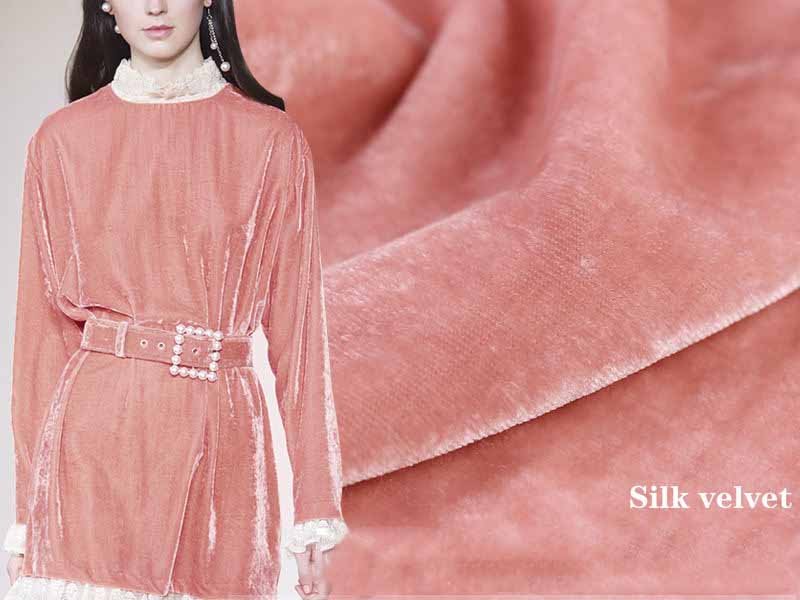
Velvet is one of those fabrics people recognize instantly—even if they can’t explain why. It looks deep, rich, and “alive” under light. It feels smooth when you brush it one way and slightly resistant the other way. That small change in direction can make the same fabric look darker or brighter, which is why velvet dresses look dramatic on camera and why velvet sofas can make a room feel warmer in seconds. But velvet isn’t magic. It’s a textile structure with a clear logic: a base cloth plus a dense layer of short fibers standing upright on the surface.
Velvet fabric is a textile with a dense, soft pile surface created by weaving extra yarns that form tiny upright fibers on the face of the cloth. Velvet can be made from silk, cotton, polyester, or blends, and its performance depends on pile density, pile height, backing strength, and finishing. Velvet is used in fashion, upholstery, accessories, and décor because it delivers a premium touch, strong color depth, and a distinctive light-shifting texture.
If you are developing products, velvet selection should never stop at “it looks nice.” Two velvets can look similar in photos but behave very differently in real life—one may crush easily, another may resist pressure; one may shed fibers, another stays clean; one may fade, another holds color. Those differences come from measurable specs, and that’s what we’ll break down next—starting with what makes velvet structurally different from other fabrics.
When Was Velvet Invented

Velvet is one of the oldest luxury textiles still used today. Historical evidence shows that true woven velvet first appeared around the 13th century, most likely in the Middle East and Central Asia, before spreading into Mediterranean trade cities such as Venice, Genoa, and Florence during the late medieval period.
Early origins (before Europe)
- Archaeological textile fragments and written records suggest pile-woven silk fabrics existed in regions connected to the Silk Road as early as the 9th–12th centuries.
- These early velvets were made entirely from silk, which made them extremely expensive and limited to royalty, religious garments, and nobility.
Because silk weaving knowledge and trade routes were concentrated in Asia, the technology for producing velvet developed there first, long before Europe began large-scale production.
Arrival and rise in Europe (13th–16th century)
Velvet reached Europe through Mediterranean trade networks around the 1200s. Italian weaving centers—especially Venice, Florence, and Genoa—quickly became famous for producing:
- Silk velvet with gold or silver threads
- Patterned cut-pile velvet
- Rich ceremonial textiles for courts and churches
By the Renaissance (14th–16th century), velvet had become a clear symbol of:
- Political power
- Religious authority
- Wealth and social status
Strict sumptuary laws in some European regions even restricted velvet clothing to the upper classes.
Industrial transformation (18th–19th century)
Velvet remained rare and costly until the Industrial Revolution introduced:
- Mechanized looms
- Cotton pile weaving
- Later, synthetic fibers
These changes dramatically reduced production cost and allowed velvet to expand beyond aristocracy into:
- Middle-class fashion
- Theater and interior decoration
- Upholstery and drapery
Modern velvet (20th century to today)
Today, most velvet is produced using:
- Polyester or blended fibers for durability and affordability
- High-speed industrial looms for consistent pile density
- Finishing treatments that improve abrasion resistance, stretch, or embossing effects
This evolution transformed velvet from a rare royal textile into a widely used material for:
- Apparel
- Upholstery
- Accessories
- Decorative products
| Period | Key Development |
|---|---|
| 9th–12th century | Early silk pile fabrics in Asia |
| 13th century | Recognizable velvet structure appears |
| 14th–16th century | Italian Renaissance luxury velvet peak |
| 18th–19th century | Industrial production lowers cost |
| 20th–21st century | Synthetic velvet enables mass use |
What Makes Velvet Different from Other Fabrics?

Velvet is different because its surface is not flat. It has a pile layer—thousands of short, upright fibers that create softness and that “deep color” look. This pile changes how velvet behaves in real use: it reacts to pressure, direction, friction, and light differently than plain woven or knitted fabrics.
What customers notice first
| What customers notice | What causes it | What it affects |
|---|---|---|
| “Looks rich / deep color” | Light gets trapped in pile | Premium appearance, photography |
| “Changes shade when brushed” | Pile direction (nap) | Cutting direction, garment panels |
| “Feels soft” | Dense short fibers | Comfort, luxury perception |
| “Shows marks when pressed” | Pile compresses | Upholstery appearance, care needs |
Velvet is a great choice when you want texture + visual depth, but it requires correct specs and correct handling in cutting/sewing to avoid shade mismatch and pressure marking.
Is Velvet a Woven Fabric or Knit?
Most velvet used in fashion and upholstery is woven velvet. It is produced on looms using a special method that creates the pile. Woven velvet usually has:
- Better shape stability
- Stronger backing structure
- More consistent pile density
- More reliable performance for upholstery, bags, structured garments
There are also velvet-like fabrics made by knitting (often called velour or “knit velvet” in some markets). These are popular for garments because they stretch and feel comfortable, but they do not always perform the same under abrasion or long-term pressure.
Woven velvet vs knit velvet
| Feature | Woven velvet | Knit velvet / velour |
|---|---|---|
| Stretch | Low (unless blended) | High |
| Shape holding | Strong | Softer, may relax |
| Best for | Upholstery, bags, jackets | Dresses, sportswear, costumes |
| Pile look | More structured | Softer, sometimes less crisp |
For brands: If your product needs a clean silhouette (structured bag, tailored jacket, cushion), woven velvet usually performs better. If your product needs comfort stretch (body-hugging dress, stage costume), knit velvet is often easier.
How Is the Pile Created?
The pile is created during fabric formation, not added later like flocking. In woven velvet production, extra yarns are introduced to form loops or floats, then cut (for cut velvet) or left as loops (for loop velvet styles).
Key specs that control velvet quality
| Spec | What it means | What customers experience |
|---|---|---|
| Pile height (mm) | How tall the pile fibers are | Softness vs crush risk |
| Pile density | How many pile fibers per area | Color depth, luxury feel |
| Backing density | Tightness/strength of the ground cloth | Tear strength, seam stability |
| Fiber type | Silk/cotton/polyester blend | Shine, durability, price |
Real-world impact
- Higher pile can feel softer, but is more likely to show pressure marks.
- Higher density usually looks richer and lasts longer under rubbing.
- Weak backing causes seam issues in bags or upholstery (stitch tearing, distortion).
How Does Velvet Feel and Drape?
Velvet’s feel is directional. That’s why factories often mark velvet rolls with an arrow showing nap direction. When you cut panels in different directions, two pieces can look like slightly different colors—even though they came from the same roll.
Velvet drape by weight
Many velvet sourcing conversations revolve around “Is it heavy enough?” or “Will it hang nicely?” Weight is often described by GSM, but GSM alone is not the whole story. Still, it’s a useful starting point.
| Velvet weight level | Approx GSM range | Best use |
|---|---|---|
| Light velvet | 180–260 GSM | Dresses, blouses, linings |
| Medium velvet | 260–380 GSM | Jackets, skirts, soft bags |
| Heavy velvet | 380–600+ GSM | Upholstery, cushions, drapes |
What this means for product development
- Apparel velvet often needs flow + comfort, so medium-light is common.
- Upholstery velvet needs abrasion resistance, so heavier backing and tighter construction matters more than softness alone.
- Velvet for bags often requires strong backing + controlled pile, so the fabric holds stitches and keeps a premium look.
Velvet “Reality Check” Module
Velvet looks premium, but customers also have real concerns. If your product line includes velvet, these are the issues you should anticipate and solve through specification and finishing.
| Customer concern | Why it happens | Practical solution |
|---|---|---|
| “It crushes easily” | Pile too tall / too soft | Choose denser pile, shorter pile |
| “It shows marks” | Nap changes under pressure | Use higher resilience fibers, educate care |
| “It sheds a little” | Pile not anchored well | Better backing, stronger finishing |
| “It looks different panel to panel” | Cutting direction inconsistent | Keep nap direction consistent in cutting |
How Is Velvet Fabric Made?

Velvet is not created by brushing fibers onto a surface or gluing a soft layer on top. It is formed during weaving through a controlled process that builds a dense upright pile into the fabric structure itself. This construction is what gives velvet its long-lasting softness, deep color effect, and smooth directional texture.
In manufacturing terms, velvet production combines three critical stages:
- Selecting the correct yarn and backing structure
- Weaving pile yarns into the cloth using specialized looms
- Cutting, finishing, and stabilizing the pile surface
Small changes in any of these steps can dramatically affect:
- Surface softness
- Abrasion resistance
- Color richness
- Long-term durability
- Final cost
That is why two velvets with similar appearance can perform very differently after months of real use.
What Base Yarns Are Used (Silk, Cotton, Polyester)?
The fiber used for the pile and the backing is one of the biggest factors controlling price, feel, and durability.
Common velvet fiber options
| Fiber type | Main advantages | Main limitations | Typical use |
|---|---|---|---|
| Silk velvet | Natural shine, very soft, luxury look | Very expensive, delicate | High fashion, couture |
| Cotton velvet | Breathable, matte softness, comfortable | Lower abrasion resistance | Apparel, décor |
| Polyester velvet | Strong, colorfast, affordable, durable | Less breathable | Upholstery, bags, fashion |
| Blended velvet | Balanced softness and strength | Quality varies by blend | Wide commercial use |
Practical sourcing insight
- Silk velvet is rarely used in mass production due to cost and fragility.
- Polyester velvet dominates modern markets because it offers the best balance of appearance, durability, and price.
- Blends are often chosen when brands want a softer touch than polyester alone without the cost of silk.
For OEM product development, fiber choice should always match:
- Target retail price
- Expected lifespan
- End-use friction level
What Weaving Methods Create Velvet?
Traditional velvet is woven using a double-cloth technique. Two layers of fabric are woven simultaneously, connected by extra pile yarns. After weaving, the layers are carefully cut apart, producing two pieces of velvet with upright pile.
Key velvet weaving approaches
| Method | Description | Resulting fabric behavior |
|---|---|---|
| Warp-pile velvet | Extra warp yarns form pile | Dense, smooth, high quality |
| Weft-pile velvet | Pile created from weft yarns | Softer but sometimes less dense |
| Double-cloth cut velvet | Two fabrics woven and cut apart | Classic luxury velvet structure |
Why weaving method matters
Weaving structure determines:
- Pile density consistency
- Backing strength for sewing or upholstery
- Resistance to shedding or crushing
Higher-precision weaving usually means:
- Better durability
- Cleaner surface appearance
- Higher production cost
How Are Piles Cut vs Uncut?
After weaving, velvet may be left uncut (loop pile) or cut to form upright fibers.
Cut vs. loop velvet comparison
| Type | Surface feel | Durability | Common uses |
|---|---|---|---|
| Cut velvet | Very soft, smooth | Moderate | Fashion, upholstery |
| Loop velvet | Slightly textured | Higher wear resistance | Upholstery, décor |
| Cut-and-loop patterns | Mixed texture design | Balanced | Decorative textiles |
Real-world impact
- Cut velvet delivers the most luxurious feel but may show pressure marks more easily.
- Loop velvet handles friction better, making it useful for seating or heavy contact areas.
- Cut-and-loop styles provide visual texture while maintaining durability.
What Are Common Types of Velvet?

Modern velvet is not a single material. It includes multiple fiber compositions, surface effects, and stretch constructions, each suited to different price levels and product categories.
Choosing the wrong velvet type can lead to:
- Early wear
- Poor drape
- Unexpected cost
- Customer dissatisfaction
So classification by real performance, not just name, is essential.
Which Fibers Are Popular in Velvet (Silk, Cotton, Polyester)?
Fiber choice directly affects touch, durability, and price positioning.
Performance comparison by fiber
| Fiber | Softness | Durability | Cost level | Best for |
|---|---|---|---|---|
| Silk | Very high | Low–medium | Very high | Luxury garments |
| Cotton | High | Medium | Medium | Apparel, décor |
| Polyester | Medium–high | High | Low–medium | Upholstery, bags |
| Blend | Adjustable | Adjustable | Medium | Commercial fashion |
Polyester velvet now represents the majority of global production because it offers:
- Strong abrasion resistance
- Stable color after washing
- Lower price for large orders
Which Velvet Styles Exist (Crushed, Stretch, Embossed)?
Surface finishing creates visually distinct velvet categories.
Common commercial velvet styles
| Style | How it’s made | Visual effect | Typical use |
|---|---|---|---|
| Crushed velvet | Pile twisted during finishing | Shimmering irregular texture | Fashion, décor |
| Stretch velvet | Knit backing + elastane | Flexible, body-fitting | Dresses, costumes |
| Embossed velvet | Heat-pressed pattern | Decorative texture | Upholstery, accessories |
Each style changes:
- Elasticity
- light reflection
- comfort
- durability
So appearance alone should never guide selection.
Which Velvet Types Are Luxury vs Everyday?
Velvet ranges from premium couture textiles to affordable mass-market fabrics.
Market positioning overview
| Category | Typical fiber | Price level | Common products |
|---|---|---|---|
| Luxury velvet | Silk or silk blend | High | Couture, premium décor |
| Mid-range velvet | Cotton or high-grade polyester | Medium | Apparel, upholstery |
| Commercial velvet | Polyester | Lower | Mass fashion, accessories |
What Properties Does Velvet Fabric Have?

Velvet is chosen not only for how it looks, but for how it behaves over time. Its pile structure creates a combination of softness, visual depth, warmth, and sound absorption that few flat fabrics can match. At the same time, this same pile introduces care sensitivity, pressure marking, and abrasion limits, which must be understood before using velvet in commercial products.
In real product development, velvet performance is usually evaluated across four measurable areas:
- Touch and comfort
- Durability under friction
- Elasticity and recovery
- Maintenance difficulty
Understanding these factors helps brands decide whether velvet is suitable for fashion, upholstery, or accessories—and what grade is required.
Is Velvet Soft and Luxurious?
Yes. Softness is the primary reason velvet is associated with luxury. This sensation comes from thousands of short pile fibers bending easily under light pressure, creating a smooth, cushioned touch.
Factors that influence perceived softness
| Factor | Effect on Feel |
|---|---|
| Pile height | Higher pile feels softer |
| Pile density | Denser pile feels richer and smoother |
| Fiber type | Silk feels most delicate; polyester feels firmer |
| Finishing treatment | Brushing or steaming enhances smoothness |
How Durable Is Velvet?
Durability depends heavily on fiber composition and backing strength, not appearance alone.
Abrasion resistance by velvet type
| Velvet type | Abrasion resistance | Typical lifespan in active use |
|---|---|---|
| Silk velvet | Low | Occasional wear only |
| Cotton velvet | Medium | Moderate household use |
| Polyester velvet | High | Long-term upholstery or accessories |
| Blended velvet | Medium–high | Balanced applications |
For upholstery or bags, polyester or blended velvet is usually preferred because it resists:
- Surface fiber loss
- Color fading
- Pressure deformation
Low-density velvet, even if soft, may show wear quickly in seating or high-contact products.
Does Velvet Stretch or Crease?
Traditional woven velvet has very limited stretch. Stretch velvet exists, but flexibility comes from a knitted backing and elastane fibers, not from the pile itself.
Stretch behavior comparison
| Velvet construction | Stretch level | Best use |
|---|---|---|
| Woven velvet | Minimal | Upholstery, structured garments |
| Stretch velvet | Moderate to high | Dresses, stagewear, fitted apparel |
Velvet also resists sharp creases because the pile hides fold lines. However, pressure marks can appear when fibers are compressed for long periods—common in:
- Folded garments
- Cushions under heavy weight
- Packed accessories during shipping
Proper steaming usually restores the surface.
What Are the Disadvantages of Velvet Fabric?
Despite its beauty, velvet has practical limitations that must be considered in product planning.
Common challenges
| Issue | Cause | Mitigation |
|---|---|---|
| Pressure marks | Pile compression | Use dense pile or steam recovery |
| Abrasion sensitivity | Fiber wear at surface | Choose polyester velvet for durability |
| Care difficulty | Pile traps dust | Recommend gentle cleaning methods |
| Higher cost than plain fabric | Complex weaving | Use blends for cost balance |
For high-traffic environments, incorrect velvet choice can lead to:
- Visible wear paths
- Color shading differences
- Customer dissatisfaction
So velvet should always be matched carefully to real usage intensity.
Where Is Velvet Fabric Used?

Velvet is selected in products where touch, visual depth, and emotional value are just as important as basic durability. Unlike technical waterproof fabrics, velvet is rarely chosen to solve structural problems. Instead, it is used to create:
- A premium first impression
- A comfortable hand feel
- Strong color richness under light
- A sense of warmth and softness in contact areas
1.Velvet Used in Fashion Products
Fashion is still the most visible and commercially important field for velvet.
Common apparel and accessory uses
- Evening dresses and formal gowns
- Blazers, jackets, and tailored coats
- Footwear panels and trims
- Handbags, clutches, and straps
- Hair accessories and decorative ribbons
Why designers choose velvet for fashion
| Design need | How velvet helps |
|---|---|
| Rich color on stage or camera | Pile traps light and deepens tone |
| Soft surface against skin | Dense short fibers create comfort |
| Luxury perception without heavy decoration | Texture itself signals premium value |
Practical durability notes for fashion brands
- Silk velvet → best appearance, limited wear life
- Cotton velvet → comfortable, moderate durability
- Polyester velvet → strongest for daily accessories and bags
For commercial fashion lines, polyester or blended velvet is usually preferred because it balances:
- Appearance
- Cost
- Resistance to rubbing and fading
2.Velvet Used in Home Décor and Upholstery
Velvet is widely used in interiors because it creates a warm, quiet, and comfortable environment.
Typical décor applications
- Sofa and armchair upholstery
- Decorative cushions and pillows
- Curtains and heavy drapes
- Bed headboards and wall panels
- Hospitality lounge seating
Functional benefits in interiors
| Velvet property | Practical interior benefit |
|---|---|
| Soft pile surface | Comfortable seating contact |
| Dense structure | Helps absorb sound in rooms |
| Deep color reflection | Creates warm lighting atmosphere |
| Thick backing options | Supports upholstery durability |
Durability expectations in upholstery
| Velvet grade | Suitable traffic level | Expected visual lifespan* |
|---|---|---|
| Cotton velvet | Light residential use | 1–3 years |
| Standard polyester velvet | Medium household use | 3–5 years |
| High-density polyester velvet | Commercial seating | 5+ years |
- Actual lifespan depends on friction, cleaning, and sunlight exposure.
For hotels, offices, and public seating, high-density polyester velvet is usually required to prevent:
- Flattened pile paths
- Color shading differences
- Early fiber wear
3.Velvet Used in Bags, Packaging, or Accessories?
Velvet is commonly used in smaller premium items where direct hand contact matters.
Typical accessory and packaging uses
- Jewelry box lining
- Watch storage interiors
- Luxury cosmetic pouches
- Gift packaging bags
- Decorative handbag panels
Why velvet works well in these products
1. Emotional value at first touch Customers immediately feel softness when opening a box or holding a pouch.
2. Visual contrast with hard materials Velvet lining enhances the perceived value of:
- Metal jewelry
- Watches
- Glass perfume bottles
3. Low structural stress Because these items experience limited friction, velvet’s abrasion limits are less problematic.
Are There Commercial or Technical Applications?
Although velvet is mainly decorative, it also appears in specialized commercial environments where appearance and acoustics matter.
Examples beyond fashion and décor
- Theater curtains and stage backdrops
- Cinema or auditorium seating
- Exhibition display surfaces
- Museum presentation panels
- Automotive interior trim accents (select models)
Functional reasons for use
| Requirement | Why velvet is suitable |
|---|---|
| Light absorption on stage | Reduces glare and reflections |
| Sound dampening in halls | Dense pile softens echo |
| Premium visual presentation | Enhances display quality |
These uses typically rely on polyester velvet with flame-retardant or abrasion-resistant finishing, depending on safety requirements.
Where Is Velvet Fabric Produced?

Velvet fabric is manufactured in several regions around the world, but in real commercial supply chains, production is highly concentrated in Asia, where fiber production, weaving technology, dyeing capacity, and finished-product manufacturing are closely connected.
Which Countries Produce the Most Velvet Fabric?
Global velvet production is led by East Asia, supported by specialty manufacturing in Europe and smaller technical segments in North America.
Major velvet production regions
| Region | Key strengths | Typical market role |
|---|---|---|
| China | Large-scale weaving, wide fiber options, strong dyeing and finishing capacity | Main global supplier for fashion, upholstery, and accessories |
| South Korea | High-precision knitting and finishing technology | Stretch velvet and performance apparel |
| Taiwan | Stable filament quality and technical textile expertise | Functional and mid-to-high-end velvet fabrics |
| Turkey | Strong tradition in upholstery textiles and décor fabrics | Regional supplier for Europe and the Middle East |
| Italy | Luxury silk and high-fashion velvet craftsmanship | Premium and couture markets |
| United States | Niche technical and flame-retardant velvet | Theater, contract, and specialty applications |
Among these, China accounts for the largest global volume, especially for polyester and blended velvet used in bags, garments, and interior décor.
Why Do Many Brands Source Velvet from Asia?
Most international brands choose Asian velvet suppliers because of manufacturing integration and production efficiency, not just price.
Practical advantages of Asian production
1. Complete vertical supply chain Many Asian textile clusters combine:
- Fiber spinning (polyester, nylon blends)
- Warp knitting or weaving
- Dyeing and finishing
- Embossing, brushing, or coating
- Final product manufacturing
This integration reduces:
- Sampling delays
- Quality variation between suppliers
- Communication gaps during development
2. Strong balance of appearance, durability, and cost Modern polyester velvet from Asia can deliver:
- Stable colorfastness
- Dense, uniform pile
- Reliable abrasion resistance
while remaining cost-efficient for medium and large production runs.
3. Flexible MOQ and faster sampling
Compared with many Western mills, Asian factories more commonly provide:
- Rapid sample yardage within a few days
- Custom color dyeing for brand palettes
- Small trial orders before scaling to bulk
This flexibility is especially valuable for:
- E-commerce brands
- Seasonal fashion launches
- Private-label product testing
How Do Europe and North America Differ in Velvet Production?
While Asia leads in volume and commercial flexibility, Western regions focus more on luxury craftsmanship, sustainability, and regulation compliance.
Regional specialization overview
| Region | Focus | When brands choose it |
|---|---|---|
| Italy & Western Europe | Silk velvet, heritage weaving, luxury finishing | Couture fashion and premium interiors |
| Eastern Europe & Turkey | Upholstery velvet and décor textiles | Mid-range European furniture markets |
| United States | Flame-retardant and contract textiles | Theater, hospitality, and safety-regulated uses |
These velvets often cost 30–120% more than mainstream polyester velvet from Asia, so they are typically selected only when:
- Brand positioning requires European origin
- Certification or regulation is mandatory
- Extremely refined texture or silk composition is needed
How Should Brands Choose a Velvet Production Region?
The best sourcing region depends on product positioning, durability needs, and price target, rather than geography alone.
Practical sourcing guide for velvet
| Product goal | Recommended sourcing region |
|---|---|
| Cost-efficient fashion accessories | China |
| Stretch velvet garments | Korea or China |
| Upholstery with stable durability | China or Turkey |
| Luxury silk velvet fashion | Italy |
| Certified contract or theater use | United States or Europe |
Many experienced brands use a dual-sourcing strategy:
- Primary production in Asia for efficiency and scale
- Specialty velvet from Europe for premium collections
This approach balances cost control, innovation, and supply security.
What Role Do Integrated Manufacturers Play in Velvet Supply?
A common challenge in velvet sourcing is the separation between:
- Fabric mills
- Dyeing facilities
- Finished-product factories
This separation can cause:
- Color inconsistency between batches
- Incorrect pile direction during cutting
- Delays when moving from sampling to bulk production
- Unexpected durability issues in final products
Integrated manufacturing groups—such as Lovrix, which combines fabric development, webbing production, and bag manufacturing—help reduce these risks by aligning:
- Material specification with product structure
- Sampling speed with production readiness
- Quality standards across every stage
For brands planning custom velvet bags, décor products, or accessories, this coordination often results in:
- Faster development timelines
- More stable bulk quality
- Lower overall production risk
How Much Does Velvet Fabric Cost?
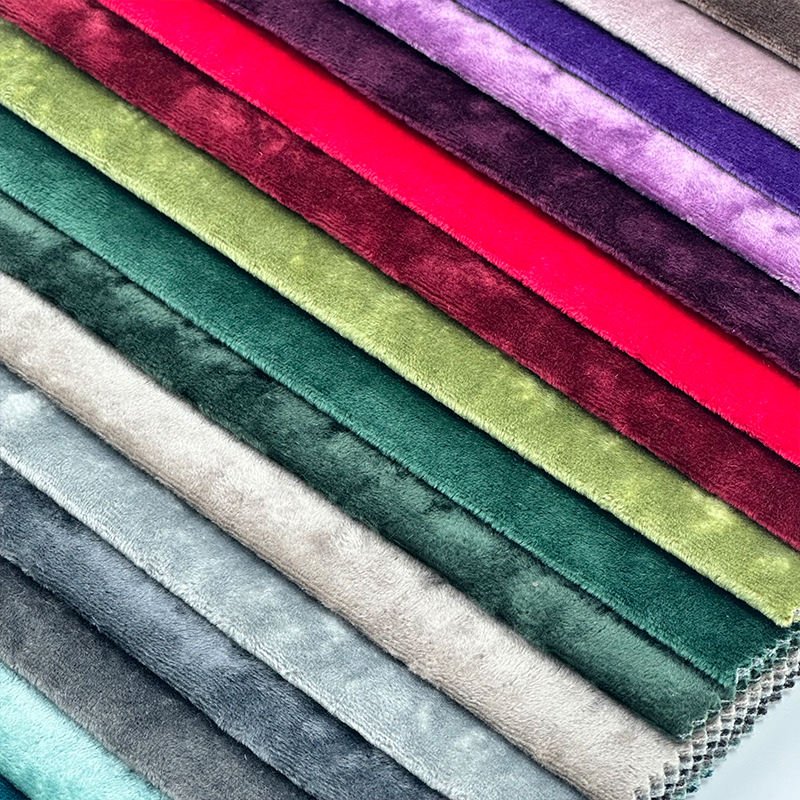
Velvet fabric prices vary widely because velvet is not a single standardized material. Cost depends on fiber type, pile density, backing construction, finishing treatment, order quantity, and production region. Two velvets that look similar in photos can differ in price by three to ten times once technical specifications are considered.
What Are Typical Price Ranges for Different Velvet Types?
The biggest cost driver is fiber composition, followed by pile density and finishing complexity.
Global reference price ranges (bulk production)
| Velvet type | Approx. bulk price (USD/meter) | Common applications |
|---|---|---|
| Silk velvet | $40 – $120+ | Couture fashion, luxury décor |
| Cotton velvet | $12 – $35 | Apparel, mid-range interiors |
| Polyester velvet | $4 – $15 | Bags, upholstery, fashion |
| Recycled or specialty velvet | $15 – $45 | Sustainable or certified products |
Prices vary by:
- Order quantity
- Dyeing complexity
- Surface finishing (embossing, stretch, coating)
- Country of production
For most OEM accessories, upholstery, or fashion programs, polyester velvet in the $6–$12/meter range is the most commonly selected balance of appearance, durability, and cost.
Which Technical Factors Increase Velvet Cost?
Beyond fiber type, several measurable specifications directly affect price.
Key cost drivers in velvet manufacturing
| Factor | Why it increases cost | Real product impact |
|---|---|---|
| Higher pile density | Uses more yarn and slower weaving speed | Richer look, better durability |
| Greater GSM weight | More material per meter | Stronger structure for upholstery |
| Stretch backing with elastane | Extra knitting and finishing steps | Comfort for garments |
| Embossing or crushing finish | Additional processing stage | Decorative appearance |
| Flame-retardant or coating treatment | Chemical finishing + testing | Contract or public-space use |
| Small order quantity | Lower production efficiency | Higher unit price |
How Does Order Quantity Affect Price?
Velvet follows normal textile economies of scale. Larger orders reduce per-meter production cost because setup, dyeing, and machine calibration are spread across more fabric.
Typical quantity impact
| Order size | Price tendency | Development implication |
|---|---|---|
| Sample yardage (<50 m) | Highest unit cost | Used only for testing |
| Small batch (100–500 m) | Moderate price | Pilot product launch |
| Bulk production (1,000+ m) | Lowest stable price | Standard commercial level |
| Long-term program orders | Additional negotiation space | Best cost efficiency |
Planning realistic order volume early prevents unexpected budget pressure later in development.
How Does Velvet Cost Compare to Other Fabrics?
Velvet is usually more expensive than plain woven fabrics, but less expensive than many genuine leather or specialty textiles.
Material cost comparison (mid-range quality)
| Material | Relative cost level | Visual perception |
|---|---|---|
| Plain polyester fabric | Low | Functional/basic |
| Polyester velvet | Medium | Premium soft look |
| PU leather | Medium–high | Structured luxury feel |
| Genuine leather | High | Natural luxury |
Because velvet creates strong emotional value at moderate cost, it is often used to:
- Upgrade perceived product quality
- Improve gift or display presentation
- Enter higher retail price segments without major structural redesign
How Can Brands Control Velvet Material Cost Without Losing Quality?
Experienced product teams usually manage velvet cost through smart specification choices, not by selecting the cheapest fabric.
Practical cost-control strategies
1. Match durability to real usage Avoid paying for high-density upholstery velvet if the product is only decorative packaging.
2. Choose polyester blends instead of silk Modern polyester velvet can achieve very similar visual richness at a fraction of the cost.
3. Optimize GSM and pile height Slight reductions in weight or pile height can lower price without visible appearance loss.
4. Plan bulk color dyeing Custom colors are more economical when ordered in larger continuous runs.
How to Choose the Right Velvet for Your Product?
Selecting velvet is not just about color or softness. In real product development, the correct velvet must balance appearance, durability, weight, maintenance, and cost. Many product failures—such as early wear, shading marks, or unexpected price increases—come from choosing velvet based only on how it looks in a sample book rather than how it performs in daily use.
Experienced development teams usually evaluate velvet through practical usage conditions, not visual preference alone. The goal is simple: choose the lightest, most cost-efficient velvet that can still maintain the required appearance and lifespan in real customer environments.
What Basic Questions Should Be Answered First?
Before requesting samples or quotations, it helps to define four key conditions. These answers often determine 80% of the correct velvet specification.
1. Where will the product be used?
| Usage environment | Main risk | Recommended velvet direction |
|---|---|---|
| Evening apparel | Appearance priority | Silk-like or fine polyester velvet |
| Daily fashion accessory | Friction and handling | Dense polyester velvet |
| Upholstery or seating | Continuous abrasion | High-density performance velvet |
| Decorative packaging | Low wear, visual focus | Soft low-pile velvet |
Ignoring environment is one of the most common reasons velvet products lose appearance too quickly.
2. How much friction or pressure will occur?
Friction level directly affects pile height, density, and fiber choice.
| Contact level | Suggested velvet structure |
|---|---|
| Minimal touching | Tall, soft pile acceptable |
| Repeated hand contact | Medium pile with dense fibers |
| Continuous seating pressure | Short, very dense polyester pile |
If pile height is too high for the friction level, the surface may show:
- Flattened paths
- Uneven shading
- Fiber wear
3. What lifespan is expected?
Different velvet grades correspond to very different service life ranges.
| Product category | Realistic appearance lifespan* |
|---|---|
| Fashion garment (occasional wear) | 1–3 years |
| Handbag or accessory | 2–4 years |
| Residential upholstery | 3–5 years |
| Commercial seating | 5+ years with performance velvet |
- Assumes correct care and appropriate velvet grade.
Planning lifespan early helps avoid over-engineering cost or under-performing materials.
4. What price level must the final product reach?
Velvet fiber type strongly influences cost.
| Velvet fiber | Relative cost level | Typical positioning |
|---|---|---|
| Silk velvet | Very high | Couture or luxury décor |
| Cotton velvet | Medium | Apparel and interiors |
| Polyester velvet | Low–medium | Mass fashion, upholstery, bags |
For most commercial OEM products, polyester or blended velvet offers the best balance between:
- Visual richness
- Abrasion resistance
- Stable pricing at scale
How Do Pile Height, Density, and Backing Affect Performance?
Three physical parameters control most real-world velvet behavior.
1. Pile height
| Pile height | Feel | Durability |
|---|---|---|
| High pile | Very soft | Lower abrasion resistance |
| Medium pile | Balanced | Good general use |
| Low pile | Firmer | Best for heavy wear |
Shorter pile is usually better for:
- Bags
- Seating
- Frequent handling
2. Pile density
Higher density improves:
- Color depth
- Surface smoothness
- Resistance to flattening
But it also increases material cost and fabric weight.
3. Backing construction
Strong backing prevents:
- Seam distortion
- Tearing under load
- Shape deformation in upholstery or bags
For structured products, backing strength is often more important than softness.
How Should Cost and Performance Be Balanced?
Choosing the most expensive velvet does not always improve customer satisfaction. The correct approach is to match material grade to real usage intensity.
Practical selection logic used in product development
| Product goal | Smart velvet choice |
|---|---|
| Luxury visual impact, low wear | Silk-look polyester velvet |
| Durable everyday accessory | Dense polyester velvet |
| Long-life upholstery | Performance polyester velvet |
| Budget decorative item | Standard polyester velvet |
This method keeps:
- Material cost under control
- Product lifespan appropriate
- Customer expectations aligned with reality
What Quality Checks Should Be Confirmed Before Production?
Several measurable tests help prevent velvet problems after launch.
Common velvet quality indicators
| Test or check | What it confirms |
|---|---|
| Abrasion resistance | Surface wear speed |
| Colorfastness | Resistance to fading or rubbing |
| Pile recovery test | Ability to rebound after pressure |
| Seam strength | Suitability for bags or upholstery |
| Shade consistency | Uniform appearance across batches |
Skipping these checks often leads to:
- Visible wear within months
- Color shading differences between panels
- Increased return rates
Testing early is far less costly than replacing finished products.
Develop Custom Velvet Products with Lovrix
Understanding velvet structure, durability, and application is only the first step. Turning that knowledge into a successful commercial product requires:
- Correct material engineering
- Consistent fabric sourcing
- Skilled product manufacturing
- Reliable quality control
Lovrix brings together more than 18 years of experience in:
- Fabric development
- Webbing production
- Bag and accessory manufacturing
This integrated capability allows brands to receive:
- Fast sampling
- Low-MOQ customization
- Stable bulk production
- Professional technical guidance
Whether you are planning:
- Velvet handbags
- Upholstered accessories
- Decorative packaging
- Fashion collections
you are welcome to contact Lovrix for material consultation, sampling, and quotation. The right velvet specification—chosen early—can significantly improve product value, durability, and customer perception.