 Skip to content

When people shop for bags—whether it’s a backpack, travel duffel, gym bag, or tool bag—they often focus on design, capacity, or price. But experienced buyers know the real difference between a bag that lasts one season and one that survives years of daily use usually comes down to material choice. Nylon is one of the most frequently mentioned materials in modern bag manufacturing, yet it is also one of the most misunderstood.
Some people think nylon is just “plastic.” Others assume all nylon fabrics perform the same. Brands often use the word “nylon” in product descriptions without explaining which type, which construction, or why it matters. As a result, buyers struggle to evaluate quality, compare suppliers, or specify the right nylon fabric for their intended use.
Nylon is a synthetic material made from polyamide polymers, originally developed as a plastic but widely used as a textile fiber. Through industrial spinning and weaving processes, nylon plastic is transformed into strong, lightweight, and abrasion-resistant fabric. Because of its durability, flexibility, and cost efficiency, nylon is commonly used in bags, backpacks, luggage, and outdoor gear.
Understanding nylon at a deeper level—what it is, how it’s made, and how different nylon fabrics perform—can dramatically improve product quality, sourcing decisions, and long-term brand reputation. In the sections below, we’ll break nylon down from both a material science perspective and a real-world bag manufacturing perspective, using practical examples drawn from custom bag production.
If you’ve ever wondered why two “nylon bags” can feel completely different in strength, weight, or price, the answer starts here.
What Is Nylon

Nylon is a fully synthetic material made from polyamide polymers, originally developed as a type of plastic and later engineered into textile fibers. Through industrial processes, nylon plastic is melted, spun into filaments, and woven into fabric. The resulting nylon fabric is lightweight, strong, abrasion-resistant, and highly consistent, which is why it is widely used in bags, backpacks, luggage, and performance gear.
What Is Nylon in Short Answer
In the simplest terms, nylon is a man-made material designed to deliver strength, durability, and consistency beyond what most natural fibers can offer. Unlike cotton, wool, or linen—which depend on farming conditions—nylon is engineered in a controlled industrial environment. This allows manufacturers to precisely control fiber thickness, tensile strength, elasticity, and surface performance.
For buyers and brands, this means nylon is not just a “fabric,” but a performance system. When someone says a bag is made of nylon, what truly matters is which nylon, how it is constructed, and what treatments it receives. These factors determine whether the bag feels soft or rigid, lightweight or heavy-duty, water-resistant or fully waterproof.
Is Nylon a Plastic or a Fabric
This is one of the most frequently searched questions on Google—and the correct answer is both, depending on perspective.
From a material science perspective, nylon is a plastic. Chemically, it belongs to the polyamide family, produced through polymerization reactions using petroleum-derived raw materials. In this raw form, nylon exists as solid pellets or chips, similar to other engineering plastics.
From a product and textile perspective, nylon becomes a fabric after it is melted, extruded into long filaments, stretched for strength, twisted into yarn, and woven or knitted. Once processed this way, nylon behaves like a textile: it can be sewn, coated, laminated, dyed, and shaped into bags and accessories.
This dual identity is exactly why nylon is so versatile. The same base material can be used for soft bag fabrics, reinforced webbings, plastic buckles, and structural components within one product.
Why Was Nylon Invented in the First Place
Nylon was originally invented in the 1930s to solve a very practical problem: the instability and scarcity of natural fibers. Early applications focused on replacing silk, which was expensive and geopolitically sensitive at the time.
What manufacturers quickly discovered was that nylon didn’t just replace natural fibers—it outperformed them in many ways. Nylon was stronger than cotton at similar weight, more elastic than linen, and more abrasion-resistant than wool. These advantages made it ideal for applications that demanded durability and repeatability, long before bags and luggage became its primary uses.
Today, those same advantages explain why nylon dominates functional bag categories worldwide.
What Makes Nylon Different from Natural Fabrics?
The key difference lies in engineering control.
Natural fabrics vary from batch to batch due to weather, soil, and harvesting conditions. Nylon, by contrast, is produced under standardized industrial parameters. This allows manufacturers to specify:
- Exact fiber thickness (denier)
- Consistent tensile and tear strength
- Controlled elasticity and recovery
- Predictable surface behavior after coating
For brands sourcing custom bags, this consistency reduces risk. When a nylon fabric is specified correctly, large-scale production remains stable—something that is much harder to guarantee with purely natural materials.
Why Is Nylon So Common in Modern Bags?
Nylon’s popularity in bags is not accidental. It sits at the intersection of performance, cost efficiency, and design flexibility.
Nylon fabrics can be:
- Lightweight for travel and gym bags
- Thick and abrasion-resistant for tool bags
- Laminated for waterproof dry bags
- Treated for fire resistance or odor control
Few materials offer this range without significant trade-offs. This adaptability is why nylon has become the default material for backpacks, travel bags, tote bags, cooler bags, dry bags, and many specialized functional products.
How Is Nylon Made

Nylon is made through a multi-stage industrial process that converts chemical raw materials into polyamide plastic, then into fibers, and finally into fabric. The process includes polymerization, melting, fiber spinning, stretching, yarn formation, weaving, and surface finishing. Each step directly affects the strength, durability, and performance of nylon used in bags and textiles.
What Raw Materials Are Used to Make Nylon
Nylon begins as petroleum-based chemical compounds, not as fabric. The most common raw materials depend on the type of nylon being produced:
- Nylon 6 is made from caprolactam
- Nylon 66 is made from hexamethylene diamine and adipic acid
These chemicals undergo controlled reactions to form long-chain polyamide polymers. The length and alignment of these chains are critical: longer and more uniform chains result in higher tensile strength, better elasticity, and improved heat resistance.
From a buyer’s perspective, this is where nylon’s consistency originates. Unlike natural fibers, which vary by crop or season, nylon’s base structure is engineered and repeatable—an essential advantage for large-scale bag production.
How Does Polymerization Turn Chemicals into Nylon Plastic
The transformation from chemicals to nylon happens through polymerization, a chemical reaction where small molecules (monomers) bond into long polymer chains.
In this stage:
- Heat and catalysts trigger molecular bonding
- Chains grow to a specific length
- The result is solid nylon resin, usually in pellet or chip form
At this point, nylon is still a plastic, not a fiber. These pellets are identical in appearance to other engineering plastics and can be transported, stored, and processed later. Quality control at this stage determines molecular uniformity, which directly impacts final fabric strength.
How Is Nylon Plastic Turned into Fibers
To become a textile, nylon plastic must first be converted into continuous filaments.
The nylon pellets are:
- Melted at high temperature
- Forced through spinnerets with microscopic holes
- Extruded into long, thin filaments
These filaments are then rapidly cooled to lock in structure. At this stage, the fibers are still relatively weak. Strength comes later, during the stretching process.
This step explains why nylon is often described as “melt-spun”—a key difference from natural fibers, which are mechanically harvested rather than chemically formed.
Why Is Fiber Stretching So Important for Nylon Strength
After extrusion, nylon filaments are stretched—sometimes up to three to four times their original length. This stretching aligns polymer chains in the direction of force.
The result:
- Dramatically increased tensile strength
- Improved elasticity and recovery
- Better resistance to tearing and abrasion
For bag fabrics, this step is critical. Properly stretched fibers allow nylon to carry heavy loads without breaking or deforming. Poorly controlled stretching leads to weak fabrics that may look fine but fail under stress.
How Are Nylon Fibers Turned into Yarn and Fabric
Once stretched, nylon filaments are twisted together to form yarn. The twist level affects:
- Surface texture
- Flexibility
- Abrasion resistance
These yarns are then woven or knitted into fabric using different structures:
- Plain weave for smooth, lightweight fabrics
- Twill weave for flexibility and drape
- Ripstop weave for tear resistance
Fabric construction plays just as important a role as fiber quality. Two nylon fabrics made from the same polymer can behave very differently depending on weave density and pattern.
What Finishing Processes Define Nylon Fabric Performance
The final performance of nylon used in bags is largely determined during finishing.
Common finishing processes include:
- PU or TPU coating for water resistance
- Lamination for waterproof applications
- DWR treatment for surface water repellency
- UV stabilization to reduce sun damage
- Flame-retardant additives for fireproof bags
This is where nylon becomes application-specific. A nylon fabric for a lightweight tote bag is finished very differently from one designed for a dry bag or fire-resistant tool bag.
Why Manufacturing Process Matters More Than the Word “Nylon”
From a sourcing standpoint, “nylon” alone is not a specification. Two suppliers may both claim to use nylon, yet deliver completely different results.
What truly matters is:
- Polymer type and quality
- Fiber stretching control
- Weave density and pattern
- Finishing technology
What Are Nylon’s Key Properties

Nylon is known for its high strength-to-weight ratio, excellent abrasion resistance, flexibility, and long-term durability. It resists tearing, recovers well after bending or compression, and can be treated for water resistance, UV protection, and special performance needs. These properties make nylon one of the most reliable materials for bags, backpacks, and functional luggage.
Why Does Nylon Have a High Strength-to-Weight Ratio
One of nylon’s most important advantages is that it delivers exceptional strength without excessive weight. This comes from the way nylon fibers are manufactured. During fiber stretching, polymer chains align tightly along the fiber axis, allowing force to distribute evenly when the fabric is under load.
For bags, this means nylon can support heavy contents while remaining lightweight and comfortable to carry. Compared to canvas or leather, nylon offers similar or higher tensile strength at a fraction of the weight. This property is especially critical for travel bags, backpacks, gym bags, and carry-on luggage, where weight directly affects user comfort and airline compliance.
How Abrasion-Resistant Is Nylon Compared to Other Fabrics
Nylon is widely recognized for its excellent abrasion resistance, which explains its dominance in high-wear areas such as bag bottoms, corners, and straps.
When subjected to repeated rubbing or friction, nylon fibers tend to deform and recover rather than break. Polyester, by contrast, is more brittle under the same conditions. This makes nylon particularly suitable for bags that are dragged, dropped, or placed on rough surfaces, such as tool bags, backpacks, and travel duffels.
In real-world use, higher-denier nylon fabrics (such as 840D or 1680D) significantly outperform most polyester fabrics in abrasion testing, extending product lifespan and reducing returns.
How Flexible and Elastic Is Nylon
Nylon has a natural elastic recovery, meaning it can bend, fold, and stretch slightly without permanent deformation. This property allows nylon bags to maintain their shape even after repeated compression, packing, or daily handling.
For designers, this flexibility enables more complex bag structures, curved seams, and reinforced stress points without cracking or fiber fatigue. For users, it means bags feel less stiff, more comfortable, and more forgiving during use—especially in soft-sided luggage and foldable travel bags.
How Does Nylon Handle Moisture and Water
Pure nylon fibers can absorb a small amount of moisture, which means nylon itself is not waterproof. However, nylon dries quickly and does not lose significant strength when wet.
In bag manufacturing, nylon is almost always paired with surface treatments such as:
- PU or TPU coatings for water resistance
- Lamination for waterproof applications
- DWR finishes for surface water repellency
These treatments allow nylon bags to perform well in rain, snow, or humid environments, making them ideal for outdoor and travel use.
How Resistant Is Nylon to Heat, UV, and Aging
Nylon has good heat resistance compared to many textile fibers, maintaining structural stability under normal daily conditions. However, prolonged UV exposure can degrade untreated nylon, causing color fading and reduced strength over time.
To address this, professional manufacturers apply UV stabilizers and protective finishes. When properly treated, nylon bags can withstand years of outdoor exposure with minimal performance loss. Aging resistance is one of the reasons nylon products often outlast cheaper synthetic alternatives.
How Consistent Is Nylon in Large-Scale Production
One often overlooked property of nylon is its production consistency. Because nylon is engineered rather than grown, its performance can be tightly controlled across batches.
For brands and buyers, this consistency means:
- Predictable quality across repeat orders
- Easier compliance with testing standards
- Reduced risk in scaling production
This reliability is a major reason why nylon is favored by professional bag manufacturers and international brands.
Nylon vs Common Bag Materials
| Property | Nylon | Polyester | Canvas |
|---|---|---|---|
| Strength-to-Weight | Very High | Medium | High |
| Abrasion Resistance | Excellent | Good | Fair |
| Flexibility | High | Medium | Low |
| Water Performance | With coating | Moderate | Poor |
| Long-Term Durability | Excellent | Moderate | Variable |
Why Nylon’s Properties Matter for Bag Buyers
Understanding nylon’s properties helps buyers move beyond vague labels and make informed material decisions. A well-specified nylon fabric leads to lighter bags, longer product life, and fewer quality issues—key factors for brands focused on customer satisfaction and reputation.
Which Types of Nylon Are Used in Bags

The most commonly used nylon types in bags include Nylon 6, Nylon 66, and various denier-based nylon fabrics such as 210D, 420D, 840D, 1000D, and 1680D. Each type offers different balances of strength, flexibility, weight, and cost. The right nylon choice depends on the bag’s function, load requirements, environment, and expected lifespan.
Nylon 6 vs Nylon 66 — Which Is Better for Bags
Nylon 6 and Nylon 66 are the two most important polymer types used in bag manufacturing, but they serve slightly different purposes.
Nylon 6 is known for its softer hand feel, better elasticity, and easier dyeability. It performs well in everyday bags, backpacks, tote bags, and travel bags where flexibility and comfort matter. It also absorbs impact well, which helps reduce fabric cracking in cold environments. From a sustainability standpoint, Nylon 6 is easier to recycle, making it popular in recycled nylon programs.
Nylon 66 offers higher heat resistance, greater stiffness, and improved long-term structural stability. It is often used in tool bags, fire-resistant bags, heavy-duty backpacks, and industrial or tactical products. While it may feel slightly stiffer, it maintains shape better under constant load.
There is no “better” nylon—only a more appropriate choice based on application.
What Does Denier (D) Mean in Nylon Fabrics
Denier (D) measures the thickness and weight of nylon fibers, not the quality by itself. Higher denier usually means thicker fibers and greater abrasion resistance, but also more weight.
Common nylon deniers used in bags include:
- 210D / 420D – Lightweight linings, foldable bags, fashion totes
- 600D / 840D – Balanced strength and weight for backpacks and gym bags
- 1000D / 1680D – Heavy-duty, abrasion-resistant fabrics for luggage and tool bags
Denier should always be evaluated alongside weave density and coating, as a poorly woven high-denier fabric can perform worse than a well-engineered lower-denier one.
What Is Ballistic Nylon and When Is It Used
Ballistic nylon is a high-denier nylon fabric originally developed for military applications. It typically uses 840D or 1680D yarns in a tight, multi-ply weave.
Key characteristics:
- Exceptional abrasion and tear resistance
- High puncture resistance
- Heavier weight and stiffer hand feel
Ballistic nylon is commonly used in luggage, tool bags, laptop bags, and high-impact travel products where durability is more important than softness or light weight.
What Is Ripstop Nylon and Why Is It Popular
Ripstop nylon incorporates a reinforced grid pattern woven into the fabric. This structure prevents small tears from spreading, which significantly improves durability without adding much weight.
Ripstop nylon is widely used in:
- Travel bags
- Dry bags
- Outdoor backpacks
- Lightweight performance bags
For brands targeting outdoor or adventure users, ripstop nylon offers an excellent balance between weight efficiency and tear resistance.
How Do Nylon Coatings and Laminations Affect Performance
Raw nylon fabric rarely meets performance requirements on its own. Surface treatments play a critical role in defining how the bag performs.
Common treatments include:
- PU coating – Cost-effective water resistance
- TPU lamination – High-performance waterproofing
- PVC coating – Heavy-duty protection (less eco-friendly)
- DWR finishes – Surface water repellency
The same nylon base fabric can behave very differently depending on the coating system used. This is why professional manufacturers specify nylon as a complete material system, not just a fabric name.
How Do Different Nylon Types Match Different Bag Categories
Nylon Selection Guide for Bags
| Bag Type | Recommended Nylon Type | Reason |
|---|---|---|
| Tote Bags | 210D–420D Nylon 6 | Lightweight, flexible |
| Backpacks | 600D–840D Nylon | Strength + comfort |
| Travel Bags | 840D / Ripstop Nylon | Durability + weight balance |
| Tool Bags | 1000D–1680D Nylon 66 | Abrasion resistance |
| Dry Bags | TPU-laminated Nylon | Waterproof performance |
| Cooler Bags | Coated Nylon | Moisture & temperature control |
Why “Nylon” Alone Is Not a Sufficient Specification
Many sourcing problems occur because buyers specify only “nylon” without defining polymer type, denier, weave, or coating.
A complete nylon specification should include:
- Nylon type (6 or 66)
- Denier and yarn construction
- Weave structure
- Surface treatment or lamination
- Performance requirements (waterproof, abrasion, UV)
How Durable Is Nylon for Everyday Use

Nylon is highly durable for everyday use due to its abrasion resistance, tear strength, flexibility, and ability to recover from repeated stress. When properly specified and constructed, nylon bags can last 5–10 years or longer in daily use. Durability depends not only on the nylon type, but also on denier, weave density, coatings, stitching, and overall bag construction.
How Does Nylon Resist Wear and Abrasion?
Everyday bags are constantly exposed to friction—against clothing, floors, car interiors, and luggage compartments. Nylon performs exceptionally well under these conditions because its fibers bend and recover rather than crack or break.
High-quality nylon fabrics, especially in the 600D–1680D range, maintain structural integrity even after thousands of abrasion cycles. This is why nylon is often used on bag bottoms, corners, and high-stress panels. In real-world terms, nylon bags show slower surface wear and fewer visible damage points compared to many polyester alternatives.
How Tear-Resistant Is Nylon Under Load
Tear resistance is critical for bags that carry heavy or uneven loads. Nylon’s molecular structure allows it to distribute stress across fibers, reducing the likelihood of sudden tearing.
In everyday scenarios—overstuffed backpacks, tool bags carrying metal equipment, or travel bags pulled by straps—nylon outperforms most woven fabrics of similar weight. Fabrics like ripstop nylon further enhance this performance by preventing small tears from spreading.
How Does Nylon Handle Repeated Bending and Compression
Daily use involves constant folding, squeezing, and compression—placing a bag under a seat, packing it into lockers, or stuffing it into overhead compartments. Nylon’s elastic recovery allows it to return to its original shape after stress.
This property helps nylon bags:
- Maintain appearance longer
- Avoid permanent creases
- Resist cracking in cold temperatures
For users, this means the bag feels “forgiving” rather than stiff or fragile over time.
Is Nylon Water-Resistant Enough for Daily Use
Nylon fibers alone are not waterproof, but most everyday nylon bags are treated with PU coatings or water-repellent finishes.
For daily commuting and light rain, coated nylon offers more than adequate protection. For harsher environments, TPU-laminated nylon provides full waterproof performance. Importantly, nylon retains most of its strength even when wet and dries faster than many fabrics—an overlooked advantage in daily use.
How Long Do Nylon Bags Typically Last
Under normal daily use, a well-made nylon bag commonly lasts 5–10 years, and often longer when properly cared for. Lifespan depends on several interacting factors:
- Fabric denier and weave quality
- Coating durability
- Stitching reinforcement and seam construction
- Hardware and zipper quality
- Usage intensity and environment
Many bag failures are caused not by fabric breakdown, but by poor stitching or low-quality hardware—a reminder that durability is a system, not a single material property.
How Does Nylon Compare to Other Materials in Daily Durability
Durability Comparison for Everyday Bags
| Material | Abrasion Resistance | Flexibility | Water Performance | Typical Lifespan |
|---|---|---|---|---|
| Nylon | Excellent | High | With coating | 5–10+ years |
| Polyester | Moderate | Medium | Moderate | 3–6 years |
| Canvas | Fair | Low | Poor | 2–5 years |
| PU Leather | Low | Low | Moderate | 1–3 years |
What Causes Nylon Bags to Fail Prematurely
Even durable nylon bags can fail if poorly designed or manufactured. Common failure points include:
- Thin or inconsistent fabric
- Weak seam reinforcement
- Low-quality coatings that peel or crack
- Inferior zippers and hardware
This is why professional manufacturers like lovrix emphasize engineering-based construction, not just fabric choice.
Why Nylon Durability Matters for Buyers and Brands
For end users, durability means fewer replacements and better value. For brands, it means lower return rates, stronger reviews, and better reputation.
Understanding nylon’s real durability helps buyers specify the right material from the start, avoiding cost-saving shortcuts that lead to long-term problems.
What Are the Common Uses of Nylon
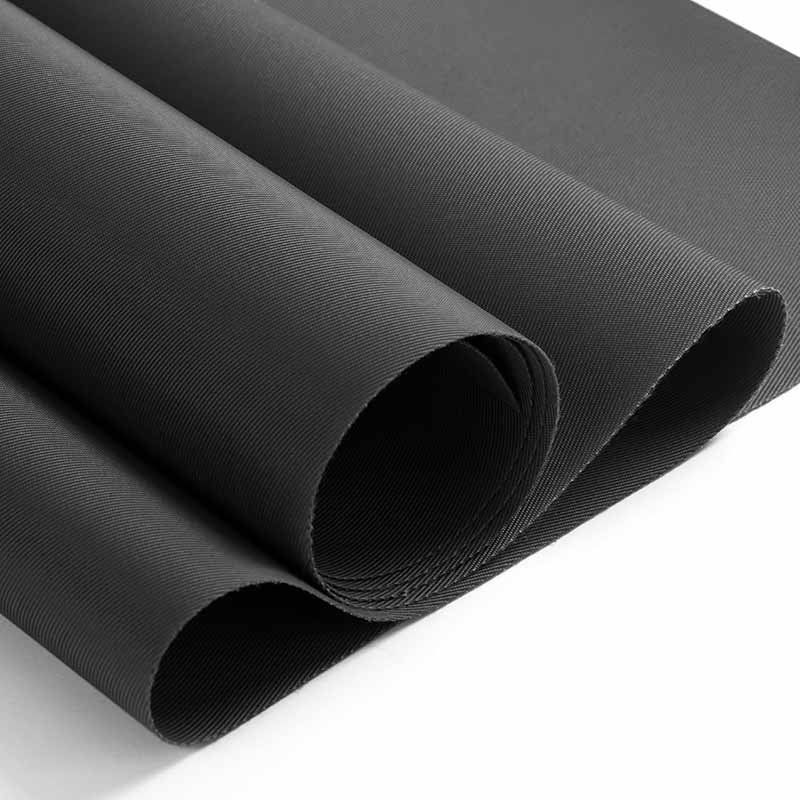
Nylon is widely used in bags, apparel, luggage, outdoor gear, industrial products, and technical textiles due to its strength, light weight, and durability. In bag manufacturing, nylon is especially common in backpacks, travel bags, tote bags, gym bags, tool bags, dry bags, and cooler bags, where abrasion resistance and long service life are essential.
Why Is Nylon So Common in Bags and Luggage
Nylon’s dominance in bags and luggage is the result of practical performance advantages, not marketing trends. Bags experience constant stress: friction, weight, moisture, bending, and environmental exposure. Nylon handles all of these better than most materials at a comparable cost.
In backpacks and travel bags, nylon’s high strength-to-weight ratio allows manufacturers to reduce overall bag weight without sacrificing load capacity. In tote bags and gym bags, nylon provides flexibility and comfort while still resisting daily wear. For luggage and carry-on products, nylon’s abrasion resistance helps protect high-contact areas like corners and bottoms.
From a manufacturing perspective, nylon is also easier to cut, sew, reinforce, and scale in mass production—making it ideal for OEM and ODM bag programs.
What Types of Bags Commonly Use Nylon
Nylon is used across a wide range of bag categories, each requiring slightly different specifications:
- Backpacks – Balanced durability, comfort, and weight
- Travel & Duffel Bags – Tear resistance and flexibility
- Tote Bags – Lightweight strength and shape retention
- Gym Bags – Abrasion resistance and moisture handling
- Tool Bags – High-denier nylon for heavy loads
- Dry Bags – Laminated nylon for waterproof protection
- Cooler Bags – Coated nylon for moisture and insulation support
This versatility is one of nylon’s greatest strengths: the same base material can be engineered to meet very different performance needs.
How Is Nylon Used in Outdoor and Performance Gear?
Beyond everyday bags, nylon plays a critical role in outdoor and performance equipment. Tents, backpacks, hydration packs, and protective covers rely on nylon for its ability to withstand abrasion, wind, and repeated folding.
In these applications, ripstop nylon and TPU-laminated nylon are commonly used to reduce weight while maintaining reliability. Nylon’s resistance to tearing is particularly valuable in outdoor environments, where small fabric damage could otherwise lead to complete product failure.
What Role Does Nylon Play in Apparel and Accessories?
In apparel, nylon is widely used in sportswear, outerwear, and performance clothing. Its elasticity, smooth surface, and fast-drying properties make it ideal for active use.
In accessories—such as belts, straps, webbings, and pouches—nylon provides strength and flexibility without excessive bulk. Many bag systems rely on nylon webbings and reinforcements even when the main body uses other materials.
How Is Nylon Used in Industrial and Technical Applications?
Nylon’s usefulness extends far beyond consumer products. Industrial applications include:
- Safety straps and harnesses
- Ropes and cords
- Automotive components
- Protective covers and cases
These uses highlight nylon’s engineering reliability. The same properties that protect industrial equipment also benefit high-end functional bags designed for demanding users.
Why Do Manufacturers Prefer Nylon Over Other Materials?
From a production standpoint, nylon offers a rare combination of:
- Predictable quality
- Wide performance range
- Compatibility with coatings and laminations
- Efficient large-scale manufacturing
This makes nylon easier to standardize across different product lines while still allowing customization for specific use cases. For OEM/ODM buyers, this reduces risk and improves consistency across repeat orders.
Common Nylon Applications
| Application Category | Why Nylon Is Used |
|---|---|
| Backpacks & Travel Bags | Lightweight + strong |
| Tote & Gym Bags | Flexibility + durability |
| Tool & Utility Bags | High abrasion resistance |
| Dry & Cooler Bags | Waterproof compatibility |
| Outdoor Gear | Tear resistance + weight savings |
| Industrial Products | Strength + reliability |
Are Nylon Products Sustainable?
Traditional nylon is not biodegradable and is made from petroleum-based resources, but modern nylon products can be significantly more sustainable through recycling and long service life. Recycled nylon, especially recycled Nylon 6, reduces waste and carbon emissions while maintaining performance. When durability, recyclability, and responsible sourcing are considered together, nylon can be a practical and sustainable choice for bags.
Is Traditional Nylon Environmentally Friendly?
From a strict environmental standpoint, virgin nylon is not an eco-friendly material. It is derived from fossil fuels, requires energy-intensive manufacturing, and does not biodegrade naturally. If discarded improperly, nylon products can persist in landfills for decades.
However, sustainability is not a one-dimensional concept. While virgin nylon has environmental costs at the production stage, it also delivers exceptional durability, which reduces the need for frequent replacement. A nylon bag that lasts 8–10 years often has a lower total environmental impact than a less durable bag replaced every 1–2 years.
What Is Recycled Nylon and How Is It Made?
Recycled nylon is produced by reclaiming nylon waste and reprocessing it into new fibers. The most common form is recycled Nylon 6, sourced from:
- Industrial textile waste
- Discarded fishing nets
- Post-consumer nylon products
The recycling process involves depolymerization, purification, and repolymerization—essentially turning old nylon back into raw material. The result is nylon with performance characteristics comparable to virgin nylon, but with significantly reduced environmental impact.
How Sustainable Is Recycled Nylon Compared to Virgin Nylon?
Recycled nylon offers meaningful sustainability advantages:
- Lower greenhouse gas emissions
- Reduced dependence on fossil resources
- Less waste entering landfills and oceans
From a performance perspective, high-quality recycled nylon can meet the same durability standards required for bags and luggage. For brands, this makes recycled nylon an attractive option for sustainability goals without compromising product reliability.
Does Nylon’s Long Lifespan Improve Sustainability?
Yes—longevity is one of nylon’s most overlooked sustainability strengths. Products that last longer require fewer resources over time, even if their initial production footprint is higher.
In sustainability assessments, total lifecycle impact matters more than single-stage emissions. Nylon’s resistance to wear, tearing, and deformation allows bags to stay in use longer, reducing overall material consumption and waste generation.
What Environmental Certifications Matter for Nylon Products?
For buyers seeking verified sustainability claims, certifications are essential. Common standards related to nylon include:
- GRS (Global Recycled Standard) for recycled content
- OEKO-TEX Standard 100 for chemical safety
- REACH compliance for EU markets
These certifications help ensure recycled nylon is genuinely recycled, traceable, and safe for consumer use.
What Are the Limitations of Nylon Sustainability?
Despite improvements, nylon still faces sustainability challenges:
- Recycling infrastructure is not universally available
- Some coatings and laminations reduce recyclability
- Blended materials are harder to recycle
This is why sustainability decisions should be application-specific rather than absolute. Nylon may not be ideal for every eco-focused product, but it remains a strong option where durability and performance are critical.
How Can Brands Use Nylon More Responsibly?
Brands can improve nylon sustainability by:
- Choosing recycled nylon where possible
- Designing for durability and repair
- Avoiding unnecessary material complexity
- Partnering with experienced manufacturers who understand compliance and sourcing
Responsible use is often more impactful than simply switching materials without considering performance.
Sustainability Comparison: Nylon vs Alternatives
| Material | Biodegradable | Recyclable | Durability | Overall Sustainability |
|---|---|---|---|---|
| Nylon (Virgin) | No | Limited | Excellent | Medium |
| Nylon (Recycled) | No | Yes | Excellent | High |
| Polyester | No | Yes | Moderate | Medium |
| Canvas (Cotton) | Yes | Yes | Variable | Medium |
| PU Leather | No | Limited | Low | Low |
Conclusion
If you are sourcing or developing nylon bags—whether tote bags, backpacks, travel bags, tool bags, cooler bags, or specialized functional designs—the real difference lies not in the word “nylon,” but in how it is specified, engineered, and manufactured.
lovrix brings over 18 years of experience in custom bag R&D and manufacturing.
Whether you are an emerging brand or an established label, lovrix helps turn material knowledge into reliable products.
Contact lovrix today to request samples, discuss fabric options, or receive a custom quotation for your nylon bag project.


