 Skip to content
Custom Bag Solutions Engineered for Performance, Durability & Scalable Manufacturing
From Material Development to Full OEM/ODM Production — Lovrix Helps Global Brands Build Reliable, Functional & Market-Ready Bags.
Develop custom bags with an engineering-driven team that controls every step — materials, webbing, design, prototyping, testing, and mass production. Lovrix integrates R&D with four specialized factories to deliver consistent quality, flexible MOQ, and long-term manufacturing stability.
In-House Material & Webbing R&D
Full OEM/ODM Engineering Support
Four Specialized Factories in Guangdong
Consistent Quality Through Structured QC
Flexible MOQ with Scalable Production
Global-Ready Packaging & Logistics
Challenges When Developing Custom Bags
Developing a custom bag is not simply a matter of deciding on a shape and stitching materials together. Behind every functional bag—whether it’s a travel organizer, a tactical pack, a business backpack, or an outdoor gear pouch—lies a detailed engineering process that determines whether the final product performs consistently in real-world use. For a growing number of brands, the challenge is not “finding a factory,” but finding a partner who understands how materials, construction methods, and manufacturing constraints influence durability, cost, and long-term reliability.
In our experience at Lovrix, many companies approach custom bag development after facing repeated frustrations elsewhere: samples that look acceptable but fail load tests, factories that cannot explain material options clearly, suppliers lacking R&D teams or test equipment, or production that becomes unstable when order quantities increase. These issues are universal across industries—from outdoor gear companies expecting tear resistance and weatherproofing, to lifestyle brands focused on aesthetics and finishing, to industrial clients needing reinforced structures and certified materials.
Our approach is built on engineering, not guesswork. With in-house fabric development, webbing R&D, structured sampling, and four specialized factories in Guangdong, Lovrix helps brands validate materials, test construction logic, optimize costs, and ensure consistency from prototype to mass production. We act as a technical extension of your team, ensuring every design decision is manufacturable, repeatable, and stable over time.
Uncertain material selection
Without guidance, choosing between nylon, polyester, canvas, TPU, neoprene, leather, or coated fabrics becomes guesswork. Each material affects weight, cost, rigidity, and durability differently.
Inconsistent samples from different suppliers
Stitch density, reinforcement logic, zipper quality, and padding vary dramatically between factories that lack SOPs or do not control needle tension or SPI calibration.
Designs that look good but are not manufacturable
Some designs require specialized machinery, lamination processes, or reinforcement that not all factories possess.
MOQ limitations preventing early-stage product testing Many brands want to begin with controlled quantities, but some suppliers cannot scale down or up efficiently.
Lack of engineering or R&D support Many factories only execute instructions and do not provide structural optimization, fabric alternatives, or cost engineering suggestions.
Unstable production when orders grow Without a multi-factory system like Lovrix’s, brands face production delays, inconsistent materials, or shifting quality standards.

Why Custom Bag Development Matters
Bag development is often treated lightly, especially by companies that assume any factory can “just make a sample.” However, the development stage is where more than 70% of long-term quality issues originate. When early engineering decisions are skipped, brands experience problems such as seam failures, fabric deformation after repeated use, zipper breakdowns, color inconsistency, or poor load distribution.
Your Bag Must Match Real-World Use, Not Just Design Intent
Many failed bag projects look great on a mood board but break down once customers start using them. Real users overload bags, pull straps aggressively, store them in harsh conditions, and expose them to sweat, humidity, abrasion, and unpredictable environments.
If the structure, materials, and reinforcements do not match the real use case, the product fails — even if the design looks perfect.
Lovrix solves this by conducting:
- scenario-based functionality reviews
- stress-point analysis
- load-distribution simulations
- fabric strength and waterproofing tests
This ensures the bag performs under actual user behavior, not idealized assumptions.
Structural Engineering Determines Durability More Than Fabric Choice
The industry’s biggest misconception is “better fabric = better bag.”
In reality, failure almost always occurs at:
- weak seams
- poorly placed bartacks
- low SPI (stitches per inch)
- thin webbing
- low-strength hardware
- badly supported internal panels
Even premium 1680D nylon will fail if stitch density is too low or reinforcement logic is incorrect.
Lovrix prevents this through:
- multi-needle stitching
- calibrated SPI ranges
- bartack mapping based on load calculations
- PP/EVA/PE internal panel reinforcement
This engineering foundation directly determines the bag’s lifespan.
Material Selection Impacts Cost, Weight, Water Resistance, and Customer Perception
Improper material selection leads to:
- bags that are too heavy
- coatings that peel
- colors that fade
- seams that absorb water
- fabrics that sag under load
Proper development ensures the right balance between:
- GSM
- coating type (PU/TPU/PVC)
- lamination
- lining selection
- foam thickness
- webbing grade
Lovrix’s in-house material & webbing labs test for:
- tensile strength
- hydrostatic pressure
- abrasion resistance
- colorfastness
This ensures materials fit the intended performance level and retail positioning.
Engineering Quality Directly Impacts Return Rates and Customer Reviews
Many low-cost suppliers focus on low price, not long-term reliability.
This leads to:
- strap tearing
- zipper failures
- delamination
- seam fraying
- misshaped bags
- inconsistent production batches
These issues harm your brand on:
- Amazon reviews
- social media comments
- customer service ticket volume
Lovrix focuses on preventing failure before production, through:
- iterative prototyping
- destructive testing
- real-world load testing
- zipper cycling tests
- sample refinement
A well-developed bag protects your brand reputation and increases repeat purchases.
Proper Development Lowers Costs Over the Product’s Lifetime
Many brands mistakenly choose the cheapest route, which leads to:
- redesign fees
- repeated samples
- higher QC failure rates
- replacement costs
- higher return-related losses
A well-engineered product often reduces long-term cost, because:
- fewer repairs
- fewer returns
- fewer manufacturing errors
- fewer shipment delays
- fewer SOP changes at the factory
Lovrix also provides cost engineering, optimizing:
materials
hardware
reinforcement patterns
assembly methods
to preserve function while lowering unit cost.
Scalable Manufacturing Depends on Early Engineering Decisions
A design that works for 50 pieces may fail at 5,000 pieces if:
- machines aren’t compatible
- reinforcement logic is inconsistent
- pattern tolerances are too tight
- stitching methods differ by operator
- materials vary between batches
Lovrix ensures scalability by creating:
- production-ready patterns
- unified sewing SOPs
- calibrated SPI requirements
- cut-and-sew workflow documents
- hardware compatibility guidelines
This guarantees no surprises when scaling orders.
Long-Term Reliability Builds Brand Loyalty
Consumers remember bags that:
- last longer
- maintain shape
- work in outdoor environments
- resist wear and tear
- feel premium to the touch
A properly developed bag becomes:
- a repeat purchase driver
- a referral driver
- a premium-price justification
- a brand identity anchor
Lovrix’s structured engineering and QC processes guarantee reliability that supports your brand’s long-term positioning.
Market Positioning Depends on Quality Consistency, Not Just Design
A beautiful bag can attract customers, but only consistency keeps them.
Proper development ensures:
- every batch matches the prototype
- materials remain stable across productions
- QC metrics align with brand standards
- lead times remain predictable
Without this stability, brands cannot:
- enter retail channels
- scale Amazon listings
- secure distribution partnerships
- maintain inventory planning
Lovrix builds long-term consistency through:
- multi-factory coordination
- strict material tracking
- pilot batch validation
- pre-production approvals
Key Factors to Consider Before Developing a Custom Bag
Successful bag development requires a clear understanding of functional needs, material choices, structural engineering, cost expectations, certification requirements, and production feasibility. Evaluating these factors early ensures your design aligns with durability, budget, and manufacturability goals.
1. Functional Requirements & Intended Use Case
A bag designed for outdoor, tactical, travel, or daily lifestyle use must follow different engineering principles. Key questions include:
- What load will the bag carry? (5kg? 20kg?)
- Will it be exposed to abrasion, moisture, sweat, UV, mud, or heavy friction?
- Does it need padded protection for electronics or medical tools?
- Should the structure remain rigid or flexible?
Lovrix often conducts scenario-based analysis to define: material thickness, reinforcement zones, webbing strength, and sewing requirements.


2. Material Selection & Fabric Engineering
Material determines 50–70% of performance and cost.
Common decisions include:
- Nylon vs polyester vs canvas vs TPU vs neoprene
- Coating type: PU / PVC / TPU / TPE
- Laminated vs woven structures
- Lining materials (210D / 300D / tricot / brushed fabric)
- Foam padding density (3mm, 5mm, 8mm EVA or PE foam)
Lovrix’s in-house fabric & webbing R&D team helps brands choose materials based on:
- abrasion resistance
- weight-to-strength ratio
- hand-feel and aesthetic considerations
- hydrostatic head requirements
- recyclability and certification
3. Structural Engineering & Reinforcement Logic
A well-designed bag distributes weight through:
- seam placement
- bartack positions
- webbing attachment angles
- foam thickness
- binding tape quality
- internal frame sheets (PP, PE, EVA)
Our engineers evaluate load-bearing points using real factory data from thousands of production cases.

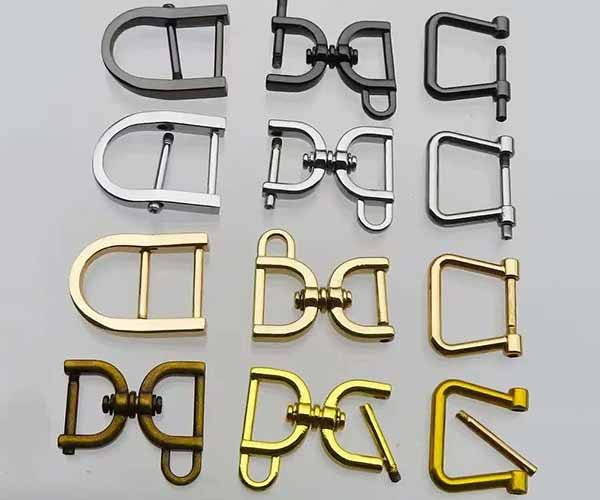
4. Hardware & Component Compatibility
Hardware contributes to both durability and cost:
- Zippers (YKK, SBS, reversed coil, waterproof zipper)
- Buckles (POM buckles, metal hooks)
- Sliders and pullers
- Magnetic closures
- Rivets and studs
Lovrix checks component compatibility during prototyping to avoid weak points that may fail in field use.
5. Cost Structure & Budget Alignment
Cost depends on:
- fabric GSM
- hardware grade
- labor intensity
- construction complexity
- reinforcement requirements
- packaging type
Instead of forcing a design into a fixed budget, Lovrix practices cost engineering by adjusting:
- materials,
- reinforcements,
- construction methods while keeping performance goals intact.


6. MOQ, Production Capacity & Scalability
Small brands may need 200–300 pcs, while established brands require 5,000–30,000 pcs. Lovrix’s multi-factory network ensures:
- flexible small-batch sampling
- stable mass production
- expandable capacity during high season
A key factor many overlook: Some bag constructions cannot scale without changing machines or SOPs. Lovrix evaluates this at the development stage.
7. Compliance Requirements & Testing
Depending on the market and product type:
- REACH / ROHS
- Colorfastness
- Tensile strength
- Hydrostatic pressure
- Flammability
- Antibacterial or food-grade requirements
Lovrix pretests materials to avoid compliance failures later in production.

Custom Bag Types Lovrix Can Develop
Custom Bag Types and Functional Solutions Lovrix Can Engineer for Global Brands
Lovrix develops a wide range of custom bags across outdoor, travel, business, lifestyle, medical, tactical, pet, waterproof, neoprene, and leather categories. Each type is engineered with material-specific logic, structural reinforcement, and scalable manufacturing in mind.

- Examples: Trekking backpacks, day hiking packs, multi-day expedition bags, hydration-compatible outdoor packs.
- Engineering Considerations: Requires 1680D nylon or high-tenacity polyester, load-distribution shoulder straps, breathable back panel mesh, bartack reinforcement at strap bases, YKK #8/#10 water-resistant zippers, internal aluminum frame or PE/EVA structured panels for stability.
- Use Case: Long-distance outdoor hiking with high loads (10–25kg), exposure to rain, friction, UV, perspiration. Suitable for outdoor brands needing rugged durability and stable mass production.

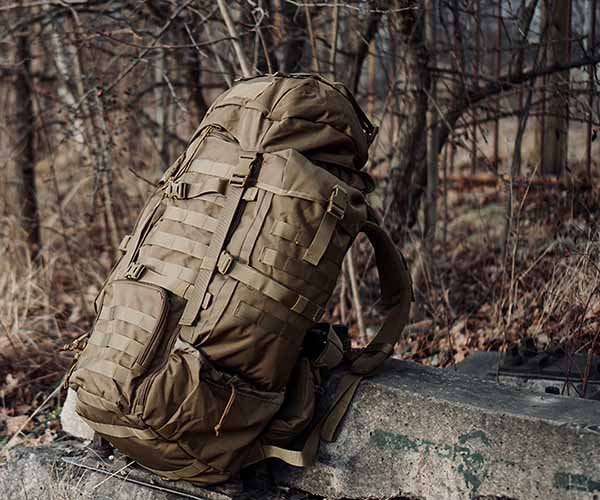
- Examples: Military-style tactical bags, MOLLE-compatible pouches, EDC tactical packs, medic MOLLE kits.
- Engineering Considerations: Woven MOLLE webbing with precise spacing, high-tensile nylon straps, bartacks every 1–1.5 inches, reinforced handle stitching, abrasion-resistant panels, structured compartments for tools/medical items.
- Use Case: High-impact environments such as law enforcement, field operations, and heavy-duty utility. Requires strong structural engineering and component stability.
Camping Storage Bags
- Examples: Camp gear organizers, collapsible camp bins, tent accessory bags, foldable storage totes.
- Engineering Considerations: Thick 600D/900D polyester or canvas, structured side panels with PP board, water-resistant coating, reinforced handles, double-stitched seams, easy-clean linings.
- Use Case: Outdoor camping, RV utility, overlanding brands. Bags must resist dirt, humidity, and repetitive handling.

- Examples: Roll-top dry bags, kayaking dry packs, waterproof waist packs, river trekking bags.
- Engineering Considerations: TPU-laminated fabric, heat-sealed seams, roll-top buckle system, welded construction, waterproof zipper integration, airtight panels.
- Use Case: Water sports, boating, fishing, paddle boarding, rainy-climate outdoor use. Bags must maintain full waterproof performance under pressure and submersion.

- Examples: Cycling backpacks, saddle bags, handlebar pouches, commuter daypacks.
- Engineering Considerations: Lightweight polyester (300D–600D), reflective webbing, ergonomic strap system, waterproof pocketing, vibration-resistant stitching, airflow back panel.
- Use Case: Urban commuting, cycling sports, delivery riders. Must ensure lightweight, ergonomic fit, and weather resistance.

- Examples: Foldable travel duffels, weekender bags, airline carry-on duffels.
- Engineering Considerations: Durable 600D polyester or canvas, reinforced base panels, wide-opening zippers, detachable shoulder straps, strong load-bearing hardware, compact folding construction.
- Use Case: Frequent travelers, DTC travel brands, e-commerce markets. Needs lightweight construction with high tear-resistance.

Packing Cubes & Luggage Organizers
- Examples: Mesh packing cubes, structured garment cubes, compression organizers.
- Engineering Considerations: Mesh + polyester hybrid fabric, structured edges with piping, lightweight zippers, compression strap systems, breathable yet durable stitching.
- Use Case: Travel organization, suitcase interiors, lightweight modular packing systems for lifestyle & travel brands.

- Examples: Hanging toiletry kits, PU cosmetic bags, waterproof makeup cases.
- Engineering Considerations: TPU/PU waterproof linings, multi-pocket dividers, elastic loops, metallic hardware, easy-clean interior, structured foam panels to protect cosmetics.
- Use Case: Travel, beauty brands, personal care. Requires both aesthetics and functionality, plus predictable mass production.

Weekender / Overnight Bags
- Examples: Canvas weekend bags, leather-trimmed duffels, structured overnight carry bags.
- Engineering Considerations: 12–16oz canvas, PU/leather reinforcements, wide gussets, structured PP/PE panel inserts, durable metal hardware.
- Use Case: Lifestyle travel, boutique fashion brands, premium overnight carry bags with durable yet stylish structure.

- Examples: Suit carriers, tri-fold garment bags, travel garment organizers.
- Engineering Considerations: Lightweight yet rigid polyester, anti-wrinkle interior lining, hanger loop systems, metal hooks, wrinkle-protection paneling, zipper pathways optimized for fold lines.
- Use Case: Business travel, formal wear storage, premium luggage accessories. Bags must maintain garment shape and resist pressure.

- Examples: Business laptop backpacks, executive office packs, slim commuter bags, tech-ready daypacks.
- Engineering Considerations: EVA/PE foam padding for all sides, shock-resistant lining, 15–17 inch laptop sleeves, reinforced base panels, anti-theft zipper placement, ergonomic shoulder straps, breathable back panel mesh, RFID-blocking pockets.
- Use Case: Professionals, office commuters, business travelers. Requires both premium aesthetics and stable structural protection for electronic devices.

- Examples: Neoprene sleeves, PU leather sleeves, zipper laptop pouches, magnetic-closure slim cases.
- Engineering Considerations: Neoprene or soft PU exterior, microfiber scratch-resistant lining, edge reinforcement tape, elastic corner retention systems, precise cutting for specific laptop models.
- Use Case: Tech brands, laptop accessory lines, corporate gifting. Must deliver both impact protection and premium feel.

Camera & Photography Gear Bags
- Examples: DSLR camera bags, lens cases, camera backpacks, drone storage bags.
- Engineering Considerations: Custom-cut EVA foam dividers, shock-absorbing panels, waterproof zippers, structured frames, adjustable partitions, reinforced exterior shell (600D–1680D).
- Use Case: Photography professionals, travel vloggers, drone users. Needs precise interior engineering to protect fragile gear.

Anti-Theft Backpacks
- Examples: Hidden zipper backpacks, cut-resistant commuter bags, RFID-protected travel packs.
- Engineering Considerations: Hidden zipper pathways, anti-slash fabric layers, steel wire-reinforced straps, lockable pullers, secret pockets, balanced back-weight distribution.
- Use Case: Urban commuters, travel brands, safety-focused customers. Requires precise pattern-making to hide entry points without affecting comfort.

Tech Organizer Bags
- Examples: Cable organizers, portable electronic kits, travel tech pouches, USB/SSD cases.
- Engineering Considerations: Elastic grid loops, mesh pockets, structured foam layers, PU or nylon shell, compartment segmentation, high-density stitching for repeated opening.
- Use Case: Digital nomads, gadget users, e-commerce accessory lines. Customers expect compact organization and durable fabric.

Canvas Tote Bags
- Examples: Daily canvas tote, structured canvas shopper, beach tote, premium fashion tote.
- Engineering Considerations: 12–16oz canvas, reinforced base patches, cotton webbing handles, inner lining (210D–300D), overlock stitching, optional leather trims.
- Use Case: Lifestyle brands, retailers, fashion collections. Combines simplicity with durability for everyday use.

Drawstring Backpacks
- Examples: 210D polyester gym drawstring, canvas drawstring totes, reflective sports drawstring bags.
- Engineering Considerations: Reinforced corners with metal grommets, thick drawcords, tear-resistant stitching, optional internal lining.
- Use Case: Gyms, school activities, promotions, lightweight daily carry. Needs to withstand repetitive pulling.

Foldable / Packable Shopping Bags
- Examples: Pocketable nylon bags, eco-friendly grocery bags, ultra-light travel bags.
- Engineering Considerations: 40D–70D lightweight nylon/polyester, fold-in pouch design, bartacks on stress points, high-density stitching despite thin fabric.
- Use Case: Retail, supermarkets, sustainability-focused brands. Needs extreme lightweight yet durable construction.

Grocery & Market Bags
- Examples: Thick canvas grocery bags, insulated food transport bags, wide-gusset market totes.
- Engineering Considerations: Reinforced gussets, double-stitched handles, wide bottom panels, laminated or insulated linings for food-safe use, X-box sewing at stress points.
- Use Case: Farmers markets, eco brands, food & grocery businesses. Must handle heavy loads and repeated daily use.

Fashion Shoulder Bags
- Examples: PU shoulder bags, minimalist crossbody bags, structured fashion purses.
- Engineering Considerations: PU or leather outer shell, structured PP board, premium metal hardware, precise edge finishing, embossed logos, adjustable strap hardware.
- Use Case: Fashion brands, boutique stores, urban consumers. Emphasis on aesthetics, craftsmanship, and clean finishing.

Gym & Fitness Bags
- Examples: Gym duffels, sports lockers bags, multi-compartment fitness bags.
- Engineering Considerations: Ventilated cavities for shoes, EVA padding, reinforced handles, water-resistant compartments, strong 600D–900D polyester, multi-layer stitching.
- Use Case: Sports brands, fitness influencers, athletic consumers. Must withstand sweat exposure, gym floor abrasion, and heavy packing.

Yoga Mat Bags
- Examples: Full-length yoga mat sleeves, adjustable strap mat bags, mesh ventilation mat carriers.
- Engineering Considerations: Breathable mesh, adjustable straps, lightweight but durable polyester, long zipper openings, reinforced ends.
- Use Case: Yoga studios, wellness brands, sports retailers. Requires lightweight portability and easy access design.

Sports Equipment Bags
- Examples: Baseball gear bags, tennis racket bags, football equipment duffels, skating accessory bags.
- Engineering Considerations: 600D–1680D polyester/nylon, abrasion-resistant bottom panels, multi-layer foam padding, long side zippers, ventilation mesh panels, structured partitions for equipment.
- Use Case: Sports teams, athletic brands, students. Must carry heavy gear, resist friction, and survive rugged field use.

First Aid / Medical Response Bags
- Examples: EMT first aid kits, paramedic backpacks, trauma response bags, medical pouches.
- Engineering Considerations: High-visibility fabrics, compartmentalized interior, wipe-clean TPU lining, water-resistant zippers, elastic medical loops, rigid frame for structure, color-coded pockets.
- Use Case: Emergency responders, hospitals, field rescue teams. Requires rapid-access layout, strong construction, and compliance-ready materials.

Tool Bags (Heavy-Duty)
- Examples: Electrician tool bags, construction worker tool totes, utility waist tool belts.
- Engineering Considerations: 1680D ultra-abrasion nylon, high-density webbing loops, metal rivets, rigid PP base, bartacks at every load point, reinforced handle grips.
- Use Case: Construction, industrial repair, technical service work. Must support high load, sharp tools, and constant stress.

Technician & Utility Bags
- Examples: Field technician bags, cable management bags, measurement device bags, maintenance tool backpacks.
- Engineering Considerations: Custom-cut EVA interior, anti-static linings, structured panels, reinforced base, padded compartments for instruments, corrosion-resistant hardware.
- Use Case: Telecommunications, electricians, inspectors, engineering teams. Requires precision compartment engineering and long-term durability.

PPE & Safety Equipment Bags
- Examples: Safety vest bags, helmet bags, protective gear storage kits.
- Engineering Considerations: Flame-resistant or high-visibility materials (optional), mesh ventilation, oversized compartments, reinforced stitching, easy-access top opening.
- Use Case: Industrial sites, manufacturing workers, safety teams. Built for organization and rapid deployment.

Inspection & Measurement Equipment Cases
- Examples: Laser meter bags, inspection tool pouches, field measurement cases.
- Engineering Considerations: EVA/PE rigid shell, shockproof interior foam, anti-static material choices, dust-proof zipper, reinforced carrying handle.
- Use Case: Surveyors, inspection engineers, quality auditors. Requires precision protective interiors and robust shells.

Pet Carriers
- Examples: Cat & dog travel bags, ventilated pet backpacks, airline-approved carriers.
- Engineering Considerations: Mesh ventilation, PVC-coated floors, lightweight PE frame support, soft interior padding, detachable base panels, ergonomic shoulder straps.
- Use Case: Pet brands, travel accessory brands. Requires safety, comfort, and stable structural design for animals.

Pet Outdoor & Accessory Bags
- Examples: Pet travel organizers, treat pouches, collapsible outdoor storage bags.
- Engineering Considerations: Water-resistant lining, easy-clean materials, adjustable straps, compact foldable construction, multiple quick-access pockets.
- Use Case: Dog trainers, pet owners, outdoor markets. Requires durability and fast access.

TPU / PVC Waterproof Dry Bags
- Examples: Roll-top dry bags, waterproof waist packs, 100% waterproof adventure bags.
- Engineering Considerations: 0.3–0.6mm TPU/PVC film, ultrasonic welded seams, airtight roll-top closure, waterproof zippers, buckle reinforcements, pressure-tested sealing.
- Use Case: Boating, kayaking, outdoor adventure, rainy climates. Must remain waterproof under full submersion.

Waterproof Phone Pouches
- Examples: Touch-sensitive waterproof phone bags, floating phone cases.
- Engineering Considerations: TPU clear window, triple-seal locking system, ultrasonic welding, neck lanyard attachment, air pocket buoyancy (optional).
- Use Case: Beach accessories, water sports, travel markets. Requires perfect seal reliability.

Inflatable TPU / PVC Bags
- Examples: Inflatable swim buoy bags, inflatable protective bags, floating dry bags.
- Engineering Considerations: Dual-chamber design, heat-welded TPU seams, universal valve integration, airtight testing, buoyancy optimization.
- Use Case: Open-water swimming, outdoor safety products. Requires perfect sealing and structural stability.

Neoprene Cooler Bags
- Examples: Lunch coolers, bottle coolers, beach cooler bags.
- Engineering Considerations: Laminated neoprene panels, thermal insulation, bonded seams, stretch fabric integration, custom color/pattern printing.
- Use Case: Outdoor, family, beach brands. Requires insulation and aesthetic flexibility.

Neoprene Bottle Sleeves
- Examples: Beer bottle sleeves, wine sleeves, water bottle insulators.
- Engineering Considerations: 3–5mm neoprene thickness, heat transfer printing options, high-stretch fit, flatlock stitching, edge-binding tape.
- Use Case: Events, gifts, outdoor markets. Requires stretch + insulation + brandability.

EVA Hard Shell Cases
- Examples: Electronics protective cases, headphone cases, drone accessory boxes.
- Engineering Considerations: Molded EVA shell, custom interior foam, zipper integration, rigid edge piping, textured PU outer skin.
- Use Case: Consumer electronics, travel, medical devices. Protects fragile equipment with lightweight shockproof design.

Diaper Bags
- Examples: Multi-pocket diaper backpacks, stroller-strap diaper bags, portable diaper caddies, travel diaper organizers.
- Engineering Considerations: Waterproof TPU lining, insulated bottle pockets, PE/EVA structured panels, reinforced shoulder straps, wipe-clean interior, easy-access front pockets, stroller strap integration, high-quality odor-resistant fabrics.
- Use Case: Parenting brands, baby products companies, lifestyle DTC brands. Requires hygienic materials, strong compartment organization, and long-term durability for daily heavy use.

Baby Bottle Bags
- Examples: Insulated bottle carriers, double bottle travel bags, neoprene bottle sleeves, stroller-attached bottle coolers.
- Engineering Considerations: Thermal insulation layers (EVA + aluminum film), zipper access, bottle stabilization inserts, easy-clean waterproof lining, optional neoprene stretch-fit design.
- Use Case: Infant care brands, travel accessory brands. Must maintain bottle temperature, prevent leaks, and withstand constant cleaning.

Sling Bags
- Examples: Crossbody sling bags, urban sling packs, outdoor chest bags, compact shoulder slings.
- Engineering Considerations: Lightweight 300D–600D polyester, ergonomic strap curve, anti-theft hidden pockets, reinforced single-strap anchor points, EVA padding for comfort.
- Use Case: Urban commuters, travel brands, tech/lifestyle DTC. Needs mobility-focused design with compact storage and ergonomic comfort.

Messenger Bags
- Examples: Canvas messenger bags, leather office messenger bags, cycling courier bags, laptop messenger satchels.
- Engineering Considerations: Structured flap design, magnetic or buckle closures, multi-pocket interior, padded laptop sleeve options, adjustable crossbody straps, reinforced shoulder pad.
- Use Case: Business professionals, students, cycling couriers. Must balance functionality, durability, and style.

Tactical Belt Pouches
- Examples: MOLLE belt pouches, military utility pockets, compact tactical EDC pouches.
- Engineering Considerations: High-strength nylon (600D–1680D), MOLLE webbing accuracy, bartacks at stress points, reinforced zipper garages, quick-access pull tabs.
- Use Case: Outdoor brands, tactical brands, military/recreation gear. Requires rugged construction and modular compatibility with belts and vests.

Delivery Rider Bags
- Examples: Food delivery thermal bags, delivery backpacks, hot/cold insulated rider bags.
- Engineering Considerations: Thick thermal insulation layers (EPE/EVA + aluminum foil), rigid shell structure, waterproof construction, reflective webbing for safety, load-bearing straps, waterproof zippers, collapsible or rigid options.
- Use Case: Food delivery companies (Uber Eats, DoorDash, etc.), local restaurants, grocery delivery. Must maintain temperature, resist rain, and support heavy loads.

Cold-Chain Insulated Bags
- Examples: Frozen food bags, pharmaceutical temperature-control bags, ice pack cooler totes.
- Engineering Considerations: Multi-layer insulation (EPE + aluminum + thick outer shell), welded seams (optional), leak-proof interior, temperature retention testing, reinforced handles for heavy loads.
- Use Case: Food logistics, pharmaceutical cold-chain, grocery delivery. Requires strict insulation and structural reliability for heavy cold load.

Fire-Retardant Industrial Bags
- Examples: FR tool bags, industrial equipment carriers, high-heat protective pouches.
- Engineering Considerations: Fire-retardant certified materials (e.g., FR canvas, aramid fabrics), high-strength stitching thread, heat-resistant hardware, reinforced bottom panels, compliance documentation.
- Use Case: Oil & gas industry, construction, electrical maintenance. Must withstand high temperatures and meet safety standards.

Clear Stadium-Approved Bags
- Examples: PVC clear tote bags, transparent event bags, stadium regulation crossbody bags.
- Engineering Considerations: 0.3–0.6mm clear PVC or TPU film, reinforced seam binding, anti-yellowing treatments, strong webbing straps, compliance with stadium size rules.
- Use Case: Sports events, concerts, security-regulated venues. Must meet transparency, size, and durability requirements while maintaining aesthetic quality.

Corporate Gift Bags
- Examples: Branded tote bags, PU executive gift pouches, custom logo travel sets, premium packaging bags.
- Engineering Considerations: Custom logo printing (emboss, deboss, UV, foil), high-quality lining, premium hardware, structured shape, gift-ready presentation, consistent color matching for corporate branding.
- Use Case: Corporate gifting, promotional campaigns, luxury presentations. Focus on premium appearance, consistent batch quality, and branding detail accuracy.

OEM Specialty Bags (For Instruments & Equipment)
- Examples: Instrument protective cases, scientific equipment bags, customized measurement device bags, calibration tool bags.
- Engineering Considerations: Precision-cut EVA or custom foam interiors, anti-static lining, rigid PP/PE structural layers, impact testing, equipment-specific pocket mapping, waterproof or dustproof exterior options.
- Use Case: Industrial manufacturers, scientific equipment brands, high-value instrument companies. Requires absolute measurement accuracy, protective engineering, and stable mass production.

PU & Leather Cosmetic Bags
- Examples: PU makeup bags, leather vanity kits, structured cosmetic organizers.
- Engineering Considerations: Waterproof lining, embossed logo options, edge-paint finishing, gold/metal hardware, structured PP-supported shape.
- Use Case: Beauty & grooming brands, premium gift sets, hotel amenities.

Leather Passport Holders & Travel Wallets
- Examples: Passport covers, RFID wallets, travel ID organizers.
- Engineering Considerations: Full-grain or PU leather, precision edge paint, RFID lining, multi-slot layering, heat-debossing logo options.
- Use Case: Premium travel accessories, corporate gifting. Requires clean finishing and functional interior layout.

Leather Luggage Tags
- Examples: Premium leather luggage tags, PU ID tags, embossed gift tags.
- Engineering Considerations: Metal buckle hardware, reinforced stitching, laser engraving, multi-layer leather bonding, card window integration.
- Use Case: Travel brands, hotels, corporate gifting. Must look premium and withstand rough airline handling.

Luxury Leather Small Goods
- Examples: Key organizers, coin purses, card sleeves, mini pouches.
- Engineering Considerations: Multi-piece leather stitching, micro-edge finishing, premium metal hardware, high-stability lining selection, small-batch QC precision.
- Use Case: High-end fashion, accessories gifting, brand collaborations. High tolerance craftsmanship required.
Lovrix’s End-to-End Custom Bag Development Methodology
Lovrix’s End-to-End Development Methodology for Reliable, Manufacturable & Scalable Custom Bags
Our development approach integrates requirement mapping, material engineering, structural design, rapid prototyping, testing, refinement, and stable mass production. This methodology ensures each bag is manufacturable, durable, and consistent across multiple production runs.
Step 1
Testing, Validation & Engineering Refinements
A successful project starts with clarity. Lovrix’s team gathers all necessary information through a structured requirement form:
- target market & use scenario
- capacity & load expectations
- preferred materials or references
- required compartments & organization layout
- visual style, branding, and finishing level
- environmental/weather exposure
- packaging and labeling needs
This step prevents miscommunication and ensures design, engineering, and costing go in the right direction from the start.
We often provide technical recommendations based on similar projects handled across outdoor, tactical, travel, and industrial sectors.
Step 2
Material Engineering & Selection
Lovrix is not a typical trader—we own fabric & webbing R&D teams and factories. We evaluate:
- fabric thickness (GSM)
- tensile strength
- coating type (PU, TPU, PVC)
- yarn type (nylon 6, nylon 66, polyester HT)
- webbing breaking strength
- waterproofing standards
- lamination requirements
We create material samples or suggest cost-effective alternatives while maintaining durability.
This capability dramatically reduces trial-and-error time for brands.
Step 3
Structural Design & Prototype Creation
Our sample room (with pattern makers, sewing specialists, and sample engineers) transforms the material plan into an initial prototype.
Activities include:
- 2D pattern drafting
- seam placement & reinforcement layout
- foam and panel selection (EVA/PE/PP)
- zipper and puller positioning
- hardware integration
- binding tape structure
- internal compartment structure
The goal is to ensure the prototype is not just visually correct, but manufacturable and structurally sound.
Step 4
Testing, Validation & Engineering Refinements
Lovrix performs multiple technical validations:
- seam strength and SPI calibration
- bartack pull tests
- load distribution tests
- zipper cycling tests
- abrasion resistance checks
- waterproofing verification
- drop tests (for electronics bags)
We then adjust:
- webbing attachment
- reinforcement patches
- foam density
- bartack positions
- lining materials
This systematic refinement is what prevents failures during mass production.
Step 5
Pre-Production, SOP Setup & Cost Engineering
Before mass production starts, our team prepares:
- production-ready patterns
- sewing SOPs
- material QC checkpoints
- binding & reinforcement guidelines
- stitching diagrams
- BOM + cost structure sheet
Lovrix ensures every production line in our factories receives the same engineering documents, which guarantees batch stability.
Step 6
Mass Production, Quality Control & Final Inspection
Our four specialized factories in Guangdong allow us to manage:
- large production runs
- multi-category bag manufacturing
- real-time quality monitoring
- inline QC + final QC inspections
- packaging & palletizing
We implement:
- AQL standards
- fixed SPI ranges
- material lot tracking
- random load testing
- final appearance checks
This ensures every batch matches the approved prototype—no surprises, no last-minute inconsistencies.
Technical Specifications & Material Selection Guide
Choosing the right materials, fabrics, webbing, hardware, and finishing options is critical. This guide provides detailed specifications, engineering considerations, and performance benchmarks for durable, functional, and cost-effective custom bags.
1. Main Fabric Comparison
| Material | Weight (GSM) | Abrasion Resistance | Water Resistance | UV Resistance | Recommended Applications |
|---|---|---|---|---|---|
| 1680D Nylon Oxford | 450–500 | High | Moderate | Medium | Tactical packs, heavy-duty backpacks |
| 600D Polyester | 280–320 | Medium | Moderate | Medium | Travel bags, everyday use |
| 12oz Canvas | 400–450 | High | Low | High | Lifestyle totes, work bags |
| Laminated PU Fabric | 250–300 | Medium | High | Medium | Waterproof organizers, lunch bags |
| Neoprene | 200–250 | Low | High | Low | Cooler bags, bottle sleeves, sport bags |
| TPU Coated Fabric | 180–220 | Medium | Very High | Medium | Waterproof bags, inflatables, phone pouches |
Engineering Notes:
- GSM and fiber type influence stiffness and weight.
- Higher abrasion resistance is critical for outdoor and tactical use.
- Coatings (PU, TPU) increase water resistance but require heat lamination or special sewing techniques.


2. Webbing & Strap Selection
| Type | Width | Breaking Strength | Stretch | Recommended Use |
|---|---|---|---|---|
| Nylon Webbing | 25–50mm | 150–350kg | Low | Shoulder straps, handles, load-bearing |
| Polyester Webbing | 20–50mm | 120–300kg | Medium | Straps, loops, reinforcement |
| Jacquard Webbing | 25–40mm | 80–200kg | Low | Decorative & functional straps |
| Elastic Webbing | 15–30mm | 50–150kg | High | Adjustable pockets, compression straps |
| Reflective Webbing | 20–40mm | 80–150kg | Low | Safety elements, outdoor visibility |
Engineering Notes:
- Lovrix evaluates thread compatibility and stitching patterns with webbing.
- Padded webbing is recommended for heavy-load bags.
- Webbing pre-stretch testing ensures minimal deformation under load.
3. Hardware & Component Guidelines
| Component | Material | Durability | Corrosion Resistance | Notes |
|---|---|---|---|---|
| Buckles | POM / Metal | High | Medium–High | For shoulder straps, load-bearing points |
| Zippers | YKK #8 / Coil | Very High | Moderate | Waterproof zippers require PU lamination |
| Sliders | Nylon / Metal | High | Medium | Test under repeated cycles |
| Pullers | Rubber / Fabric | Medium | N/A | Ergonomic for user comfort |
| Rivets & Grommets | Metal | High | High | Load points reinforcement |
Engineering Notes:
- Proper hardware ensures that even premium fabrics perform under stress.
- All zippers and buckles should be tested for 500+ cycles before approval.
- Lovrix integrates hardware selection into prototyping to validate design feasibility.


4. Reinforcement & Internal Components
| Component | Material | Thickness / Specification | Function |
|---|---|---|---|
| Foam Pads | EVA / PE | 3–8mm | Shape retention, impact protection |
| Internal Panels | PP / PE sheets | 1–3mm | Structure support, stiffness |
| Binding Tape | Polyester / Nylon | 10–15mm | Seam protection, edge reinforcement |
| Bartacks | Nylon thread | 6–12 SPI | Strengthen load-bearing points |
Engineering Notes:
- Lovrix applies stress-mapping analysis to determine bartack placement.
- Foam density affects load distribution and weight balance.
- Internal panels are selected to maintain shape without adding unnecessary weight.
Lovrix Manufacturing Capabilities: How We Turn Ideas into Scalable, High-Quality Custom Bags
Lovrix operates a fully integrated multi-factory network in Guangdong, China, combining fabric development, webbing R&D, bag assembly, and printing. We provide end-to-end OEM/ODM services and case-proven solutions for global brands.
1. Multi-Fabric & Material Engineering
- Own fabric R&D laboratory capable of testing: abrasion, tensile strength, waterproofing, fire-retardancy, UV-resistance.
- Coating development: PU, PVC, TPU lamination; laminated & composite fabrics.
- Material optimization to balance cost, durability, and functionality.
2. Webbing & Strap Expertise
- Develop polyester, nylon, jacquard, elastic, reflective, and padded webbing.
- Strength testing: 150–350kg breaking load verification.
- Integration into reinforced points and load-bearing areas.
3. Multi-Facility Production Network
- 4 specialized factories: Fabric & Coating, Webbing, Bag Assembly, Printing & Finishing.
- Seamless coordination ensures small batch flexibility and mass-production scalability.
- Advanced sewing machines: programmable SPI calibration, automated bartacks, multi-needle operation.
4. In-House Prototyping & Sample Studio
- Rapid sample creation (24–72 hours).
- Structural validation, hardware fitting, reinforcement testing.
- Iterative adjustments before mass production.
5. Quality Control & Compliance
- IQC → IPQC → FQC → OQC full process.
- Lab testing for REACH, ROHS, EN71, hydrostatic pressure, colorfastness.
- Batch tracking ensures repeatable quality across multiple production runs.

Common Mistakes & Risk Prevention
Common Bag Development Mistakes and How to Prevent Them
Brands often face production failures, cost overruns, or quality issues due to overlooked engineering details. Understanding common pitfalls and applying Lovrix-tested solutions ensures consistent, durable, and cost-effective custom bag production.
Choosing the Wrong Fabric for Use Case
Mistake: Selecting a lightweight canvas for outdoor gear.
Prevention:Lovrix engineers analyze load, environmental exposure, and wear patterns before finalizing fabric. Proper testing ensures abrasion resistance and waterproofing match functional requirements.
Ignoring Webbing & Reinforcement Logic
Mistake: Using thin straps for load-bearing areas.
Prevention: We calculate optimal width, density, bartack placement, and stitching pattern to ensure straps hold intended load for long-term use.
Overlooking Hardware Compatibility
Mistake: Zippers or buckles fail under stress or are not waterproof.
Prevention: Hardware is tested for repeated cycles, water exposure, and load tolerance, ensuring structural integrity.
Poor Prototype Iteration
Mistake: Relying on one sample without structural verification.
Prevention: Lovrix produces multiple prototypes, tests under simulated conditions, and adjusts reinforcements, padding, and stitch density accordingly.
Underestimating Production Scale Challenges
Mistake: Prototype works, but mass production introduces defects.
Prevention: Our multi-factory SOPs and QC system maintain batch consistency, even at 10,000+ pcs.
Inadequate Cost Engineering
Mistake: Overpaying for unnecessary materials or labor-intensive processes.
Prevention: Lovrix evaluates alternate fabrics, binding methods, and hardware solutions to optimize cost without sacrificing durability.
Skipping Compliance & Certification Checks
Mistake: Product fails export or safety standards.
Prevention: Pre-testing for REACH, ROHS, EN71, and other relevant certifications avoids recalls or shipment delays.
Ineffective Communication Between Brand & Supplier
Mistake: Misunderstandings lead to delayed revisions or material mismatches.
Prevention: Lovrix assigns dedicated project engineers, ensures multi-language support, and maintains clear timelines and technical documentation.
Branding, Printing & Team Customization Guide for Custom Bags
Custom bags are not complete without proper branding. Logos, colors, graphics, and team identifiers determine both commercial value and brand recall. Lovrix provides a full-engineering branding solution that covers printing methods, logo placement design, material compatibility, color stability, and mass-production consistency.
1. Printing Technologies & Branding Methods
Lovrix supports multiple branding methods depending on:
- materials (fabric / leather / PU / TPU / neoprene)
- durability requirements
- color accuracy
- desired texture or visual effect
- price targets
A. Screen Printing (Silk Screen)
- Best For: Canvas, cotton, polyester, nylon, webbing.
- Engineering Characteristics: Uses layered ink through precision screens for bold, high-contrast prints. Excellent for logos, geometric shapes, bold colors.
- Advantages: High durability, cost-effective for large runs, sharp color boundaries.
- Limitations: Not ideal for gradients or multi-color photographs.
B. Heat Transfer Printing
- Best For: Polyester, nylon, neoprene, PU, TPU.
- Engineering Characteristics: Logo is printed on film and heat-bonded to the bag. Integrates well with smooth surfaces and curved areas.
- Advantages: Excellent for small batches, multi-color logos, gradients, and photographic prints.
- Limitations: Lower abrasion resistance compared to screen printing if used on rough fabrics.
C. Digital Printing (Sublimation)
- Best For: Neoprene, polyester, printed canvas.
- Engineering Characteristics: Heat-infused dye penetrates the fibers, creating permanent coloration.
- Advantages: Full-color, highly detailed prints, near-zero fading, lightweight feel.
- Limitations: Works best on light-colored synthetic fabrics.
D. Embroidery & 3D Embroidery
- Best For: Canvas, cotton, thick polyester, leather patches.
- Engineering Characteristics: High-density thread stitching using computerized machines.
- Advantages: Premium look, long-lasting, highly tactile.
- Limitations: Not ideal for ultra-light fabrics or very small detail.
E. Woven Labels / Woven Patches
- Best For: Most bag fabrics, interior branding labels, exterior patches.
- Engineering Characteristics: Fine yarn weaving allows precise letters and logos.
- Advantages: High resolution, professional look, ideal for branding consistency.
- Limitations: Requires stitching and adds craft time.
F. Rubber / Silicone Patches
- Best For: Outdoor bags, tactical bags, sports bags.
- Engineering Characteristics: 3D molded rubber logo stitched or bonded to the bag.
- Advantages: Rugged, waterproof, excellent brand visibility.
- Limitations: Slightly higher cost; not ideal for premium formal bags.
G. Metal Logo Plates
- Best For: Leather goods, fashion bags, premium travel items.
- Engineering Characteristics: Zinc alloy or aluminum plate with engraving or plating.
- Advantages: High-end appearance, long-lasting, luxury feel.
- Limitations: Higher cost and weight.
H. Leather & PU Deboss / Emboss
- Best For: Leather makeup bags, luggage tags, wallets, premium totes.
- Engineering Characteristics: Heat-pressed metal molds create indented or raised logos.
- Advantages: Premium craftsmanship, timeless aesthetic.
- Limitations: Requires mold fee; best suited for medium-long term production.
I. UV Printing
- Best For: PU, leather, plastic hardware, EVA shells.
- Engineering Characteristics: Uses UV-cured inks to print small or complex graphics on smooth surfaces.
- Advantages: Sharp detail, vibrant color, excellent for custom graphics.
- Limitations: Slightly less scratch-resistant without lamination.


2. Color, Pattern & Material Customization
Lovrix provides full control over:
✔ Pantone Color Matching
We match bag fabrics, webbing, zipper pulls, and printing inks to Pantone codes for perfect brand consistency.
✔ Custom Pattern Printing
We can print your custom patterns on:
- canvas
- cotton
- polyester
- neoprene
- TPU films
- PU surfaces
✔ Material Finish Options
Different surface finishes create different brand feelings:
- matte / glossy coatings
- textured PU
- ripstop nylon
- laminated fabrics
- waterproof TPU finishes
- brushed microfiber linings
Each finish impacts durability, cost, and visual perception.
3. Team, Group, and Organization Customization
A. Personalized Names & Numbers
- Heat transfer
- Digital printing
- Embroidery Ideal for sports teams、corporate groups、event giveaways.
B. Team Color Schemes
Lovrix supports multi-color panel sewing、color blocking、custom fabric dyeing(MOQ dependent)。
C. Uniform Branding Across Multiple SKUs
We maintain:
- color consistency across batches
- logo size & placement maps
- identical stitching & reinforcement logic
- controlled BOM documentation
D. Event & Promotional Customization
For trade shows, marathons, festivals:
- fast-turnaround printing
- batch personalization
- low-MOQ options


4. Logo Placement Engineering Guidance
✔ Sewing feasibility
Avoid placing prints over panel seams or heavy reinforcement zones.
✔ Visibility vs. durability
High-friction areas may reduce print lifespan.
✔ Hardware & zipper function
Logo cannot interfere with opening direction or stress lines.
✔ Symmetry & alignment
Lovrix uses laser alignment tools for high-precision positioning.
✔ Multi-material bonding
Different reinforcement is required when applying logos on:
- rigid EVA
- soft neoprene
- TPU
- leather
- molded PU panels
5. Mass Production Brand Consistency Controls
Lovrix’s brand consistency controls include:
- Fabric color batch testing
- Pantone ink consistency checks
- Pre-production sample approval
- Internal printing SOPs for every project
- Multi-step QC for logo clarity
- Labeling & packaging verification
- Mold tracking for emboss/deboss or rubber patches
This ensures your logo always looks the same, no matter if you order 200 pcs or 20,000 pcs.


Cost Drivers & Transparent Pricing Logic
Common Bag Development Mistakes and How to Prevent Them
Bag cost depends on materials, labor, construction complexity, hardware, compliance, and logistics. Lovrix provides transparent pricing with detailed breakdowns, cost engineering, and alternative solutions without compromising performance or quality.
Developing a custom bag involves multiple cost components, many of which are often underestimated by brands. Key cost drivers include:
1.Materials
- Fabric (weight, coating type, GSM)
- Webbing (width, strength, specialty patterns)
- Hardware (buckles, zippers, sliders, rivets)
- Linings and foam inserts
2. Labor & Construction Complexity
- Stitch density and multi-needle operations
- Reinforced bartacks at load points
- Multi-material lamination or bonding
- Padded compartments and internal panels
3. Design & Engineering Support
- Pattern making and prototyping
- Structural optimization and testing
- Material selection and compatibility checks
4. Quality Control & Compliance
- Lab testing (tensile, waterproof, fire-retardant)
- Batch inspections (IQC/IPQC/FQC/OQC)
- Certification preparation (REACH, ROHS, EN71)
5. Packaging & Logistics
- Custom packaging materials
- Consolidation for global shipment
- FBA labeling and pallet preparation
Cost Breakdown Table (Sample for Engineering Insight)
| Cost Component | Typical % of Unit Cost | Lovrix Control Measures |
|---|---|---|
| Fabric & Materials | 30–40% | Material alternatives, bulk sourcing, R&D optimized fabrics |
| Hardware | 15–25% | Standardized sourcing, stress-tested selection |
| Labor & Construction | 25–35% | SOPs, multi-needle machines, pre-production validation |
| Design & Prototyping | 5–10% | In-house design + R&D teams, rapid iteration |
| QC & Testing | 3–7% | Full QC pipeline, lab testing, batch sampling |
| Packaging & Logistics | 2–5% | Custom packing design, FBA prep, freight optimization |
Engineering Notes:
- Lovrix applies cost engineering: adjusting material thickness, reinforcement patterns, or hardware while preserving functionality.
- Small adjustments in SPI, foam thickness, or lamination can significantly reduce unit cost.
- Transparent breakdown helps brands plan budgets and prevent unexpected increases.
Supplier Checklist: Questions You Must Ask Before Choosing a Bag Manufacturer
Choosing the right supplier affects quality, lead time, cost, and scalability. Use this checklist to evaluate potential partners, ensuring they can deliver consistent, durable, compliant, and cost-effective custom bags.
12 Questions with Professional Notes
- Do you own factories or are you purely a trading company? Factory ownership ensures direct control over quality, materials, and lead times. Lovrix operates 4 specialized factories.
- Can you provide fabric and webbing R&D support? Critical for selecting durable, functional, and compliant materials.
- What is your sample lead time and iteration process? Rapid prototyping with multiple iterations reduces design errors.
- How do you manage quality control during production? Check for IQC, IPQC, FQC, OQC standards.
- What certifications or compliance reports do you have? REACH, ROHS, EN71, OEKO-TEX, GRS — essential for global markets.
- Can you scale from small batch to mass production without changing quality? Important for DTC brands or seasonal demand spikes.
- How do you handle hardware and accessory selection? Zippers, buckles, sliders, pullers must match material and use-case.
- Do you offer structural optimization or engineering recommendations? Manufacturing feasibility reduces defects and returns.
- What is your minimum order quantity (MOQ) and flexibility? Lovrix offers small batch MOQs while maintaining consistent quality.
- Do you provide cost engineering and alternative material suggestions? Helps control unit cost without compromising durability.
- Do you support multi-language communication and project documentation? Ensures clear understanding across global brands.
- Can you manage packaging, shipping, and FBA requirements? Lovrix provides full logistics coordination for global delivery.

Lovrix Case Studies for Custom Bag Projects
These real-world case studies show how Lovrix integrates material science, structural engineering, and factory-level execution to help global brands turn complex bag concepts into scalable, reliable, and commercially successful products across outdoor, travel, baby-care, and industrial applications.
CASE STUDY 1 — Outdoor Hydration Backpack for a U.S. Adventure Brand
1. Project Background
A U.S. adventure gear brand sought a lightweight hydration backpack for trail running and mountain biking. Required features included a TPU hydration bladder pocket, breathable back panel, and secure fit for high-motion sports.
2. Technical Challenges
- Weight must be under 420g
- Required abrasion-resistant fabric (≥20,000 cycles test)
- Needed zero-bounce fit for trail running
- TPU sleeve must prevent bladder sweating/condensation
- Ventilated mesh must remain durable under tension
3. Lovrix Engineering Solutions
- Developed custom Robic® 210D nylon with PU coating for weight-to-durability balance
- Added EVA perforated back panel with 3D Airmesh
- Created elastic stabilizing shoulder system + multi-point adjustment
- Constructed a thermo-bonded TPU bladder sleeve to prevent sweating
- Ran ISO 12947 abrasion tests and dynamic load tests in-house
4. Final Outcome & Value Delivered
- Delivered a 386g final product, outperforming weight target
- Passed 30km dynamic bounce test
- Customer expanded to a full hydration series with Lovrix
- High repeat order volume due to stable production quality


CASE STUDY 2 — Neoprene Baby Bottle Bag for a European Parenting Brand
1. Project Background
A European baby-care brand needed a double-layer insulated baby bottle bag with long thermal retention, leak protection, and attractive graphics.
2. Technical Challenges
- Required 4–6 hours of temperature retention
- Needed photo-quality printing
- Constant exposure to cleaning agents
- Soft neoprene must maintain structure after repeated stretching
3. Lovrix Engineering Solutions
- Selected 4mm SCR neoprene with aluminum thermal lining
- Used sublimation printing to achieve high-resolution artwork
- Applied reinforced bartacking on the handle and zipper base
- Conducted 50-cycle cleaning tests with common detergents
- Added shape-retaining EVA layer between neoprene and lining
4. Final Outcome & Value Delivered
- Passed thermal retention requirement (5.2 hours at tested conditions)
- Maintained print brightness after cleaning test
- Mass production achieved 98.4% pass rate on QC
- Customer expanded collaboration to diaper bags and stroller organizers
CASE STUDY 3 — Heavy-Duty Tool Bag for an Australian Industrial Brand
1. Project Background
An industrial tools company needed a heavy-duty tool bag capable of carrying 25–30kg loads with reinforced structure and metal hardware.
2. Technical Challenges
- 1680D fabric required strong anti-tear backing
- Must support constant 30kg load
- Zippers must withstand 160N pulling force
- Base panel required anti-slip + anti-abrasion performance
3. Lovrix Engineering Solutions
- Used 1680D ballistic nylon with PVC backing
- Added PE board + PP board combination for structural stiffness
- Selected #10 industrial zippers with bar-tack reinforced ends
- Integrated molded rubber feet for base protection
- Conducted load testing for 10,000 cycles
4. Final Outcome & Value Delivered
- Tool bag passed all stress tests with extra margin
- Reduced customer’s return rate by 42% within 6 months
- Became a long-term annual production model


CASE STUDY 4 — Stadium-Approved Clear Bag for a North American Retail Chain
1. Project Background
A retail chain needed stadium-approved transparent bags that meet U.S. stadium security rules (size limits, transparency requirements).
2. Technical Challenges
- PVC must be anti-yellowing
- Bag must maintain shape but remain flexible
- Stitching must not tear clear panels
- Need low-cost, high-volume production with stable quality
3. Lovrix Engineering Solutions
- Selected 0.5mm anti-yellow transparent TPU (more eco-friendly than PVC)
- Used reinforced binding on all seams
- Added heat-bonded reinforcement patches at strap anchors
- Conducted UV aging tests to ensure long-term clarity
- Standardized mold templates for mass consistency
4. Final Outcome & Value Delivered
- Achieved stable monthly production of 20,000+ units
- Zero customer complaints regarding yellowing within 12 months
- Successfully rolled out in 70+ retail locations
CASE STUDY 5 — Designer Leather Tote for a Japanese Fashion Brand
1. Project Background
A fashion brand required a premium leather tote with strict edge-painting, clean stitching, and strict color matching.
2. Technical Challenges
- Edge-painting must be even with no cracking
- Leather color must match Pantone specification
- Requires clean, symmetric stitching (3–4mm spacing)
- Internal compartments need precise alignment
3. Lovrix Engineering Solutions
- Used top-grain leather from audited tanneries
- Adopted multi-layer edge-painting with drying cycles
- Laser-guided stitching system for consistent SPI
- Added microfiber lining with structured compartments
- Performed color fastness and rubbing tests
4. Final Outcome & Value Delivered
- Produced a luxury-grade tote with flawless finishing
- Brand reported premium sell-through rate
- Extended collaboration to small leather goods and wallets


CASE STUDY 6 — Promotional Canvas Tote for a Global Beverage Group
1. Project Background
A beverage corporation needed 200,000 pcs canvas tote bags as part of a regional marketing campaign with strict delivery deadlines.
2. Technical Challenges
- Color printing must match brand PMS precisely
- Must pass heavy-load 12kg test
- Bulk production must complete within 45 days
- Multiple regional warehouses with different packaging needs
3. Lovrix Engineering Solutions
- Built a custom printing jig to ensure logo alignment across batches
- Used 16oz heavy canvas with reinforced stitches
- Multiple production lines working concurrently
- Implemented region-specific packing SOPs
- Delivered via split shipping schedules
4. Final Outcome & Value Delivered
- Completed production ahead of deadline
- Logo color accuracy achieved within ΔE < 2
- Regional distributors reported zero functional defects
Quality & Certifications
Certified by ISO9001, OEKO-TEX100, GRS, and Higg Index, Lovrix ensures every bag product meets global compliance standards. We implement strict QC at every stage, from yarn to final packaging.
Frequently Asked Questions About Custom Bag Solutions
Brands often have recurring questions about materials, lead times, MOQ, prototyping, costs, and compliance. Here we answer 12 essential FAQs with detailed guidance based on Lovrix’s engineering and manufacturing experience.
| Question | Answer |
|---|---|
| 1. What is the typical sample lead time? | Lovrix provides fast prototype samples within 24–72 hours depending on material complexity. Each sample undergoes structural validation, material testing, and hardware integration to ensure manufacturability at scale. |
| 2. Can you support small batch orders? | Yes. Lovrix supports flexible MOQs from 50–200 pieces, ideal for startups or pilot launches, while maintaining quality consistency comparable to mass production. |
| 3. What materials can you provide? | We offer nylon, polyester, canvas, TPU, PVC, EVA, neoprene, genuine leather, PU, and laminated/composite fabrics. Each material is tested for durability, abrasion, water resistance, and compliance with international standards. |
| 4. Do you provide multi-material bag solutions? | Absolutely. Lovrix engineers integrate fabric + leather + neoprene + EVA + TPU into single products, optimizing weight, load-bearing capacity, and functionality. |
| 5. How do you ensure quality control? | Lovrix implements IQC → IPQC → FQC → OQC stages, batch tracking, tensile and abrasion testing, and visual inspection to ensure every bag meets the approved prototype. |
| 6. Can you help with cost optimization? | Yes. Our team provides cost engineering by evaluating alternate fabrics, reinforcement methods, or hardware options to reduce costs without sacrificing durability or performance. |
| 7. What compliance certifications do you support? | We support REACH, ROHS, EN71, CPSIA, OEKO-TEX, GRS standards. Materials and components are pre-tested to ensure export and safety compliance. |
| 8. Do you provide OEM and ODM services? | Lovrix offers both OEM (production based on your design) and ODM (design + production), including structural advice, prototyping, materials recommendation, and branding options. |
| 9. How long does mass production take? | Lead time depends on bag complexity and quantity. Typical runs: 3–6 weeks for 500–5,000 units. Lovrix manages production across multiple factories to ensure schedule adherence. |
| 10. Can you produce multi-category bag series? | Yes. Lovrix can develop entire product lines, from travel, outdoor, business, lifestyle, to neoprene or waterproof bags, maintaining design consistency and manufacturability across SKUs. |
| 11. Do you provide global shipping and FBA prep? | Lovrix supports international logistics, including FBA labeling, palletizing, consolidated shipment, and freight coordination for sea, air, or rail. |
| 12. Can you modify samples after initial prototype? | Yes. Lovrix allows multiple iterations to adjust material, structure, compartments, or reinforcement until the prototype meets brand requirements before mass production. |
Trusted By 1000+ Brands And Innovative Startups










Contact Lovrix for Your Custom Bag Project
If you’re looking for a reliable OEM/ODM partner, Lovrix offers end-to-end support from materials, design, prototyping, testing, to mass production. Share your project details, and we’ll help turn your concept into a scalable, high-quality product.
- Step 1: Provide basic details — bag type, materials, target quantity, functional requirements.
- Step 2: Our project engineer reviews specifications, feasibility, and timeline.
- Step 3: Receive detailed proposal including cost breakdown, material recommendations, and sample timeline.
- Step 4: Start prototype development with Lovrix’s R&D and design teams.
- Online Form: [Lovrix Custom Bag Inquiry Form]
- Optional: Schedule a video call or virtual factory tour
If you have any questions or need a quote, please leave us a message. Our experts will respond within 12 hours to assist you in selecting the ideal product solutions tailored to your needs.
- (+86) 13823134897
- info@lovrix.com