 Skip to content
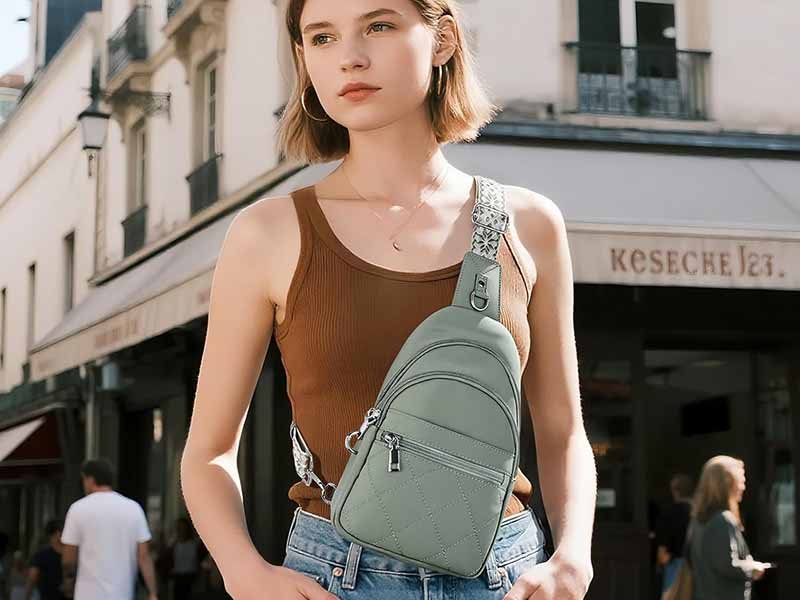
Sling bags have become one of the most versatile and misunderstood bag styles in modern fashion and daily carry. Walk through any city and you’ll see sling bags worn diagonally across the chest, casually over the back, or rotated from front to back depending on the moment. Yet many users still ask the same questions: Can a sling bag be worn crossbody? Should it be worn in the front or on the back? And how do you wear it correctly for comfort, security, and style?
Unlike backpacks or traditional shoulder bags, sling bags are defined by movement and adaptability. They are designed to rotate with the body, offering quick access when needed and comfort when walking or commuting. But wearing a sling bag incorrectly can lead to shoulder strain, imbalance, or reduced security—especially during travel or long periods of use. A sling bag can be worn crossbody, on the front, or on the back depending on comfort, security, and activity. Wearing it crossbody improves stability, front wear offers better security and quick access, while back wear provides comfort during movement. The correct way to wear a sling bag depends on body type, use case, and strap adjustment.
Understanding how to wear a sling bag properly is not about rules—it’s about making the bag work with your body and lifestyle. In this guide, we break down sling bag wearing methods from a practical, real-world perspective, so you can wear it confidently and comfortably in any situation.
What Is a Sling Bag

A sling bag is a compact bag designed with a single strap that allows it to be worn diagonally across the body, on the chest, or on the back. Unlike backpacks or shoulder bags, sling bags are built for rotation, quick access, and hands-free movement. They are commonly used for daily carry, travel, and urban activities.
What Defines a Sling Bag Structurally?
From a design and engineering perspective, a sling bag is defined by its single-strap load-bearing system.
Key structural elements include:
- One adjustable strap (often wide or padded)
- An asymmetrical bag body
- Anchor points designed for diagonal weight distribution
Unlike backpacks, which balance weight evenly across two shoulders, sling bags concentrate weight on one side of the body. To compensate, well-designed sling bags use ergonomic strap angles, contoured backs, and reinforced attachment points to maintain comfort and stability.
This structure allows the bag to rotate smoothly from back to front without removing it—one of the defining advantages of sling bags.
How Is a Sling Bag Different from a Crossbody Bag?
Although sling bags are often worn crossbody, they are not the same as traditional crossbody bags.
| Aspect | Sling Bag | Crossbody Bag |
|---|---|---|
| Strap count | One | One |
| Shape | Asymmetrical | Usually symmetrical |
| Wearing motion | Rotatable | Mostly fixed |
| Access | Designed for quick front access | Side or hip access |
| Typical use | Active / urban / travel | Casual / fashion |
A sling bag is optimized for movement and access, while a crossbody bag is optimized for balance and style. Many modern designs blur this line, but the functional intent remains different.
Why Are Sling Bags Designed to Be Worn Crossbody?
Sling bags are designed to be worn crossbody because diagonal wearing:
- Improves stability
- Reduces swinging while walking
- Keeps the bag close to the body
This wearing method also allows the user to rotate the bag forward for access and rotate it back for comfort—without removing it. This is especially valuable in commuting, travel, and crowded environments.
What Are Sling Bags Commonly Used For?
Sling bags are built for essential carry, not bulk storage.
Typical use cases include:
- Daily urban carry (phone, wallet, keys)
- Travel security bags
- Tech carry (tablet, camera, power bank)
- Cycling and walking commutes
Their compact size encourages minimalism while still providing organization and protection.
Are Sling Bags Considered Fashion or Functional Bags?
Sling bags sit at the intersection of function and fashion.
Originally rooted in utility and outdoor gear, sling bags have evolved into:
- Streetwear essentials
- Tech-focused accessories
- Travel-friendly carry solutions
Their popularity comes from this dual identity: they look modern and stylish, while solving real-world carrying problems.
What Sizes Do Sling Bags Usually Come In?
Sling bags typically range from small to medium capacity.
- Small slings: essentials only (EDC carry)
- Medium slings: tablet, camera, daily items
- Large slings: light travel or work carry
Oversized sling bags can compromise comfort, which is why size selection is critical.
What Are Common Misconceptions About Sling Bags?
Common misunderstandings include:
- “Sling bags are just small backpacks”
- “They are only fashion accessories”
- “They must be worn in one fixed way”
In reality, sling bags are purpose-built for flexibility, offering multiple wearing positions and use cases depending on situation and preference.
How Do You Wear a Sling Bag

You wear a sling bag by placing the single strap diagonally across your body so the bag rests on your front or back. Wearing it crossbody improves stability, front wear offers better security and quick access, and back wear provides comfort during movement. The correct way depends on activity, body type, and strap adjustment.
Can a Sling Bag Be Worn Crossbody?
Yes. Most sling bags are designed to be worn crossbody, and this is the foundation of correct wearing.
To wear a sling bag crossbody:
- Place the strap over one shoulder
- Let the strap run diagonally across your chest or back
- Position the bag near your chest or upper back
Crossbody wear keeps the bag close to your center of gravity, reducing bounce and shoulder strain. It also allows easy rotation from back to front without removing the bag—one of the key functional advantages of sling bags.
How to Wear a Sling Bag on the Front
Front wear positions the sling bag across the chest or abdomen.
This method is best for:
- Crowded urban environments
- Public transportation
- Travel and sightseeing
Front wear improves security because the bag stays within your line of sight. It also allows instant access to zippers and pockets. However, the strap should be adjusted so the bag sits snugly—not too high to restrict movement, and not too low to swing.
How to Wear a Sling Bag on the Back
Back wear places the sling bag diagonally across the shoulder blades.
This position is ideal for:
- Walking or cycling
- Longer periods of wear
- Situations where access is less frequent
Back wear distributes weight more comfortably and keeps the front of the body clear. A well-designed sling bag should stay stable on the back and rotate smoothly to the front when needed.
Do You Wear a Sling in Front or Back?
There is no single correct answer—most users alternate between front and back.
- Wear it in front for security and quick access
- Wear it on the back for comfort and freedom of movement
Modern sling bags are designed for this flexibility. The ability to switch positions easily is what separates a good sling bag from a poorly designed one.
How Tight Should a Sling Bag Be Worn?
A sling bag should be worn snug but not tight.
Proper fit guidelines:
- The bag should not swing freely
- The strap should not dig into the shoulder
- The bag should move with your body, not against it
Over-tightening causes discomfort, while loose wearing leads to imbalance and fatigue. Strap padding and width also play a key role in comfort.
Which Shoulder Should You Wear a Sling Bag On?
Most sling bags can be worn on either the left or right shoulder, depending on design.
Consider:
- Dominant hand (for easier access)
- Strap shape and padding orientation
- Zipper direction
Some sling bags are reversible, while others are designed for one-side wear. Choosing the correct orientation improves both comfort and usability.
How Does Body Type Affect the Way You Wear a Sling Bag?
Body shape and height influence ideal positioning.
- Shorter users may prefer higher placement
- Taller users often need longer strap adjustment
- Broader shoulders benefit from wider straps
The goal is to keep the bag aligned with your torso rather than pulling to one side.
What Are Common Wearing Mistakes to Avoid?
Common mistakes include:
- Wearing the bag too low
- Overloading the sling
- Ignoring strap adjustment
- Wearing a large sling for long periods
Avoiding these mistakes significantly improves comfort and long-term satisfaction.
Which Position Is Best for Comfort

The most comfortable sling bag position depends on activity and duration. Wearing a sling bag on the back is generally more comfortable for walking, commuting, or long wear, while front wear offers better security and access but may feel restrictive over time. Most users achieve the best comfort by switching between front and back positions as needed.
Do You Wear a Sling in Front or Back?
Both positions are correct—but they serve different comfort goals.
- Front wear prioritizes control and access
- Back wear prioritizes balance and endurance
Comfort is not static. Most experienced sling bag users naturally rotate the bag throughout the day: front in crowded or active moments, back during longer walks or relaxed movement. Sling bags are designed for this rotation, and comfort improves when users take advantage of it.
Is Wearing a Sling Bag on the Back More Comfortable?
For most people, yes—especially over longer periods.
Back wear is more comfortable because:
- Weight aligns closer to the body’s center of gravity
- Chest and abdomen remain unobstructed
- Arm movement is unrestricted
When walking, cycling, or commuting, back wear reduces fatigue and pressure points. This is why back positioning is often recommended for extended use or when carrying slightly heavier items.
When Is Front Wear More Comfortable Despite the Trade-Offs?
Front wear can still be comfortable in short-duration or high-attention scenarios.
Front wear is often preferred when:
- Standing rather than walking
- Frequently accessing items
- Navigating crowded environments
Although front wear may feel bulkier over time, it provides psychological comfort through visibility and control. Many users find front wear more comfortable in busy settings, even if it’s less ideal for long-distance movement.
How Does Sling Bag Weight Affect Comfort by Position?
Weight plays a major role in comfort.
- Light loads (phone, wallet, keys): comfortable in both positions
- Medium loads (tablet, camera, power bank): more comfortable on the back
- Heavy or dense loads: may cause shoulder strain regardless of position
Overloading a sling bag reduces comfort in any position. Sling bags are designed for essential carry, not heavy transport.
How Do Strap Design and Padding Influence Comfort?
Strap design is as important as position.
Comfort-enhancing features include:
- Wide straps to distribute pressure
- Padding on the shoulder area
- Breathable backing materials
A well-designed strap allows front and back wear to feel comfortable without digging into the shoulder. Poor strap design magnifies discomfort regardless of how the bag is worn.
How Does Body Type Affect the Most Comfortable Position?
Body shape and height change how a sling bag sits.
- Slim users may prefer higher placement for stability
- Broader shoulders benefit from wider straps
- Taller users often need longer strap adjustment
Comfort improves when the sling bag rests naturally against the torso rather than pulling to one side or hanging too low.
What Are Common Comfort Mistakes to Avoid?
Many comfort issues come from small mistakes, not the bag itself.
Common mistakes include:
- Wearing the sling too low
- Keeping the strap too loose
- Overloading the bag
- Never switching positions
Correcting these habits often improves comfort more than changing the bag.
Why Switching Positions Is the Real Comfort Solution
The biggest comfort advantage of sling bags is adaptability.
Switching between front and back:
- Reduces muscle fatigue
- Prevents pressure buildup
- Adapts to changing environments
This flexibility is why sling bags feel more comfortable than fixed-position bags when used correctly.
What Are Common Tips for Stylish Wearing

Stylish sling bag wearing depends on proper fit, proportion, and outfit coordination. A sling bag should sit close to the body, match the outfit’s overall style, and be adjusted to the right height. Choosing the right size, color, and material helps the sling bag look intentional rather than accidental.
Which Outfit Types Match Sling Bags Best?
Sling bags work best with outfits that emphasize mobility and modern silhouettes.
Common outfit matches include:
- Casual streetwear (T-shirts, hoodies, sneakers)
- Smart-casual looks (light jackets, chinos, minimal shoes)
- Athleisure and travel outfits
Sling bags generally do not pair well with formal suits or highly tailored clothing, as the casual, functional nature of the sling disrupts formal balance. The key rule is alignment: casual with casual, functional with functional.
How Should a Sling Bag Sit on the Body for a Clean Look?
For a stylish appearance, a sling bag should sit close to the torso, not hanging loosely.
Fit guidelines:
- The bag should rest around chest or upper-rib height when worn in front
- On the back, it should sit between the shoulder blades
- Avoid letting the bag drop below the waist
A properly positioned sling looks intentional and streamlined, while a low-hanging sling often looks sloppy and uncomfortable.
How to Adjust the Strap for the Best Visual Proportion
Strap adjustment affects both comfort and aesthetics.
Style-focused strap tips:
- Keep the strap snug but relaxed
- Avoid excessive strap slack or dangling ends
- Adjust when layering clothing (jackets, coats)
A well-adjusted strap keeps the sling visually balanced with your body proportions, preventing the bag from overpowering the outfit.
Which Sling Bag Size Looks Best on Different Body Types?
Proportion matters more than trend.
- Smaller frames look better with compact sling bags
- Medium frames can carry most standard sling sizes
- Larger frames can handle slightly larger slings without imbalance
Oversized sling bags on small frames often look bulky, while very small slings on larger frames may appear impractical. Choose size based on body scale, not fashion hype.
How Do Colors Affect Sling Bag Style?
Color choice strongly influences how a sling bag is perceived.
- Neutral colors (black, grey, navy) feel clean and versatile
- Earth tones suit lifestyle and outdoor styles
- Bold colors create statement pieces but reduce outfit flexibility
For everyday wear, neutral or muted colors are easier to style across multiple outfits. Bold colors work best when the sling is the focal accessory.
Do Materials Change the Style Impression?
Yes—material instantly communicates style intent.
- Canvas suggests casual and lifestyle use
- Oxford and nylon feel technical and urban
- Leather adds a premium or refined look
Matching material to outfit context prevents visual mismatch. For example, a technical nylon sling pairs better with urban or travel outfits than with formal clothing.
Are There Style Differences Between Urban and Outdoor Wearing?
Absolutely.
Urban styling focuses on:
- Minimal branding
- Clean lines
- Slim silhouettes
Outdoor styling allows:
- Larger sizes
- More pockets and features
- Sporty or rugged materials
Understanding the environment helps users wear the same sling bag differently depending on context.
What Are Common Style Mistakes to Avoid?
Common mistakes include:
- Wearing the sling too low
- Overloading the bag
- Choosing a size that overwhelms the body
- Mixing formal outfits with casual sling styles
Avoiding these mistakes instantly improves appearance and comfort.
Are There Practical Uses for Sling Bags

Yes. Sling bags are highly practical for travel, daily carry, commuting, and carrying tech essentials. Their compact size, hands-free design, and quick-access structure make them ideal for situations where convenience, mobility, and security matter more than large storage capacity.
Are Sling Bags Good for Daily Carry (EDC)?
Yes. Sling bags are especially well-suited for everyday carry (EDC).
They comfortably hold:
- Phone, wallet, keys
- Earbuds, sunglasses
- Small notebooks or power banks
Because sling bags sit close to the body, they feel lighter than shoulder bags carrying the same items. This makes them ideal for short errands, commuting, and casual daily routines where a backpack feels excessive.
Are Sling Bags Practical for Travel and Tourism?
Absolutely. Sling bags are widely used in travel because they offer a strong balance between security and accessibility.
Travel benefits include:
- Easy access to passports and tickets
- Front-wear option for anti-theft protection
- Compact size suitable for airports and public transport
Many travelers prefer sling bags over backpacks in crowded environments, especially when quick access and visibility are priorities.
Are Sling Bags Suitable for Carrying Tech Gear?
Yes, many sling bags are specifically designed for tech and gadget carry.
Common tech items carried in sling bags:
- Tablets and e-readers
- Compact cameras
- Power banks and cables
Well-designed sling bags include padding, internal dividers, and secure zippers to protect devices. This makes them popular among photographers, content creators, and urban professionals.
Are Sling Bags Useful for Commuting and Urban Mobility?
Sling bags perform very well in urban environments.
Advantages for commuters include:
- Hands-free movement
- Quick rotation for access
- Compatibility with walking, cycling, and public transit
Unlike backpacks, sling bags don’t require removal in tight spaces, which improves convenience during daily commutes.
Are Sling Bags Suitable for Outdoor or Active Use?
Yes, for light outdoor activities.
Sling bags are suitable for:
- Walking and light hiking
- Cycling
- Festivals and events
However, for heavy loads or long hikes, backpacks remain more comfortable. Sling bags excel when mobility and speed matter more than load capacity.
Can Sling Bags Replace Backpacks or Crossbody Bags?
In some situations, yes.
Sling bags can replace:
- Backpacks for light carry
- Crossbody bags for hands-free movement
But they are not universal replacements. Sling bags are best viewed as a specialized solution for minimal, active carry rather than all-purpose storage.
What Types of Users Benefit Most from Sling Bags?
Sling bags are particularly useful for:
- Urban commuters
- Travelers and tourists
- Minimalists
- Tech-focused users
Their design supports active lifestyles where flexibility and convenience are key.
What Are the Limitations of Sling Bags in Practical Use?
Sling bags also have limitations:
- Limited capacity
- Uneven load distribution for heavy items
- Less suitable for long-duration wear when overloaded
Understanding these limits helps users choose sling bags for the right scenarios.
How to Choose the Right Sling Bag

To choose the right sling bag, focus on use case, size, comfort, material, and strap design. A good sling bag should fit your body, carry only essential items, distribute weight comfortably, and support front-to-back rotation. Choosing the right size and material is more important than following trends.
What Will You Use the Sling Bag For? (Start with Use Case)
The most important step in choosing a sling bag is defining how you will actually use it.
Ask yourself:
- Daily city carry or travel?
- Short errands or all-day wear?
- Tech gear or just essentials?
Typical use-case matching:
- Daily carry / commuting: compact, lightweight sling
- Travel: secure, front-wear friendly sling
- Tech carry: padded, structured sling
- Outdoor / active: breathable, stable sling
A sling bag that doesn’t match its use case will never feel comfortable—no matter how good it looks.
Which Sling Bag Size Is Right for Your Body and Needs?
Size affects both comfort and appearance.
General sizing guide:
- Small sling bags: phone, wallet, keys (best for minimalists)
- Medium sling bags: tablet, power bank, camera
- Large sling bags: light travel or work carry
If you consistently overfill the bag, the sling is too small—or the wrong type.
Overloading is the fastest way to make any sling bag uncomfortable.
How Does Body Type Affect Sling Bag Choice?
Sling bags are worn close to the body, so body shape matters.
- Slim frames → compact bags, narrower profiles
- Broader shoulders → wider straps for pressure distribution
- Taller users → longer adjustable straps
A well-fitted sling bag should feel like part of your torso, not something pulling to one side.
Which Materials Are Best for Comfort and Durability?
Material choice affects weight, breathability, and style.
Common material comparisons:
- Oxford / Nylon: lightweight, durable, urban & travel-friendly
- Canvas: casual, heavier, lifestyle-oriented
- Leather: premium look, heavier, best for short wear
For long wear and active use, lighter technical fabrics are usually more comfortable than heavy materials.
Why Strap Design Matters More Than Most People Think
The strap is the core comfort component of a sling bag.
Look for:
- Wide straps to spread pressure
- Padding at shoulder contact points
- Breathable backing
- Adjustable length with smooth hardware
A poorly designed strap will cause discomfort regardless of how good the bag body is.
Can the Sling Bag Be Worn Both Front and Back?
This is a critical quality indicator.
A good sling bag should:
- Rotate smoothly from back to front
- Sit comfortably in both positions
- Maintain balance when repositioned
If a sling bag only feels comfortable in one fixed position, it limits real-world usability.
Which Features Actually Matter in Daily Use?
Not all features add value—some just add bulk.
High-value features:
- Secure zippers
- Internal dividers
- Quick-access pockets
Low-value features:
- Excessive compartments
- Over-branding
- Heavy decorative hardware
Good sling bags are simple, intentional, and efficient.
What Are Common Mistakes When Choosing a Sling Bag?
Common buyer mistakes include:
- Choosing based on looks only
- Buying oversized slings for daily use
- Ignoring strap comfort
- Carrying too much weight
Avoiding these mistakes saves money and frustration.
How Should Brands and Buyers Choose Sling Bags for Custom or OEM Projects?
For brands and buyers, sling bag selection should consider:
- Target user profile
- Wearing habits (front vs back)
- Load type and duration
- Material sourcing and cost control
At this stage, working with an experienced manufacturer matters more than copying popular designs.
FAQs — Sling Bag Wearing Questions
Can a sling bag be worn crossbody?
Yes. Most sling bags are designed to be worn crossbody, with the strap running diagonally across the body. Crossbody wear improves stability, reduces swinging, and keeps the bag close to the torso. This design also allows the bag to rotate easily from back to front without removing it, which is one of the main functional advantages of sling bags.
Do you wear a sling bag in the front or back?
Both are correct.
- Front wear offers better security and quick access, especially in crowded or unfamiliar environments.
- Back wear provides better comfort and balance during walking, commuting, or cycling.
Most experienced users switch between front and back positions throughout the day depending on activity.
Is it better to wear a sling bag high or low?
A sling bag should generally be worn high enough to stay stable, but not so high that it restricts movement.
- Too low: causes swinging and shoulder strain
- Too high: feels restrictive and uncomfortable
The ideal position is around chest level in front wear, or between the shoulder blades in back wear.
How tight should a sling bag be worn?
A sling bag should be worn snug, not tight.
Proper fit means:
- The bag moves with your body
- The strap does not dig into the shoulder
- The bag does not bounce while walking
Over-tightening causes fatigue, while loose wearing reduces comfort and stability.
Do you wear a sling bag on the left or right shoulder?
Either side works, depending on bag design and personal preference.
Consider:
- Your dominant hand (for easier access)
- Strap padding orientation
- Zipper direction
Many modern sling bags are designed to be reversible, allowing left- or right-shoulder wear.
Can a sling bag replace a crossbody bag?
In many cases, yes. Sling bags often function as compact crossbody bags with added flexibility. However, sling bags are more movement-oriented and are better suited for active, urban, or travel use, while traditional crossbody bags may offer more balanced weight distribution for static wear.
Are sling bags comfortable for all-day wear?
Sling bags can be comfortable for all-day wear if they are properly sized and not overloaded.
For long-term comfort:
- Keep the load light
- Choose padded straps
- Switch between front and back positions
Overloading a sling bag significantly reduces comfort regardless of design.
Are sling bags bad for your shoulders?
Not when used correctly. Sling bags can cause shoulder discomfort only if overloaded, worn too low, or poorly designed.
Well-designed sling bags use:
- Wide straps
- Padding
- Ergonomic strap angles
These features minimize shoulder strain during normal use.
What should you carry in a sling bag?
Sling bags are ideal for essential carry, such as:
- Phone, wallet, keys
- Sunglasses, earbuds
- Small power bank or tablet
They are not designed for heavy or bulky items.
Are sling bags good for travel security?
Yes. Sling bags are widely used for travel security because they can be worn on the front, keeping valuables visible and protected. This makes them especially popular in airports, public transport, and crowded tourist areas.
Can sling bags be worn with jackets or coats?
Yes. Sling bags can be worn over or under jackets depending on weather and access needs. Strap adjustment is important when layering clothing to maintain comfort and proper positioning.
Are sling bags suitable for both men and women?
Yes. Sling bags are unisex by design. Comfort and fit depend more on size, strap adjustment, and body type than gender.
What size sling bag should I choose?
Choose size based on what you carry daily:
- Small: essentials only
- Medium: tech and accessories
- Large: light travel carry
If you frequently overfill the bag, consider switching to a backpack instead.
Do sling bags look fashionable or purely functional?
Sling bags combine function and style. Originally utility-focused, they are now popular in streetwear, travel, and minimalist fashion due to their clean silhouette and practical design.
How do brands design sling bags for better wearing comfort?
Professional manufacturers design sling bags by optimizing:
- Strap width and padding
- Weight distribution
- Material selection
- Wearing rotation (front/back)
This is why working with an experienced OEM/ODM manufacturer matters for custom projects.
Most sling bag wearing questions come down to fit, position, and load. When worn crossbody, adjusted correctly, and used for essential carry, sling bags are comfortable, secure, and highly practical for modern lifestyles.
Conclusion
Knowing how to wear a sling bag correctly is only part of the equation. Designing the right sling bag is what sets a brand apart.
At Lovrix, with over 19 years of experience in fabric, webbing, and bag manufacturing, we help brands create custom, private label, and OEM/ODM sling bags that balance comfort, style, and performance.
Contact Lovrix today to start developing sling bags tailored to your market and customers.


