 Skip to content
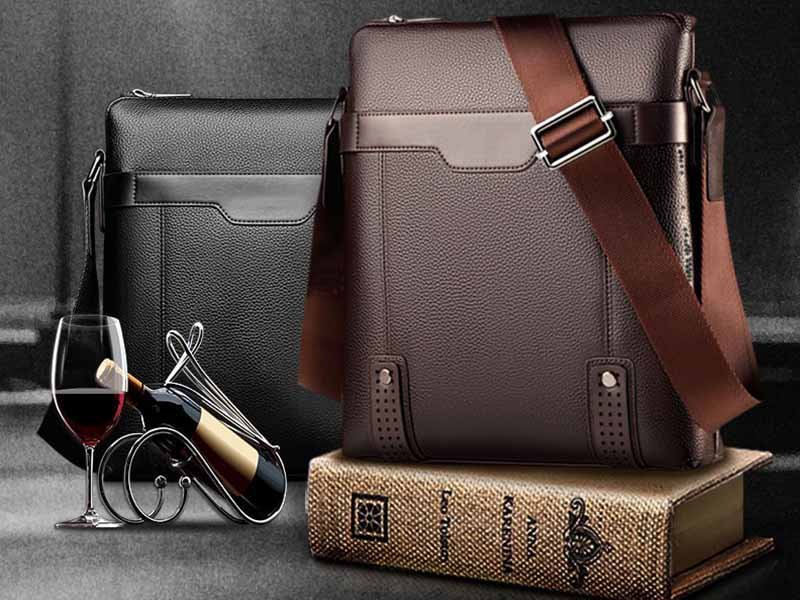
A bag is often more than just an accessory—it’s a functional, fashionable, and cultural symbol that serves many purposes in our everyday lives. From the classic leather handbags that elevate a businesswoman’s look to the simple drawstring bags for casual outings, the word “bag” encompasses a variety of forms, functions, and materials. It’s more than just something to carry your things in; a bag is also a tool, a statement, and sometimes, even a symbol of wealth or status.
In this article, we’ll explore the different types of bags, from backpacks to tote bags, and dive into the wide array of materials used to create them. But it doesn’t stop there—bags also have interesting meanings in slang, ranging from their use in fashion to their references in drug culture.
What makes bags so ubiquitous across cultures and generations? Why does their symbolism evolve? Let’s delve deeper into the anatomy of a bag to better understand its significance in both practical and metaphorical terms. By the end of this guide, you’ll have a complete understanding of what a bag really is—its evolution, its materials, its slang, and its impact on fashion, function, and society.
A bag is an object designed to carry items, but its meaning can vary widely across contexts. It could refer to fashion accessories, practical tools for daily use, or even slang—such as a “bag” in drug terminology. Bags are made from various materials like leather, fabric, and synthetic options. The purpose of a bag goes beyond carrying; it represents identity, culture, and status in both literal and metaphorical ways.
What Is a Bag

At its core, a bag is a container used to carry, store, or transport items. While this definition seems simple, bags have evolved into multifaceted objects that go beyond mere functionality. From fashion accessories to practical tools, bags are designed for different purposes, each with its own form, material, and cultural significance. Bags serve not only as carriers but also as statements of style and even status symbols.
Bags come in a wide variety of shapes, sizes, and materials, and each type serves specific needs. Some bags are purely functional, designed for carrying essentials, while others are crafted to express personal aesthetic or brand identity. The materials used to make bags also vary greatly, from natural options like leather and cotton to synthetic materials like polyester and PVC.
In modern society, the humble bag has become a symbol of personal expression, functionality, and lifestyle, deeply embedded in fashion culture and everyday life. Bags serve an essential role, from carrying groceries to holding designer accessories, and often influence both social perception and comfort.
A bag is a flexible container used to carry items, made from materials such as leather, fabric, or synthetic substances. Bags serve both functional and aesthetic purposes, helping individuals transport personal belongings or express style. Common types of bags include handbags, backpacks, tote bags, and duffel bags, each designed for different functions, such as travel, work, or daily use.
1 The Functional Role of a Bag
A bag’s primary function is to carry things, making it one of the most versatile accessories humans use. From ancient times, people have carried bags in the form of pouches or satchels to transport essentials such as tools, food, and personal items. Over time, the design and purpose of bags evolved based on cultural, technological, and fashion trends.
Today, bags are more than just containers—they help people stay organized, carry necessities (e.g., wallets, phones, keys), and transport items for work, travel, and leisure. Backpacks, for example, are designed for those who need to carry heavy loads comfortably, while handbags often serve as both functional storage and fashion statements.
2 The Evolution of Bag Materials
The materials used to make bags have evolved alongside technology and societal needs.
- Leather: Historically, leather has been one of the most durable and aesthetically appealing materials for bags. It offers strength, longevity, and class, which is why leather bags have remained a staple for both luxury and functional use.
- Fabric and Textiles: In the 19th and 20th centuries, cotton and canvas became popular materials for affordable and durable bags, especially for tote bags, duffels, and lunch bags.
- Synthetic Materials: With the rise of polyester, nylon, and PVC, bags became lighter, water-resistant, and more affordable to produce, opening up options for fashionable, mass-produced bags.
- Eco-friendly Materials: In recent years, there has been a push towards sustainable and eco-conscious bags, made from recycled materials or biodegradable fabrics like hemp and organic cotton.
3 Cultural Significance of Bags
Bags aren’t just about function—they are also culturally significant. Throughout history, bags have symbolized status, wealth, and profession. The Louis Vuitton handbag, for example, is often associated with luxury, exclusivity, and fashion-forward thinking, while backpacks are commonly linked with youth culture and student life.
In many ways, bags are a status symbol. For instance, people often use designer bags to showcase their financial success or personal style. On the other hand, eco-friendly bags like reusable shopping totes have become symbols of environmental awareness and social responsibility.
4 How Bags Have Shaped Fashion
Bags have always played a key role in fashion—whether it’s a timeless leather handbag, a hipster-style canvas bag, or a tech-oriented backpack. The bag is one of the most personalized accessories that people choose to complement their clothing and complete their look.
Fashion bags are often designed with unique materials, cuts, and embellishments to express individuality or follow trends. For example, the Chanel quilted bag is synonymous with elegance, while backpacks made from vegan leather have gained popularity among millennials who want to express conscious living and style.
5 Bags and Personal Branding
Bags have become an extension of personal branding, especially for business professionals and entrepreneurs. A high-quality, well-made bag can reflect someone’s attention to detail, success, and style. Some people choose custom bags or branded bags that represent their identity or company values. For example, a business executive may use a sleek leather briefcase to communicate professionalism and status, while freelancers or tech workers may use minimalist backpacks to showcase practicality and style.
In this way, bags not only serve as functional tools but also reinforce personal image, acting as silent communicators of one’s professional persona.
6 Bags in the World of Customization
Customization has become an increasingly popular trend in the world of bags. Whether for individual use or branding purposes, custom bags allow people to add personal touches that reflect their tastes or company’s identity.
- Personalized Bags: Many consumers now opt for customized tote bags, backpacks, and luggage with initials, logos, or unique prints.
- Private Label Bags: Brands and businesses can create exclusive bags tailored to their target audience, offering unique style options and functionality that differentiate them from mainstream products.
- Custom Materials: Brands also offer custom bags made from specific materials like vegan leather, recycled fabrics, or luxury leathers that cater to a particular lifestyle or purpose.
Which Materials Are Used to Make Bags

When it comes to bags, material selection plays a crucial role in determining not only the bag’s durability but also its functionality, aesthetic appeal, and price point. The material used influences how a bag performs, how long it lasts, and the look it gives off. Whether it’s a luxury leather handbag or a practical canvas backpack, the right material ensures the bag does its job while looking great.
Bags are made from various materials, including leather, fabric (cotton, canvas, nylon), synthetics (PVC, polyester), and eco-friendly materials like recycled fabrics. Leather is highly durable, while fabrics like canvas are lightweight and easy to clean. Synthetics provide cost-effective options, and eco-friendly materials focus on sustainability. The material choice depends on the bag’s purpose—be it fashion, functionality, or both.
1 Leather – Timeless, Durable, and Luxurious
Leather is one of the most premium materials used for bag manufacturing, particularly for high-end and luxury bags.
Types of Leather Used in Bags:
- Full-grain leather: The highest quality leather, which retains the natural texture of the hide. It’s the most durable type, becoming more beautiful as it ages and develops a patina.
- Top-grain leather: Slightly lower in quality than full-grain but still durable and resistant to wear. It’s often used for luxury handbags and briefcases.
- Vegetable-tanned leather: A natural tanning process that results in a more rigid leather. It’s popular for handcrafted or custom bags due to its ability to develop a unique aging process over time.
- Bonded leather: Made from leather scraps and adhesives, this is the lowest-quality leather and is more prone to cracking and stretching.
Benefits of Leather Bags:
- Durability: Leather is incredibly tough and long-lasting.
- Timeless Appeal: Leather bags look stylish and sophisticated, which is why they are often associated with luxury and professionalism.
- Aging Beautifully: Full-grain and vegetable-tanned leather develop a rich patina over time, making them more valuable as they age.
Leather bags, however, require more care and attention than other types, such as cleaning, conditioning, and protecting from excessive moisture or sunlight.
2 Fabric Bags – Lightweight and Versatile
Fabric bags are incredibly popular because they offer flexibility, affordability, and ease of care. They come in many forms, from cotton to nylon, and are often used for casual, functional bags like tote bags, duffel bags, and backpacks.
Types of Fabric Used in Bags:
- Cotton: A natural fiber that is soft, breathable, and easy to clean. Cotton canvas is commonly used for tote bags, shopping bags, and travel bags due to its strength and versatility.
- Nylon: A strong, synthetic fiber that is lightweight, durable, and resistant to tearing. It’s often used for sports bags, backpacks, and luggage.
- Polyester: Another synthetic fabric that is lightweight and resistant to fading, shrinking, and stretching. It is used in a variety of bags, including laptop bags, duffel bags, and weekender bags.
- Denim: Often used for more casual bags, denim gives a rugged, timeless look, and is durable yet flexible.
Benefits of Fabric Bags:
- Lightweight: Fabric bags are typically much lighter than leather, making them ideal for everyday use.
- Variety of Designs: Fabric bags can be printed or dyed in any color or pattern, allowing for unique, customizable designs.
- Affordable: Compared to leather bags, fabric bags are often more affordable, making them great for both budget-conscious buyers and mass production.
Fabric bags are also more environmentally friendly when made from natural fibers or recycled fabrics.
3 Synthetic Materials – Affordable and Practical
Synthetics like PVC and polyester are widely used in fashion bags because they are affordable, versatile, and easy to maintain.
Common Synthetic Materials in Bags:
- PVC (Polyvinyl chloride): A waterproof and durable plastic, PVC is often used in fashion bags and rain covers. It is lightweight, easy to clean, and affordable.
- Polyurethane (PU): Often used as an alternative to leather, PU is a synthetic leather that mimics the feel and look of real leather but at a lower price point. It’s commonly used in vegan bags and affordable fashion lines.
- Neoprene: A synthetic rubber material used in modern bags, especially sporty or tech-style bags (like laptop sleeves), because of its lightweight and water-resistant properties.
Benefits of Synthetic Bags:
- Affordable: Synthetics like PU or PVC are less expensive than leather, making them a great choice for budget-friendly bags.
- Versatile: Synthetics can be shaped, molded, and printed to create bags in different colors, designs, and finishes.
- Low Maintenance: Synthetics often require less maintenance than leather, making them easier to clean and care for.
However, synthetic bags are not as long-lasting as leather and may show wear over time, particularly if the material is thin or poorly manufactured.
4 Eco-friendly Materials – Sustainable Choices
As sustainability becomes more important to both consumers and brands, eco-friendly materials have started to replace traditional synthetics and leathers in the bag industry.
Common Eco-friendly Materials in Bags:
- Recycled PET (rPET): Made from recycled plastic bottles, rPET is used to create durable, lightweight bags that contribute to reducing plastic waste. It’s commonly found in backpacks, totes, and shopping bags.
- Organic Cotton: Grown without pesticides or chemical fertilizers, organic cotton is an eco-friendly alternative to traditional cotton.
- Hemp: A biodegradable and renewable material, hemp is stronger than cotton and is increasingly used in bags for those focused on sustainability.
- Cork Fabric: Made from the bark of cork oak trees, cork is a sustainable, vegan alternative to leather that is used in bags and wallets.
Benefits of Eco-friendly Bags:
- Sustainability: Eco-friendly bags are produced with the environment in mind, using recycled or natural materials.
- Durability: Many eco-friendly fabrics, like hemp and rPET, are stronger and more durable than traditional materials.
- Brand Appeal: Using sustainable materials can enhance a brand’s reputation, appealing to eco-conscious consumers.
5 Hybrid Materials – Combining the Best of Both Worlds
Some bags are made from hybrid materials that combine the best qualities of natural and synthetic materials to provide both strength and aesthetic appeal.
Examples of Hybrid Materials:
- Leather and Canvas: Combining leather’s durability with canvas’s lightness, this hybrid is popular in laptop bags, duffels, and casual fashion accessories.
- Eco-friendly Leather Alternatives: Materials like Mushroom leather or Piñatex (made from pineapple leaves) offer a sustainable alternative to leather, while maintaining a similar look and feel.
Benefits of Hybrid Materials:
- Best of both worlds: Combining materials provides the best balance of durability, style, and function.
- Unique aesthetics: Hybrid bags often stand out due to their distinctive texture and look.
Material Comparison Table:
| Material | Durability | Aesthetic Appeal | Best Use | Environmental Impact |
|---|---|---|---|---|
| Full-grain Leather | High | Timeless, classic | Luxury, work, casual | Medium (requires care) |
| Canvas | Medium | Casual, rugged | Everyday, shopping, travel | Medium (depends on source) |
| PVC | Low | Sleek, shiny | Fashion, waterproof bags | Low (non-biodegradable) |
| PU (Polyurethane) | Medium | Mimics leather | Vegan leather bags, affordable | Medium (synthetic) |
| rPET (Recycled) | High | Modern, minimalist | Eco-friendly bags | High (recycled plastic) |
| Hemp | High | Natural, rustic | Eco-friendly bags, backpacks | Very high (sustainable) |
How Are Bags Manufactured

The process of manufacturing bags is a detailed and multifaceted journey that transforms raw materials into the stylish, functional products consumers use every day. Whether it’s a high-end leather handbag, a durable backpack, or an eco-friendly tote bag, each type of bag undergoes a series of steps that require skill, precision, and an understanding of the materials used. From material selection to the final packaging, the entire bag production process plays a crucial role in determining the quality, aesthetic appeal, and durability of the finished product.
Bag manufacturing is a multi-step process that includes material selection, cutting, stitching, and finishing. The process begins with designing and prototyping the bag, followed by choosing the right materials like leather, fabric, or synthetics. Next, the pieces are cut, sewn together, and reinforced in key areas. Finally, the bag undergoes finishing touches like edge sealing and hardware installation before it’s packaged and distributed. This ensures both functionality and aesthetic appeal in the final product.
1 Design and Prototyping: The Foundation of a Quality Bag
The manufacturing process begins long before any materials are touched. It all starts with the design phase, where the overall shape, style, and functionality of the bag are determined.
Design Process:
- Sketching: Designers create detailed drawings or digital renderings to visualize the bag’s structure, size, and features.
- Material Selection: Based on the design, materials like leather, canvas, nylon, or PVC are selected. The material choice impacts both aesthetic and durability.
- Technical Specifications: Designers create pattern templates, which serve as guides for cutting the materials into the appropriate shapes and sizes.
Prototyping:
- First Prototype: A sample bag is created using the selected materials and patterns. This prototype allows designers and manufacturers to assess the design’s functionality, fit, and aesthetic appeal.
- Feedback and Adjustments: The prototype is tested for comfort, stability, and usability, and any issues are addressed. This stage may involve adjustments to sizes, stitching, or hardware.
Why it matters: The prototyping phase helps ensure the final product meets the customer’s needs and expectations, from functionality to design.
2 Material Selection: The Key to Durability and Style
Selecting the right materials is one of the most important aspects of bag manufacturing. The material used in a bag determines its quality, longevity, and appearance.
Common Materials Used in Bags:
- Leather: High-end bags, especially luxury handbags, are often made from full-grain or top-grain leather, which offer durability and a premium feel.
- Canvas: This cotton-based material is often used for casual bags, tote bags, and duffels. It is relatively lightweight, easy to clean, and affordable.
- Nylon/Polyester: Synthetic fabrics that are strong, water-resistant, and lightweight, commonly used for backpacks, gym bags, and travel luggage.
- PVC/TPU: Plastic-based materials are used in bags designed for waterproofing and easy maintenance.
- Eco-friendly Fabrics: Recycled materials like rPET (recycled polyester) or organic cotton are gaining popularity due to sustainability concerns.
Choosing the right material is essential for balancing functionality with fashion, as each material offers unique benefits.
3 Cutting: Precision and Accuracy for Consistent Quality
Once the design and materials are decided, the next step is cutting the material into the correct shapes. The cutting process requires precision to ensure that each piece of the bag is of the correct size and shape, and can be assembled and sewn effectively.
Cutting Methods:
- Manual Cutting: For high-end, handmade bags, cutting is often done manually using patterns and cutting tools. This process requires skill to ensure that the material is evenly cut.
- Machine Cutting: In mass production, industrial cutting machines are used to cut multiple layers of material at once, ensuring efficiency and consistency.
After cutting, the pieces are inspected for defects or imperfections. Quality checks are essential to prevent any flaws from affecting the final product.
4 Sewing: Where the Bag Takes Shape
Sewing is a crucial step in the production process that brings all of the cut pieces together to form the bag. The stitching holds the pieces in place and ensures strength, functionality, and aesthetic appeal.
Sewing Techniques Used in Bag Manufacturing:
- Single Stitch: The most common method for basic seams.
- Double Stitching: Used in areas where extra strength is required, such as around straps and reinforced sections.
- Edge Stitching: A technique to give clean, professional edges, especially for leather bags.
- Reinforced Stitching: Applied at points of high stress, like the buckle area or handles.
Stitching isn’t just about joining pieces together—it also affects the aesthetic finish of the bag. High-quality stitching enhances the visual appeal and longevity of the bag, while poor stitching can lead to wear and tear or visible defects.
5 Assembling: Adding the Details
Once the body of the bag is sewn together, the next step is assembly—attaching straps, zippers, buckles, and other accessories that complete the design. This is where the bag’s functionality is refined.
Key Elements in Bag Assembly:
- Handles and Straps: These are often the most stressful parts of a bag. Handles must be securely sewn and reinforced to support heavy use.
- Zippers and Closures: Zippers, magnetic snaps, and Velcro closures are added to ensure the bag can securely close.
- Interior Compartments: For bags that require organization, compartments are sewn into place to store items like phones, wallets, and keys.
- Hardware: Brass, stainless steel, or plastic buckles, rings, and straps are attached for both aesthetic and functional purposes.
Each element is tested to ensure it works seamlessly with the overall design.
6 Finishing: Giving the Bag Its Final Look
After assembly, bags undergo a final finishing process that includes several steps to ensure durability, cleanliness, and a polished appearance.
Finishing Steps:
- Edge Sealing: To prevent fraying, the edges of the bag—especially those made from leather—are sealed or painted.
- Pressing: The bag is pressed to remove any wrinkles or creases.
- Polishing: Leather bags may undergo a polishing treatment to give them a glossy finish.
- Quality Control: Final checks are performed to ensure that all components—zippers, handles, straps—are functioning correctly. Any defects or imperfections are corrected.
After the finishing touches, the bag is ready for packaging and distribution.
What Types of Bags Are There

Bags come in a wide range of styles, shapes, and sizes, each designed for different purposes and lifestyles. From carrying personal items to making a fashion statement, the type of bag you choose says a lot about your functionality needs and style preferences. Whether it’s for work, travel, fashion, or daily use, there’s a bag tailored to meet every need. Understanding the different categories of bags can help you select the right bag for every occasion.
Bags come in various types, including tote bags, handbags, backpacks, duffel bags, and briefcases. Each type serves a specific purpose—fashion, work, or functionality. Bags can be made from leather, canvas, or synthetic materials. The choice of bag depends on the user’s lifestyle, personal needs, and fashion preference, with each type offering a unique design for carrying items comfortably and stylishly.
1 Fashion Bags: Stylish and Statement-Making
Fashion bags are often the show-stoppers of an outfit. These bags combine style, aesthetic appeal, and functionality, offering more than just a way to carry essentials. They make a statement, express personal style, and can add a unique touch to any look.
Common Fashion Bag Types:
- Handbags: Handbags are the most iconic and widely recognized fashion bag. Typically used by women, they are ideal for carrying personal items like wallets, phones, makeup, and keys. Structured handbags are perfect for formal occasions, while slouchy handbags offer a more casual look.
- Clutches: Small, often elegant bags, clutches are perfect for evening events like weddings, dinners, and parties. They are designed to hold just a few essentials—usually your phone, credit cards, and lipstick.
- Crossbody Bags: Worn across the body with a long strap, these bags offer both style and convenience. They’re perfect for hands-free carrying and have become a staple of street fashion.
- Satchels: A type of handbag with a structured design and a long shoulder strap, satchels are great for everyday use. They often feature multiple compartments for organization and a stylish look that transitions well from work to weekend.
2 Work Bags: Professional and Functional
Work bags are designed with functionality and professionalism in mind. They help people carry work essentials like laptops, documents, notebooks, and pens while maintaining a polished, professional look.
Common Work Bag Types:
- Briefcases: A briefcase is the quintessential work bag, designed for business professionals who need to carry documents, laptops, or other essential items. Briefcases often feature a sleek, structured design and can be leather or fabric for durability and style.
- Laptop Bags: Specifically designed to carry laptops and other tech gear, laptop bags are padded to protect devices and come with additional compartments for chargers, files, and accessories. They can be shoulder bags, totes, or backpacks, depending on the user’s preference.
- Messenger Bags: Originally designed for delivery people, messenger bags are crossbody bags with a flap closure, often used by professionals who need to carry documents or electronics in a more relaxed, yet functional way.
- Work Totes: Totes designed for work often have an open top with extra compartments to carry everything needed for the office. These bags are more casual than briefcases but still offer a sleek design for a professional appearance.
3 Travel Bags: Designed for Journeys and Adventures
Travel bags are essential for anyone on the go. They are designed to carry clothing, toiletries, gadgets, and other essentials while providing comfort and ease of use during long journeys.
Common Travel Bag Types:
- Duffel Bags: Duffel bags are large, cylindrical bags designed for gym, weekend trips, or travel. Made of durable fabric or leather, duffels are spacious and perfect for carrying a weekend’s worth of gear or sports equipment.
- Luggage/Suitcases: Luggage bags come in a variety of styles, including hard-shell or soft-shell, with sizes ranging from carry-on to large checked bags. They are designed to be durable, lightweight, and spacious, with a focus on easy transportation via wheels.
- Backpacks for Travel:Travel backpacks are perfect for travelers who prefer a hands-free option. They come with padded straps, multiple compartments, and are perfect for overnight trips or backpacking adventures.
- Travel Totes: Travel totes are spacious handheld bags ideal for carrying snacks, travel documents, and other essentials. They’re perfect as carry-ons or for organizing personal items in larger luggage.
4 Casual Bags: Everyday Comfort and Style
Casual bags are designed for light daily use. These bags are practical, comfortable, and come in a variety of sizes to carry everything from lunches to books. They’re often stylish, but the focus is on ease and convenience.
Common Casual Bag Types:
- Tote Bags: Totes are versatile, spacious bags that can carry everything from groceries to work essentials. Made from canvas, cotton, or nylon, tote bags are great for both shopping and casual outings.
- Crossbody Bags (Casual Style): Crossbody bags, typically smaller and more casual than fashion crossbody bags, are great for running errands or short trips. They keep your hands free and can be worn comfortably throughout the day.
- Messenger Bags (Casual Style): Smaller messenger bags designed for daily use are great for carrying books, tablets, and personal items. They’re typically crossbody and often made from nylon or canvas for durability.
5 Gym and Sports Bags: Built for Activity
Gym and sports bags are specifically designed to hold athletic gear, shoes, and personal items for exercise or sports activities. They prioritize functionality and ease of use.
Common Gym and Sports Bag Types:
- Gym Bags: Gym bags are designed to carry workout clothes, shoes, water bottles, and towels. They are typically made from nylon or canvas and are lightweight but durable.
- Sports Duffel Bags: Larger than gym bags, sports duffels can accommodate larger gear such as soccer balls, hockey sticks, or basketballs. They often feature multiple compartments to keep everything organized.
- Sports Backpacks: These bags are tailored for active individuals who want to keep their gear organized in a compact yet functional form. Designed to carry sports accessories, these backpacks are perfect for carrying sportswear, electronics, or other essentials.
6 Eco-friendly Bags: Sustainable Alternatives
In recent years, eco-friendly bags have risen in popularity, with an emphasis on sustainability and reducing environmental impact. These bags are made from recycled, natural, and biodegradable materials.
Common Eco-friendly Bag Types:
- Reusable Shopping Bags: Made from materials like organic cotton, recycled plastic, or hemp, these bags are sturdy and designed for sustainable shopping. They help reduce the use of plastic bags in retail.
- Eco-friendly Tote Bags: Similar to reusable shopping bags, these totes are made from sustainable fabrics and are used for carrying everyday items while promoting environmental consciousness.
- Vegan Leather Bags: Made from synthetic or plant-based materials, vegan leather bags are becoming a popular alternative to traditional leather, offering sustainability and cruelty-free fashion.
How Do Bags Contribute to Fashion and Functionality

Bags are not only practical tools for carrying personal items but also serve as powerful fashion statements. They balance both functionality and aesthetic appeal, helping individuals express their personality, enhance their style, and make a lasting impression. The contribution of bags to fashion and functionality goes beyond simply storing items; they can also signify social status, convey individual taste, and offer practical solutions for various lifestyles.
Whether you’re looking for a bag to complement an outfit, organize your belongings, or carry your gym gear, bags can be designed to meet multiple needs, while also offering the stylish designs that reflect modern trends.
Bags contribute to both fashion and functionality by combining style with utility. Fashion bags elevate outfits, while functional bags help organize personal items, making life easier. The choice of bag can complement an individual’s look or serve a specific purpose like carrying work essentials or gym clothes. Customizable bags can blend aesthetic appeal with practical features like compartments, making them both stylish and functional.
1 How Do Bags Add to Fashion and Personal Style?
Bags are often seen as the finishing touch that completes an outfit. The right bag can elevate a basic outfit into something chic or sophisticated. Whether it’s a luxury leather handbag or a casual canvas tote, bags are fashion-forward accessories that can express personal identity and make a statement about the wearer’s lifestyle.
Bags as Fashion Statements:
- High-end designer bags (e.g., Louis Vuitton, Gucci, Chanel) are often used as symbols of status and are highly fashionable. These bags are crafted to reflect the luxury lifestyle and are instantly recognizable in the fashion world.
- Statement bags (e.g., brightly colored tote bags, bold prints, or unique designs) are often used to add flair to an outfit. These bags can set trends and allow individuals to stand out and express their personality.
- Functionality Meets Style: Many bags, such as crossbody bags and backpacks, combine practicality with fashion-forward designs. These bags offer hands-free convenience while maintaining an on-trend appearance.
Practical Tip: When selecting a bag for fashion purposes, consider its color, material, and design to ensure it complements the overall look you want to achieve.
2 How Do Bags Enhance Functionality in Daily Life?
Bags are primarily designed for functionality, helping to keep personal items organized and easily accessible. Whether it’s a briefcase for work, a backpack for school, or a gym bag for fitness enthusiasts, bags have become essential tools for carrying everyday essentials.
Key Functional Aspects of Bags:
- Organization: Multiple compartments in a bag make it easier to carry laptops, documents, phones, and other essentials without rummaging through a single, messy space.
- Comfort: Well-designed bags are built for comfort, with adjustable straps and ergonomic designs that help distribute weight evenly across the body (e.g., backpacks and crossbody bags).
- Durability and Protection: For work bags and travel bags, the focus is on durability and protection. Many bags are made from materials that protect laptops, phones, and other electronics from damage.
Example: A backpack with padded compartments can safely carry a laptop, while still offering enough space for other personal items like notebooks, pens, and chargers. The adjustable straps make it easy to wear on the go, while the stylish design keeps it fashionable.
3 How Do Bags Serve as Status Symbols?
In the world of fashion, bags are often seen as more than just accessories—they are also status symbols that reflect wealth, social standing, and personal success.
Bags as Symbols of Wealth and Success:
- Designer bags like Hermès Birkin, Chanel 2.55, or Gucci Dionysus often carry high price tags and are regarded as symbols of prestige. Owning and carrying these bags indicates a certain level of affluence and access to luxury fashion.
- Exclusivity is a key factor. Many designer bags are made in limited quantities, adding an air of exclusivity to the wearer. For instance, owning a limited-edition Louis Vuitton bag can communicate a wearer’s influence or elite status.
Cultural Influence: The association between certain brands and wealth has made luxury bags a cultural phenomenon, with bags like the Birkin often seen in movies and magazines as symbols of success.
4 How Do Bags Improve Organization and Convenience?
While fashion and status are often tied to bags, their primary function is to organize and carry essential items for ease of daily life.
Bags in Everyday Life:
- Tote Bags: Simple yet spacious, perfect for carrying groceries, books, or lunches.
- Diaper Bags: Designed for parents, offering a multitude of pockets for diapers, bottles, and baby gear.
- Travel Bags: Duffel bags, suitcases, and weekender bags help people organize their clothes and belongings for short or long trips, ensuring easy access to items while on the move.
Organization Tip: When selecting a bag for functionality, look for pockets, compartments, and organization features that suit your specific needs (e.g., water bottle holders, laptop sleeves, or zippered pockets for security).
5 How Are Custom Bags Created to Meet Personal and Functional Needs?
Custom bags are designed to meet both aesthetic and functional needs. Whether for personal use or business, custom bags provide the opportunity for brands or individuals to design bags that reflect their personal style while also fulfilling specific functional needs.
The Custom Bag Creation Process:
- Personalization: Custom bags can be personalized with initials, logos, or unique designs, which help individuals or businesses stand out.
- Custom Materials: With custom bags, you can select materials like premium leather, canvas, or recycled fabrics to match the desired style and functionality.
- Functional Customization: Bags can be customized to include features like extra compartments, adjustable straps, or reinforced areas for increased durability.
Custom bags combine form and function, providing clients with tailored solutions for everything from fashion to corporate giveaways or branded promotional items.
How Are Custom Bags Created
Creating custom bags is a detailed process that combines design innovation, material selection, and personalization. Whether you’re designing a bag for personal use, a brand’s promotional needs, or for corporate giveaways, the process involves several stages that ensure the final product is not only functional but also reflects the unique needs and aesthetics of the buyer. This process provides the opportunity to tailor every aspect of the bag, from its style to its materials, to ensure it’s perfectly suited for the intended purpose.
Custom bags are created through a detailed process involving design, material selection, and personalization. It starts with a consultation to define the purpose, followed by designing the bag, choosing suitable materials, and then crafting the prototype. Once approved, the bag is manufactured using specialized tools and techniques. The result is a unique, functional product that meets specific needs, whether for fashion, practicality, or branding.
1 Consultation: Defining Purpose and Design
The first step in creating custom bags is a consultation with the client to define the bag’s purpose, style, and functionality. This ensures that the final product meets all the practical and aesthetic requirements of the customer.
What is discussed during the consultation?
- Purpose of the bag: Whether it’s for personal use, promotional giveaways, corporate branding, or fashion purposes.
- Intended use: Is the bag meant for everyday use, travel, work, or special occasions?
- Customization preferences: Clients specify material choices, size, compartment organization, and design features like logos or slogans.
- Target audience: The design and features may differ depending on whether the bag is intended for young professionals, students, athletes, or luxury buyers.
The consultation helps narrow down key design elements that will set the bag apart from mass-produced options and make it unique.
2 Design: Conceptualization and Prototyping
Once the purpose and specific needs are identified, the next step is the design phase, where the bag’s shape, size, material, and features are conceptualized.
Key aspects of the design phase:
- Sketching: Designers create rough drafts or detailed digital renderings of the bag, showing the layout, dimensions, and features.
- CAD (Computer-Aided Design): Advanced software is often used to generate detailed 3D models that show how the bag will look from every angle. This helps identify potential design issues before prototyping.
- Color and Pattern Selection: Customers choose colors, patterns, or textures that align with their brand identity or personal preferences.
Prototyping:
- Prototype Creation: A sample bag is crafted to bring the design to life. The prototype is made using the chosen materials and is tested for fit, function, and aesthetic appeal.
- Adjustments: Based on feedback, the design may be modified, whether it’s a size adjustment, extra pockets, or even a different material.
Prototyping is critical to ensure the bag meets both design specifications and functional needs.
3 Material Selection: Choosing the Right Materials
Once the design is approved, the next step is to choose the materials that will bring the bag’s concept to life. The choice of material impacts the look, feel, and durability of the bag.
Common Materials for Custom Bags:
- Leather: Often used for high-end, luxury bags or custom branding. Full-grain and top-grain leather are the most durable options, providing a premium feel and long-lasting performance.
- Canvas: Lightweight, durable, and often used for eco-friendly or casual designs, canvas bags are affordable and can be printed with unique designs or logos.
- Polyester/Nylon: Popular for functional bags, these materials are water-resistant, lightweight, and highly durable. They are great for backpacks, sports bags, and travel bags.
- Vegan Leather: A sustainable alternative to real leather, vegan leather is often used for stylish, cruelty-free bags.
- Recycled Fabrics: Increasingly used in custom bags to appeal to eco-conscious consumers, these fabrics are made from recycled plastic bottles or other waste materials.
The choice of material depends on the brand’s values (e.g., sustainability), the intended use (e.g., office, travel), and the desired aesthetic (e.g., elegant, casual, eco-friendly).
4 Manufacturing: Crafting the Bag
After the materials are selected, the actual manufacturing of the bag begins. This involves a series of steps to cut, stitch, and assemble the various pieces of the bag.
Steps in the Bag Manufacturing Process:
- Cutting: The material is cut into the necessary shapes and pieces based on the design pattern. This may be done using manual cutting or precision cutting machines.
- Sewing: The cut pieces are sewn together using industrial sewing machines. Special reinforced stitching is used in areas that will experience the most stress, such as handles, zippers, and straps.
- Adding Hardware: Items like buckles, zippers, buttons, and embellishments are attached. These elements are chosen to complement the bag’s style and function.
- Assembly: The various components (handles, pockets, closures) are stitched and assembled to complete the bag.
- Edge Finishing: The edges of leather bags, in particular, are sealed to prevent fraying and to enhance the overall appearance of the bag.
Attention to detail is key during manufacturing to ensure that all stitching is even, seams are properly finished, and hardware is securely attached.
5 Quality Control: Ensuring the Perfect Bag
After the manufacturing process, each bag undergoes rigorous quality control checks to ensure it meets the client’s specifications and standards.
What is checked during quality control?
- Stitching and seams: Ensure there are no loose threads or weak points.
- Hardware: Ensure that all zippers, buckles, and straps function correctly.
- Size and Fit: The bag is checked to make sure it conforms to the original design dimensions.
- Material integrity: Verify that the materials used are free from defects or damage.
Any bags that do not meet the required standards are sent back for adjustments, ensuring that only flawless products make it to the customer.
6 Packaging and Delivery: Ready for Use
Once the bags pass the quality control checks, they are carefully packaged and prepared for delivery.
Packaging Process:
- Protective Packaging: The bags are packed with materials to protect them during shipping. This may include plastic covers, dust bags, or box packaging.
- Branding: Custom bags are often packaged with branded boxes or tags that reflect the company’s identity.
- Distribution: Bags are then shipped to the retailer, warehouse, or customer, ready for sale or personal use.
Conclusion
If you’re looking for custom bags tailored to your business or personal needs, Lovrix has over 19 years of experience in producing high-quality, customized bags, woven fabrics, and straps. We specialize in designing products that reflect your unique style.
Contact Lovrix today to discuss how we can help create the perfect bags for your business or brand, with exceptional attention to detail and craftsmanship.


