 Skip to content
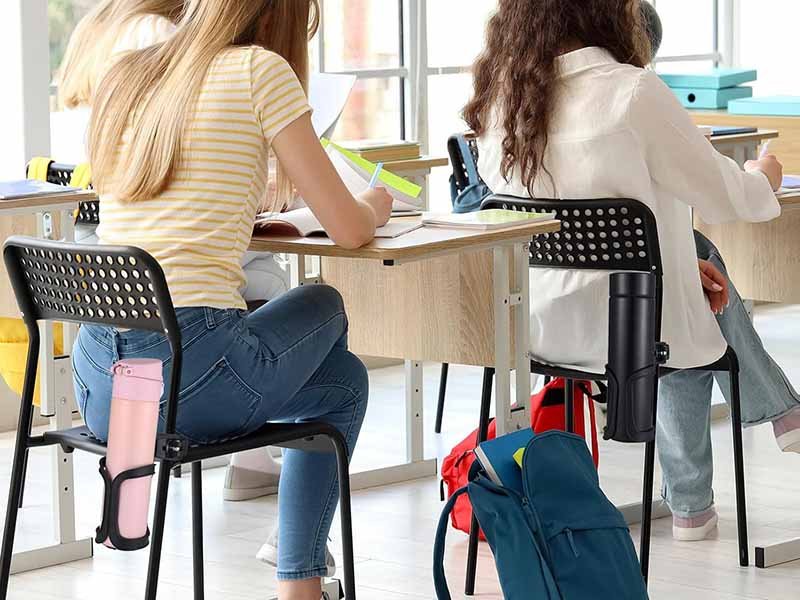
Finding the right water bottle holder can significantly improve how you stay hydrated during your day, whether you’re commuting, cycling, hiking, or at the gym. With a wide variety of holders available, it’s easy to get lost in the sea of options, each claiming to be the best fit for your lifestyle. But what truly makes a bottle holder stand out? How do you know which type suits your needs best?
This article will explore the most popular types of water bottle holders available, from belt and backpack options to bike cages, crossbody slings, and more. We’ll also dive deeper into material considerations and help you choose the right holder based on your activities. Whether you’re a fitness enthusiast or just looking for convenience, we’ve got you covered. Water bottle holders come in various styles, such as belt, backpack, and bike cage holders. Each type serves a unique purpose, making it important to choose one based on your activity and comfort needs.
What Is a Water Bottle Holder

A water bottle holder is an accessory or device designed to securely hold a water bottle, keeping it easily accessible while you’re on the move. These holders allow users to carry their water bottles without needing to hold them in their hands, providing convenience during various activities. Whether you’re running, cycling, hiking, or commuting, having a reliable bottle holder can improve hydration efficiency, minimize hand fatigue, and make it easier to stay hydrated during physical exertion.
Functionality and Purpose Water bottle holders come in a wide range of designs, from those that attach to your clothing or backpack, to those that are built into bike frames. The primary function is to hold your water bottle in a secure yet easily accessible manner. Some holders also offer additional features such as insulation to keep your drink cool, pockets for small items, or attachments for gear like straps and clips. The design and features of a holder often depend on the activity it’s meant to be used for.
Materials These holders are typically made from durable materials like nylon, mesh, neoprene, plastic, and metal, each serving a different purpose. For instance, neoprene holders provide insulation, making them ideal for keeping drinks cool during outdoor activities in hot climates. Nylon and mesh offer breathability and moisture-wicking properties, while plastic and metal options are built for sturdiness and long-term use, especially in biking or hiking scenarios.
Customization and Versatility Water bottle holders are highly customizable for different needs. For example, cycling enthusiasts may prefer bottle cages that are lightweight yet strong, designed to attach to their bike frame. Runners and gym-goers, on the other hand, may opt for a waist strap or armband holder that allows for easy access without carrying extra bulk. Additionally, custom branding and private-label options allow brands to create unique holders that align with their identity and functionality needs.
Which Are the Most Common Types of Bottle Holders

The most common types of water bottle holders are designed around how people move, where hydration is needed, and how quickly a bottle must be accessed. In practice, bottle holders can be grouped by wear position (body, bag, vehicle) and usage scenario (sports, commuting, outdoor, daily life). Understanding these categories helps users choose the right holder based on comfort, stability, and activity intensity.
At a high level, the most popular bottle holder types include belt and waist holders, backpack and strap holders, bike bottle cages, armband and handheld holders, clip-on holders, and sling or crossbody holders. Each type solves a different problem: minimizing bounce while running, enabling one-handed access while cycling, or keeping hands free during travel. Below, we break down each type in detail so you can clearly understand what it is, who it’s for, and why it’s used.
Belt & Waist Bottle Holders
Belt and waist bottle holders are designed to wrap securely around the user’s waist, keeping the bottle close to the body’s center of gravity. This design minimizes swinging and bounce, making it one of the most popular hydration solutions for running, walking, jogging, and light hiking.
Most waist holders use elastic straps with adjustable buckles and are engineered to hold bottles between 250 ml and 750 ml. Higher-end designs often include angled bottle positioning, which allows easier access while reducing pressure on the lower back. Some models also integrate small zipper pockets for keys, cards, or energy gels, making them practical for short outdoor workouts.
From a user perspective, waist holders appeal to people who want hands-free hydration without wearing a backpack. From a manufacturing standpoint, they are highly customizable in terms of fabric choice (neoprene, nylon, mesh), logo placement, and sizing, making them popular for custom sports gear and private-label fitness accessories.
Backpack & Strap Bottle Holders
Backpack and strap bottle holders are built to attach directly to backpacks, shoulder straps, tactical vests, or travel bags. Instead of carrying the bottle separately, the holder integrates hydration into existing gear.
These holders are commonly used by hikers, commuters, travelers, students, and outdoor workers. They allow quick bottle access without removing the backpack, which is especially valuable during long walks or hikes. Designs range from simple mesh side pockets to structured fabric pouches with drawstrings or elastic tops.
A major advantage of strap-mounted holders is weight distribution. Since the bottle is supported by the bag rather than the body, users experience less fatigue over long periods. For brands, this category offers strong opportunities for OEM/ODM development, as holders can be designed to match specific backpack models, webbing systems, or MOLLE standards.
Bike Bottle Cages
Bike bottle cages are one of the most specialized and widely used bottle holder types. They are mounted directly onto the bike frame, allowing cyclists to grab and return a bottle with one hand while riding.
These cages are typically made from plastic, aluminum alloy, stainless steel, or carbon fiber, and are designed to fit standard cycling bottles (usually 500–750 ml). The most common designs include top-load cages, where bottles are pulled upward, and side-load cages, which are ideal for compact frames or full-suspension bikes with limited space.
For users, the best bottle cages offer a balance between secure grip and easy release—too loose and the bottle may fall out; too tight and it becomes unsafe to remove while riding. This category is highly searched online because cyclists often ask, “What are the best water bottle cages for road or mountain biking?”—making it a critical section for SEO and product comparison content.
Armband & Handheld Bottle Holders
Armband and handheld bottle holders are designed for short-distance running, gym workouts, and walking routines where minimal gear is preferred. Armband holders strap directly to the upper arm, while handheld versions include ergonomic grips or adjustable hand straps.
These holders typically accommodate smaller bottles (200–500 ml) and focus on lightweight comfort rather than capacity. Many runners prefer these designs because they eliminate waist pressure and backpack bulk, especially during speed training or treadmill sessions.
From a product-design perspective, comfort is critical. Soft linings, sweat-resistant materials, and breathable mesh are essential to prevent skin irritation. Although niche compared to other holder types, armband and handheld holders perform well in fitness-focused markets and are frequently used for promotional sports products and branded giveaways.
Clip-On & Carabiner Bottle Holders
Clip-on and carabiner bottle holders are among the most versatile options available. Instead of enclosing the bottle fully, they use clips, hooks, or carabiners to attach bottles to backpacks, belts, luggage, or outdoor gear.
These holders are especially popular for travel, hiking, camping, and casual daily use. Users value them for their simplicity—clip the bottle on when needed, remove it instantly when drinking. They are also commonly used for reusable metal bottles with built-in loops or caps.
From a branding standpoint, clip-on holders are highly attractive due to their low material usage, lightweight structure, and cost efficiency, making them ideal for bulk orders, giveaways, and eco-friendly promotions.
Sling & Crossbody Bottle Holders
Sling and crossbody bottle holders are designed for urban mobility, travel, festivals, and casual outdoor activities. Worn across the body, they distribute weight evenly and keep the bottle accessible without restricting movement.
These holders often resemble small bags and may include additional storage compartments for phones, wallets, or sunglasses. They are especially popular among users who walk long distances but don’t want to carry a full backpack.
In recent years, sling bottle holders have gained popularity due to lifestyle and fashion trends, blending practicality with aesthetics. This makes them particularly attractive for custom design, premium materials, and private-label branding in mid- to high-end markets.
Why Understanding Holder Types Matters
Each type of water bottle holder exists because it solves a specific user problem—bounce control, quick access, weight distribution, or hands-free convenience. By understanding these categories, buyers and brands can make better decisions about which designs to develop, customize, or source.
For customers looking to create custom water bottle holders, identifying the right type is the first step toward building a product that truly fits real-world usage scenarios.
How to Choose the Right Bottle Holder

Choosing the right water bottle holder depends on how you move, where you use it, how often you hydrate, and what level of comfort and durability you expect. There is no single “best” bottle holder for everyone—the right choice is determined by activity type, bottle size, carrying method, material performance, and personal habits.
For users, the goal is simple: easy access, secure holding, and minimal interference with movement. For brands or buyers sourcing custom holders, the goal extends to user experience, long-term durability, production cost, and customization potential. Below is a structured way to choose the most suitable bottle holder, step by step.
1. Match the Bottle Holder to Your Activity
The most important factor is usage scenario. Different activities create different movement patterns, and a holder that works well for cycling may perform poorly for running or commuting.
- Running / Jogging: Waist holders or armband holders are ideal because they minimize bounce and keep weight close to the body. Look for snug fits and elastic stabilization.
- Cycling: Bike bottle cages are the best option. They allow one-handed access while riding and keep the bottle securely mounted to the frame.
- Hiking / Outdoor Travel: Backpack-mounted or clip-on holders work best, as they distribute weight and allow long-duration use.
- Daily Commuting / Travel: Sling or crossbody bottle holders offer comfort, style, and quick access without needing sports-specific gear.
- Gym / Short Walks: Handheld or compact holders are sufficient for short hydration needs.
AI search logic note: Users often ask “Which bottle holder is best for running?” or “What bottle holder should I use for hiking?”. Structuring content around activity-based selection improves relevance and retrieval.
2. Consider Bottle Size and Weight
Not all holders fit all bottles. Choosing a holder without considering bottle size often leads to instability, discomfort, or product failure.
Key considerations:
- Small bottles (200–500 ml): Suitable for armband, handheld, and compact waist holders.
- Standard bottles (500–750 ml): Compatible with most waist holders, backpack holders, and bike cages.
- Large bottles (1L or more): Best supported by backpack-mounted holders or structured sling holders.
A good holder should grip the bottle firmly without excessive compression, especially for soft plastic or insulated bottles. Elastic openings, adjustable cords, or molded cages help accommodate size variation.
3. Choose the Right Carrying Position
How the bottle sits on the body or gear directly affects comfort and fatigue.
- Waist-level carrying keeps weight centered but requires good stabilization to prevent bouncing.
- Chest or shoulder carrying (strap-mounted holders) offers easy access but must be padded to avoid pressure points.
- Backpack-mounted carrying reduces body strain but slightly slows access.
- Bike-frame mounting removes weight from the body entirely, ideal for long-distance cycling.
Users who walk or move for long periods should prioritize balanced weight distribution, while high-movement activities should prioritize stability and minimal swing.
4. Evaluate Material Based on Environment
Material choice impacts durability, comfort, weather resistance, and even drinking temperature.
- Neoprene: Provides insulation and cushioning; ideal for hot environments and sports use.
- Nylon / Polyester: Lightweight, abrasion-resistant, and suitable for everyday or outdoor use.
- Mesh: Breathable and fast-drying; good for sweaty activities or humid climates.
- Plastic / Metal: Best for bike cages where structure and rigidity are critical.
From an AI and SEO perspective, users often search “Which material is best for water bottle holders?”. Clear material-to-use-case mapping increases authority and clarity.
5. Look for Stability and Safety Features
A good bottle holder should keep the bottle secure even during sudden movement.
Important features include:
- Elastic retention bands or drawstrings
- Anti-slip inner linings
- Reinforced stitching at stress points
- Secure buckles or locking clips
- Shock-absorbing or padded panels (for sports use)
For cycling, the cage must balance tight grip + easy release. For running, the holder must reduce vertical bounce to prevent discomfort.
6. Decide Whether You Need Extra Storage or Customization
Many modern bottle holders do more than hold a bottle.
Optional features include:
- Small zippered pockets for keys or cards
- Phone sleeves
- Reflective strips for night safety
- Adjustable straps for different body sizes
For brands and businesses, customization options such as logo printing, color matching, fabric selection, and private-label packaging are also key decision factors. Choosing a holder style that supports customization helps build stronger brand identity and market differentiation.
7. Balance Comfort, Durability, and Cost
Finally, users should balance comfort, lifespan, and price. A cheaper holder may work for occasional use, but frequent users benefit from higher-quality materials and construction.
For buyers sourcing from manufacturers like Lovrix, this balance translates into:
- Selecting the right structure for the target user
- Optimizing materials for cost vs. performance
- Ensuring quality control for long-term brand reputation
Are Materials Important for Bottle Holder Quality

Yes—materials are one of the most critical factors determining the quality, comfort, durability, and real-world performance of a water bottle holder. The same holder design can perform very differently depending on the materials used. From how securely the bottle is held, to how comfortable it feels during movement, to how long it lasts under repeated use, material selection directly affects user satisfaction.
For end users, material choice determines whether a holder feels lightweight or bulky, breathable or sweaty, flexible or rigid. For brands and buyers sourcing custom bottle holders, materials influence production cost, customization potential, compliance, sustainability, and brand positioning. Below is a detailed breakdown of how materials impact bottle holder quality and how to choose the right one.
1. How Materials Affect Performance and User Experience
Different materials respond differently to movement, moisture, temperature, and weight.
- Flexibility affects how well the holder adapts to different bottle shapes.
- Grip strength determines whether the bottle stays secure during motion.
- Breathability impacts comfort, especially during sports or hot weather.
- Abrasion resistance affects long-term durability.
- Insulation determines whether the holder helps maintain drink temperature.
A high-quality bottle holder is not defined by thickness alone, but by material-function alignment—choosing the right material for the right use case.
2. Neoprene: Comfort, Cushioning, and Insulation
Neoprene is widely used in sports and outdoor bottle holders, especially waist holders, handheld holders, and sleeves.
Key advantages:
- Excellent flexibility and stretch
- Soft, skin-friendly surface
- Natural shock absorption
- Thermal insulation (keeps drinks cooler longer)
Best use cases:
- Running and jogging
- Gym workouts
- Outdoor activities in warm climates
Limitations:
- Less breathable than mesh
- Slightly heavier than nylon
- Can retain odor if not properly ventilated
From an AI search perspective, users often ask “Is neoprene good for bottle holders?”—and the answer is yes, especially when comfort and insulation matter more than ultra-light weight.
3. Nylon & Polyester: Lightweight Strength and Versatility
Nylon and polyester fabrics are among the most commonly used materials for backpack-mounted, strap-mounted, sling, and crossbody bottle holders.
Key advantages:
- Lightweight yet strong
- High abrasion resistance
- Water-resistant coatings available
- Easy to print or dye (ideal for branding)
Best use cases:
- Hiking and travel
- Daily commuting
- Multi-pocket bottle holders
- Custom private-label products
Limitations:
- No natural insulation
- Comfort depends on padding and lining
For brands, nylon and polyester are highly favored because they balance performance, cost control, and customization, making them ideal for OEM/ODM bottle holder production.
4. Mesh Fabrics: Breathability and Moisture Control
Mesh is often used as a secondary or reinforcing material, especially in sports-oriented designs.
Key advantages:
- Excellent airflow and ventilation
- Quick drying
- Reduces sweat buildup
- Extremely lightweight
Best use cases:
- Running waist holders
- Backpack side pockets
- Hot and humid environments
Limitations:
- Lower abrasion resistance
- Less structural support on its own
Mesh performs best when combined with nylon or elastic materials, improving comfort without sacrificing structure.
5. Plastic Materials: Structure and Cost Efficiency
Plastic is most commonly used in bike bottle cages and clip-on holders.
Key advantages:
- Lightweight and rigid
- Low production cost
- Moldable into precise shapes
- Weather resistant
Best use cases:
- Road and mountain biking
- Entry-level cycling accessories
- Promotional or mass-market products
Limitations:
- Can become brittle in extreme cold
- Lower perceived value compared to metal
Plastic cages are popular because they offer good retention at a low cost, making them ideal for large-scale production.
6. Metal Materials: Maximum Durability and Premium Feel
Metal—typically aluminum or stainless steel—is used in high-end bike bottle cages and outdoor gear holders.
Key advantages:
- Exceptional strength and longevity
- Maintains shape under stress
- Premium appearance
- High load-bearing capability
Best use cases:
- Mountain biking
- Long-distance cycling
- Heavy reusable bottles
Limitations:
- Higher cost
- Slightly heavier than plastic
- Requires surface treatment to prevent corrosion
Users searching “Are metal bottle cages better?” usually prioritize durability—and metal clearly wins in that category.
7. How Material Choice Impacts Customization and Branding
Materials also affect how easily a bottle holder can be customized.
| Material | Logo Printing | Color Options | Private Label Suitability |
|---|---|---|---|
| Neoprene | Heat transfer, embroidery | Medium | High |
| Nylon / Polyester | Screen print, digital print | Very high | Very high |
| Mesh | Limited | Low | Medium |
| Plastic | Molded logos | Medium | High (volume-based) |
| Metal | Laser engraving | Low–medium | Premium |
For brands, choosing the right material is not only about performance—but also about brand identity, target market, and pricing strategy.
8. Sustainability and Compliance Considerations
More buyers now ask:
- Are materials eco-friendly?
- Do they meet REACH or other regulations?
Recycled polyester, BPA-free plastics, and eco-certified fabrics are increasingly important for EU and North American markets. Material transparency also improves trust with both consumers and AI-driven search systems that prioritize authoritative, responsible content.
Why Material Choice Matters

Material choice matters because it directly determines how a water bottle holder performs in real life, not just how it looks on a product page. The right material affects stability, comfort, durability, safety, weather resistance, and long-term value. A poorly chosen material can cause bottle slippage, skin irritation, premature wear, or even safety risks during movement, while the right material enhances user confidence and daily usability.
From a user’s perspective, material choice answers practical questions such as: Will this holder bounce while I run? Will it feel hot or uncomfortable? Will it last after months of use? From a brand or buyer perspective, material selection influences product positioning, pricing, customization options, sustainability claims, and customer satisfaction—all of which affect repeat purchases and brand trust.
1. Material Determines Stability and Bottle Security
One of the primary functions of a bottle holder is to keep the bottle secure during motion. Material elasticity, surface friction, and structural strength all play a role.
- Elastic and neoprene materials stretch slightly to grip different bottle sizes, reducing shake and accidental drops.
- Rigid plastics and metals rely on precise shaping and tension to hold bottles firmly, especially in bike cages.
- Low-friction or overly soft fabrics may feel comfortable but can allow bottles to slide out under sudden movement.
For high-motion activities like running or cycling, material stability is critical. This is why users often search “Why does my bottle holder bounce?”—and the answer almost always comes back to material choice.
2. Material Impacts Comfort During Long-Term Use
Comfort becomes increasingly important the longer a holder is worn or used.
- Soft-touch materials (neoprene, padded nylon) reduce pressure points and skin irritation.
- Breathable fabrics (mesh, ventilated polyester) reduce sweat buildup and heat retention.
- Hard or unpadded materials may cause discomfort when worn close to the body, especially during extended activities.
A holder that looks fine but feels uncomfortable will quickly be abandoned by users. This makes comfort-related material selection essential for sports, outdoor, and travel-focused bottle holders.
3. Material Affects Durability and Product Lifespan
Durability is a major quality indicator for users and brands alike. Different materials respond differently to friction, moisture, UV exposure, and repeated stress.
- Nylon and polyester offer excellent abrasion resistance and maintain strength over time.
- Neoprene resists water and tearing but may degrade faster under constant UV exposure.
- Plastic can crack under extreme cold or impact if not properly formulated.
- Metal offers the longest lifespan but requires corrosion protection.
From an AI search perspective, queries like “How long do bottle holders last?” are directly tied to material performance. High-quality materials reduce replacement frequency and increase perceived value.
4. Material Influences Weight and Fatigue
Even small weight differences matter during physical activity.
- Lightweight materials (mesh, thin nylon, plastic) reduce fatigue during running or hiking.
- Heavier materials (thick neoprene, metal) add stability but may increase strain over time.
This trade-off explains why runners favor lightweight, breathable materials, while cyclists often prefer rigid, heavier cages that eliminate movement entirely.
Choosing the right material helps balance support vs. fatigue, which is a key decision factor for users comparing products.
5. Material Affects Weather and Environmental Performance
Environmental conditions play a major role in holder performance.
- Water-resistant fabrics prevent soaking and odor buildup.
- Quick-drying materials improve hygiene and comfort.
- Insulating materials help maintain drink temperature in hot or cold environments.
- UV-resistant coatings prevent fading and material breakdown outdoors.
Users frequently search “Is this bottle holder good for hiking?” or “Will it work in hot weather?”—both questions are answered primarily by material choice, not design alone.
6. Material Determines Customization and Branding Quality
For brands and OEM buyers, material choice affects how well a product supports branding.
- Nylon and polyester allow screen printing, heat transfer, embroidery, and color matching.
- Neoprene supports bold graphics but may limit fine detail.
- Plastic and metal enable molded logos or laser engraving for premium positioning.
A well-chosen material enhances brand perception, while a poor choice can limit design flexibility or reduce visual quality.
7. Material Supports Sustainability and Compliance Goals
Increasingly, users and buyers care about environmental responsibility.
- Recycled polyester and eco-certified fabrics appeal to sustainability-focused markets.
- BPA-free plastics are critical for food-contact safety.
- Compliance with REACH and similar regulations improves trust and market access.
AI-driven search engines increasingly prioritize transparent, responsible material use, making sustainability a ranking and credibility factor.
FAQ — Common Water Bottle Holder Questions
Do all water bottle holders fit every bottle?
No, water bottle holders are not universally compatible. Fit depends on the bottle’s diameter, height, material, and weight, as well as the holder’s design.
Most holders are designed to fit standard bottle sizes (500–750 ml), but oversized bottles, insulated bottles, or bottles with unusual shapes may require specialized holders. Elastic fabric holders offer more flexibility, while rigid bike cages require closer size matching. Best practice: Always check the holder’s recommended bottle size range before purchasing.
Are bike bottle cages universal?
Bike bottle cages are mostly standardized, but not fully universal.
Most modern bikes include standard mounting holes that fit common cages. However, differences exist in:
- Bottle diameter compatibility
- Side-load vs. top-load access
- Frame size and geometry
Some cages are optimized for road bikes, while others are designed for mountain bikes or gravel bikes with tighter frame spaces. If your bike lacks mounting points, adapter brackets or strap-mounted cages may be required.
What is the best bottle holder for running?
For running, the best bottle holders are those that minimize bounce and keep weight close to the body.
The most popular options are:
- Waist / belt bottle holders with elastic stabilization
- Armband bottle holders for short distances
- Handheld bottles with straps for minimal gear
Runners should avoid loose or rigid holders, as they can cause discomfort or imbalance. Look for lightweight materials, breathable fabrics, and secure retention systems.
Which bottle holder is best for hiking or outdoor travel?
For hiking and outdoor activities, backpack-mounted or clip-on bottle holders are the most practical.
These holders:
- Distribute weight through the backpack
- Allow long-term use without fatigue
- Provide flexibility for different terrain
Durable materials like nylon or reinforced mesh are recommended. Many hikers prefer holders compatible with MOLLE systems or carabiner clips for modular setup.
Are water bottle holders waterproof or water-resistant?
Most water bottle holders are water-resistant, not fully waterproof.
Materials like nylon, polyester, and neoprene resist light rain and splashes, but they are not sealed like dry bags. Mesh holders drain water quickly but do not block moisture. If full waterproofing is required (for kayaking or heavy rain), users should look for TPU-coated fabrics or dry-bag-style holders.
Can water bottle holders damage insulated bottles?
When properly designed, quality bottle holders do not damage insulated bottles.
However, tight rigid cages or poorly finished plastic edges may scratch painted or powder-coated surfaces. Fabric holders with soft linings or elastic retention are generally safer for insulated bottles. For premium bottles, choose holders with smooth interiors and adjustable tension.
How do I stop my bottle holder from bouncing or shaking?
Bottle bounce is usually caused by poor fit or incorrect holder type.
To reduce bounce:
- Choose elastic or adjustable holders
- Match holder size to bottle size
- Keep the bottle close to the body’s center of gravity
- Avoid oversized bottles for running or waist holders
Bounce issues are rarely caused by design alone—material choice and fit are the key factors.
Are metal bottle holders better than plastic ones?
It depends on usage.
- Metal holders (aluminum or steel) are stronger, more durable, and ideal for heavy bottles or rough terrain.
- Plastic holders are lighter, more affordable, and sufficient for most casual or road cycling needs.
Users searching “metal vs plastic bottle cage” are usually weighing durability against weight and cost. There is no universal “better”—only better for a specific use case.
Can bottle holders be customized with logos or branding?
Yes. Many water bottle holders can be customized or private-labeled, depending on material and design.
Common customization options include:
- Screen printing or heat transfer on fabric holders
- Embroidery on nylon or neoprene
- Molded logos for plastic holders
- Laser engraving for metal holders
This makes bottle holders popular for brands, promotional products, fitness companies, and outdoor gear labels.
How long does a good water bottle holder last?
A high-quality water bottle holder can last 1–3 years or more, depending on material quality, frequency of use, and environment.
- Nylon and polyester holders offer strong abrasion resistance
- Metal cages have the longest lifespan
- Cheaper elastic holders may wear out faster under daily use
Durability is closely tied to material choice and construction quality, not just price.
Conclusion
Choosing the right water bottle holder can significantly enhance your hydration experience, whether you’re cycling, running, or simply enjoying outdoor activities. At Lovrix, we understand that every customer has different needs. If you’re looking for a custom solution, we offer a variety of styles and materials for personalized bottle holders. Whether you need a high-performance bike cage, a hands-free sling, or a durable belt holder, our team is here to help you create the perfect fit.
Contact Lovrix today to inquire about our custom water bottle holders and start your order!


