 Skip to content
Custom Clear Bags Manufacturer — OEM/ODM Transparent PVC, TPU, EVA Bags for Retail, Compliance, Cosmetics & Events
Lovrix produces high-quality clear bags designed for event compliance, retail packaging, cosmetics, stadium regulations, travel security, workplace safety, and promotional branding. Our factory engineers transparent materials such as PVC, TPU, EVA, PEVA, and hybrid mesh designs to achieve durability, clarity, waterproofing, and brand visibility. Whether you need stadium-approved bags, clear cosmetic pouches, transparent backpacks, travel organizers, or waterproof beach bags, we offer full OEM/ODM development, rapid sampling, and scalable mass production.
Which groups of people need custom-made clear bags?
This guide helps brands, retailers, event companies, beauty labels, and corporate buyers develop compliant, durable, and fully customizable clear bags made from PVC, TPU, and EVA.
Clear bags are essential across multiple industries, each with its own compliance, branding, and durability needs. This page is designed for:
Stadiums, Events & Security-Regulated Venues
Buyers needing:
- stadium-approved clear bags
- concert & festival entry bags
- venue-specific size compliance
- security inspection-friendly designs
Beauty & Cosmetics Brands
Needing transparent pouches for:
- gift sets
- retail packaging
- travel kits
- promotional bundles
Retailers & Fashion Brands
Developing:
- clear handbags
- clear tote bags
- transparent mini-bags
- fashion-forward TPU designs
Corporate & Government Buyers
Requiring:
- workplace security bags
- employee personal belonging bags
- anti-theft inspection bags
Travel Brands & Luggage Companies
Needing TSA-friendly transparent cosmetic and toiletry bags.
Promotional Product Companies
Requiring low-MOQ branded clear bags for events, giveaways & marketing campaigns.
Amazon Sellers & Private Label Brands
Needing:
- low MOQ
- unique designs
- FBA-ready packaging
- fast sampling
- multi-SKU color/size options

Why Clear Bags Are Hard to Get Right
Clear bags require correct material selection, anti-yellowing quality, seam strength, thickness, clarity, and compliance—poor engineering leads to cracking, fogging, stickiness, and failed inspections.
Clear bags appear simple, but the manufacturing challenges are significant:
1. Material Yellowing & Degradation
Cheap PVC yellows within weeks due to UV exposure or chemical migration. TPU and EVA avoid this but require higher skill to weld.
2. Temperature Sensitivity
PVC becomes brittle in cold climates. TPU becomes sticky with inferior formulation. EVA can warp if heated incorrectly.
3. Seam Failure
Clear materials must be heat-sealed, stitched, or welded properly. Poor welding = seam cracking.
4. Scratches & Scuffing
Low-quality transparent materials scratch easily, reducing product value.
5. Compliance with Stadium/Event Rules
Most buyers require:
- exact size limits (e.g., 12″ x 6″ x 12″)
- transparent visibility
- specific strap designs
Factories without regulatory knowledge cause product rejection.
6. Branding Difficulties
Printing on clear materials requires:
- special inks
- correct curing
- anti-adhesion layers
- scratch-resistant coatings
7. Odor Issues
Low-grade PVC smells strongly due to high plasticizer content.
8. Structural Durability
Clear materials cannot hide reinforcements—engineering must be beautiful and strong.

Why Clear Bags Require Professional Engineering
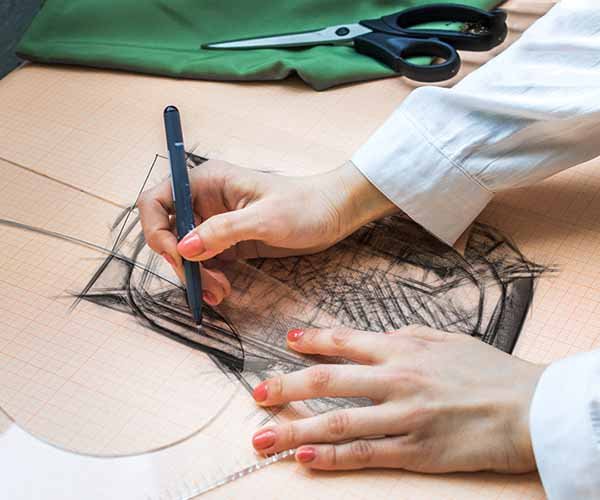
Clear bags demand precision welding, high-clarity materials, odor-free formulation, anti-yellowing performance, thickness control, and reinforced construction to withstand daily use.
Clear bag engineering is more complex than opaque fabrics because flaws are immediately visible.
1. Transparent Material Quality Directly Determines Brand Perception
Any scratch, cloudiness, or wrinkle is instantly noticeable.
2. Heat-Welding Must Be Precise
Clear PVC/TPU requires exact temperature & pressure to avoid:
- bubbles
- seam distortion
- edge warping
- joint cracking
3. Anti-Yellowing & Anti-Stick Formulas Are Essential
Especially for cosmetics brands and stadium bags used outdoors.
4. Structural Reinforcement Must Be Invisible
Unlike fabric bags, you can’t hide:
- stitching flaws
- uneven reinforcement
- misaligned welds
Engineering must be flawless.
5. Compliance-Driven Markets Have Zero Tolerance for Mistakes
Incorrect size = bags rejected at entrances. Brands needs factory familiarity with stadium standards.
6. Printing Must Be Scratch-Resistant
Logos must not peel, bubble, flake, or appear cloudy.
Key Factors to Consider When Developing a Clear Bag
The main considerations are material type, thickness, clarity, welding method, reinforcement, odor control, compliance, shape stability, printing durability, and cost optimization.
Below are the engineering factors serious buyers must understand.
1. Material Selection
- PVC (0.2–0.6 mm) for economy or stadium bags
- TPU (premium, flexible, eco-friendly)
- EVA/PEVA (soft, non-toxic, cold-resistant)
- PVC mesh hybrid materials
- Colored transparent films
2. Material Thickness
- 0.25 mm: lightweight pouches
- 0.3 mm: cosmetic bags
- 0.4–0.5 mm: stadium bags
- 0.6 mm: premium handbags & durable totes
Thickness changes clarity, stiffness, cost, and durability.
3. Clarity & Finish
- crystal-clear
- matte clear
- anti-fog
- frosted
- tinted colors
4. Anti-Yellowing Quality
A key premium feature for:
- retail handbags
- beauty brands
- long-term use bags
5. Welding or Stitching Method
- high-frequency welding
- edge-binding stitching
- double welds
- bottom reinforcements
6. Odor Control
We use low-odor, food-grade PVC formulations.
7. Reinforcement Engineering
Important for handles & bottom panels.
8. Printing Compatibility
Clear bags require special inks that adhere without bleeding.
9. Compliance Requirements
For stadium/event bags:
- transparent
- size restrictions
- simple structures
- approved strap length


Material Options, Surface Finishing & Construction Engineering
Clear bags rely on specialized PVC, TPU, EVA films, precise welding methods, anti-yellowing chemistry, reinforced structures, and scratch-resistant surface finishing to achieve durability, flexibility, clarity, and compliance across different industries.
Clear bag engineering is highly material-driven. Below is a complete professional reference guide.
A. MATERIAL OPTIONS — FULL TECHNICAL BREAKDOWN

1. PVC Film (Economical & Most Common)
Thickness: 0.2 mm – 0.60 mm Used for: Stadium bags, cosmetic pouches, transparent totes
Engineering characteristics:
- Excellent clarity (“crystal clear” option available)
- Heat-weldable
- Cost-effective
- Can be printed with silk screen or UV printing
- Comes in soft PVC or semi-rigid PVC
Considerations:
- Standard PVC may yellow over time
- Sensitive to cold temperatures (can harden below 0°C)
- Requires odor control via low-plasticizer formulas

2. TPU Film (Premium Alternative to PVC)
Used for: High-end fashion clear bags, baby products, stadium bags requiring flexibility
Advantages:
- superior elasticity
- high tensile strength
- anti-yellowing
- UV-resistant
- eco-friendlier and non-toxic
Applications: Fashion handbags, travel organizers, retail packaging for premium brands.

3. EVA / PEVA Film
Used for: Cosmetic bags, soft clear pouches, eco-friendly applications
Advantages:
- flexible and soft
- non-toxic
- cold-resistant
- matte or frosted finish
- stitching-safe

4. Colored Transparent Films
Used in fashion and promotional products. Options include:
- pink
- smoke grey
- amber
- neon colors
- gradient effects
These films support laser-cut shapes and embossed branding.

5. Hybrid Clear + Mesh Materials
Used for durability and breathability:
- stadium-approved hybrid bags
- outdoor travel bags
- workplace safety bags
Mesh reinforces structure without sacrificing visibility.

6. Reinforcement Fabrics
Even clear bags need reinforcement at stress points:
- nylon webbing
- polyester webbing
- PU leather trim
- canvas binding
These improve structural integrity and user comfort.
B. SURFACE FINISHING — Enhancing Appearance & Branding
1. UV Silk Screen Printing
- Adhesion-optimized for PVC/TPU
- Scratch-resistant
- Suitable for logos, slogans, brand icons
2. Digital UV Printing
- Photo-grade clarity
- Perfect for premium branding
- Works well for TPU and EVA
3. Hot Stamp Foil Printing
- Metallic finish
- Best for PU trims or reinforced panels
4. Embossing / Debossing
Used primarily on:
- PU trim reinforcement
- handles
- bottom panels Provides premium tactile branding.
5. Fabric Label / Rubber Patch Integration
Reinforcement trims allow:
- woven labels
- silicone patches
- 3D molded logos
Clear bag branding can be subtle yet premium.


C. CONSTRUCTION ENGINEERING — THE CRITICAL SECTION
1. High-Frequency Welding (HF Welding)
Purpose: Seam formation for PVC & TPU bags Key performance goals:
- airtight bonding
- no bubbles
- smooth edges
- high tensile strength
Weak welding is the #1 cause of clear bag failure.
2. Binding & Edge Reinforcement
Because clear films tear easily at edges, we use:
- polyester binding tape
- PU trim strips
- fabric piping
This provides both aesthetics and strength.
3. Handle & Strap Engineering
Clear bags require stronger attachment methods because the film alone cannot support weight.
We reinforce using:
- welded tab patches
- stitched PU patches
- double-layer webbing backing
- “box-X” reinforcement stitching
4. Bottom Panel Construction
Clear bags deform easily without engineered support. We solve this using:
- thicker PVC/TPU base
- PE/EVA board insertion
- welded double bottom
5. Zipper Integration Engineering
Zippers require special bonding:
- PVC welding directly onto zipper tape
- binding stitched over zipper edge
- anti-warping measures
Clear bags with poor zipper installation quickly deform.
6. Odor-Reduction Formulation (For PVC)
Our PVC uses:
- low-odor plasticizers
- ROHS-compliant additives
- baby-product-safe materials (optional)
This ensures bags are retail-ready with no harsh chemical smell.
Our OEM/ODM Engineering Solution for Clear Bags
We provide full-service OEM/ODM development, including material engineering, size compliance, pattern creation, welding/stitching optimization, branding application, sampling, testing, and mass production.
Our engineering solution covers the full lifecycle of clear bag development.
Phase 1
Requirement Discussion & Compliance Assessment
We begin by analyzing:
- intended bag purpose (stadium, cosmetic, workplace, retail, travel)
- mandatory size rules (e.g., 12″ x 6″ x 12″ for stadiums)
- material preference (PVC vs TPU vs EVA)
- clarity level
- reinforcement needs
- printing limitations
- safety considerations
Phase 2
Material Engineering & Technical Proposal
We prepare a detailed material specification sheet including:
- film thickness
- hardness level
- transparency grade
- UV & anti-yellow rating
- welding temperature compatibility
- odor/non-toxic certification
Phase 3
Pattern Development & Prototype Creation
Clear bag patterns must accommodate:
- minimal seam distortion
- perfect panel alignment
- smooth welding curves
- transparent zipper integration
Sampling takes 5–10 days depending on complexity.
Phase 4
Performance Testing (Internal QC)
We test:
- tear strength
- strap attachment durability
- anti-yellowing under UV exposure
- zipper alignment consistency
- weight load (common range: 3–8 kg depending on style)

Phase 5
Mass Production with Multi-Stage QA
We perform:
- material batch checks
- in-line QC
- welding strength tests
- odor verification
- final AQL inspections
Safety, Compliance & Durability Testing Standards
We follow strict testing for seam strength, anti-yellowing, odor, chemical compliance, weight load, and stadium-size regulation to ensure safe, durable clear bags.
Professional-grade testing ensures reliability.
1. Seam Strength Testing
Clear bags rely heavily on welded seams. We test:
- weld peel strength
- weld shear strength
- stress-pull tests up to 30 kg
2. Anti-Yellowing Test
We expose materials to:
- UV chambers
- heat & humidity simulations
- oxidation environments
Premium TPU shows best anti-yellowing.
3. Odor Emission Testing
We comply with:
- REACH
- ROHS
- non-toxic standards
4. Cold-Resistance Testing
PVC can crack at low temperatures. We test performance at:
- 10°C
- 20°C
- 30°C (if required)
5. Stadium Compliance Check
Clear bags must meet:
- exact dimensions
- transparency requirements
- non-obstructive designs
- strap/handle placement rules
6. Load-Bearing Tests
We test handles and straps for:
- static load
- dynamic load cycles
- sudden jerk force

Industries & Applications We Serve
We manufacture clear bags for stadiums, beauty brands, workplaces, retail fashion, travel, education, healthcare, logistics, hospitality, and promotional events, each requiring unique material, compliance, and structural engineering.
Clear bags are used across a surprisingly wide range of industries. Each sector has different durability expectations, compliance regulations, material preferences, and branding requirements. Below is a far more detailed breakdown for high-level buyers.

Sports Stadiums, Arenas & Event Security (High-Compliance Market)
Clear bags are mandatory for:
- NFL stadiums
- NCAA events
- concerts & festivals
- arenas & race tracks
Key needs:
- exact size compliance (12″ × 6″ × 12″)
- reinforced straps for long standing queues
- high clarity for quick inspections
- low odor materials for hot-weather use
- simple structure to avoid security rejection
Ideal materials: Crystal PVC (0.4–0.5 mm)

Beauty, Cosmetics & Personal Care Brands
Used for packaging:
- makeup sets
- skincare kits
- haircare products
- travel-size collections
- influencer collaboration bundles
Key needs:
- high clarity for premium product display
- soft-touch EVA or TPU for luxury branding
- UV printing for long-lasting logos
- odor-free materials for fragrance-sensitive markets
Ideal materials: TPU, EVA, soft PVC

Workplace Security, Industrial & Corporate Environments
Industries that require transparent personal-item bags:
- logistics centers
- distribution warehouses
- manufacturing plants
- casinos
- amusement parks
- airport ground crews
Key needs:
- anti-theft visibility
- high durability
- reinforced handles
- clear backpacks or lunch bags
Ideal materials: Thick PVC (0.4–0.6 mm) with nylon webbing reinforcement

Travel Goods & TSA-Regulated Markets
Clear toiletry bags are required in:
- airport security checks
- carry-on luggage
- hotel amenity kits
Key needs:
- exact TSA size compliance
- waterproof seams
- leak-proof zippers
- soft-touch materials for easy packing
Ideal materials: TPU, PEVA

Retail Fashion & Lifestyle Brands
Clear materials are used for fashion-forward collections:
- transparent handbags
- color-tinted TPU mini-bags
- clear shoulder bags
- festival fashion
Key needs:
- anti-yellow TPU
- soft-touch textures
- scratch-resistant finish
- premium metallic or rubber patch branding
Ideal materials: TPU (gloss, matte, frosted, tinted)

Promotional, Corporate & Event Marketing
Clear bags are highly effective for:
- branded giveaways
- corporate gifts
- charity events
- product launches
- trade shows
Key needs:
- low MOQ
- bold logo printing
- quick production turnaround
- affordable PVC materials
Ideal materials: PVC (0.25–0.4 mm)

Education Sector (Schools, Colleges, Camps)
Clear backpacks are increasingly required for safety reasons.
Used for:
- public schools
- universities
- summer camps
- field trips
Key needs:
- lightweight but strong materials
- reinforced stitching
- adjustable padded straps
Ideal materials: PVC + canvas/nylon trim

Hospitality, Resorts & Beach Products
Clear bags are used for:
- poolside kits
- beach totes
- sunscreen + towel sets
- spa accessory kits
Key needs:
- waterproof materials
- sand-resistant seams
- stylish tinted PVC
Ideal materials: TPU, PVC (waterproof grade)

Healthcare, Wellness & Medical Kits
Clear bags help to easily identify supplies.
Used for:
- first-aid kits
- diagnostic tool bags
- PPE storage
Key needs:
- medical-grade PVC/TPU
- easy-clean surfaces
- anti-fog clarity

Logistics, Warehousing & Delivery Teams
Workers often must store personal items in clear bags.
These require:
- high-capacity designs
- strong carrying reinforcement
- secure zipper structures

Beauty Subscription Boxes & Influencer Brands
Clear pouches are included as value-added packaging.
Key needs:
- premium look at low cost
- scratch-resistant prints
- branding alignment with subscription kits
Types of Clear Bags - Full Professional Classification Guide
Clear bag types include stadium-approved totes, cosmetic pouches, TPU fashion bags, workplace security packs, travel toiletry kits, clear backpacks, hybrid mesh-clear bags, and high-end transparent handbags for luxury brands.
Below is a detailed, engineering-based classification covering all major product types in the clear bag market.

Stadium-Approved Clear Tote Bags
Key features:
- 12″ × 6″ × 12″ regulation size
- reinforced bottom PVC
- welded seams
- long shoulder straps
- simple structure for quick inspection
Best materials: 0.4–0.5 mm PVC
Buyers: sports teams, stadium suppliers, event organizers.

Clear Cosmetic & Toiletry Pouches
Styles include:
- rectangular zipper-top pouches
- box-shaped cosmetic bags
- flat travel pouches
- hotel amenity bags
Engineering details:
- waterproof seams
- soft EVA or TPU for luxury feel
- anti-odor PVC for standard SKUs

Clear Backpacks (Workplace & School Security)
Construction must include:
- reinforced straps with webbing backing
- double bottom panels
- padded shoulder straps
- anti-scratch front panel
Primary users: schools, warehouses, logistics, casinos.

Clear Crossbody Bags & Mini Sling Bags
Popular among:
- event attendees
- fashion-forward buyers
- urban commuters
Key engineering:
- TPU for premium clarity
- welded strap patches
- small accessories pockets

TPU Premium Clear Handbags (Fashion Market)
Best for retail brands.
Features include:
- tinted TPU colors
- metallic hardware
- embossed logo patches
- structured side panels
These bags mimic high-end designer aesthetics.

Clear Travel Bags (TSA-Compliant)
Typically 1-quart size with zipper top.
Key features:
- leak-proof liner
- welded transparent panels
- soft corners for safe packing
- compliance with airport regulations

Clear Workplace Security Bags
Used in manufacturing & logistics.
Characteristics:
- durable 0.5–0.6 mm PVC
- reinforced webbing handles
- larger capacity
- clear visibility for inspection

Clear Lunch Bags
Common in: Amazon marketplace, workplaces, schools.
Engineering requirements:
- foil or insulated lining (optional)
- strong zipper
- reinforced seams
- ergonomic carry handles

Hybrid Clear + Mesh Bags
Used for:
- sports
- beach
- outdoor activities
Benefits:
- improved airflow
- reduced fogging
- enhanced structural durability

Colored Transparent Film Bags
Popular in retail & fashion.
Variants include:
- pink
- amber
- smoke grey
- neon colors
- gradient films
Used for handbags and cosmetic pouches.

Frosted Clear Bags (Matte TPU/EVA)
Characteristics:
- soft-touch matte finish
- elevated retail feel
- scratch-resistant
- excellent for cosmetics & fashion

Clear Document Bags & Office File Pouches
Styles include:
- A4 zipper files
- button envelopes
- document organizers
Used in government, education, and office sectors.

Clear Shoe Bags
Common in travel goods and retail packaging.
Engineering requirements:
- breathable vents (optional)
- strong zipper
- thick PVC for durability

Clear Storage Boxes / Organizer Bags
Used for seasonal items, household goods, and textile storage.
Features:
- large capacity
- reinforced handles
- see-through convenience
- dust-proof and stackable designs

Luxury Transparent Tote Bags with PU Trim
Used by fashion brands seeking a high-end, structured clear design.
Features:
- PU leather edges
- reinforced piping
- premium metallic branding
- shaped panels

Clear Promotional Bags & Giveaway Packs
Often ordered in large volume with tight budgets.
- fast production
- bold printing
- economic PVC
- simple seam construction

Clear Cooler Bags (Insulated)
For outdoor or stadium food regulations.
Engineering includes:
- foil lining
- welded seams
- thick base
- water-resistant zippers
Questions to Ask Before Choosing a Clear Bag Manufacturer
These questions help brands evaluate a manufacturer’s material expertise, compliance knowledge, welding capabilities, anti-yellowing quality, reinforcement engineering, printing processes, and production reliability for clear bags.
Choosing a clear bag supplier is not only about price — the real difference lies in engineering skill, compliance knowledge, and material science expertise. Below is a complete professional buyer checklist.
1. What material do you recommend—PVC, TPU, or EVA—and why?
The manufacturer should explain differences in clarity, flexibility, odor, cost, anti-yellowing, and welding compatibility.
2. What thickness of material do you suggest for my use case?
0.25 mm cosmetic pouches require different engineering from 0.6 mm reinforced stadium totes.
3. How do you guarantee anti-yellowing performance?
Ask about UV testing, oxidation resistance, material sourcing, and anti-yellowing additives.
4. What welding technology do you use for seams?
High-frequency (HF) welding is the gold standard for durability. Avoid suppliers using only stitching for PVC joints.
5. How do you reinforce handles and straps?
Clear films cannot bear load alone — reinforcement patches and webbing-backed welds are essential.
6. Can you meet specific stadium-compliance size rules?
Incorrect measurements will lead to rejection at stadium entrances.
7. How do you ensure low odor and chemical compliance?
Ask whether the PVC meets EN71 / REACH / ROHS or non-toxic requirements.
8. What scratch resistance level can the material achieve?
Important for fashion brands and long-term-use retail buyers.
9. How do you print logos on clear surfaces without peeling?
The supplier should offer UV printing, silk screen, or specialized inks.
10. Can you provide color-tinted or frosted clear options?
A good manufacturer offers crystal-clear, frosted, matte, tinted, and gradient films.
11. What testing do you perform during QC?
Required tests include weld strength, strap tension, UV resistance, odor, and thickness verification.
12. How do you handle zipper alignment on clear materials?
Zipper waves, distortion, and misalignment are signs of poor engineering.
13. Can you support low MOQs for promotional or Amazon orders?
A professional factory offers flexible MOQs and multi-SKU development.
14. What packaging formats do you support?
Retail-ready packaging matters for cosmetics, fashion, and travel brands.
15. Can you evaluate my existing sample and suggest improvements?
A strong OEM partner provides technical critique, not just quotations.

Pricing, MOQ & Production Timelines
Pricing depends on material type, thickness, anti-yellowing grade, welding complexity, reinforcement, printing, and quantity. We offer flexible MOQs, fast sampling, and stable production timelines.
Clear bag pricing varies widely due to differences in materials, transparency grade, welding skill, reinforcements, and printing techniques.
A. Pricing Structure — What Influences Cost
| Cost Factor | Description | Impact |
|---|---|---|
| Material Type | PVC, TPU, EVA, PEVA | TPU is premium → higher price |
| Thickness | 0.2 mm to 0.6 mm | Thicker film = stronger but more expensive |
| Anti-Yellowing Grade | Standard / UV-resistant / Ultra UV | High-grade TPU costs more |
| Welding Style | HF welding, double welds | Complex welding increases cost |
| Reinforcement | Handles, trims, bottom panels | Adds labor + material cost |
| Printing Method | UV print, silk screen | UV is premium |
| Hardware | Zippers, snaps, buckles | Metal hardware increases cost |
| Packaging | Retail box, polybag, set packaging | Retail packaging increases cost |
| Order Quantity | 300 – 50,000+ pcs | Higher volume → lower unit cost |
Typical pricing ranges:
- PVC cosmetic pouches: $0.25 – $1.20
- Stadium-approved clear totes: $0.80 – $3.50
- TPU fashion bags: $3.00 – $12.00
- Clear backpacks: $4.50 – $15.00
- EVA soft pouches: $0.40 – $1.80 (Final price depends on style, complexity, and order volume.)


B. MOQ Requirements
| Bag Type | MOQ |
|---|---|
| PVC cosmetic bags | 500–1,000 pcs |
| Stadium clear bags | 500 pcs |
| TPU luxury bags | 300–500 pcs |
| Clear backpacks | 500 pcs |
| Promotional sets | 1,000 pcs |
| Multi-color SKU development | Mixed MOQ available |
Amazon sellers benefit from small MOQ + multi-SKU color testing.
C. Sampling & Lead Times
| Stage | Timeline |
|---|---|
| Material & spec confirmation | 24–48 hours |
| Sampling | 5–10 days |
| Sample revisions | 3–7 days |
| Mass production | 20–35 days |
| Peak season | 30–45 days |
Special finishes and TPU welding may require additional time.


D. Shipping Options
- Air freight (5–9 days)
- Sea freight (20–35 days)
- Rail freight (Europe routes)
- DDP door-to-door
- Amazon FBA labeling & delivery
Customer Case Studies - Real OEM/ODM Development Examples
These case studies demonstrate how we solve real-world challenges in material selection, compliance, reinforcement, printing, and mass production for global brands developing clear bags for stadiums, cosmetics, retail, and workplace security.
Real projects reveal the actual engineering and problem-solving capability of a manufacturer. Below are several representative case studies showing how we supported brands in different industries.
CASE STUDY 1 — Stadium-Approved Clear Tote for a Major U.S. Sports Event
Customer: A U.S. event merchandising company
Order Size: 120,000 pcs
Primary Challenge: Bags must meet NFL stadium regulations, withstand outdoor heat, and maintain clarity during long-term storage.
Problems Identified:
- Their previous supplier produced bags that yellowed in 6–8 weeks.
- Welded seams cracked under repeated use.
- Incorrect bag dimensions caused entry rejection at security gates.
Our Engineering Solution:
- Selected 0.45 mm anti-yellowing PVC with UV stabilizers.
- Applied double HF welding on side seams for superior durability.
- Created CAD patterns aligned with 12″ × 6″ × 12″ compliance.
- Reinforced handles using webbing-backed PU patches for 8–10 kg strength.
Results:
- Bags passed all stadium compliance tests.
- Zero yellowing complaints after 6 months.
- The client reordered 200,000 pcs the following season.


CASE STUDY 2 — Premium TPU Fashion Tote for a European Lifestyle Brand
Customer: A well-known European fashion retailer
Size: 30,000 pcs
Primary Challenge: Bag needed to look luxurious, maintain crystal clarity, and support premium hardware.
Problems Identified:
- TPU thickness in original concept too thin to hold structure.
- Edges warped during metal-hardware installation.
- Logo print scratched easily in retail display conditions.
Our Engineering Solution:
- Upgraded from 0.5 mm TPU to 0.7 mm for better structural rigidity.
- Applied PU leather edge binding to stabilize shape and allow hardware mounting.
- Used advanced UV ink + adhesion primer for scratch-resistant branding.
- Added reinforced bottom panel to maintain premium silhouette.
Results:
- Final product looked high-end and sold out within 8 weeks.
- Brand extended the series into 5 new colors the next season.
- Customer awarded us with their long-term OEM contract.
CASE STUDY 3 — Travel-Ready TSA Toiletry Bag for a Global Airline Brand
Customer: International airline producing passenger amenity kits
Order Size: 500,000 pcs annually
Primary Challenge: Bag must comply with TSA liquid rules, be 100% leak-proof, and withstand pressure inside luggage.
Problems Identified:
- Standard PVC warped during altitude testing.
- Zippers leaked liquid during pressurization.
- Bag needed ultra-low odor for airline cabin use.
Our Engineering Solution:
- Selected odor-free TPU with -20°C resistance.
- Developed fully welded leak-proof seams using HF welding.
- Added waterproof TPU zipper to withstand liquid compression.
- Optimized size to strict TSA 1-quart requirements.
Results:
- Passed airline pressurization testing with zero leaks.
- Airline added the bag to its premium cabin amenity kit.
- Renewed contract for multi-year supply.


CASE STUDY 4 — Workplace Security Clear Backpack for a Large Logistics Company
Customer: A major U.S. logistics & warehousing corporation
Order Size: 80,000 pcs
Primary Challenge: Bags needed to be extremely durable and withstand rough daily use by warehouse workers.
Problems Identified:
- Competitor bags tore at strap joints within 2–3 weeks.
- Bottom PVC panels cracked under weight.
- Zippers jammed due to misalignment on clear material.
Our Engineering Solution:
- Upgraded PVC thickness from 0.4 mm to 0.55 mm.
- Designed double-layer reinforced bottom panel with internal PP board.
- Used nylon webbing straps stitched with box-X reinforcement patterns.
- Added PU-trimmed zipper backing to ensure alignment.
Results:
- Field testing showed 4× durability improvement.
- Company standardized the bag as mandatory employee gear.
- We continue supplying annual refill batches.
CASE STUDY 5 — Cosmetic Gift Pouch Series for a Global Beauty Subscription Brand
Customer: Global subscription beauty box service
Order Size: 300,000 pcs monthly across 6 SKUs
Primary Challenge: Bags must be visually appealing, low-cost, and produced in high volume under fast timelines.
Problems Identified:
- Inconsistent clarity and thickness from previous supplier.
- Printing peeled during handling & shipping.
- Packaging dimensions not optimized for automated packing lines.
Our Engineering Solution:
- Standardized 0.25 mm crystal PVC with strict thickness tolerance.
- Switched to UV-curable inks for long-lasting printing.
- Re-engineered pouch dimensions for machine-ready kitting.
- Improved welding process for smoother, retail-grade seams.
Results:
- Dramatically improved consistency across batches.
- Saved the client 12% in logistics costs due to optimized sizing.
- Contract scaled from 300k to 600k pcs/month.

Quality & Certifications
Certified by ISO9001, OEKO-TEX100, GRS, and Higg Index, Lovrix ensures every bag product meets global compliance standards. We implement strict QC at every stage, from yarn to final packaging.
FAQ — Expert Answers for clear Bag Buyers
This FAQ covers materials, welding strength, anti-yellowing, compliance, printing, odor control, MOQs, timelines, and customization for clear bags.
1. Do you offer both PVC and TPU clear bags?
Yes. PVC is cost-effective and ideal for stadium and cosmetic bags, while TPU offers superior elasticity, anti-yellowing performance, cold resistance, and premium aesthetics suitable for fashion and retail brands.
2. How do you prevent yellowing in clear bags?
We use anti-UV additives, premium resin formulations, and TPU/EVA options that resist oxidation. We also conduct UV exposure testing to ensure long-term clarity under sunlight or indoor display conditions.
3. Can clear bags crack in cold weather?
Standard PVC can become brittle below freezing. To prevent cracking, we use cold-resistant PVC or TPU/EVA materials that remain flexible at temperatures down to –20°C to ensure durability in cold climates.
4. How strong are the welded seams?
Our seams are produced using high-frequency welding machines that create airtight, high-tension bonds. We perform peel-strength and tensile-strength tests to ensure the seams can handle daily use and heavy loads.
5. Do you support stadium-approved clear bags?
Yes. We make compliant designs that follow the 12″ × 6″ × 12″ rule and avoid unnecessary pockets or opaque materials. We help brands design bags that pass stadium inspections easily.
6. Are your materials odor-free?
We use low-odor, REACH- and ROHS-compliant PVC/TPU formulations that eliminate harsh vinyl smells. Cosmetic and children’s brands often select TPU/EVA for a cleaner scent profile.
7. Can you customize the thickness of PVC/TPU film?
Absolutely. We offer thickness options ranging from 0.2 mm to 0.6 mm depending on application, bag size, weight load, and clarity requirements.
8. Do you offer tinting, matte, or frosted finishes?
Yes. We can create colored clear bags, gradient films, frosted EVA designs, matte TPU, and gloss PVC depending on your brand aesthetic and product goals.
9. What printing options do you offer?
We offer UV printing, silk screen, foiling, embossing, and heat-transfer labels. We also apply adhesion primers to ensure the print remains scratch-resistant on clear surfaces.
10. Can you develop fashion-forward clear bags?
Yes. TPU handbags, colored film mini-bags, embossed trim bags, and hybrid clear-fabric designs are popular among fashion brands.
11. What is the typical lifespan of a clear PVC bag?
A well-engineered PVC bag can last 1–2 years, while TPU bags last longer due to better elasticity and anti-yellowing properties.
12. How do you ensure zipper alignment and stability?
We reinforce zipper edges with fabric binding or PU trim and test alignment under tension to avoid distortion, warping, or uneven bonding.
13. What is the MOQ for promotional clear bags?
MOQ typically starts at 1,000 pcs, though mixed-color SKUs or test quantities may be available depending on style.
14. Can you design bags for workplace or industrial security?
Yes. We produce clear backpacks, lunch bags, totes, and tool bags used in logistics, aviation, casinos, and factories requiring transparent personal-item rules.
15. Do you offer retail packaging?
Yes. Options include polybags, custom boxes, hang tags, blister packaging, and multi-pack sets for Amazon FBA or retail shelves.
Trusted By 1000+ Brands And Innovative Startups














Contact Us for Custom clear Bag Development
If you are developing clear bags, we can evaluate your requirements, recommend materials, provide engineering insights, and create custom samples.
Clear bags may appear simple, but delivering a durable, compliant, and visually perfect transparent product requires material expertise, precision welding, reinforcement engineering, and compliance knowledge. Whether you need stadium-approved totes, high-end TPU fashion bags, workplace security bags, or cosmetic packaging solutions, our team can guide you through the entire development cycle.
Share your design, sketches, reference links, or target price. We will prepare a technical proposal, recommended materials, timeline, and quotation within 24–48 hours.
- (+86) 13823134897
- info@lovrix.com