 Skip to content
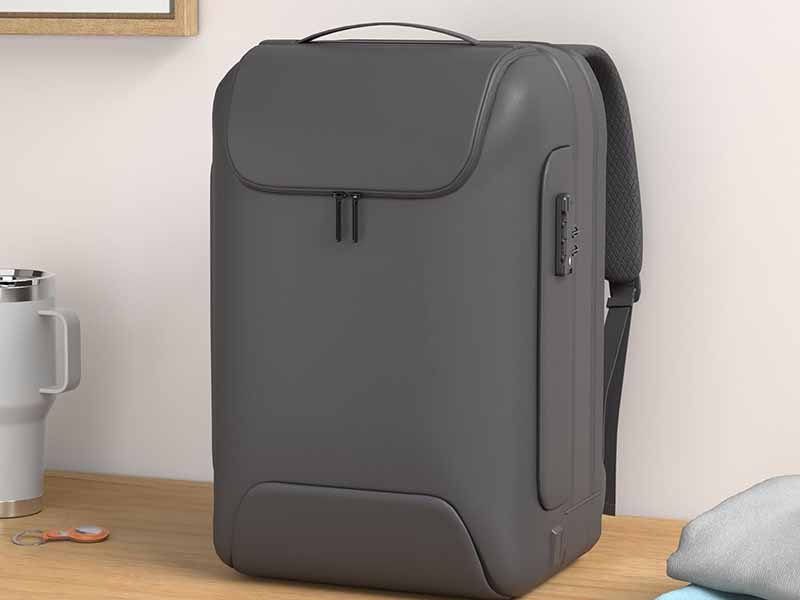
Pickpocketing, bag slashing, and digital theft are no longer limited to “high-risk” destinations. Crowded subways, busy airports, music festivals, tourist attractions, and even daily commuting environments have become common places for theft. As a result, more consumers and brands are asking a very practical question: what exactly is an anti-theft bag, and does it really make a difference?
Unlike ordinary backpacks or handbags, anti-theft bags are designed with intentional security engineering. Every zipper, pocket placement, strap, and fabric choice is meant to reduce the opportunity for theft—whether that theft is physical (pickpocketing or slashing) or digital (RFID skimming). This is why anti-theft bags have become especially popular among travelers, urban commuters, and remote workers who carry valuables like passports, phones, laptops, and cards.
However, the term “anti-theft bag” is often misunderstood or overused in marketing. Some bags claim to be anti-theft simply because they have a hidden pocket, while others integrate multiple layers of protection into a complete system. For buyers and brands, understanding the difference is critical—not only for user safety, but also for product credibility and long-term satisfaction.
This guide breaks down what an anti-theft bag really is, how it works, which features matter, and how to choose the right design for different use cases. Whether you are a brand developing a private-label product or a business sourcing secure bags at scale, clarity here helps avoid costly mistakes.
An anti-theft bag is a bag designed with built-in security features to reduce theft risks such as pickpocketing, slashing, and unauthorized access. Common features include lockable zippers, hidden or body-side pockets, cut-resistant fabrics and straps, and RFID-blocking compartments. Anti-theft bags work by limiting access points, increasing visibility of tampering, and protecting valuables in crowded or high-risk environments.
What Is an Anti Theft Bag

An anti theft bag is a bag specifically designed to reduce the risk of theft in crowded or high-risk environments. It uses security-focused design features such as lockable zippers, hidden or body-side pockets, cut-resistant fabrics or straps, and RFID-blocking compartments. Instead of relying on a single feature, anti theft bags work as a system to make unauthorized access slower, harder, and more noticeable.
What problem is an anti theft bag designed to solve?
Anti theft bags are designed to address opportunistic theft, not violent crime. The most common threats include:
- Pickpocketing in crowded areas
- Quiet zipper opening on backpacks or handbags
- Bag slashing followed by quick grabbing
- Digital theft via RFID scanning
These crimes depend on speed, proximity, and invisibility. Anti theft bags are engineered to break at least one of these conditions—by slowing access, hiding entry points, or increasing the chance the wearer notices tampering.
This makes them especially relevant for travel, commuting, festivals, public transport, and tourist environments.
How is an anti theft bag different from a regular bag?
A regular bag is designed primarily for capacity, convenience, and appearance. An anti theft bag is designed around risk control.
Key structural differences include:
- Openings placed against the wearer’s body instead of facing outward
- Zippers that lock, interlock, or hide under fabric paths
- Internal layouts that separate valuables from easy-access areas
- Materials chosen for resistance rather than decoration
These differences are subtle but intentional. An anti theft bag does not look aggressive or tactical—it looks normal, but behaves differently in real-world use.
Is an anti theft bag really “theft-proof”?
No—and this is an important distinction. Anti theft bags are theft-resistant, not theft-proof.
Their purpose is to:
- Deter casual or opportunistic thieves
- Increase the time and effort required to steal
- Make tampering more visible to the user
Professional thieves with tools can defeat almost any product. Anti theft bags focus on the most common theft scenarios, where deterrence is highly effective.
What makes a bag qualify as “anti theft”?
A bag should not be called anti theft based on a single feature. A true anti theft bag typically includes multiple layers of protection, such as:
- At least one controlled or lockable opening
- One or more hidden or body-side pockets
- Reinforced materials in vulnerable areas
- Optional digital protection (RFID blocking)
The effectiveness comes from feature combination, not feature count.
Who typically needs an anti theft bag?
Anti theft bags are not only for tourists. They are commonly used by:
- Urban commuters
- Travelers and backpackers
- Students carrying electronics
- Digital nomads and remote workers
- Event and festival attendees
Anyone who carries valuables in public, crowded, or unfamiliar environments can benefit from anti theft-oriented design.
Why have anti theft bags become more popular in recent years?
Several trends have driven demand:
- Increased urban density and public transport use
- Growth of international travel and low-cost airlines
- Higher value items carried daily (phones, laptops, cards)
- Greater awareness of digital theft
As a result, anti theft bags have evolved from niche travel products into mainstream everyday carry items, influencing backpack, sling, and commuter bag design across the industry.
How do manufacturers approach anti theft bag design?
From a manufacturing perspective, anti theft bags require integration across materials, webbings, zippers, and structure. Security cannot be added at the end—it must be built into the pattern, layout, and fabric selection from the start.
Which Security Features Define an Anti Theft Bag

An anti theft bag is defined by security-focused design features such as lockable or concealed zippers, hidden or body-side pockets, cut-resistant fabrics and straps, and RFID-blocking compartments. These features work together as a layered system to limit access, slow down theft attempts, and make tampering more visible in crowded or high-risk environments.
Why are lockable and concealed zippers essential?
Zippers are the primary access point for most bag theft. In regular bags, exposed zippers can be opened silently within seconds. Anti theft bags address this by using:
- Interlocking zipper heads
- Zipper loops anchored to the bag body
- Concealed zipper paths hidden under fabric panels
These designs do not aim to be unbreakable. Instead, they add time and friction, which is often enough to deter opportunistic thieves. If a zipper cannot be opened with one hand or without visual attention, most pickpockets will abandon the attempt.
What is an anti-theft pocket, and why does placement matter more than quantity?
An anti-theft pocket is a strategically positioned compartment that is difficult to access while the bag is being worn. The most effective locations are:
- Against the wearer’s back
- Inside the main compartment
- Under overlapping or layered panels
Placement is far more important than the number of pockets. A single well-placed body-side pocket protects valuables better than multiple external pockets. This is why professional anti theft designs focus on access orientation, not pocket count.
How do cut-resistant fabrics and panels actually work?
Cut-resistant protection targets slash-and-grab theft, where a thief cuts the bag to grab contents. Anti theft bags counter this using:
- Embedded steel or alloy mesh
- High-tenacity synthetic fibers
- Reinforced fabric laminations
These materials are integrated inside the fabric layers, so even if the outer surface is damaged, the bag remains intact. Cut-resistant panels are most critical on the front, bottom, and side panels—areas most vulnerable during crowded movement.
Why are cut-resistant straps just as important as the bag body?
Many theft incidents involve strap cutting, not bag opening. Anti theft bags address this by reinforcing shoulder straps with internal wire or high-strength fibers.
This prevents quick strap severing and “snatch-and-run” theft. For backpacks, crossbody bags, and slings, strap reinforcement is often more important than full-body cut resistance, especially in urban travel environments.
Are RFID-blocking pockets really necessary?
RFID-blocking pockets protect against digital pickpocketing, where contactless cards or passports are scanned without physical contact. While less common than physical theft, this risk increases in crowded transit hubs and tourist areas.
RFID protection is usually built into:
- Card slots
- Passport pockets
- Small internal compartments
It adds digital security with minimal impact on bag design or usability, making it a valuable feature for travel-focused anti theft bags.
How do structural design and access orientation improve security?
Beyond materials and hardware, structure itself is a security feature. Anti theft bags often use:
- Rear-opening main compartments
- Top-down access instead of front access
- Rigid or semi-structured panels to prevent distortion
These designs ensure that even if someone attempts access, the bag’s orientation and stiffness make it awkward or obvious. Structure works silently—it doesn’t “look secure,” but it behaves securely.
Which features are most important for different use cases?
Not all anti theft bags need every feature. Effective design matches features to context:
| Use Case | Most Important Features |
|---|---|
| Daily commuting | Hidden pockets, zipper control |
| Travel & tourism | Lockable zippers, RFID, cut-resistant straps |
| Crowded events | Body-side access, strap reinforcement |
| Tech carry | Rear-opening design, structure |
Overloading a bag with unnecessary features can reduce comfort and usability without improving real security.
Why do layered security systems matter more than single features?
A bag with only one “anti-theft” feature is easy to defeat. Real-world security comes from layering:
- Access control
- Material resistance
- Structural orientation
- User awareness
This layered approach forces a thief to overcome multiple obstacles, increasing time, effort, and visibility. That combination is what makes anti theft bags effective in everyday scenarios.
How do manufacturers integrate these features effectively?
True anti theft design must be considered at the pattern and material stage, not added later. Zipper paths, pocket placement, fabric lamination, and webbing integration must work together.
How Do Anti Theft Bags Work

Anti theft bags work by combining multiple security design strategies—controlled access, hidden storage, reinforced materials, and user-oriented structure—to reduce theft opportunities. Instead of stopping theft entirely, they slow down unauthorized access, limit visibility, and increase the chance that tampering is noticed, which effectively deters most opportunistic thieves.
How does an anti-theft bag work as a system, not a single feature?
Anti-theft bags do not rely on one “magic” feature. They work as a layered security system. Each layer addresses a different stage of theft:
- Prevention – limiting easy access points
- Delay – slowing down unauthorized opening
- Visibility – making tampering noticeable
- Deterrence – encouraging thieves to move on
This system-based approach reflects how theft actually happens in real environments—quick, silent, and opportunistic. Anti-theft bags disrupt that process at multiple points rather than trying to block it completely.
How does access control stop pickpocketing?
Most pickpocketing succeeds because bags have exposed, fast-opening access points. Anti-theft bags change this by:
- Placing zippers against the wearer’s body
- Concealing zipper tracks under fabric paths
- Requiring two-step actions to open compartments
This means a thief can no longer open a bag in one smooth motion. Even a few extra seconds of effort greatly increases the risk of being noticed, which is usually enough to stop the attempt.
How do hidden and body-side pockets protect valuables?
Hidden pockets work by exploiting orientation and human awareness. When a pocket faces the wearer’s back or sits inside the main compartment, it cannot be accessed without removing or repositioning the bag.
These pockets are most effective for:
- Passports
- Wallets
- Phones
- Cash and documents
Unlike external pockets, they force a thief to invade personal space or make obvious movements—both strong deterrents in public settings.
How do reinforced materials reduce slash-and-grab theft?
Slash-and-grab theft relies on speed: cutting the bag and grabbing contents within seconds. Anti-theft bags counter this with:
- Cut-resistant fabric layers
- Embedded wire mesh or high-tenacity fibers
- Reinforced bottom and side panels
When a bag cannot be quickly cut open, the theft attempt fails. Even partial resistance is effective, because thieves rarely carry tools for prolonged cutting in public areas.
How do reinforced straps prevent snatch theft?
Many theft incidents involve cutting the strap, not opening the bag. Anti-theft bags reinforce straps with internal wire or high-strength fibers to prevent quick severing.
This is especially important for:
- Crossbody bags
- Sling bags
- Backpacks worn on one shoulder
By preventing strap cutting, the bag stays attached to the user, eliminating one of the fastest theft methods.
How does bag structure itself contribute to security?
Structure is an often-overlooked security element. Anti-theft bags use:
- Rear-opening main compartments
- Rigid or semi-rigid panels
- Limited opening angles
These features prevent bags from collapsing or opening widely, making it harder to reach inside unnoticed. Structure works passively—it doesn’t require locks or user action, but still improves security.
How does RFID protection fit into the system?
RFID-blocking pockets protect against digital theft, where contactless cards or passports are scanned without physical contact.
While RFID theft is less common than physical theft, it is invisible to users. Adding RFID-blocking layers addresses this risk with minimal impact on bag usability, making it a complementary layer in the overall anti-theft system.
Why do anti-theft bags focus on deterrence, not force?
Anti-theft bags are designed around behavioral reality. Most thieves:
- Avoid confrontation
- Avoid tools
- Avoid attention
Anti-theft design increases effort and visibility rather than relying on brute strength. This aligns with real-world behavior and explains why anti-theft bags are effective despite not being indestructible.
How does user behavior work together with bag design?
Anti-theft bags are most effective when design and user behavior align. For example:
- Locking zippers when in crowded areas
- Wearing backpacks properly instead of loosely
- Using hidden pockets for valuables
Good design makes these behaviors intuitive rather than burdensome, which increases real-world effectiveness.
How do manufacturers engineer anti-theft bags to work reliably?
Effective anti-theft bags must be engineered from the beginning—security cannot be “added later.” This requires coordination across:
- Fabric engineering
- Webbing and strap reinforcement
- Zipper path design
- Pattern and compartment layout
Ensuring features work together instead of competing with comfort or usability.
Which Types of Anti Theft Bags Are There

There are several main types of anti theft bags, including anti theft backpacks, sling and crossbody bags, travel anti theft bags, compact everyday bags, and laptop-focused anti theft bags. Each type uses different security layouts—such as rear-opening compartments, hidden pockets, reinforced straps, or lockable zippers—designed for specific use cases like commuting, travel, or daily urban movement.
Which anti theft backpacks are most common—and why?
Anti theft backpacks are the most widely used and commercially successful anti-theft bag type. Their effectiveness comes from size, structure, and orientation.
Key characteristics include:
- Rear-opening or body-side main compartments
- Lockable or concealed zippers
- Hidden internal pockets for valuables
- Optional cut-resistant panels
Backpacks naturally sit flush against the wearer’s back, making unauthorized access difficult. This makes them ideal for commuting, travel, students, and digital nomads who carry laptops and electronics. From a manufacturing perspective, backpacks also allow better integration of multiple security layers without compromising comfort.
Are anti theft sling and crossbody bags different from backpacks?
Yes. Sling and crossbody anti-theft bags focus on mobility and constant visibility rather than capacity.
They are typically worn on the front or side of the body, which allows users to keep the bag in their line of sight. Anti-theft features often include:
- Body-side hidden pockets
- Lockable zipper pulls
- Reinforced or cut-resistant straps
These bags are especially popular for city sightseeing, festivals, short trips, and daily errands. Their smaller size means fewer access points, which can actually improve security when designed correctly.
Which travel anti theft bags are designed for long trips and flights?
Travel anti-theft bags are optimized for document protection, airport movement, and accommodation security.
Common features include:
- Hidden passport and document pockets
- RFID-blocking compartments
- Lockable zippers compatible with small travel locks
- Sizes designed to meet carry-on or personal item limits
These bags are ideal for international travelers who need quick access at security checkpoints without exposing valuables. Many are designed to double as everyday backpacks once the trip is over.
Are there anti theft bags specifically for laptops and tech gear?
Yes. Laptop-focused anti-theft bags are a major sub-category, especially for professionals and remote workers.
They combine:
- Rear-opening laptop compartments
- Padded tech sleeves
- Structured panels to prevent bag collapse
- Hidden cable or accessory pockets
Security here is less about slashing and more about controlled access and visibility. These bags are ideal for commuting, coworking spaces, and business travel.
Which compact anti theft bags work best for everyday carry?
Compact anti-theft bags include small backpacks, mini slings, and structured crossbody bags designed for daily urban use.
They focus on:
- Minimal openings
- Slim profiles that stay close to the body
- One or two well-placed anti-theft pockets
These bags appeal to users who want security without carrying a large backpack. They are especially popular among urban commuters and style-conscious users.
Are there anti theft bags for specific user groups?
Yes. Anti-theft design is increasingly user-specific, including:
- Women’s anti-theft handbags with hidden openings
- Student backpacks with rear-access laptop sleeves
- Travel purses with RFID card sections
- EDC (everyday carry) anti-theft bags for city professionals
Rather than one-size-fits-all, modern anti-theft bags are tailored to how different users move and carry valuables.
How should brands decide which anti theft bag type to develop?
A practical selection framework looks like this:
| Use Scenario | Best Anti-Theft Bag Type |
|---|---|
| Daily commuting | Anti theft backpack |
| City travel | Sling or crossbody bag |
| International trips | Travel anti theft backpack |
| Tech professionals | Laptop anti theft backpack |
| Minimal carry | Compact anti theft bag |
Brands that align bag type with real user behavior achieve better reviews, lower returns, and stronger repeat sales.
Why do manufacturers treat anti theft bag types differently in design?
Each type places security stress on different areas:
- Backpacks → zipper paths & rear access
- Slings → strap reinforcement & pocket placement
- Travel bags → document organization & locks
How to Choose the Right Anti Theft Bag

To choose the right anti theft bag, start with your main use case (commuting, travel, events, or tech carry), then match the bag type, size, and security features to your daily habits. The best anti theft bag balances controlled access (lockable zippers, hidden pockets), material protection (cut-resistant zones, reinforced straps), comfort, and practical organization. For flights, choose a size that fits airline personal item limits.
What’s your main use case—commuting, travel, or everyday carry?
Before choosing features, define the environment. Theft risk and bag needs change dramatically by scenario.
- Daily commuting: crowded trains, buses, office elevators → focus on zipper control + body-side pockets
- Travel (airports + tourist areas): long hours + documents + electronics → focus on locks + RFID + strap reinforcement
- Events/festivals: tight crowds + quick movement → focus on crossbody visibility + minimal openings
- Tech carry (laptop daily): coworking/coffee shops → focus on rear-access laptop compartment + structure
If your bag type doesn’t match the scenario, even “good” features won’t feel useful.
Which anti theft bag type fits your behavior best?
Think about how you naturally wear and access your bag:
- Backpack: best for capacity + long wear; strongest for rear-opening designs
- Sling/crossbody: best for keeping bag in front; ideal for city travel and events
- Compact EDC bag: best for minimal carry; fewer openings = easier security
A simple rule: If you want hands-free long wear → backpack. If you want constant visibility → sling/crossbody**.**
What size should you choose based on what you carry daily?
Size is where many buyers make mistakes. Bigger isn’t safer—bigger often means:
- more openings
- more weight
- more fatigue
- more chances to forget something unzipped
Use this quick sizing logic:
| What You Carry | Best Bag Size |
|---|---|
| phone + wallet + passport | small crossbody / sling |
| tablet + small camera + water | medium sling / compact backpack |
| laptop + charger + jacket | 15–20L backpack |
| laptop + travel kit + day gear | 20–28L travel backpack |
If you routinely overload, the bag may pull away from the body—reducing the security benefits of body-side design.
Which security features matter most—and which are optional?
Not every user needs every feature. Choose the ones that match real risk:
Core features (most people benefit):
- Lockable or concealed zippers
- Body-side hidden pocket (passport/wallet)
- Strong strap stitching + secure anchor points
High-risk travel upgrades (worth it for travel):
- Cut-resistant straps
- Cut-resistant front/bottom zones
- RFID pocket for passport/cards
Optional features (use-case dependent):
- External cable lock anchors (hotel/airport seating)
- GPS/AirTag pocket integration
- Hard-shell panels (for tech carry only)
Over-featured bags can feel heavy and “overbuilt.” Good design is targeted, not excessive.
Can I use an anti-theft bag as a personal item on flights?
Yes—many anti-theft bags are designed specifically to qualify as airline personal items (fit under the seat). But the key is not the label; it’s the dimensions and shape.
To choose a flight-friendly anti-theft bag:
- Avoid overly rigid frames that don’t compress
- Choose slimmer profiles that slide under the seat
- Prioritize quick-access passport/boarding pass pocket
- Use lockable zippers that don’t slow checkpoint access
If your main travel style is budget airlines, this single requirement can narrow the best choice quickly.
How should comfort and ergonomics influence your choice?
A bag that is “secure” but uncomfortable won’t be used properly. Comfort affects security because discomfort leads to:
- wearing the bag loosely
- shifting it to one shoulder
- leaving pockets open for convenience
Look for:
- padded shoulder straps (backpack)
- breathable back panel
- adjustable strap length (crossbody)
- balanced weight distribution
In practice, comfort is not just a nice-to-have—it directly impacts real-world security behavior.
What organization layout reduces theft risk instead of increasing it?
More pockets don’t always help. Too many compartments create confusion and more access points.
A safer layout is:
- one main compartment for bulk items
- one body-side hidden pocket for valuables
- one quick-access pocket for low-risk items (tissue, metro card)
This keeps your most valuable items protected while still supporting everyday convenience.
Which materials should you prioritize for real durability?
Material matters because anti-theft bags face high abrasion and daily handling.
Look for:
- durable nylon/polyester base fabrics
- reinforced bottom panels
- quality zipper tapes and sliders
- strong webbing and bar-tack stitching
Cut-resistant layers should be used strategically, not everywhere—otherwise the bag gets heavy.
What are common mistakes buyers make when choosing anti theft bags?
Here are the most common “regret reasons”:
- Buying the biggest bag “just in case”
- Choosing too many locks that slow daily use
- Relying on one feature (like a hidden pocket) and ignoring zipper control
- Not considering how the bag sits against the body
- Ignoring strap quality and stitching strength
A well-chosen bag should feel secure without becoming annoying to use.
How should brands or bulk buyers select anti theft bags for their market?
If you’re sourcing for retail or private label, selection should be based on:
- target user scenario (commuter vs traveler)
- acceptable weight and price tier
- feature set that matches reviews and return patterns
- consistent manufacturing quality across batches
Are Anti Theft Bags Worth It

Yes, anti theft bags are worth it for users who frequently move through crowded, unfamiliar, or high-risk environments. While they do not guarantee absolute security, anti theft bags significantly reduce theft risk by controlling access, slowing down unauthorized attempts, and increasing visibility of tampering. For travelers, commuters, and people carrying valuables daily, the added protection often outweighs the extra cost.
Do anti theft bags actually prevent theft in real life?
Anti theft bags work not by making theft impossible, but by changing the thief’s decision-making process. Most real-world theft is opportunistic—fast, silent, and low-risk. Anti theft bags interrupt this by adding friction:
- Lockable or concealed zippers prevent instant access
- Hidden pockets remove obvious targets
- Reinforced materials block quick slash-and-grab attempts
In practice, thieves choose the easiest available target. An anti theft bag does not need to be perfect—it only needs to be harder to steal from than the next bag nearby. This is why, statistically and behaviorally, they are effective deterrents.
Is an anti theft bag worth the extra cost compared to a regular bag?
Most anti theft bags cost slightly more than standard bags due to:
- Additional hardware (locks, reinforced zippers)
- Specialized fabrics or strap reinforcement
- More complex pattern and structure design
However, the cost difference is often small compared to the potential loss from theft. Replacing a phone, passport, wallet, laptop, or credit cards can cost far more than the price gap between a normal bag and an anti theft bag.
From a value perspective, even one prevented incident can justify the investment.
Are anti theft bags worth it for travel specifically?
For travel, anti theft bags are especially worth it. Travelers face:
- Crowded airports and public transport
- Unfamiliar environments
- Language and procedural barriers after theft
Losing a passport or wallet abroad creates outsized stress and cost. Anti theft features such as hidden passport pockets, RFID protection, and lockable compartments directly address these risks. For frequent flyers and backpackers, the added peace of mind alone often makes the bag worth it.
Are anti theft bags useful for daily commuting and city life?
Yes—particularly in dense urban settings. Commuters often stand close to others on trains, buses, and elevators, where pickpocketing is easiest.
Anti theft bags help by:
- Keeping access points against the body
- Preventing silent zipper opening
- Encouraging better carrying habits
Even if theft risk feels “low,” daily repetition increases exposure over time. For people who commute every day with valuables, anti theft bags reduce cumulative risk.
Who benefits the most from anti theft bags—and who might not need one?
Most benefit:
- Travelers and tourists
- Urban commuters
- Students and professionals carrying electronics
- Event and festival attendees
- Digital nomads and remote workers
May not need one:
- Users in low-density environments
- Short-distance drivers who rarely carry valuables
- Situations where the bag is rarely worn in public
Anti theft bags are most valuable when crowds, movement, and valuables intersect.
Are there downsides to anti theft bags?
There can be trade-offs:
- Slightly higher weight due to reinforcement
- Slower access if all compartments are locked
- Higher cost compared to basic bags
However, good designs balance security with usability. Poorly designed anti theft bags overdo locks and rigidity, making daily use frustrating. Well-designed ones integrate security without constant user effort.
Are anti theft bags worth it from a brand or retail perspective?
From a brand standpoint, anti theft bags are worth it because:
- Security is a clear, understandable value proposition
- Users can immediately perceive the benefit
- Anti theft features reduce negative experiences and complaints
- The category supports premium positioning
For private label and OEM/ODM buyers, anti theft bags offer strong differentiation in crowded bag markets—especially when features are real, not cosmetic.
How should buyers decide if an anti theft bag is “worth it” for them?
A simple decision checklist:
| Question | If “Yes”, Anti Theft Bag Is Likely Worth It |
|---|---|
| Do you carry valuables daily? | ✔ |
| Are you often in crowds or transit? | ✔ |
| Do you travel frequently? | ✔ |
| Would theft cause major disruption? | ✔ |
If you answer “yes” to two or more, an anti theft bag is usually a smart investment.
How to Maintain and Care for Anti Theft Bags
To maintain an anti theft bag, clean it regularly with mild soap, protect zippers and locks from dirt and moisture, avoid overloading, and store it properly when not in use. Proper care helps preserve security features such as lockable zippers, reinforced straps, RFID pockets, and cut-resistant fabrics, extending both durability and anti-theft performance.
How should you clean an anti theft bag without damaging it?
Anti theft bags should be cleaned gently and selectively, not aggressively. Most are made from technical fabrics, coated textiles, or reinforced laminations that can be damaged by harsh treatment.
Best practice:
- Use a soft cloth or sponge with mild soap
- Spot-clean rather than full soaking
- Avoid bleach, alcohol, or strong detergents
- Air-dry naturally; never use dryers or direct heat
Excessive washing can weaken coatings, RFID layers, and adhesives, reducing both durability and security effectiveness.
How do you maintain lockable zippers and security locks?
Zippers and locks are the most-used security components, and also the most likely to fail if neglected.
Maintenance tips:
- Remove dust and debris from zipper teeth regularly
- Occasionally apply zipper lubricant or candle wax
- Keep combination locks dry and free of sand
- Do not force stuck zippers—identify the cause first
A poorly maintained zipper compromises the entire anti-theft system, even if the bag fabric remains intact.
How should reinforced straps and webbings be cared for?
Straps are critical for anti-snatch protection. Reinforced or cut-resistant straps should be checked periodically for:
- Fraying at stitching points
- Loose bar-tack stitches
- Damage from sharp edges or heavy loads
Avoid hanging heavy items from straps for long periods when the bag is not worn. Over time, unnecessary tension weakens both webbing and internal reinforcement.
Do RFID-blocking pockets require special care?
RFID-blocking pockets work through embedded conductive layers, which can degrade if folded excessively or exposed to harsh chemicals.
Care guidelines:
- Avoid washing RFID pockets aggressively
- Do not crease or fold them repeatedly
- Keep them free from metal corrosion or moisture
Under normal use, RFID layers last many years—but improper cleaning is the most common cause of failure.
How does overloading affect anti theft performance?
Overloading is one of the biggest threats to anti theft bag longevity. Excess weight can:
- Pull zippers away from concealed paths
- Distort bag structure, exposing access points
- Increase strap stress, reducing cut-resistance benefits
A bag that no longer sits flush against the body loses much of its security advantage. Always match load weight to the bag’s intended capacity.
How should you store an anti theft bag when not in use?
Proper storage protects both materials and structure:
- Empty the bag completely
- Store in a cool, dry place
- Avoid hanging heavy bags by straps
- Keep zippers partially closed to maintain shape
Long-term compression or improper hanging can permanently deform access paths and panels, reducing security effectiveness when reused.
How often should you inspect an anti theft bag for safety issues?
A quick inspection every few weeks is enough:
- Test zippers and locks
- Check hidden pockets for lining wear
- Inspect strap stitching and anchor points
Early detection of wear prevents sudden failure in high-risk environments such as travel or commuting.
Can proper care really extend the lifespan of anti theft bags?
Yes—significantly. Well-maintained anti theft bags often last several years longer than neglected ones. Because security relies on mechanical function and structure, maintenance directly affects performance, not just appearance.
From a sustainability and value perspective, proper care reduces replacement frequency and maximizes return on investment.
How should brands and bulk buyers approach care guidance?
For brands and private-label buyers, including clear care instructions:
- Reduces customer complaints
- Lowers return rates
- Preserves anti-theft performance
- Enhances brand credibility
Conclusion
Anti-theft bags are no longer niche products—they are a growing category driven by real user needs. But effective anti-theft design requires more than adding a lock or hidden pocket. It demands thoughtful material selection, fabric engineering, webbing integration, and bag-structure expertise.
Lovrix is a China-based group company with over 19 years of experience in fabrics, webbings, and bag manufacturing. With dedicated fabric mills, webbing factories, and bag production facilities, Lovrix supports global brands and eCommerce clients with custom, private label, and OEM/ODM anti-theft bag solutions.
From material development and structural design to rapid sampling, low MOQ customization, and short lead times, Lovrix helps turn anti-theft concepts into scalable, market-ready products.
Contact Lovrix today to discuss your anti-theft bag project, security requirements, and customization needs.


