 Skip to content
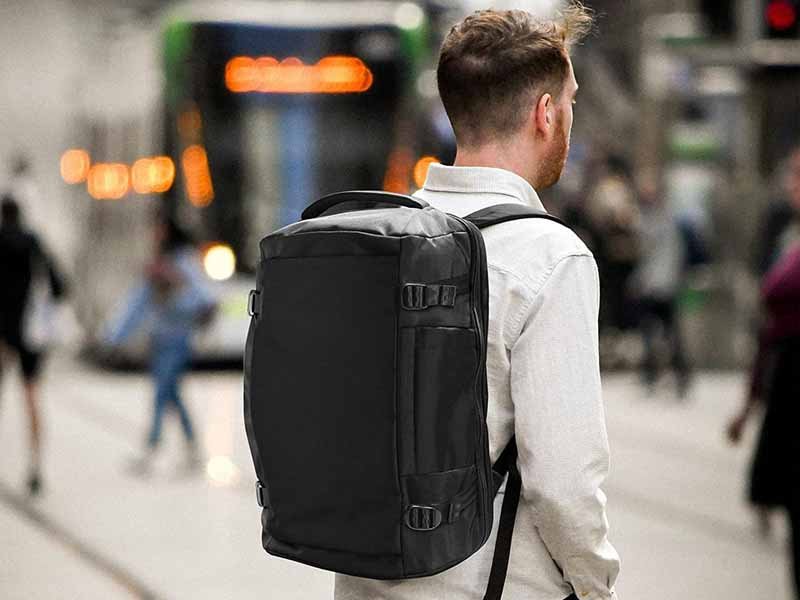
Backpacks are one of the few products that quietly adapt to almost every stage of life. From a child’s first school bag to a professional commuter pack, from weekend hikes to long-haul travel, the backpack evolves with how we live, work, and move. Yet despite their everyday presence, many buyers—both consumers and brands—struggle to clearly define what type of backpack they actually need and why certain designs perform better than others.
Part of the confusion comes from language. Words like backpack, rucksack, knapsack, daypack, and pack are often used interchangeably, even though they can signal different capacities, structures, or use cases. Another layer of complexity comes from function: a backpack designed for school has very different engineering priorities than one built for hiking, travel, or tactical use. Materials, webbings, stitching density, back-panel structure, and load distribution all change depending on the scenario. Backpacks are versatile carry systems designed to distribute weight across the shoulders and back. Different types of backpacks—such as school backpacks, hiking backpacks, travel backpacks, tactical backpacks, and sports backpacks—are built for specific uses, capacities, and comfort requirements. Choosing the right backpack depends on how it will be used, how much weight it carries, and which materials and structural features support long-term comfort and durability.
For brands and professional buyers, understanding backpack categories is not just about naming—it’s about matching design logic to real-world behavior. At Lovrix, with over 19 years of experience across fabric development, webbing engineering, and bag manufacturing, we see firsthand how the right backpack design can elevate user experience, reduce returns, and strengthen brand trust. Let’s start with the fundamentals: what backpacks really are, how they’re defined, and why their names matter more than most people realize.
What Are Backpacks

Backpacks are bags designed to be carried on the back using two shoulder straps, allowing weight to be evenly distributed across the shoulders and torso. They are used for school, work, travel, outdoor activities, and sports, and vary widely in size, structure, and materials. Compared with single-strap or handheld bags, backpacks offer better comfort, mobility, and load support.
What defines a backpack structurally?
A backpack is defined less by its appearance and more by how it carries weight.
Structurally, a backpack includes:
- Two shoulder straps to balance load on both sides of the body
- A main storage compartment positioned against the back
- A soft, semi-rigid, or framed structure that moves with the wearer
Unlike tote bags, messenger bags, or briefcases, backpacks are engineered to reduce strain by spreading weight across the shoulders and upper body. In higher-capacity designs, weight is further supported by chest straps, waist belts, or internal frames.
From a product-development perspective, a true backpack is a load-bearing system, not just a container with straps.
What are the different names for backpacks, and do they mean different things?
One common source of confusion for users is terminology. Backpacks are known by different names depending on region, history, and use case.
Common names include:
- Backpack – the most universal term, especially in North America
- Rucksack – widely used in the UK and Europe, often associated with outdoor or military packs
- Knapsack – an older term, usually referring to simple or traditional packs
- Daypack – a smaller backpack for daily use or short trips
- Pack – a general term often used in outdoor, tactical, or professional contexts
While these names are sometimes used interchangeably, they often signal expected size, durability, or purpose. For example, a “daypack” usually implies lighter weight and smaller capacity than a “rucksack.”
For brands and buyers, using the correct term helps align customer expectations with product performance.
How are backpacks different from other types of bags?
Backpacks differ from other bags mainly in ergonomics and usage duration.
| Bag Type | Weight Distribution | Typical Use Time |
|---|---|---|
| Backpack | Both shoulders & back | Long-term carry |
| Tote bag | One hand or shoulder | Short-term carry |
| Messenger bag | One shoulder | Medium-term carry |
| Suitcase | Wheels or hand pull | Transport, not wear |
Because backpacks are designed for extended wear, their construction places greater emphasis on:
- Strap padding and angle
- Back-panel comfort and breathability
- Seam reinforcement and webbing strength
This is why backpacks dominate use cases that involve movement, commuting, or long carrying periods.
Why are backpacks used across so many industries?
Backpacks are one of the most adaptable bag formats because they scale easily across needs.
They are widely used in:
- Education (school and university backpacks)
- Work and commuting (laptop and business backpacks)
- Travel (carry-on and travel backpacks)
- Outdoor activities (hiking and trekking packs)
- Sports and fitness (gym, cycling, hydration packs)
Each industry demands different design priorities, but the core advantage remains the same: hands-free carrying with balanced load support.
At Lovrix, backpack development often starts by identifying how long the user carries the bag and under what conditions, then engineering fabrics, webbings, and structure around that behavior.
Are backpacks fashion items or functional products?
In reality, backpacks are both—but function always comes first.
Even fashion-oriented backpacks rely on:
- Structural integrity
- Comfortable straps
- Durable materials
If a backpack looks good but fails under daily use, it quickly loses value. This is why successful backpack brands invest heavily in materials, pattern design, and stress testing, not just appearance.
Backpacks that balance function and aesthetics tend to achieve:
- Lower return rates
- Higher customer satisfaction
- Longer product life cycles
Which Backpacks Are Best for School and Daily Use

The best backpacks for school and daily use are lightweight, well-organized, and ergonomically designed. They typically range from 15–25 liters, include padded laptop compartments, durable fabrics, and comfortable shoulder straps. A good daily backpack balances capacity, comfort, and durability to support frequent use without causing fatigue or excessive wear.
What makes a backpack ideal for school use?
School backpacks are designed for high-frequency, long-term daily use, often under rough conditions. They are carried for hours, placed on floors, packed tightly, and opened dozens of times a day.
Key characteristics of a good school backpack include:
- Structured main compartment for books and folders
- Padded laptop or tablet sleeve (especially for middle school and above)
- Reinforced bottom panel to resist abrasion
- Smooth but strong zippers for frequent opening
From a manufacturing perspective, the most failure-prone areas are:
- Shoulder strap roots
- Top carry handle stitching
- Bottom corners
Which backpack size works best for daily carry?
Size is one of the most searched and misunderstood factors.
For school and daily use:
- 15–18L → elementary school, light daily carry
- 18–22L → high school, college, minimal laptop + books
- 20–25L → commuters carrying laptop, charger, lunch, accessories
Bigger is not better. Oversized backpacks encourage overpacking, leading to:
- Shoulder strain
- Poor posture
- Faster material fatigue
A well-designed daily backpack uses smart internal layout, not extra volume, to improve usability. Internal dividers, flat pockets, and vertical storage are often more effective than simply increasing capacity.
What materials are best for school and everyday backpacks?
Material choice directly affects weight, durability, cost, and comfort.
Most effective materials include:
- Polyester (300D–600D) – lightweight, affordable, ideal for school backpacks
- Nylon (420D–840D) – higher abrasion resistance, longer lifespan
- PU- or TPU-coated fabrics – added water resistance for commuting
Equally important are lining materials. Smooth, tear-resistant linings reduce internal wear caused by books and electronics.
Lovrix often custom-matches fabric + lining + coating systems based on target price and usage intensity, rather than relying on off-the-shelf fabric solutions.
How do comfort and ergonomics affect daily use?
Comfort is the deciding factor in long-term satisfaction.
Critical ergonomic elements include:
- Wide, padded shoulder straps to reduce pressure points
- Breathable back panels to manage heat and moisture
- Proper strap angle to keep the load close to the body
Many backpacks fail not because of poor materials, but because of incorrect strap geometry. Even premium fabrics cannot compensate for poor ergonomic design.
For students and commuters who carry backpacks for several hours a day, good ergonomics directly reduce fatigue and improve posture.
Are laptop backpacks necessary for school and work?
In modern school and daily life, yes—almost always.
Laptop-friendly backpacks typically include:
- Suspended or padded laptop compartments
- Shock-absorbing foam layers
- Secure closures to prevent device movement
For daily users, protecting electronics is not optional. However, laptop compartments should be integrated, not bulky. Over-padding adds weight and reduces usable space.
Brands working with Lovrix often request custom laptop sleeve dimensions to fit specific device sizes (13″, 14″, 15.6″), improving fit and user experience.
What design features improve everyday convenience?
Small details often define whether a backpack feels “easy to use.”
Highly valued daily-use features include:
- Quick-access front pockets
- Side pockets for bottles or umbrellas
- Internal key clips
- Clean, low-profile silhouettes
For daily backpacks, simplicity often beats complexity. Too many compartments can confuse users and slow access, especially during commuting or school transitions.
Ideal Specs for School & Daily Backpacks
| Feature | Recommended Range |
|---|---|
| Capacity | 15–25 liters |
| Fabric | 300D–600D Polyester / 420D–840D Nylon |
| Laptop Support | 13”–15.6” padded sleeve |
| Strap Width | ≥6–7 cm padded |
| Target Weight (empty) | <900 g |
What Hiking and Outdoor Backpacks Exist

Hiking and outdoor backpacks include daypacks, multi-day hiking backpacks, trekking backpacks, and technical outdoor packs. Each type is designed for different trip lengths, load weights, and terrain conditions. Choosing the right outdoor backpack depends on hiking duration, gear volume, carrying comfort, and environmental exposure.
What is a hiking daypack?
A hiking daypack is designed for short outdoor trips lasting a few hours to one day.
Typical capacity:
- 10–25 liters
Common use cases:
- Day hikes
- Nature walks
- City-to-trail hybrid use
- Light outdoor travel
Key design characteristics:
- Lightweight construction
- Minimal or no internal frame
- Slim profile for mobility
- Hydration bladder compatibility
Daypacks prioritize freedom of movement over heavy load support. They are ideal when carrying essentials like water, snacks, a jacket, and small gear. Overengineering a daypack (too many straps or thick padding) often reduces comfort rather than improving it.
From a manufacturing perspective, daypacks benefit from lighter fabrics (ripstop nylon, lightweight polyester) and simplified webbing systems to keep overall weight low.
What is a multi-day hiking backpack?
A multi-day hiking backpack is built for overnight or multi-day trips, where users carry food, clothing, and camping equipment.
Typical capacity:
- 30–50 liters → short multi-day trips
- 50–70 liters → longer or gear-heavy hikes
Defining features include:
- Internal or semi-rigid frame
- Padded hip belt to transfer weight
- Load-lifter straps for balance adjustment
- Multiple access points (top + front or bottom)
Unlike daily backpacks, these packs are designed around load management. Weight distribution matters more than aesthetics. A well-designed multi-day pack reduces shoulder fatigue by shifting 60–70% of the load to the hips.
Poor frame design or weak webbing in this category can lead to discomfort—or even injury—making structural quality critical.
What are trekking backpacks, and how are they different?
Trekking backpacks are a sub-category of hiking packs, optimized for long-distance walking over varied terrain.
They typically feature:
- Stronger frame systems
- Enhanced ventilation on the back panel
- Adjustable torso length
- Durable, abrasion-resistant fabrics
Trekking backpacks focus on consistency and endurance rather than speed. They are often used for:
- Long-distance trails
- Multi-week walking trips
- Carrying moderate but consistent loads
Compared with standard hiking backpacks, trekking packs emphasize fit adjustability and long-term comfort. This is why adjustable back systems and high-quality padding are especially important in this category.
What are technical outdoor backpacks?
Technical outdoor backpacks are designed for specific, high-demand activities rather than general hiking.
Examples include:
- Mountaineering backpacks
- Climbing backpacks
- Alpine or snow sports packs
Key characteristics:
- Slim, compact shapes
- Reinforced abrasion zones
- Gear loops and attachment points
- Weather-resistant or waterproof fabrics
These packs sacrifice convenience for task-specific performance. Every strap and loop has a purpose. For example, a climbing pack may have fewer compartments but stronger fabric in contact areas with rock or ice.
Technical backpacks require precise pattern-making and material selection, as small design errors can significantly affect safety and usability.
How do outdoor backpacks differ from everyday backpacks?
While they may look similar, outdoor backpacks are engineered differently.
Key differences include:
- Stronger fabrics and webbings
- Reinforced stress points
- Load-bearing frame systems
- Weather resistance as a priority
Everyday backpacks focus on organization and convenience, while outdoor backpacks prioritize stability, durability, and comfort under load.
Using a daily backpack for serious hiking often leads to:
- Strap fatigue
- Seam failure
- Poor weight distribution
This is why outdoor backpacks should always be chosen based on trip intensity, not appearance.
What capacity should you choose for outdoor use?
Capacity selection is one of the most searched questions.
General guidance:
- 10–25L → short hikes, minimal gear
- 30–40L → overnight trips
- 40–55L → multi-day hiking
- 55–70L+ → extended or gear-heavy trips
Bigger packs are not always better. Oversized backpacks encourage overpacking, increasing fatigue and reducing mobility. The best outdoor backpack is sized to carry what you need—no more, no less.
Outdoor Backpack Types at a Glance
| Backpack Type | Capacity | Typical Use |
|---|---|---|
| Daypack | 10–25L | Day hikes, light outdoor use |
| Multi-day Hiking Pack | 30–70L | Overnight & multi-day trips |
| Trekking Pack | 40–65L | Long-distance walking |
| Technical Pack | 20–50L | Climbing, mountaineering |
Which Travel Backpacks Work for Trips

The best travel backpacks are designed for mobility, smart organization, and airline compatibility. They typically range from 30–45 liters, feature suitcase-style openings, padded laptop compartments, and ergonomic shoulder systems. A good travel backpack allows hands-free movement, adapts to different transport environments, and balances comfort with efficient packing for short to medium trips.
Are travel backpacks carry-on friendly?
This is one of the most searched questions related to travel backpacks—and for good reason.
Most international airlines allow carry-on bags within:
- 40–45 liters
- Approx. 55 × 35 × 20 cm (may vary by airline)
Well-designed travel backpacks meet these limits by:
- Using soft structures that compress slightly
- Avoiding bulky external pockets
- Keeping a clean, rectangular silhouette
Unlike hiking backpacks, travel backpacks usually hide or minimize external straps, reducing the risk of snagging and making them more airport-friendly.
From a product-development standpoint, Lovrix often designs travel backpacks with dimension-first pattern logic, meaning the bag is engineered to meet airline rules before styling decisions are made—this significantly reduces user complaints and forced gate checks.
What capacity is best for travel backpacks?
Capacity directly impacts comfort, compliance, and packing behavior.
General guidance:
- 25–30L → minimalist travelers, 1–2 nights
- 30–40L → most city trips, weekend travel
- 40–45L → maximum carry-on travel, 4–7 days
Larger capacities may look appealing, but they often:
- Exceed carry-on limits
- Encourage overpacking
- Increase shoulder and back strain
A well-designed travel backpack uses internal compression straps, flat dividers, and structured panels to maximize usable space without increasing overall size.
What is the difference between travel backpacks and suitcases?
Travel backpacks and suitcases serve the same purpose—but behave very differently in motion.
| Aspect | Travel Backpack | Suitcase |
|---|---|---|
| Mobility | Hands-free | One-hand pull |
| Terrain | Stairs, cobblestones, transit-friendly | Smooth floors only |
| Flexibility | Compressible | Fixed shape |
| Carry comfort | Shoulder & back support | Minimal |
Travel backpacks excel in:
- Multi-city travel
- Public transportation
- Hostels and stairs
- Uneven or crowded environments
This is why many modern travelers replace rolling luggage with travel backpacks, especially for short to medium trips.
Do travel backpacks need special organization?
Yes—organization is the defining feature of a good travel backpack.
Essential travel-specific features include:
- Clamshell (suitcase-style) opening for easy packing
- Dedicated laptop compartment for airport security
- Internal compression straps to stabilize clothing
- Hidden pockets for passports and valuables
Poor organization leads to:
- Slower packing/unpacking
- Wrinkled clothing
- Security stress at airports
Lovrix often develops custom internal layouts based on real packing scenarios—business travel, leisure trips, or digital nomad use—rather than generic pocket placement.
How important are comfort and ergonomics for travel?
Travel backpacks are often carried for long continuous periods, especially during transit days.
Critical comfort elements include:
- Wide, padded shoulder straps
- Breathable back panels
- Optional chest and waist straps
- Balanced weight distribution
Unlike hiking backpacks, travel backpacks aim for moderate load + extended wear, not heavy loads. Overly rigid frames can actually reduce comfort in urban travel.
The best travel backpacks feel comfortable while walking through airports, train stations, and city streets—not just when standing still.
What materials work best for travel backpacks?
Travel backpacks must balance durability, weight, and appearance.
Common material choices:
- High-density polyester (600D–900D) – durable, cost-effective
- Nylon (420D–840D) – lighter, more abrasion-resistant
- PU / TPU-coated fabrics – water resistance for travel unpredictability
Equally important are:
- Smooth internal linings (easy packing)
- Reliable zippers (frequent access points)
Lovrix often helps brands fine-tune fabric + coating combinations to meet target weight, price, and durability expectations—especially for e-commerce customers sensitive to reviews and returns.
What Are Tactical and Military Backpacks

Tactical and military backpacks are heavy-duty backpacks designed for durability, modularity, and load stability. They typically use high-denier fabrics, reinforced stitching, and MOLLE webbing systems to carry tools, gear, or equipment securely. Originally developed for military and law-enforcement use, they are now widely adopted for outdoor work, field operations, and utility-focused everyday carry.
What defines a tactical or military backpack?
A tactical or military backpack is defined by function-first engineering, not by camouflage patterns or aggressive styling.
Core defining features include:
- High-strength fabrics (often 600D–1000D+ polyester or nylon)
- Reinforced stitching at all load-bearing points
- Structured shape that maintains form under weight
- External modular attachment systems (most commonly MOLLE)
Unlike lifestyle backpacks, tactical packs are designed to perform reliably under stress, weight, and repetitive use. Every strap, seam, and panel is expected to handle abuse without failure.
From a manufacturing standpoint, tactical backpacks are closer to equipment than fashion items.
What is MOLLE, and why is it important?
MOLLE (Modular Lightweight Load-carrying Equipment) is one of the most searched terms related to tactical backpacks.
It refers to a standardized grid of horizontal webbing that allows users to:
- Attach pouches, tools, and accessories
- Customize loadouts based on mission or task
- Expand storage without changing the core pack
MOLLE systems require:
- Precise webbing spacing
- Consistent stitch density
- High-tensile webbing materials
Poor MOLLE construction leads to loose attachments and safety risks. This is why tactical backpack manufacturing demands experienced webbing engineering, not just bag sewing capability—an area where integrated suppliers like Lovrix have a structural advantage.
How are tactical backpacks different from hiking or travel backpacks?
While tactical, hiking, and travel backpacks may appear similar, their design priorities differ significantly.
| Feature | Tactical Backpack | Hiking Backpack | Travel Backpack |
|---|---|---|---|
| Primary Goal | Load control & durability | Comfort over distance | Mobility & organization |
| Fabric | Very high denier | Medium–high denier | Medium denier |
| Structure | Rigid / boxy | Ergonomic & framed | Soft, compressible |
| Modularity | High (MOLLE) | Low–medium | Minimal |
Tactical backpacks sacrifice lightness and minimalism in favor of strength, modularity, and reliability. This makes them heavier—but also far more durable in demanding environments.
Who actually uses tactical backpacks today?
Although originally designed for military use, tactical backpacks are now widely used in civilian and professional settings.
Common users include:
- Law enforcement and security personnel
- Field engineers and technicians
- Outdoor workers and contractors
- Photographers carrying heavy gear
- Utility-focused EDC (everyday carry) users
These users value:
- Predictable performance
- Tool organization
- Long-term durability
For brands, this means tactical backpacks are no longer niche—they serve a growing market that prioritizes function over fashion.
Are tactical backpacks suitable for everyday use?
This is a frequent search question—and the answer is “it depends.”
Tactical backpacks work well for daily use if the user:
- Carries heavier or structured items
- Needs modular organization
- Values durability over minimal weight
However, they may feel:
- Heavier than daily backpacks
- Stiffer against the back
- More visually aggressive in professional settings
Many modern brands address this by softening the design language—using neutral colors, cleaner silhouettes, and reduced MOLLE—while retaining tactical-grade construction.
What materials and construction matter most?
Material and construction quality define whether a tactical backpack succeeds or fails.
Critical elements include:
- Fabric denier and weave density
- Webbing tensile strength
- Reinforcement at strap roots and corners
- Zipper reliability under load
Cheap tactical-looking backpacks often fail because they imitate appearance without meeting structural requirements. True tactical packs prioritize performance metrics over aesthetics.
At Lovrix, tactical backpack projects often involve:
- Custom webbing specifications
- Reinforced seam mapping
- Higher stitch-per-inch standards
- Extended durability testing
Which Backpacks Are Ideal for Sports and Activities

Backpacks for sports and activities are designed to support movement, ventilation, and task-specific storage. Common types include gym backpacks, running and cycling packs, hydration backpacks, and water-sport or climbing packs. The ideal sports backpack minimizes bounce, manages sweat or moisture, and securely holds gear without restricting movement.
What makes gym and training backpacks different?
Gym and training backpacks are built for short-distance carry, frequent access, and moisture management.
Typical use cases:
- Daily gym sessions
- Fitness classes
- Team training
Key design features include:
- Compact size (usually 15–25L)
- Separate shoe or wet compartments
- Easy-clean internal linings
- Simple, fast-access pocket layout
Unlike travel or hiking backpacks, gym backpacks are opened and closed many times in a short period. This makes zipper quality and lining durability more important than frame structure.
From a manufacturing standpoint, gym backpacks often benefit from:
- Smooth polyester linings
- PU- or TPU-coated fabrics for sweat resistance
- Reinforced base panels to handle locker-room floors
Overcomplicating gym backpacks usually reduces usability. Simplicity and durability matter most.
Which backpacks work best for running and cycling?
Running and cycling backpacks are designed around body motion control.
Key challenges:
- Preventing bounce
- Maintaining balance
- Managing sweat and heat
Defining features include:
- Slim, low-profile shapes
- Chest and waist stabilizer straps
- Breathable mesh back panels
- Lightweight materials
Capacity is typically small:
- 5–12L for running
- 8–20L for cycling
In these categories, even small design errors—such as incorrect strap angles or uneven weight distribution—can cause discomfort or fatigue. That’s why running and cycling backpacks often resemble wearable equipment more than traditional bags.
What are hydration backpacks, and who needs them?
Hydration backpacks are built to carry water systems, not just storage.
Common users include:
- Trail runners
- Cyclists
- Hikers on hot routes
- Endurance athletes
Key features:
- Internal hydration bladder compartment
- Hose routing channels
- Insulated tube sleeves
- Minimal storage for essentials
These packs prioritize hydration access while moving, which changes the entire internal layout. Fabrics must also handle moisture exposure without absorbing odor.
For brands, hydration packs require careful coordination between:
- Fabric selection
- Internal pocket placement
- Seam sealing or coating
Are there backpacks for water sports and wet environments?
Yes—these backpacks are designed to handle moisture as a primary condition, not an exception.
Typical activities:
- Swimming
- Kayaking
- Surfing
- Beach sports
Common features include:
- Waterproof or water-resistant fabrics
- Roll-top closures or sealed zippers
- Drainage holes or quick-dry linings
These packs often sacrifice traditional compartment complexity for water protection and easy cleaning. Materials like TPU-laminated fabrics or coated polyester are commonly used.
Using a standard backpack in wet sports often leads to odor buildup, fabric degradation, and zipper failure—making purpose-built designs essential.
What backpacks are used for climbing and technical sports?
Climbing and technical sport backpacks are task-specific tools, not general-purpose bags.
Typical features include:
- Narrow, vertical profiles
- Reinforced abrasion zones
- Gear loops and attachment points
- Minimal external pockets to avoid snagging
Capacity ranges:
- 15–30L for climbing day packs
- 30–40L for alpine or extended climbs
In these packs, durability in high-wear zones (base, sides, contact points) matters more than overall fabric thickness. Pattern precision and reinforcement mapping are critical.
How do sports backpacks differ from everyday backpacks?
The biggest difference lies in movement tolerance.
Sports backpacks are designed to:
- Move with the body
- Stay stable during acceleration and rotation
- Manage sweat, moisture, and heat
Everyday backpacks prioritize:
- Organization
- Appearance
- Casual comfort
Using the wrong backpack type for sports often results in bouncing, discomfort, or early product failure.
Sports Backpack Types & Specs
| Activity | Typical Capacity | Key Features |
|---|---|---|
| Gym / Training | 15–25L | Wet compartment, easy-clean lining |
| Running | 5–12L | Bounce control, lightweight |
| Cycling | 8–20L | Stabilizer straps, ventilation |
| Hydration Sports | 5–15L | Bladder system, hose routing |
| Water Sports | 20–30L | Waterproof fabrics, roll-top |
| Climbing | 15–40L | Reinforced zones, slim profile |
How Do You Choose the Right Backpack
To choose the right backpack, consider how you will use it, how much you carry, how long you wear it, and where you use it. Key factors include capacity (liters), backpack type, materials, ergonomics, and organization. The best backpack matches real usage scenarios rather than just appearance or size.
What is the primary purpose of the backpack?
The first and most important question is not size or brand—it’s use case.
Ask yourself:
- Is this for school or daily commuting?
- Travel or carry-on trips?
- Hiking or outdoor use?
- Sports, gym, or cycling?
- Work, tools, or tactical use?
Each scenario places different demands on:
- Load weight
- Carry duration
- Durability
- Organization
For example, a backpack perfect for travel may feel uncomfortable for hiking, and a tactical backpack may be excessive for daily school use. Choosing the wrong category is the most common reason users feel a backpack is “not right.”
How do you choose the correct backpack capacity (liters)?
Capacity is one of the most searched backpack questions—but also one of the most misunderstood.
Use this as a practical guide:
| Use Case | Recommended Capacity |
|---|---|
| Light daily use | 12–18L |
| School / commuting | 18–25L |
| Travel (carry-on) | 30–45L |
| Day hiking | 10–25L |
| Multi-day hiking | 40–70L |
| Sports / gym | 15–25L |
A common mistake is choosing a backpack that is too large, which leads to:
- Overpacking
- Shoulder fatigue
- Faster material wear
The right capacity should carry what you need—without encouraging excess.
What materials should you choose based on usage?
Material choice affects weight, durability, water resistance, and price.
Common backpack materials and when to use them:
- Polyester (300D–600D): school, daily use, budget-focused products
- Nylon (420D–840D): travel, outdoor, higher durability needs
- High-denier nylon/polyester (600D–1000D+): tactical, heavy-duty use
- PU / TPU-coated fabrics: commuting, travel, water resistance
Equally important—but often overlooked—are:
- Lining materials (smoothness, tear resistance)
- Webbing tensile strength
- Zipper reliability
At Lovrix, backpack selection often starts with material performance targets, not just aesthetics, ensuring the product fits its real-world environment.
How important are comfort and ergonomics?
Comfort determines whether users keep or return a backpack.
Key ergonomic elements include:
- Wide, padded shoulder straps
- Correct strap angle (keeps load close to the body)
- Breathable back panels
- Chest and waist straps (for heavier loads)
A backpack that looks good but causes discomfort after 30 minutes of wear will fail in reviews and repeat sales. Ergonomics matter more as:
- Carry time increases
- Load weight increases
- User movement increases
This is why good backpacks are engineered—not just styled.
What organization features actually matter?
More pockets do not always mean better organization.
Effective backpacks focus on:
- Logical compartment hierarchy
- Quick-access pockets for essentials
- Secure areas for electronics or valuables
Over-designed interiors often confuse users and slow access. The best organization matches how people pack and unpack in real life, not how the backpack looks when empty.
Brands working with Lovrix often customize internal layouts based on:
- User type (student, traveler, worker)
- Typical carry items
- Access frequency
Should you prioritize weight, durability, or style?
This is always a trade-off, and priorities should match use.
- Daily / school use → lightweight + comfort
- Travel → durability + organization
- Outdoor / tactical → durability + structure
- Fashion-focused backpacks → style + basic function
Trying to maximize all three often leads to compromises everywhere. The smartest choice is to prioritize what matters most for your scenario.
How can brands and buyers avoid choosing the wrong backpack?
For consumers:
- Start with use case, not appearance
- Choose capacity realistically
- Pay attention to comfort details
For brands and professional buyers:
- Define target users clearly
- Match materials to price and use intensity
- Prototype and test under real conditions
Conclusion
Whether you are developing:
- School backpacks
- Travel backpacks
- Outdoor or tactical packs
- Sports and activity backpacks
Lovrix offers a rare advantage: Fabric development + webbing engineering + bag manufacturing under one group
Contact Lovrix today to discuss your custom backpack project. Share your target market, use case, and design ideas—our team will help you turn them into a market-ready product.


