 Skip to content
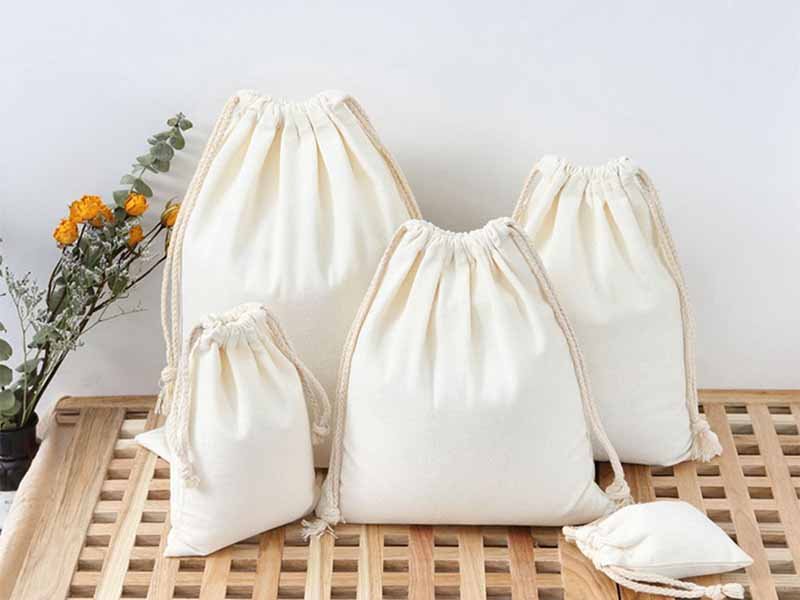
Drawstring bags are one of those products that seem simple—almost too simple to think about deeply. Yet they appear everywhere: gyms, schools, events, airports, beaches, and brand campaigns. Their continued presence raises a fair question: why do drawstring bags still exist in a market full of backpacks, totes, and technical carry solutions?
The answer lies in how people actually live and move today. Drawstring bags solve a specific problem: carrying light to medium items quickly, casually, and without commitment. No complicated zippers. No rigid structure. Just grab, pull, and go. For many users, that simplicity is not a drawback—it’s the entire point.
Drawstring bags are used for daily carry, sports and gym activities, travel organization, events, and brand promotions. Their main purpose is to provide a lightweight, easy-to-use storage solution that opens and closes quickly. People still use drawstring bags because they are affordable, flexible, reusable, and practical for short trips or casual activities where full backpacks are unnecessary.
What makes drawstring bags interesting today is not nostalgia, but adaptation. They have evolved from basic giveaway items into thoughtfully designed products made with better fabrics, stronger cords, reinforced corners, and even sustainable materials. In the sections below, we’ll break down exactly what drawstring bags are used for, why people still choose them, and how brands can use them intelligently—not as cheap add-ons, but as purposeful products.
What Is a Drawstring Bag

A drawstring bag is a lightweight bag that closes by pulling cords threaded through the top edge. The same cords usually function as shoulder straps, allowing the bag to be carried on the back. Drawstring bags are designed for quick access, light to medium loads, and short-term use, making them popular for gym, school, events, travel organization, and everyday casual carry.
From a user’s point of view, a drawstring bag is not “a simplified backpack.”
It is a different category of carry solution, built around speed, flexibility, and low commitment.
People choose drawstring bags when they don’t want to think about compartments, zippers, or structure. You drop items in, pull the strings, and go. That simplicity explains why drawstring bags appear in so many everyday scenarios—from gyms and campuses to concerts and brand events.
From a manufacturing perspective, the drawstring bag is also intentionally minimal. Fewer components mean:
- Fewer failure points
- Faster production cycles
- Lower unit cost
- Easier customization
This is why drawstring bags remain one of the most produced bag types globally, even as backpack designs become more complex.
What Defines a Drawstring Bag?
A drawstring bag is defined by function, not shape.
Core defining elements:
- Soft, flexible bag body (fabric-based)
- Drawcords running through the top hem
- Closure created by pulling tension, not hardware
What it is not designed for:
- Heavy loads
- Rigid protection (like laptop padding)
- Long-term shoulder comfort
This distinction matters. Many complaints about drawstring bags come from using them outside their intended purpose.
What Is the Purpose of a Drawstring Closure?
The drawstring closure serves two roles at the same time:
- Sealing the bag opening
- Creating a carry system
With one motion, the bag closes and becomes wearable. This dual-purpose design reduces parts and speeds up use.
In real-life use, this means:
- Faster access than zippers
- Less chance of hardware failure
- Easier use for all age groups
The trade-off is security and structure. Drawstring closures are secure enough for light items, but not ideal for valuables that require rigid protection.
How Does a Drawstring Bag Carry Weight?
Most drawstring bags distribute weight through:
- Two cords over the shoulders
- Fabric tension at the top hem
- Reinforced corners where cords exit
In practical terms, standard drawstring bags are best used under 3–5 kg (6.5–11 lbs). Beyond this range:
- Shoulder comfort drops sharply
- Cord friction increases
- Corner stress accelerates wear
Well-designed drawstring bags compensate with:
- Thicker cords
- Reinforced grommets or stitched exits
- Stronger fabrics at stress zones
Why Do Drawstring Bags Feel “Casual” Compared to Backpacks?
The casual feel comes from three design choices:
- No rigid frame
- No padding
- Minimal structure
This makes drawstring bags:
- Easier to fold and store
- Lighter to carry when empty
- Less visually “committed” than backpacks
For many users, that casual nature is exactly why they choose a drawstring bag for short trips or temporary needs.
How Have Drawstring Bags Evolved in Recent Years?
Modern drawstring bags are no longer limited to thin promotional items. Today’s versions often include:
- Thicker fabrics (polyester, canvas, nylon)
- Reinforced corners
- Better-quality cords and webbing
- Eco-friendly or reusable materials
This evolution allows drawstring bags to move from disposable giveaways to intentional everyday products, especially for brands that care about reuse and perception.
What Are the Common Uses of Drawstring Bags

Drawstring bags are commonly used for daily carry, gym and sports activities, school, travel organization, events, and promotional giveaways. People choose them when they need a lightweight, easy-to-use bag for short trips or specific activities. Their flexibility, low weight, and quick access make them suitable for casual use rather than heavy or structured carrying.
To understand why drawstring bags remain popular, it helps to look at how people move through their day. Many situations don’t require a full backpack or structured tote. They require something light, fast, and disposable in terms of effort, not quality.
Drawstring bags fill that gap.
What Can Drawstring Bags Be Used For in Daily Life?
In everyday situations, drawstring bags are used as:
- Quick errand bags
- After-work gym carriers
- Casual day bags for short outings
Typical items include a water bottle, wallet, phone, keys, and a light jacket. Most daily users keep total weight under 2–3 kg (4–7 lbs). At this range, drawstring bags feel comfortable and natural, without pulling on the shoulders.
This is why many people own more than one drawstring bag—each assigned to a different purpose.
How Are Drawstring Bags Used for Sports and Gym?
Sports and gym use is one of the strongest use cases for drawstring bags.
They are commonly used to carry:
- Shoes
- Towels
- Workout clothes
Unlike padded gym backpacks, drawstring bags allow air circulation and dry quickly after use. This reduces odor buildup. For short gym visits, users often prefer drawstring bags because they are lighter and faster than traditional sports bags.
Data from sporting goods retailers shows drawstring gym bags are most often purchased as secondary gym bags, not replacements for large duffels.
How Are Drawstring Bags Used for School and Campus Life?
In school settings, drawstring bags are rarely the main school bag. Instead, they function as:
- PE or sports bags
- Library or activity bags
- After-school carry bags
Students typically carry lightweight items such as shoes, uniforms, notebooks, or lunch boxes. For safety and comfort, most schools recommend keeping drawstring bag loads under 3 kg (6.5 lbs).
Which Uses Fit Travel and Outdoor Activities?
During travel, drawstring bags often serve as:
- Day bags inside luggage
- Laundry separators
- Shoe or accessory storage
For outdoor use, they are popular for beach trips, casual hikes, and festivals. The key reason is freedom of movement—no bulky structure, no hard edges.
At the beach, drawstring bags made from mesh or quick-dry polyester are especially common, as sand and moisture are less of a concern.
Why Are Drawstring Bags Popular for Events and Promotions?
From a brand perspective, drawstring bags are widely used at:
- Trade shows
- Corporate events
- Sports tournaments
- Product launches
They outperform many giveaways because they are immediately useful. Attendees can put items inside during the event itself, increasing visibility and post-event reuse.
Surveys from event organizers show reusable bags—including drawstring bags—are kept and reused far more often than flyers or small promo items.
Are Drawstring Bags Used for Storage and Organization?
Yes. Many people use drawstring bags at home for:
- Shoe storage
- Seasonal clothing
- Sports gear organization
The soft structure allows them to fit into drawers, closets, or suitcases easily. In these cases, durability matters more than appearance, and thicker fabrics or reinforced seams are preferred.
Are Drawstring Bags Still Popular Today

Yes, drawstring bags are still popular today, but their role has changed. They are no longer used as primary everyday bags, but as lightweight, purpose-driven carriers for gym, school activities, events, travel organization, and brand promotions. Their continued popularity comes from low cost, flexibility, and convenience rather than fashion or long-term comfort.
The mistake many people make is asking whether drawstring bags are “popular” in the same way backpacks or totes are. That’s the wrong comparison.
Drawstring bags didn’t survive by competing head-to-head with backpacks. They survived by occupying a different behavior space: short-duration use, low mental effort, and low commitment.
In other words, people didn’t stop using drawstring bags—they simply stopped relying on them for everything.
Do People Still Use Drawstring Bags in Everyday Life?
Yes, but usually as secondary bags, not primary ones.
Typical modern patterns look like this:
- A backpack or handbag for work or school
- A drawstring bag kept for gym, errands, or quick outings
This explains why drawstring bags often sell in:
- Multipacks
- Bundles with other bags
- Event or activity-specific versions
Sales data from online marketplaces consistently shows drawstring bags purchased alongside sportswear, school supplies, or travel accessories—not as standalone “main bag” purchases.
Why Do Drawstring Bags Still Sell Well in E-commerce?
Drawstring bags perform well online for three practical reasons:
- Low decision friction Buyers don’t overthink the purchase. The price point is accessible, and the use case is obvious.
- Clear expectations Most buyers know a drawstring bag won’t replace a backpack. That clarity reduces return rates.
- Repeat utility People don’t buy one drawstring bag for life. They buy them again for new activities, events, or purposes.
This repeat, low-risk buying behavior is a key reason drawstring bags remain strong in online sales.
Are Drawstring Bags Still Common in Sports, School, and Events?
Yes—and in some cases, they are more common than before.
- Sports & gyms: preferred for short sessions due to light weight and ventilation
- Schools: widely used for PE kits, extracurricular activities, and after-school programs
- Events & promotions: favored because they are instantly useful and reusable
Event organizers consistently choose drawstring bags over totes when:
- Attendees need hands free
- Carry time is short
- Cost control matters
These are functional decisions, not branding trends.
Have Drawstring Bags Changed Compared to the Past?
Absolutely. What changed is quality expectation, not usage logic.
Compared to older versions, modern drawstring bags often feature:
- Thicker polyester or canvas fabrics
- Reinforced corner stitching
- Stronger cords or webbing
- Better printing or branding quality
This shift allows drawstring bags to move from “throwaway promo item” to reusable, intentional product, especially for brands that care about perception.
What Drawstring Bags Are Not Popular For Anymore
It’s equally important to be honest about where drawstring bags have lost ground.
They are no longer favored for:
- Full-day commuting
- Carrying electronics without protection
- Heavy loads over long distances
Users now clearly understand these limitations. When brands design drawstring bags within realistic boundaries, satisfaction remains high.
What Materials Are Drawstring Bags Made Of

Drawstring bags are commonly made from cotton, polyester, nylon, canvas, and non-woven fabrics. Each material performs differently in durability, weight, cost, and reusability. Cotton feels natural but wears faster, polyester offers the best balance for everyday use, nylon performs best for sports and outdoor use, while non-woven fabrics are mainly used for low-cost promotions. The right choice depends on use frequency and load.
When people ask what materials drawstring bags are made of, what they usually mean is:
Will this bag still be usable after a few weeks or months?
Will it feel cheap or acceptable in daily life?
In real-world use, material choice affects four things most:
- How much weight the bag can carry comfortably
- How it behaves after repeated use
- How it looks after washing or exposure to moisture
- How users emotionally perceive the bag (disposable vs reusable)
Below are the most common materials used today—explained in practical terms.
Are Cotton Drawstring Bags Still Common?
Yes, cotton drawstring bags are widely used, especially where a natural or eco-friendly feel matters.
They are often chosen for:
- Retail packaging
- Gift bags
- Casual everyday use
- Brands with sustainability messaging
Pros:
- Soft hand feel
- Breathable
- Easy to print or dye
Limitations users notice quickly:
- Absorbs moisture and odors
- Heavier than synthetics at the same size
- Lower tear resistance at stress points
In practice, cotton drawstring bags work best when:
- Load stays under 2–3 kg
- The bag is not used in wet or sweaty environments
- Visual feel matters more than long-term durability
Why Polyester Is the Most Widely Used Material
Polyester is the most common drawstring bag material in e-commerce and mass retail, and that’s not accidental.
It performs well across multiple dimensions:
- Lighter than cotton
- Dries quickly
- Holds shape better over time
- More resistant to tearing and abrasion
For most users, polyester drawstring bags remain usable even after dozens of uses, especially when corners and cord exits are reinforced.
Typical polyester drawstring bags comfortably carry 3–5 kg, making them suitable for gym gear, school activities, and daily carry.
This balance of durability and cost is why polyester dominates online marketplaces.
What Are Nylon Drawstring Bags Used For?
Nylon drawstring bags are chosen when performance matters more than price.
Common uses include:
- Sports and gym bags
- Outdoor activities
- Situations involving moisture or light rain
Compared to polyester, nylon:
- Has higher tensile strength
- Recovers better after stretching
- Offers better water resistance
The trade-off is cost. Nylon bags are typically more expensive, so they are less common in promotional use but popular in performance-focused designs.
Are Canvas Drawstring Bags Practical?
Canvas drawstring bags sit between cotton and polyester in perception.
They are heavier and thicker, often used when:
- A more “substantial” feel is desired
- The bag is part of a lifestyle or retail product
- Durability is needed without moving to nylon
Canvas handles abrasion better than standard cotton but still absorbs moisture. Users appreciate the sturdy feel, but weight increases noticeably.
Why Non-Woven Drawstring Bags Are Still Used
Non-woven drawstring bags are primarily chosen for cost-driven, short-term use.
They are common for:
- Trade shows
- One-time events
- Temporary promotions
Pros:
- Very low cost
- Lightweight
- Fast production
Cons users notice:
- Limited reusability
- Tearing at corners
- Poor performance under load
These bags work when expectations are clear. Problems arise when non-woven bags are presented as reusable products.
How Material Choice Affects User Perception
Material silently communicates value.
| Material | User Perception |
|---|---|
| Cotton | Natural, casual |
| Polyester | Practical, everyday |
| Nylon | Sporty, performance |
| Canvas | Durable, lifestyle |
| Non-woven | Promotional, disposable |
Matching material to intended use and brand message avoids disappointment.
What Do People Usually Keep in a Drawstring Bag

People usually keep lightweight, flexible, and non-fragile items in a drawstring bag, such as clothes, shoes, towels, water bottles, books, or daily essentials. Drawstring bags are best suited for short-term carry and moderate loads. Most users keep total weight under 3–5 kg to maintain comfort and avoid excessive strain on the fabric and drawcords.
One of the biggest misunderstandings about drawstring bags is assuming people use them like backpacks. In reality, users treat drawstring bags as activity-based containers, not all-day carry solutions.
The contents are usually tied to one specific purpose—gym, school activity, short outing, or storage—rather than mixed daily gear.
What Do People Carry in a Drawstring Bag for Daily Activities?
For everyday, casual use, drawstring bags typically hold:
- Phone, wallet, keys
- Reusable water bottle
- Light jacket or hoodie
- Small personal items (earphones, sunglasses)
These items are lightweight and flexible, allowing the bag to sit comfortably against the back without rigid pressure points. In daily use, most people keep the load under 2–3 kg (4–7 lbs). At this weight range, drawstring bags feel natural and don’t dig into the shoulders.
This is why many users describe drawstring bags as “easy” or “effortless” rather than “comfortable” in a technical sense.
What Do People Usually Put in a Drawstring Bag for the Gym or Sports?
Gym and sports use is one of the most common scenarios.
Typical gym contents include:
- Training shoes
- Towel
- Workout clothes
- Small toiletry pouch
The key requirement here is ventilation, not structure. Drawstring bags allow air circulation and dry quickly after use, which helps reduce odor buildup.
In practice, most gym users carry 3–5 kg in drawstring bags. Beyond this point, users start to notice cord pressure on shoulders, which is why heavier gym gear is usually moved to duffel bags instead.
What Do Students Keep in a Drawstring Bag?
In school and campus settings, drawstring bags are rarely the main school bag. Instead, they are used for:
- PE or sports uniforms
- Shoes
- Lunch boxes
- Library books for short carry
Students typically use drawstring bags as secondary bags alongside backpacks. This explains why durability at cord exit points is more important than internal compartments in school-oriented designs.
What Items Are Common in Drawstring Bags During Travel?
When traveling, drawstring bags are often used for organization rather than transport.
Common travel uses include:
- Laundry separation
- Shoe storage inside luggage
- Day bag for short sightseeing trips
Because drawstring bags fold flat, they are easy to pack and don’t add bulk. Most travel users avoid carrying valuables or electronics in them unless additional padding is present.
What Do People Store in Drawstring Bags at Home?
At home, drawstring bags are frequently used for:
- Shoe storage
- Seasonal clothing
- Sports equipment
- Kids’ toys or activity items
In these cases, comfort is irrelevant, but fabric durability and seam strength matter more—especially if bags are pulled, dragged, or stacked.
How Much Weight Can a Drawstring Bag Comfortably Handle?
Based on real-world usage patterns:
- Ideal load: 2–3 kg
- Acceptable maximum: 5 kg
- Above 5 kg: discomfort and accelerated wear
Most failures occur not in the fabric body, but at:
- Cord exit points
- Bottom corners
- Stitching along the top hem
Well-designed drawstring bags use reinforcement in these areas to extend usable life.
What Should People Avoid Putting in a Drawstring Bag?
Drawstring bags are not suitable for:
- Laptops or tablets without padding
- Fragile items
- Sharp or rigid objects
- Heavy groceries
Using drawstring bags outside their intended load and protection range is the most common reason users feel they are “uncomfortable” or “low quality.”
How to Choose the Right Drawstring Bag for Your Needs
To choose the right drawstring bag, start with how it will be used, how much weight it will carry, and how often it will be reused. Material, size, cord strength, and reinforcement matter more than style. A drawstring bag that matches real use lasts longer, feels more comfortable, and avoids common complaints caused by overloading or poor material choices.
Most people don’t choose the wrong drawstring bag because they lack options.
They choose the wrong one because they start with appearance instead of use.
A drawstring bag that works well in one scenario can feel uncomfortable or “cheap” in another. The steps below reflect how experienced manufacturers and buyers evaluate drawstring bags in real projects—not theory.
Step 1 — Be Honest About How the Bag Will Be Used
Before looking at materials or colors, answer three questions:
- Is this bag used daily, weekly, or occasionally?
- Is it for one activity (gym, event, school) or mixed use?
- Will it be carried for 10 minutes or several hours?
Drawstring bags perform best in short-duration, single-purpose use.
If the bag will be worn all day or carry mixed items, a backpack may be the better option.
This clarity prevents disappointment later.
Step 2 — Estimate the Realistic Carry Weight
Weight is where most problems begin.
Based on real user behavior:
- 2–3 kg → comfortable for most people
- 3–5 kg → acceptable for short periods
- Over 5 kg → discomfort and faster wear
If the intended contents regularly exceed 5 kg, you must:
- Use thicker fabric
- Upgrade cord thickness
- Reinforce corners and exits
Ignoring weight limits is the #1 reason drawstring bags get negative feedback.
Step 3 — Choose Material Based on Use, Not Trends
Material choice determines how long the bag stays usable.
| Use Scenario | Recommended Material |
|---|---|
| Daily casual use | Polyester |
| Gym / sports | Polyester or nylon |
| Outdoor / moisture | Nylon |
| Eco / retail packaging | Cotton or canvas |
| Events / giveaways | Non-woven or light polyester |
Polyester is the safest all-around choice for most needs. Nylon makes sense only when performance matters. Cotton feels good but wears faster under load.
Step 4 — Pay Attention to Cord Quality and Exit Points
Most drawstring bags don’t fail in the fabric body.
They fail at cord exit points.
What to check:
- Cord thickness (too thin = shoulder pain)
- Cord material (polyester vs nylon)
- Reinforced stitching or grommets at exits
A stronger cord can increase usable life by 30–50%, especially for gym and school use.
Step 5 — Size Matters More Than People Expect
Bigger is not always better.
Oversized drawstring bags:
- Encourage overloading
- Pull weight lower on the back
- Increase shoulder strain
Common practical sizes:
- Small–medium: daily carry, events
- Medium: gym, school activities
- Large: travel laundry, storage
Choosing the right size helps users naturally stay within comfortable weight limits.
Step 6 — Decide Whether This Is a Product or a Giveaway
This question changes everything.
- Product for resale or reuse → stronger fabric, better cords, cleaner finishing
- Event giveaway or short-term use → cost control, simple construction
Problems happen when giveaway-quality bags are expected to perform like retail products. Clear positioning avoids mismatch.
Step 7 — For Brands: Balance Customization, MOQ, and Lead Time
For custom or private label projects, consider:
- Stock fabric vs custom fabric
- Standard size vs custom size
- Print vs embroidery
Stock options reduce MOQ and speed up sampling. Custom options strengthen branding but increase cost and lead time. The right balance depends on volume and market positioning.
Conclusion
Drawstring bags may seem simple, but making them well requires attention to fabric, cords, construction, and actual usage.
Lovrix boasts over 19 years of experience in fabric, webbing, and bag manufacturing.
Whether you need drawstring bags for retail, events, sporting events, or brand promotion, Lovrix helps you create products that truly meet practical needs, not just your expectations.
Contact Lovrix today to request samples, discuss customization options, or launch your OEM/ODM drawstring bag project.


