 Skip to content
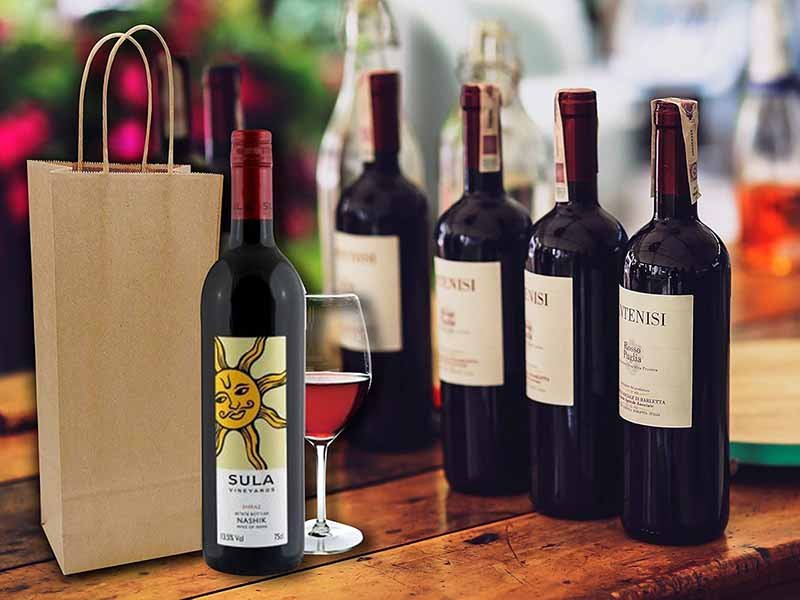
If you’ve ever carried a bottle in a “nice-looking” wine bag and felt the glass swing, you know the little panic: “Please don’t drop.” That moment is exactly why wine bag materials matter more than people think. A wine bag isn’t just packaging—it’s a safety system for glass, plus a presentation piece that affects gifting, repeat use, and brand perception.
The best materials for wine bags depend on use. Canvas and jute are great for gift and retail wine bags, non-woven PP works for events and promotions, neoprene and padded fabrics offer the best protection and temperature buffering, and PU leather or coated fabrics deliver a premium look with clean branding. The right choice balances safety, appearance, cost, and customization.
Here’s the part most brands learn the hard way: the wrong fabric doesn’t fail in the sample room—it fails in real life, when a customer walks out of a store, climbs stairs, or carries two bottles to a dinner party. In the next sections, we’ll start with what wine bags truly need to do, then match materials to those needs—so your design performs like it looks.
What Do Wine Bags Need to Do?

Wine bags must safely carry heavy glass bottles, keep the bottle stable, protect against bumps, and still look good as a gift or retail item. The material has to support load, resist tearing and abrasion, hold prints or logos cleanly, and match the target price point. If the bag is insulated, the material also needs foam or structure to slow temperature change.
What customers really care about
When clients talk about “best materials,” they’re usually trying to avoid these real problems:
- Handle failure (worst customer experience: bottle drops)
- Bag tipping over on shelves or at home
- Scuffed or dirty surface after 1–2 uses
- Logo cracking or fading after friction or folding
- Too expensive to ship (especially e-commerce)
- Mismatch with gifting (feels cheap even if the bottle is premium)
So the “best material” is the one that hits the right balance for your use case.
Key performance targets for wine bags
Below is a practical checklist we use when evaluating wine bag materials. These are not “lab-only” numbers—they map to real-life use.
1) Load & strength targets (single bottle vs multi-bottle)
A standard 750 ml wine bottle weighs roughly 1.2–1.5 kg. Champagne and spirits are heavier. Now add movement (walking, stairs, car trunk), and the stress on handles and seams increases.
Recommended safe working loads (factory-facing targets):
| Wine Bags Type | Typical Bottle Load | Suggested Safe Load Target | Why It Matters |
|---|---|---|---|
| 1-bottle wine bags | 1.2–1.5 kg | ≥ 5 kg | Safety margin for swing + seam stress |
| 2-bottle wine bags | 2.4–3.0 kg | ≥ 8 kg | Handles + center seam must be reinforced |
| 4–6 bottle wine bags | 4.8–9.0 kg | ≥ 12–18 kg | Needs dividers + structured base |
- Light non-woven fabrics can work for 1 bottle, but multi-bottle designs need reinforced stitching + stronger fabric + internal structure.
- Even strong fabric can fail if the handle attachment is weak. Material choice and construction must match.
2) Stability targets (the “no tipping” requirement)
Customers notice this immediately: if the wine bag flops or tips, it feels cheap.
Easy stability upgrades that depend on material:
- Stiffer fabrics (heavy canvas, coated textiles) hold shape better
- Base inserts (PP board or stiffener) reduce tipping
- Boxy panels are easier with structured materials than soft ones
If you want a wine bag to stand upright for retail or gift presentation, avoid ultra-soft, thin fabrics unless you add structure.
3) Protection targets (bump resistance and bottle safety)
A wine bag doesn’t need to survive a courier drop from 1 meter, but it should protect against common bumps: doorframes, car doors, table edges.
Protection levels by construction:
- Basic gift wine bags: fabric only, no padding
- Better carry wine bags: fabric + lining, optional base insert
- Protective wine bags: fabric + foam/padding + dividers (for multi-bottle)
You can think of protection as a “system,” not a single fabric choice.
4) Branding & printing targets (logo should look “expensive”)
Even the right fabric can look cheap if the printing method doesn’t match.
Here’s what brands usually want:
- Logo looks sharp
- Color stays consistent
- Surface doesn’t crack after folding
- Bag stays clean after handling
Material affects branding method:
- Canvas and cotton: great for screen printing, embroidery, woven labels
- Neoprene: better with heat transfer, stitched patches
- PU leather: good for deboss/emboss, metallic foil, stitching details
- Non-woven: works for simple prints, not luxury-level detail
Material decision map
This table helps clients choose quickly. It’s not “marketing”—it’s a practical starting point for sampling.
| Use Case | Best Material Options for Wine Bags | Why It Fits | Watch-outs |
|---|---|---|---|
| Retail gift wine bags | Canvas, jute, PU leather | Looks gift-ready, prints well | Jute can shed fibers; canvas weight matters |
| Dinner / travel wine bags | Neoprene, padded polyester | Protection + comfortable carry | Cost higher; branding method needs planning |
| Events / promotions | Non-woven PP | Low cost, fast production | Feels less premium; limited reuse |
| Luxury private label | PU leather, coated fabrics, heavy canvas | Premium texture + clean logo | Needs strict QC to avoid surface defects |
| Multi-bottle wine bags | Heavy canvas + dividers, padded builds | Stability + safety | Construction becomes critical (reinforcement) |
What Protection Do Wine Bags Need?
Most customers don’t ask for “impact resistance.” They ask for “I don’t want it to break” and “it feels safe.” That safety feeling comes from three things:
A) Fabric strength (prevents tearing)
- Stronger materials reduce seam tear risk under load.
- For reusable wine bags, choose fabrics that won’t weaken after friction.
B) Padding (reduces bumps)
- Padded wine bags can reduce “shock feel” noticeably during carry.
- Even small foam thickness makes a big difference for perceived quality.
C) Internal stability (prevents bottles hitting each other)
For multi-bottle wine bags, dividers are often more important than the outer fabric. Without dividers, bottles collide and chip.
Practical spec tips for custom wine bags:
- Reinforce handles with box-X stitching or bartacks
- Add a base stiffener for upright stability
- Use dividers for 2+ bottle wine bags
- Choose lining that reduces friction and protects labels
How Durable Should Wine Bags Be?
Durability is where “cheap” and “value” separate quickly. A wine bag that looks good once but scuffs after two uses isn’t a good product.
Durability factors customers feel:
- Abrasion (does it scratch?)
- Dirt resistance (does it stain?)
- Seam quality (does it feel secure?)
- Handle comfort (does it cut into the hand?)
Durability targets by market positioning
| Positioning | Expected Use | What Wine Bags Must Survive |
|---|---|---|
| Promotional | 1–3 uses | Basic load, light friction |
| Gift + retail | 3–10 uses | Reuse + shelf wear |
| Reusable premium | 10–50+ uses | Frequent carry, friction, folding |
| Travel / insulated | Long-term | Load + bumps + temperature swings |
If your wine bags are sold (not given away), durability is part of the brand promise. It’s worth paying a little more for the right fabric and reinforcement.
Are Wine Bags for Gifting or Transport?
This one decision changes everything.
If wine bags are mainly for gifting:
Customers judge:
- Texture (does it feel premium?)
- Shape (does it stand?)
- Logo (does it look “clean”?)
Materials that work well: jute, canvas, PU leather, coated fabrics
If wine bags are mainly for transport:
Customers judge:
- Stability (does it swing?)
- Protection (does it feel safe?)
- Comfort (does the handle hurt?)
Materials that work well: neoprene, padded builds, reinforced polyester/nylon
Trying to make a gift bag do transport work usually leads to complaints. And a heavy insulated carrier used as a gift bag can feel “too functional.” The best-selling brands separate these into different SKUs.
Why Material Choice Shapes Customer Perception
People don’t need fabric terminology to judge quality. They react to cues:
- Heavier feel → safer and more premium
- Crisp structure → gift-ready
- Smooth surface → luxury impression
- Messy fibers / wrinkles → cheap impression
This is why many brands choose a material that’s slightly “overbuilt” for the price point—because perceived value drives reorders.
Where Wine Bags Often Fail
Here are common failure points we see in real orders:
- Handle tears at the stitch line
- Fix: reinforce with bartacks, add handle patch, increase stitch density
- Bottom panel sagging
- Fix: base stiffener + stronger bottom fabric
- Logo cracking or fading
- Fix: match printing method to fabric (don’t force it)
- Bag feels cheap in hand
- Fix: upgrade fabric weight or add lining
These are small improvements that massively reduce returns and complaints.
Which Materials Are Most Common for Wine Bags?

The most common materials for wine bags are canvas, jute, and non-woven PP. Canvas offers the best balance of strength and branding flexibility, jute works well for gift-focused wine bags with a natural look, and non-woven PP is widely used for promotional or event wine bags where cost and speed matter more than long-term durability.
When brands start developing wine bags, these three materials usually come up first—not because they are trendy, but because they are predictable, scalable, and easy to customize. That said, they behave very differently in real use.
Let’s break them down one by one, without overselling any of them.
Are Canvas Wine Bags Practical?
Short answer: Yes—canvas is the safest all-around choice for wine bags, especially if you don’t want surprises after mass production.
Why canvas works so well for wine bags
Canvas is a woven cotton or cotton-blend fabric with enough density to support weight while still being flexible for sewing and branding. For wine bags, it checks many boxes at once.
Key advantages of canvas wine bags:
- Strong enough for 1–4 bottle designs
- Easy to print, embroider, or label
- Feels “honest” and reusable
- Holds shape better than soft cotton fabrics
Recommended canvas specs for wine bags
| Wine Bags Type | Recommended Canvas Weight | Notes |
|---|---|---|
| 1-bottle wine bags | 8–10 oz | Lightweight gift & retail use |
| 2-bottle wine bags | 10–12 oz | Better structure + handle strength |
| 4+ bottle wine bags | 12–16 oz | Needs reinforced seams & base |
From real production data, 12 oz canvas wine bags with reinforced handles can safely handle 10–15 kg static load, which is more than enough for multi-bottle gifting.
How canvas affects branding and appearance
Canvas is forgiving. That’s why brands like it.
Branding methods that work well on canvas wine bags:
- Screen printing (most common)
- Embroidery (premium feel)
- Woven labels
- Heat transfer (for small runs)
Canvas also hides small defects better than smooth synthetic materials, which helps keep rejection rates low.
Where canvas wine bags can fail
Canvas is not perfect, and brands sometimes push it too far.
Common mistakes:
- Choosing canvas that is too light (≤6 oz) → handle tearing
- Skipping base reinforcement → bag sags and tips
- Using dark canvas without wash testing → color transfer issues
Canvas wine bags work best when treated as reusable carriers, not ultra-light gift wraps.
Are Jute Wine Bags Good for Gifts?
Short answer: Yes, but only when gifting matters more than durability.
Jute wine bags sell because they look eco-friendly and gift-ready. They photograph well and feel “natural,” which makes them popular in wine shops and seasonal gift sets.
Strengths of jute wine bags
Why brands choose jute:
- Natural texture signals eco-conscious values
- Stiff structure helps bags stand upright
- Works well for single-bottle gift wine bags
- Cost is moderate and stable
Jute wine bags are especially popular for:
- Winery gift shops
- Holiday promotions
- Rustic or natural brand positioning
Limitations of jute wine bags
This is where brands need to be realistic.
Jute weaknesses you must account for:
- Lower tear resistance than canvas
- Fibers can shed (especially on light clothing)
- Not ideal for repeated heavy use
- Limited comfort for long carry
Practical load guidance for jute wine bags
| Design | Suggested Use | Risk Level |
|---|---|---|
| 1-bottle wine bags | Gift carry | Low |
| 2-bottle wine bags | Short carry only | Medium |
| 4+ bottle wine bags | Not recommended | High |
Most complaints around jute wine bags come from customers trying to reuse them like canvas bags, which they are not designed for.
Branding considerations for jute wine bags
Jute has a rough, uneven surface. That affects logos.
Best branding options:
- Screen printing with bold graphics
- Large logo areas (small text gets lost)
- Sewn-on labels
Avoid ultra-detailed prints—jute will not do them justice.
Are Non-Woven Wine Bags Cost-Effective?
Short answer: Yes, when price, speed, and volume matter more than longevity.
Non-woven PP wine bags dominate:
- Trade shows
- Wine tastings
- Promotional giveaways
- Large-volume campaigns
They are not meant to last—but that’s not always the goal.
Why brands use non-woven wine bags
Key reasons:
- Very low unit cost
- Fast production timelines
- Lightweight (cheap to ship)
- Consistent surface for simple logos
For one-time events, non-woven wine bags often make more sense than over-engineered options.
Performance expectations for non-woven wine bags
Let’s be honest about what they can and cannot do.
| Factor | Performance |
|---|---|
| Load capacity | Low–medium |
| Reuse cycles | 1–3 uses |
| Print quality | Good for simple graphics |
| Premium feel | Low |
Most non-woven wine bags perform best below 6–8 kg load. Beyond that, seam failure risk increases quickly unless reinforced.
When non-woven wine bags cause problems
Non-woven wine bags become a liability when:
- Used for multi-bottle carry
- Sold as a premium product
- Expected to be reused long-term
Customers don’t complain when expectations are clear. Problems happen when the product is positioned incorrectly.
Canvas vs Jute vs Non-Woven Wine Bags
This table is often the fastest way for clients to decide.
| Material | Best For | Strength | Look | Cost Level |
|---|---|---|---|---|
| Canvas wine bags | Retail, reusable | High | Clean, versatile | Medium |
| Jute wine bags | Gift & seasonal | Medium | Natural, rustic | Medium |
| Non-woven wine bags | Events & promos | Low–Medium | Basic | Low |
What most brands miss at this stage
At this point, many clients think they’ve “picked the material.” In reality, they’ve only picked the outer shell.
Questions still to answer:
- Do you need lining?
- Do you need padding?
- Do you need dividers?
- Does the bag need insulation?
That’s where things get more technical—and more interesting.
Which Materials Protect Wine Bags Best?

Wine bags that offer the best protection typically use neoprene or padded fabric constructions, often combined with internal foam, lining, or dividers. These materials absorb impact, reduce bottle movement, and improve carrying comfort. They are ideal for travel wine bags, multi-bottle carriers, and products sold as reusable or premium functional wine bags.
Protection is where wine bags stop being “just fabric” and start behaving like equipment. Once bottles are expected to survive bumps, stairs, cars, or longer carry times, material choice becomes much more technical.
Are Neoprene Wine Bags Insulated and Protective?
Short answer: Yes—neoprene is one of the most protective materials for wine bags, but it must be used correctly.
Why neoprene works for wine bags
Neoprene is a synthetic rubber foam commonly used in wetsuits. For wine bags, its advantages are practical, not decorative.
Key benefits of neoprene wine bags:
- Built-in cushioning reduces impact shock
- Naturally elastic, holding bottles securely
- Helps slow temperature change (short-term insulation)
- Comfortable to carry due to softness
From production testing, 3–6 mm neoprene wine bags significantly reduce bottle “swing” during walking compared to canvas-only designs.
Typical neoprene specs for wine bags
| Neoprene Thickness | Suitable Wine Bags Type |
|---|---|
| 3 mm | 1-bottle wine bags |
| 4–5 mm | 2-bottle wine bags |
| 5–6 mm | Travel or premium wine bags |
Neoprene alone can safely support single or double bottle designs. For larger capacities, internal structure is still required.
Limitations of neoprene wine bags
Neoprene is not a perfect solution for every brand.
Things to consider:
- Higher material cost than canvas or jute
- Limited surface feel (less “luxury” visually)
- Branding usually relies on heat transfer or stitched patches
- Thicker neoprene increases shipping weight
Neoprene wine bags work best when protection and function are more important than visual texture.
Are Padded Wine Bags Safer Than Fabric-Only Designs?
Yes—and this is often the most cost-effective upgrade brands can make.
Padded wine bags use an outer fabric (canvas, polyester, nylon, PU) combined with internal foam or batting. This allows flexibility in appearance while improving protection.
How padding improves wine bag performance
Padding helps in three ways:
- Absorbs impact from bumps and knocks
- Reduces bottle movement inside the bag
- Improves perceived quality when customers touch the product
Even 2–4 mm foam padding noticeably changes how “safe” a wine bag feels.
Common padded wine bag constructions
| Outer Fabric | Padding | Best Use |
|---|---|---|
| Canvas + foam | 2–3 mm | Reusable retail wine bags |
| Polyester + foam | 3–5 mm | Travel or shipping wine bags |
| PU leather + foam | 2–4 mm | Premium gift wine bags |
Padding is especially important for 2+ bottle wine bags, where bottle-to-bottle contact is a bigger risk than external impact.
Do Dividers Really Matter in Wine Bags?
For multi-bottle wine bags, yes—dividers matter more than the outer fabric.
Without dividers:
- Bottles knock into each other
- Labels scuff or tear
- Chipping risk increases dramatically
With dividers:
- Bottles stay separated
- Load is distributed evenly
- Carrying feels more stable
Divider options for wine bags
| Divider Type | Cost Impact | Protection Level |
|---|---|---|
| Fabric divider | Low | Medium |
| Foam-padded divider | Medium | High |
| Removable divider | Medium–High | High + flexible |
For 4–6 bottle wine bags, dividers are not optional—they are essential.
Which Materials Look Premium for Wine Bags?

When customers talk about “premium” wine bags, they’re not just thinking about luxury branding—they want quality, feel, and practicality. A premium wine bag doesn’t just look good on the shelf; it enhances the entire experience of gifting, carrying, or displaying the bottle inside.
Let’s break it down.
Why does material matter so much for wine bags?
Wine bags are part of a luxury experience. The right material sets the tone for the bottle inside. When it feels premium, customers associate that feeling with the quality of the wine itself—even if it’s a mid-range bottle. If the bag feels cheap or flimsy, it may hurt the overall perception, even if the wine is excellent.
What makes a material “premium” in a wine bag?
Key Characteristics of Premium Wine Bag Materials:
- Rich textures (smooth, plush, structured)
- Strong, durable construction (supports weight and frequent handling)
- High-quality finishing (clean seams, precise stitching, durable handles)
- Distinctive appearance (elevates the presentation of the wine)
- Comfortable handling (handles that feel good and don’t dig into the hands)
- Sustainability options (eco-friendly, while still feeling luxurious)
Are PU Leather Wine Bags Better Than Genuine Leather?
Why PU Leather Works for Wine Bags
PU Leather is a popular alternative to genuine leather for wine bags. It’s more affordable, lightweight, and still provides that premium look customers expect.
Key Benefits of PU Leather for Wine Bags:
- Affordable: PU leather offers a similar look and feel to real leather but at a fraction of the price. This makes it ideal for brands aiming for a luxury look without high material costs.
- Cleaner and easier to maintain: It’s easier to clean and wipe down compared to real leather, especially important for customers buying reusable bags.
- Consistent appearance: Unlike real leather, PU leather doesn’t have the variation that can sometimes come with natural materials, meaning each bag looks uniform.
- Eco-friendly options available: With growing demand for vegan products, PU leather is an eco-friendly option that still provides the premium, high-end look.
Material Specifications for Premium PU Leather Wine Bags:
- Thickness: Typically 1.5–2 mm for optimal durability and softness.
- Surface finish: Glossy or matte finishes are most common. Some PU leathers even mimic embossed or pebbled textures to resemble genuine leather.
When is genuine leather better?
Genuine leather brings an undeniable authenticity and luxury. While PU leather works for most premium uses, genuine leather is more appropriate for truly high-end wine bags.
Benefits of Genuine Leather for Wine Bags:
- Longevity and patina: Genuine leather improves over time. It develops a beautiful patina that makes it even more valuable as it ages.
- Perceived value: Genuine leather gives a feeling of true luxury that customers associate with high-end products.
- Uniqueness: No two pieces of real leather are identical. Each bag has a unique texture, which adds to its charm and appeal.
Challenges with Genuine Leather Wine Bags:
- Price: Genuine leather is more expensive. The cost of labor and material for production goes up, which directly impacts retail pricing.
- Care and maintenance: Leather requires care. It’s more prone to damage from moisture, stains, and rough handling, which may limit its use for more casual settings.
- Inconsistent appearance: Real leather can have natural imperfections, such as stretch marks or scars, which some customers love and others dislike.
Material Specifications for Genuine Leather Wine Bags:
- Thickness: Usually 2–3 mm for a thicker, more structured feel.
- Surface finish: Often comes with smooth, matte or polished textures for a luxurious look.
Which Coated Fabrics Create Premium Wine Bags?
Coated fabrics (such as coated canvas, polyester, or nylon) are excellent mid-tier premium options that balance appearance, durability, and cost. These fabrics are generally printed or embossed, providing a unique texture and luxurious visual without the high cost of leather.
Why Coated Fabrics Work for Wine Bags
Advantages of Coated Fabrics:
- Affordable premium look: Coated fabrics have a clean, uniform finish, and can mimic the appearance of leather or other high-end materials without the associated price tag.
- Durability: The coating helps resist dirt, water, and stains, making it ideal for reusable wine bags.
- Customization-friendly: Coated fabrics hold prints, logos, and embossed designs very well, providing premium branding options.
Material Specifications for Coated Fabric Wine Bags:
- Weight: Typically 10–12 oz canvas with a polyurethane (PU) coating for smoothness and added strength.
- Waterproofing: Many coated fabrics have a water-resistant layer, which increases their premium feel, especially when used as insulated wine bags.
Which Fabrics Feel Luxurious for Wine Bags?
When customers handle a wine bag, how it feels matters more than you think. Premium fabrics tend to have a softer hand-feel, a substantial weight, and a rich texture that makes them stand out.
Top Fabric Choices for Luxurious Feel
- Canvas (Heavyweight): Provides a thicker, more durable texture, ideal for premium retail bags or gifting.
- Velvet: While not common, velvet wine bags feel luxurious and are used for high-end gifting or special events.
- Satin & Silk: Though more delicate, these fabrics are used in luxury packaging for wine during high-end gift presentations.
- Faux leather: A more cost-effective alternative to genuine leather that still feels smooth and premium, while being easy to clean.
Texture Matters: Materials like velvet and satin are often lined with fabric to maintain their luxury feel, while canvas is typically double-stitched for added weight and structure.
Which Branding Techniques Work Best on Premium Materials?
Branding is a key differentiator for luxury wine bags. It’s not just about logos—it’s about quality finishes, how the logo feels, and how the bag is presented.
Best Branding Methods for Premium Wine Bags
| Material Type | Best Branding Methods | Ideal Results |
|---|---|---|
| PU Leather | Deboss, emboss, foil stamping | Clean, subtle, and elegant designs |
| Genuine Leather | Hot-foil stamping, embossing | Luxurious, lasting impressions |
| Coated Fabrics | Screen printing, embroidery, woven labels | Sharp, durable logos with vibrant colors |
| Canvas | Embroidery, screen printing | Bold logos, premium textures |
When Should You Choose Premium Materials for Wine Bags?
Key moments when premium materials are most effective:
- For Gifting: When wine bags are intended as gifts, luxury materials like genuine leather or PU leather add perceived value to the gift.
- For Corporate Branding: Premium materials create impressive corporate gifts or retail bags that make an impact.
- For High-End Retail: If your wine bags will be displayed in boutiques or specialty wine shops, coated fabrics or heavy canvas elevate the product presentation.
When Not to Choose Premium Materials
- If it’s for one-time use: For giveaways or trade shows, coated fabrics or non-woven bags can work just fine.
- If cost is the primary concern: High-end materials are expensive, so for mass-market, high-volume orders, cheaper options may make more sense.
How to Choose Materials for Wine Bags?
Choosing the right wine bag material starts with defining use: gifting, transport, retail, or e-commerce. From there, match bottle count, load, branding needs, and target price. The best results come from testing materials with real samples rather than selecting based on appearance alone.
A simple decision framework
Ask these questions in order:
- How many bottles?
- 1 bottle → most materials work
- 2+ bottles → structure, padding, dividers matter
- Is it carried or gifted?
- Gift-focused → appearance first
- Carry-focused → protection first
- Is it sold or given away?
- Sold → durability and feel matter
- Giveaway → cost and speed matter
- Where will branding appear?
- Large logo → most fabrics
- Detailed logo → smooth surfaces only
Cost positioning by material
| Material Tier | Typical Positioning |
|---|---|
| Non-woven PP | Promotional / event |
| Jute | Gift & seasonal |
| Canvas | Retail & reusable |
| Neoprene / padded | Functional & travel |
| PU leather | Premium / private label |
Choosing above or below your brand’s natural tier usually leads to mismatch.
Conclusion
At Lovrix, we don’t start with fabric—we start with use case.
With over 18 years of experience across fabric, webbing, and bag manufacturing, we help brands:
- Compare materials side by side
- Adjust fabric weight, padding, and structure
- Test load and handle reinforcement
- Match branding method to material
- Produce samples quickly for real evaluation
What clients value most:
- Low MOQ flexibility
- Fast sampling with real materials
- Free design support
- Short production lead times
- Consistent quality control across factories
Final Thought: Material Is the Product
In wine bags, customers may fall in love with the design—but they judge the product by how safe the bottle feels in their hand. The right material choice reduces complaints, improves reuse, and quietly strengthens your brand.
If you’re planning to develop custom wine bags, whether for gifting, retail, or premium private label programs, Lovrix can help you choose materials that work—not just look good.
Contact Lovrix to request material options, samples, or a custom wine bag quote.


