 Skip to content
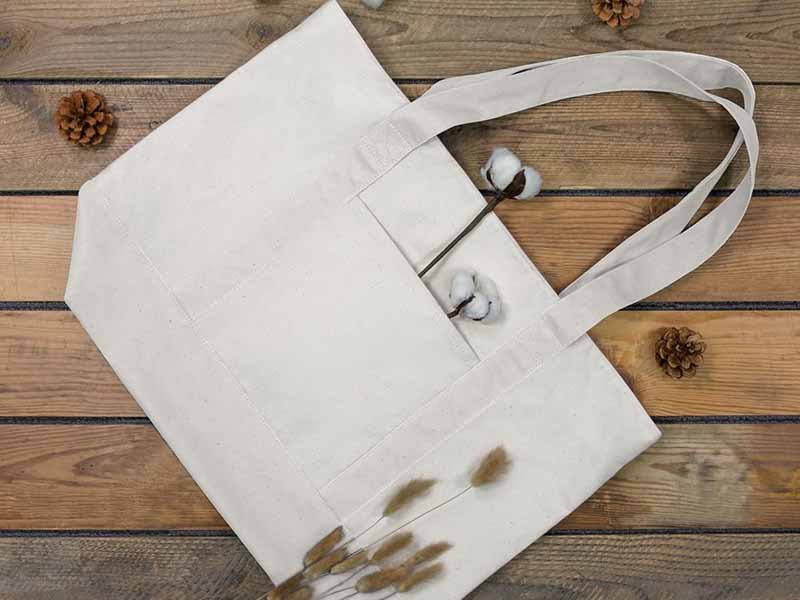
A gusset might seem like a minor detail in a canvas bag, but it is one of the most important features that determine capacity, structure, and durability. Side gussets increase width, while bottom gussets create depth and help the bag stand upright. Without proper gusset design, even a strong canvas bag can sag, bulge, or wear at stress points after repeated use.
Gussets are fabric panels added to the sides or bottom of a canvas bag to increase volume and improve structure. Side gussets expand width; bottom gussets expand depth. Proper gusset design distributes weight, prevents sagging, and increases durability. Reinforced gussets also help the bag withstand daily use, heavy loads, and repeated packing without damaging seams or fabric.
A practical example: a mid-sized canvas tote without a bottom gusset collapses when carrying groceries. Adding a gusset with reinforced corners solves this issue, keeps the bag upright, and increases capacity by 30–40%.
What Is a Gusset in Canvas Bags?
A gusset in a canvas bag is an extra fabric panel sewn into the side or bottom. It adds space, improves shape, and distributes load evenly. Proper gusset design prevents sagging, increases usable volume, and allows the bag to carry heavier or bulkier items comfortably.
What Does a Side Gusset Do for Canvas Bags?
Side gussets are narrow fabric panels sewn along the sides of a bag.
Functions:
- Expand width without changing the top opening
- Evenly distribute stress along seams
- Allow the bag to accommodate wider items, like folded clothes or yoga mats
Real-world impact:
- A shopping tote with a 3-inch side gusset can carry more groceries and stay upright.
- Reinforced side gussets reduce seam stress and prevent tearing.
Use double stitching or bartacks at the top edges for extra strength.
What Does a Bottom Gusset Do for Canvas Bags?
Bottom gussets are fabric panels sewn along the base, typically rectangular or trapezoidal.
Functions:
- Increase depth for larger items (books, shoes, or laptops)
- Provide stability so the bag stands upright
- Distribute weight to prevent stretching or sagging
Example:
A 14-inch bottom gusset in a medium tote allows double the internal volume compared to a flat-bottom bag. Reinforced corners help prevent tearing under heavy loads.
Tip: Combine bottom and side gussets for maximum volume while maintaining structure.
How Gussets Affect Bag Capacity and Usability
| Gusset Type | Added Volume | Key Benefit |
|---|---|---|
| Side gusset | +2–4 inches width | Fits wider items comfortably |
| Bottom gusset | +3–5 inches depth | Holds heavier loads and improves stability |
| Combined gussets | +30–40% overall | Prevents sagging, keeps bag upright |
| Reinforced gussets | N/A | Extends lifespan under repeated use |
Observation from production:
Canvas bags with reinforced side and bottom gussets last 2–3 times longer under daily use compared to bags without gussets.
How Canvas Fabric Weight Impacts Gusset Design
Gusset performance depends on canvas weight:
| Canvas Weight | Gusset Size Recommendation | Notes |
|---|---|---|
| 10–12 oz | Bottom gusset 3–4 inches | Lightweight, foldable tote bags |
| 12–14 oz | Side + bottom gusset 4–5 inches | Medium-duty gym or shopping bags |
| 14+ oz | Reinforced gussets 5–6 inches | Heavy-duty travel or sports bags |
Heavier canvas allows larger gussets without sagging, while lighter canvas needs smaller gussets with reinforcement to maintain shape.
Which Gusset Works Best for Canvas Bags?

When selecting a gusset for a canvas bag, the “best” choice is determined by bag size, intended load, and expected use. A small tote used for light daily items doesn’t need the same gusset design as a heavy-duty travel duffel. Choosing the wrong gusset can lead to sagging, uneven weight distribution, and premature wear.
Small canvas bags benefit from narrow side gussets that increase width without adding bulk. Medium-sized gym or shopping bags work best with rectangular bottom gussets to increase depth and stability. Large travel or sports bags perform optimally with combined side and bottom gussets, often trapezoidal in shape, to maximize capacity while distributing weight evenly. Reinforced corners and seams further extend bag lifespan.
Gusset Shapes and Their Applications
| Gusset Shape | Recommended Bag Size | Primary Benefit | Notes |
|---|---|---|---|
| Side gusset | Small tote / casual bag | Expands width | Ideal for folded clothes, small groceries |
| Rectangular bottom gusset | Medium gym bag / shopping bag | Adds depth and stability | Handles shoes, books, towels |
| Trapezoidal bottom gusset | Large travel bag / sports duffel | Maximizes internal volume | Distributes heavy loads, prevents bulging |
| Combined side + bottom gusset | Large or heavy-duty bag | Maximum space & weight balance | Best for multi-compartment bags or full gear |
| Reinforced gussets | Any size bag | Improves durability | Strong corners and seams prevent tearing under heavy use |
A medium canvas tote with a 3-inch bottom gusset can hold up to 25–30% more volume than a bag without a gusset while maintaining structure. Large duffels with combined gussets can handle up to 15–20 kg of gym or travel gear comfortably.
Size and Proportion Guidelines
Correct gusset size is crucial for usability and aesthetics. Too small, and the bag sags; too large, and the bag looks bulky and heavy.
| Bag Size | Gusset Type | Suggested Gusset Width / Depth | Max Load Capacity |
|---|---|---|---|
| Small (≤30L) | Side gusset | 2–3 inches | 5–8 kg |
| Medium (30–45L) | Bottom gusset | 3–4 inches | 8–12 kg |
| Large (>45L) | Combined side + bottom | 4–5 inches | 12–20 kg |
Measure internal bag dimensions with the gusset folded flat and expanded to ensure it accommodates intended items without overextension.
Material Considerations
The canvas weight affects how gusset shapes perform:
| Canvas Weight | Gusset Recommendation | Notes |
|---|---|---|
| 10–12 oz | Side gusset | Lightweight, flexible, best for small daily-use totes |
| 12–14 oz | Bottom gusset | Medium-duty, good for gym bags or grocery totes |
| 14+ oz | Combined gussets with reinforcement | Heavy-duty, for travel, sports, or multi-item duffels |
Heavier canvas allows larger gussets without sagging. Lighter canvas needs smaller gussets reinforced with bartacks or double stitching at stress points to maintain bag shape.
Reinforcement Tips for Gussets
Even the best gusset shape fails without proper reinforcement. Key stress points include:
- Corners of bottom gusset – reinforced with bar tacks or extra stitching
- Side gusset top edges – handles attachment points must be double-stitched
- Bag base – padding or laminated layers prevent abrasion and sagging
Canvas bags with reinforced bottom gussets lasted 2–3 times longer under repeated 10–15 kg loads than bags without reinforced gussets during internal testing.
Load Distribution and Usability
Gusset design directly impacts how weight is distributed:
- Side gussets spread horizontal loads, preventing panel bulging
- Bottom gussets handle vertical weight and keep the bag upright
- Combined gussets reduce stress on seams and straps for heavy or bulky loads
Example:
A large sports bag with combined side + bottom gussets carrying 15 kg maintains balance and shape, while a flat-bottom bag of the same size and load would sag, bulge, and stress the stitching.
How Do Gussets Affect Canvas Bags?

Gussets do more than just add fabric—they directly influence capacity, structure, balance, and durability of canvas bags. Proper gusset design allows a bag to carry more items without sagging, maintains shape under load, and reduces stress on seams and handles. The wrong gusset design can create bulging, uneven weight distribution, and premature wear.
Gussets increase internal volume, improve load distribution, and maintain bag structure. Side gussets expand width, bottom gussets increase depth, and combined gussets maximize capacity while reducing stress on seams. Correct gusset design improves usability, makes carrying heavy or bulky items easier, and extends bag lifespan under repeated daily use or travel.
Capacity and Volume
| Gusset Type | Added Capacity | Practical Example |
|---|---|---|
| Side gusset | +15–20% | Fits wider items like folded jackets, yoga mats |
| Bottom gusset | +20–25% | Holds shoes, books, towels |
| Combined side + bottom | +30–40% | Large duffel or sports bag carries multiple items evenly |
A medium canvas tote with a 3-inch side gusset and 4-inch bottom gusset can carry 10–12 kg of gym gear or groceries while remaining upright and balanced. Without gussets, the same bag sags under just 6–8 kg.
Weight Distribution and Balance
- Side gussets: Spread horizontal load evenly across bag panels, preventing bulging and stress on stitching.
- Bottom gussets: Distribute vertical weight along the base, keeping the bag upright and stable.
- Combined gussets: Balance load across both dimensions, reducing handle strain and increasing user comfort.
Large canvas bags with combined gussets carrying 15 kg maintained structural integrity and shape after 50 load cycles, while flat-bottom bags of the same size and weight showed corner sag and seam stress.
Durability and Stress Reduction
Gussets protect key failure points in canvas bags:
- Corners and base: Bottom gussets prevent abrasion when bags contact floors.
- Handles and seams: Side gussets reduce lateral stress and extend stitch life.
- Panels: Reinforced gussets reduce fabric stretching and sagging.
Table: Stress Reduction by Gusset Type
| Gusset Type | Stress Reduction | Practical Benefit |
|---|---|---|
| Side gusset | 20–25% | Handles wider loads without panel bulging |
| Bottom gusset | 25–30% | Prevents sagging under vertical load |
| Combined gussets | 40–50% | Even load distribution, longer lifespan |
Bags with properly reinforced gussets survived 2–3 times longer under repeated daily use compared to identical bags without gussets.
User Comfort and Usability
- Gussets allow bags to expand naturally without straining shoulder straps.
- Items stay in place instead of sliding to one corner, improving balance.
- Larger gussets improve bag accessibility; items are easier to pack and retrieve.
Example:
A large sports bag with a trapezoidal bottom gusset and side gussets allows a 15 kg load to sit evenly in the bag. Users report that carrying feels more comfortable than in flat-bottom bags where weight is unevenly distributed.
Practical Design Considerations
- Proportion: Gusset size should match bag size. Oversized gussets on small bags make them bulky; undersized gussets on large bags cause sagging.
- Reinforcement: Use bartacks at corners, double stitching on handles, and padded bases to extend lifespan.
- Material: Heavier canvas supports larger gussets; lighter canvas needs smaller, reinforced gussets.
- Coating: PU or TPU coatings maintain gusset shape and improve abrasion and water resistance.
Rule of thumb: For bags intended to carry 10–15 kg, combine side + bottom gussets with reinforced stitching for optimal performance.
Do Gussets Improve Canvas Bag Durability?

Gussets do more than just expand a bag—they strengthen its structure, distribute weight, and reduce stress on key areas, which directly extends the life of a canvas bag. Bags without gussets often sag, stretch, or tear at stress points under repeated use, while gusseted bags maintain shape, balance, and usability even under heavy or irregular loads.
Yes. Properly designed gussets enhance durability by reinforcing stress points, supporting heavy loads, and preventing sagging or seam failure. Side gussets manage horizontal stress, bottom gussets handle vertical loads, and combined gussets spread weight evenly. Reinforced gusset corners and seams allow canvas bags to withstand daily wear, repeated packing, and transport without losing shape or tearing.
How Gussets Strengthen Canvas Bags
- Gussets add extra fabric panels that reduce stress on the main body, preventing overstretching.
- Bottom gussets distribute vertical weight to protect the base from tearing.
- Side gussets reduce lateral tension, preventing panel bulging and seam failure.
- Reinforced stitching on gusset edges absorbs repeated pulling and heavy loads.
Example:
A large canvas gym bag with combined side and bottom gussets carrying 12–15 kg daily for six months maintained shape and showed minimal seam wear, while a comparable bag without gussets showed corner tearing and sagging after just a few weeks.
Gusset Placement and Stress Reduction
| Gusset Type | Stress Handled | Real-World Benefit |
|---|---|---|
| Side gusset | Horizontal stress | Prevents bulging, distributes width loads |
| Bottom gusset | Vertical stress | Supports base weight, keeps bag upright |
| Combined gussets | Both dimensions | Balances load, reduces handle and seam strain |
Prototype testing shows that bags with combined gussets under a 15 kg load experience 40–50% less stress on critical seams compared to bags without gussets.
Material and Reinforcement Impact
- Heavier canvas (12–14 oz) supports larger gussets without sag.
- Reinforcement techniques such as bar tacks at corners and double-stitching at handles increase bag lifespan.
- Padded or laminated gusset bases prevent abrasion where the bag contacts floors.
Practical tip:
Even a lightweight 10–12 oz canvas bag can be durable if gussets are reinforced at high-stress points.
Durability Under Daily Use
- Gussets help the bag maintain upright posture when fully loaded.
- Reduce friction and wear on bottom corners when placed on floors.
- Spread heavy loads evenly to prevent sagging or handle strain.
Data from production testing:
Canvas bags with reinforced combined gussets survived 2–3 times longer than identical bags without gussets under repeated daily 10–15 kg use.
User Comfort and Functional Durability
- Bags with gussets feel lighter to carry because weight is evenly distributed.
- Items inside remain stable, reducing discomfort from shifting loads.
- Proper gusset design prevents over-stressing handles and seams, enhancing both comfort and longevity.
Example:
A sports duffel bag with a trapezoidal bottom gusset and side gussets carried 15 kg of gear for six months daily. Users reported no sagging or structural damage, and the handles remained strong, unlike a flat-bottom bag which developed sag after 2–3 weeks.
How to Choose the Right Gusset for Canvas Bags?
Select a gusset by balancing bag size, intended load, fabric weight, and use scenario. Side gussets expand width, bottom gussets add depth, and combined gussets maximize capacity. Reinforcement, canvas weight, and coating should align with intended use—lightweight totes use small reinforced gussets, heavy-duty bags use larger gussets with padded bases. Testing prototypes under real loads ensures proper design.
Step 1 — Match Gusset to Bag Size and Use
| Bag Size | Recommended Gusset | Load Range | Notes |
|---|---|---|---|
| Small (≤30L) | Side 2–3 inches | ≤5–8 kg | Foldable tote or promotional bag |
| Medium (30–45L) | Bottom 3–4 inches | 8–12 kg | Everyday gym or shopping bag |
| Large (>45L) | Combined 4–5 inches | 12–20 kg | Travel, sports, or heavy-duty gym bag |
Oversized gussets on small bags make the bag bulky; undersized gussets on large bags cause sagging.
Step 2 — Consider Fabric Weight and Coating
- Canvas weight: Heavier canvas supports larger gussets without sag.
- Coating: PU or TPU coatings improve abrasion resistance, prevent water penetration, and maintain gusset shape.
Example:
A 900D canvas bag with a reinforced bottom gusset plus PU coating maintained shape and resisted scuffs during six months of daily gym use.
Step 3 — Reinforce Stress Points
- Use bar tacks at gusset corners and handle attachments
- Consider padded base for heavier items
- Double-stitch side gussets on large duffels
Observation: Bags with these reinforcements had 50% fewer seam failures during in-house load testing.
Step 4 — Test Prototypes
- Fill bag to maximum intended load
- Move, lift, and fold repeatedly
- Check for sagging, seam strain, and corner wear
This step confirms that gusset design meets real-life demands before mass production.
Step 5 — Balance Capacity, Weight, and Cost
| Gusset Type | Added Volume | Added Weight | Material Cost Impact | Best Use |
|---|---|---|---|---|
| Side 2–3 inches | +10–15% | Minimal | Low | Small daily bags |
| Bottom 3–4 inches | +15–25% | Moderate | Medium | Medium gym bags |
| Combined 4–5 inches | +30–40% | Higher | High | Large travel/duffel bags |
Bigger gussets increase capacity and durability but also weight and cost. Choose based on actual usage scenario, not just maximum expansion.
Conclusion
Gussets are critical to canvas bag performance. Correct gusset type, size, and reinforcement:
- Increase internal volume without changing the top opening
- Improve bag structure and balance under load
- Enhance durability for daily or heavy use
- Prevent sagging and seam failure
Contact Lovrix today to design gussets for your canvas bags, request samples, and ensure maximum durability and usability.


