 Skip to content
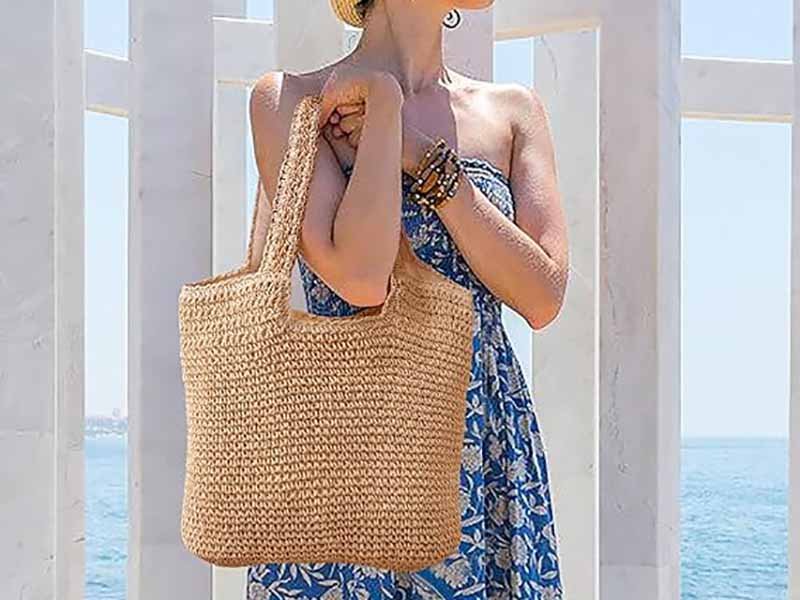
Beach bags look simple—but choosing the wrong one can quietly ruin an entire beach day.
A bag that’s too small forces you to leave essentials behind. One without structure collapses under wet towels. Open totes let sand creep into everything you own. And a “fashion-only” straw bag may look great in photos but fail the moment sunscreen leaks or waves splash too close. Most people don’t realize how many functional differences exist between beach bag types until they’ve made a few painful mistakes.
Today’s beach bags are no longer just oversized totes. They’re designed for specific beach behaviors—family trips, water sports, travel days, quick swims, or full-day lounging. Materials, closures, compartments, insulation, and carry comfort all play a role. For brands and sellers, the choice goes even deeper: the right beach bag design can define usability, customer satisfaction, and repeat purchases. Different types of beach bags include canvas totes, straw and woven bags, mesh bags, waterproof dry bags, and insulated cooler bags. Each type serves a different purpose, from carrying towels and sunscreen to protecting valuables from water or keeping drinks cold. The best beach bag depends on how you use the beach, how long you stay, and whether protection, organization, or style matters most.
Understanding these differences isn’t about fashion—it’s about function. And once you see how beach bags are actually used in real life, choosing the right one becomes much easier. Let’s break it down.
What Is a Beach Bag

A beach bag is a purpose-designed carry bag made specifically for beach and coastal environments. Unlike regular totes or handbags, a beach bag is built to handle sand, moisture, sun exposure, and bulky items such as towels, swimwear, sunscreen, and drinks. It typically features larger capacity, durable or water-resistant materials, easy-clean construction, and structures that prioritize comfort and practicality during outdoor use.
What a Beach Bag Really Is — and Why It’s Different
At a surface level, a beach bag looks like a large tote. In practice, it serves a completely different role.
A beach bag is not designed for offices, shopping malls, or daily commuting. It is engineered for an environment that is physically hostile to most bags: abrasive sand, saltwater, UV radiation, humidity, and unpredictable movement between water and land. Every design choice—material, size, closure, stitching, and structure—exists to solve problems that occur specifically at the beach.
The first defining characteristic of a beach bag is capacity. A typical beach outing requires far more volume than everyday activities. Towels alone take up significant space, and once you add sunscreen, water bottles, sunglasses, snacks, spare clothes, electronics, and sometimes children’s items or toys, a standard handbag becomes impractical. Most beach bags are intentionally oversized, often ranging from 25 to 40 liters, to prevent overstuffing and distortion.
The second defining feature is material behavior. Beach bags are expected to get dirty, wet, and exposed to sunlight repeatedly. For this reason, they often use canvas, coated fabrics, mesh, PVC, TPU, or woven synthetics rather than delicate textiles or leather. These materials are chosen because they dry faster, resist salt corrosion, and can be shaken out or wiped clean without damage.
Another key difference lies in structure and usability. Beach bags are frequently dropped on sand, leaned against chairs, overfilled, or carried for long distances. As a result, they often include reinforced handles, wide straps for weight distribution, stronger stitching at stress points, and bottoms that resist sagging. Many designs also prioritize wide openings for fast access, because users are constantly taking items in and out.
Finally, a true beach bag is designed around real beach behavior, not ideal conditions. People open bags with wet hands. They forget to close them fully. They rinse bags with water after use. A good beach bag forgives these habits instead of punishing them with damage, stains, or premature wear.
Beach Bags vs Everyday Tote Bags — What’s the Real Difference?
Many people bring ordinary tote bags to the beach and only realize the difference after something goes wrong.
Everyday totes are usually designed for dry, controlled environments. Their fabrics may absorb water, trap sand deep in the fibers, or weaken under UV exposure. Handles are often stitched for light loads, not wet towels and bottles. Once sand enters the seams or lining, it becomes difficult to remove completely, leading to long-term wear and odor issues.
Beach bags, by contrast, are intentionally built for abuse. Stitching density is higher. Stress areas are reinforced. Materials are selected for outdoor durability rather than softness alone. Even small design details—such as mesh panels for drainage, coated interiors, or corrosion-resistant hardware—dramatically affect how the bag performs over time.
In simple terms: An everyday tote carries items. A beach bag manages an environment.
That distinction is why purpose-built beach bags last longer, feel easier to use, and consistently deliver better user experiences—especially for frequent beachgoers or families.
Which Beach Bag Types Are Most Popular

The most popular beach bag types include canvas beach totes, mesh beach bags, waterproof dry bags, straw or woven beach bags, and insulated cooler bags. Each type serves a different purpose: canvas totes offer versatility and capacity, mesh bags handle sand and wet items well, waterproof bags protect valuables, woven bags focus on style, and insulated bags keep food and drinks cold during long beach days.
Why Certain Beach Bag Types Dominate the Market
Beach bag popularity is not driven by trends alone—it is shaped by how people actually use the beach. Over time, certain bag designs consistently outperform others because they solve the most common beach-related problems: carrying bulky items, managing sand and water, protecting valuables, and staying comfortable during long outdoor stays.
Instead of thinking about popularity as “what looks good,” it’s more accurate to think of it as what survives repeated beach use without frustrating the user. Below are the beach bag types that continue to dominate global markets, both for individual users and for brands developing reliable beach collections.
Canvas Beach Tote Bags
Canvas beach totes are the most widely used and universally accepted beach bag type.
Their popularity comes from balance. Canvas provides enough strength to carry towels, bottles, and accessories while remaining flexible, breathable, and easy to fold or store. Large openings make loading and unloading quick, which is essential when hands are wet or sandy.
Modern canvas beach totes often include:
- Inner linings or coatings to resist moisture
- Reinforced handles for heavier loads
- Interior pockets for organization
For brands, canvas totes are also highly customizable. They accept printing, embroidery, woven labels, and recycled material options, making them ideal for custom, private label, and OEM beach bag programs.
Canvas totes work best for full-day beach trips, families, casual travel, and multipurpose use.
Mesh & String Beach Bags
Mesh beach bags are popular because they solve the sand problem structurally.
Instead of trapping sand, mesh allows it to fall through. Water drains quickly, and airflow prevents damp odors. These bags are especially common among swimmers, surfers, and families with children who move frequently between water and shore.
Mesh bags are best for:
- Wet swimsuits and towels
- Beach toys and snorkeling gear
- Short, active beach sessions
However, mesh bags provide little protection for valuables. As a result, many users pair them with waterproof pouches or zippered inner bags. From a design standpoint, durability depends on reinforced edges, strong stitching, and abrasion-resistant mesh materials.
Waterproof & Dry Beach Bags
Waterproof and dry bags are popular where protection matters more than convenience.
These bags are built to keep contents dry even when exposed to splashes, rain, or brief submersion. They typically use roll-top closures and welded seams with PVC or TPU materials.
They are most popular among:
- Water sports participants
- Boat and paddleboard users
- Travelers carrying electronics or documents
While dry bags excel at protection, they are slower to access and usually lack internal organization. Many modern designs now blend waterproof materials with tote-style structures to improve everyday usability.
Straw & Woven Beach Bags
Straw and woven beach bags remain popular because they signal vacation and lifestyle appeal.
These bags are commonly used for light beach outings, resort settings, and short visits where style is prioritized over heavy-duty performance. They are lightweight and visually distinctive but less tolerant of moisture, sand buildup, and overloading.
To improve functionality, many brands now add:
- Fabric linings
- Reinforced bases
- Hybrid woven–fabric constructions
Woven beach bags work best as style-focused accessories, not all-purpose carriers.
Insulated & Cooler Beach Bags
Insulated beach bags are popular for long beach days where food and drinks matter.
They include thermal linings that help maintain temperature for several hours, making them ideal for families, group outings, and picnics. Many also feature waterproof outer layers to manage condensation.
Their downsides include added weight and bulk, but for users who stay at the beach for extended periods, insulation becomes a clear advantage. Successful designs balance insulation thickness with usable storage space.
How to Choose the Right Beach Bag for Your Needs

To choose the right beach bag, start with your beach scenario (family day, swimming, travel, water sports, or short resort visit). Then match the bag type to key needs: capacity (liters), material (quick-dry vs waterproof), closure (zipper vs open-top), carry comfort (strap width/length), and organization (pockets, wet/dry separation). The best beach bag is the one that keeps sand out, valuables safe, and essentials easy to reach.
A Practical Decision Framework (Built for Real Beach Use)
Most people buy a beach bag based on looks or size, then discover the hidden issues later: sand gets everywhere, wet towels soak the lining, handles hurt after a 10-minute walk, or the bag tips over and spills sunscreen into everything. The fix is simple: choose based on use-case first, then validate details like closure, materials, and internal structure.
Think of beach bag selection as a checklist with five layers: Scenario → Capacity → Protection → Comfort → Organization. If you follow the order, you’ll usually end up with a bag that feels “easy” on the beach—because it matches your behavior.
What Type of Bag Should You Bring to the Beach? (Match Bag Type to Scenario)
Start here: What will you actually do at the beach? That one question usually narrows the options fast.
- Full-day lounging / family beach day: Choose a large canvas tote or structured beach tote with a reinforced base. You need volume for towels, spare clothes, snacks, and “extra things” that always appear when kids are involved.
- Swimming-focused / active beach time: Choose a mesh beach bag or mesh tote + waterproof pouch combo. Mesh drains water and doesn’t trap sand, which is exactly what swimmers need.
- Water sports / boating / unpredictable splashes: Choose a waterproof dry bag (TPU or PVC) with roll-top closure. This is the safest choice for phone, wallet, passports, and keys.
- Resort / short beach visit / style-first outings: Choose a straw or woven beach bag, ideally with a lining and reinforced base if you want it to last.
- Long stay with food and drinks: Choose an insulated cooler beach bag or a tote with a separate insulated compartment.
If your beach use is mixed (very common), the best answer is often a hybrid tote: canvas outer + wipe-clean lining + zip top + pockets.
What Size Beach Bag Do You Need? (Capacity That Actually Fits Real Gear)
A “big bag” can still be the wrong size if it’s the wrong shape. Instead of guessing, estimate by what you carry:
- Solo beach visit (2–3 hours): usually 15–25L is enough
- Couple or half-day trip: typically 20–30L
- Family beach day / all-day stay: often 30–45L
A practical test: if your bag can fit two rolled towels + a water bottle + sunscreen pouch + a small zipper pouch + flip-flops without forcing the zipper, it’s in a safe range.
Also consider bag opening width. Some bags are tall but narrow, which makes packing annoying. A beach bag should be easy to load with one hand while the other holds a towel or a child’s hand.
Is It Better to Get a Zippered Beach Bag? (Zipper vs Open-Top Logic)
In most real situations, a zippered beach bag is the safer and cleaner option—especially if you carry valuables.
Zipper advantages:
- reduces sand blow-in on windy days
- prevents items from falling out when the bag tips
- improves security in crowds and during travel
- protects phones and wallets from accidental splashes
When open-top is better:
- quick access matters more than protection
- you’re packing oversized items (big towels, umbrella)
- you’re using the bag mainly for dry goods
Best compromise designs include:
- wide zipper opening + internal pockets
- magnetic snap + inner zipper pocket
- drawstring liner inside a tote
For premium performance, zipper durability matters: corrosion-resistant pulls, nylon coil zippers, and reinforced zipper seams handle salt air better.
Which Material Should You Choose? (Quick-Dry vs Waterproof vs Easy-Clean)
Material choice should be driven by what you hate dealing with most: wetness, sand, stains, or weight.
- If you hate wet odor and trapped sand → choose mesh or breathable canvas with drainage-friendly design
- If you need full protection for valuables → choose TPU/PVC waterproof and sealed seams (dry bag style)
- If you want easy cleanup → choose coated fabrics or totes with wipe-clean linings
- If you want lightweight carry → avoid heavy insulation unless you need it
A smart beach bag is often mixed-material: canvas for style + coated interior for easy cleaning, or mesh panels for drainage.
How Do Pockets and Wet/Dry Separation Change Usability?
This is where “good enough” becomes “great.”
A beach bag feels premium when it keeps items separated by reality:
- Wet zone: swimsuit, towel, snorkel gear
- Dry zone: phone, wallet, keys, sunglasses
- Fast-access zone: sunscreen, lip balm, tissues
- Sand zone: flip-flops, beach toys
The most useful beach bag layouts typically include:
- one large main compartment
- one waterproof inner pocket (zippered)
- one external slip pocket for quick grabs
- optional separate wet compartment or detachable pouch
For brands, this is a high-impact upgrade that improves reviews without drastically increasing material cost.
What Features Matter Most for Carry Comfort? (Handles, Straps, and Load Feel)
Comfort is often overlooked until it’s too late.
Look for:
- wide straps (distribute weight better)
- long enough handle drop to fit over the shoulder
- reinforced handle anchors and cross-stitching
- a structured base (reduces sagging and shoulder strain)
If you walk far to the beach (parking lots, resorts, boardwalks), comfort becomes as important as capacity.
Quick Decision Table
| Your Scenario | Best Bag Type | Must-Have Features |
|---|---|---|
| Family all-day beach | Canvas/structured tote | Large capacity, reinforced base, pockets |
| Swim-heavy day | Mesh bag | Drainage, quick-dry, lightweight |
| Water sports / boating | Waterproof dry bag | Roll-top closure, waterproof seams |
| Resort / short trip | Straw/woven | Lining, reinforced bottom |
| Food + drinks | Insulated cooler bag | Thermal lining, leak-resistant interior |
| Mixed use | Hybrid tote | Zip top + wipe-clean lining + organizer pockets |
Do Materials Matter for Beach Bag Durability

Yes, materials play a critical role in beach bag durability. Sand abrasion, saltwater corrosion, UV exposure, and moisture quickly damage unsuitable fabrics. Durable beach bags use materials such as canvas, mesh, coated fabrics, TPU, or PVC, often in combination. The right material choice determines how long the bag lasts, how easy it is to clean, and whether it maintains its shape and function after repeated beach use.
Why Beach Bags Fail (or Last) Based on Material Choice
Many beach bags don’t fail because of poor design—they fail because the materials were never meant for beach conditions.
A beach environment exposes bags to four major stress factors simultaneously: abrasion (sand), moisture, salt, and ultraviolet light. Materials that perform well indoors or in daily city use often degrade rapidly under these conditions. Understanding how materials behave at the beach explains why some bags last years while others look worn after a single season.
Durability, in this context, is not just about how strong a fabric feels in your hand. It’s about how the material reacts over time, after dozens of beach trips, repeated loading, and exposure to harsh elements.
How Sand Abrasion Affects Beach Bag Materials
Sand is one of the most underestimated durability killers.
Each grain acts like a tiny abrasive. When bags are placed on sand, dragged slightly, or shaken out, friction occurs at the fabric surface and seams. Soft or loosely woven materials trap sand inside the fibers, where it continues to grind against the structure during movement.
Materials like mesh, tightly woven canvas, and coated fabrics perform better because sand either falls through (mesh) or stays on the surface where it can be brushed off. Delicate fabrics, fuzzy textiles, or untreated linings tend to trap sand permanently, leading to thinning fabric and weakened seams over time.
For beach bags, surface behavior matters as much as tensile strength.
How Saltwater and Moisture Degrade Fabrics and Hardware
Saltwater is more aggressive than freshwater. When it dries, salt crystals remain inside fibers, seams, and hardware, accelerating wear.
- Absorbent fabrics hold moisture longer, increasing odor and mildew risk
- Metal hardware corrodes faster without protective coatings
- Low-quality coatings peel or crack after repeated wet–dry cycles
This is why durable beach bags often use synthetic fibers (polyester, nylon), coated interiors, and corrosion-resistant zipper pulls. Waterproof materials like TPU and PVC completely block moisture penetration, but even breathable materials can perform well if they dry quickly and are properly finished.
A key durability indicator is not whether a bag gets wet—but how fast it dries and how well it recovers afterward.
UV Exposure and Sun Damage — The Silent Material Killer
Sunlight causes gradual but irreversible damage to many materials.
UV radiation breaks down fibers, fades colors, and weakens coatings. This is why some beach bags lose color or become brittle after one summer. Materials without UV stabilizers or proper dye processes age much faster in beach environments.
High-quality beach bag materials are:
- solution-dyed or colorfast
- treated for UV resistance
- less prone to surface cracking
Canvas blends, synthetic meshes, and coated fabrics generally resist UV better than untreated natural fibers. For brands, UV performance is especially important for light-colored or brightly colored beach bags that spend hours in direct sunlight.
Comparing Common Beach Bag Materials (What Actually Works)
Not all “durable” materials perform the same way at the beach.
| Material | Durability Profile | Real Strengths | Common Weaknesses | Best Use |
|---|---|---|---|---|
| Canvas (cotton/poly) | Medium–High | Strong, breathable, easy branding | Absorbs water if uncoated | Daily beach totes |
| Mesh (poly/nylon) | High (in wet use) | Drains sand & water | Low protection | Swim & gear bags |
| Coated fabrics | High | Easy clean, structured | Coating quality varies | Structured totes |
| PVC | Very High | Fully waterproof | Heavier, less eco-friendly | Dry & cooler bags |
| TPU | Very High | Waterproof, flexible | Higher cost | Premium waterproof bags |
| Straw/Raffia | Low–Medium | Lightweight, stylish | Moisture & abrasion sensitive | Style-focused bags |
The most durable beach bags often use hybrid constructions, such as canvas exteriors with coated linings, or mesh panels combined with solid fabric bases.
Lightweight vs Heavy-Duty — Which Lasts Longer?
Heavier does not always mean more durable.
Overbuilt bags can feel uncomfortable, sag under weight, or stress handles. Lightweight bags, when engineered correctly, can last just as long if stress points are reinforced.
Durability is driven more by:
- stitch density and thread quality
- reinforcement at handles and corners
- fabric behavior under repeated load
A well-designed medium-weight beach bag often outperforms a poorly constructed heavy one.
How to Tell If a Beach Bag Is Built to Last
Before choosing or developing a beach bag, check:
- Does the fabric trap sand or release it easily?
- Does the lining wipe clean after sunscreen spills?
- Are stress points reinforced (handles, zipper ends)?
- Do zippers and hardware resist corrosion?
- Does the bag keep its shape after loading?
If the answer to most of these is “yes,” the material choice is doing its job.
Is Custom or Private Label Beach Bag Worth It
Yes, custom or private label beach bags are worth it for brands that want differentiation, better user experience, and stronger long-term value. Compared to generic bags, custom beach bags allow control over size, materials, structure, and branding, which directly improves usability, customer satisfaction, and perceived quality. For e-commerce and mid-to-high-end brands, customization often leads to higher margins and fewer product complaints.
When Custom Beach Bags Make Sense—and When They Don’t
The real question is not “Is custom worth it?” The real question is “At what stage does generic stop working?”
Generic beach bags are easy to launch but hard to scale. They compete almost entirely on price and appearance. As soon as multiple sellers offer similar-looking products, differentiation disappears, margins shrink, and reviews become the battleground.
Custom or private label beach bags change the game by shifting competition from price → experience.
Why Generic Beach Bags Eventually Hit a Ceiling
Off-the-shelf beach bags are designed to be acceptable for everyone—and perfect for no one.
Common limitations of generic bags include:
- awkward sizing that doesn’t match real beach use
- weak handles or corners that fail under wet load
- poor internal layout (everything mixes together)
- materials chosen for cost, not durability
- no brand memory beyond a logo patch
These issues don’t always show up immediately, but they surface in reviews: “Nice but flimsy,” “Looks good but sand gets everywhere,” “Not worth the price.”
Once a brand reaches this point, customization is no longer optional—it’s strategic.
What Custom or Private Label Actually Means (In Practical Terms)
Customization is not just about adding a logo.
In beach bag development, private label or OEM/ODM customization typically includes:
- adjusting bag size and proportions to fit towels, bottles, and gear
- selecting materials that match beach behavior (quick-dry, waterproof, easy-clean)
- choosing closure systems (zip, snap, drawstring, roll-top)
- engineering handle width, length, and reinforcement
- designing pocket layouts for wet/dry separation
- controlling color consistency and branding placement
These decisions directly affect how the bag feels after repeated use—not just how it looks on day one.
How Custom Beach Bags Improve Customer Experience
Custom beach bags solve the small frustrations that users remember.
Examples:
- A slightly wider opening makes packing towels easier
- A waterproof inner pocket prevents phone damage
- A reinforced base keeps the bag upright on sand
- Better strap geometry reduces shoulder strain
Individually, these changes seem minor. Together, they transform the product from “okay” to “this bag just works.”
This is why customized beach bags tend to generate:
- higher average ratings
- more detailed positive reviews
- lower return rates
Is Custom Beach Bag Worth It for Small or Growing Brands?
Yes—if done correctly.
Modern OEM/ODM manufacturing (especially with low-MOQ partners) allows brands to customize without massive inventory risk. Instead of launching 10 generic SKUs, brands can launch 2–3 well-designed custom models that better match their audience.
Customization is particularly valuable for:
- Amazon / DTC brands seeking differentiation
- lifestyle and resort brands
- sustainable or premium-positioned brands
- brands expanding from accessories into beach products
The key is engineering-first customization, not cosmetic changes only.
Private Label vs OEM vs ODM — Which One Fits Best?
Understanding the difference matters:
- Private Label: Existing design + your branding; fastest to market
- OEM: You provide the design; factory manufactures to spec
- ODM: Factory co-develops the design based on your goals
For beach bags, ODM is often the most efficient because it leverages factory experience in materials, structure, and failure points—while still delivering a unique product.
Cost vs Value — Why Custom Is Often More Profitable Long-Term
Custom beach bags may cost slightly more per unit, but they often:
- command higher retail prices
- reduce negative reviews and replacements
- strengthen brand identity
- increase repeat purchase likelihood
In many cases, the lifetime value of a custom product far exceeds the initial cost difference.
When Custom Beach Bags Are NOT Worth It
Customization may not be ideal if:
- you are testing a market with no clear audience
- your volume is extremely low and timeline urgent
- your brand strategy relies only on price competition
In these cases, private label can be a temporary step—but it should not be the end goal.
FAQs: Beach Bag Questions People Ask
What Size Beach Bag Do I Need?
Short answer: Most people need a beach bag between 25 and 35 liters for a comfortable beach day.
Detailed explanation: The right size depends on how long you stay and how many people share the bag. A solo beach trip with a towel, sunscreen, water bottle, and small personal items usually fits into a 20–25L bag. A couple or half-day trip often needs 25–30L. Family beach days or all-day stays usually require 30–45L to fit multiple towels, snacks, spare clothes, and toys. A good test is whether the bag fits two rolled towels without forcing the opening or distorting the shape.
Are Zippered Beach Bags Better Than Open Tote Bags?
Short answer: Yes, zippered beach bags are generally better for protection and security.
Detailed explanation: Zippered beach bags help keep sand out, prevent items from falling when the bag tips over, and protect valuables from splashes or crowds. They are especially useful if you carry phones, wallets, keys, or cosmetics. Open-top totes can be more convenient for quick access or oversized items, but they offer little protection in windy or busy beach environments. Many people prefer hybrid designs with a wide zipper opening or inner zip pockets for the best balance.
How Do I Keep Sand Out of My Beach Bag?
Short answer: Choose the right materials and separate wet and dry items.
Detailed explanation: Mesh beach bags allow sand to fall through instead of collecting inside, making them ideal for towels and swim gear. For solid-fabric bags, zip closures and smooth linings help block sand entry and make cleaning easier. Using small pouches to separate sandals, toys, and valuables also reduces sand spread. Shaking the bag before packing and avoiding fuzzy linings significantly improves long-term cleanliness.
Are Waterproof Beach Bags Really Necessary?
Short answer: Waterproof beach bags are necessary only if you need full protection for valuables.
Detailed explanation: If your beach time includes swimming, boating, paddleboarding, or unpredictable splashes, waterproof or dry bags are the safest option for phones, wallets, and documents. For casual beach lounging, a water-resistant tote with a waterproof inner pocket is often enough. Fully waterproof bags provide maximum protection but sacrifice fast access and internal organization, so they are best used when water exposure is frequent.
What Is the Best Material for a Beach Bag?
Short answer: The best material depends on how you use the beach.
Detailed explanation: Canvas works well for everyday beach use due to its strength and breathability, especially when paired with a coated lining. Mesh is best for wet and sandy items because it dries quickly. TPU and PVC offer full waterproof protection and are ideal for water sports. Straw and woven materials are popular for style but are less durable in wet or sandy conditions. Many high-quality beach bags combine multiple materials for balanced performance.
Can I Use a Regular Tote Bag as a Beach Bag?
Short answer: You can, but it usually performs poorly over time.
Detailed explanation: Regular tote bags are designed for dry, urban environments. They often absorb moisture, trap sand in the fibers, and wear out quickly under sun and salt exposure. Handles and seams may not support the heavier loads typical of beach use. While a regular tote may work occasionally, a purpose-built beach bag lasts longer, stays cleaner, and feels easier to use.
How Do I Clean and Maintain a Beach Bag?
Short answer: Shake out sand, rinse gently, and let the bag air dry fully.
Detailed explanation: After each beach trip, empty the bag completely and shake out sand. For canvas or coated bags, wipe the interior with a damp cloth. Mesh bags can be rinsed with clean water. Avoid harsh detergents unless the manufacturer recommends washing. Always air dry fully before storage to prevent odor and mildew. Proper drying extends the life of the bag significantly.
Are Beach Bags Suitable for Travel or Everyday Use?
Short answer: Yes, many beach bags double as travel or daily carry bags.
Detailed explanation: Large canvas or structured beach totes work well as carry-on bags, shopping totes, or gym bags. Zipper closures and internal pockets make them more versatile beyond the beach. Waterproof and mesh bags are more specialized but still useful for outdoor activities. Many people choose beach bags specifically because they are durable, spacious, and easy to clean.
What Features Matter Most in a High-Quality Beach Bag?
Short answer: Durable materials, strong stitching, comfortable straps, and smart organization.
Detailed explanation: A high-quality beach bag should have reinforced handles, strong stitching at stress points, materials that handle sand and moisture, and a layout that separates wet and dry items. Wide straps improve comfort when carrying heavy loads, and zip or hybrid closures add protection. These features matter more than appearance alone for long-term satisfaction.
Why Do Custom or Private Label Beach Bags Often Perform Better?
Short answer: They are designed around real user behavior, not generic assumptions.
Detailed explanation: Custom and private label beach bags allow brands to adjust size, materials, structure, and pocket layout based on actual customer needs. This leads to better usability, fewer complaints, and stronger brand loyalty. Thoughtful customization often improves performance more than adding decorative elements.
Conclusion
Lovrix is a China-based manufacturing group with 19+ years of experience in fabric development, webbing engineering, and bag production. We operate dedicated fabric factories, webbing factories, and bag factories, allowing full control from material sourcing to finished products.
If you’re planning to develop or upgrade your beach bag collection, share your idea with Lovrix. Our team will help you turn real beach use into products customers trust—and buy again.
Contact Lovrix today to start your custom beach bag project.


