 Skip to content
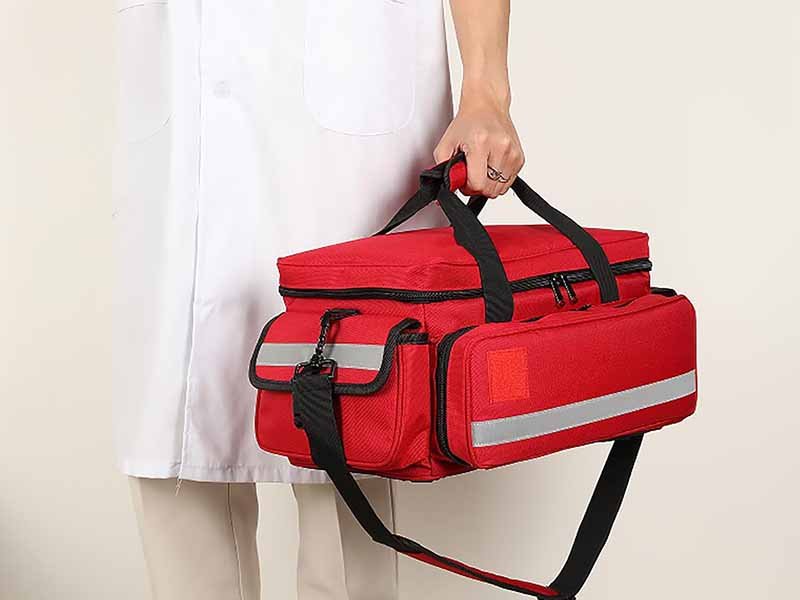
In healthcare, tools matter—but how those tools are carried, protected, and accessed matters just as much. A medical bag is not simply a container. It is a mobile workspace, a safety system, and often the first line of response between a healthcare professional and a patient. From emergency responders racing against time, to doctors making home visits, to nurses managing daily clinical routines, the medical bag plays a role that is far more critical than most people realize.
Yet many people still picture a medical bag as an old-fashioned leather doctor’s case. Others confuse it with generic backpacks or first aid kits. In reality, modern medical bags have evolved dramatically. They are engineered around workflow efficiency, infection control, durability, and organization, and they vary widely depending on who uses them and in what environment.
A medical bag is a specialized bag designed to carry, organize, and protect medical tools, supplies, and equipment for healthcare use. It is used by doctors, nurses, EMS personnel, and caregivers in hospitals, clinics, emergency settings, and home care. Medical bags are built with durable, easy-to-clean materials and structured compartments to support fast access, hygiene, and safety.
What makes this topic especially relevant today is the rise of mobile healthcare, home visits, emergency preparedness, and private medical services. As healthcare moves beyond fixed hospital rooms, the medical bag becomes a portable extension of professional care. To understand its real value, we need to look beyond appearances and examine how medical bags are defined, used, designed, and chosen.
Let’s start with the fundamentals.
What is a medical bag

A medical bag is a purpose-designed bag used to carry, organize, and protect medical tools, instruments, and supplies for healthcare work. It is used by doctors, nurses, EMS personnel, and caregivers in hospitals, emergency response, home visits, and mobile care. Unlike regular bags, medical bags are built with structured compartments, durable and easy-to-clean materials, and layouts optimized for medical workflows and hygiene.
A medical bag is not just storage — it is a mobile care system
At a practical level, a medical bag functions as a portable medical workstation. It allows healthcare professionals to bring essential tools directly to the patient, whether that patient is in an ambulance, a rural home, a clinic hallway, or a disaster zone.
A well-designed medical bag supports:
- Fast access to critical supplies
- Logical separation of tools and consumables
- Protection of sensitive instruments
- Safe, hygienic handling in non-sterile environments
In many scenarios, especially emergency and home care, the medical bag is the treatment room.
What makes a bag a “medical” bag rather than a normal bag?
A medical bag is defined by function and design intent, not by appearance.
Key differences from ordinary backpacks or totes include:
- Structured interiors that prevent items from shifting
- Dedicated compartments for different medical categories
- Materials compatible with disinfection
- Reinforced construction to protect equipment
A regular bag can carry medical items, but it does not support medical work efficiently or safely. Medical bags are designed around how care is delivered, not how the bag looks.
Who uses medical bags today?
Medical bags are still widely used, though the users and designs have expanded.
Common users include:
- Doctors making home or concierge visits
- Nurses and mobile healthcare teams
- EMS and first responders
- Community health workers
- Caregivers managing long-term or chronic conditions
While the classic leather doctor bag still exists, modern medical bags now include backpacks, modular kits, and technical soft cases designed for specific roles.
What items are typically carried in a medical bag?
Contents vary by profession, but most medical bags carry a combination of:
- Diagnostic tools (stethoscopes, blood pressure cuffs, thermometers)
- Consumables (gloves, gauze, bandages)
- Medications and syringes
- Small medical devices
- Documentation or digital tools
The internal design of the bag ensures these items are easy to find, secure, and separated to reduce errors and contamination.
Why are medical bags still important in modern healthcare?
Despite advances in hospitals and clinics, healthcare is increasingly mobile.
Trends driving continued demand include:
- Home healthcare and aging populations
- Emergency medical services growth
- Private and concierge medical care
- Remote and rural healthcare access
In all these settings, medical bags enable professionals to deliver care efficiently without fixed infrastructure. Their importance has increased—not decreased—in modern healthcare systems.
Are medical bags considered medical devices?
In most markets, medical bags are classified as medical accessories, not medical devices. However, they must still meet expectations for:
- Material safety
- Durability and performance
- Hygiene compatibility
This is why professional buyers evaluate medical bags with nearly the same seriousness as medical equipment itself.
Which types of medical bags are there

There are several main types of medical bags, categorized by user and application. The most common include EMS and first responder bags, doctor and physician bags, nursing and clinical bags, home-care medical bags, first aid and trauma bags, and specialized medical equipment bags. Each type is designed with different layouts, materials, and capacities to support specific medical workflows and environments.
EMS & First Responder Medical Bags
EMS (Emergency Medical Services) bags are designed for high-pressure, unpredictable environments. They prioritize speed, visibility, and durability.
Typical features include:
- Bright colors (red, orange) for quick identification
- Modular internal panels for trauma, airway, or medication kits
- Heavy-duty fabrics with waterproof coatings
- Reinforced handles and shoulder straps
These bags are used by paramedics, firefighters, and disaster response teams. Organization is critical—every second counts, and supplies must be accessed without hesitation.
Doctor Bags (Physician Bags)
Doctor bags are traditionally associated with physicians making house calls, but modern versions are far more technical.
Key characteristics:
- Structured shape to protect instruments
- Professional appearance for patient-facing visits
- Organized interior compartments for diagnostics and medications
While classic leather doctor bags are still used, many modern physician bags now incorporate technical fabrics and lightweight construction to improve comfort and hygiene.
Nursing & Clinical Medical Bags
Nursing and clinical bags are commonly used inside hospitals, clinics, and outpatient facilities.
They focus on:
- Clear compartment separation
- Easy-to-clean surfaces
- Moderate capacity for daily medical tasks
These bags are designed for repeated daily use and frequent cleaning. Comfort and organization matter more than extreme ruggedness.
Home Care & Visiting Nurse Medical Bags
Home-care medical bags support nurses, caregivers, and healthcare professionals providing treatment outside hospitals.
Key design priorities include:
- Portability and ergonomic carrying
- Organized but flexible interiors
- Professional yet non-intimidating appearance
As home healthcare grows globally, this category has become one of the fastest-expanding segments in medical bags.
First Aid & Trauma Bags
First aid and trauma bags are often used in workplaces, schools, vehicles, and public spaces.
They typically feature:
- Compact size
- Clearly labeled compartments
- Fast-access zip systems
These bags may not be used daily, but they must perform reliably in emergencies. Visibility and simplicity are essential.
Specialized Medical Equipment Bags
Some medical bags are designed for specific devices or medical specialties, such as:
- Diagnostic equipment bags
- Oxygen or respiratory equipment bags
- Dental or veterinary medical bags
These bags are often custom-developed to match exact equipment dimensions and protection requirements. Customization is especially common in this category.
Medical Bag Types at a Glance
| Medical Bag Type | Typical Users | Key Focus |
|---|---|---|
| EMS / First Responder Bag | Paramedics, firefighters | Speed & durability |
| Doctor Bag | Physicians | Professional care delivery |
| Nursing / Clinical Bag | Nurses, technicians | Organization & hygiene |
| Home Care Bag | Visiting nurses, caregivers | Portability & comfort |
| First Aid / Trauma Bag | Schools, workplaces | Emergency readiness |
| Equipment-Specific Bag | Specialists | Protection & fit |
How are medical bags designed for organization

Medical bags are designed for organization by aligning their internal layout with medical workflows. Structured compartments, elastic loops, removable dividers, and modular panels allow medical professionals to quickly locate supplies, separate tools from consumables, and reduce errors. The goal is fast access, clear visibility, and safe handling in both routine and emergency medical situations.
Organization follows workflow, not aesthetics
Unlike everyday bags, medical bags are not organized randomly. Their layout is usually based on the sequence of medical actions.
For example, in an emergency response bag:
- Airway tools are positioned for immediate access
- Bleeding control supplies are grouped together
- Medications are stored in secured, clearly marked sections
This workflow-driven design reduces hesitation and cognitive load under pressure. A visually attractive bag that ignores workflow can actually slow medical response.
Structured compartments prevent chaos and contamination
One of the defining features of medical bags is structure.
Structured compartments:
- Prevent items from shifting during movement
- Protect fragile instruments
- Keep clean and used items separated
Without structure, supplies mix together, increasing the risk of contamination and damage. That is why professional medical bags often feel firmer than casual backpacks—they are engineered to maintain order even when the bag is opened vertically or carried quickly.
Elastic loops and tool holders support precision and safety
Elastic loops are widely used for syringes, scissors, forceps, and diagnostic tools.
Their purpose is not just storage, but:
- Preventing tools from rolling or falling
- Allowing one-handed access
- Keeping sharp instruments secure
Good loop design balances grip and flexibility. Loops that are too tight slow access; loops that are too loose create safety risks. This level of detail is often overlooked by non-medical bag designers.
Modular and removable systems improve adaptability
Many modern medical bags use modular panels or removable pouches.
Advantages include:
- Customizing layouts for different protocols
- Isolating contaminated supplies
- Using one bag for multiple medical roles
For EMS teams, modular systems allow rapid deployment of specific kits. For home-care providers, they simplify daily organization. Modularity also supports customization for private label and OEM projects.
Visibility and labeling reduce mistakes
Clear visibility is critical in medical environments.
Medical bags often include:
- Mesh or transparent pockets
- Color-coded compartments
- Label windows
These features help professionals identify contents instantly, even under stress or low light. Reduced search time directly improves care efficiency and safety.
Weight distribution and access angles matter
Organization is not just internal—it affects ergonomics.
Well-designed medical bags:
- Distribute weight evenly
- Allow access without fully unpacking
- Remain stable when opened
Poorly balanced bags cause fatigue and slow down work. This is especially important for professionals carrying bags throughout long shifts.
What standards and certifications matter for medical bags

Medical bags are usually classified as medical accessories, not medical devices, but they must still meet important safety, material, and quality standards. Key certifications include ISO 9001 for quality management, material safety compliance (such as REACH and RoHS), durability and performance testing, and hygiene-related requirements. For hospital or institutional buyers, documented testing and traceability often matter more than formal device certification.
Medical bags are accessories — but expectations are still high
In most markets, medical bags are not regulated as medical devices. They do not diagnose, treat, or monitor patients directly. However, this does not mean standards are optional.
Hospitals, EMS organizations, and professional buyers treat medical bags as critical-use accessories. These bags carry sterile tools, medications, and sensitive equipment. If a bag fails—tears, contaminates supplies, or cannot be cleaned properly—it creates real risk.
As a result, buyers focus less on device registration and more on:
- Material safety
- Manufacturing quality systems
- Performance reliability
- Consistency across production batches
Understanding this distinction is key to sourcing correctly.
ISO 9001: Why quality management matters more than logos
ISO 9001 is one of the most commonly requested certifications for medical bag manufacturers.
What it actually proves:
- The factory follows standardized production processes
- Quality is monitored, recorded, and corrected systematically
- Sampling and bulk production follow controlled procedures
For buyers, ISO 9001 reduces risk. It does not guarantee a perfect product—but it significantly lowers the chance of inconsistent quality, undocumented changes, or uncontrolled subcontracting.
In OEM/ODM medical bag projects, ISO-certified factories are often preferred by hospitals and international brands.
Material safety standards: What your medical bag must comply with
Because medical bags come into frequent contact with hands, gloves, and sometimes fluids, material safety is critical.
Common material compliance expectations include:
- REACH (EU chemical safety regulation)
- RoHS (restriction of hazardous substances)
- Non-toxic dyes and coatings
- No harmful heavy metals or restricted chemicals
Even if a medical bag is not a regulated device, many hospital procurement departments will still request material compliance declarations. Failure to provide them can block orders entirely.
Hygiene and cleanability requirements (often undocumented, but essential)
There is no single global “medical bag hygiene certificate,” but buyers expect materials to support infection control practices.
Key expectations include:
- Surfaces resistant to alcohol and disinfectants
- Linings that do not absorb moisture
- Fabrics that resist odor buildup
- Construction that avoids dirt-trapping seams
These requirements are often verified through material selection, testing, and real-use evaluation, rather than formal certificates. Experienced suppliers design medical bags specifically to tolerate repeated cleaning cycles without degradation.
Performance and durability testing that actually matters
Medical bags are subjected to heavy use. Buyers should focus on performance testing, not just labels.
Common tests include:
- Abrasion resistance (fabric lifespan)
- Tear strength (handles, straps, seams)
- Zipper cycle testing
- Water resistance or splash resistance
These tests help ensure the bag performs reliably over time. A bag that looks compliant on paper but fails after months of use damages brand trust and increases replacement costs.
CE, FDA, and medical device regulations: When do they apply?
In most cases:
- Medical bags do not require FDA registration
- CE marking is not mandatory unless the bag is part of a regulated medical system
However, exceptions exist. For example:
- Bags sold as part of a medical device kit
- Bags marketed as protective medical enclosures
In these cases, additional compliance may apply. Professional suppliers help buyers determine whether regulatory obligations exist before production begins.
Why are material choice and durability important for medical bags

Material choice and durability are critical because medical bags are used daily in demanding healthcare environments. The right materials ensure resistance to fluids, frequent cleaning, abrasion, and heavy loads, while protecting medical supplies and maintaining hygiene. Durable construction reduces failure risk, replacement costs, and safety issues, making material performance a key factor in long-term reliability and professional use.
Medical bags face harsher conditions than most everyday bags
Medical bags are exposed to conditions that ordinary bags are never designed for. They are:
- Carried for long shifts
- Opened and closed dozens of times per day
- Cleaned repeatedly with disinfectants
- Exposed to rain, spills, and bodily fluids
- Loaded with sharp or heavy tools
Because of this, material choice is not cosmetic—it is structural and functional. A material that works well for casual backpacks can fail quickly in medical use, leading to torn seams, degraded coatings, or contamination risks.
Why fluid resistance and waterproofing matter
Medical environments involve liquids. Blood, saline, cleaning agents, rain, and accidental spills are all common.
High-quality medical bags use:
- PU- or TPU-coated fabrics
- Waterproof linings
- Seam constructions that reduce leakage
Fluid-resistant materials prevent:
- Contamination of supplies
- Odor buildup
- Bacterial growth inside the bag
Without proper resistance, moisture penetrates fabrics, shortens bag lifespan, and creates hygiene concerns—especially in home-care and emergency scenarios.
Why easy cleaning and chemical resistance are essential
Medical bags are cleaned frequently—sometimes multiple times per shift.
Materials must withstand:
- Alcohol-based disinfectants
- Mild bleach solutions
- Repeated wiping and scrubbing
Low-quality fabrics may:
- Crack or peel after cleaning
- Fade or become sticky
- Retain odors
Durable medical bag materials are selected specifically to maintain performance after hundreds of cleaning cycles, not just to look good when new.
Why abrasion and tear resistance protect both users and brands
Medical bags are often dragged, dropped, or packed tightly. Handles, shoulder straps, and corners experience constant stress.
Durable materials offer:
- High abrasion resistance at contact points
- Strong tear strength around seams
- Reinforced webbing and stitching
When materials fail, the consequences go beyond inconvenience. A torn strap or broken zipper can interrupt medical work or damage equipment. For brands, durability issues quickly turn into warranty claims and negative reviews.
How material choice affects weight, comfort, and usability
Durability does not mean excessive weight. The best medical bags balance strength and ergonomics.
Advanced fabric choices allow:
- Lightweight construction without sacrificing strength
- Better weight distribution
- Improved comfort during long carrying periods
This is especially important for nurses, EMS personnel, and home-care providers who carry bags for hours every day.
How material durability supports long-term cost efficiency
From a procurement perspective, durable materials reduce total cost of ownership.
Although higher-grade materials may increase unit cost slightly, they:
- Extend product lifespan
- Reduce replacement frequency
- Lower after-sales issues
For hospitals, EMS organizations, and brands, durability is an investment, not an expense.
What is the use of a medical bag

A medical bag is used to carry, organize, and protect medical tools and supplies so healthcare professionals can deliver care efficiently and safely. It enables fast access to essential equipment, supports hygiene and infection control, and allows medical work to be performed outside fixed clinical settings such as hospitals, including emergencies, home visits, and mobile care.
A medical bag enables care wherever the patient is
One of the primary uses of a medical bag is mobility. Healthcare does not always happen in hospitals or clinics. Medical bags allow professionals to bring essential tools directly to the patient—whether that patient is in an ambulance, a home, a rural clinic, or a temporary emergency site.
In these situations, the medical bag becomes the entire medical environment. Without it, care would be delayed, incomplete, or unsafe. This is especially true for emergency response teams, home-care providers, and visiting doctors.
A medical bag organizes tools for speed and accuracy
Medical work often happens under time pressure. Searching for supplies wastes valuable seconds.
A medical bag is used to:
- Group tools by function or procedure
- Keep critical items instantly accessible
- Reduce mistakes caused by disorganization
By organizing supplies logically, medical bags improve response time and reduce cognitive stress, allowing healthcare professionals to focus on patient care rather than equipment management.
A medical bag protects medical equipment and supplies
Medical tools are sensitive and often expensive. Many are affected by impact, moisture, dust, or contamination.
Medical bags provide:
- Physical protection through padding and structure
- Separation of clean and used items
- Protection from environmental exposure
This protection extends the life of equipment and ensures tools remain safe and functional when needed.
A medical bag supports hygiene and infection control
Hygiene is a core use of medical bags that is often overlooked.
Properly designed medical bags:
- Use materials compatible with disinfectants
- Prevent fluid absorption
- Allow separation of contaminated items
In home-care and emergency settings where sterile environments are unavailable, the medical bag plays a key role in maintaining acceptable hygiene standards.
A medical bag improves professional workflow and confidence
For healthcare professionals, a medical bag is a working tool, not just storage.
A reliable bag:
- Builds confidence during patient interaction
- Supports professional appearance
- Reduces fatigue by distributing weight effectively
When tools are organized and accessible, professionals can work more calmly and efficiently, even in stressful situations.
A medical bag enables standardized care delivery
Medical organizations often standardize the contents and layout of medical bags to ensure consistency.
This use includes:
- Ensuring all staff carry the same essential supplies
- Reducing variation in care quality
- Simplifying training and procedures
Standardized medical bags are especially important for EMS teams, clinics, and home-care organizations.
A medical bag supports emergency preparedness
Medical bags are critical for preparedness.
They are used to:
- Respond to unexpected emergencies
- Provide immediate first aid or trauma care
- Support disaster response and field operations
In these contexts, the medical bag is not optional—it is a core readiness tool.
Typical uses of a medical bag by role
| User | How the Medical Bag Is Used |
|---|---|
| Doctors | Home visits, diagnostics, treatment |
| Nurses | Daily clinical rounds, home care |
| EMS | Emergency and trauma response |
| Caregivers | Long-term and chronic care |
| Clinics | Mobile or outreach services |
How do you choose the right medical bag for your needs
To choose the right medical bag, you should first define who will use it, where it will be used, and what medical tasks it must support. Key factors include use scenario, size and capacity, internal organization, material durability, hygiene requirements, and comfort. The best medical bag is not the largest or most expensive—it is the one designed around real workflows and daily use.
Step 1: Define who will use the medical bag
The first and most important question is who the user is.
Different users have very different needs:
- Doctors focus on diagnostics, medications, and professional appearance
- Nurses prioritize organization, frequent access, and comfort
- EMS personnel need speed, visibility, and ruggedness
- Caregivers value portability and flexibility
A bag designed for EMS will feel excessive for a home-care nurse, while a compact visiting bag may be insufficient for emergency response. Defining the user prevents over- or under-engineering.
Step 2: Identify where and how the bag will be used
Next, consider the use environment.
Ask:
- Will the bag be used indoors, outdoors, or both?
- Will it be exposed to rain, dirt, or bodily fluids?
- How often will it be cleaned or disinfected?
Hospital and clinic bags emphasize hygiene and organization. Field and emergency bags emphasize durability and waterproofing. Home-care bags must balance both. Choosing without considering environment often leads to premature wear or usability complaints.
Step 3: Decide what the bag needs to carry
Medical bags should be chosen based on contents, not external size.
List:
- Essential tools and devices
- Consumables and medications
- Documentation or digital equipment
Then evaluate:
- How often each item is used
- Which items need fastest access
- Which items must be separated
A properly sized medical bag reduces fatigue and speeds up work. Oversized bags slow access and increase carrying strain.
Step 4: Evaluate internal organization and layout
Organization directly affects efficiency.
Look for:
- Clearly defined compartments
- Elastic loops for tools
- Removable dividers or modular panels
- Visibility through mesh or transparent pockets
A good test is simple: can the user locate a critical item within seconds without emptying the bag? If not, the layout is not optimized for real medical work.
Step 5: Choose materials based on durability and hygiene
Material choice should reflect use intensity and cleaning frequency.
Consider:
- Waterproof or fluid-resistant fabrics
- Resistance to disinfectants
- Reinforced stitching and stress points
- Lightweight but strong construction
Low-grade materials may look fine initially but degrade quickly under daily medical use. Durable materials reduce long-term cost and risk.
Step 6: Consider comfort and carrying method
Medical professionals often carry bags for long periods.
Evaluate:
- Backpack vs shoulder vs hand-carry
- Weight distribution
- Padding on straps and handles
Comfort directly affects productivity and fatigue. A well-designed bag supports the user physically as well as functionally.
Step 7: Decide if customization is necessary
For brands, institutions, and growing businesses, customization can be critical.
Customization may include:
- Internal layout changes
- Material upgrades
- Branding and private labeling
- Size or module adjustments
Custom medical bags allow organizations to align equipment, workflow, and brand identity—something off-the-shelf bags often cannot achieve.
What should you ask a supplier before ordering
Before ordering medical bags, you should ask a supplier about material specifications, durability testing, quality control processes, customization capabilities, minimum order quantity, sampling policy, and lead time. These questions help ensure the medical bags meet performance, hygiene, and consistency requirements while avoiding cost overruns, delays, or quality disputes during mass production.
1. What materials and fabrics will be used?
This is the foundation question.
You should ask:
- What fabric type is used (polyester, nylon, TPU-coated, etc.)?
- Is the material waterproof or fluid-resistant?
- Can the material withstand frequent cleaning and disinfectants?
- Are material compliance documents available (e.g. REACH, RoHS)?
Why it matters: Low-grade fabrics may look similar but fail quickly in medical environments. Material choice directly affects hygiene, durability, and product lifespan. Suppliers who can clearly explain material performance are far more reliable.
2. What durability and performance tests are conducted?
Medical bags face heavy daily use. Do not rely on appearance alone.
Ask whether the supplier performs:
- Abrasion resistance testing
- Tear strength testing (especially at handles and straps)
- Zipper cycle testing
- Water resistance or splash testing
Why it matters: Testing predicts real-world performance. Bags that skip testing often develop problems during bulk use, leading to returns and brand damage.
3. How is quality controlled from sample to mass production?
Many problems arise after sampling, not during it.
You should confirm:
- Is the bulk production made with the same materials as the sample?
- How are incoming materials inspected?
- Are in-process and final inspections conducted?
- What is the defect tolerance or AQL standard?
Why it matters: A supplier without a clear QC system may deliver inconsistent products even if the sample looks perfect.
4. What customization options are available?
For brands and professional buyers, customization is often essential.
Ask about:
- Internal layout customization (dividers, pockets, modules)
- Material upgrades or substitutions
- Size adjustments
- Logo application methods (printing, embroidery, labels)
Why it matters: True OEM/ODM suppliers support functional customization, not just logo placement. This allows the medical bag to match real workflows and brand positioning.
5. What is the minimum order quantity (MOQ)?
MOQ affects feasibility, especially for new or growing brands.
Ask:
- What is the standard MOQ?
- Are lower MOQs available for first orders?
- Does MOQ vary by material or customization level?
Why it matters: Transparent MOQ policies help you plan inventory and cash flow. Suppliers offering flexible MOQs are often better partners for long-term growth.
6. What is the sampling process and cost?
Sampling is where expectations are aligned.
Confirm:
- Is sample design support included?
- Is the sample free or paid?
- How long does sampling take?
- Can revisions be made before mass production?
Why it matters: A structured sampling process reduces misunderstandings and prevents costly changes later.
7. What are the production lead times?
Timing is critical for launches and replenishment.
Ask:
- Sample lead time
- Mass production lead time
- Peak-season capacity
- Ability to handle urgent orders
Why it matters: Unclear lead times cause missed launches and lost sales. Reliable suppliers communicate timelines honestly.
8. What after-sales support and quality guarantees are offered?
Professional suppliers stand behind their products.
Ask:
- What happens if defects are found?
- Is there a warranty or replacement policy?
- How are disputes handled?
Why it matters: Clear after-sales policies reduce risk and show supplier accountability.
Conclusion
Medical bags sit at the intersection of healthcare, design, and manufacturing discipline. They are used daily, trusted under pressure, and expected to perform without failure.
Choosing the right medical bag—and the right manufacturing partner—means thinking beyond appearance. It means understanding materials, workflows, durability, and real-world use.
Lovrix is a China-based group with over 19 years of experience in fabric development, webbing engineering, and bag manufacturing. With dedicated fabric factories, webbing factories, and bag factories.
Whether you are developing a new medical bag line or upgrading an existing product, our team can help turn your requirements into reliable, scalable products.
Ready to customize medical bags with Lovrix?
Contact Lovrix today to discuss your medical bag project and receive professional guidance from concept to production.


