 Skip to content
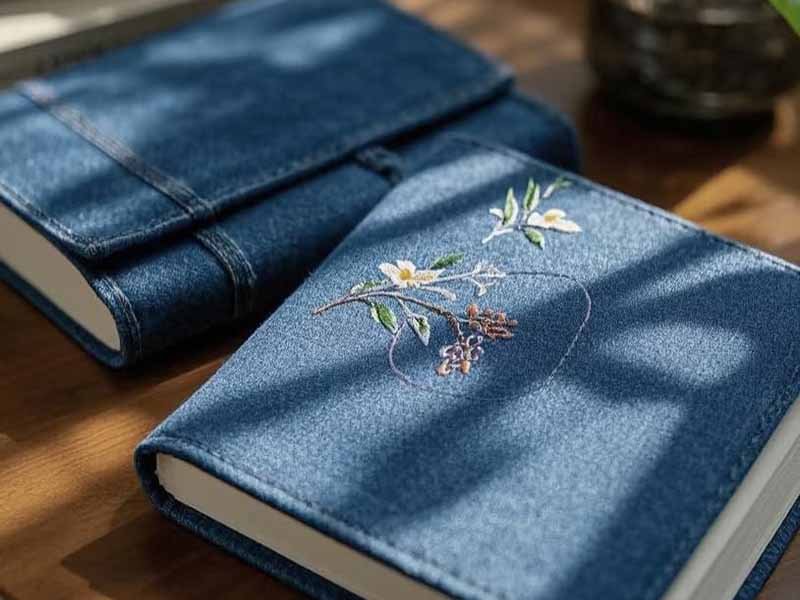
Most people think they understand denim—until something goes wrong.
A bag that loses its shape after a few weeks. Jeans that shrink unexpectedly after the first wash. Color that transfers onto light clothing. Fabric that feels strong in hand but weak in real use. In almost every case, the problem isn’t “denim quality” in general—it’s that the denim was chosen without understanding how it actually behaves.
Denim is one of the most trusted fabrics in the world, but that trust comes with expectations. Customers expect durability, familiar texture, gradual aging, and predictable performance. When denim fails to meet those expectations, disappointment is immediate—and returns follow quickly. What many brands don’t realize is that these outcomes are rarely accidental. They are the direct result of decisions made long before production begins: fabric weight, weave density, fiber blend, dye control, and finishing level.
This article does not treat denim as a fashion label or a trend-driven material. It looks at denim the way manufacturers and experienced product teams do—as a system of measurable choices that determine how a product performs after months of real use. Whether you’re developing apparel, bags, or accessories, understanding denim at this level is the difference between products that merely look right and products that actually last.
What Is Denim Fabric?

Denim fabric is one of the most widely used textiles in the world, yet it is also one of the most frequently misunderstood. Many product teams treat denim as a fixed material category—“blue cotton, thick, durable”—and assume it will naturally perform well. In reality, denim fabric behaves very differently depending on how it is built. Two fabrics can both be labeled “denim” and still fail in completely different ways once they are cut, sewn, washed, and used by real customers.
At a manufacturing level, denim fabric is defined by structure, not appearance. Color, softness, or fashion positioning come later. What truly determines denim’s performance are a small number of technical decisions made early in production. When these decisions are unclear or poorly controlled, problems show up downstream as shrinkage complaints, stiffness, dye transfer, or short product lifespan.
Denim Fabric Origins
Denim’s workwear origin still shapes how customers judge it today. Denim became popular because it was tough, serviceable, and forgiving—it hid stains, resisted tearing, and lasted longer than many lighter woven cottons. Indigo dye gained popularity partly because it produced a deep color that could fade gradually rather than failing suddenly, creating a “lived-in” look that people still associate with authenticity.
What Denim Fabric Is
Denim fabric is a twill-woven fabric, most commonly with a warp-faced construction. This means the surface of the fabric is dominated by the warp yarns, which are usually dyed (traditionally with indigo), while the weft yarns provide internal support and balance.
What this construction delivers in real use:
- Higher abrasion resistance than plain woven cotton
- Better tear resistance, especially along stress points
- More stable shape under repeated bending and folding
- A predictable aging pattern, where color and hand feel change gradually rather than failing suddenly
This is why denim historically moved from workwear into everyday consumer products—and why it remains popular in jeans, jackets, bags, aprons, and utility accessories.
What Denim Fabric Is NOT
Understanding what denim is also means understanding what it is not. Many sourcing mistakes come from false assumptions.
Denim fabric is not:
- Automatically thick — denim can range from very light (5 oz) to very heavy (16 oz+)
- Always 100% cotton — many modern denims are blended for stretch, stability, or cost control
- Always breathable — breathability depends on weight, weave density, and finishing
- Automatically durable — durability depends on yarn quality, weave tightness, and finishing
Calling a fabric “denim” without defining these parameters is one of the fastest ways to lose control of product quality.
The Four Factors That Actually Define Denim Fabric
From a sourcing and development perspective, denim fabric can be understood through four measurable factors. Every performance issue customers complain about can usually be traced back to one of these.
1. Weave Structure
- Denim uses twill weaves such as 2/1 or 3/1
- The diagonal structure spreads stress across yarns
- Tighter twill = higher durability, lower airflow
- Looser twill = better comfort, lower shape retention
Impact if chosen incorrectly: Fabric may twist after washing, wear unevenly, or lose structure in bags and garments.
2. Fabric Weight (oz / GSM)
Weight directly affects feel, heat retention, and structural strength.
| Denim Weight | Typical Feel | Common Problems If Misused |
|---|---|---|
| 5–7 oz | light, flexible | wears out too fast |
| 8–10 oz | balanced | acceptable for many uses |
| 11–13 oz | firm, structured | too stiff if unwashed |
| 14 oz+ | heavy, rigid | uncomfortable, hot |
Customer reality: Heavy denim feels “premium” in hand but can cause comfort complaints if used in warm climates or close-to-skin products.
3. Fiber Composition
Denim fabric is most often cotton-based, but blends are common for performance control.
- 100% cotton → natural feel, classic aging, higher shrink risk
- Cotton + elastane (1–3%) → stretch and comfort, needs recovery control
- Cotton + polyester → lower shrinkage, faster drying, less natural hand
Impact if ignored: Products may feel baggy after wear, shrink after washing, or lose shape prematurely.
4. Finishing and Stabilization
Finishing determines how denim behaves after customers start using it.
Key finishing steps include:
- pre-shrinking to control size change
- washing to soften stiffness
- dye fixation to limit color transfer
- resin or heat setting to stabilize shape
Most customer complaints about denim are finishing issues, not fabric defects.
Skipping or minimizing finishing lowers factory cost—but shifts risk directly to the brand.
Why Denim Fabric Feels “Reliable” to Customers
Customers trust denim because it behaves in a way they recognize:
- it doesn’t tear easily
- it holds shape longer than light cotton
- it softens with use instead of breaking down
- it shows wear gradually, not suddenly
That trust disappears quickly if denim shrinks, stains other clothing, or becomes uncomfortable after washing. This is why denim must be specified with numbers, not adjectives.
How Is Denim Fabric Made?

Denim fabric is built through a controlled industrial sequence, not a single manufacturing step. Each stage influences how the fabric behaves after sewing, washing, wearing, and long-term use. When denim fails—shrinks too much, feels stiff, fades unevenly, or stains other materials—the root cause almost always traces back to one weak link in this process.
In real production, denim manufacturing can be divided into six critical stages, each with measurable variables that brands should understand and control.
Stage 1: Fiber Selection and Yarn Engineering
Denim performance begins at the fiber level. The same fabric weight can behave very differently depending on yarn quality.
What actually matters in yarn selection
- Cotton staple length Longer fibers interlock better, creating stronger yarn with less surface fuzz. Short fibers increase softness initially but break down faster.
- Yarn count (Ne) Coarser yarns increase strength and stiffness. Finer yarns improve drape but reduce abrasion resistance.
- Yarn twist level Higher twist improves tensile strength and reduces pilling. Lower twist improves softness but weakens the yarn under stress.
| Yarn Parameter | Low Control Result | High Control Result |
|---|---|---|
| Fiber length | early pilling | cleaner aging |
| Yarn count | uneven thickness | stable structure |
| Twist consistency | weak seams | strong seam holding |
Customer impact if ignored: Products feel inconsistent across batches, seams fail early, or fabric “looks tired” after limited use.
Stage 2: Indigo Dyeing — Color, Fading, and Transfer Risk
Denim’s identity comes from dyeing, but this is also where most hidden risks are introduced.
How denim dyeing actually works
- Warp yarns are dyed, not finished fabric
- Indigo coats the yarn surface rather than penetrating fully
- Multiple dips are used to build color depth
Common dyeing systems
| Dyeing Method | Strength | Risk |
|---|---|---|
| Rope dyeing | rich fading, depth | higher cost |
| Slasher dyeing | speed, uniformity | flatter aging |
Key risk factors customers experience
- Crocking (dry or wet rub-off) Dye transfers onto clothing, upholstery, or skin.
- Uneven shade between lots Caused by inconsistent dye concentration or yarn tension.
- Over-dark denim Looks premium initially but increases rub-off risk.
| Control Point | Typical Target |
|---|---|
| Rub fastness (dry) | use-case dependent |
| Rub fastness (wet) | stricter for bags |
| Shade tolerance | ΔE within agreed range |
Reality check: Fading is acceptable to customers. Staining is not. These are controlled by dye fixation and washing—not marketing language.
Stage 3: Weaving — Where Strength and Stability Are Set
After dyeing, yarns are woven into fabric using twill structures. This stage defines denim’s mechanical behavior.
Weaving variables that change performance
- Twill ratio (2/1 vs 3/1) Higher ratios increase face durability but reduce breathability.
- Warp tension Higher tension increases strength but raises shrinkage risk.
- Weft density Controls fabric weight and stiffness.
| Weaving Decision | If Too High | If Too Low |
|---|---|---|
| Warp tension | excessive shrink | weak structure |
| Weft density | stiff hand | poor durability |
| Weaving speed | yarn stress | inconsistency |
Customer impact: Fabric twists after washing, bags lose shape, or garments distort over time.
Stage 4: Greige Fabric Inspection
Before finishing, denim exists as greige fabric (unfinished). This stage is where defects should be caught early.
What should be checked here
- Yarn slubs and knots
- Density consistency
- Surface streaks
- Width stability
Skipping this inspection pushes problems downstream—where fixes are expensive or impossible.
Stage 5: Finishing — Where Denim Becomes “Wearable”
Finishing determines how denim behaves after the customer uses it.
Common finishing operations
- Pre-shrinking (sanforizing) Controls size change after washing.
- Enzyme or water washing Reduces stiffness and surface fuzz.
- Heat setting / resin treatment Improves shape retention.
| Finish | Solves | If Skipped |
|---|---|---|
| Pre-shrink | size change | return risk |
| Soft wash | stiffness | comfort complaints |
| Fixation wash | dye transfer | staining |
| Heat set | distortion | shape loss |
Stage 6: Stabilization, Testing, and Approval
Before bulk production, denim must be tested as it will be used, not just as it looks.
Tests brands should care about
| Test Item | Common Target |
|---|---|
| Shrinkage (wash) | ≤ 3% |
| Fabric weight tolerance | ± 5% |
| Skew / twist | controlled |
| Rub fastness | meets use-case |
Skipping tests may save time—but increases market risk.
Is Denim Fabric Always 100% Cotton?
No. Denim can be 100% cotton or blended, depending on performance needs.
| Composition | Why Used | Risk |
|---|---|---|
| 100% cotton | natural feel | shrinkage |
| Cotton + elastane | comfort | recovery loss |
| Cotton + polyester | stability | reduced softness |
The correct choice depends on use, washing behavior, and climate, not tradition.
Which Types of Denim Fabric Exist?
Denim is not a single fabric type. It is a family of fabrics built on the same twill structure but engineered to behave very differently. Understanding these differences is critical, because many product failures happen not because denim is “bad,” but because the wrong type of denim was chosen for the product’s actual use.
Below are the most common denim fabric types used in apparel, bags, and accessories—explained in terms of performance, risk, and suitability, not fashion labels.
1.Raw Denim Fabric (Unwashed Denim)
Raw denim is denim fabric that has been dyed and woven but not washed or pre-treated after weaving.
How raw denim behaves in real use
- Stiff hand feel when new
- Higher surface tension in yarns
- Significant shrinkage after first wash
- Strong, high-contrast fading patterns over time
| Parameter | Raw Denim Typical Range |
|---|---|
| Weight | 10–16 oz |
| Shrinkage (after wash) | 3%–8% |
| Initial stiffness | High |
| Size stability | Low |
When raw denim makes sense
- Heritage or premium storytelling products
- Brands targeting customers who expect break-in time
- Products where fade character is a selling point
Common problems if misused
- Customer size complaints after washing
- Twisting or skewing in garments
- Bag panels warping after cleaning
Raw denim should never be used in mass e-commerce without clear shrinkage control or customer education.
2.Washed Denim Fabric
Washed denim is denim that has undergone water, enzyme, or stone washing to soften the fabric and stabilize its size.
Why washed denim is widely used
- Softer feel out of the box
- Lower shrinkage
- More predictable sizing
- Reduced risk of dye transfer
| Parameter | Washed Denim Typical Range |
|---|---|
| Weight | 8–14 oz |
| Shrinkage | 1%–3% |
| Hand feel | Medium to soft |
| Bulk consistency | High |
Best use cases
- Ready-to-wear apparel
- Denim bags and backpacks
- Products with low tolerance for returns
3.Stretch Denim Fabric
Stretch denim includes elastane (spandex) or similar fibers to improve comfort and flexibility.
What stretch actually changes
- Easier movement
- Better fit tolerance
- Reduced stiffness
| Elastane Content | Stretch Level | Typical Use |
|---|---|---|
| 0.5%–1% | Low | shape retention |
| 1.5%–2% | Medium | comfort balance |
| 3%+ | High | fashion fit |
Risks brands often overlook
- Poor recovery leads to “bagging”
- Heat during sewing damages elastane
- Over-stretch reduces fabric lifespan
Stretch denim must be evaluated on recovery performance, not just stretch percentage.
4.Selvedge Denim Fabric
Selvedge denim is woven on shuttle looms, producing a clean, self-finished edge.
What selvedge really means
- Narrower fabric width
- Slower production
- Higher weaving consistency
| Feature | Selvedge Denim |
|---|---|
| Fabric width | Narrow |
| Production speed | Slow |
| Cost | Higher |
| Consistency | Very high |
When selvedge is worth using
- Premium positioning
- Visible edge details
- Limited production runs
Selvedge denim does not automatically perform better—it simply offers tighter process control and visual distinction.
5.Lightweight Denim Fabric
Lightweight denim prioritizes comfort and breathability.
| Parameter | Lightweight Denim |
|---|---|
| Weight | 5–7 oz |
| Breathability | High |
| Durability | Lower |
| Best uses | shirts, linings |
Lightweight denim is not suitable for load-bearing bags or high-stress products without reinforcement.
6.Heavyweight Denim Fabric
Heavy denim is designed for structure and durability.
| Parameter | Heavyweight Denim |
|---|---|
| Weight | 13–16 oz |
| Structure | High |
| Heat retention | High |
| Best uses | bags, aprons, workwear |
Heavy denim should be washed or softened if used in wearable products.
Denim by Fiber Composition
| Composition | Strength | Risk |
|---|---|---|
| 100% cotton | natural aging | shrinkage |
| Cotton + elastane | comfort | recovery |
| Cotton + polyester | stability | hand feel |
Quick Comparison: Choosing the Right Denim Type
| Product | Recommended Denim Type |
|---|---|
| Jeans | washed or stretch denim |
| Jackets | mid-weight washed denim |
| Tote bags | heavy washed denim |
| Backpacks | structured heavy denim |
| Aprons | heavyweight denim |
Why Does Denim Fabric Perform Well?

Denim performs well because its structure and material behavior align with how products are actually used. It resists abrasion, distributes stress, holds shape longer than many woven cotton fabrics, and ages gradually rather than failing suddenly. These advantages are not accidental. They come from a combination of weave geometry, yarn tension, fabric weight, and controlled finishing.
However, denim does not perform well by default. When denim underperforms—shrinking excessively, losing shape, or fading unevenly—the cause is almost always a mismatch between fabric design and real-world use. Understanding why denim performs well helps brands avoid these failures.
1. Twill Structure Distributes Stress More Effectively
The most important reason denim performs well is its twill weave. Unlike plain weave cotton, denim’s diagonal structure spreads force across multiple yarns instead of concentrating stress at a single intersection.
What this means in daily use
- Less tearing at stress points (knees, bag corners, strap anchors)
- Slower surface wear under friction
- Better resistance to creasing damage
| Fabric Type | Weave | Abrasion Resistance |
|---|---|---|
| Plain cotton | Plain weave | Medium |
| Cotton twill | Twill | Medium–high |
| Denim fabric | Warp-faced twill | High |
2. Higher Fabric Weight Improves Load Handling and Shape Retention
Most denim fabrics are heavier than standard cotton fabrics. This additional mass improves mechanical stability.
Weight vs performance relationship
| Denim Weight | Performance Behavior |
|---|---|
| 5–7 oz | flexible, breathable |
| 8–10 oz | balanced durability |
| 11–13 oz | strong shape retention |
| 14 oz+ | structural rigidity |
Heavier denim resists sagging in bags and deformation in garments. However, excessive weight can reduce comfort and heat dissipation if not softened.
Common mistake: using heavy denim for fashion garments without soft washing, leading to comfort complaints.
3. Warp-Dominant Surface Improves Abrasion Resistance
In denim, the warp yarns dominate the fabric surface. These yarns are typically stronger and more tightly twisted.
Practical advantages
- Surface fibers resist fraying
- Abrasion damage occurs slowly and evenly
- Wear patterns look natural rather than patchy
| Yarn Placement | Result |
|---|---|
| Warp-dominant face | strong surface |
| Balanced weave | moderate wear |
| Weft-dominant face | faster breakdown |
This is especially important for bags and accessories that rub against clothing or surfaces repeatedly.
4. Indigo Dye Fades Gradually Instead of Breaking Suddenly
Denim’s dye system contributes to performance, not just appearance. Indigo coats the yarn surface instead of penetrating fully.
- Color loss happens slowly
- Wear becomes part of the product’s character
- Fabric doesn’t suddenly look “cheap”
| Dye Type | Aging Behavior |
|---|---|
| Reactive dye | stable but flat |
| Pigment dye | fast breakdown |
| Indigo dye | gradual fading |
Important distinction: fading is acceptable. Dye transfer is not. Proper fixation and washing separate the two.
5. Denim Softens With Use Without Losing Core Strength
Unlike many cotton fabrics that weaken as they soften, denim often becomes more comfortable while retaining structural integrity.
Why this happens
- Yarn cores remain intact
- Surface fibers relax gradually
- Weave structure maintains support
This creates a positive user experience: the product improves with time rather than degrading.
6. Predictable Aging Builds Customer Trust
Denim is familiar. Customers already understand how it should behave.
What customers expect
- Some fading over time
- Improved comfort with wear
- No sudden tearing or distortion
When denim performs within these expectations, customers forgive minor changes. When it behaves unpredictably—shrinking after washing, staining clothes, or twisting—trust disappears quickly.
7. When Denim Performs Poorly
Denim underperforms when:
- weight is mismatched to use
- shrinkage is not controlled
- stretch recovery is weak
- dye fixation is rushed
- finishing is minimized to cut cost
| Failure Type | Root Cause |
|---|---|
| Shrinkage complaints | lack of pre-shrink |
| Color staining | poor fixation |
| Shape loss | low density or weak finish |
| Bagging knees | poor stretch recovery |
Where Is Denim Fabric Used?
Denim fabric is used wherever products need a balance of durability, structure, and familiarity. Its widespread adoption is not driven by fashion alone, but by how reliably denim performs under repeated stress, washing, and daily handling. That said, denim is not a one-size-fits-all solution. Its success in different applications depends on choosing the right weight, weave, and finish for each use case.
Below are the main product categories where denim is commonly used, along with the technical reasons it works—and the problems that appear when it’s specified incorrectly.
1.Denim Fabric in Apparel
Apparel remains the largest application for denim, but even within clothing, requirements vary significantly.
Common apparel uses
- Jeans and trousers
- Jackets and outerwear
- Shirts and overshirts
- Workwear and uniforms
What apparel denim must deliver
- Comfort during movement
- Acceptable breathability
- Stable sizing after washing
- Gradual, even aging
| Apparel Type | Typical Denim Weight | Key Fabric Requirements |
|---|---|---|
| Shirts | 5–7 oz | softness, airflow |
| Jeans | 9–12 oz | durability, fit stability |
| Jackets | 11–14 oz | structure, abrasion resistance |
| Workwear | 12–16 oz | strength, tear resistance |
Common issues when misused: Heavy denim without soft washing causes stiffness complaints. Lightweight denim in trousers wears out too fast at stress points.
2.Denim Fabric for Bags and Backpacks
Denim is widely used in bags because it combines strength with casual appeal. However, bag denim must be treated very differently from garment denim.
Typical bag applications
- Tote bags
- Backpacks
- Shoulder bags
- Drawstring bags
What bag denim must deliver
- High abrasion resistance
- Shape retention under load
- Seam stability at stress points
- Controlled dye transfer
| Bag Type | Recommended Denim Weight | Notes |
|---|---|---|
| Tote bags | 10–13 oz | structure without excessive stiffness |
| Backpacks | 12–14 oz | reinforced panels often required |
| Drawstring bags | 8–10 oz | balance of flexibility and strength |
Common sourcing mistake: using garment-grade denim for bags without reinforcement leads to sagging and early wear.
3.Denim Fabric in Accessories
Accessories benefit from denim’s durability and recognizable texture, but usually require more structure control.
Common accessory uses
- Aprons
- Caps and hats
- Tool rolls and organizers
- Pouches
| Accessory Type | Typical Denim Weight | Key Concern |
|---|---|---|
| Aprons | 12–16 oz | abrasion resistance |
| Caps | 7–9 oz | shape retention |
| Tool organizers | 13–15 oz | load-bearing |
Accessories often use washed or pre-shrunk denim to avoid deformation during cleaning.
4.Denim Fabric in Footwear and Lifestyle Products
Denim is sometimes used in footwear uppers, slippers, and lifestyle goods where visual texture and toughness are valued.
Requirements in this category
- Resistance to repeated flexing
- Controlled color transfer
- Compatibility with adhesives
Denim used here is usually mid-weight and heavily finished to prevent fraying and dye bleed.
5.Denim Fabric in Home and Utility Products
Although less visible, denim appears in:
- Upholstery accents
- Cushion covers
- Protective covers
- Industrial aprons and wraps
| Use Case | Denim Advantage |
|---|---|
| Upholstery | abrasion resistance |
| Covers | tear strength |
| Utility wraps | durability |
In these uses, performance matters more than softness, so heavier denim is common.
Choosing the Right Denim by Application
| Product Category | Denim Type Recommended |
|---|---|
| Fashion apparel | washed or stretch denim |
| Workwear | heavyweight denim |
| Bags & backpacks | mid- to heavyweight washed denim |
| Accessories | structured washed denim |
| Home/utility | heavyweight denim |
Where Is Denim Fabric Produced?

Denim fabric is produced worldwide, but not all denim-producing regions serve the same purpose. Differences in raw material access, spinning quality, dyeing capability, labor cost, environmental regulation, and production scale mean that the country of origin directly affects price stability, consistency, lead time, and long-term repeatability.
For brands and sourcing teams, the real question is not where denim can be made, but where it should be made for a specific product, volume, and market.
China: Full-Scale, High-Control Denim Production
China is the largest and most versatile denim fabric producer in the world. It covers the full chain: spinning, dyeing, weaving, finishing, and garment integration.
What China does well
- Wide weight range (5–16 oz) available at scale
- Strong control over finishing (pre-shrink, washing, stabilization)
- Reliable bulk repeatability for long-term programs
- Ability to produce denim for both apparel and bags
| Strength Area | Practical Benefit |
|---|---|
| Integrated supply chain | fewer handover errors |
| High-volume capacity | stable pricing |
| Finish control | lower return risk |
| OEM/ODM experience | faster development |
Trade-offs to consider
- Quality varies widely by mill tier
- Requires clear specs to avoid inconsistency
China is often the best choice for brands that need customization, stable repeat orders, and short lead times, especially when denim is used beyond fashion (bags, accessories, mixed-material products).
India: Cost-Efficient, Cotton-Strong Denim
India is one of the world’s largest cotton producers and a major denim exporter, particularly strong in 100% cotton denim.
Where Indian denim fits best
- Cost-sensitive programs
- Medium to large volumes
- Classic apparel denim
| Advantage | Limitation |
|---|---|
| Competitive pricing | finishing consistency varies |
| Strong cotton supply | fewer high-end wash options |
| Large capacity | longer development cycles |
Indian denim works well for price-driven apparel lines, but brands should pay extra attention to shrinkage control and dye consistency.
Turkey: Mid-to-High Quality Denim for Europe
Turkey is a major denim hub for the European market, known for balanced quality, shorter EU lead times, and compliance alignment.
Why brands choose Turkey
- Good balance of cost and quality
- Strong washing and finishing capability
- Faster delivery to Europe
| Suitable Products | Notes |
|---|---|
| Fashion apparel | stable sizing |
| Premium casualwear | good hand feel |
| Short-run programs | flexible MOQs |
Turkey is often chosen by European brands that value speed and regulatory alignment over lowest cost.
Pakistan: Yarn-Driven, Value-Focused Denim
Pakistan has strong spinning capacity and produces a large volume of denim yarn and fabric.
Strengths
- Competitive pricing
- Strong vertical yarn integration
Risks
- Limited finishing sophistication
- Greater variation between mills
Pakistan is suitable for basic denim programs, but less ideal for products requiring advanced finishing or strict color control.
Japan: Premium, Craft-Focused Denim
Japan is globally respected for high-end, low-volume denim, especially selvedge and heritage constructions.
What Japanese denim is known for
- Exceptional weaving consistency
- Deep indigo character
- Narrow-loom craftsmanship
| Feature | Impact |
|---|---|
| Small batch production | limited scalability |
| High cost | premium positioning |
| Manual control | excellent texture |
Japanese denim is chosen for storytelling and premium collections, not for mass production.
United States: Niche, Heritage-Driven Production
The U.S. produces limited volumes of denim, mostly for heritage and domestic branding purposes.
Typical use cases
- Made-in-USA positioning
- Small runs
- Marketing-driven collections
Cost is high and capacity is limited, making it unsuitable for most large-scale programs.
Quick Comparison: Denim Production by Region
| Region | Cost Level | Volume | Finish Control | Best For |
|---|---|---|---|---|
| China | Medium | High | High | apparel, bags, OEM |
| India | Low | High | Medium | cost-driven apparel |
| Turkey | Medium | Medium | High | EU fashion |
| Pakistan | Low | High | Medium-low | basic denim |
| Japan | Very high | Low | Very high | premium denim |
| USA | Very high | Low | Medium | heritage branding |
How Production Location Affects Your Product
The country where denim is produced influences:
- Shrinkage predictability
- Color consistency across orders
- Lead time stability
- Ability to reproduce the same fabric next year
Choosing the wrong region often results in:
- inconsistent bulk orders
- rising return rates
- unstable re-ordering
How Much Does Denim Fabric Cost?

Denim fabric cost is not a fixed number. It is a range shaped by technical choices, order scale, and risk tolerance. Two denim fabrics that look similar on a swatch card can differ in price by 30–100% once fiber quality, dyeing method, finishing, and order volume are considered. For brands, the real issue is not finding the cheapest denim, but understanding what you are paying for—and what risks you are accepting.
In most sourcing cases, denim fabric cost is best evaluated per meter (or yard) at mill level, before garment production.
Typical Denim Fabric Price Ranges
Below are common reference ranges for bulk orders (not sample pricing), assuming stable specs and standard testing.
| Denim Type | Typical Weight | Indicative Price Range* |
|---|---|---|
| Lightweight denim | 5–7 oz | USD 2.20 – 3.50 / meter |
| Mid-weight denim | 8–10 oz | USD 3.00 – 4.80 / meter |
| Heavyweight denim | 11–13 oz | USD 4.50 – 6.80 / meter |
| Extra-heavy denim | 14–16 oz | USD 6.50 – 9.50 / meter |
| Stretch denim | 9–12 oz | +10% to +30% vs non-stretch |
| Selvedge denim | 12–15 oz | USD 10.00 – 18.00 / meter |
- Prices vary by origin, volume, and finishing level.
What Actually Drives Denim Fabric Cost
Denim pricing is cumulative. Each technical choice adds cost—or risk.
1. Fabric Weight (GSM / oz)
Heavier denim costs more because it uses more yarn and slower weaving speeds.
| Weight Increase | Cost Impact |
|---|---|
| +1 oz | +8% to +15% |
| +3 oz | +25% to +40% |
Common mistake: choosing heavier denim for “premium feel” when structure can be achieved through weave density or lining instead.
2. Fiber Quality and Composition
| Fiber Choice | Cost Effect | Hidden Risk |
|---|---|---|
| Standard cotton | baseline | higher shrinkage |
| Long-staple cotton | +10–20% | fewer defects |
| Cotton + elastane | +10–30% | recovery control |
| Cotton + polyester | +5–15% | hand feel change |
Low-cost cotton often leads to pilling, seam failure, and inconsistent dye uptake, which cost more later through complaints.
3. Dyeing Method and Color Depth
| Dyeing Choice | Cost | Practical Result |
|---|---|---|
| Slasher dyeing | lower | flatter fading |
| Rope dyeing | higher | deeper aging |
| Dark indigo | +5–10% | higher rub risk |
| Multiple dips | +10–20% | better color depth |
4. Finishing Level (Often Underestimated)
Finishing is one of the biggest cost variables—and one of the most misunderstood.
| Finish Step | Cost Impact | What It Prevents |
|---|---|---|
| Pre-shrinking | +5–8% | size complaints |
| Enzyme washing | +8–15% | stiffness issues |
| Color fixation wash | +5–10% | staining |
| Heat setting | +3–6% | shape loss |
Cost truth: Skipping finishing can reduce fabric price by 10–20%, but often increases return and replacement costs far beyond that.
5. Order Quantity and MOQ
Denim mills price aggressively only when production runs are efficient.
| Order Volume | Price Behavior |
|---|---|
| Below MOQ | high setup cost |
| At MOQ | baseline pricing |
| Large volume | best unit cost |
Small orders are not “overpriced” — they simply carry setup inefficiencies.
6. Country of Production
| Origin | Cost Level | Why |
|---|---|---|
| China | medium | full supply chain |
| India | low–medium | cotton advantage |
| Turkey | medium | EU proximity |
| Pakistan | low | yarn-focused |
| Japan | very high | craft production |
Origin affects not only price, but repeatability and lead time stability.
What a “Reasonable” Denim Budget Looks Like
For most brands aiming for stable quality and low complaint rates, a realistic denim fabric budget typically falls into these ranges:
| Product Type | Safe Fabric Cost Range |
|---|---|
| Denim shirts | USD 2.80 – 4.00 |
| Jeans | USD 3.80 – 6.00 |
| Tote bags | USD 4.50 – 7.00 |
| Backpacks | USD 5.50 – 8.50 |
How Does Denim Fabric Impact the Environment?
Denim fabric has a measurable environmental footprint, but that footprint is not fixed. It changes significantly depending on how the cotton is grown, how the yarn is dyed, how the fabric is finished, and how production waste is managed. For brands, the environmental impact of denim is not about marketing claims—it is about process choices that affect water use, chemical load, energy consumption, and long-term compliance risk.
Understanding where the impact comes from helps brands reduce it without sacrificing product performance or reliability.
1. Cotton Farming: The Starting Point of Denim’s Footprint
Most denim is cotton-based, and cotton cultivation is the largest upstream contributor to denim’s environmental impact.
Key impact factors in cotton production
- Water consumption for irrigation
- Pesticide and fertilizer use
- Land use efficiency
| Cotton Type | Environmental Impact Profile |
|---|---|
| Conventional cotton | high water, chemical inputs |
| Organic cotton | lower chemical use, lower yield |
| Better Cotton (BCI) | reduced water & chemical impact |
| Recycled cotton | lowest farming impact |
2. Indigo Dyeing: Water and Chemical Load
Indigo dyeing is central to denim—but it is also one of the most resource-intensive steps.
Where impact occurs
- Multiple dye baths
- High water usage
- Chemical reducing agents
| Dyeing Method | Water Use | Chemical Control |
|---|---|---|
| Traditional rope dyeing | high | medium |
| Optimized rope dyeing | reduced | higher |
| Slasher dyeing | medium | easier control |
| Foam or low-liquor dyeing | low | advanced systems |
3. Fabric Finishing: The Hidden Environmental Cost
Finishing steps—washing, softening, fixing color—often consume more water and energy than weaving.
High-impact finishing operations
- Stone washing
- Enzyme washing
- Multiple rinse cycles
- Heat setting
| Finishing Choice | Environmental Effect |
|---|---|
| Heavy washing | high water & energy use |
| Minimal washing | lower impact, higher product risk |
| Enzyme-based processes | reduced chemical load |
| Water recycling systems | major footprint reduction |
4. Energy Use and Carbon Footprint
Denim production consumes energy at multiple stages:
- spinning
- dyeing
- weaving
- finishing
| Production Stage | Energy Intensity |
|---|---|
| Spinning | medium |
| Dyeing | high |
| Weaving | medium |
| Finishing | high |
Factories using renewable energy, efficient boilers, and heat recovery systems significantly reduce denim’s carbon footprint—often without changing fabric performance.
5. Waste, Scrap, and Recycling
Denim production generates:
- yarn waste
- cutting scraps
- off-spec fabric
| Waste Strategy | Environmental Benefit |
|---|---|
| Yarn recycling | reduces raw cotton demand |
| Fabric reprocessing | lowers landfill waste |
| Cutting optimization | reduces scrap rate |
Recycled cotton content (usually 10–30%) is increasingly used in denim without compromising strength when blended correctly.
6. Chemical Compliance and Regulatory Risk
Environmental impact is also a compliance issue, not just sustainability.
Key areas brands monitor:
- azo dyes
- heavy metals
- formaldehyde
- restricted finishing agents
Factories supplying international markets must comply with standards such as REACH, CPSIA, and brand-specific chemical protocols. Non-compliance leads to shipment delays, recalls, and reputational damage.
7. Environmental Impact vs Product Lifetime
One often-overlooked factor: how long the product lasts.
A durable denim product worn for years may have lower total environmental impact than a lightweight alternative replaced frequently.
| Product Outcome | Environmental Result |
|---|---|
| Long lifespan | lower impact per use |
| Early failure | higher replacement impact |
Durability is not anti-sustainability—it is often a core part of it.
How to Choose the Right Denim Fabric?
Choosing denim fabric is not about picking what looks good on a fabric roll. It is about predicting how the fabric will behave after cutting, sewing, washing, wearing, loading, and repeating that cycle hundreds of times. Most denim failures in the market are not quality defects—they are selection mistakes.
A reliable denim selection process follows a simple rule: start from use conditions, then lock technical parameters.
Below is a practical step-by-step method used by experienced brands to reduce risk.
Step 1: Define How the Product Will Be Used
Before looking at fabric samples, clarify these questions internally. Skipping this step is the fastest way to choose the wrong denim.
Key use-case questions:
- Will this product be worn close to skin or not?
- Will it carry weight or only experience light stress?
- How often will it be washed or cleaned?
- Will it be used in hot or cold climates?
- Is fading acceptable, or is color stability critical?
| Use Condition | Denim Priority |
|---|---|
| Frequent washing | shrinkage control |
| Load bearing | fabric weight & density |
| Hot climate | lighter weight, open weave |
| Close-to-skin | softness, breathability |
| Contact with light clothing | rub fastness |
Step 2: Choose the Correct Denim Weight (oz / GSM)
Fabric weight is the single most important parameter in denim selection. It directly affects comfort, durability, structure, and heat retention.
| Product Type | Recommended Weight | Why |
|---|---|---|
| Shirts | 5–7 oz (170–240 GSM) | breathable, flexible |
| Jeans | 9–12 oz (300–400 GSM) | balanced durability |
| Jackets | 11–14 oz (370–475 GSM) | structure & abrasion |
| Tote bags | 10–13 oz | shape retention |
| Backpacks | 12–14 oz | load handling |
| Aprons | 13–16 oz | high wear resistance |
Common mistake: Choosing heavier denim because it “feels premium” often causes stiffness complaints and heat discomfort.
Step 3: Decide on Fiber Composition (Not Just Cotton or Not)
Denim is often cotton-based, but fiber blend choice controls shrinkage, comfort, recovery, and drying speed.
| Composition | When It Works Best | Risk |
|---|---|---|
| 100% cotton | heritage look, natural aging | higher shrinkage |
| Cotton + elastane (1–2%) | comfort & flexibility | recovery loss if poor quality |
| Cotton + polyester | stability, durability | less natural hand feel |
Practical guidance:
- Apparel → comfort and recovery matter
- Bags → stability and abrasion matter more than stretch
- Hot climates → avoid heavy elastane blends
Step 4: Match Weave Density to Structure Needs
Two denims with the same weight can behave very differently depending on weave tightness.
| Weave Density | Result |
|---|---|
| Tight weave | strong, stable, less breathable |
| Medium weave | balanced performance |
| Loose weave | softer feel, lower durability |
Warning sign: If denim feels soft but collapses easily in hand, it may lose shape quickly in bags or garments.
Step 5: Control Shrinkage Before It Reaches Customers
Shrinkage is one of the top causes of returns, especially online.
| Denim Type | Acceptable Shrinkage (after wash) |
|---|---|
| Washed denim | ≤ 3% |
| Raw denim | 3–8% (must be declared) |
| Stretch denim | ≤ 4% |
Step 6: Evaluate Color Behavior
Denim fading is acceptable. Dye transfer is not.
| Color Issue | Customer Reaction |
|---|---|
| Gradual fading | accepted |
| Uneven fading | negative |
| Color rub-off | unacceptable |
For bags and accessories, rub fastness requirements should be stricter than for jeans.
Step 7: Decide on Finishing Level
Finishing is where denim becomes predictable—or problematic.
| Finish | Why It Matters |
|---|---|
| Pre-shrinking | size stability |
| Soft wash | comfort |
| Fixation wash | reduces staining |
| Heat set | shape retention |
Step 8: Check Sewing and Production Compatibility
Not all denim behaves well on standard production lines.
Key questions to test:
- Does the fabric fray excessively when cut?
- Does it cause needle breakage?
- Does it pucker at seams?
- Does stretch denim recover after sewing?
If sewing issues appear at sampling stage, they will be worse in bulk production.
Step 9: Lock Specs for Repeat Orders
Once the right denim is selected, lock measurable specs:
| Spec Item | Typical Control |
|---|---|
| Weight | ± 5% |
| Shrinkage | defined method |
| Color tolerance | agreed ΔE |
| Stretch & recovery | tested |
| Finish | fixed process |
Lovrix: Turning Denim Specs Into Reliable Products
At Lovrix, denim development is handled from a manufacturing perspective, not a trend-driven one. Our process focuses on:
- defining use-case first
- locking measurable specs early
- sampling with real-world testing
- controlling repeat-order consistency
Whether you need custom denim fabric, private-label denim products, or OEM/ODM bag and apparel development, our integrated fabric, webbing, and bag factories allow tighter control over quality, lead time, and cost.
If you’re planning a denim product and want fewer returns, more consistent bulk orders, and a fabric that actually performs in customer hands, reach out to Lovrix to discuss your specifications and sampling plan.


