 Skip to content
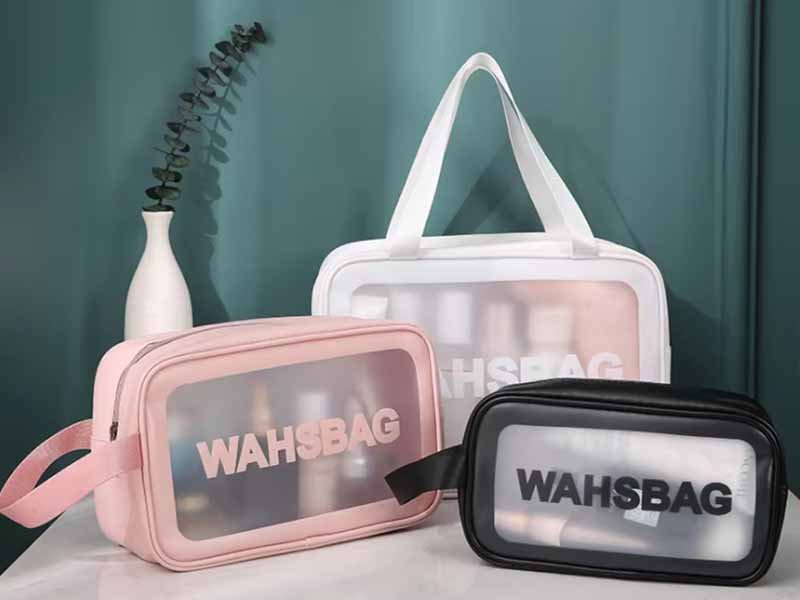
A makeup bag looks simple, but once you start developing one for real production, material choice becomes one of the most important decisions in the whole project. A beautiful bag that leaks, stains, wrinkles too fast, or traps cosmetic residue inside will quickly lose value in the eyes of the customer. For brands selling beauty accessories, travel organizers, gift sets, or private label cosmetic products, this is not a small detail. It directly affects repeat orders, reviews, return rates, and long-term brand perception.
The best waterproof fabrics for makeup bags are usually TPU laminated fabrics, PVC coated fabrics, PU coated polyester, and coated nylon. Each material has a different balance of waterproof performance, flexibility, weight, cost, appearance, and compliance. The right choice depends on the product’s selling price, target market, bag structure, and daily use scenario.
When customers buy makeup bags today, they are not only paying for appearance. They are paying for practical protection. Liquid foundation, facial cream, sunscreen, lip gloss, perfume minis, and travel bottles all create one very common problem: leakage. Once leakage happens, poor fabric choice gets exposed immediately. The bag becomes hard to clean, the lining absorbs odor, the outer fabric stains, and the product feels cheap no matter how good the design looked on the shelf.
This is why material selection matters so much. A good waterproof fabric does more than block moisture. It also affects hand feel, sewing stability, logo printing, zipper matching, edge binding, foldability, and even carton packing efficiency. In many cases, the difference between a product that sells once and a product line that keeps growing is hidden in the fabric construction.
For brands planning to launch custom cosmetic bags, understanding waterproof fabrics early can help avoid expensive sampling mistakes later. And once you see how these materials perform in real production, it becomes much easier to choose the right direction for your next collection.
What Are Waterproof Fabrics for Makeup Bags?

Waterproof fabrics for makeup bags are materials engineered to stop liquids from penetrating through the fabric surface while still allowing the bag to remain flexible, durable, and easy to manufacture. In most cosmetic bags, waterproof performance is not achieved by the fabric fibers alone. Instead, manufacturers combine a woven textile base—usually polyester or nylon—with a waterproof coating or laminated film. This combination creates a barrier that prevents cosmetics, moisture, and oils from soaking into the bag.
For customers developing cosmetic bags, the purpose of waterproof fabric is very practical. Cosmetics frequently contain oils, pigments, alcohol-based liquids, and skincare formulas that can leak during daily use. Without waterproof protection, these substances quickly soak into the bag material, leaving permanent stains, odor buildup, and fabric deterioration. Waterproof fabrics prevent this absorption, allowing the bag to be wiped clean and reused for a much longer time.
In the cosmetic bag industry, waterproof fabrics are usually constructed in two or three functional layers.
| Fabric Layer | Function | Common Materials |
|---|---|---|
| Outer Fabric Layer | Provides strength, color, and structure | Polyester, Nylon |
| Waterproof Layer | Blocks liquid penetration | TPU film, PVC coating, PU coating |
| Optional Backing Layer | Improves stability and softness | Tricot knit, foam backing |
The outer fabric layer determines how the bag looks and feels. Polyester and nylon are commonly used because they offer good abrasion resistance and can be dyed in many colors.
The waterproof layer is what actually prevents moisture from entering the fabric. Depending on the product level, this layer may be applied as a coating or bonded as a film.
The backing layer is optional but often used in higher-quality cosmetic bags to improve shape retention and durability.
What Makes Waterproof Fabrics Work in Makeup Bags?
For waterproof fabrics to perform well in a cosmetic bag, several technical factors must work together. Simply choosing a coated material is not enough. Manufacturers also evaluate the waterproof rating, coating thickness, and flexibility of the material.
One common way to measure waterproof performance is hydrostatic pressure testing, which indicates how much water pressure a fabric can resist before leakage occurs.
Below is a simplified reference for waterproof levels in fabric materials used in cosmetic bags.
| Waterproof Rating (mm) | Performance Level | Typical Application |
|---|---|---|
| 500–1000 mm | Splash resistant | Basic cosmetic pouches |
| 1000–3000 mm | Moderate waterproof | Daily makeup bags |
| 3000–5000 mm | Strong waterproof | Travel cosmetic organizers |
| 5000 mm+ | High waterproof | Outdoor bags and dry bags |
Most cosmetic bags do not require extreme waterproof ratings like outdoor equipment, but a rating between 1000 and 3000 mm usually provides enough protection for everyday use.
Another factor customers should pay attention to is coating thickness. Thicker coatings provide stronger waterproof performance but may reduce flexibility.
| Coating Type | Typical Thickness | Characteristics |
|---|---|---|
| PU coating | 0.03–0.05 mm | Soft and lightweight |
| PVC coating | 0.1–0.3 mm | Strong waterproof, stiffer feel |
| TPU lamination | 0.02–0.08 mm | Flexible, durable, premium |
Choosing the correct coating thickness helps balance durability, appearance, and user comfort.
How Waterproof Fabrics Are Used Inside Cosmetic Bags
Many makeup bags do not rely on a single waterproof fabric layer. Instead, designers often combine materials to achieve both durability and comfort.
For example, a cosmetic bag might use:
- Waterproof outer fabric to protect against external moisture
- Wipe-clean lining to handle cosmetic spills inside
- Reinforced base fabric to prevent deformation
Below is a common fabric structure used in many retail cosmetic bags.
| Bag Component | Fabric Choice | Purpose |
|---|---|---|
| Exterior | Coated polyester | Appearance and abrasion resistance |
| Interior lining | TPU laminated fabric | Spill containment |
| Base panel | Thick polyester with coating | Structural stability |
This layered design allows the bag to maintain shape while still providing waterproof protection where it matters most.
Why Waterproof Fabric Choice Matters to Customers
When brands launch cosmetic bags, the fabric choice directly affects several aspects of product performance that customers notice immediately.
The most common problems caused by poor fabric selection include:
- cosmetic stains that cannot be removed
- interior surfaces that absorb skincare oils
- bag material that cracks or wrinkles after folding
- unpleasant odor trapped inside the fabric
Waterproof fabrics help solve these problems by creating a surface that resists absorption and can be cleaned quickly.
Consumer testing by several luggage and accessory brands shows that cosmetic bags made with waterproof materials can reduce stain retention by more than 70% compared with untreated fabric pouches.
Another important benefit is longer product lifespan. A cosmetic bag made with standard textile lining may start to show discoloration within a few months of use. Waterproof-lined cosmetic bags usually maintain their appearance much longer.
For brands selling beauty accessories, these details matter because cosmetic bags are often used daily. Products that maintain their appearance and function longer are more likely to generate positive customer reviews and repeat purchases.
Practical Material Selection for Cosmetic Bag Projects
When developing a cosmetic bag collection, most manufacturers evaluate waterproof fabrics based on four practical factors:
- Target retail price
- Expected product lifespan
- Bag structure and size
- Brand positioning
Below is a simplified material selection guide commonly used in cosmetic bag manufacturing.
| Product Category | Recommended Waterproof Fabric |
|---|---|
| Budget cosmetic pouch | PU coated polyester |
| Mid-range travel makeup bag | TPU laminated polyester |
| Premium cosmetic organizer | TPU laminated nylon |
| Transparent travel cosmetic bag | PVC or TPU film |
Each material offers a different balance between cost, durability, and appearance. Experienced manufacturers often test several materials during the sampling stage before confirming final production.
For brands launching new cosmetic bag products, investing time in proper fabric selection early in development usually saves significant time and cost later in the production process.
Which Waterproof Fabrics Are Best for Makeup Bags?

The best waterproof fabrics for makeup bags usually include TPU laminated fabrics, PVC coated fabrics, coated polyester, and coated nylon. They are the most widely used because they cover different price levels and product needs. Some are better for premium soft-touch bags, some are better for low-cost structured bags, and some are best when durability and cleaner appearance are both important.
Is TPU One of the Best Waterproof Fabrics for Makeup Bags?
Yes. For many modern custom cosmetic bags, TPU is one of the strongest material choices.
TPU, or thermoplastic polyurethane, is often laminated onto polyester or nylon fabric to create a flexible waterproof layer. Compared with traditional plastic-heavy materials, TPU generally gives a softer hand feel, better elasticity, and a more refined product appearance. That is why it is often chosen for travel cosmetic bags, premium beauty accessories, and mid-to-high-end private label collections.
Customers often like TPU because it performs well without making the bag feel overly stiff. In practical terms, this brings several advantages:
- bag is easier to fold and pack
- surface looks cleaner and more premium
- material resists cracking better than many low-grade alternatives
- wipe-clean performance is strong
- the bag feels less cheap in hand
A useful way to understand TPU is to compare how it behaves in real product development.
| Item | TPU Laminated Fabric |
|---|---|
| Waterproof performance | Strong |
| Softness | High |
| Flexibility in cold or repeated folding | Good |
| Appearance | Premium |
| Printing compatibility | Good with suitable process |
| Cost | Medium to high |
| Common market level | Mid-range to premium |
In makeup bag production, TPU is often paired with:
- 210D to 420D nylon for lighter premium pouches
- 300D to 600D polyester for more structured cosmetic organizers
- clear TPU film for transparent travel bags or visible product kits
A practical recommendation many experienced factories make is this: if the bag will be sold as a premium accessory, included in a beauty set, or used frequently during travel, TPU is worth serious consideration.
It is not always the cheapest option. But in many projects, it gives better long-term value because the bag looks better, feels better, and performs better in customer hands.
Are PVC Waterproof Fabrics Good for Makeup Bags?
Yes, PVC still has a place in the market, especially for certain product types and cost targets.
PVC coated fabric has been used in cosmetic bags, toiletry organizers, and travel pouches for many years because it provides a strong waterproof barrier and helps the bag keep its shape. For some entry-level and promotional products, PVC remains a practical choice.
PVC fabrics are often selected when customers want:
- stronger structure
- lower material cost than TPU
- glossy or transparent appearance
- easier mass production for large quantity orders
In many low-to-mid price projects, PVC performs well enough to support the intended retail position. This is especially true for:
- transparent airport cosmetic bags
- giveaway cosmetic pouches
- promotional beauty gift bags
- simple zip pouches for retail bundling
Below is a realistic comparison:
| Item | PVC Coated Fabric |
|---|---|
| Waterproof performance | Strong |
| Shape retention | Strong |
| Soft hand feel | Moderate to low |
| Weight | Heavier |
| Environmental positioning | Less favorable |
| Cost | Low to medium |
| Suitable for budget programs | Yes |
However, customers should also understand the trade-offs.
PVC can feel stiffer than TPU. Lower-grade PVC may become harder over time, especially if the formula is not stable. For premium beauty brands, this can affect perceived quality. It may also be less attractive in projects where compliance expectations are strict or where the brand story emphasizes cleaner material choices.
That said, PVC is not automatically a poor choice. It depends on the bag type, price target, and market channel. A well-developed PVC cosmetic bag with good pattern structure, neat stitching, and clean printing can still sell well in the right segment.
For customers with cost-sensitive projects, the more useful question is not “Is PVC outdated?” but “Is PVC the right fit for this specific retail price and product purpose?”
Do Nylon and Polyester Work as Waterproof Fabrics for Makeup Bags?
Yes, and in fact, nylon and polyester are the foundation of most waterproof cosmetic bag production.
They are not waterproof by themselves, but once combined with a coating or laminated film, they become highly effective bag materials. The reason they are used so widely is simple: they provide the structure, sewing stability, printability, and scalability that factories need for mass production.
Polyester is often chosen when the project needs:
- better cost control
- stable color performance
- wide availability
- easier matching across accessories and trims
Nylon is often chosen when the project needs:
- higher abrasion resistance
- softer premium feel
- lighter weight with strong strength
- more refined end use positioning
A side-by-side comparison helps during development:
| Property | Coated Nylon | Coated Polyester |
|---|---|---|
| Abrasion resistance | Higher | Good |
| Material cost | Higher | Lower |
| Color stability | Good | Strong |
| Luxury feel | Better | Moderate to good |
| Scalability for large programs | Good | Excellent |
| Common use in cosmetic bags | Premium travel and branded lines | Everyday and volume orders |
For many mass-market makeup bag programs, coated polyester is the most commercially practical choice. It offers a strong balance between price, waterproof performance, and production efficiency. It is also easier to source in a wide range of colors, weaves, and finishes.
For more upscale cosmetic pouches, coated nylon often gives a cleaner and softer product feel that better matches a premium retail image.
In actual factory development, the final decision often depends on four things:
- target retail price
- MOQ and sourcing timeline
- logo application method
- whether the bag needs to feel soft or structured
This is why a factory like Lovrix usually does not recommend fabric based on theory alone. Material advice works best when tied directly to product positioning, size, construction, and target market. A bag designed for a beauty subscription gift set may need a very different fabric from a bag designed for travel retail or long-term brand merchandising.
How Are Waterproof Fabrics Used in Makeup Bags?

Waterproof fabrics are not simply chosen and sewn into a cosmetic bag. To achieve reliable performance, the fabric must be combined with the right bag structure, seam method, lining design, and hardware selection. In real production, the waterproof performance of a makeup bag depends on how the material behaves after cutting, sewing, folding, and daily use.
A waterproof fabric alone does not guarantee that the finished bag will prevent leakage. The design and manufacturing process determine whether the fabric can maintain its waterproof performance after assembly.
Three manufacturing elements usually determine the final waterproof performance of a makeup bag:
- seam construction
- lining structure
- zipper design
These details often separate a cosmetic bag that works well in real life from one that only looks good in product photos.
How Do Manufacturers Laminate Waterproof Fabrics for Makeup Bags?
Lamination is one of the most widely used methods to create waterproof fabric for cosmetic bags. In this process, a waterproof film such as TPU is bonded to a textile base using heat and pressure. The result is a flexible fabric that blocks moisture while still maintaining the softness and strength of woven material.
The lamination process usually follows several controlled steps inside a fabric factory.
Step 1: Base fabric preparation
The base fabric is usually polyester or nylon. It must be cleaned, tensioned, and stabilized before lamination to ensure the waterproof film bonds evenly across the surface.
Step 2: Film bonding
A thin TPU film is applied to the textile surface. Heat and pressure activate the bonding layer, allowing the film to fuse with the fibers of the base fabric.
Step 3: Cooling and stabilization
After lamination, the material is cooled and rolled under controlled tension. This prevents wrinkling or uneven bonding.
Step 4: Quality inspection
The laminated fabric is tested for:
- peel strength
- hydrostatic pressure resistance
- flexibility
- color consistency
Below is a simplified look at how different waterproof technologies compare.
| Waterproof Technology | Structure | Flexibility | Durability | Typical Cosmetic Bag Use |
|---|---|---|---|---|
| PU coating | Liquid coating applied to fabric | Soft | Moderate | Everyday cosmetic bags |
| PVC coating | Thick plastic layer | Rigid | Strong | Budget cosmetic bags |
| TPU lamination | Film bonded to fabric | High | Strong | Travel cosmetic bags |
| Silicone coating | Thin elastic coating | Very high | High | Premium niche bags |
TPU lamination is increasingly popular in cosmetic bag manufacturing because it balances flexibility with durability. Bags made with laminated fabric are easier to fold, more comfortable to handle, and less likely to crack over time.
Many travel cosmetic bags sold in Europe and North America now use TPU laminated fabric because it offers a clean appearance and consistent waterproof performance.
Do Seam Sealing Methods Improve Waterproof Makeup Bags?
Yes. Even when waterproof fabrics are used, the seams of a bag can become weak points where moisture enters. Every needle used during sewing creates a tiny hole through the fabric. Without proper treatment, these holes allow liquid to pass through under pressure.
Manufacturers solve this issue using seam construction techniques.
The most common seam solutions for cosmetic bags include:
Standard stitched seams
This is the most economical construction method. Waterproof fabrics are sewn together with thread. While the fabric itself blocks water, the needle holes remain exposed. This method is usually sufficient for bags designed to resist spills rather than full water exposure.
Seam tape sealing
In this process, a waterproof tape is heat-applied over the seam on the inside of the bag. The tape covers needle holes and creates a stronger barrier against liquid penetration.
Heat welding
Some waterproof bags use heat welding instead of sewing. The fabric pieces are bonded using heat and pressure, eliminating needle holes entirely. This technique is more common in outdoor dry bags but can also appear in specialized cosmetic bags.
Below is a comparison of seam construction methods used in makeup bags.
| Seam Method | Waterproof Performance | Production Cost | Common Usage |
|---|---|---|---|
| Standard stitching | Moderate | Low | Most cosmetic bags |
| Seam tape sealing | High | Medium | Travel cosmetic bags |
| Heat welding | Very high | High | Specialized waterproof bags |
For most beauty accessory brands, seam tape sealing provides a practical balance between cost and waterproof performance.
Another factor often overlooked is thread quality. If the thread absorbs moisture easily, it can weaken seam stability over time. Many experienced factories select polyester or bonded nylon threads that maintain strength even after repeated cleaning.
Which Fabric Thickness Works Best for Waterproof Makeup Bags?
Fabric thickness is an important factor in cosmetic bag durability. However, thicker is not always better. The correct thickness depends on the bag’s size, structure, and intended use.
In bag manufacturing, fabric thickness is often described using denier (D) or grams per square meter (GSM).
Common cosmetic bag fabric weights include:
| Fabric Type | Denier Range | Typical Bag Style |
|---|---|---|
| Lightweight polyester | 150D–210D | Flat cosmetic pouches |
| Medium polyester | 300D–420D | Daily makeup bags |
| Heavy polyester | 600D–900D | Structured organizers |
| Nylon twill | 210D–420D | Premium travel bags |
For most cosmetic bags sold in retail stores, fabrics between 300D and 600D provide the best balance between flexibility and durability.
If the fabric is too thin, the bag may wrinkle easily and lose shape. If the fabric is too thick, the bag becomes stiff and difficult to fold or store.
Another important factor is fabric backing. Some waterproof fabrics include additional backing layers to improve stability.
Common backing structures include:
- tricot backing for softness
- knitted backing for flexibility
- foam backing for structure
- laminated backing for stronger waterproof performance
These layers can increase durability while maintaining comfortable handling.
When brands develop custom cosmetic bags, they often test several fabric weights before finalizing production. Small differences in thickness can significantly affect the bag’s appearance, folding behavior, and stitching quality.
How Do You Choose Waterproof Fabrics for Makeup Bags?

Choosing the right waterproof fabric for a makeup bag is not only a technical decision. It is also a commercial decision that affects product cost, visual appeal, durability, and customer satisfaction.
A practical selection process usually considers four main factors:
- product price range
- usage scenario
- brand positioning
- production scale
Understanding these factors helps narrow down material options quickly.
Which Waterproof Fabrics Are Best for Travel Makeup Bags?
Travel makeup bags require stronger waterproof protection because they face more demanding conditions.
During travel, cosmetic bags may experience:
- pressure inside luggage
- accidental liquid leaks
- humid environments
- repeated packing and unpacking
For these reasons, travel cosmetic bags often use more durable waterproof materials.
Recommended fabrics for travel cosmetic bags include:
| Fabric Type | Why It Works Well |
|---|---|
| TPU laminated nylon | Strong waterproof protection and flexibility |
| TPU laminated polyester | Balanced durability and cost |
| PVC coated polyester | Structured and easy to clean |
| Reinforced coated nylon | Lightweight with high abrasion resistance |
TPU laminated fabrics are particularly popular for travel cosmetic bags because they combine durability with a premium appearance.
These fabrics can also maintain flexibility after repeated folding, which is important when travelers pack and unpack their luggage frequently.
How Do Brands Balance Cost and Waterproof Fabrics for Makeup Bags?
Material cost is one of the biggest concerns when developing a cosmetic bag collection.
While waterproof fabrics improve product performance, they also increase material costs. However, the price difference between different waterproof fabrics is often smaller than expected.
Below is a simplified cost comparison for common cosmetic bag fabrics.
| Material | Relative Cost Level |
|---|---|
| PU coated polyester | Low |
| PVC coated polyester | Low to medium |
| TPU laminated polyester | Medium |
| TPU laminated nylon | Medium to high |
For brands targeting mid-range retail prices, TPU laminated polyester often provides a strong balance between performance and cost.
Brands targeting premium beauty accessories may choose nylon-based waterproof fabrics to create a softer and more luxurious product feel.
When working with large production quantities, even small material differences can affect overall project cost. Experienced manufacturers often help customers adjust fabric specifications slightly to optimize cost without reducing performance.
Are Sustainable Waterproof Fabrics Used in Makeup Bags?
Sustainability has become an increasingly important factor in cosmetic bag development. Many beauty brands now look for materials that align with their environmental values.
Some newer waterproof fabric options include:
- recycled polyester with TPU lamination
- PVC-free coated fabrics
- water-based PU coatings
- solvent-free lamination processes
These materials aim to reduce environmental impact while maintaining performance.
Below is a comparison of several sustainable fabric approaches.
| Sustainable Fabric Option | Environmental Advantage |
|---|---|
| Recycled polyester fabric | Reduces virgin plastic usage |
| TPU lamination | Often PVC-free |
| Water-based PU coating | Lower chemical emissions |
| Solvent-free lamination | Cleaner production process |
For brands selling in markets with stricter environmental regulations, choosing sustainable waterproof fabrics can also simplify compliance with chemical safety standards.
In practice, sustainability decisions often depend on the brand’s product positioning and target customer expectations.
Some projects prioritize lower environmental impact even if costs increase slightly, while others focus on balancing sustainability with affordability.
Factories with experience in cosmetic bag production can help evaluate which material options align best with both performance requirements and brand values.
Do Waterproof Fabrics Improve Custom Makeup Bags?
Yes. Waterproof fabrics significantly improve the long-term performance, usability, and commercial value of custom makeup bags. When brands choose appropriate waterproof materials during product development, the final product becomes easier to clean, more durable, and more reliable during travel and daily use. These improvements often translate into better customer satisfaction, stronger product reviews, and more repeat purchases.
From a manufacturing perspective, waterproof fabrics also allow designers to develop more functional bag structures. For example, wipe-clean interiors, spill-resistant compartments, and travel-friendly cosmetic organizers all rely on materials that prevent liquid penetration.
When cosmetic bag programs scale into thousands or tens of thousands of units, small improvements in durability can significantly reduce product complaints and returns.
Why Do Brands Prefer Waterproof Fabrics for Custom Makeup Bags?
Many beauty brands today treat cosmetic bags not only as accessories but also as part of the brand experience. A cosmetic bag may be included in a skincare gift set, bundled with seasonal promotions, or sold as a travel organizer. Because of this, the quality of the bag reflects directly on the brand itself.
Waterproof fabrics help brands maintain a consistent product experience in several ways.
1. Cleaner product appearance over time
Cosmetics frequently contain oils, pigments, and dyes. When these materials come into contact with ordinary fabrics, they can permanently stain the bag. Waterproof materials create a protective layer that prevents absorption.
2. Easier maintenance for consumers
Customers prefer products that require minimal effort to maintain. A waterproof cosmetic bag can usually be cleaned quickly with a damp cloth instead of requiring washing.
3. Longer product lifespan
Bags made with coated or laminated fabrics generally maintain their structure and appearance longer than untreated textiles.
4. Higher perceived product value
When consumers touch a cosmetic bag with a smooth waterproof surface, they often associate it with better product quality.
The following comparison shows how waterproof materials influence real product performance.
| Product Feature | Non-Waterproof Fabric | Waterproof Fabric |
|---|---|---|
| Stain resistance | Low | High |
| Ease of cleaning | Moderate | Easy |
| Odor retention | Higher | Lower |
| Durability during travel | Moderate | Strong |
| Long-term appearance | Fades faster | Maintains look longer |
These improvements may appear small during development, but they become very noticeable after months of use. For brands building long-term product lines, these details help strengthen customer trust.
How Do Waterproof Fabrics Protect Cosmetics in Makeup Bags?
Waterproof fabrics do more than protect the bag itself. They also help protect the cosmetic products stored inside.
Cosmetic items are often sensitive to contamination and pressure during travel. If a liquid product leaks inside a poorly designed pouch, it may damage other items or make the bag unusable.
A well-designed waterproof cosmetic bag limits these risks.
Barrier protection
The waterproof layer prevents liquid from spreading through the fabric, keeping spills contained within a small area.
Surface stability
Coated fabrics are less likely to absorb oils and pigments, which helps maintain hygiene inside the bag.
Structural reinforcement
Many waterproof fabrics also improve the structural stability of the bag, preventing deformation during travel.
Below are common real-world situations where waterproof cosmetic bags perform better than ordinary pouches.
| Situation | Problem With Regular Fabric | Waterproof Fabric Result |
|---|---|---|
| Liquid foundation leak | Stains entire pouch | Spill stays localized |
| Wet hotel bathroom counter | Fabric absorbs moisture | Surface blocks water |
| Travel bottle pressure | Leakage spreads through seams | Containment improves |
| Makeup brush residue | Hard to clean interior | Wipe-clean surface |
For travel cosmetic bags, this protection becomes even more important. Many travelers pack cosmetics alongside clothing, electronics, or documents. A leak inside a non-waterproof bag can quickly spread to other items in the luggage.
When waterproof materials are combined with good seam construction and quality zippers, the risk of such issues is greatly reduced.
Can Waterproof Fabrics Increase the Value of Makeup Bags?
Yes, and this effect can be seen in several parts of the product lifecycle.
First, waterproof fabrics improve product reliability, which helps reduce return rates. Cosmetic bags that stain easily or become difficult to clean often generate negative feedback.
Second, waterproof fabrics support premium product positioning. Even when the material cost increases slightly, the final product may justify a higher retail price.
Third, waterproof fabrics allow brands to explore more creative designs.
For example:
- travel cosmetic organizers with compartments
- transparent airport cosmetic bags
- foldable cosmetic pouches for handbags
- cosmetic kits included in skincare gift sets
These designs require materials that remain stable even when exposed to moisture, cosmetic residue, or repeated cleaning.
Below is a simplified view of how waterproof fabrics can influence product value.
| Product Aspect | Impact of Waterproof Fabric |
|---|---|
| Customer satisfaction | Higher |
| Cleaning convenience | Improved |
| Product lifespan | Longer |
| Retail price potential | Higher |
| Brand perception | Stronger |
For companies planning to launch cosmetic accessories at scale, selecting better materials early often reduces product issues later.
In many manufacturing projects, the cost difference between standard fabric and waterproof fabric is relatively small compared with the benefits it provides.
Final Thoughts: Choosing the Right Waterproof Fabric for Your Cosmetic Bag Project
Waterproof fabrics have become an essential part of modern makeup bag design. They help cosmetic bags stay cleaner, last longer, and perform better during travel and daily use. Materials such as TPU laminated fabrics, PVC coated fabrics, and coated polyester or nylon each offer different advantages depending on the product’s price range and intended use.
For brands developing cosmetic bags, the most effective approach is to evaluate materials alongside the overall bag structure, including seam construction, zipper quality, and lining design. When these elements work together, the final product becomes far more reliable in real-world conditions.
Material choice should always reflect the product’s target market. A promotional cosmetic pouch may prioritize cost efficiency, while a travel makeup bag or premium beauty accessory may require higher-performance materials and more refined construction.
Start Your Custom Waterproof Makeup Bag Project with Lovrix
Lovrix has more than 18 years of experience in fabric development and bag manufacturing, supporting international brands, retailers, and e-commerce companies with custom cosmetic bag production.
Our integrated manufacturing resources include:
- professional fabric production lines
- webbing and accessory manufacturing
- experienced bag development teams
- sampling and prototyping services
This integrated structure allows Lovrix to control material selection, product development, and quality inspection throughout the entire production process.
When developing waterproof cosmetic bags, our team can assist with:
- selecting suitable waterproof fabrics
- optimizing bag structure for durability
- testing different fabric coatings and laminations
- developing private label cosmetic bags for brands and retailers
Typical project capabilities include:
| Service | Details |
|---|---|
| Minimum order quantity | Flexible for new brands |
| Sampling lead time | About 5–7 days |
| Mass production lead time | About 25–30 days |
| Customization | Logo printing, materials, colors, structure |
| Quality control | Multi-stage inspection during production |
Whether you are launching a new cosmetic accessory line or expanding an existing beauty brand, selecting the right waterproof fabric is one of the most important steps toward building a reliable product.
If you are planning a new cosmetic bag project, feel free to contact the Lovrix team to discuss your design, material options, and production plan. Our engineers can help you evaluate fabric choices and develop a cosmetic bag that performs well in real use while aligning with your brand’s product positioning.


