 Skip to content

A bag can look well designed in photos and still disappoint the moment someone touches it. That usually happens when the fabric feels too stiff, too flat, or too industrial for the product category. Washed canvas changed that problem for many brands. It takes the basic strength of canvas and gives it a softer hand feel, a more relaxed surface, and a more natural look that customers often associate with higher quality. This is why washed canvas is now widely used in tote bags, backpacks, shoulder bags, pouches, and retail collections that need both function and appearance.
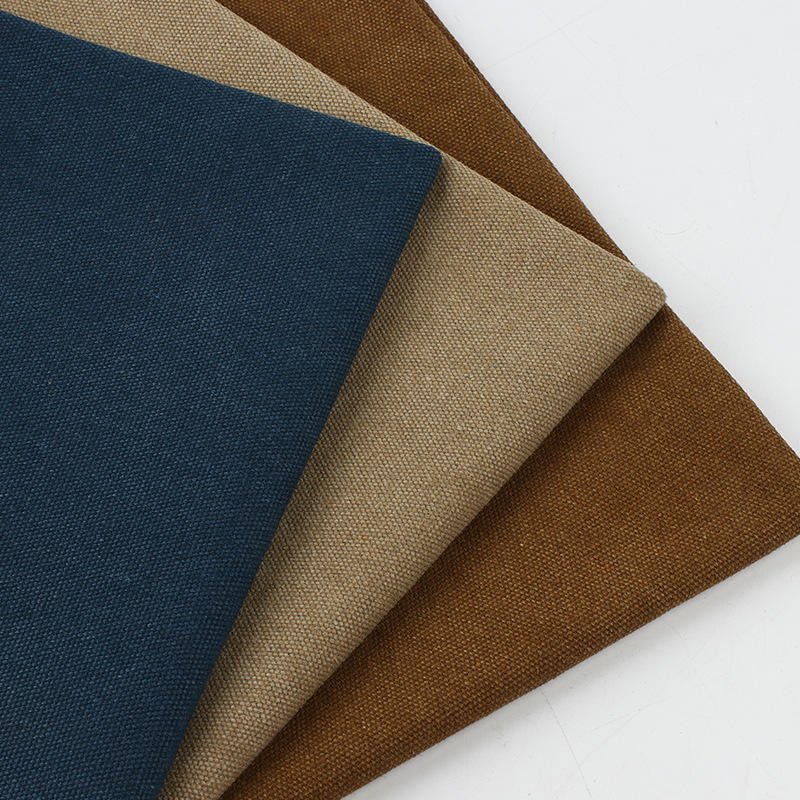
Washed canvas fabric bags are bags made from canvas that has gone through a finishing wash to soften the fabric, reduce stiffness, improve hand feel, and create a slightly worn or natural look. Compared with raw canvas, washed canvas is usually more comfortable, more flexible, and better suited to daily-use and fashion-oriented bags.
For product developers, this is not just a small finishing detail. It affects customer first impression, product positioning, and even sales performance. A simple change from raw canvas to washed canvas can make a bag feel less like basic packaging and more like a product worth keeping. That difference matters in a market where people judge quality in seconds, often before they even notice the logo.
What Is Washed Canvas Fabric Bags?
Washed canvas fabric bags are bags made from canvas fabric that has been washed after weaving, dyeing, or sewing to make the material softer, more relaxed, and more natural in appearance. The washing process improves comfort, helps reduce stiffness, and makes the bag better suited to everyday use, lifestyle products, and premium casual collections.
What is washed canvas fabric bags
Washed canvas fabric bags are not a completely different material from regular canvas bags. The base fabric is still canvas, usually cotton canvas or a cotton-rich blend, but the finishing process changes how that canvas feels and behaves. That change is important. Many customers say they want a canvas bag, but what they actually want is not the stiff and board-like version they often receive from low-end production. They want a canvas bag that feels already broken in, easier to carry, and more pleasant in daily use.
In practical bag development, washed canvas is chosen when the product needs a softer hand feel without losing the core strength of woven canvas. After washing, the surface becomes less flat, the fibers relax, and the overall appearance looks more natural. In many cases, the color also becomes deeper, slightly muted, or gently aged depending on the wash method and dyeing process. This is one reason washed canvas works well in products that need a casual premium look.
Customers usually care about several visible and invisible differences at the same time. The visible part is the look and feel. The invisible part is performance stability. A good washed canvas bag should not only feel better in hand; it should also show more controlled shrinkage, more stable softness, and fewer surprises after the bag reaches the end customer.
The table below shows the most important differences between raw canvas and washed canvas in bag production.
| Property | Raw Canvas | Washed Canvas |
|---|---|---|
| Hand feel | firm, stiff | softer, more relaxed |
| Surface look | flat, clean | natural, slightly aged |
| Flexibility | lower | higher |
| Initial comfort | moderate | high |
| Shrinkage risk after finishing | higher | more controlled |
| Product style fit | utility, simple | lifestyle, retail, fashion |
For many brands, this difference affects customer perception immediately. A raw canvas bag may feel durable but basic. A washed canvas bag often feels more finished, more considered, and more aligned with premium casual positioning. That is why washed canvas is common in retail collections, boutique bag lines, gift products, and direct-to-consumer launches where first-touch impression matters.
How washed canvas fabric bags are made
The making of washed canvas fabric bags involves more control than many customers expect. It is not just sewing a bag and then running it through water. A well-made washed canvas product depends on the order of operations, the wash formula, the drying method, and the way the factory manages shrinkage and shape after finishing.
A standard project usually includes several stages. First comes fabric preparation. This includes weaving, fabric inspection, dyeing if color is required, and basic finishing. Next comes cutting and sewing, where pattern dimensions must already account for possible change during washing. Then comes the washing stage itself, followed by drying, reshaping, trimming, ironing if needed, and final quality inspection.
The most common wash methods include the following:
- enzyme wash, used to soften the surface and improve hand feel
- garment wash, used to create a balanced casual finish
- stone wash or stone-like wash effect, used to create a more aged look
- pigment wash, used when a faded color effect is part of the design direction
Each method changes the final result in a different way.
| Wash Method | Main Result | Common Product Direction |
|---|---|---|
| Enzyme wash | softer hand feel | tote bags, pouches, casual carry bags |
| Garment wash | natural relaxed feel | retail bags, backpacks, shoulder bags |
| Stone wash effect | aged, worn look | vintage collections, outdoor-inspired bags |
| Pigment wash | faded color depth | fashion bags, seasonal lifestyle styles |
The challenge is control. Washing can improve a bag, but poor control can easily damage it. Too much wash action can weaken surface fibers. Poor drying control can distort the bag shape. Unstable color management can create large shade variation across the same order. In small test runs, these problems may not appear clearly, but in mass production they can become expensive.
This is why experienced manufacturers do not treat washing as a cosmetic extra. They build it into the product engineering process. That includes pre-testing shrinkage, checking seam response after washing, reviewing handle deformation, and confirming whether logos, labels, and accessories will remain stable. Lovrix benefits from having fabric development, webbing production, and bag manufacturing within one group structure, which helps reduce the disconnect that often appears when fabric, trim, and final assembly are managed by unrelated suppliers.
What makes washed canvas fabric bags different
The real difference in washed canvas fabric bags is not one single feature. It is a combination of feel, appearance, and user experience. A washed canvas bag usually feels less stiff on day one, folds more naturally, sits more comfortably against the body, and looks less like a factory-fresh commodity product. For many customer-facing brands, that matters as much as basic durability.
One major difference is comfort. Raw canvas can be strong, but on shoulder bags, crossbody bags, and larger tote bags, stiffness often creates a less pleasant carrying experience. Washed canvas reduces that issue. The body panels move more naturally, and the bag feels easier to handle in daily life. This is especially important in categories where the product may be worn against clothing for hours at a time.
Another major difference is appearance. Washed canvas often shows small surface variation, softer color depth, and a more natural texture. Customers often describe this as “less cheap,” even when they do not know the production reason behind it. That reaction matters because retail conversion is often emotional before it is technical.
A third difference is product positioning. Raw canvas often suits promotional bags, utility totes, and simple structured products. Washed canvas fits better in these cases:
- lifestyle tote bags
- casual backpacks
- boutique retail bags
- travel organizers
- gift sets
- fashion-led daily carry products
The table below shows how washed canvas changes product value from a commercial perspective.
| Product Factor | Standard Canvas Bag | Washed Canvas Bag |
|---|---|---|
| First-touch impression | basic | more premium |
| Visual character | clean and plain | relaxed and natural |
| Comfort level | average | higher |
| Suitability for fashion retail | moderate | strong |
| Perceived value | lower to medium | medium to high |
For customers building a brand, this often influences pricing power. A washed canvas bag may cost more to produce, but it can also justify a higher selling price, reduce the “cheap fabric” impression, and improve the likelihood that the product is kept and reused instead of treated like disposable packaging. That makes it more valuable not only as a material choice, but as a business choice.
Why Choose Washed Canvas Fabric Bags?
Washed canvas fabric bags are chosen because they give canvas a softer touch, a more natural look, and a more comfortable daily-use feel without removing the core strength that makes canvas useful. They work especially well for brands that want their bags to feel relaxed, retail-ready, and more premium than standard raw canvas options.
Why washed canvas fabric bags feel soft
Softness is one of the main reasons washed canvas has become so widely used in bag collections that target everyday use. Many customers do not complain that a bag is too weak. They complain that it feels too hard, too rigid, or not pleasant enough to use every day. Washed canvas answers that problem directly.
The softness comes from the wash treatment relaxing the surface fibers and reducing the stiffness that is common in untreated or lightly finished canvas. In raw canvas, the fabric often feels tighter and more board-like because the yarns remain in a firmer state after weaving and dyeing. Washing changes that condition. The fabric bends more easily, drapes better, and feels more natural in hand. This is especially useful in products such as shoulder totes, casual backpacks, zipper pouches, and unstructured shopping bags.
From a practical product standpoint, softer does not simply mean nicer to touch. It affects how the bag performs in real use. A softer bag is easier to fold, easier to pack, and often more comfortable against the body. For brands selling through online channels, that matters because touch cannot be experienced before purchase. The product has to meet or exceed expectations once it arrives.
Several customer-facing benefits come from this softer hand feel:
- easier day-one usability
- less break-in time
- better comfort on shoulder carry
- more premium casual impression
- more natural movement in unstructured designs
Factories also look at softness through measurable change. Washing can reduce bending stiffness and increase flexibility significantly, though the exact result depends on fabric weight, weave density, and wash method. In commercial terms, that softer feel often allows the same bag pattern to be repositioned into a more premium retail segment without completely redesigning the product.
Why washed canvas fabric bags look vintage
Many brands choose washed canvas because of the way it looks, not just the way it feels. That visual effect is difficult to create with untreated fabric. Raw canvas often appears too new, too flat, or too plain for products that are meant to feel lived-in, relaxed, or authentic. Washing creates a more natural surface that customers often read as higher quality, more personal, and less mass-produced.
The vintage look in washed canvas usually comes from three things working together: slight surface abrasion, more relaxed fiber arrangement, and controlled color softening. The result is not damage. It is character. A good washed canvas bag should still look clean and intentional, but not overly uniform. Small tonal variation, softened edges, and a slightly worn-in appearance often make the product feel more appealing in fashion, lifestyle, travel, and outdoor-inspired categories.
This look performs especially well in these product directions:
- casual tote collections
- heritage-style backpacks
- coffee shop or bookstore merchandise bags
- outdoor-inspired accessory lines
- boutique and gift store products
Still, this effect needs control. Too much wash variation can create serious production problems. One bag may look attractive and naturally aged, while another from the same order may look inconsistent or poorly dyed. This is why factories need clear color standards, wash testing, and approval samples before bulk production.
The commercial value of the vintage look is real. Products that appear more natural and more emotionally engaging often have stronger shelf presence and better photo appeal in e-commerce. In many cases, customers accept a higher retail price because the bag feels less generic. That makes washed canvas useful not only for design reasons, but for product differentiation in crowded markets.
Why washed canvas fabric bags are popular
Washed canvas fabric bags are popular because they match the way many people now shop for daily products. Customers increasingly prefer items that feel practical but still have personality. They want bags that look durable but not harsh, casual but not cheap, and natural but still well made. Washed canvas fits this demand very well.
One reason for its popularity is that it sits between two extremes. It is more refined than raw utility canvas, but more grounded and less synthetic than many polyester-based alternatives. That middle position makes it useful across a wide range of product categories. A washed canvas tote can work in a retail store, a lifestyle brand collection, a coffee brand merchandise line, or an online direct-to-consumer launch.
Several market trends have helped increase demand:
- growth of casual everyday bag categories
- stronger preference for natural-looking materials
- more interest in reusable and longer-life products
- expansion of private label and small-batch brand launches
- better response to products with tactile, photo-friendly appeal
The table below shows why washed canvas fits current product expectations so well.
| Market Need | Why Washed Canvas Fits |
|---|---|
| Daily usability | soft, easy to carry, comfortable |
| Retail presentation | natural surface, stronger visual appeal |
| Premium casual look | more character than plain raw canvas |
| Reuse value | durable enough for repeated carry |
| Brand storytelling | works well with lifestyle positioning |
Popularity also comes from sales performance. Products that feel better in hand often receive better feedback after delivery. That matters in e-commerce, where the first physical impression can determine whether a customer keeps the bag, recommends it, or orders again. For many brands, washed canvas helps bridge the gap between a functional bag and a product people actually enjoy using.
What Bags Use Washed Canvas Fabric Bags?
Washed canvas fabric bags are used in products that require a balance between comfort, appearance, and durability. They are especially suitable for daily-use, lifestyle, and retail-oriented bags where the feel of the product is just as important as its function.
What daily washed canvas fabric bags are
Daily-use bags are the largest application category for washed canvas. These are products people carry frequently, sometimes every day, so comfort and usability matter more than extreme strength.
Common daily washed canvas bags include:
- tote bags for shopping and commuting
- casual backpacks
- laptop carry bags
- cosmetic and organizer pouches
- grocery and reusable shopping bags
In these products, washed canvas offers a clear advantage over raw canvas. The softer structure makes the bag easier to handle, especially when it is carried for long periods or packed tightly.
From a product development standpoint, most daily-use washed canvas bags use:
- 10 oz to 14 oz canvas
- soft structure (no heavy reinforcement)
- minimal internal framing
| Daily Bag Type | Typical Fabric | Key Requirement |
|---|---|---|
| tote bag | 10–12 oz washed canvas | light + comfortable |
| commuter bag | 12–14 oz washed canvas | structure + flexibility |
| pouch | 8–12 oz washed canvas | soft + compact |
| grocery bag | 10–12 oz washed canvas | reusable + durable |
Customers often judge these products based on:
- how easy they are to fold
- how comfortable they feel on the shoulder
- whether they look “too stiff” or “too cheap”
Washed canvas improves all three points, which is why it is widely used in this segment.
What fashion washed canvas fabric bags are
Washed canvas is heavily used in fashion and lifestyle bags because of its visual character. Unlike raw canvas, which can look flat and basic, washed canvas provides depth, texture, and a more relaxed appearance.
Common fashion applications:
- crossbody bags
- shoulder bags
- streetwear backpacks
- branded tote collections
- seasonal fashion bags
In this segment, design decisions focus on:
- color tone (often slightly faded or muted)
- texture (soft, natural surface)
- shape (less rigid, more relaxed)
Washed canvas works well because it supports:
- pigment dye effects
- vintage or “used” appearance
- soft draping structure
| Fashion Style | Canvas Finish | Result |
|---|---|---|
| minimalist | light wash | clean but soft |
| vintage | stone wash | aged look |
| streetwear | pigment wash | bold, faded tones |
| lifestyle | garment wash | natural appearance |
However, fashion applications also bring challenges. Washed canvas can create:
- color variation between batches
- inconsistent tone if not controlled
- differences between sample and bulk production
This is why color control and sample approval are critical before mass production.
From a market perspective, washed canvas allows brands to:
- move away from “basic tote” perception
- position products at higher price points
- create stronger visual identity
Which washed canvas fabric bags sell well
Not all washed canvas bags perform equally in the market. Products that sell well usually combine the right material with the right structure and price positioning.
Top-performing categories include:
- simple branded tote bags
- medium-size daily carry bags
- casual backpacks
- eco-style reusable bags
- gift and retail packaging bags
These products succeed because they meet three key conditions:
- they feel good in hand
- they look natural and not overly manufactured
- they are priced within an accessible range
| Product Type | Why It Sells Well |
|---|---|
| tote bags | easy to use, wide audience |
| casual backpacks | daily practicality |
| retail bags | brand exposure |
| reusable bags | sustainability trend |
| gift bags | added product value |
In e-commerce, washed canvas bags often perform better than raw canvas because:
- product photos look more appealing
- texture appears more premium
- customers expect better comfort
For many brands, switching from raw to washed canvas improves:
- conversion rate
- customer reviews
- repeat purchase rate
How Strong Are Washed Canvas Fabric Bags?
Washed canvas fabric bags remain strong and durable, although the washing process slightly reduces stiffness. When properly produced, they still provide sufficient strength for daily and medium-load use, while offering better comfort and flexibility than raw canvas.
How durable washed canvas fabric bags are
Durability in washed canvas depends on both fabric quality and how the washing process is controlled.
Compared to raw canvas:
- strength is slightly reduced (usually 5–15%)
- flexibility increases significantly
- user comfort improves
Typical durability performance:
| Canvas Type | Strength Level | Use Case |
|---|---|---|
| raw canvas | very high | heavy-duty |
| washed canvas | high | daily use |
| lightweight washed | medium | light use |
For most consumer products, washed canvas still provides more than enough durability.
Key durability factors include:
- fabric weight (GSM)
- yarn quality
- weave density
- stitching method
For example:
- 12 oz washed canvas → suitable for daily tote bags
- 14 oz washed canvas → suitable for backpacks and heavier loads
The key point is balance. Most daily-use bags do not need maximum strength—they need reliable strength with better usability.
How washed canvas fabric bags wear over time
Wear behavior is one of the most interesting aspects of washed canvas.
Unlike synthetic fabrics, which often look new for a long time and then suddenly degrade, washed canvas tends to:
- age gradually
- develop character
- soften further with use
Common wear patterns:
- slight fading at edges
- soft creasing
- minor color variation
These changes are often seen as positive, especially in:
- lifestyle products
- vintage-style bags
- outdoor-inspired designs
However, there are also considerations:
- lighter colors show dirt more easily
- excessive washing may weaken fabric over time
- heavy friction areas still require reinforcement
| Wear Area | Behavior |
|---|---|
| corners | gradual fading |
| handles | softening + slight wear |
| surface | texture becomes richer |
| seams | stable if well reinforced |
For many users, this aging process increases product appeal rather than reducing it.
How long washed canvas fabric bags last
The lifespan of a washed canvas bag depends on usage, but it generally performs well in daily-use scenarios.
Typical lifespan estimates:
| Usage Level | Fabric Range | Lifespan |
|---|---|---|
| light use | 8–10 oz | 6–12 months |
| daily use | 10–14 oz | 1–3 years |
| heavy daily use | 12–16 oz | 2–4 years |
Compared to raw canvas:
- washed canvas may wear slightly faster in extreme conditions
- but offers better usability for most real-life scenarios
From a business perspective, lifespan affects:
- customer satisfaction
- product reviews
- replacement rate
A bag that lasts longer while remaining comfortable creates better long-term value.
For brands, this often leads to:
- stronger product reputation
- higher perceived quality
- improved customer loyalty
How to Choose Washed Canvas Fabric Bags?
Choosing washed canvas fabric bags is not only about selecting a soft fabric. It is about matching fabric weight, finish, structure, and cost with the real use of the product. The right choice depends on how the bag will be used, who will buy it, and how the product is positioned in the market.
How to choose washed canvas fabric bags weight
Fabric weight is the first and most important decision when developing washed canvas bags. It directly affects durability, feel, cost, and shipping weight.
In real production, most washed canvas bags fall into three ranges:
| Weight Range | Fabric Feel | Recommended Use |
|---|---|---|
| 8–10 oz | very soft, light | promotional bags, pouches |
| 10–12 oz | soft, balanced | tote bags, daily use |
| 12–16 oz | thicker, structured | backpacks, work bags |
Key decision factors:
- If the bag is for giveaways or low-cost retail, lighter canvas is enough
- If the bag is for daily repeated use, medium weight is safer
- If the bag needs to carry heavy items, higher weight is required
Choosing too light:
- increases risk of tearing
- reduces perceived quality
Choosing too heavy:
- increases cost
- raises shipping weight
- reduces flexibility
A common mistake is over-specifying fabric. Many products only need 12 oz washed canvas, but are built with heavier fabric that adds cost without real benefit.
Lovrix typically helps clients test 2–3 fabric weights during sampling, so the final choice is based on actual product feel instead of assumptions.
Which washed canvas fabric bags fit your use
Different products require different material setups. The same washed canvas fabric cannot serve all bag types equally well.
Here is a practical matching guide:
| Product Type | Recommended Setup |
|---|---|
| promotional tote | 8–10 oz washed canvas |
| retail tote | 10–12 oz washed canvas |
| premium tote | 12–14 oz washed canvas + lining |
| backpack | 12–16 oz washed canvas + reinforcement |
| utility bag | 14–18 oz washed canvas |
Key questions to ask before choosing:
- What weight will the bag carry daily?
- Will the bag be folded or structured?
- Is appearance or durability more important?
- What is the target price range?
For example:
- a coffee brand tote → focus on softness + print → 10–12 oz
- a travel bag → focus on structure → 14–16 oz
- a fashion bag → focus on texture → washed + pigment finish
Matching fabric to real usage is more important than choosing the “best” material on paper.
How to control washed canvas fabric bags cost
Cost control in washed canvas bags is not just about choosing cheaper fabric. It is about optimizing the whole product.
Main cost components:
| Cost Element | Percentage |
|---|---|
| fabric | 35–60% |
| labor | 20–30% |
| accessories | 10–20% |
| finishing (washing) | 5–10% |
Ways to control cost without hurting quality:
- choose the correct fabric weight (not the highest)
- simplify structure if possible
- reduce unnecessary hardware
- optimize printing method
- plan order quantity to reduce unit cost
For example:
- switching from 14 oz to 12 oz canvas can reduce cost by 8–12%
- simplifying handle design can reduce labor cost
- using screen printing instead of embroidery reduces unit price
Lovrix supports low MOQ starting from 50 pcs, which helps brands test products without large upfront investment. This is especially useful for:
- Amazon sellers
- Shopify brands
- new product launches
Is Washed Canvas Fabric Bags Worth It?
Washed canvas fabric bags are worth it for products that require better comfort, improved appearance, and higher perceived value. They are especially suitable for brands targeting lifestyle, retail, and mid-to-premium markets.
Is washed canvas fabric bags better than raw canvas
Washed canvas and raw canvas serve different purposes.
| Feature | Raw Canvas | Washed Canvas |
|---|---|---|
| strength | slightly higher | slightly lower |
| softness | low | high |
| appearance | clean, plain | natural, aged |
| comfort | moderate | high |
| product style | utility | lifestyle |
Raw canvas is better for:
- heavy-duty bags
- industrial use
- tool bags
Washed canvas is better for:
- retail bags
- daily use
- fashion products
For most consumer-facing products, washed canvas provides a better balance.
Is washed canvas fabric bags better than polyester
Polyester is widely used because it is lightweight and cost-effective, but it creates a very different product experience.
| Feature | Washed Canvas | Polyester |
|---|---|---|
| feel | soft, natural | smooth, synthetic |
| durability | high | medium |
| appearance | premium casual | technical |
| eco perception | stronger | weaker |
| cost | medium | low |
Polyester works well for:
- sports bags
- waterproof products
- lightweight travel
Washed canvas works better for:
- retail and lifestyle
- eco positioning
- premium casual products
The choice depends on product direction, not just cost.
Do washed canvas fabric bags have limits
Washed canvas is not perfect. It has limitations that should be understood before development.
Main limitations:
- not fully waterproof
- heavier than synthetic fabrics
- color variation may occur
- slightly lower strength than raw canvas
| Limitation | Impact |
|---|---|
| water absorption | not ideal for heavy rain |
| weight | higher shipping cost |
| color variation | requires control |
| wear | softer surface may age faster |
These limitations can be managed through:
- coatings or lining
- proper design
- controlled production
Understanding these factors helps avoid unrealistic expectations.
How to Customize Washed Canvas Fabric Bags?
Washed canvas is highly customizable, making it ideal for private label and OEM projects. It supports a wide range of branding, structure, and finishing options.
How to print washed canvas fabric bags
Printing on washed canvas requires more control than raw canvas because the surface is less uniform.
Common methods:
| Method | Best For | Notes |
|---|---|---|
| screen printing | bulk orders | stable and cost-effective |
| digital printing | complex designs | higher detail |
| embroidery | premium bags | strong durability |
| patches | branding | visual impact |
Key considerations:
- washed surface may affect color consistency
- testing is required before bulk production
- darker fabrics require special ink handling
How to brand washed canvas fabric bags
Branding goes beyond printing. It includes the entire product presentation.
Key branding elements:
- logo placement
- label type (woven, printed, leather)
- color matching
- stitching details
- packaging
A strong branding setup creates:
- better recognition
- higher perceived value
- stronger market positioning
How factories make washed canvas fabric bags
Professional production requires coordination across multiple steps.
Lovrix provides:
- fabric development + bag manufacturing integration
- free design support
- fast sampling (5–7 days)
- low MOQ (50 pcs)
- mass production in 25–30 days
- 100% quality inspection
Typical workflow:
| Step | Description |
|---|---|
| design | tech pack or sample |
| material | fabric + accessories |
| sampling | development + testing |
| approval | adjustments |
| production | bulk manufacturing |
| inspection | quality control |
| shipping | global delivery |
This system helps reduce:
- errors
- delays
- inconsistency
Final Section: Work With Lovrix to Build Your Washed Canvas Bags
Choosing washed canvas fabric is only the starting point. The real result depends on how well the material, design, and production process come together.
Lovrix has over 18 years of experience.
We help brands turn ideas into real products .
Whether you are launching a new product or improving an existing one, working with the right factory reduces risk and improves results.
Send us your design, concept, or sample today. Lovrix will help you develop washed canvas fabric bags that match your market, your brand, and your customers.


