 Skip to content
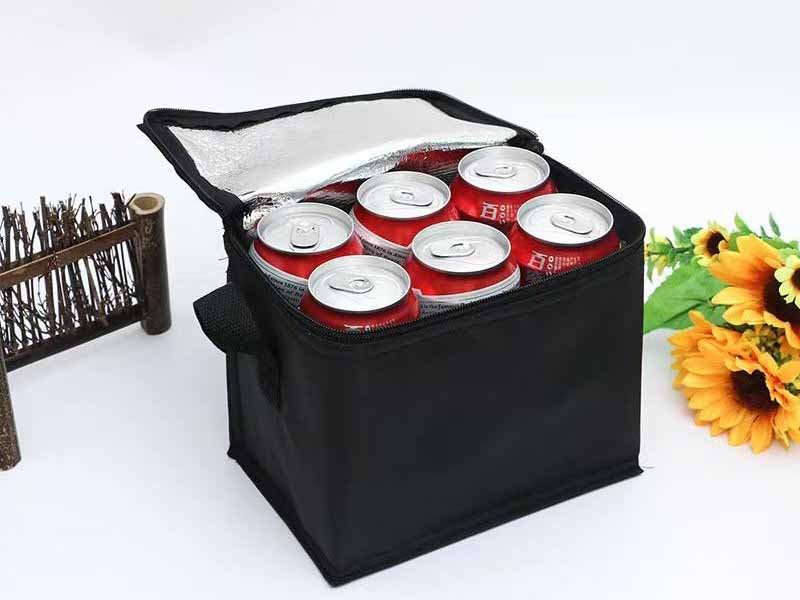
The food delivery business has changed the value of a cooler bag completely. In the past, many restaurants and delivery operators saw insulated bags as a low-cost support item. Today, they are part of the delivery system itself. A weak bag can reduce food temperature too quickly, affect texture, increase spills, and create a poor customer experience before the package is even opened. A strong bag can help food arrive hotter, cleaner, more stable, and more professional-looking. That difference matters because delivery customers are not judging only the meal anymore. They are judging the full experience, including temperature, freshness, presentation, and reliability.
Food delivery cooler bags growth means rising demand for insulated delivery bags across takeout, grocery delivery, meal kits, and food logistics. This growth is driven by more online orders, longer delivery distances, stricter food handling expectations, and the need for stronger branded packaging solutions. As a result, cooler bags are becoming more specialized in structure, insulation, durability, and customization.
A lot of companies only notice this after a service problem appears. A restaurant may see more complaints during peak hours, assume the kitchen is the issue, and later find the real problem is heat loss during transport. A grocery platform may deal with damaged cold items and discover the bag structure is too soft or the liner is too weak. Once these problems are fixed, delivery performance often improves faster than expected. That is why food delivery cooler bags deserve much more attention than they usually get.
What Is Food Delivery Cooler Bags Growth?

Food delivery cooler bags growth is the expansion in demand, usage, product development, and commercial value of insulated bags used to transport food. It is closely tied to the growth of takeout, grocery delivery, cloud kitchens, meal subscription services, and branded food logistics. For many businesses, these bags are no longer simple packaging tools. They are now part of service quality, delivery efficiency, and customer retention.
What is food delivery cooler bags growth?
Food delivery cooler bags growth is not only about selling more bags. It reflects a larger change in the way food businesses operate. As delivery becomes a core sales channel instead of a side channel, every part of the transport process starts to matter more. That includes how long the food stays warm, how stable the packaging remains during the ride, how easy the bag is for riders to carry, and how clearly the delivery brand is presented to the customer.
A few years ago, many delivery bags on the market were basic soft insulated bags with simple zippers and thin foam. They were cheap, but they were often not designed for high-frequency use. As order volumes increased, companies began demanding more from the product:
- better heat retention
- stronger waterproof lining
- more durable handles and shoulder straps
- easier cleaning after repeated daily use
- stronger bottom support
- larger capacity for multiple orders
- lighter weight for riders
- improved logo display and branded appearance
This is why the market has moved from general insulated bags to delivery-specific solutions.
Food delivery cooler bags growth can be understood through three layers:
| Market Layer | What Is Changing | Why It Matters |
|---|---|---|
| Demand Layer | More food and grocery orders | More bags needed at larger scale |
| Product Layer | Better structure and insulation | Higher quality expectations |
| Brand Layer | More custom colors, logos, and formats | Cooler bags become visible brand assets |
For customers who are sourcing these products, the key point is simple: the bag is no longer an accessory. It is part of the product experience. If food arrives cold, tilted, wet, or damaged, the customer does not separate that failure into “restaurant problem” and “delivery bag problem.” They simply feel disappointed with the brand.
This change is especially important for:
- delivery platforms
- chain restaurants
- cloud kitchen brands
- grocery delivery operators
- frozen food distribution businesses
- e-commerce food sellers
- meal prep brands
Each of these business types has different route lengths, temperature needs, order sizes, and carrying requirements. That has pushed the cooler bag category into faster development and wider segmentation.
Another reason this growth matters is replacement frequency. Unlike many retail bags, food delivery cooler bags are used intensively. Some are opened and closed dozens of times per day. They are exposed to heat, moisture, grease, friction, weight stress, and outdoor conditions. That means many companies are not only buying for expansion, but also for replacement and performance upgrades. In other words, this is not a one-time purchase category. It is a recurring operational category.
What products in food delivery cooler bags growth?
One major reason the market is growing is that the category itself has become broader. Food delivery cooler bags are no longer limited to one standard box-shaped bag. Different delivery models now require different product types, and that has opened up more custom manufacturing opportunities.
The most common product types include:
- delivery backpacks
- hand-carry insulated tote bags
- pizza delivery bags
- grocery cooler bags
- foldable insulated bags
- meal prep delivery bags
- multi-compartment thermal bags
- insulated lunch transport bags
- freezer delivery bags
- hot and cold dual-zone bags
Each product type solves a different problem. For example, a pizza bag must keep flat products level while reducing heat loss. A grocery delivery cooler bag must hold larger weight and separate chilled goods from regular products. A rider backpack must balance insulation with carrying comfort and safety. A meal delivery brand may care more about clean presentation and premium custom printing.
Here is a practical product breakdown:
| Product Type | Best Use | Main Customer Concern | Key Design Focus |
|---|---|---|---|
| Delivery Backpack | Scooter and bike delivery | Rider comfort and speed | Ergonomic straps, stable body, light weight |
| Insulated Tote Bag | Short local delivery | Cost and flexibility | Fast loading, easy folding, simple branding |
| Pizza Delivery Bag | Pizza and flat boxes | Heat retention and shape | Wide opening, flat base, thick insulation |
| Grocery Cooler Bag | Fresh food and supermarket orders | Capacity and item separation | Large volume, reinforced handles, dividers |
| Meal Kit Bag | Subscription food brands | Presentation and consistency | Clean interior, controlled dimensions, brand look |
| Dual-Zone Cooler Bag | Hot and cold mixed orders | Temperature separation | Partition system, multiple compartments |
This category expansion creates more opportunities for customization. Many customers are no longer asking for “a cooler bag.” They are asking for:
- a backpack for 45-minute urban delivery
- a thermal grocery bag with reinforced side walls
- a foldable insulated bag for restaurant takeout
- a branded premium meal bag for subscription orders
- an insulated bag with separate hot and cold sections
This is where a factory like Lovrix becomes more valuable. Since Lovrix has fabric manufacturing, webbing production, and bag manufacturing capability within one group structure, it can help solve design challenges more efficiently. For example:
- if the bag needs stronger webbing handles, the webbing side can support the bag team directly
- if the brand wants a specific outer fabric look, the fabric side can help develop it faster
- if the order needs low MOQ for testing but must still look premium, the production team can adjust the structure more flexibly
Another important point is product life cycle. Some customers in this market want low-cost operational bags for frequent replacement. Others want stronger, longer-life bags that reduce total replacement cost over time. These are two very different purchasing strategies. Product design should match that strategy from the start.
Are food delivery cooler bags growth trends rising?
Yes, and the growth is not happening for just one reason. It is happening because several business pressures are rising at the same time.
The strongest growth drivers include:
- more online food ordering
- more grocery delivery demand
- wider delivery radius in urban areas
- stronger food safety awareness
- higher customer expectations for freshness
- more delivery-based restaurant models
- more interest in branded reusable transport solutions
A useful way to understand the market is to look at what has changed in customer expectations. In earlier stages of delivery growth, many businesses focused on speed alone. Now, customers expect both speed and quality. They want food to arrive hot, drinks to stay cold, packaging to look clean, and the delivery experience to feel reliable.
That means cooler bags are now measured by performance, not just existence.
Below is a simple view of how the market has shifted:
| Earlier Market Expectation | Current Market Expectation |
|---|---|
| Bag only needs basic insulation | Bag must support stable temperature retention |
| Basic shape is enough | Bag should fit the delivery model precisely |
| Generic black bag is acceptable | Branded, cleaner-looking bags add value |
| Replacement is expected | Durability and reuse matter more |
| One bag style fits all | Different food formats need different bag structures |
Another important shift is that delivery brands now care more about operational efficiency. A better cooler bag can support:
- faster loading and unloading
- easier rider handling
- better stacking of multiple orders
- fewer spills during transport
- easier cleaning and maintenance
- lower replacement frequency
All of these improvements affect cost. For example, if a delivery company reduces bag damage, lowers complaint rates, and improves rider efficiency, the real financial impact can be meaningful even if the unit bag cost is slightly higher.
Here is a simple cost-thinking comparison:
| Bag Type | Lower Purchase Price | Higher Operating Value |
|---|---|---|
| Low-cost basic bag | Yes | Usually lower |
| Mid-range reinforced bag | Moderate | Often better long-term value |
| Higher-spec custom delivery bag | No | Can improve efficiency, retention, and brand image |
This is why food delivery cooler bags growth should not be viewed only as a volume trend. It is also a quality trend and a customization trend. More customers are moving away from generic off-the-shelf bags and toward products designed for their own service model, food format, and branding needs.
For customers planning a sourcing strategy, this matters a lot. If the market keeps moving toward better-performing insulated bags, then businesses using outdated or weak bag designs may slowly lose ground even if their food itself is good. Delivery has become part of product quality. In many cases, the cooler bag is one of the few physical touchpoints between the delivery operation and the end customer. That makes it much more important than it looks.
Why Food Delivery Cooler Bags Growth Matters

Food delivery cooler bags growth matters because insulated delivery bags now affect temperature control, delivery efficiency, food safety, product presentation, and repeat order satisfaction. For restaurants, platforms, and food brands, the cooler bag is no longer a supporting item in the background. It plays a direct role in how customers experience the product.
Why does food delivery cooler bags growth increase?
The increase in demand is closely linked to how food businesses are changing. More brands now rely on delivery as a major revenue source, not just a side service. That creates pressure on the transport stage. Once food leaves the kitchen or warehouse, the delivery bag becomes one of the main tools protecting quality.
Several forces are pushing this growth:
- more households ordering meals online
- more workers using delivered lunch options
- more grocery and fresh food delivery programs
- more cloud kitchens with no dine-in model
- more packaged meal and ready-to-eat brands
- more focus on customer reviews and delivery ratings
This matters because food quality changes quickly during delivery. Heat loss, moisture buildup, poor support, or unstable bag interiors can all damage the final experience.
Here is a useful way to look at customer complaints during delivery:
| Delivery Problem | Bag-Related Cause | Result for Business |
|---|---|---|
| Food arrives cold | Weak insulation or oversized bag | Lower satisfaction and lower reorder rate |
| Packaging collapses | Poor interior support | Messy presentation and refund requests |
| Items spill or tilt | Weak structure or poor compartment design | More complaints and delivery friction |
| Cold items warm up | No insulation separation | Quality loss and food safety concerns |
| Bag breaks early | Weak seams, zippers, or webbing | Higher replacement cost |
A lot of companies spend heavily on food quality and marketing, but use a weak delivery bag that undermines both. That is one reason this market is expanding. Businesses are starting to realize that a stronger cooler bag can protect the value they already created upstream.
This growth is also supported by more professional sourcing behavior. Customers are asking more detailed questions than before:
- how long does the insulation hold temperature
- what foam thickness is used
- is the liner waterproof and easy to wipe
- how strong are the handles
- can the bottom hold repeated heavy loads
- can the bag be folded without damaging the structure
- can the logo stay clean after repeated use
These are not small questions. They show that the market is maturing. As the category matures, demand shifts from low-cost generic products toward better designed and more specialized products.
How do platforms drive food delivery cooler bags growth?
Large food delivery platforms have helped standardize the market even when they do not directly manufacture bags themselves. Their delivery systems influence what kind of bags are needed, how often bags are used, and what operational features matter most.
Platform-driven delivery creates pressure in several ways:
- riders need bags that are fast to load and unload
- routes may include multiple stops, increasing time in transit
- bag durability matters because usage frequency is high
- branded appearance matters because riders are visible in public
- order volume may spike sharply during lunch, dinner, weekends, and promotions
This creates more demand for bags with the following features:
- strong opening and closing system
- stable internal space
- easy shoulder or backpack carrying
- weather-resistant outside material
- easy-clean interior surface
- visible custom logo or high-recognition color design
The platform economy also increases repeat demand. When a delivery fleet grows, more bags are needed. When old bags wear out, replacement orders follow. When a platform wants a stronger visual brand identity, custom orders increase.
Below is a simple platform-related product logic table:
| Platform Need | Cooler Bag Response |
|---|---|
| Fast dispatch | Wide top opening and easy zipper access |
| Rider comfort | Padded straps and balanced shape |
| High-frequency use | Strong seams, reinforced handles, durable liner |
| Public visibility | Custom color, logo, reflective design |
| Multi-order delivery | Larger capacity and compartment planning |
Another important factor is standardization. Once delivery brands grow, they often want more visual consistency. Instead of buying random bags from different sources, they move toward custom OEM or private label production. This helps them unify:
- dimensions
- material standards
- logo placement
- insulation level
- rider appearance
- replacement planning
This is good news for serious manufacturing partners. A company like Lovrix is well positioned in this space because the group controls key parts of the supply chain. Fabric development, webbing production, and bag manufacturing can work together, which helps customers move from idea to finished product more smoothly. That matters when brands want to test new formats quickly, reduce miscommunication, or improve material consistency across reorders.
Are safety rules boosting food delivery cooler bags growth?
Yes, safety expectations are becoming one of the strongest reasons this market keeps upgrading.
When food is transported, the bag must help maintain acceptable conditions for quality and hygiene. In practice, customers care about a few simple questions:
- does hot food stay hot enough
- do cold products stay cold enough
- can the bag be cleaned easily
- does the lining absorb moisture or odors
- can different foods be separated safely
- does the structure reduce crushing or leaking
As businesses become more professional, these questions become harder to ignore.
The move toward safer delivery conditions has pushed bag design in several directions:
- thicker insulation layers
- more reliable waterproof inner materials
- sealed seams or easier-wipe interiors
- structured walls that reduce collapse
- separate compartments for different temperatures
- materials chosen for easier sanitation and repeated cleaning
Here is a practical feature comparison:
| Safety Concern | Bag Feature That Helps |
|---|---|
| Heat loss | Thicker foam or thermal insulation layer |
| Cold chain weakness | Better reflective lining and tighter closure |
| Moisture buildup | Water-resistant inner surface |
| Cross-contact risk | Divider design or dual-zone structure |
| Frequent cleaning need | Smooth wipeable liner |
| Leaking containers | Reinforced base and more stable shape |
One important point many customers now understand is that food safety is not only about the kitchen. The transport step matters too. If a bag is poorly designed, the final condition of the food may fall below customer expectations even if the food was prepared well.
This is especially important for:
- grocery delivery
- dairy delivery
- fresh meal kits
- ice cream transport
- salad and chilled product delivery
- mixed hot-and-cold meal orders
That is why the market is shifting toward more specialized insulated bag solutions. A one-size-fits-all bag may be enough for very simple delivery tasks, but it often becomes a weak point when food categories become more diverse or route times get longer.
For brands planning custom development, this creates a clear opportunity. Better bag design can support better service claims. If a company markets itself as fast, fresh, premium, eco-conscious, or safety-focused, the cooler bag should support that promise physically, not weaken it. This is one reason custom OEM development has become more attractive. Businesses want bags designed around their real delivery model instead of adapting their operation to a generic bag.
Which Food Delivery Cooler Bags Growth Leads

Food delivery cooler bags growth is not uniform across all product types. Some designs are growing faster because they solve real delivery problems better. The leading products today are those that improve efficiency, temperature control, durability, and ease of use, rather than just basic insulation.
Which food delivery cooler bags growth suits takeout?
For restaurant takeout, the most effective cooler bags are designed for speed, simplicity, and frequent use. These bags are opened and closed many times per day, often during peak hours, so convenience and durability matter more than complex structure.
The most common designs for takeout include:
- soft insulated tote bags
- square-shaped delivery bags
- foldable insulated carriers
- medium-size structured boxes
These bags are usually preferred because they allow:
- fast loading and unloading
- flexible use across different food packaging sizes
- lower cost per unit
- easier storage when not in use
However, not all takeout bags perform equally. The difference often comes from material and construction details.
Key performance factors:
| Feature | Low-Level Bag | High-Performance Bag |
|---|---|---|
| Insulation Thickness | Thin foam | Thick thermal layer |
| Inner Lining | Basic PEVA | Waterproof, easy-clean liner |
| Structure | Soft, collapsible | Semi-structured for stability |
| Zipper Quality | Basic | Reinforced heavy-duty zipper |
| Handle Strength | Light webbing | Reinforced stitching + strong webbing |
One common issue in takeout delivery is heat loss during longer routes. A bag that works well for 10-minute delivery may fail at 30 minutes. That is why more brands are upgrading insulation layers and internal sealing systems.
Another important point is cleaning frequency. Takeout bags often come into contact with sauces, oil, and condensation. If the inner lining absorbs moisture or is difficult to clean, the bag becomes unhygienic quickly.
For this reason, many buyers now prioritize:
- wipeable inner surfaces
- odor-resistant materials
- water-resistant outer fabrics
From a sourcing perspective, takeout bags are usually purchased in higher volume and replaced more frequently. This means buyers often balance:
- cost per unit
- durability cycle
- ease of storage
Lovrix supports this segment by offering flexible MOQ, fast sampling, and multiple fabric options, allowing brands to test different structures before scaling.
Which food delivery cooler bags growth suits grocery?
Grocery delivery is one of the fastest-growing segments, and it requires very different cooler bag designs compared to restaurant takeout.
The main differences are:
- heavier load weight
- mixed product types (fresh, frozen, dry goods)
- longer delivery time
- higher risk of product damage
This creates demand for:
- large-capacity insulated bags
- reinforced bottom structure
- multi-compartment designs
- strong handles and stitching
- higher insulation performance
A typical grocery delivery bag must handle:
- 10–25 kg of weight
- multiple item categories
- temperature-sensitive products
- repeated daily use
Here is a comparison between takeout and grocery bag requirements:
| Requirement | Takeout Bags | Grocery Bags |
|---|---|---|
| Weight Load | Light to medium | Medium to heavy |
| Capacity | Medium | Large |
| Structure | Flexible | Reinforced |
| Insulation | Moderate | Strong |
| Compartments | Optional | Often required |
One of the biggest challenges in grocery delivery is temperature separation. Cold items like dairy, frozen goods, or vegetables may need to stay cool while other items remain at ambient temperature.
This leads to the rise of:
- dual-zone cooler bags
- removable divider systems
- modular bag designs
Another important issue is bag deformation. If the structure is too soft, items may shift during transport, leading to damage or poor presentation.
That is why grocery cooler bags often include:
- rigid panels
- reinforced base boards
- thicker foam layers
From a cost perspective, grocery bags are usually more expensive due to:
- higher material usage
- stronger construction
- more complex design
However, they also tend to have a longer service life, which can reduce overall replacement cost.
Lovrix’s advantage in this segment comes from its integrated supply chain, allowing better control over fabric strength, webbing durability, and bag construction.
Which food delivery cooler bags growth improves efficiency?
Efficiency is becoming one of the most important factors in cooler bag design. Delivery companies are no longer only asking, “Does the bag keep food warm?” They are also asking:
- Can it reduce delivery time?
- Can it improve rider comfort?
- Can it handle multiple orders easily?
- Can it reduce errors during delivery?
The most efficient bag designs today focus on:
- ergonomic carrying systems
- optimized internal space
- fast access openings
- stable structure
Here are some key efficiency-driven features:
| Feature | Efficiency Benefit |
|---|---|
| Backpack Design | Frees hands for riding or navigation |
| Wide Top Opening | Faster loading and unloading |
| Internal Dividers | Better order organization |
| Lightweight Materials | Reduces rider fatigue |
| Reflective Elements | Improves safety during night delivery |
Delivery backpacks are a strong example of efficiency-driven growth. Compared to hand-carry bags, they offer:
- better weight distribution
- improved rider mobility
- safer transport on bikes and scooters
However, backpacks also require better design:
- padded shoulder straps
- breathable back panels
- balanced weight distribution
- strong internal frame
Another important efficiency factor is order stacking. Many delivery operations require carrying multiple orders at once. A poorly designed bag leads to:
- mixed orders
- incorrect deliveries
- slower sorting
Well-designed bags solve this by:
- using compartments
- improving internal visibility
- stabilizing food containers
Efficiency also connects directly to cost. A more efficient bag can:
- reduce delivery time per order
- increase orders per rider
- reduce error-related refunds
- improve customer satisfaction
This means that even if a bag costs slightly more, it can generate higher operational value.
For brands and platforms, this is an important shift. Instead of choosing the cheapest bag, more companies are choosing the bag that improves their delivery system.
Lovrix supports this by offering custom structure development, helping clients design bags that match their exact delivery workflow instead of forcing them to adapt to generic products.
What Trends Shape Food Delivery Cooler Bags Growth

Food delivery cooler bags growth is strongly influenced by several key trends, including sustainability, material innovation, structural design improvements, and branding. These trends are pushing the market toward higher-quality, more customized, and more functional products.
What drives food delivery cooler bags growth trends?
The direction of the market is shaped by both business needs and consumer expectations.
Key trend drivers include:
- demand for better delivery performance
- need for stronger brand visibility
- increasing environmental awareness
- pressure to reduce operational costs
- expansion of delivery-based business models
These drivers affect product design in different ways:
| Trend Driver | Product Change |
|---|---|
| Performance demand | Thicker insulation, stronger structure |
| Branding needs | Custom colors, logo printing |
| Sustainability | Reusable materials, eco fabrics |
| Cost pressure | Durable designs, longer product life |
One important shift is that cooler bags are now part of brand experience, not just logistics. When a customer sees a clean, well-designed, branded delivery bag, it reinforces trust and professionalism.
Are eco options in food delivery cooler bags growth rising?
Yes, sustainability is becoming more important.
Many companies are now looking for:
- recyclable materials
- reusable bag designs
- reduced plastic usage
- eco-friendly fabrics
Common eco-material options include:
| Material | Benefit |
|---|---|
| RPET Fabric | Made from recycled plastic bottles |
| Non-woven Fabric | Lightweight and recyclable |
| Aluminum Foil Lining | Efficient insulation, recyclable |
| EPE Foam | Lightweight insulation |
However, sustainability must be balanced with performance. A bag that is eco-friendly but fails in durability or insulation may create more waste in the long run.
This is why many brands prefer reusable high-quality bags instead of disposable ones.
Lovrix supports eco-friendly development by offering material customization and sustainable fabric options, helping clients meet both performance and environmental goals.
Do smart designs support food delivery cooler bags growth?
Yes, design innovation is a major growth factor.
Modern cooler bags are no longer simple containers. They are designed with:
- improved insulation layering
- better airflow control
- reinforced structure
- modular compartments
- ergonomic carrying systems
Some advanced features include:
| Design Feature | Benefit |
|---|---|
| Multi-layer insulation | Longer temperature retention |
| Leak-proof lining | Easier cleaning |
| Foldable structure | Space-saving storage |
| Expandable compartments | Flexible capacity |
| Rigid frame panels | Better shape retention |
Another important trend is customization flexibility. Brands want bags that reflect their identity and fit their delivery model.
This includes:
- custom sizes
- custom colors
- logo printing or embroidery
- specialized compartments
Factories that can support flexible customization have a strong advantage.
Lovrix’s structure—combining fabric, webbing, and bag manufacturing—allows faster product development and more control over final quality.
How to Use Food Delivery Cooler Bags Growth
Food delivery cooler bags growth creates real opportunities for brands, delivery platforms, restaurants, and e-commerce sellers. The key is not just to follow the trend, but to use it strategically—by choosing the right products, improving delivery performance, and building a stronger brand presence through customized solutions.
How to choose food delivery cooler bags growth supplier?
Choosing the right supplier is one of the most important steps. A good supplier does more than produce bags—they help you avoid mistakes, improve efficiency, and maintain stable product quality over time.
When evaluating a supplier, focus on these core areas:
| Evaluation Point | What to Check | Why It Matters |
|---|---|---|
| Manufacturing Experience | Years in insulated bag production | Reduces trial-and-error risk |
| Product Range | Ability to produce different bag types | Supports future expansion |
| Material Capability | Access to various fabrics and insulation | Improves product performance |
| Sampling Speed | Fast and accurate sample development | Shortens product launch time |
| Quality Control | Multi-stage inspection system | Reduces defect rates |
| Production Capacity | Ability to scale orders | Prevents delivery delays |
| Communication | Clear and responsive team | Avoids misunderstandings |
One important tip is to ask for real production cases, not just product photos. A reliable supplier should be able to explain:
- how they handled large-volume orders
- how they controlled quality across batches
- how they solved production challenges
Another key point is sample-to-bulk consistency. Many problems occur when the sample looks good but the production version is different. You should confirm:
- whether the same materials will be used
- whether production processes match the sample
- whether the supplier keeps reference samples
Lovrix stands out in this area because it combines fabric production, webbing manufacturing, and bag production. This integrated structure helps reduce miscommunication and improves consistency from development to mass production.
How to customize food delivery cooler bags growth products?
Customization is one of the biggest opportunities in this market. Instead of using generic products, many brands are now developing bags that match their exact delivery needs and brand identity.
Customization usually includes several layers:
1. Structure Customization
- size and capacity
- compartment layout
- opening method (top, front, side)
- foldable or rigid design
2. Material Customization
- outer fabric type (Oxford, polyester, RPET, etc.)
- insulation layer thickness
- inner lining material
- waterproof and durability features
3. Branding Customization
- logo printing or embroidery
- color matching
- reflective elements
- label and tag design
4. Functional Customization
- reinforced handles
- backpack straps
- ventilation systems
- divider systems
Here is a simple customization framework:
| Custom Area | Basic Option | Advanced Option |
|---|---|---|
| Structure | Standard box shape | Multi-compartment design |
| Material | Standard polyester | High-density or eco fabric |
| Branding | Simple logo print | Full custom color + multi-logo |
| Function | Basic insulation | Dual-zone temperature control |
Customization allows businesses to:
- improve delivery performance
- strengthen brand identity
- differentiate from competitors
- better match operational needs
However, customization must be practical. Over-designing a bag can increase cost without improving performance. A good supplier will help balance design, cost, and usability.
Lovrix supports customization through:
- free design support
- low MOQ for testing
- fast sampling
- flexible production options
This allows customers to develop and test products before scaling.
Do OEM options boost food delivery cooler bags growth?
Yes, OEM (Original Equipment Manufacturing) plays a major role in this market.
OEM production allows brands to:
- create unique products
- maintain consistent quality
- build stronger brand identity
- control product specifications
Compared to buying off-the-shelf products, OEM offers:
| Aspect | Standard Products | OEM Products |
|---|---|---|
| Design | Generic | Customized |
| Branding | Limited | Fully controlled |
| Performance | Average | Optimized |
| Differentiation | Low | High |
For growing delivery brands, OEM is often the next step after initial market entry. Once a company understands its delivery needs, it can design a product that fits those needs more precisely.
OEM also supports long-term growth:
- easier product upgrades
- better cost control at scale
- stronger customer recognition
However, successful OEM requires a capable manufacturing partner. The factory must be able to:
- understand product requirements
- provide technical suggestions
- manage production consistently
- support future improvements
Lovrix’s integrated manufacturing system makes OEM development smoother. With control over materials, webbing, and bag construction, it can help clients move from concept to production more efficiently.
Start Your Cooler Bag Project with Lovrix
Food delivery cooler bags growth is not just a market trend—it is a shift in how food businesses operate and compete. The companies that take this seriously are the ones improving delivery quality, reducing complaints, and building stronger customer trust.
If you are planning to develop or upgrade your food delivery cooler bags, the key is to focus on:
- choosing the right product type for your delivery model
- improving insulation and durability
- designing for real operational efficiency
- using customization to strengthen your brand
- working with a reliable manufacturing partner
Here is a simple decision guide:
| Priority | Key Question |
|---|---|
| Performance | Does the bag maintain temperature and protect food? |
| Efficiency | Does it improve delivery speed and handling? |
| Durability | Can it handle daily high-frequency use? |
| Branding | Does it represent your brand clearly? |
| Cost | Does it provide long-term value, not just low price? |
Work with Lovrix
If you are looking for a reliable partner to develop custom food delivery cooler bags, Lovrix can support your project from start to finish.
Whether you are a delivery platform, restaurant chain, grocery service, or e-commerce brand, we can help you create cooler bags that match your exact needs.
Send us your idea, drawing, or requirement today.
Let Lovrix help you turn your cooler bag concept into a reliable, high-performance product that supports your business growth.


