 Skip to content
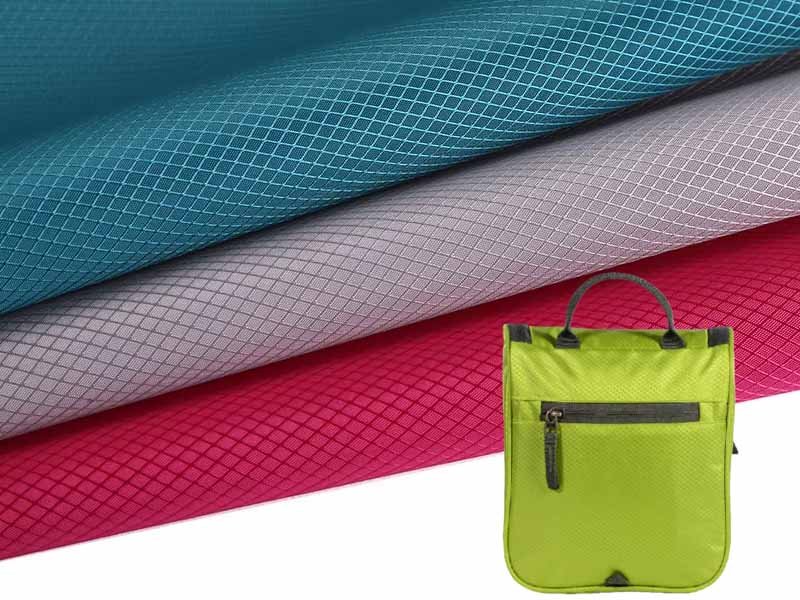
Choosing between 600D and 900D polyester looks simple on paper, but in real bag manufacturing it is one of those small decisions that can quietly shape product cost, user experience, customer reviews, and repeat orders. Many buyers assume 900D must be better because the number is higher. Sometimes it is. But a school backpack, a tool bag, a cooler bag, a promotional tote, and a tactical pack do not live the same life. They carry different loads, touch different surfaces, face different weather conditions, and create different customer expectations.
600D polyester is usually better for lightweight, flexible, cost-controlled custom bags, while 900D polyester is better for rugged bags that need stronger abrasion resistance, firmer structure, and heavier-duty positioning. The best choice depends on product load, use environment, coating, lining, stitching, reinforcement, hardware, logo method, target price, and how the finished bag should feel in the user’s hand.
A fabric is not just a surface. It is part of the promise your product makes. When a customer pulls the handle, places the bag on rough ground, fills it with tools, carries it in light rain, or uses it every day, the fabric decision becomes visible fast. That is why experienced bag developers do not only ask, “Do you want 600D or 900D?” They ask, “What will this bag carry, where will it be used, and what failure can your brand not afford?”
What Is 600D Polyester?

600D polyester is a medium-weight woven polyester fabric commonly used in backpacks, tote bags, cooler bags, cosmetic bags, promotional bags, and light travel bags. It offers a practical balance of durability, flexibility, weight, price, and logo compatibility. For many custom bag projects, 600D is strong enough when paired with proper coating, lining, reinforcement, stitching, and quality hardware.
What Does 600D Mean?
The “D” in 600D stands for denier, a yarn measurement used in textile manufacturing. Denier tells you the weight of 9,000 meters of yarn in grams. In simple terms, 600D polyester uses yarn that weighs about 600 grams per 9,000 meters. The higher the denier number, the thicker the yarn usually is.
That said, denier is not the same as finished fabric quality. A buyer may assume that all 600D polyester fabrics are equal, but in real bag production, that is not true. Weave density, coating thickness, yarn quality, dyeing stability, backing, finishing, and fabric inspection all affect performance. A tightly woven 600D polyester with stable PU coating can perform better than a loose, poorly coated heavier fabric.
For custom bags, 600D is often selected because it is not too thin, not too heavy, and not too costly. It sits in a useful middle range between lightweight fabrics like 210D or 300D and heavier-duty materials like 900D, 1200D, or 1680D. This makes it especially practical for brands that need a reliable bag material without pushing the product into a heavy-duty price or weight category.
Is 600D Polyester Strong Enough for Bags?
600D polyester is strong enough for many commercial bag products, especially when the bag is designed for daily use rather than extreme outdoor or industrial abuse. It is widely used in school backpacks, casual backpacks, drawstring bags, gym bags, soft cooler bags, cosmetic bags, pet carriers, storage bags, and promotional bags.
The real question is not only whether 600D is strong enough as a fabric. The better question is whether the full bag structure is strong enough. A 600D bag with reinforced handles, bartack stitching, strong webbing, good zipper selection, and proper lining can be reliable for daily use. A 900D bag with weak seams, poor handle anchoring, and cheap hardware can still fail quickly.
This is where many new buyers misunderstand bag durability. They focus only on the outer shell fabric, but the common failure points are often handle joints, shoulder strap connections, zipper ends, corner seams, bottom edges, lining tears, and binding tape. For many medium-duty bags, 600D is not the weak link if the structure is engineered correctly.
What Bags Usually Use 600D Polyester?
600D polyester is common in bag categories where the product needs to be durable but still lightweight, flexible, and cost-efficient. It is especially suitable for products that require brand printing, multiple colorways, large-volume production, and retail-friendly pricing.
| Bag Type | Typical 600D Use | Main Benefit | Practical Note |
|---|---|---|---|
| School backpacks | Main body fabric | Good balance of strength and weight | Reinforce bottom and shoulder straps |
| Promotional backpacks | Main shell | Cost-efficient for bulk orders | Works well with printed logos |
| Gym duffle bags | Outer panels | Flexible and easy to carry | Use stronger webbing for handles |
| Cooler bags | Outer shell | Good surface durability | Insulation depends more on foam and lining |
| Cosmetic bags | Outer shell | Stable shape with good color options | Lining quality affects perceived value |
| Storage bags | Full body fabric | Good everyday durability | Add binding on edges for cleaner finish |
| Pet bags | Outer fabric and pockets | Moderate strength with flexible feel | Mesh, zipper, and base support matter |
For promotional bags and private label projects, 600D is often a practical choice because it gives buyers room to invest in better branding details, packaging, zipper quality, or lining without making the total cost too high. A well-designed 600D bag can feel more market-ready than a heavier bag that saves money on every other component.
Why Do Brands Choose 600D Polyester?
Brands choose 600D polyester because it supports a wide range of product goals. It is durable enough for normal use, flexible enough for soft bag structures, and affordable enough for commercial production. It also accepts many common customization methods, including screen printing, heat transfer, embroidery, woven labels, rubber patches, silicone badges, leather patches, and custom zipper pullers.
600D also gives product teams more design freedom. It can be used with PU coating for water resistance, PVC backing for extra structure, PE foam for padding, aluminum foil or PEVA lining for cooler bags, polyester lining for backpacks, and reinforced bottom panels where extra wear protection is needed.
For brands building a product line, this matters. A company may use 600D across backpacks, totes, drawstring bags, and travel pouches to maintain color consistency and cost control. Then it can upgrade selected styles or stress zones to 900D when higher durability is needed. This flexible use of 600D makes it one of the most practical materials in custom bag manufacturing.
What Is 900D Polyester?

900D polyester is a heavier woven polyester fabric used for bags that need more abrasion resistance, structure, and rugged surface performance than 600D. It is often chosen for tactical backpacks, tool bags, outdoor bags, heavy duffle bags, travel gear, and protective soft cases. It is stronger in many applications, but it also adds weight, cost, and stiffness.
What Does 900D Mean?
900D means the yarn used in the fabric weighs about 900 grams per 9,000 meters. Compared with 600D, the yarn is heavier and usually thicker. In a similar weave and coating structure, 900D normally feels more substantial, more rugged, and more structured.
However, buyers should be careful not to read the number too simply. 900D does not automatically mean the finished fabric is exactly 50% stronger than 600D. The final performance still depends on weaving density, yarn quality, coating type, coating thickness, dyeing process, finishing, and how the fabric is cut and sewn into the bag.
A good way to judge 900D is through real sample handling. Bend it, fold it, scratch the surface lightly, check the back coating, compare weight, inspect color consistency, and test how it behaves around seams and curves. A heavier material can improve durability, but it must still be compatible with the product structure.
Is 900D More Durable Than 600D?
In most comparable constructions, 900D polyester is more durable than 600D polyester, especially against surface abrasion and rough handling. It is usually a better choice for bags that may be dragged, overloaded, placed on hard ground, exposed to tools, used outdoors, or handled in demanding environments.
But “more durable” does not always mean “better for every product.” If a daily-use backpack becomes too heavy or stiff, the user experience may suffer. If a promotional bag becomes too costly, the project may lose commercial value. If a cosmetic bag feels too rigid, the product may no longer match the brand’s design style.
The strongest bag is not always the best-selling bag. The right fabric must support the product’s intended use, price position, customer expectation, and brand image. For many projects, 900D should be used where it adds real value, not simply because the number looks stronger.
What Bags Usually Use 900D Polyester?
900D polyester is commonly selected for bag types where ruggedness is part of the product promise. It gives a stronger hand feel and can support a more structured appearance. This makes it useful for outdoor, tactical, worksite, and heavy-duty storage products.
| Bag Type | Why 900D Is Used | Key Stress Areas | Buyer Checkpoint |
|---|---|---|---|
| Tool bags | Better resistance to rough tools and surfaces | Bottom, pockets, handles | Add reinforced base and pocket stitching |
| Tactical backpacks | Rugged look and stronger structure | MOLLE panels, straps, front panels | Check webbing alignment and bartacks |
| Heavy duffle bags | Handles bulky loads better | Bottom, end panels, handle joints | Confirm load-bearing stitch plan |
| Outdoor bags | Better abrasion resistance | Corners, side panels, base | Match coating to weather exposure |
| Travel bags | More protection during transport | Edges, corners, zipper zones | Balance weight and usability |
| Protective soft cases | Stronger outer shell feel | Edges and contact areas | Add padding and lining support |
900D works best when the product is expected to face repeated friction, heavy loading, or rough surfaces. In these cases, the heavier fabric can reduce early wear and improve the customer’s first impression of strength.
Why Do Brands Choose 900D Polyester?
Brands choose 900D polyester when durability is part of the selling point. A tool bag, tactical backpack, outdoor gear bag, or heavy duffle needs to feel dependable in the customer’s hand. The outer fabric is one of the first things a buyer touches, so a stronger material can improve perceived value before the product is even used.
900D also helps certain bags keep a more structured shape. This can be valuable for tool organizers, tactical packs, cooler backpacks, protective cases, and travel gear. A firmer shell can make the product feel more professional and less flimsy.
Still, 900D should not be used as a shortcut for quality. If the zipper is weak, the webbing is thin, the shoulder strap is poorly anchored, or the stitching is not reinforced, the product may still fail. Heavy fabric is only one part of a reliable bag. For serious custom production, 900D should be combined with proper pattern engineering, seam reinforcement, hardware selection, lining choice, and inspection standards.
How Are 600D and 900D Polyester Different?

600D and 900D polyester differ in yarn thickness, finished weight, hand feel, flexibility, abrasion resistance, structure, and cost. 600D is lighter, softer, and more cost-efficient. 900D is heavier, tougher, and more structured. The final choice should depend on bag type, load, usage environment, coating, lining, reinforcement, and target retail positioning.
Thickness and Weight
900D polyester usually feels thicker and heavier than 600D because it uses heavier yarn. In similar fabric constructions, 900D provides a more rugged surface and a stronger hand feel. This can be helpful for heavy-use products, but it also makes the finished bag heavier.
For small items such as cosmetic pouches or small organizers, the weight difference may not matter much. For backpacks, duffle bags, cooler bags, or travel bags, the difference can become noticeable. A heavier fabric increases the final product weight, especially when combined with foam, lining, webbing, buckles, metal hardware, and reinforced panels.
Typical finished fabric weights vary by supplier and coating, but common commercial ranges often look like this:
| Fabric Type | Common Finished Weight Range | Hand Feel | Common Use |
|---|---|---|---|
| 600D polyester PU-coated | About 200-300 gsm | Medium, flexible | Backpacks, totes, cooler bags |
| 600D polyester PVC-backed | About 300-420 gsm | Firmer, heavier | Tool bags, cooler bags, storage bags |
| 900D polyester PU-coated | About 320-430 gsm | Stronger, slightly stiff | Outdoor bags, tactical bags |
| 900D polyester PVC-backed | About 420-600 gsm | Heavy, firm | Tool bags, rugged gear bags |
These ranges are not universal standards. They depend on yarn, weave density, coating thickness, and finishing. Buyers should confirm actual gsm, coating type, color, hand feel, and sample performance before placing a bulk order.
Abrasion and Tear Performance
900D generally performs better in abrasion resistance because the yarn is heavier and the fabric surface is usually more robust. This makes it useful for bottom panels, tool-contact areas, travel corners, tactical panels, and outdoor gear surfaces.
However, tear strength and abrasion performance are not decided by denier alone. Weave construction, yarn quality, coating adhesion, and sewing details all matter. A tightly woven 600D with good backing may resist daily wear better than a poorly made 900D fabric. Similarly, a 900D fabric may look strong but still fail if the coating peels, the seam allowance is too narrow, or the fabric frays badly at cut edges.
In bag development, abrasion risk is rarely equal across the whole product. The bottom panel, lower corners, zipper ends, handle bases, and pocket edges usually take the most abuse. That is why many experienced manufacturers recommend reinforcement in stress zones instead of upgrading every panel blindly.
Flexibility and Shape
600D is usually easier to bend, fold, sew, and shape. It works well for soft bags that need comfort and flexibility. This includes school backpacks, casual duffles, promotional bags, drawstring bags, cosmetic pouches, and soft cooler bags.
900D is usually more structured. That can be useful for bags that need a firm body, such as tool bags, tactical backpacks, outdoor gear bags, and protective cases. But stiffness can become a problem in designs with many curved seams, small pockets, soft folds, or compact packing requirements.
The user experience should guide the choice. A commuter backpack should not feel unnecessarily heavy. A tool bag should not feel weak. A cooler bag may benefit from a firmer shell. A foldable tote needs softness. Fabric flexibility is not just a technical detail; it affects how the customer opens, carries, stores, and uses the bag every day.
Cost and Production Impact
900D usually costs more than 600D because it uses more material and often requires heavier coating or stronger finishing. It can also increase shipping weight and sewing difficulty, depending on the structure. For high-volume commercial orders, even a small material cost difference can significantly affect the final project budget.
600D is often preferred when the buyer needs a strong balance of performance and price. 900D is preferred when durability, product image, or heavy-duty function justifies the added cost.
Production efficiency also matters. Thicker materials can create bulk at seams, especially when several layers meet at handles, zipper ends, piping, binding, or reinforced corners. This may require adjusted sewing machines, stronger needles, skilled operators, wider seam allowances, or revised patterns. If these details are ignored, a heavier fabric can create new quality problems instead of solving old ones.
Which Is Better for Different Bag Types?
600D is usually better for lightweight, flexible, daily-use, promotional, and cost-controlled bags. 900D is better for tactical, tool, outdoor, heavy duffle, and high-abrasion bags. Many commercial bags perform best with a mixed construction: 600D for the main body and 900D or reinforced material for high-wear zones.
Backpacks and School Bags
For school backpacks, casual backpacks, office backpacks, and light travel backpacks, 600D polyester is often the better choice. It is strong enough for normal daily use and does not make the bag too heavy. It also supports a wide range of colors, linings, logo methods, and price levels.
For heavier backpacks, such as tactical backpacks, outdoor backpacks, delivery backpacks, or equipment backpacks, 900D may be more suitable. These products face more friction, more load, and more demanding users. A stronger shell fabric can improve durability and product perception.
A practical solution is to use 600D for the main body and 900D for the bottom, front reinforcement, or high-contact panels. This gives the buyer a stronger product without unnecessary weight everywhere. For backpacks, shoulder strap construction, back padding, zipper quality, laptop compartment protection, and bartack reinforcement are just as important as fabric selection.
Duffle Bags and Travel Bags
For gym duffle bags, sports bags, and light travel duffles, 600D polyester is usually enough when the handles and seams are reinforced. Users often prefer a duffle that is flexible, easy to pack, and not too heavy. A 600D shell with good webbing, clean stitching, and a reinforced bottom can work well for many mainstream markets.
For large duffle bags, equipment bags, weekender bags, and travel gear, 900D may be the better choice. Duffle bags often face stress at the handle anchors, shoulder strap points, zipper opening, bottom panel, and end panels. If the bag is designed to carry heavy items, stronger fabric can help, but the load-bearing structure must be engineered properly.
The mistake is thinking the outer shell carries all the weight. In a good duffle bag, webbing placement and stitching carry much of the load. The fabric protects the surface, but the construction carries the weight.
Tool Bags and Work Bags
Tool bags usually favor 900D polyester because tools create concentrated pressure, abrasion, sharp edges, dirt, and repeated impact. A tool bag made with light fabric may look acceptable when new but show wear quickly around pockets, bottom corners, and handle areas.
For professional tool bags, 900D should be paired with heavy webbing, reinforced handles, strong zippers, structured pockets, binding, and possibly an added bottom board or reinforced base. Internal durability is also important because tools can damage the bag from the inside.
For light tool kits, promotional tool pouches, or simple organizers, 600D may still be acceptable if the product is not expected to carry heavy or sharp items. The buyer should define the real use case clearly. A giveaway tool pouch and a professional technician’s daily tool bag should not use the same material logic.
Tactical, Outdoor, and Cooler Bags
Tactical bags usually work better with 900D because the market expects a rugged look and strong structure. MOLLE webbing, compression straps, buckles, shoulder systems, and reinforced panels create stress on the fabric. A heavier shell supports the product identity and improves durability in rough use.
Outdoor bags also benefit from 900D in high-wear areas, especially on the base, corners, and exposed panels. However, a hiking or travel product may need to balance durability with carry comfort. Full 900D construction can become too heavy for some users.
Cooler bags depend more on the full material system than shell fabric alone. A lunch cooler or promotional cooler can use 600D effectively. A delivery cooler, outdoor cooler backpack, or heavy-use insulated bag may benefit from 900D. But cold retention depends more on foam thickness, lining material, zipper closure, seam construction, and bag shape than on denier alone.
| Bag Category | Better Common Choice | Why It Works | When to Upgrade |
|---|---|---|---|
| School backpack | 600D | Balanced durability and weight | Use 900D on bottom if heavy books are expected |
| Promotional bag | 600D | Cost-efficient and logo-friendly | Upgrade for premium corporate gifts |
| Gym duffle | 600D | Flexible and lightweight | Add 900D base for heavy sports gear |
| Travel duffle | 900D or mixed | Better for transport wear | Use mixed panels to control weight |
| Tool bag | 900D | Better abrasion resistance | Add reinforced base and pockets |
| Tactical bag | 900D | Rugged structure and market fit | Check webbing and bartack quality |
| Lunch cooler | 600D | Good outer shell for light use | Upgrade for outdoor or delivery use |
| Delivery cooler | 900D or mixed | Better structure and durability | Focus also on foam, lining, and zipper |
How Do Coatings Affect Performance?
Coatings affect water resistance, stiffness, weight, durability, cost, and hand feel. PU coating is common for flexible water resistance, while PVC backing adds structure and a heavier-duty feel. A coated 600D or 900D fabric can resist moisture, but true waterproof performance also depends on seams, zippers, lining, and construction.
PU Coating
PU coating is one of the most common finishes for polyester bag fabrics. It adds water resistance while keeping the fabric relatively flexible. For backpacks, cosmetic bags, promotional bags, sports bags, and light travel bags, 600D polyester with PU coating is often a practical choice.
PU-coated 900D can also work well when the buyer wants a stronger fabric without making it too stiff. It gives better surface strength than many 600D options while keeping more flexibility than PVC-backed materials.
The important point is that PU coating does not make the whole bag fully waterproof by itself. Water can still enter through stitch holes, zipper teeth, seams, binding edges, and openings. For most daily-use bags, “water-resistant” is a more accurate claim than “waterproof.” If the product needs real waterproof performance, the construction must be designed differently.
PVC Backing
PVC backing makes fabric feel firmer, thicker, and more structured. It can improve the heavy-duty feel of a bag and may help with water resistance and abrasion performance. It is often considered for tool bags, cooler bags, outdoor storage bags, work bags, and certain rugged travel products.
The trade-off is weight and stiffness. PVC-backed fabric can be harder to fold, harder to sew around curves, and bulkier at seams. It may not be the best choice for soft lifestyle backpacks, foldable totes, or products where comfort and lightness matter.
PVC backing can be useful when the product needs shape, wipe-clean performance, or stronger surface protection. But it should be selected carefully. A fabric that looks strong on a swatch may make the finished product too stiff or heavy after lining, foam, webbing, zipper, and packaging are added.
Waterproof Claims
Many buyers ask for waterproof polyester, but in bag manufacturing there is a big difference between water-resistant fabric and a waterproof bag. Coated fabric can resist water on the surface, but the finished bag has many entry points.
A bag may need waterproof zippers, seam sealing, welded construction, roll-top closure, laminated materials, or special lining if true waterproof performance is required. These choices increase cost and may affect the look, feel, and production method.
For most backpacks, gym bags, promotional bags, and daily travel bags, water resistance is usually enough. For dry bags, cycling bags, marine bags, or outdoor technical bags, stronger waterproof construction may be necessary. Buyers should define the expected water exposure before choosing coating and construction.
Lining and Lamination
Lining can change the performance and perceived quality of both 600D and 900D bags. A backpack lining improves interior finish and protects contents. A cooler bag lining affects insulation, cleaning, and leak resistance. A tool bag lining must resist internal abrasion. A cosmetic bag lining should feel clean, attractive, and easy to wipe.
Lamination can also affect structure. Foam lamination can add padding and body. PE foam, EPE foam, EVA, aluminum foil, PEVA, TPU film, and polyester lining all create different results. For cooler bags, insulation depends heavily on foam type and thickness. For laptop bags, protection depends on foam, lining, and compartment structure. For tool bags, internal reinforcement may be more important than a decorative lining.
This is why fabric selection should never be separated from the full product system. A 600D fabric with the right lining and foam may feel more premium and perform better than a heavier fabric with poor interior construction.
How Should Buyers Choose 600D or 900D?
Buyers should choose 600D or 900D by looking at load, abrasion risk, user comfort, target price, coating, lining, brand positioning, and sample test results. 600D is best for balanced daily-use bags. 900D is better for rugged, heavy-duty products. In many cases, mixed construction gives the best combination of strength, weight, and cost.
Start With Real Use
The first step is to define how the bag will actually be used. A product name alone is not enough. “Backpack” could mean a school bag, laptop bag, hiking bag, tactical bag, delivery bag, or promotional giveaway. Each one has different fabric needs.
Buyers should answer practical questions before choosing fabric. What will the bag carry? How heavy will the contents be? Will users place it on rough ground? Will it be exposed to rain, dirt, tools, or outdoor surfaces? Does it need to fold flat? Does it need to stand upright? Will customers judge it by lightweight comfort or rugged strength?
If the product is used daily but gently, 600D is often enough. If the product is used in worksite, outdoor, travel, or tactical environments, 900D becomes more relevant. When the use case is mixed, the fabric plan should also be mixed.
Match Fabric to Stress Points
A smart material plan looks at stress points, not just the full outer shell. Many bag failures happen at predictable locations: shoulder strap joints, handle bases, zipper ends, bottom corners, pocket openings, binding edges, and load-bearing seams.
If only the bottom of the bag faces abrasion, it may be more efficient to use 900D or reinforced material only on the bottom. If handles carry heavy load, stronger webbing and bartack stitching may matter more than changing the whole shell fabric. If pockets hold sharp tools, pocket reinforcement may be more important than upgrading the back panel.
This approach helps buyers control cost while improving real durability. It also avoids making the entire bag heavier than necessary. In many custom projects, the best result comes from using 600D where flexibility is needed and 900D where protection is needed.
Test Before Bulk Production
Samples should be tested like real products, not just approved by appearance. A good-looking sample can still fail if the fabric is too stiff, the coating cracks, the zipper catches, the handle feels weak, or the lining does not match the use case.
Buyers should test carrying comfort, loaded weight, handle strength, zipper smoothness, corner wear, bottom abrasion, water resistance, logo durability, packing shape, and color consistency. For retail and e-commerce brands, photos and product listing claims should also match the real sample. If the listing says heavy-duty, the product should feel heavy-duty. If the listing says lightweight, the bag should not feel overbuilt.
| Decision Factor | Choose 600D When | Choose 900D When | Mixed Option |
|---|---|---|---|
| Load | Light to medium daily carry | Heavy tools, gear, or equipment | 600D body with reinforced handle zones |
| Abrasion | Normal indoor or light outdoor use | Rough ground, worksite, tactical use | 900D bottom and corners |
| Weight target | Lightweight feel is important | Rugged feel matters more | Use 900D only in stress areas |
| Price target | Cost control is important | Higher durability supports price | Upgrade selected panels only |
| Structure | Soft and flexible bag needed | Firm body needed | Combine fabric with foam or lining |
| Branding | Casual, lifestyle, promotional | Outdoor, tactical, industrial | Use fabric texture to match product line |
Testing does not need to be complicated for every project, but it should be practical. Load the bag. Pull the handles. Open and close the zipper repeatedly. Place it on rough surfaces. Check seam tension. Review how the bag looks after use. These simple checks can prevent expensive bulk production mistakes.
Work With Material and Structure Together
The best fabric choice comes from looking at the whole bag, not just the denier number. A bag is a system of fabric, coating, lining, foam, webbing, zipper, buckle, thread, reinforcement, pattern, stitching, logo, packaging, and inspection. If one part is weak, the product may fail even when the shell fabric is strong.
For example, a 600D backpack can be reliable if the shoulder straps are reinforced, the bottom panel is protected, and the zipper is suitable. A 900D tool bag can still disappoint if the internal pockets tear or the handle stitching is poor. A cooler bag with 900D outer fabric can still perform badly if the foam is too thin or the lining leaks.
For serious custom bag development, buyers should share product drawings, reference samples, target size, expected load, usage environment, logo method, packaging needs, target quantity, and price range before final material confirmation. This allows the manufacturer to recommend a realistic fabric plan, not just a fabric name. A better bag starts with the right material decision, but it becomes successful only when that material is supported by the right structure and production details.
Final Material Decision for Custom Bags
The best answer to 600D vs 900D polyester is not “always choose the heavier fabric.” The better answer is to choose the fabric that matches the bag’s real job. 600D polyester is usually the smarter option for lightweight, flexible, cost-controlled custom bags such as school backpacks, promotional bags, casual duffles, cosmetic bags, and light cooler bags. 900D polyester is usually better for tool bags, tactical bags, heavy duffles, rugged outdoor bags, and products where abrasion resistance and structure are part of the brand promise.
For many commercial projects, the strongest result comes from a hybrid structure: 600D for the main body, 900D for high-wear zones, the right coating for water resistance, strong webbing for load, reliable zippers for daily use, controlled stitching for long-term performance, and suitable lining for the real product scenario.
Custom bag buyers should not select fabric only from a price sheet. The better process is to review the product idea, load requirement, use environment, target price, desired hand feel, logo method, packaging needs, and expected sales channel together. This creates a specification that is easier to sample, easier to produce, easier to inspect, and easier to repeat in future orders.
If you are developing custom backpacks, travel bags, insulated bags, tool bags, outdoor bags, tactical bags, promotional bags, or private-label products, Lovrix can assist you in evaluating material selection, construction, coating, logo design options, sample options, minimum order quantities, production feasibility, packaging, and shipping routes. Please send your drawings, reference images, product dimensions, material preferences, logo files, target quantity, packaging requirements, and shipping plans to Lovrix.


