 Skip to content
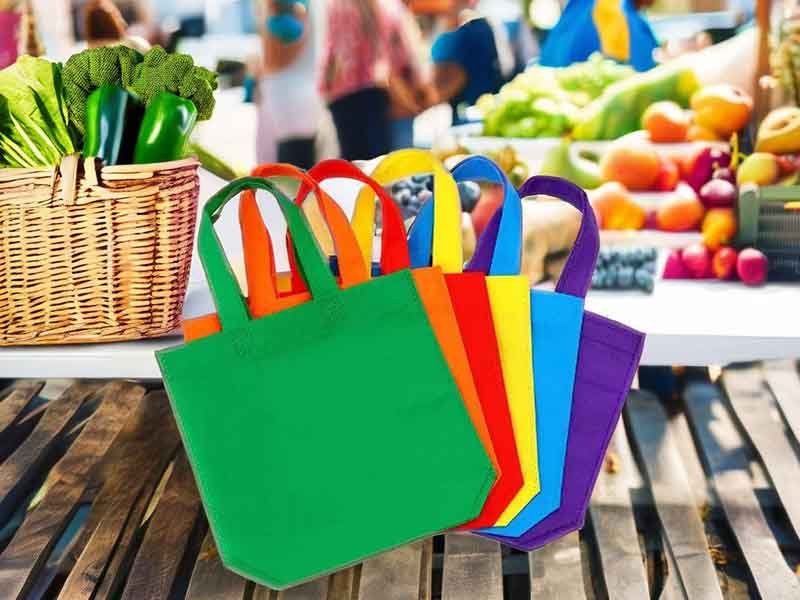
A bag may look simple from the outside: fabric, zipper, handle, logo, and packaging. But for a commercial brand, that bag is rarely just a container. It can be a retail product, a promotional gift, a travel accessory, a beauty pouch, a tool organizer, an outdoor storage item, or the first physical touchpoint between your customer and your brand. That is why the choice between white label bags and private label bags is not only about price. It affects how fast you launch, how much product control you keep, how easily competitors can compare your product, and how stable your supply chain can become after the first order.
White label bags are better when you need a faster launch using an existing bag style with limited branding changes. Private label bags are better when you want a more distinctive product with customized materials, structure, logo details, packaging, and stronger brand ownership. The right model depends on your timeline, budget, sales channel, MOQ, product function, and how much differentiation your market requires.
Here is the part many buyers learn too late: the cheaper model is not always the safer model, and the more customized model is not always the smarter first move. A brand may lose money by over-customizing before demand is proven, but it can also lose market position by selling a product that looks identical to ten other listings. The real decision starts with one practical question: are you testing a product, or are you building a product line?
What Are White Label Bags?

White label bags are pre-developed bag styles that a supplier or manufacturer makes available for multiple buyers to brand as their own. The product structure, material, size, and core design are usually already fixed. Buyers mainly customize logo, label, hangtag, packaging, or carton marks. This model is useful for faster launches, promotional projects, and simple branded bag programs.
Basic Meaning
A white label bag is not developed from zero for one brand. It normally starts as an existing product style: a canvas tote, polyester drawstring bag, cosmetic pouch, cooler bag, shopping bag, travel pouch, simple backpack, or event giveaway bag. The supplier already has a pattern, sample, material direction, sewing method, and production process. Your brand then applies its own logo or packaging to make the product market-ready.
This model is popular because it removes many early development decisions. Instead of asking, “What fabric weight should we use? How wide should the gusset be? Should the zipper open from the top or side?” the buyer mainly asks, “Which available style fits our use case, and how can we brand it cleanly?”
For many business buyers, that is enough. A conference organizer may need 2,000 printed tote bags. A skincare brand may need a simple gift pouch. A corporate buyer may need a budget-friendly drawstring bag for a campaign. In these cases, the goal is not to create a patented product. The goal is to get a reliable, usable, brand-presentable bag on time.
White label is therefore a practical sourcing model, not a low-value model by default. The product can still be well made if the material, stitching, logo process, and packing are controlled properly. The main point is that the product identity is built around an existing style, not an original development path.
Customization Scope
White label customization usually stays on the surface of the product. Logo printing, embroidery, woven labels, hangtags, barcode stickers, color selection from available materials, and basic packaging are common options. Some suppliers may also allow small trim changes, such as zipper puller style or label position, but deeper changes often increase cost and development time.
The boundary is easy to understand: if you are changing how the bag looks as a branded item, it may still be white label. If you are changing how the bag is built, carried, opened, loaded, protected, washed, folded, or displayed, it is no longer a simple white label project.
| Custom Area | Common White Label Option | Practical Limit |
|---|---|---|
| Logo | Screen print, heat transfer, embroidery, woven label | Depends on fabric texture, logo size, and order quantity |
| Color | Existing stock colors or standard fabric colors | Custom dyeing may require higher MOQ |
| Packaging | Polybag, hangtag, carton mark, barcode label | Retail box or custom insert may extend timeline |
| Size | Usually fixed | Size change usually requires new pattern |
| Structure | Usually fixed | Pocket, zipper, handle, or gusset changes may require sampling |
| Material | Usually fixed or limited | New fabric may change cost, MOQ, and lead time |
| Hardware | Limited options | Custom metal parts may need mold cost or setup time |
| Exclusivity | Usually low | Same base style may be sold to other buyers |
A buyer should not treat white label as “anything can be changed quickly.” The more you ask the supplier to adjust, the closer the project moves toward private label development. That is not a problem, but it changes the quote logic.
Best Use Cases
White label bags work best when speed, simplicity, and controlled budget matter more than full product uniqueness. They are a practical choice for trade shows, promotional gifts, corporate merchandise, charity events, retail add-ons, seasonal campaigns, and simple ecommerce tests.
For example, a brand may use a white label cotton tote as a gift-with-purchase. A sports event may use a drawstring bag with sponsor logos. A beauty retailer may use a cosmetic pouch for a holiday bundle. These products still need quality control, but they do not always need original structure development.
However, white label becomes less suitable when your category is crowded and customers compare product details closely. If ten Amazon listings show nearly the same toiletry bag with different logos, price competition becomes stronger. If a DTC travel brand wants to build a premium product line, a generic bag may feel disconnected from the brand story.
The smarter use of white label is not “cheap product, quick order.” It is “low-complexity product with clear commercial purpose.” When the product role is clear, white label can be efficient and profitable.
Key Buyer Checks
Even when a bag is already developed, buyers should still check the basic manufacturing details before placing an order. A white label project can still fail if the handle stitching is weak, the fabric feels thinner than expected, the zipper jams, the logo cracks, or the carton packing does not fit the delivery plan.
Before confirming, ask whether the style is in stock or made to order. Ask whether the material is already available. Ask whether the logo is added before or after sewing. Ask whether the sample uses the same material as bulk production. Ask whether the color, fabric weight, zipper, webbing, and packing method are fixed. Ask whether the same style is being sold to other sellers in your market.
A practical white label review should include at least these checks: fabric weight, stitching density, handle reinforcement, zipper smoothness, logo clarity, logo durability, color tolerance, thread trimming, odor, individual packing, carton strength, and delivery schedule.
White label can be simple, but it should not be blind. A basic bag still represents your brand once your logo is on it.
What Are Private Label Bags?

Private label bags are custom or semi-custom bags manufactured for one brand with deeper control over product design, materials, structure, logo details, trims, packaging, and quality standards. They often require sampling and closer supplier cooperation, but they help brands create more differentiated, retail-ready, and long-term product lines.
Core Definition
Private label means the product is made for your brand under your brand identity. Unlike white label, the product is not only “branded after production.” It can be developed around your customer, sales channel, target price, packaging needs, and functional requirements.
In the bag industry, private label projects can range from light customization to full development. A light private label project may start from an existing bag shape but upgrade the fabric, lining, logo method, puller, label, or packaging. A deeper private label project may require a new pattern, custom compartments, special webbing, reinforced handles, molded EVA panels, water-resistant coating, retail packaging, and a locked production specification.
This matters because bags are not only visual products. Their quality is felt through daily use. A tote bag should not tear at the handle. A laptop bag should protect the device. A cooler bag should hold temperature as promised. A tool bag should carry weight without seam failure. A cosmetic bag should resist stains and open conveniently.
Private label gives the buyer more control over these details. That control is the reason private label usually supports stronger brand value.
Development Inputs
A private label bag project usually begins with one of four inputs: a product idea, a reference image, a technical drawing, or an existing physical sample. Each input requires a different level of factory interpretation.
If the buyer has only an idea, the manufacturer must help define material, size, structure, cost range, and sample direction. If the buyer has a reference image, the manufacturer must judge what can be kept, what should be changed, and how to avoid creating a copy without differentiation. If the buyer has a technical drawing or tech pack, the manufacturer can evaluate feasibility more directly. If the buyer sends an existing sample, the factory can reverse-check dimensions, fabric weight, zipper type, foam thickness, stitching, reinforcement, and cost optimization.
| Buyer Input | What the Factory Reviews | Common Result |
|---|---|---|
| Product idea | Use case, target user, channel, budget, quantity | Initial material and structure proposal |
| Reference image | Shape, size estimate, visible materials, possible construction | Development direction and risk notes |
| Tech pack/drawing | Dimensions, materials, BOM, logo, packaging, tolerances | Quotation and sample plan |
| Physical sample | Actual structure, stitching, fabric, trims, weak points | Improved sample or replacement supplier plan |
| Existing product line | Style consistency, color system, material continuity | Multi-SKU development plan |
| Target price | Material grade, process selection, simplification options | Cost-balanced production solution |
A good private label manufacturer does not simply accept every requested detail. It should help the buyer decide whether the product can be made consistently, whether the material fits the function, whether the logo method suits the surface, and whether the cost target is realistic.
Custom Details
Private label customization can cover almost every part of a bag: outer fabric, lining, coating, webbing, zipper, puller, buckle, handle, shoulder strap, foam, pocket layout, internal divider, bottom panel, piping, binding, logo patch, woven label, hangtag, barcode label, retail packaging, carton mark, and shipping preparation.
But more customization is not always better. The strongest private label projects usually customize the details that affect customer value. For example, a travel bag may need stronger handles, a trolley sleeve, better zipper access, lighter fabric, and organized pockets. A beauty pouch may need wipe-clean lining, a clean logo patch, good color matching, and retail-ready packaging. A pet carrier may need breathable mesh, washable lining, inner safety strap, and reinforced seams.
Logo choice also needs careful matching. Screen printing may work well on flat cotton or polyester. Embroidery may suit canvas but may not handle tiny lettering well. Rubber patches can add a sporty feel. Metal plates can add a premium look but increase cost and require careful attachment. Branding methods should be selected by material, use case, logo complexity, cost, MOQ, and bulk stability, not by appearance alone.
The goal is not to make the most complicated bag. The goal is to make a product that feels designed, works well, and can be produced repeatedly.
Sample Approval
Private label bags almost always need sampling because soft goods behave differently once materials are cut, sewn, filled, folded, packed, and loaded. A drawing may look balanced, but the finished bag may feel too soft. A pocket may look useful but become hard to access. A logo may look perfect in a PDF but too small on textured fabric. A handle may look strong but need bartack reinforcement.
Sampling helps the buyer check the real product before committing to bulk production. The sample should be reviewed for dimensions, material feel, color, stitching, zipper movement, strap comfort, pocket layout, logo effect, packaging, and function. For load-bearing products, stress points need extra attention. For retail products, shelf appearance and packaging should also be reviewed.
A practical sample review should not be emotional only. “Looks good” is not enough. Buyers should mark exact revisions: increase handle length by 2 cm, move logo 1.5 cm upward, change zipper puller to rubber, adjust pocket depth, thicken foam from 3 mm to 5 mm, change lining color, or reinforce side seams.
Once the final sample is approved, it should become the bulk production reference. The fabric, trims, logo size, thread color, packaging, and workmanship details should be locked before mass production.
Brand Ownership
Private label bags support stronger brand ownership because they let the product become part of a brand system. A brand can maintain consistent material texture, color direction, logo scale, zipper style, packaging language, and quality level across multiple SKUs.
This is especially important for DTC brands, Amazon sellers, retailers, travel brands, beauty brands, outdoor brands, pet brands, medical product brands, and tool brands. In these categories, customers often judge the brand through physical details. They notice whether the zipper is smooth, whether the seams are clean, whether the logo is aligned, whether the bag smells, whether the packaging feels professional, and whether the product matches photos.
Private label can also support long-term repeat orders. Once a pattern, BOM, material record, approved sample, and packaging standard are confirmed, future production becomes easier to manage. This allows a brand to launch seasonal colors, add new sizes, build matching accessories, or improve the product after customer feedback.
The real value of private label is not just exclusivity. It is control over how your product feels, performs, and represents your brand over time.
What Is the Main Difference?

The main difference between white label and private label bags is product control. White label uses existing supplier-defined styles with limited branding changes. Private label allows deeper customization of material, structure, trims, logo, packaging, and production standards. White label is faster and simpler; private label creates stronger differentiation and long-term brand value.
Control Level
White label gives the buyer limited control. The product already exists, so the buyer mainly controls branding details. Private label gives the buyer broader control because the product can be adapted or developed around brand needs.
This difference affects almost every commercial decision. With white label, you may ask, “Can we print our logo on this bag?” With private label, you ask, “What fabric, structure, reinforcement, pocket layout, logo process, packaging, and inspection standard will make this bag right for our customer?”
Control matters most when the bag has functional expectations. A simple cotton tote may not need deep development. A laptop backpack, cooler bag, tool bag, pet carrier, cosmetic organizer, medical kit, or outdoor dry bag usually needs more control because small details affect user experience and complaints.
For example, a cooler bag is not only about the outside fabric. Insulation thickness, lining material, seam construction, closure method, and size ratio all matter. A tool bag is not only about pockets. It needs load-bearing webbing, reinforced seams, stronger bottom structure, and durable hardware.
White label controls appearance. Private label controls performance.
Market Differentiation
White label products are easier to compare because the same base style may be available to many buyers. That does not mean white label is poor quality. It means the product may have limited uniqueness. In a crowded marketplace, limited uniqueness can lead to price pressure.
Private label gives brands more ways to stand out. The difference can come from function, material, shape, logo detail, packaging, color system, or product bundle design. Even small improvements can matter. A better zipper puller, smarter inner pocket, stronger handle, cleaner lining, lighter material, or more compact folding structure can become a selling point.
For Amazon sellers, differentiation can improve product photos, bullet points, A+ content, review quality, and perceived value. For retail buyers, differentiation can improve shelf presentation and repeat purchasing. For DTC brands, differentiation supports storytelling and customer loyalty.
The risk is over-customization. A brand does not need to redesign every panel to stand out. The best private label products often focus on a few details that customers can see, feel, and understand quickly.
| Factor | White Label Bags | Private Label Bags |
|---|---|---|
| Product origin | Existing supplier style | Custom or adapted brand style |
| Design control | Low to moderate | Moderate to high |
| Material control | Limited | Flexible, based on project |
| Structure control | Usually fixed | Adjustable or fully developed |
| Logo options | Basic to moderate | Wider process selection |
| Packaging | Basic branding | Retail, ecommerce, or channel-specific |
| Speed | Faster | Longer due to development |
| Differentiation | Limited | Stronger |
| Exclusivity | Usually low | Can be stronger if agreed |
| Best use | Fast launch, promotional programs | Product lines, retail, ecommerce, brand growth |
The difference is not only technical. It changes how your product competes.
Risk Profile
White label and private label carry different types of risk. White label risk is mostly market risk. The product may be easy to launch, but easy to copy or compare. If several brands sell similar bags, customers may choose based on price, shipping speed, or reviews rather than brand value.
Private label risk is mostly development risk. More customization means more decisions. A wrong fabric choice can make the bag too soft or too stiff. A poor logo method can peel or crack. A weak handle structure can fail. A complex package can delay production. A custom color may require higher MOQ or longer lead time.
The solution is not to avoid private label. The solution is to manage it professionally. Clear specifications, sample review, material confirmation, BOM control, approved sample locking, and inspection standards reduce development risk.
A buyer should also avoid changing requirements too late. Late changes to logo size, packaging artwork, material color, or zipper type can create delays and cost increases. In private label manufacturing, early clarity saves money.
White label is simpler but less defensible. Private label is stronger but needs better project control.
Long-Term Value
Private label usually creates stronger long-term value because it supports repeat orders, product-line expansion, and brand consistency. Once the product is developed properly, the brand can build on it. New colors, new sizes, related accessories, upgraded versions, and seasonal collections become easier.
White label can still be useful long term for standard items. A company may reorder the same promotional tote every year. A retailer may keep a basic shopping bag in stock. A distributor may sell repeat corporate gift bags. If the product role is simple and stable, white label can remain efficient.
However, for brands that want a recognizable product family, private label has a clear advantage. A travel brand can use the same fabric and hardware across a duffel, toiletry pouch, packing cube, and crossbody bag. A beauty brand can create matching cosmetic pouches, brush bags, skincare travel cases, and gift sets. A pet brand can develop carriers, treat pouches, grooming bags, and storage organizers with consistent branding.
Long-term value comes from consistency. Private label makes that consistency easier to own.
Which Model Fits Your Business?

White label fits businesses that need quick launch, simple branding, and lower development effort. Private label fits brands that need product differentiation, stronger control, and long-term product-line growth. The right choice depends on your sales channel, launch timeline, budget, MOQ, product function, competition level, and repeat-order plan.
Fast Launch
If speed is the top priority, white label is usually the better starting point. Existing styles reduce sampling time, shorten decision-making, and simplify quotation. This is helpful for corporate events, seasonal campaigns, promotional gifts, influencer kits, and simple ecommerce tests.
A fast launch does not mean ignoring quality. Even for a white label order, buyers should review physical samples when possible. At minimum, confirm material feel, stitching quality, logo effect, packing method, and carton details before production. A quick project can still damage the brand if the logo is off-center or the handle breaks.
Private label can also be fast if the buyer has clear files and a simple change scope. For example, changing fabric color, adding a woven label, upgrading zipper pullers, and adjusting packaging may be manageable. But if the buyer wants a new structure, new compartments, custom hardware, and special packaging, the project needs more time.
The best question is not “Which model is faster?” It is “How many decisions must be confirmed before production can start?” The fewer structural decisions, the faster the project usually moves.
Amazon and Ecommerce
Amazon sellers and ecommerce brands often need a middle path. A pure white label product may launch quickly, but listing differentiation can be weak. A full private label product may create stronger value, but it requires more development cost and planning.
For Amazon, product details directly affect reviews and returns. Zipper quality, odor, stitching, packing, carton size, weight, logo durability, and photo appearance matter. A bag that looks good in supplier photos may still create complaints if the fabric is too thin, the zipper catches, or the inside pockets do not match customer expectations.
Light private label is often a practical choice for ecommerce sellers. Start from a proven structure, then improve the details that customers complain about: stronger handle, better lining, clearer pocket layout, improved zipper, better packaging, or more attractive color. This gives the seller differentiation without starting completely from zero.
Ecommerce also requires logistics thinking. Product weight affects shipping cost. Foldability affects storage. Carton size affects fulfillment planning. Individual packaging affects damage rate and customer experience. These are not decoration details. They are margin details.
DTC and Retail Brands
DTC brands usually benefit more from private label because their product must carry the brand story. When customers buy from a brand website, they expect the product to feel intentional. The packaging, material, color, logo, and function should all feel connected.
Retail buyers also need more than a usable product. They need barcode readiness, shelf presentation, carton labels, consistent packing, repeatability, and inspection discipline. Private label allows these details to be built into the product from the beginning.
White label can still support DTC and retail as a secondary tool. A DTC brand may use a white label pouch as a gift item. A retailer may use a simple branded tote for a seasonal promotion. But core products, hero SKUs, and long-term collections usually need more control.
For retail programs, packaging is especially important. A bag may need a hangtag, belly band, insert card, printed box, warning label, care label, barcode sticker, or carton mark. These details should be discussed early because they affect artwork timing, packing labor, material cost, and shipment planning.
Product Line Growth
If your goal is to build a product line, private label is usually the better model. Product lines need consistency across multiple SKUs. Customers should feel that the tote, pouch, backpack, organizer, or travel bag belong to the same brand family.
This is difficult when every product is selected from unrelated white label styles. The fabric tone may differ, zipper colors may not match, logo positions may feel random, and packaging may look inconsistent. A product line can start to feel assembled instead of designed.
Private label allows buyers to build a system: same fabric family, same webbing direction, same zipper color, same logo scale, same label placement, same carton logic, and same quality level. Once these standards are documented, future SKUs become easier to develop.
For brands with repeat orders, this matters even more. Pattern records, BOM files, approved samples, material archives, packaging standards, and inspection notes reduce communication costs over time. A manufacturer that keeps these records can help a brand move from one product to a reliable product family.
How Do Cost, MOQ, and Timeline Compare?
White label bags usually have lower development cost and faster timelines because the product already exists. Private label bags often require more sampling, material review, custom trims, packaging work, and production planning. MOQ depends on product structure, material availability, logo process, packaging method, order complexity, and long-term cooperation plans.
Cost Structure
White label cost is usually easier to calculate. The supplier already knows the product structure, fabric consumption, labor time, packing method, and production process. The main extra costs are logo setup, sample preparation, artwork adjustment, hangtag, packaging, and shipping.
Private label cost has more layers. It may include pattern development, sample making, sample revisions, custom fabric sourcing, special trims, molded accessories, custom webbing, logo plates, retail packaging, and testing requirements. The unit price may also increase if the bag uses heavier fabric, more pockets, stronger reinforcement, premium hardware, or more complicated sewing.
But a higher unit cost is not automatically a bad decision. A private label bag may support a higher retail price, better reviews, lower return rate, stronger brand loyalty, and repeat orders. A cheaper white label bag may be faster, but if the product is too similar to competitors, profit can disappear through discounts and ad spend.
Cost should be judged by total business impact, not unit price alone. The cheapest bag is not cheap if it creates returns, complaints, or weak market positioning.
MOQ Reality
MOQ is rarely one fixed number for every bag. It depends on upstream materials and production efficiency. A simple cotton tote made with available fabric may be easier to start. A custom waterproof travel bag with custom zipper pullers, special lining, printed packaging, and brand-specific webbing requires more coordination.
For many custom bag projects, a 500 pcs starting point is common when the structure is practical, material is available, and logo process is standard. Simple styles may sometimes be evaluated more flexibly. More complex projects, such as custom-dyed fabric, jacquard webbing, molded rubber badges, special hardware, custom zipper pullers, or retail packaging, may require higher quantities or separate development cost.
Buyers should ask what drives the MOQ, not only what the MOQ is. Sometimes changing one material, simplifying a logo method, using available fabric, or choosing standard hardware can reduce MOQ without hurting the customer experience.
A practical MOQ discussion should include product type, material status, logo process, packaging method, number of SKUs, number of colors, target market, and long-term reorder plan. The clearer the project, the more realistic the MOQ evaluation becomes.
Sampling Time
White label sampling is usually faster because the product already exists. The supplier can provide an existing sample, make a logo sample, or show a previous production reference. The buyer mainly checks logo position, material feel, workmanship, and packaging.
Private label sampling takes longer because the first sample must prove the product idea. The factory may need to create a pattern, cut panels, test material behavior, try logo placement, assemble structure, check pocket logic, and review packing. If the product has functional requirements, the sample may need more testing.
It is common for private label projects to need at least one revision. That revision may be small, such as changing logo size or adjusting handle length. It may also be structural, such as changing pocket depth, strengthening seams, changing foam thickness, or adjusting opening width.
Sampling should be treated as risk reduction. A sample delay of several days is usually better than discovering a structural mistake after thousands of finished bags are packed.
Bulk Lead Time
Bulk production timeline depends on material purchasing, cutting, logo processing, sewing, inspection, packing, and shipment preparation. White label production can be faster if fabric and trims are ready. Private label production often takes longer because custom materials, trims, packaging, and sample approvals must be synchronized.
The most common timeline problems do not always come from sewing. They often come from late artwork, unclear Pantone color, changed packaging design, missing barcode files, delayed sample approval, or material changes after quotation. Buyers can shorten lead time by preparing clear files before asking for final production.
A practical production file should include product dimensions, target quantity, material preference, logo artwork, logo size, logo position, Pantone color, packaging method, carton requirements, shipping mark, inspection requirement, and target delivery date.
The more complete the information, the more accurate the quote and timeline. A factory can move faster when it is not guessing.
Packaging Impact
Packaging can make a big difference in cost and timeline. White label projects often use simple polybag packing, hangtags, carton marks, and bulk cartons. Private label projects may need printed polybags, insert cards, belly bands, color boxes, retail display packaging, barcode labels, warning labels, care cards, or ecommerce-ready packaging.
Packaging should match the sales channel. Amazon sellers need FBA label coordination, carton labels, scannable barcodes, and damage-resistant packing. Retail buyers need shelf-ready presentation and clear product information. DTC brands need unboxing experience and brand consistency. Corporate gift buyers may only need clean individual packing and accurate carton quantities.
Packaging can also affect freight. A rigid color box may improve presentation but increase carton volume. A folded polybag may reduce shipping cost but may not fit premium retail positioning. A buyer should compare packaging appearance, protection, labor, cost, and logistics impact before final approval.
Good packaging is not the most expensive option. It is the option that protects the product, fits the channel, and supports the brand promise.
How Should You Choose a Bag Manufacturer?
Choose a bag manufacturer that understands materials, structure, sampling, logo processes, bulk production, quality control, packaging, and delivery. A strong manufacturer should help you compare white label and private label options honestly, explain risks before production, and build a practical plan based on your product, channel, target cost, MOQ, and timeline.
Material Knowledge
A reliable bag manufacturer should understand materials, not just sewing. Fabric choice affects appearance, strength, weight, water resistance, print quality, folding behavior, odor, stiffness, cost, and durability. The same bag design can perform very differently in cotton canvas, 600D polyester, nylon, PU leather, PVC, neoprene, non-woven fabric, jute, or laminated materials.
Material selection should begin with use case. A shopping tote needs different fabric logic from a tool bag. A cosmetic pouch needs different lining from a cooler bag. A laptop sleeve needs different padding from a drawstring gym bag. If the supplier cannot explain why one material is better than another for your product, the project may carry hidden risk.
A serious factory should ask practical questions: What will the bag carry? How heavy is the expected load? Will it be used outdoors? Will it touch cosmetics, food, tools, electronics, or wet items? Will it be folded for shipping? Is it sold online or in retail stores? Does the logo need high detail? Is the product price-sensitive or premium?
A better custom bag starts with the right material decision. Once the material is wrong, later sewing improvements can only fix part of the problem.
Structure and Sampling
A bag manufacturer should be able to explain structure in plain language. The buyer should understand where the product needs reinforcement, which seams carry load, whether the zipper opening is practical, whether the pocket layout makes sense, whether the bottom panel will collapse, and whether the product can be sewn repeatedly in bulk.
Good sampling is not only about making a good-looking prototype. It is about proving that the product can become stable mass production. A beautiful handmade sample is not useful if the structure is too slow, too expensive, or too inconsistent for bulk manufacturing.
Ask how the factory controls sample revisions. Does it record changes? Does it update the pattern? Does it lock the BOM? Does it compare old and new samples? Does it keep an approved sample for production reference? Does it warn you when a requested detail increases cost or production risk?
The manufacturer’s attitude during sampling tells you a lot. If every request is answered with “yes, no problem,” be careful. A better supplier explains trade-offs.
Logo and Branding Capability
Logo application is part of product identity, not a decoration step. The right logo method depends on material, product type, logo complexity, color requirements, abrasion expectations, MOQ, target cost, and sales channel.
A capable manufacturer should not apply the same logo process to every product. Screen printing may be efficient for flat fabric bags. Embroidery can feel durable but may not suit tiny text or very thin fabric. Heat transfer can deliver clean colors but needs material compatibility checks. Leather patches, rubber badges, silicone patches, metal plates, embossing, debossing, laser engraving, and jacquard webbing each have different cost and MOQ implications.
| Logo Method | Suitable Products | Main Advantage | Common Caution |
|---|---|---|---|
| Screen printing | Cotton totes, polyester bags, promo bags | Cost-effective for simple graphics | Limited on rough or coated surfaces |
| Heat transfer | Sports bags, smooth fabric pouches | Clean colors and flexible artwork | Must test material compatibility |
| Embroidery | Canvas bags, structured pouches | Textured and durable look | Not ideal for tiny complex text |
| Woven label | Pouches, travel bags, soft goods | Professional brand detail | Needs label production time |
| Rubber/silicone patch | Outdoor bags, backpacks, sports bags | Strong visual identity | Mold/setup cost may apply |
| Leather patch | Canvas, PU, lifestyle bags | Premium handmade feel | Material and attachment must match use |
| Metal plate | Premium bags, gift items | High-end appearance | Higher cost and attachment risk |
| Jacquard webbing | Straps, handles, premium details | Strong brand recognition | Higher MOQ and longer setup |
A good manufacturer should recommend the method that fits the product, not the method that is easiest to sell.
Quality Control
Quality control should be built into the process, not added at the end. Final inspection is important, but it cannot fully fix wrong materials, inaccurate cutting, poor logo placement, weak seams, or bad packaging after production is complete.
A practical QC process should include material inspection, color checking, fabric weight review, zipper and hardware checking, cutting panel inspection, first-piece approval, in-line sewing inspection, thread trimming, dimensional checking, logo inspection, packing inspection, carton checking, and final inspection. For load-bearing products, strap pull and seam reinforcement checks may be necessary. For ecommerce orders, carton labeling and packaging accuracy are also important.
The buyer should ask what the factory checks before shipment. Do they check only appearance? Do they check measurements? Do they check stitching and stress points? Do they check carton marks? Can they support third-party inspection? Can they provide photos or videos before shipment?
Strong QC does not mean promising perfection. It means having a system to catch problems early, correct issues responsibly, and make shipment quality predictable.
Delivery and Cooperation
A manufacturer should also support the practical side of international business: packing, carton marks, shipping documents, freight coordination, customer-appointed forwarders, and delivery terms. For many buyers, especially retailers and ecommerce sellers, logistics preparation is part of the product.
A good supplier understands EXW, FOB, CIF, DAP, DDP, air freight, sea freight, express delivery, and Amazon FBA preparation. It should help coordinate carton labeling, packing lists, commercial invoices, outer carton marks, barcode labels, and shipping communication where needed.
Long-term cooperation is also important. If you plan to reorder or build a product line, the supplier should keep material records, approved samples, BOM files, packaging details, and version notes. Without these records, every reorder becomes a new project.
| Manufacturer Checkpoint | Why It Matters | What to Ask |
|---|---|---|
| Material experience | Prevents wrong fabric and performance issues | What material fits this use case and price level? |
| Pattern ability | Controls structure and repeatability | Can this sample be produced consistently in bulk? |
| Logo options | Protects brand presentation | Which logo method fits this material and MOQ? |
| Sampling discipline | Reduces bulk order mistakes | How are sample revisions recorded and approved? |
| BOM control | Keeps production consistent | Do you lock materials, trims, and packaging before bulk? |
| QC workflow | Reduces complaints and returns | What inspections happen before shipment? |
| Packaging support | Helps retail and ecommerce readiness | Can you support barcode, hangtag, carton mark, and retail pack? |
| Shipping coordination | Reduces delivery friction | Can you work with our forwarder or requested shipping term? |
The right manufacturer is not simply the one with the lowest quote. It is the one that can help you make the right product decision before money is wasted in production.
Start With a Project Review
Choose white label bags when your priority is speed, simplicity, and lower development effort. Choose private label bags when your priority is differentiation, stronger brand identity, better control, and long-term product-line growth. Both models can work, but they serve different commercial purposes.
For many serious buyers, the smartest path is staged. Start with a controlled white label or semi-custom style to test the market. Collect customer feedback on size, material, function, and price. Upgrade the winning product into a private label version. Then build a product line using consistent materials, trims, logo details, and packaging.
If you are planning a custom bag project, prepare your drawings, reference images, existing sample photos, size requirements, material preferences, logo files, packaging needs, target quantity, target market, and delivery plan. A professional manufacturing team can then review whether your project fits white label, private label, OEM, ODM, or a staged development path.
Lovrix supports global brands, importers, retailers, Amazon sellers, Shopify/DTC brands, corporate buyers, and product-line owners with custom bag development from material selection to sampling, cost review, production feasibility, quality control, packaging, and worldwide delivery. Send your project details to the Lovrix team to receive a structured custom manufacturing proposal for your next bag order.


