 Skip to content
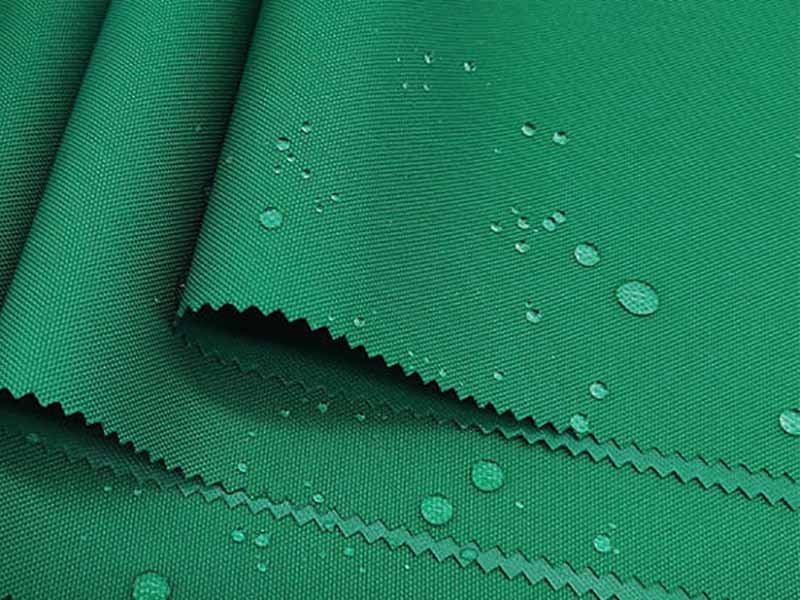
Canvas has a beautiful problem. People love it because it feels natural, strong, textured, and honest. A canvas tote, duffel bag, apron bag, tool pouch, or outdoor carry bag can look better with age, not worse. But when rain hits the surface, buyers quickly stop caring about the “natural hand feel” and start asking a much simpler question: will my belongings stay dry? For brands developing custom canvas bags, water resistance is not just a fabric feature. It affects reviews, returns, product positioning, logo process, packaging claims, quality testing, and long-term customer trust.
To improve canvas water resistance, brands should start with the right canvas weight and weave, then choose a suitable treatment such as wax, DWR spray, PU coating, acrylic coating, silicone finish, waterproof lining, or seam sealing. The best method depends on the bag’s use, desired look, logo process, flexibility, cost, and bulk-production consistency.
The tricky part is that “more waterproof” does not always mean “better.” A waxed finish may look premium but darken the fabric. A PU coating may improve protection but change hand feel. A spray finish may be simple but need reapplication. Many failed canvas bag projects do not fail because the factory cannot sew. They fail because material, structure, and usage were not decided together from the beginning.
Is Canvas Naturally Water Resistant?

Canvas is durable, breathable, and strong, but untreated canvas is usually water resistant only to a limited degree, not waterproof. Its performance depends on fiber type, yarn density, weave tightness, fabric weight, and finishing. A tightly woven heavy canvas may slow water penetration, but rain, pressure, seams, and long exposure can still make moisture pass through.
Fabric Fiber
Canvas is a woven fabric, not a single waterproof material. Traditional cotton canvas absorbs moisture because cotton fibers naturally hold water. When rain touches untreated cotton canvas, the first drops may sit on the surface for a few seconds, especially if the weave is tight. After that, the fabric starts to darken, swell, and feel damp. This is why a natural canvas tote may survive a short walk through light rain but struggle during a long outdoor commute.
Blended canvas behaves differently. Polyester-cotton canvas usually absorbs less water than pure cotton and dries faster, but it may not have the same natural hand feel. Synthetic canvas, such as polyester canvas or Oxford-style canvas, can be more suitable when the main goal is water resistance, but it changes the look and texture. For fashion, retail, or lifestyle bags, many brands still prefer cotton canvas because it feels honest, familiar, and premium. For travel, tool, outdoor, or work bags, blended or coated canvas may be the safer choice.
The key point is simple: canvas water resistance starts before coating. If the base fabric absorbs water too quickly, a finish may improve performance, but it will not completely fix a poor material choice.
Weight and Weave
Canvas weight is one of the first details brands notice, but weight alone does not tell the whole story. A heavier canvas often feels stronger and may resist water penetration longer, but weave tightness is just as important. A tightly woven 12 oz canvas may perform better in light rain than a loosely woven 16 oz fabric. The gap between yarns, not only the thickness of the yarn, affects how easily water can move through the surface.
In bag manufacturing, canvas weight also affects structure. A 6–8 oz canvas is easy to fold and works well for light promotional totes, but it is not ideal for rain-prone products unless treated or lined. A 10–12 oz canvas is a common choice for retail tote bags and daily carry products because it balances cost, hand feel, and durability. A 14–18 oz canvas gives more body and is often used for duffel bags, tool bags, outdoor-style totes, and structured products. Above that, sewing difficulty, needle selection, edge thickness, and shipping weight become more important.
| Canvas Weight | Approx. GSM Range | Common Bag Use | Water Resistance Potential | Practical Note |
|---|---|---|---|---|
| 6–8 oz | 200–270 gsm | Gift totes, light shopping bags | Low | Best for dry-use or short-term promotional bags |
| 10–12 oz | 340–410 gsm | Retail totes, daily carry bags | Moderate | Good balance when paired with DWR or lining |
| 14–16 oz | 475–540 gsm | Duffels, work totes, tool bags | Moderate to good | Stronger body, but heavier and stiffer |
| 18–24 oz | 610–815 gsm | Heavy-duty bags, utility products | Good if treated | Requires careful sewing and cost planning |
The best canvas choice is not always the thickest one. A brand should match fabric weight to use case, target price, bag shape, and finishing method.
Water Resistant vs Waterproof
Many product problems start with unclear wording. “Water resistant” means the material or product can resist light water exposure for a period of time. “Waterproof” means water should not pass through under defined conditions. Most canvas bags are better described as water resistant unless the whole product is engineered with waterproof fabric, sealed seams, protected closures, and tested performance standards.
A waxed canvas panel may shed rain well, but water can still enter through the top opening. A coated canvas fabric may block moisture on the panel surface, but stitch holes can leak. A canvas backpack may use water-repellent fabric, but if the zipper is exposed, rain can enter through the zipper track. This is why fabric-level water resistance and finished-bag water resistance are different.
For commercial products, honest wording protects both the brand and the customer. A daily tote can claim “water-repellent finish for light rain.” A travel duffel can claim “weather-resistant canvas with coated backing and lined interior” if the structure supports it. A fully waterproof claim should be used only when testing and construction justify it.
Which Treatments Improve Canvas Water Resistance?

Canvas water resistance can be improved through wax, DWR finish, PU coating, acrylic coating, silicone finish, PVC backing, TPU lamination, lining, and seam treatment. Each method changes the fabric’s look, feel, cost, durability, and branding options. The best treatment is the one that fits the bag’s real use, not the strongest treatment on paper.
Wax Finish
Waxed canvas is popular because it gives canvas a rugged, premium, outdoor-inspired character. Wax fills part of the weave and helps water bead on the surface. It works especially well for duffel bags, tool rolls, outdoor totes, camera bags, work aprons, and heritage-style backpacks. Many customers like waxed canvas because it ages with visible creases, marks, and patina instead of looking worn out too quickly.
But wax is not a neutral finish. It usually darkens the fabric, makes the surface stiffer, and can create a slightly oily or tacky hand feel if not controlled properly. It may also affect logo choices. Fine screen printing is usually risky on heavily waxed surfaces because ink adhesion can be unstable. Embroidery, leather patches, rubber badges, woven labels, metal labels, or logo webbing are often safer choices.
For production, wax consistency must be checked carefully. A sample may look attractive, but bulk rolls can vary in shade, wax level, surface marks, and fold behavior. Brands should approve not only the color but also the acceptable aging effect. Waxed canvas is best when the brand wants character, not a perfectly flat and uniform surface.
DWR Finish
DWR, or durable water repellent finish, helps water bead and roll off the fabric surface. It is often used when a brand wants to keep the natural look of canvas while adding light rain protection. Compared with wax, DWR usually changes hand feel and color less. It is suitable for retail tote bags, casual backpacks, drawstring bags, shopping bags, and everyday lifestyle products.
DWR is useful for products that may face short exposure to drizzle, splashes, or damp handling. It does not usually create the heavy, rugged look of waxed canvas, so it fits clean, modern, minimalist, or eco-style products better. It may also be more compatible with printing than waxed or silicone-treated canvas, though testing is still needed before bulk production.
The limitation is durability. DWR can wear down through rubbing, folding, washing, and long-term use. High-contact areas such as bag bottoms, corners, handles, and pocket edges may lose repellency faster than flat panels. For that reason, DWR is best described as water-repellent or light rain resistant, not fully waterproof.
Coated Canvas
Coated canvas is often the practical choice when water resistance is a stronger product requirement. PU coating, acrylic coating, PVC backing, silicone finish, and TPU lamination can all improve barrier performance, but they create different results. PU-coated canvas is widely used in functional bags because it offers a useful balance of water resistance, flexibility, and cost. Acrylic coating can add body and a cleaner surface. PVC backing provides stronger barrier performance but may feel less natural. TPU can offer better flexibility and barrier potential but usually costs more and requires careful bonding control.
| Treatment | Water Resistance Level | Appearance Change | Logo Compatibility | Best-Fit Products |
|---|---|---|---|---|
| Wax | Good for light to medium rain | High | Better with patches, labels, embroidery | Duffels, tool rolls, heritage bags |
| DWR | Moderate | Low | Usually good after testing | Totes, casual bags, retail canvas bags |
| PU Coating | Good | Medium | Depends on coating side | Travel bags, work bags, storage bags |
| Acrylic Coating | Moderate to good | Medium | Test before printing | Structured totes, utility bags |
| PVC Backing | Good to strong | High | Better with external branding | Tool bags, protective cases, utility bags |
| TPU Lamination | Strong if bonded well | Medium | Needs process testing | Higher-performance functional bags |
Coating should be decided before sampling, not after. A coating can change fabric stiffness, sewing behavior, fold marks, print adhesion, and finished dimensions. If a brand approves an untreated canvas sample and later asks for coating, the bag may need a full redevelopment.
Lining and Backing
Many bags improve real-life protection not only through the outer canvas but also through lining and backing. A lined canvas bag gives a second layer of defense and helps keep the inside cleaner. This matters for laptop bags, cosmetic bags, lunch bags, cooler bags, medical bags, tool bags, and travel organizers.
A standard polyester lining can improve appearance and hide seams. A PU-coated lining adds better moisture resistance. PEVA, EVA, PVC, or TPU lining can create wipe-clean or more protective interiors. For cooler bags, insulated foil or laminated foam systems may be more important than the canvas itself.
Backing also affects structure. A coated backing can make canvas more stable and help the bag hold shape. However, too much stiffness can make turning, folding, and sewing harder. If the bag has many curves, pockets, or thick seams, the material must be tested before bulk production. A water-resistant fabric is only useful when it can still be cut, sewn, folded, packed, and used without cracking or deforming.
How Do You Choose the Right Method?

The right method depends on how the bag will be used, what the brand wants it to look like, how much water exposure is expected, which logo process is required, and what cost target must be met. A canvas tote, laptop backpack, outdoor duffel, and tool bag should not use the same water-resistance solution.
Usage Scenario
The most reliable way to choose a water-resistance method is to start with the real use scenario. A bag used indoors does not need the same treatment as a bag placed on wet ground. A fashion tote carried from a shop to a car has different requirements from a travel duffel exposed to rain at an airport. A tool bag may not need a luxury surface, but it needs a tough bottom and strong seam reinforcement.
Brands should define the product environment clearly. Will the bag face drizzle, splashes, wet floors, snow, mud, or long outdoor exposure? Will it carry electronics, clothing, cosmetics, food, tools, or documents? Will customers expect a soft hand feel, a premium waxed look, or a technical waterproof look? These answers decide whether light DWR, wax, coated fabric, lining, or structural protection is needed.
A common mistake is treating water resistance as a single fabric feature. In real use, water enters through the easiest path. For an open-top tote, the top opening may matter more than the coated fabric. For a duffel, zipper protection may matter more than the side panels. For a tool bag, bottom moisture protection may matter more than light rain on the front panel.
Brand Look
Water-resistance treatments change the character of a canvas product. Waxed canvas looks rugged, vintage, and premium. DWR-treated canvas looks cleaner and more natural. PU-coated canvas feels more functional. PVC-backed canvas can look more industrial. TPU laminated canvas can feel more technical and performance-driven.
This is why the finish should support the brand story. A natural lifestyle brand may not want a glossy coating. A heritage travel brand may welcome the patina of waxed canvas. A tool brand may care more about durability and cleanability than softness. A cosmetic brand may want a neat outer surface and a wipe-clean lining. A corporate gift company may prefer stable color, clean printing, and moderate water repellency.
Color should also be checked early. Wax and coatings can darken fabric or change surface reflection. Light canvas may show stains and handling marks more easily after finishing. Dark canvas may hide water marks better but can show wax creases or lint. For bulk orders, the approved color should be the treated fabric color, not the raw fabric color.
Logo Method
Logo method can decide which water-resistance treatment is practical. Screen printing is popular on untreated or lightly treated canvas, but it may not work well on waxed, silicone-finished, or heavily coated fabric. Heat transfer requires stable surface adhesion and controlled temperature. Embroidery works on many canvas products, but needle holes can slightly reduce water resistance in that area. Leather patches, woven labels, rubber badges, silicone patches, metal plates, and logo webbing are often safer for waxed or coated bags.
The logo should be tested on the actual treated fabric. Testing on raw canvas is not enough if the production bag will use coating or wax. A logo that looks sharp on untreated fabric may peel, blur, crack, or fade on a finished surface. This is especially important for private label projects where the logo is part of the customer’s first impression.
For bags that need stronger water resistance, branding can be moved away from high-exposure zones. A side woven label, stitched patch, logo zipper puller, or jacquard webbing may reduce risk compared with large front printing on treated fabric.
Cost and MOQ
Water resistance affects cost in more ways than the fabric price. Heavier canvas increases material usage and shipping weight. Waxing, coating, laminating, or special finishing may increase material MOQ. Waterproof zippers, reinforced bottoms, coated lining, seam sealing, and special packaging all add cost. If the product is overbuilt for the target market, it may become difficult to sell at the planned retail price.
| Product Type | Practical Water-Resistance Choice | Typical Risk to Watch | Cost Impact |
|---|---|---|---|
| Promotional canvas tote | 8–10 oz canvas with light DWR | Over-specification for low-price campaigns | Low |
| Retail canvas tote | 10–12 oz canvas, DWR, optional lining | Logo adhesion and color consistency | Low to medium |
| Canvas laptop bag | Coated canvas, padded lining, zipper flap | Zipper leakage and inner protection | Medium |
| Canvas duffel bag | Waxed or PU-coated canvas, lined body | Fold marks, zipper exposure, bottom moisture | Medium to high |
| Canvas tool bag | Heavy canvas, coated backing, reinforced bottom | Seam stress and abrasion | Medium to high |
| Outdoor canvas backpack | Coated canvas, protected zippers, lining | Overclaiming waterproof performance | High |
A good development process avoids both underbuilding and overbuilding. The goal is not to make every canvas bag as waterproof as possible. The goal is to make the product perform honestly for its intended use and price point.
How Do Seams and Structure Stop Leaks?

Seams, zippers, openings, bottom panels, pockets, and linings often decide whether a finished canvas bag can resist water in real use. A water-repellent fabric panel can still leak through stitch holes, zipper tracks, top openings, or weak bottom construction. Better protection comes from combining material treatment with smart structure design.
Needle Holes
Every sewn bag has needle holes. On ordinary canvas products, this is not a major issue because the product is not expected to be waterproof. But once a brand claims water resistance, seams become a key risk. Water can travel along stitch lines, especially at horizontal seams, zipper edges, pocket openings, patch attachment points, and bottom corners.
This is why testing only a flat fabric swatch can be misleading. A coated fabric may resist water well before cutting and sewing. After production, the same fabric has stitch holes, folds, stress points, and openings. The finished bag may perform differently from the fabric sheet.
Manufacturers can reduce risk through seam placement, seam binding, double-layer protection, seam tape, seam sealant, stitch density control, and stronger bottom construction. For many canvas bags, full seam sealing is not necessary, but seam planning is always important. Avoiding unnecessary bottom seams can make a big difference when the bag is placed on wet ground.
Zippers and Openings
Openings are one of the most common water-entry points. A water-resistant canvas tote with an open top cannot protect contents from rain entering directly from above. A duffel bag with a long exposed zipper may let moisture enter along the zipper tape. A backpack with curved zippers may collect rainwater along zipper paths if there is no flap or water-resistant zipper.
The solution depends on product type. A casual tote may use a zipper closure, magnetic snap, flap, or drawstring cover. A travel duffel may need a zipper flap or water-resistant zipper tape. A laptop bag may need a covered zipper and padded inner compartment. A tool bag may need a wide opening for access, so bottom protection and interior organization may matter more than full top sealing.
Waterproof zippers are useful, but they are not always necessary. They cost more, may feel stiffer, and may not match a soft lifestyle canvas product. A zipper flap or improved opening direction may be enough for moderate rain protection. The decision should match user expectations and retail price.
Bottom Construction
The bottom panel often faces more moisture than the front or side panels. Bags are placed on wet floors, grass, concrete, car trunks, warehouse surfaces, and outdoor benches. Even if rain is light, water can soak into the bottom through pressure and contact. This is especially important for tool bags, travel bags, cooler bags, gym bags, and work totes.
Better bottom construction can include heavier canvas, double-layer canvas, coated backing, PU leather reinforcement, PVC or rubberized panels, feet, piping, binding, or inner stiffener boards. The choice depends on the product’s look and use. A fashion tote may only need double-layer fabric. A tool bag may need coated heavy canvas and reinforced corners. A travel duffel may need a wipe-clean bottom panel.
The bottom is also a stress area. Adding water resistance without considering load-bearing can create problems. A stiff coated bottom may crack if folded too tightly. A thick reinforced bottom may be hard to sew cleanly at corners. A good manufacturer checks moisture protection, strength, appearance, and production feasibility together.
Lining Design
Lining helps protect contents and improves the inside of the bag. It can also reduce the customer’s perception of dampness. A canvas outer shell may get wet, but a coated lining can delay moisture reaching the contents. This is useful for cosmetic bags, lunch bags, camera bags, travel organizers, laptop sleeves, and tool pouches.
However, lining should not be treated as a shortcut to waterproof performance. If water enters through the zipper or top opening, the lining may collect moisture inside the bag. Drainage, cleaning, and drying should be considered. For food, beauty, medical, or tool-related bags, wipe-clean lining may be more valuable than a simple fabric lining.
Good lining design includes material choice, seam position, pocket layout, cleaning needs, and compatibility with the outer shell. If the lining is too stiff, the bag may lose its natural canvas feel. If it is too thin, it may tear or fail at pocket seams. Like outer fabric, lining must be tested in the finished sample.
How Can Brands Test Canvas Water Resistance?
Brands should test canvas water resistance at both fabric and finished-bag levels. Water-drop checks, spray tests, short exposure tests, seam checks, zipper checks, lining review, color-change observation, rubbing, folding, and bulk comparison all matter. A simple fabric swatch test is helpful, but it does not replace finished product testing.
Fabric Swatch Tests
Fabric swatch testing helps brands compare material choices before making a full sample. A simple water-drop test can show whether water beads, spreads, or absorbs quickly. A spray test can reveal how the surface behaves under light rain-like exposure. These checks are not always formal lab tests, but they are useful during product development.
For practical evaluation, test raw canvas, treated canvas, and coated canvas side by side. Observe how quickly the fabric darkens, whether water beads evenly, whether the surface becomes sticky, and how the color changes after drying. Fold the fabric after treatment to see if white marks, cracks, or heavy creases appear. Rub the surface lightly to see whether the finish transfers.
Brands should also test logo processes on the same treated swatch. A fabric may pass a water-drop test but fail printing adhesion. For private label bags, that is not acceptable. The best swatch test checks water behavior, color, touch, fold marks, odor, and logo compatibility at the same time.
Finished Bag Tests
A finished bag test is more realistic than a fabric test because it includes seams, zippers, pockets, handles, lining, and bottom construction. Place water on different areas: front panel, side panel, bottom, zipper area, seam line, patch area, and handle attachment. Watch where moisture collects or enters. The goal is not always to pass an extreme test. The goal is to understand what the product can honestly claim.
A daily canvas tote may only need to survive short splashes and light rain. A travel duffel may need longer surface exposure and zipper observation. A laptop bag should be tested around zipper areas and padded compartments. A tool bag should be tested at the bottom and corners because that is where wet contact often happens.
Finished bag testing should also include handling. Fill the bag with reasonable weight, carry it, place it on a damp surface, and check stress points. Water resistance can change when seams are under tension. A flat empty bag may resist water better than a loaded bag with stretched corners and pulled stitch lines.
Bulk Consistency
Sample approval is only meaningful if bulk production repeats the same result. For canvas water resistance, bulk consistency depends on fabric roll quality, coating thickness, wax level, treatment batch, sewing tension, logo process, and packaging pressure. One good sample does not guarantee every production unit will perform the same.
A practical bulk check should compare production material against the approved swatch and golden sample. Inspect color, hand feel, surface finish, fabric weight, logo effect, stitch quality, zipper model, lining material, and water-beading behavior. If the bulk fabric absorbs water faster than the approved material, the issue should be found before cutting or packing.
| Test Area | What to Check | Practical Method | Why It Matters |
|---|---|---|---|
| Fabric surface | Beading, darkening, absorption | Water-drop or spray check | Confirms finish performance |
| Seams | Moisture along stitch lines | Apply water near seams | Finds needle-hole risk |
| Zipper | Water entry at opening | Spray or drip near zipper | Checks closure protection |
| Bottom panel | Wet contact resistance | Place on damp surface | Simulates real use |
| Logo area | Peeling, bleeding, cracking | Rub and water observation | Protects brand appearance |
| Bulk fabric | Lot-to-lot consistency | Compare to approved swatch | Reduces production variation |
For larger orders, inspection can include incoming material checks, first-piece approval, in-line inspection, and final random inspection. The more functional the water-resistance claim, the more disciplined the testing should be.
Care and Aging
Water resistance is not permanent in every finish. Wax can wear and may need re-waxing. DWR can weaken after rubbing or washing. Coatings may crack if the material is too stiff for the structure. Laminated layers may separate if bonding is poor or if the product is folded aggressively. A bag that looks good at sampling should also be checked for aging behavior.
Brands should consider folding, rubbing, packing, temperature, humidity, and cleaning instructions. A canvas bag may be packed flat for shipping, but if the finish creates strong fold marks, the product may look damaged when customers receive it. A waxed canvas bag may show creases by nature, which can be attractive for heritage products but unacceptable for clean fashion products.
Care labels should be clear. Some canvas bags should not be machine washed. Some should be wiped clean. Some waxed products should be kept away from high heat. Some coated bags should not be folded sharply for long periods. Good care guidance reduces customer misuse and protects the brand’s reputation after sale.
How Can Manufacturers Build Better Canvas Bags?
Manufacturers build better water-resistant canvas bags by treating water resistance as a complete system: base fabric, finish, lining, seam placement, zipper choice, bottom structure, logo process, sample validation, QC, and repeat-order records. The strongest result is not the most expensive material, but the most suitable and repeatable construction for the product’s use.
Material Selection
A good canvas bag starts with the correct material decision. If the base canvas is wrong, the rest of the project becomes harder. A fabric that is too light may wet through quickly. A fabric that is too heavy may make the bag stiff, costly, and difficult to sew. A coating that is too thick may crack at corners. A wax finish may look beautiful but conflict with a clean printed logo.
Manufacturers should help brands compare materials based on use, budget, appearance, and production feasibility. For a retail tote, 10–12 oz canvas with DWR may be enough. For a duffel, 14–16 oz waxed or PU-coated canvas may be more suitable. For a tool bag, heavy canvas with coated backing and reinforced bottom construction may be safer. For a laptop backpack, the outer fabric, zipper, foam, and lining must work together.
Material choice also affects lead time and MOQ. Stock canvas may support faster sampling, while custom dyed, waxed, coated, laminated, or color-matched canvas may require more planning. A manufacturer with strong material knowledge can help brands avoid late-stage changes that delay launch and increase cost.
Development Control
The best time to solve water-resistance problems is during development, not after bulk production. Before sampling, the manufacturer should confirm the bag’s intended use, expected rain exposure, target price, logo method, structure, lining, zipper, bottom panel, and packaging. This prevents the sample from becoming only a good-looking piece that cannot be produced consistently.
A professional sample process should check:
- Fabric weight and treatment
- Treated color and hand feel
- Logo compatibility
- Seam placement
- Zipper protection
- Lining material
- Bottom reinforcement
- Edge binding
- Handle and strap stress points
- Packing method
- Basic water-behavior observation
For OEM projects, the manufacturer follows the customer’s drawing, sample, tech pack, or BOM but should still flag risks. For ODM projects, the manufacturer should give more guidance because the product may begin from a reference image, market idea, or target use case. In both cases, the goal is to make a sample that can become stable bulk production.
Production QC
Production quality control is what keeps the approved sample from becoming a different product in bulk. Water resistance can vary if fabric rolls change, coating thickness changes, wax application is uneven, stitch tension is inconsistent, or the wrong lining or zipper is used. Small differences can become customer complaints when the product is sold at scale.
QC should begin before sewing. Incoming fabric inspection should check color, weight, finish, and surface defects. During production, first-piece approval helps confirm that the sewing line understands the structure. In-line inspection catches seam issues, skipped stitches, wrong zipper placement, uneven binding, and logo problems. Final inspection checks dimensions, appearance, packaging, and practical water-beading behavior where relevant.
For repeat orders, documentation is essential. The manufacturer should keep approved samples, material records, color references, BOM files, logo files, sewing notes, packaging standards, and inspection comments. This makes future production more stable and reduces repeated communication. Brands with multiple SKUs or seasonal updates benefit greatly from this kind of record management.
Brand-Ready Delivery
A better canvas bag is not only water resistant. It must also look right, feel right, carry well, present the brand clearly, arrive in good condition, and perform consistently after sale. For commercial buyers, this is where manufacturing experience matters. A technically strong fabric is not enough if the logo peels, the zipper feels rough, the lining tears, or the carton packing creates permanent fold marks.
Brand-ready delivery includes product structure, labeling, packaging, care instructions, barcode labels, carton marks, and shipment preparation. For e-commerce, bags may need compact packing without damaging the finish. For retail, the product may need hangtags, dust bags, inner stuffing, or presentation packaging. For corporate gift orders, logo clarity and batch consistency may matter more than heavy-duty protection.
The manufacturer should help the brand choose a realistic claim and build the product around that claim. “Water-repellent canvas for everyday use” may require one material system. “Weather-resistant travel duffel” may require another. “Outdoor waterproof bag” may require a completely different construction. When the claim, material, structure, and QC standard are aligned, the final product feels trustworthy to both buyers and end users.
Custom Water-Resistant Canvas Bags With Lovrix
Improving canvas water resistance is not just a fabric-treatment question. For commercial bag development, it is a product-engineering decision. The best result comes from matching the right canvas weight, weave, finish, coating, lining, zipper, seam structure, logo method, and QC standard to the real use case.
Lovrix supports custom canvas bag development for global brands, importers, retailers, e-commerce companies, promotional product companies, outdoor brands, tool brands, travel brands, beauty brands, and long-term private label projects. The work does not stop at choosing a fabric. A reliable canvas bag project requires material evaluation, structure review, sampling, logo testing, production planning, quality inspection, packaging, and delivery coordination.
For water-resistant canvas bag projects, Lovrix can help evaluate:
- Canvas weight, weave, and hand feel
- Waxed, DWR-treated, PU-coated, acrylic-coated, PVC-backed, or laminated canvas options
- Lining materials for cleaner and more protective interiors
- Zipper, closure, seam, and bottom construction
- Logo methods suitable for treated or coated canvas
- Sample development and revision before bulk production
- BOM confirmation and approved sample control
- Bulk production consistency and multi-step QC
- Private label packaging, hangtags, care labels, and carton marks
- Global shipment preparation for samples and bulk orders
If you are developing a custom canvas tote, canvas duffel, canvas backpack, canvas tool bag, canvas cosmetic bag, canvas travel bag, or water-resistant private label canvas product, send your drawing, reference image, existing sample, size requirements, logo files, target quantity, target market, and expected use scenario to Lovrix.
A stronger canvas bag does not come from one coating alone. It comes from better material decisions, smarter structure, realistic product claims, careful sampling, and controlled production. That is the difference between a canvas bag that only looks good in a sample photo and a canvas bag that performs reliably in real commercial use.


