 Skip to content
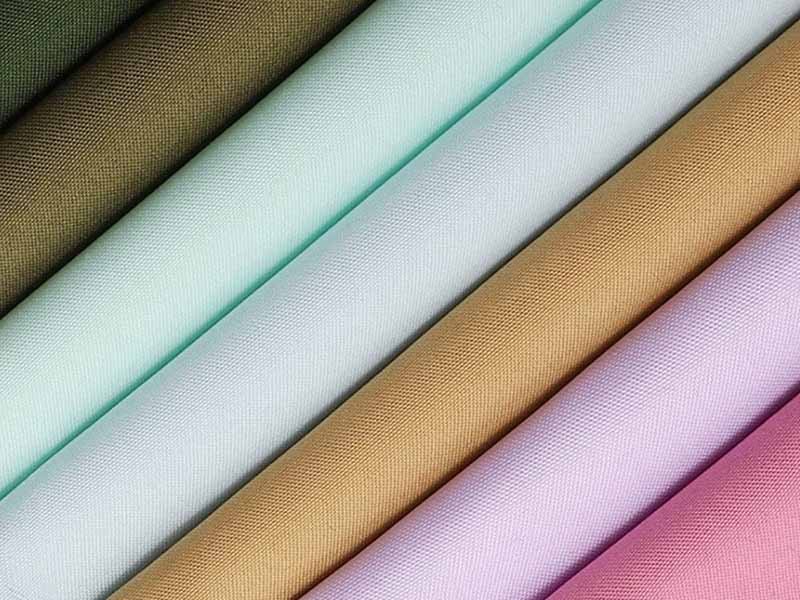
Choosing a sustainable bag material sounds simple until real product development begins. A fabric may contain recycled content but fail after repeated abrasion. A natural fibre may look environmentally responsible but require additional coating, reinforcement, packaging, or frequent replacement. A plant-based leather may support an attractive marketing story while still containing a significant synthetic backing. The decision becomes more complicated when a single bag combines outer fabric, lining, foam, webbing, zippers, adhesives, plastic buckles, labels, printing inks, and metal hardware.
The right sustainable bag material balances verified material origin, functional performance, manufacturing feasibility, commercial cost, product lifespan, and realistic end-of-life options. Brands should choose materials according to the bag’s intended use, expected load, cleaning method, branding process, certification requirements, production volume, and target market—not according to one environmental label or fashionable material name.
A material can look perfect in a presentation and behave very differently on a cutting table. One travel-product team replaced a proven fabric with a softer recycled alternative because it photographed better. The sample looked premium, but the material stretched around load-bearing seams and distorted after packing. The problem was not recycled content. The problem was choosing the material story before defining the job the material had to perform.
What Makes a Bag Material Sustainable?

A sustainable bag material combines verifiable sourcing, appropriate performance, efficient manufacturing, long service life, and a realistic end-of-life pathway. No fibre is sustainable in isolation. The better choice depends on how the material is produced, how the bag is constructed, how frequently it is used, and whether its environmental claims can be supported with reliable documentation.
Material Origin
Material origin matters because the same fabric name can describe very different supply chains. Polyester may be produced from virgin petroleum, pre-consumer industrial waste, or post-consumer plastic bottles. Cotton may be conventional, recycled, transitional, or certified organic. Leather alternatives may contain agricultural by-products, plant-derived polymers, polyurethane coatings, polyester backing, or a combination of these materials.
A responsible comparison starts by identifying the actual composition rather than relying on a broad marketing name. A fabric described as recycled should state the recycled percentage, the source of the recycled input, and whether the claim applies to the entire fabric or only one component. A plant-based leather should disclose its backing and coating composition. Natural appearance does not automatically mean natural content, and recycled content does not automatically mean certified content.
For commercial product development, the material source must also be repeatable. Buyers should confirm whether the same construction can support future orders, additional colours, seasonal updates, and multi-SKU product lines. A material purchased from a one-time surplus lot may work for a limited collection, but it creates significant risk for a long-term product.
Questions worth asking include:
- What is the complete fibre or polymer composition?
- What percentage is recycled, organic, bio-based, or renewable?
- Is the source post-consumer or pre-consumer?
- Which company manufactured the material?
- Can the supplier reproduce the same construction?
- Are future colours available?
- Is the material covered by certification?
- Is order-specific documentation available?
- Are there approved alternatives if supply changes?
Manufacturing Impact
The environmental impact of a bag material does not end with fibre production. Spinning, weaving, dyeing, washing, coating, printing, lamination, embossing, and finishing can all affect energy consumption, water use, emissions, chemical exposure, and production waste.
A recycled polyester fabric may still require a heavy synthetic coating to achieve the desired stiffness or water resistance. A natural canvas may require several washing and finishing processes to create a soft hand feel. Dark shades, custom colours, full-surface printing, stain-resistant finishes, and glossy coatings may add processing stages that are not visible in the final product description.
Manufacturing efficiency should therefore be part of the material decision. A stable material with fewer defects can produce more usable panels per roll. A wider fabric may improve cutting efficiency. A material that sews cleanly can reduce damaged pieces and rework. A standard construction may make it easier to use offcuts for pockets, binding, handles, or internal components.
A practical evaluation should consider:
- Fibre or polymer source
- Yarn production
- Weave or knit construction
- Dyeing process
- Coating or lamination
- Printing method
- Fabric width
- Cutting utilisation
- Defect rate
- Sewing difficulty
- Rework risk
- Packaging requirements
- Transport between processing stages
The most responsible option is often not the material with the strongest environmental slogan. It is the material that delivers the required result with fewer corrective processes, fewer rejected components, and more stable bulk production.
Product Lifespan
A bag that remains useful for years may provide greater environmental value than a lighter or more natural-looking bag that fails after several months. Product lifespan is influenced by abrasion resistance, tear strength, seam stability, colourfastness, coating durability, zipper quality, webbing strength, and the way stress moves through the complete structure.
The material should be matched to the real use case. A lightweight conference tote may carry brochures and small samples. A grocery tote may repeatedly carry 8–15 kilograms. A commuter backpack may experience daily rubbing against floors, public transport seats, desks, clothing, and walls. A tool bag may be exposed to sharp components, concentrated loads, oil, dust, and rough surfaces.
Durability does not mean selecting the thickest available fabric. A heavy material does not solve weak handle attachment, narrow stitch areas, unsuitable thread, poor zipper selection, or badly positioned seams. In many failures, the fabric remains intact while the connection between components breaks.
Useful performance checks include:
- Abrasion resistance
- Tensile strength
- Tear strength
- Seam slippage
- Seam strength
- Handle pull strength
- Strap pull strength
- Zipper cycling
- Colourfastness
- Coating adhesion
- Flex resistance
- Dimensional stability
- Surface pilling
- Load distribution
The goal is sufficient performance for the intended service life without unnecessary weight, excessive reinforcement, or needless material complexity.
End-of-Life Reality
End-of-life claims are often the least developed part of sustainable bag marketing. A fabric may be technically recyclable, but the completed bag may combine several incompatible materials that are difficult to separate. A typical backpack can include polyester fabric, nylon zipper tape, polyethylene foam, polypropylene webbing, metal sliders, rubber patches, adhesives, coated lining, plastic board, and synthetic thread.
Theoretical recyclability is not enough. A realistic end-of-life plan should answer four questions:
- Can the product be repaired before disposal?
- Can major components be separated with ordinary tools?
- Is a collection or recycling route available in the target market?
- Can the claim be communicated without misleading the customer?
Design choices can improve the result. Removable bottom boards, replaceable shoulder straps, mechanically attached hardware, accessible zipper components, and fewer bonded layers can support repair or disassembly. Mono-material construction may be realistic for simple totes or pouches, although it is harder to achieve in technical backpacks and insulated products.
Biodegradable claims also require care. A cotton or jute body does not make the whole bag biodegradable when it includes synthetic thread, coatings, labels, plastic handles, foam, and metal hardware. Industrial compostability, home compostability, natural degradation, and landfill behaviour are different conditions.
Honest component-level communication is more credible than describing an entire bag with one environmental term.
Which Sustainable Materials Work for Bags?

Recycled polyester, recycled nylon, organic cotton, recycled cotton, hemp, linen, jute, cork, and selected leather alternatives can all work in bag production. Their suitability depends on strength, weight, surface texture, water resistance, sewing behaviour, branding method, available colours, certification requirements, and bulk consistency.
Recycled Synthetics
Recycled polyester is one of the most practical sustainable material families in commercial bag production. It can be woven into plain weave, Oxford, twill, ripstop, mesh, and other constructions, making it suitable for lightweight totes, backpacks, cosmetic bags, travel organisers, cooler bag exteriors, packing cubes, and promotional products.
Its greatest advantage is flexibility. Recycled polyester can support screen printing, heat transfer, sublimation, embroidery, woven labels, and different coating systems. Common bag constructions range from lightweight 150D–300D fabrics to more structured 420D–600D materials. Heavy-duty products may use 900D constructions or reinforced weaves.
Denier should not be treated as a complete performance specification. Two 600D fabrics can differ significantly in yarn quality, weave density, finished weight, coating, tear strength, hand feel, and abrasion performance. A lower-denier fabric with a tighter construction may outperform a heavier but loosely woven material.
Recycled nylon is often used when lower weight, abrasion resistance, and a technical appearance are priorities. It can suit outdoor packs, waist bags, packable backpacks, technical travel products, and premium accessories. Availability can be less consistent than recycled polyester, especially for custom colours, specialised coatings, or certified production.
Both materials still present limitations. Coatings and laminations can complicate recycling. Synthetic fabrics may release microfibres. Their environmental value is strongest when recycled content is documented, the structure is durable, and the finished bag remains in use for a meaningful period.
Cotton and Canvas
Organic cotton and recycled cotton are widely used for tote bags, drawstring bags, gift bags, pouches, retail packaging, and lifestyle products. Their familiar surface and natural hand feel suit brands that want a softer, less technical appearance.
Cotton canvas is normally specified by GSM rather than denier. Lightweight tote fabrics may fall around 140–220 GSM. Medium canvas commonly ranges from 220–340 GSM. Heavy canvas may reach 340–500 GSM or more. These figures are starting points rather than quality grades. Yarn type, weave density, finishing, shrinkage, and seam stability can be equally important.
Organic cotton addresses fibre origin and agricultural practices, but the finished fabric may still require dyeing, washing, printing, coating, or other processing. Recycled cotton uses textile waste, but the recycled fibres are often shorter and may provide lower tear strength than longer virgin fibres. Blends may be used to improve strength and consistency.
A heavy canvas can still perform poorly if its weave is loose. Stitching may open the weave around loaded seams, and handles may distort the body fabric. For reusable totes, sample testing should include the actual handle design, gusset, seam allowance, thread, and expected payload.
Natural and undyed cotton may show visible colour variation. Dyed cotton may shrink or fade if the finishing process is not controlled. Physical swatches and finished samples should therefore be approved before bulk production.
Natural Alternatives
Hemp, linen, and jute can create distinctive products with visible texture and a strong natural-material identity. They work best when irregularity is accepted as part of the design rather than treated as a defect.
Hemp and linen can suit lifestyle totes, wine bags, drawstring pouches, fashion accessories, and premium gift packaging. Their natural slubs and surface variations create character, but these same features can reduce the clarity of detailed printing. Simple screen printing, embroidery, patches, and woven labels often work better than fine photographic graphics.
Jute is commonly used for shopping bags, wine carriers, promotional packaging, and gift bags. It provides a structured appearance with a recognisable coarse texture. However, it can shed fibres, crease, absorb moisture, and feel uncomfortable when used for shoulder contact.
Laminated jute can improve dimensional stability, reduce fibre shedding, and provide a cleaner internal surface. The trade-off is that lamination creates a mixed-material construction and changes the end-of-life story.
Natural fibres require careful storage and incoming inspection. Important risks include:
- Mildew
- Odour
- Fibre contamination
- Weave gaps
- Uneven colour
- Dimensional variation
- High moisture content
- Surface shedding
- Packaging damage
Export packaging must protect the material from humidity without trapping moisture inside sealed cartons.
Leather Alternatives
Leather alternatives include cork composites, recycled leather, polyurethane synthetic leather, and materials incorporating cactus, apple, grape, pineapple, mushroom, or other plant-derived inputs. Their compositions and performance levels vary widely.
The term plant-based leather is not a complete technical specification. Many such materials combine plant-derived content with polyurethane, polyester backing, binders, plasticisers, and protective surface layers. Buyers should request a complete composition and ask how the plant-based percentage is calculated.
A material may look excellent as a flat swatch and perform poorly after being folded around a gusset, stitched through several layers, bonded to reinforcement, or exposed to heat and humidity. Testing should therefore evaluate the converted material rather than the original sheet alone.
Important checks include:
- Abrasion resistance
- Repeated flexing
- Scratch resistance
- Stitch-hole behaviour
- Edge-paint adhesion
- Bonding strength
- Hydrolysis resistance
- Colour transfer
- Heat ageing
- Humidity ageing
- Surface peeling
- Hardware pull strength
These materials can be effective for handbags, wallets, pouches, trims, handles, patches, and decorative panels. Full-bag use may require more structural development and greater control of reinforcement.
| Material | Common Specification Range | Main Advantages | Key Limitations |
|---|---|---|---|
| Recycled polyester | 150D–900D+ | Versatile, printable, broadly available | Coatings and mixed components affect end-of-life |
| Recycled nylon | 70D–600D+ | Lightweight, strong, abrasion-resistant | Cost and colour availability may vary |
| Cotton canvas | 140–500 GSM+ | Natural hand feel and strong branding surface | Absorbs moisture and may shrink |
| Recycled cotton | 180–400 GSM | Uses textile waste and offers a casual appearance | Strength and shade consistency may vary |
| Hemp or linen | 180–450 GSM | Natural texture and distinctive visual identity | Surface and supply consistency require control |
| Jute | 200–450 GSM | Structured, recognisable, and commercially practical | Coarse texture and fibre shedding |
| Cork composite | Approximately 0.5–1.5 mm | Lightweight and visually distinctive | Backing and fold performance vary |
| Plant-based leather | Approximately 0.6–1.4 mm | Premium appearance and material storytelling | Synthetic content and ageing require verification |
How Do You Match Material to Bag Type?

Material should be matched to the bag’s load, environment, cleaning method, structure, and expected service life. Simple totes may use cotton, recycled polyester, or jute, while backpacks and travel bags usually require stronger woven materials, reinforced webbing, and stable coatings. Cooler bags, tool bags, and medical bags require coordinated material systems rather than one sustainable outer fabric.
Totes and Retail Bags
Tote bags are often treated as simple products, but their performance requirements vary significantly. A lightweight event tote, a grocery bag, a premium retail tote, and a reusable shopping bag may have similar shapes while carrying very different loads.
For conference giveaways, lightweight cotton or recycled polyester around 140–220 GSM may be sufficient when the bag carries brochures, catalogues, and small samples. Reusable retail totes often benefit from 220–340 GSM canvas, denser recycled polyester, reinforced corners, or a bottom gusset that distributes the load.
Grocery totes require particular attention to handles and bottom structure. Depending on dimensions and intended use, a reusable grocery bag may be expected to carry approximately 8–15 kilograms. Wide handles normally provide more comfort than narrow straps. Reinforced fabric handles, cotton webbing, or recycled polyester webbing may be selected according to the product style.
A strong body fabric does not guarantee a strong bag. Handle attachment should use enough contact area and an appropriate stitch pattern. Common options include box-X stitching, reinforced rectangular stitching, bartacks, or internal support patches.
Useful tote-development checks include:
- Handle width
- Handle drop
- Attachment length
- Stitch pattern
- Bottom gusset
- Seam allowance
- Binding method
- Print location
- Fold line
- Load distribution
- Care instructions
- Packaging crease risk
Cotton and canvas generally accept screen printing and embroidery well. Recycled polyester can support heat transfer, screen printing, woven labels, and sublimation on suitable constructions. Jute is better suited to simpler artwork.
Backpacks and Travel Bags
Backpacks and travel bags require a coordinated load-bearing structure. The outer material matters, but shoulder straps, foam, lining, webbing, reinforcement, thread, zippers, buckles, and stitch patterns determine whether the complete product remains reliable.
Recycled polyester in the 420D–600D range is commonly considered for commuter backpacks, school bags, general travel products, and promotional backpacks. Recycled nylon may be used for technical products where low weight and strong abrasion resistance are priorities. Lightweight ripstop materials can suit packable bags, while denser Oxford fabrics create more structure.
High-friction areas often need a different solution from the main body. The bottom panel may require a denser fabric, additional coating, double layer, reinforcement board, or abrasion-resistant patch. Shoulder strap anchor points should include sufficient stitch area and internal reinforcement.
Travel duffels may carry approximately 15–25 kilograms during normal use, depending on their size and target market. The actual design requirement should be agreed before development. Handle pull testing, shoulder strap pull testing, zipper cycling, and loaded-product trials are more useful than relying on fabric strength alone.
The term water resistant should also be used accurately. A coated outer fabric may resist light rain, but ordinary zippers, needle holes, and unsealed seams can still allow water to enter. A genuinely waterproof product requires a different construction strategy.
Cooler and Insulated Bags
A cooler bag is a layered thermal system. The outer fabric provides appearance and abrasion resistance. The insulation slows heat transfer. The lining supports cleaning, moisture control, and containment. Openings, seams, and zippers influence performance as much as the insulation material.
A recycled polyester outer material can support the environmental direction, but insulation and lining still require careful selection. Common insulation materials include EPE foam, EVA foam, and other closed-cell structures. Linings may include PEVA, TPU, aluminium-film composites, or other cleanable materials, depending on the market and product requirements.
Thermal performance cannot be predicted from foam thickness alone. Results are affected by:
- Bag dimensions
- Internal volume
- Insulation thickness
- Lining construction
- Zipper type
- Opening size
- Ambient temperature
- Initial product temperature
- Coolant quantity
- Loading level
- Opening frequency
- Test duration
A cold-retention claim should be supported by a defined procedure. A practical test might specify an ambient temperature of 25–32°C, an initial internal product temperature of 4–8°C, a defined number of ice packs, a closed bag, and temperature measurements at fixed intervals.
Cleanability, odour control, handle strength, zipper life, and lining seams often determine whether the bag remains useful over time.
Technical and Premium Bags
Tool bags, tactical bags, medical bags, camera cases, and premium handbags each require specialised material decisions.
Tool bags may use heavy recycled polyester or nylon constructions around 600D–1200D, depending on the required abrasion, puncture, and load performance. Reinforced bottoms, internal tool loops, dense webbing, protective panels, and strong zippers are normally more important than reducing fabric weight.
Medical and emergency bags may need wipe-clean surfaces, high-visibility colours, organised interiors, transparent pockets, durable labels, and chemical-resistant materials. The sustainable direction must remain compatible with cleaning procedures and target-market compliance.
Camera bags require coordinated cushioning, lining, divider material, reinforcement, and weather protection. The face fabric may represent only a small part of the product’s total material system.
Premium handbags place greater emphasis on hand feel, surface uniformity, colour depth, edge quality, hardware alignment, and shape retention. Recycled canvas, cork composite, recycled leather, and selected plant-based leather alternatives can work, but they must be tested after folding, bonding, reinforcement, and hardware installation.
| Bag Type | Typical Material Direction | Useful Starting Range | Primary Risk |
|---|---|---|---|
| Promotional tote | Cotton or recycled polyester | 140–220 GSM | Weak handles and limited service life |
| Retail tote | Canvas, recycled cotton, or rPET | 220–340 GSM | Seam slippage and shrinkage |
| Backpack | Recycled polyester or nylon | 300D–600D | Strap and bottom-panel failure |
| Travel duffel | Dense polyester or nylon | 420D–900D | Handle pull and zipper stress |
| Cooler bag | Recycled outer fabric plus insulation | 300D–600D outer | Leakage and weak thermal structure |
| Tool bag | Heavy polyester or nylon | 600D–1200D | Abrasion and puncture |
| Cosmetic bag | Polyester, canvas, or coated fabric | 150D–600D | Staining and lining failure |
| Premium handbag | Recycled canvas or leather alternative | Approximately 0.8–1.4 mm for leather-like materials | Surface ageing and shape loss |
How Do Performance and Cost Change the Choice?

Performance and cost determine whether a sustainable material can move from concept to repeatable production. Fabric weight, weave, coating, colour, certification, logo process, testing, order volume, supplier availability, defect rate, and sewing difficulty all influence the real cost. Comparing only the price per metre can create a misleading purchasing decision.
Weight and Construction
GSM and denier are useful measurements, but they describe different properties. GSM indicates fabric weight per square metre. Denier refers to yarn linear density. Neither number alone proves strength, quality, or suitability.
Two 600D polyester fabrics may have different weave density, yarn quality, coating weight, thickness, abrasion resistance, and tear strength. A dense 420D material can outperform a loosely woven 600D fabric. A 280 GSM canvas can feel more structured than a heavier canvas if its weave and finishing are tighter.
A complete material evaluation should include:
- Denier or GSM
- Yarn type
- Weave density
- Finished thickness
- Coating type
- Coating weight
- Tear strength
- Tensile strength
- Abrasion resistance
- Seam slippage
- Surface texture
- Usable width
Higher specifications can create unnecessary cost and manufacturing difficulty. Thick materials may require stronger cutting equipment, larger needles, heavier thread, wider seam allowances, additional binding, and longer sewing time. They also increase finished-product and shipping weight.
The objective is not to select the highest available specification. It is to select the lowest practical specification that consistently satisfies the performance requirement.
Physical swatches, folded material samples, trial seams, and complete prototypes provide more useful information than technical labels alone.
Coatings and Finishes
Coatings can improve water resistance, stiffness, cleanability, appearance, and surface durability. They can also increase cost, create odour, affect hand feel, change sewing behaviour, and complicate recyclability.
PU coating is widely used on polyester and nylon bag fabrics. Light coatings can provide basic water resistance, while heavier coatings can improve structure and hydrostatic performance. TPU laminations may suit flexible, durable, or weldable applications. PVC coatings can offer strong cleanability and durability but may conflict with particular chemical policies or environmental targets.
A coating specification should define:
- Coating chemistry
- Coated side
- Coating weight
- Required water resistance
- Hydrostatic target
- Adhesion requirement
- Flex resistance
- Low-temperature behaviour
- Odour limit
- Restricted-substance requirements
- Printing compatibility
- Sewing or welding method
Durable water-repellent treatments also need careful review. Fluorine-free finishes are increasingly requested, but their wash durability, oil resistance, and water performance may differ from other treatments.
Water-resistant fabric does not automatically create a waterproof bag. Needle holes, zipper gaps, unsealed seams, and large openings remain potential entry points.
MOQ and Supply Stability
Sustainable material cost is strongly influenced by availability. Stock materials in standard colours usually support lower minimum quantities and shorter lead times. Custom dyeing, certified production, special coating, exclusive weaving, and custom recycled content may require a larger commitment.
A finished bag order of 500 pieces may still require the manufacturer to purchase more fabric than the exact calculated consumption. Mills may impose minimum quantities by colour, coating, construction, or production lot. Custom certified fabric can require several hundred or several thousand metres, depending on the supplier.
Common cost drivers include:
- Custom colour
- Certified recycled input
- Transaction-certificate requirements
- Low-volume dyeing
- Special weave
- Custom coating
- Multiple colourways
- Colour matching across components
- Custom webbing
- Special hardware finish
- Logo tooling
- Testing
- Retail packaging
- Low-volume production
Supply stability matters as much as the initial quotation. A one-time surplus material may provide a lower price but create serious problems when the product needs to be replenished. A replacement fabric can require new sampling, new testing, customer reapproval, and updated marketing claims.
For long-term product lines, stable material references and repeat-production capability are often more valuable than the lowest first-order price.
Branding and Conversion Cost
The logo method affects material performance, appearance, end-of-life complexity, MOQ, and total production cost.
Screen printing is practical for many cotton, canvas, jute, polyester, and nylon materials. Cost usually increases with the number of colours and printing positions. Coated fabrics may require specific ink systems and adhesion testing.
Heat transfer supports detailed artwork but requires suitable temperature resistance and surface adhesion. Sublimation works effectively on appropriate polyester fabrics, especially for full-colour designs, but does not suit every colour or material.
Embroidery creates durable branding but adds thread, backing, and stitch density. Heavy embroidery can distort lightweight fabrics. Woven labels and jacquard webbing can create a more integrated brand identity and work well for repeat product lines.
Silicone, rubber, leather, and metal badges provide dimensional effects but add mixed materials, tooling costs, and extra assembly steps.
| Process | Suitable Materials | Commercial Consideration | Main Technical Check |
|---|---|---|---|
| Screen printing | Cotton, canvas, polyester, jute | Setup cost rises with each colour | Ink adhesion and rub resistance |
| Heat transfer | Polyester and stable coated fabrics | Suitable for detailed graphics | Heat sensitivity and peeling |
| Sublimation | Polyester-based fabrics | Best on light-coloured polyester | Colour migration and accuracy |
| Embroidery | Canvas, polyester, nylon | Cost depends on stitch count | Fabric distortion and backing |
| Woven label | Most sewn products | Separate label MOQ | Edge finish and wash durability |
| Jacquard webbing | Handles and straps | Higher development MOQ | Tensile strength and colour control |
| Silicone or rubber patch | Technical and casual bags | Tooling may be required | Attachment and low-temperature flexibility |
| Metal badge | Premium bags | Higher component and assembly cost | Corrosion, weight, and pull strength |
Which Certifications and Documents Matter?
Certifications should match the environmental or safety claim being made. GRS and RCS relate to recycled content and chain-of-custody control. GOTS applies to qualifying organic textile products and processes. OEKO-TEX STANDARD 100 focuses on specified harmful substances. Buyers must verify the certificate holder, facility, validity, product scope, and order-specific documents.
Recycled Content
GRS and RCS are commonly used in recycled textile supply chains. They help verify recycled input and chain-of-custody control within defined scopes. GRS also includes additional requirements relating to processing practices.
A company holding a certificate does not mean every material or product it supplies qualifies for a certified claim. Buyers should verify:
- Certificate holder’s legal name
- Facility address
- Certificate number
- Validity dates
- Certified processes
- Material categories
- Product categories
- Certification body
- Supplier relationship
- Transaction-certificate requirements
- Order quantity
- Material reference
The difference between ordinary rPET and certified recycled material is important. A manufacturer may be able to purchase recycled polyester without being able to provide documentation for a certified finished-product claim.
If a project requires GRS material and a transaction certificate, that requirement should be defined before quotation, sampling, and material booking. It cannot normally be added after uncertified materials have already entered an uncontrolled production chain.
Marketing language should reflect the exact scope. “Outer fabric made with recycled polyester” is not the same as “GRS-certified finished bag.” These claims require different evidence.
Organic Textiles
GOTS is relevant when a product uses qualifying certified organic fibres processed through an approved supply chain. It should not be confused with a general supplier description such as organic cotton canvas.
The completed bag may contain polyester thread, synthetic lining, zippers, foam, coatings, labels, webbing, ink, plastic buckles, and metal hardware. These components can influence whether the complete product qualifies for a particular claim.
Before sampling, buyers should clarify:
- Certified fibre composition
- Certificate holder
- Approved processing facilities
- Permitted dyes
- Printing requirements
- Accessory requirements
- Labelling rules
- Transaction documentation
- Finished-product claim wording
A bag may use certified organic cotton fabric without the entire product being marketed as GOTS-certified. Component-level wording is more accurate when the complete construction is not covered.
Certified organic material may also have different colour availability, print behaviour, finishing, MOQ, and lead time. These factors should be addressed before approving the sample.
Chemical and Safety Documents
OEKO-TEX STANDARD 100 is widely recognised for testing specified harmful substances in textile articles. It does not automatically verify recycled content, organic origin, biodegradability, recyclability, or complete environmental performance.
Depending on the target market and product type, documentation may include:
- OEKO-TEX certificates
- REACH-related test reports
- CPSIA-related testing
- California Proposition 65 assessments
- Heavy-metal testing
- Phthalate testing
- Formaldehyde testing
- Azo-dye testing
- Food-contact testing
- Retailer-specific restricted-substance testing
- Customer RSL compliance
A general retail tote does not have the same testing requirements as a children’s lunch bag, medical organiser, pet carrier, or food-delivery product.
Test reports should be matched to the actual component. A report for an undyed lining does not automatically cover a coated outer material, printed logo, zipper, metal badge, or finished bag. A report for one colour may not cover another colour if the dye formulation differs.
The testing plan should be defined by product use, target market, customer requirements, and identified risk.
Scope Verification
Certification review should be part of purchasing and product development, not a marketing task performed after production.
A practical verification record should contain:
- Standard name
- Standard version
- Certificate holder
- Certified facility
- Validity period
- Covered processes
- Material categories
- Product categories
- Certification body
- Transaction-document requirements
- Material reference
- Purchase-order reference
Documents should be stored with the approved material swatch, BOM, supplier record, sample approval, purchase order, and bulk-production file. This creates a stronger evidence chain if a retailer, auditor, marketplace, or customer requests proof later.
Watch for mismatched entities. A fabric mill’s certificate cannot automatically be presented as the bag factory’s certificate. A certificate belonging to a related company may not cover the facility or process used for the order.
| Document | Main Purpose | What to Verify |
|---|---|---|
| Scope certificate | Confirms certified company and approved activities | Holder, facility, validity, processes, and product scope |
| Transaction certificate | Supports certified material movement for an order | Quantity, material, buyer, seller, and shipment |
| Composition report | Identifies fibre or polymer content | Sample identity, test method, and laboratory |
| Chemical test report | Checks selected restricted substances | Standard, components tested, and report date |
| Performance report | Measures strength, abrasion, water resistance, or other properties | Test method, acceptance criteria, and material batch |
| Supplier declaration | States origin or composition information | Signatory, material code, and supporting evidence |
| FSC documentation | Supports qualifying paper and packaging claims | Certificate holder and product scope |
| Approved BOM and swatch | Connects documentation to the actual bag | Material code, colour, construction, and version |
How Do You Verify Materials Before Production?
Materials should be verified through approved physical samples, detailed specifications, relevant laboratory testing, and incoming inspection. The bulk material should be compared with the approved standard before cutting. Composition, weight, colour, coating, supplier, certification, and approved alternatives should be recorded in the BOM so the sample, bulk order, and environmental claim remain connected.
Material Testing
Testing should reflect the bag’s actual use. One generic report cannot address every performance risk.
A lightweight event tote may require basic colourfastness, seam, and load checks. A daily backpack requires abrasion, tear, strap, zipper, and loaded-product testing. A cooler bag needs additional evaluation of lining, seams, leakage, cleanability, and thermal structure. A tool bag may require puncture and concentrated-load testing.
Acceptance criteria should be defined before testing. A statement such as “passed abrasion testing” has limited value without the test method, number of cycles, applied load, and failure criteria.
Development testing and compliance testing serve different purposes. Development testing compares materials and identifies weaknesses. Compliance testing supports a legal, retailer, or contractual requirement.
Complete-product testing is essential for loaded products because strong fabric does not prevent failure at the handle, zipper end, shoulder strap, buckle, or seam.
Bulk Consistency
Bulk material can differ from a development swatch in shade, hand feel, coating, weight, width, thickness, or strength. Consistency control begins with a clear approved standard.
The approval package should include:
- Signed material swatch
- Supplier name
- Supplier material code
- Fibre composition
- Denier or GSM
- Weave
- Coating
- Colour reference
- Surface finish
- Acceptable variation
- Test-report reference
- Certification requirement
- Approved substitution rule
Incoming inspection should check visible defects, roll width, weight, shade, surface condition, coating, quantity, and roll-to-roll consistency.
Custom colours should be assessed under controlled lighting. Body fabric, zipper tape, thread, lining, webbing, labels, and patches should be reviewed together because materials can appear matched under one light source and different under another.
Different dye lots should be separated when visible variation could appear within one bag. Cutting teams should avoid combining front and back panels from noticeably different lots.
Repeat orders should still be reconfirmed. A material code can remain unchanged even when the yarn source, dye formulation, coating recipe, or finishing conditions have changed.
BOM Control
A detailed bill of materials connects sustainable sourcing to costing, production, quality control, certification, and repeat orders.
The BOM should record:
- Component name
- Product location
- Supplier
- Material code
- Composition
- Recycled or organic content
- Certification requirement
- Denier or GSM
- Thickness
- Weave or construction
- Coating or lamination
- Colour
- Width
- Unit consumption
- Wastage allowance
- Logo process
- Test requirement
- Approved alternative
- Packaging specification
The main fabric is only one part of the product. The BOM should also cover lining, webbing, zipper tape, thread, foam, reinforcement, binding, labels, patches, buckles, hardware, and packaging.
Version control is essential. When a material changes, the reason and impact should be recorded. A replacement may affect cost, appearance, sewing behaviour, performance, testing, certification, and environmental claims.
Approved samples, material swatches, test reports, certificates, and production records should use matching references. This evidence chain helps maintain consistency across repeat orders and enables brands to answer customer, retailer, or auditor questions more efficiently.
Claim Accuracy
Greenwashing often begins when precise technical information is shortened into broad marketing language. “Outer fabric contains 70% recycled polyester” can become “100% sustainable bag,” even though the lining, foam, thread, webbing, zipper, labels, and hardware are conventional materials.
Every environmental claim should identify:
- The component being described
- The relevant percentage
- The supporting document
- The certification scope
- The limitations of the claim
These terms should not be treated as interchangeable:
- Recycled
- Recyclable
- Biodegradable
- Compostable
- Bio-based
- Organic
- Non-toxic
- Certified
- Eco-friendly
- Sustainable
A recycled material may not be recyclable after coating and lamination. A biodegradable fibre may be sewn with synthetic thread. A plant-derived surface may still contain fossil-based polymers. A certified supplier may also sell ordinary uncertified products.
Specific language is more credible than broad claims. Describe exactly what is known, avoid extending evidence beyond its scope, and keep certificates, transaction documents, supplier declarations, test reports, approved swatches, and BOM records together.
A credible sustainable bag is not defined by how many environmental words appear on its label. It is defined by whether its materials, construction, performance, documentation, and service life support the claims being made.
Build a Sustainable Bag Specification That Can Reach Production
The best sustainable bag material is not necessarily the newest, most natural-looking, or most widely promoted option. It is the material that can be verified, sampled, tested, manufactured consistently, used for a meaningful period, and reordered without forcing the product team to rebuild the specification.
A material-driven manufacturer should evaluate more than whether a requested fabric is available. The development process should consider whether the material is appropriate for the structure, whether the logo process will remain stable, whether the sample can be reproduced in bulk, whether the documentation supports the intended claim, and whether the supply chain can support repeat orders.
Lovrix supports custom bag development from material selection and structural evaluation through sampling, branding, bulk production, quality inspection, packaging, and worldwide delivery. Sustainable-material options can include recycled polyester, recycled nylon, recycled webbing, cotton and canvas constructions, selected natural fibres, certified material routes, fluorine-free water-repellent options, and qualifying paper packaging.
Material availability, certification scope, colour, MOQ, performance, and documentation should be confirmed for each project rather than assumed from a general material description.
Send your drawing, Tech Pack, reference image, existing sample, or initial product concept for a structured evaluation of material options, performance requirements, certification needs, sampling risks, cost factors, and production feasibility.


