 Skip to content
Best Materials for Backpacks
Durability • Weather Protection • Lightweight Performance • Professional Sourcing Guide
Selecting the right material is the most important factor in determining how a backpack performs over years of use. Different materials deliver different levels of strength, waterproofing, abrasion resistance, weight, comfort, and cost—and choosing the wrong one can lead to premature damage, customer complaints, and poor market performance.
At Lovrix, we help global brands identify the ideal fabrics and technical materials based on real engineering requirements, field testing, and 18+ years of manufacturing experience across outdoor, tactical, travel, school, and lifestyle categories.
Why Material Selection Matters More Than Anything Else
Backpack material selection is not just a design choice — it directly determines:
Durability & Longevity
A high-strength fabric can prevent tearing, abrasion damage, strap failure, and seam stress.
Waterproof & Weather Protection
Coatings such as PU, TPU, and PVC drastically change performance in rain, humidity, and snow.
Weight vs Strength Balance
Ultralight bags require high-strength yet lightweight materials such as ripstop nylon.
Brand Identity & Market Position
Lifestyle brands prefer canvas; performance outdoor brands rely on Cordura-grade nylon.
Cost & Manufacturing Feasibility
Fabric selection directly affects BOM cost, sewing complexity, and coating stability.
User Comfort
Breathable mesh, spacer mesh, and foam laminates improve ventilation and back support.
Simply put: Your material choice determines your product’s success.
Best Materials for Backpacks
Below is a professional-grade, engineering-level breakdown of the top backpack materials used globally.
Nylon (Polyamide) — The Gold Standard for Outdoor & Tactical Packs
Why Nylon is the Premium Choice
- Exceptional tensile strength
- High abrasion resistance
- Strong tear resistance
- Flexible and smooth handle
- Excellent performance in cold temperatures
- Compatible with PU, TPU, and silicone coatings
Common Nylon Grades
| Denier | Description | Application |
|---|---|---|
| 210D Nylon | Lightweight, flexible | Daypacks, internal linings |
| 420D Nylon | Balanced strength | Travel backpacks, outdoor bags |
| 500D Nylon | Strong + lightweight | Outdoor packs, tactical gear |
| 1000D Nylon | Ultra-strong | Military & heavy-duty |
| Cordura® Nylon | Branded, superior performance | Premium outdoor brands |
Best For
- Outdoor backpacks
- Mountaineering & adventure packs
- Military/tactical bags
- Travel backpacks
- Heavy-duty workpacks
Nylon Weaknesses
- Higher cost
- Can fade under UV exposure (unless treated)


Polyester — Affordable, Colorfast, Stable Performance
Strengths
- Budget-friendly
- Excellent colorfastness
- UV and fade resistant
- Works well for printing
- Moderate durability
Common Polyester Grades
- 300D Polyester — lightweight
- 600D Polyester — the world’s most common backpack fabric
- 900D Polyester — stronger, suitable for premium travel bags
Best For
- School backpacks
- Promotional bags
- Fashion and casual daypacks
- Budget-friendly travel and sports bags
Weaknesses
- Lower tear resistance than nylon
- Slightly lower waterproofing (without coating)
Oxford Fabric — The All-Purpose Backpack Material
Oxford is not a fiber; it’s a weave. It can be made of nylon or polyester.
Why Oxford Is Popular
- Smooth and clean surface
- Easy to coat with PU/PVC/TPU
- Balanced price and performance
- Suitable for mass-market production
Best Oxford Options
- 210D Oxford — lightweight bags
- 300D Oxford — commuter bags
- 600D Oxford — classic school bags
Best For
- School & college backpacks
- Commuter bags
- Promotional backpacks
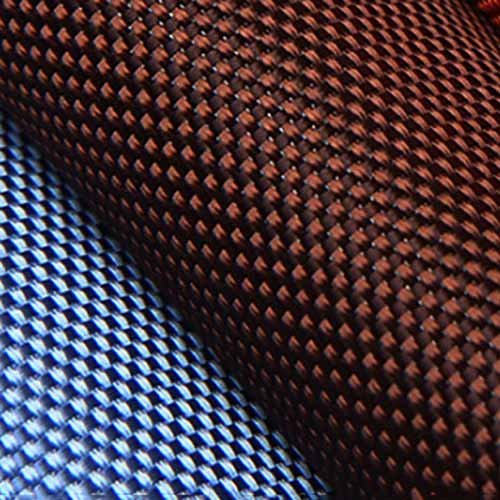
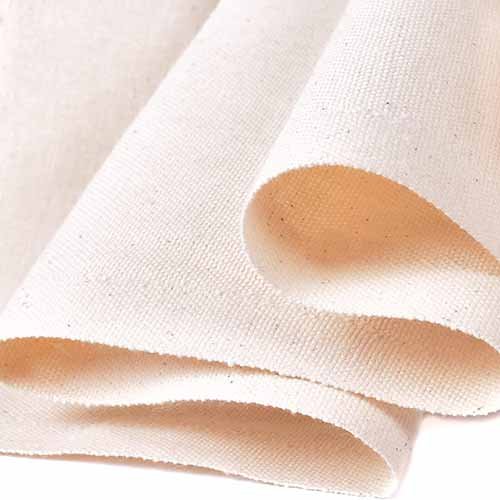
Canvas — Natural, Durable, High Aesthetic Value
Why Canvas Is Unique
- Natural feel
- Stylish and vintage look
- Durable for daily use
- Strong abrasion resistance
- Excellent for lifestyle brands
Common Types
- 12oz canvas
- 14oz canvas
- 16oz heavy-duty canvas
- Waxed canvas for water resistance
Best For
- Fashion backpacks
- Lifestyle brands
- Everyday carry bags
Weaknesses
- Heavy
- Less waterproof unless waxed
- Not ideal for performance or outdoor use
TPU / PVC Coated Fabrics — Complete Waterproofing
TPU-Coated Fabrics
- More flexible than PVC
- Better cold-weather performance
- Fully waterproof
- Strong bonding for welded seams
PVC Fabrics
- Cheaper
- Highly waterproof
- Suitable for industrial or marine applications
Best For
- Dry bags
- Marine/outdoor waterproof packs
- Bags for fishing, kayaking, boating
- Industrial waterproof equipment bags


Ripstop Fabrics — Lightweight & Tear-Resistant
Ripstop includes reinforcement grids woven into the fabric.
Advantages
- Prevents small tears from expanding
- Extremely lightweight
- Ideal for ultralight gear
Best For
- Ultralight backpacks
- Daypacks
- Outdoor adventure bags
Mesh Fabrics (Air Mesh / Spacer Mesh)
Used mostly for comfort and ventilation, not full bag bodies.
Applications
- Back panel ventilation
- Shoulder strap padding
- Hip belt padding
- Laptop sleeve inner padding

Backpack Material Comparison Table
| Material | Durability | Waterproof | Weight | Abrasion | Cost | Applications |
|---|---|---|---|---|---|---|
| 420D/500D Nylon | ★★★★★ | ★★★★ | Medium | ★★★★★ | Medium | Outdoor, travel |
| 1000D Nylon | ★★★★★ | ★★★★ | Heavy | ★★★★★ | High | Tactical/military |
| 600D Polyester | ★★★ | ★★ | Medium | ★★★ | Low | School & daily |
| 900D Polyester | ★★★★ | ★★★ | Medium | ★★★★ | Medium | Travel |
| Canvas 14oz | ★★★★ | ★ | Heavy | ★★★★ | Medium | Lifestyle |
| TPU Fabric | ★★★★★ | ★★★★★ | Medium | ★★★★ | High | Waterproof bags |
| PVC Tarpaulin | ★★★★ | ★★★★★ | Heavy | ★★★★ | Medium | Marine/industrial |
| Ripstop Nylon | ★★★★ | ★★★ | Light | ★★★★ | Medium | Outdoor/ultralight |
How to Choose the Best Material for Your Backpack
Step 1
Identify Your Core Use Case
- Outdoor: 420D/500D Nylon, Ripstop
- Tactical: 1000D Nylon, Ballistic Nylon
- Travel: 600D Polyester, 420D Nylon
- School: 300D/600D Polyester
- Lifestyle: Canvas + Leather
- Waterproof: TPU/PVC
Step 2
Determine Waterproof Requirements
- Water-resistant → PU-coated nylon/polyester
- Fully waterproof → TPU/PVC laminated materials
- Seam-weldable → TPU only
Step 3
Consider Weight vs Durability
- Lightest: Ripstop nylon
- Best strength: 1000D nylon
- Balanced: 420D–600D
Step 4
Factor in Cost Targets
- Lowest cost: 600D Polyester
- Mid-range: 420D Nylon
- High-end: 500D/1000D Nylon, Cordura
Step 5
Check Brand Positioning
- Premium outdoor → Nylon / Cordura
- Trendy lifestyle → Canvas
- Budget → Polyester
- Waterproof specialist → TPU
Lovrix Professional Recommendation
Lovrix provides material sourcing and custom development based on 18+ years of real manufacturing data. Our strengths:
- In-house fabric R&D (polyester, nylon, TPU, PVC, Oxford)
- In-house webbing R&D (nylon/polyester webbing for straps)
- In-house sewing + printing + lamination factories
- Over 25+ fabric/webbing/material engineers
- Over 15+ product designers
- Certified materials (GRS, OEKO-TEX, REACH, ROHS, EN-71)
- We test every fabric for tensile strength, abrasion & waterproofing
- We help global brands select materials based on use-case, cost & durability

Use Case Breakdown by Backpack Category

Outdoor Backpacks
- 420D/500D/600D Nylon
- TPU-coated nylon
- Ripstop nylon

Travel Backpacks
- 600D/900D Polyester
- 420D Nylon
- PU-coated fabrics

Tactical Backpacks
- 1000D Nylon
- 1680D Ballistic Nylon
- Heavy-duty webbing

Waterproof Backpacks
- TPU-laminated polyester
- PVC tarpaulin
- Weldable seams

Lifestyle/Fashion Backpacks
- 12–16oz canvas
- Waxed canvas
- PU leather accents

School Backpacks
- 300D/600D Polyester
- Oxford blends
- Lightweight mesh padding
Frequently Asked Questions
1. What is the most durable backpack material?
1000D nylon and ballistic nylon are the most durable, offering exceptional abrasion and tear resistance.
2. What is the best waterproof material for backpacks?
TPU-laminated fabrics offer the best waterproofing and flexibility. PVC is cheaper but heavier.
3. What’s better for backpacks: nylon or polyester?
Nylon = stronger, more durable Polyester = cheaper, more colorfast Your choice depends on use-case.
4. What fabric do premium outdoor brands use?
Most premium outdoor brands use 420D/500D/1000D nylon or Cordura.
5. Is canvas good for backpacks?
Yes—for lifestyle, casual, and vintage styles. Not ideal for performance or heavy rain.

Ready To Elevate Your Business Line?
Upgrade your backpack materials with factory-backed engineering expertise.
- Free Material Consultation
- Free Swatches (Global Shipping Available)
- 24–48 Hour Sample Development
- Full OEM/ODM Support
If you have any questions or need a quote, please leave us a message. Our experts will respond within 12 hours to assist you in selecting the ideal product solutions tailored to your needs.
- (+86) 13823134897
- info@lovrix.com