Skip to content
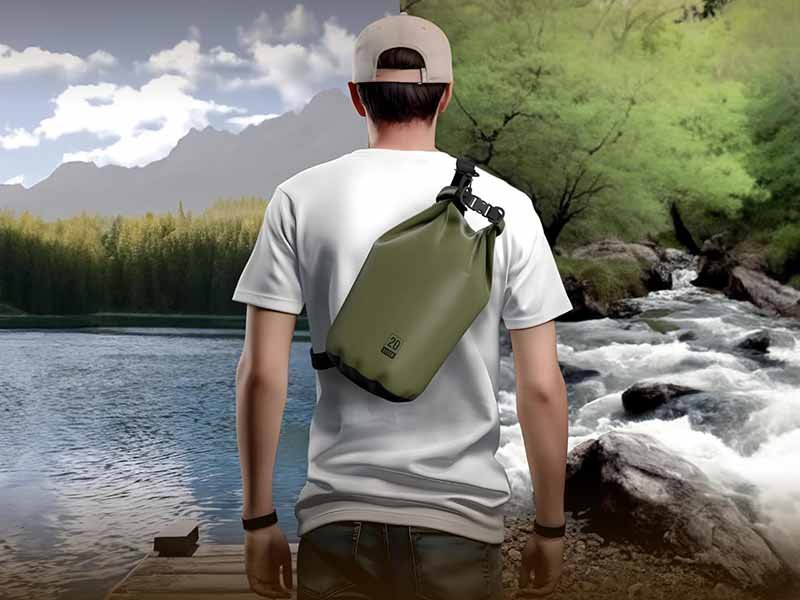
Few outdoor gear items are as misunderstood—and as essential—as waterproof dry bags. On paper, they sound simple: put your gear inside, roll the top, and everything stays dry. In reality, not all dry bags are created equal, and many products marketed as “waterproof” fail when conditions get serious.
For kayakers, hikers, sailors, travelers, and even urban commuters, a dry bag is often the last line of defense between valuable gear and water damage. Phones, cameras, clothing, food, and safety equipment all rely on one promise: keep water out. When that promise breaks, the cost is more than inconvenience—it’s ruined trips, damaged electronics, and lost trust in a brand.
At the same time, buyers today face overwhelming choices. PVC or TPU? Roll-top or zipper? Lightweight fabric or heavy-duty laminated construction? And perhaps the most common question of all: Are dry bags really 100% waterproof, or is that just marketing language?
From a sourcing and manufacturing perspective, this confusion creates opportunity. Brands that understand materials, construction, and real-world performance can design dry bags that actually meet user expectations—rather than just looking good on a product page.
Waterproof dry bags are specialized storage bags designed to keep contents dry in rain, splashes, or water exposure. Unlike ordinary waterproof bags, true dry bags use sealed seams and roll-top closures to prevent water entry. Their effectiveness depends on materials, construction, and intended use—ranging from light rain protection to full submersion resistance.
Whether you’re choosing a dry bag for personal use or developing a private-label product, understanding how dry bags truly work is the key to making the right decision
What is a dry bag and why do you need one

A dry bag is a waterproof storage bag designed to keep gear dry in wet environments such as rain, splashes, waves, or brief submersion. Unlike ordinary waterproof bags, dry bags use sealed seams and roll-top or waterproof closures to block water entry. You need a dry bag when protecting electronics, clothing, or valuables during outdoor, marine, or travel activities.
Is a dry bag the same as a waterproof bag?
This is one of the most common points of confusion.
A waterproof bag is a broad category that often refers to bags made with water-resistant fabrics or coatings. These bags are designed to handle rain or light splashes but may still leak at seams, zippers, or stitching points.
A dry bag, by contrast, is engineered specifically to prevent water entry. It typically features:
- Heat-welded or RF-welded seams (no needle holes)
- Roll-top or fully sealed waterproof closures
- Materials with very low water permeability
In practical terms: all dry bags are waterproof, but many “waterproof bags” are not true dry bags. This distinction is critical when gear exposure goes beyond light rain.
How does a dry bag work to keep gear dry?
Dry bags rely on simple but proven mechanics.
The most common design uses a roll-top closure. After placing items inside, the top is rolled down several times and clipped. This creates a tight seal that prevents water from entering and traps air inside the bag.
Key performance factors include:
- Welded seams that block leakage paths
- Laminated fabrics that do not absorb water
- Cylindrical or oval shapes that reduce stress points
The trapped air also helps the bag float, adding a layer of safety in marine environments.
What problems does a dry bag actually solve in real life?
Dry bags protect against unpredictable water exposure—not just obvious immersion.
Common real-world scenarios include:
- Sudden rainstorms during hiking
- Waves splashing into kayaks or boats
- Wet ground in campsites
- Humidity and spills during travel
Electronics, clothing, food, and safety gear are all vulnerable to moisture damage. A dry bag creates a controlled dry zone inside chaotic environments.
Many users don’t realize they need a dry bag until their first soaked phone or ruined clothing—after which it becomes essential gear.
Who should use a dry bag—and when is it unnecessary?
Dry bags are especially useful for:
- Kayakers, boaters, and paddleboarders
- Hikers and campers in wet climates
- Travelers visiting beaches or rainy regions
- Commuters carrying electronics in storms
They may be unnecessary for:
- Short trips in dry weather
- Activities with no water exposure
- Users already carrying sealed hard cases
Understanding your exposure level helps avoid overbuying heavy, overbuilt dry bags when a lightweight solution would suffice.
Why are dry bags becoming popular beyond outdoor sports?
Dry bags are no longer niche outdoor equipment.
Modern users value:
- Simplicity (no zippers to fail)
- Reliability in unpredictable weather
- Lightweight, packable storage
As weather patterns become less predictable and electronics more essential, dry bags are increasingly used in urban travel, commuting, and lifestyle scenarios.
This shift has expanded demand for better design, lighter materials, and cleaner aesthetics—especially in private-label and OEM markets.
Which 10 waterproof dry bags are the best

1. Sea to Summit Lightweight Dry Bag
Brand: Sea to Summit
Analysis: One of the most popular dry bags for outdoor enthusiasts, made with lightweight, roll‑top waterproof nylon that balances protection and portability. Often recommended by outdoor gear reviews for everyday use in camping, kayaking, or travel. Great for organizing gear inside a pack or for short boat rides.
Best For: Hikers, paddlers, travelers needing lightweight waterproof protection.
Why It’s Good: Durable construction, acclaimed user reviews, broad size range.
2. Osprey Ultralight Dry Sack
Brand: Osprey
Analysis:
Osprey, a respected pack and gear maker, offers this lightweight, highly packable dry sack with reliable roll‑top waterproofing. Often used as internal gear organization or for quick water protection during rain or river crossings.
Best For: Backpacking, pack organization, ultralight travel.
Why It’s Great: Trusted outdoor brand, lightweight and functional, excellent for layering inside backpacks.
3. Lovrix Custom Waterproof Dry Bag
Brand: Lovrix
Analysis: Customizable dry bag from Lovrix, designed for brands, bulk orders, and OEM/ODM projects. Material, size, logo, and color can be tailored, making it ideal for retail products, branded giveaways, or ecommerce lines.
Best For: Brand owners, retailers, custom product lines.
Why It’s Good: Custom options + strong waterproof performance = business ready.
4. Szoneier Waterproof Dry Bag
Brand: Szoneier (affiliate/partner positioning with Lovrix)
Analysis: Premium quality dry bag meant for high‑usage and tough environments. Szoneier models use reinforced sealing and materials suited for rugged water sports, travel, or professional use.
Best For: High durability needs, branded product lines, outdoor stores.
Why It’s Good: Durable design that supports customization and wholesale orders.
5. NRS Outfitter Dry Bag
Brand: NRS
Analysis: A heavy‑duty dry bag built for professional guides and river expeditions. Its TobaTex body and reinforced base make it ideal for serious adventurers or long‑term trips where gear gets heavy and wet. (GearLab)
Best For: Expedition use, rafting, professional paddling.
Why It’s Good: Exceptional strength and space (up to 140L).
6. YETI Sidekick Dry Gear Case
Brand: YETI
Analysis: Though smaller than traditional sacks, YETI’s Sidekick is built with RF‑welded seams and strong waterproof seals, ideal for valuables like phones, wallets, or cameras during outdoor activities. High user ratings reflect strong performance.
Best For: Small essentials, hiking, boating.
Why It’s Good: Reliable waterproof protection + organizational pockets.
7. Dock & Bay Medium Waterproof Dry Bag
Brand: Dock & Bay
Analysis: Combines functionality with modern design — good waterproof TPU/polyester blend material that protects belongings for beach outings, paddleboarding, or casual water sports. Lightweight yet roomy.
Best For: Beach, pool, water sports.
Why It’s Good: Stylish look, comfortable carry handles.
8. Malo’o DryPack Roll Top Waterproof Bag
Brand: Malo’o
Analysis: Highly rated dry duffel‑style waterproof bag known for versatility and robust build. Suitable for overnight trips, expanding capacity while keeping gear dry.
Best For: Overnight travel, multi‑day trips.
Why It’s Good: Duffel style + waterproof reliability.
9. Seavenger 20L Seafarer Waterproof Dry Bag
Brand: Seavenger
Analysis: A versatile TPU‑coated waterproof bag with adjustable straps and reliable sealing — great for beach days, kayaking, or forest hikes.
Best For: Outdoors, water recreation, day trips.
Why It’s Good: Affordable and functional protection.
10. Columbia PFG Drawstring Roll Top Dry Bag
Brand: Columbia
Analysis: Combines sporting apparel brand quality with practical roll‑top waterproof protection. Polyester build with strong closure ideal for basic use like fishing, boating, or river tours.
Best For: Fishing, boating, casual outings.
Why It’s Good: Great value + trusted outdoor brand backing.
| Brand | Waterproof Protection | Best Use | Unique Strength |
|---|---|---|---|
| Sea to Summit | High | Backpacking/Camping | Balanced performance & light weight |
| Lovrix | Customizable | Brand & Bulk Orders | Tailored options for businesses |
| Szoneier | Very High | Premium Outdoor Use | Reinforced build & wholesale readiness |
| NRS | Very High | Expedition/Professional | Heavy‑duty, large capacity |
| YETI | Very High | Essentials Protection | Premium sealing & quality |
| Dock & Bay | Medium‑High | Beach/Water Play | Stylish usability |
| Malo’o | High | Travel & Overnight | Duffel format & expandability |
| Seavenger | Medium | Outdoor Recreation | Affordable & versatile |
| Columbia | Medium | Casual Outdoor | Trusted brand + affordability |
What materials make dry bags truly waterproof

Dry bags are truly waterproof when made from non-porous laminated materials such as PVC, TPU, or TPU-laminated nylon, combined with welded seams rather than stitched seams. These materials create a continuous waterproof barrier that blocks water under rain, splashes, waves, and brief submersion. Fabric coatings alone are not enough to guarantee full waterproof performance.
Why laminated materials matter more than coatings
The most important distinction in dry bag materials is laminated vs coated.
- Laminated materials use a solid waterproof film bonded to a fabric base
- Coated fabrics rely on surface treatments (PU, silicone) applied to woven textiles
Laminated films (PVC or TPU) are non-porous, meaning water physically cannot pass through the material—even under pressure. Coatings, on the other hand, can thin, crack, or wear away over time.
If water resistance depends on a coating, waterproof performance degrades with use. If waterproofing depends on a solid film, performance is inherently more stable.
This is why all serious dry bags—especially marine and expedition models—use laminated constructions.
Why PVC is still used for heavy-duty waterproof dry bags
PVC (Polyvinyl Chloride) remains one of the most widely used dry bag materials for extreme environments.
Why PVC works so well:
- Completely impermeable to water
- Naturally weldable using heat or RF methods
- High abrasion and puncture resistance
- Maintains waterproof integrity even after repeated immersion
PVC dry bags are common in:
- Whitewater rafting
- Sailing and marine storage
- Rescue and expedition gear
PVC is not outdated—it is simply optimized for durability over comfort.
Why TPU is considered the best modern waterproof dry bag material
TPU (Thermoplastic Polyurethane) is widely regarded as the premium dry bag material today.
Compared to PVC, TPU offers:
- Similar waterproof impermeability
- Greater flexibility and softness
- Better cold-weather performance
- Lower odor and better user comfort
TPU is often laminated onto nylon or polyester, creating a material that is:
- Strong
- Lightweight
- Easy to fold and pack
- Suitable for both outdoor and travel use
Most premium dry bags launched in recent years—especially for hiking, travel, and lifestyle markets—use TPU laminates instead of PVC.
For most consumers, TPU provides the best balance between waterproof performance and everyday usability.
Are TPU-laminated nylon fabrics truly waterproof?
Yes—when properly constructed.
TPU-laminated nylon combines:
- A woven fabric base (for strength)
- A continuous TPU film (for waterproofing)
When seams are fully welded, TPU-laminated nylon dry bags are waterproof enough for:
- Heavy rain
- Splash exposure
- Brief submersion
However, waterproof performance depends on film thickness and seam quality. Thin laminates or stitched seams reduce reliability.
TPU-laminated nylon is ideal for all-around dry bags, but not all TPU bags are equal—construction quality matters.
Why coated nylon alone is not enough for “true” dry bags
Many lightweight dry sacks use PU-coated or silicone-coated nylon. These fabrics are often marketed as waterproof, but technically they are water-resistant, not fully waterproof.
Limitations include:
- Needle holes from stitching
- Seam tape degradation over time
- Lower resistance to water pressure
Coated nylon dry sacks perform well as:
- Backpack organizers
- Rain protection layers
- Lightweight camping storage
But they are not ideal for kayaking, boating, or submersion-prone environments unless reinforced.
Why seam construction is just as important as material
Even the best waterproof material will fail if seams are poorly made.
Truly waterproof dry bags rely on:
- Heat welding
- RF welding
- Ultrasonic bonding
These processes fuse materials together, eliminating needle holes completely.
In failure analysis, more than half of dry bag leaks originate at seams, not through fabric panels.
This is why welded seams are a defining feature of genuine dry bags.
How to match material choice to real-world use
| Use Scenario | Recommended Material | Reason |
|---|---|---|
| Kayaking / rafting | PVC laminate | Maximum abrasion & immersion resistance |
| Marine storage | PVC or thick TPU | Long-term waterproof reliability |
| Hiking / camping | TPU-laminated nylon | Balance of weight & protection |
| Travel / lifestyle | TPU laminate | Comfort, flexibility, packability |
| Backpack organization | Coated nylon | Lightweight rain protection |
Choosing material based on water exposure level, not marketing terms, prevents most buyer disappointment.
How do you choose the right dry bag for your needs

Choose the right dry bag by matching capacity, material, seam construction, and closure type to your activity and water exposure level. For kayaking or boating, prioritize welded seams and rugged PVC/TPU laminates. For hiking, choose lightweight TPU-laminated or coated nylon sacks. Always size up for roll-top closure space, and select carry features (straps, handles) based on how you’ll transport the bag.
Step 1: What water exposure are you actually facing (rain, splashes, or submersion)?
This is the #1 filter, because “dry bag” covers multiple performance tiers.
Use a simple exposure scale:
- Level 1: Rain-only – hiking in storms, commuting, beach day bag
- Level 2: Splashes & wet decks – kayaking, paddleboarding, boat storage
- Level 3: Brief accidental submersion – capsizing risk, river crossings
- Level 4: Prolonged underwater use – rare; often needs hard cases or specialized gear
If your real exposure is Level 1, an ultralight sack may be perfect. If it’s Level 2–3, you need tougher laminate materials and welded seams. Level 4 typically goes beyond normal dry bags.
Step 2: Which size and volume should you pick (and why most people buy too small)?
Dry bag volume sounds simple until you use one.
Roll-top sealing consumes internal space, so usable capacity is lower than the label. A good rule:
- Expect 15–25% capacity loss after rolling and sealing.
Practical sizing guide:
- 3–5L: phone, keys, wallet, small camera
- 10–15L: light jacket + snacks + power bank
- 20L: day trip clothing + towel + camera kit
- 30L: weekend essentials or shared gear
- 40L+: expedition / boat storage
If you’re between sizes, choose the larger option. Underfilled bags can still be rolled tightly; overfilled bags can’t seal well.
Step 3: What material should you choose—PVC, TPU, or coated nylon?
Material should match both exposure and comfort expectations.
PVC laminate
- Best for: marine, rafting, heavy abrasion
- Pros: very tough, highly waterproof
- Cons: heavier, stiffer, less packable
TPU laminate / TPU-laminated nylon
- Best for: premium outdoor + travel
- Pros: flexible, better cold performance, good waterproofing
- Cons: usually higher cost than PVC
Coated nylon (PU/silicone)
- Best for: backpack organization, rain-only protection
- Pros: ultralight, packable
- Cons: less reliable under pressure, seam tape can age
If your bag may hit rocks, boat decks, or frequent wet/dry cycles, TPU/PVC laminates outperform coated fabrics.
Step 4: How do seams and construction decide whether a bag leaks?
Seams are where “waterproof” wins or fails.
Look for:
- Welded seams (heat/RF/ultrasonic) for true dry bags
- Avoid relying only on stitched seams + seam tape if your use is Level 2–3 exposure
Also check:
- Reinforced base panels (wear point)
- Rounded corners (less stress concentration)
- Thick roll-top stiffeners (better seal consistency)
If a dry bag is cheap but uses stitched seams, it may still be fine for rain—but it’s not the right choice for kayaking or boat storage.
Step 5: Which closure is best—roll-top or waterproof zipper?
Roll-top closure
- Best overall for reliability and durability
- Works well in sand/mud/salt environments
- Requires correct rolling (3–4 folds)
Waterproof zipper
- Faster access
- Better for duffel-style packing
- Needs care: dirt or grit can reduce sealing performance
For most users, roll-top is the safest choice. Zippers are great for specific needs (photography kits, frequent access) but have higher maintenance expectations.
Step 6: What carry features matter (and which are just marketing)?
Carry features should match how you move the bag:
- Single shoulder strap: short carries, travel day use
- Backpack straps: long walks, airports, portaging
- D-rings / lash points: strapping to kayaks, SUPs, bikes
- Grab handles: quick boat handling
Avoid overpaying for features you won’t use. For example, kayak users benefit from lash points; hikers benefit more from lightweight sacks and compact packing.
| Your Activity | Recommended Bag Type | Best Material | Best Closure |
|---|---|---|---|
| Hiking in rain | Ultralight dry sack | TPU-laminated / coated nylon | Roll-top |
| Kayaking/SUP | Rugged roll-top | PVC or thick TPU | Roll-top |
| Boat storage | Heavy-duty dry bag | PVC/TPU laminate | Roll-top |
| Travel day bag | Shoulder dry bag | TPU laminate | Roll-top/zipper |
| Frequent access gear | Waterproof duffel | TPU laminate | Waterproof zipper |
Are dry bags truly waterproof in real conditions

Dry bags are highly waterproof in real-world conditions such as rain, splashes, waves, and brief submersion, but most are not designed for prolonged underwater exposure. Their waterproof performance depends on material impermeability, welded seams, closure type, and correct use. In practice, dry bags perform as intended when matched to the right activity and used properly.
Are dry bags 100% waterproof or only water-resistant?
The honest answer is: most dry bags are functionally waterproof, not absolutely waterproof.
In real conditions, dry bags are designed to:
- Block heavy rain
- Resist splashes and waves
- Survive brief accidental submersion
They are not pressure-rated containers like hard cases or dive equipment. Water pressure increases rapidly with depth, and most dry bags are not intended to resist sustained underwater force.
A dry bag that leaks underwater for 10 minutes may still be performing exactly as designed.
How do dry bags perform in rain, waves, and surface water?
This is where dry bags excel.
In rainstorms, paddle splashes, wet decks, and river spray, well-made dry bags with:
- PVC or TPU laminate
- Fully welded seams
- Properly rolled closures
perform extremely well—often keeping contents dry for entire trips.
The vast majority of dry bag “success stories” happen above water, not below it. Most real-world exposure is dynamic surface contact, not static underwater pressure.
What happens when dry bags are submerged underwater?
Submersion introduces water pressure, which changes everything.
Factors that affect submersion performance:
- Depth of submersion
- Duration underwater
- Air trapped inside the bag
- Seam and closure integrity
Many dry bags will remain dry for short submersions (seconds to minutes), especially if they float. However, prolonged immersion—especially if weighted—can force water through seams or closures.
If your use case involves intentional or repeated submersion, you need a marine-grade or submersible-rated dry bag, not a lightweight hiking sack.
How do closure systems affect real-world waterproofing?
Closures are the most common leak source.
- Roll-top closures create a mechanical seal using trapped air and compression. They are simple, reliable, and tolerant of dirt and sand.
- Waterproof zippers offer fast access but require maintenance and precise alignment. Grit or salt can compromise seals.
Roll-top closures outperform waterproof zippers in muddy, sandy, or cold environments—despite being less convenient.
Proper rolling (usually 3–4 turns) is critical. Under-rolling is one of the most common user errors.
Do lab tests and waterproof ratings reflect real use?
Dry bags rarely use standardized waterproof ratings like jackets do.
Instead, manufacturers rely on:
- Seam pressure testing
- Immersion simulation
- Closure fatigue testing
These tests simulate real-world stress, but results depend on how the bag is actually used.
A dry bag can pass lab tests yet fail in the field if overfilled, punctured, or incorrectly sealed. Real waterproofing is a system—material, construction, and user behavior all matter.
What common mistakes cause dry bags to leak in real life?
Most reported leaks are not design failures.
Common causes include:
- Overfilling the bag (preventing proper rolling)
- Insufficient roll-top folds
- Sharp objects pressing against seams
- Using lightweight bags in marine conditions
- Assuming “waterproof” means “submersible”
Understanding these limits prevents most disappointment.
How should users choose dry bags based on real conditions?
Match the bag to the environment:
| Condition | Recommended Dry Bag Type |
|---|---|
| Rain / storms | Lightweight TPU or coated nylon |
| Kayaking / boating | PVC or thick TPU with welded seams |
| Brief accidental submersion | Marine-grade roll-top |
| Prolonged underwater use | Submersible hard case or specialized gear |
When dry bags are used within their design envelope, they perform extremely well.
How can custom brands design their own waterproof dry bags with Lovrix
Custom brands can design waterproof dry bags with Lovrix by selecting purpose-matched laminated materials (TPU/PVC), using welded seam construction, and building activity-specific designs with verified closure performance. Lovrix supports OEM/ODM development—from material engineering and sampling to waterproof testing and mass production—helping brands launch reliable private-label dry bags with low MOQs, fast prototyping, and stable quality control.
Step 1: What information should a brand provide to start a dry bag OEM project?
Brands get faster, cleaner sampling when they provide a few concrete inputs up front. Lovrix typically asks for:
- Use scenario: kayaking / hiking / travel / marine storage / motorcycle / fishing
- Water exposure level: rain-only, splash/waves, brief submersion, heavy duty
- Target capacity: 5L / 10L / 20L / 30L / 40L+ (and size constraints)
- Preferred carry style: sack / shoulder bag / backpack / duffel
- Target price tier: entry / mid / premium (this guides material gauge + hardware)
- Branding requirements: logo method, color standards, packaging, inserts
- Compliance needs: REACH, low odor, PVC-free request, etc.
it prevents the most common OEM mistake—getting a “nice-looking sample” that fails waterproof or durability expectations once tested in the field.
Step 2: Which Lovrix material systems work best for different dry bag categories?
Lovrix is not limited to one fabric source—we integrate fabric and webbing supply chains, so the bag is engineered as a system.
Typical material recommendations:
- Marine / rafting / hard abuse
- PVC laminate or thick TPU laminate
- Reinforced bottom panel
- Heavy-duty webbing + lash points
- Premium all-round outdoor + travel
- TPU-laminated nylon/polyester
- Balanced weight and flexibility
- Better foldability and comfort
- Ultralight hiking organizers
- Lightweight TPU laminate or coated fabrics (for rain-only protection)
- Simple roll-top sacks
- Minimal hardware
“Best” material depends on exposure level. Lovrix helps brands avoid mismatches (e.g., ultralight coated nylon marketed as a rafting bag—leading to returns).
Step 3: How does Lovrix build real waterproofing (not just “water-resistant” marketing)?
True dry bags are defined by construction, not just fabric.
Lovrix focuses on four waterproof foundations:
- Laminated waterproof barrier (PVC/TPU film)
- Welded seams (heat/RF/ultrasonic bonding) instead of stitched seams
- Roll-top sealing geometry (stiffeners + correct fold depth)
- Leak-path prevention at stress zones (base corners, strap anchors, buckle points)
Many market failures happen because brands only specify “waterproof fabric” but don’t specify seam method, closure specs, or reinforcement. Lovrix turns those into measurable specs.
Step 4: What dry bag designs can Lovrix develop for private label brands?
Lovrix supports both classic and “new-category” dry bag designs:
- Roll-top dry sacks (3L–40L+)
- Kayak deck bags with lash points
- Dry backpacks (TPU laminate + waterproof zipper options)
- Wide-mouth dry duffels for fast access
- Phone/document mini dry pouches
- Dry bag coolers (hybrid insulated construction)
- Motorcycle / bike dry tail bags (strap + anti-slip systems)
Brands can build a complete series: entry-level sack → travel shoulder bag → premium backpack/duffel, all with consistent material story and packaging.
Step 5: Which waterproof and durability tests does Lovrix use before mass production?
Most brands lose money when they skip testing and discover leaks after launch. Lovrix helps reduce that risk with pre-production checks such as:
- Seam integrity checks (visual + bonding consistency)
- Water intrusion test (controlled immersion / splash simulation)
- Closure fatigue test (roll-top repeated cycles)
- Load & strap stress test (strap anchor reinforcement verification)
- Abrasion risk review (bottom panel + edge binding durability)
fewer returns, fewer negative reviews, and fewer “second-sample” rounds. Testing turns “waterproof” into something defendable in product listings.
Step 6: What customization options matter most for brand differentiation?
Dry bags look similar online—small details drive conversion. Lovrix supports:
- Logo methods: screen print, heat transfer, patch label, deboss/emboss (depending on material)
- Color + material story: TPU-clear panels, matte finishes, premium textures
- Hardware options: buckles, D-rings, strap systems, reflective details
- Functional add-ons: valves (air release), internal pockets, ID windows
- Packaging: retail-ready cartons, hang tags, instruction inserts, barcode labels
The most successful private-label dry bags don’t just “keep water out”—they also look and feel like a coherent brand product.
Step 7: What specs should brands lock before requesting a quotation?
To get an accurate quote, brands should define:
- Capacity + dimensions (tolerance range)
- Material type + laminate gauge
- Seam method (welded required?)
- Closure type (roll-top / waterproof zipper)
- Strap system and hardware grade
- Logo method + print area
- Packaging requirements
- Target order quantity + destination
Lovrix can help brands turn a rough idea into a clear RFQ—this is often the fastest way to reduce sampling loops and control cost.
| Goal | Best Design Direction | Material | Seam Type |
|---|---|---|---|
| Lowest returns | Hybrid rugged roll-top | PVC / thick TPU | Welded |
| Premium feel | Flexible travel series | TPU laminate | Welded |
| Ultralight packing | Simple internal sacks | coated nylon / light TPU | taped or welded |
| Fast access | Wide-mouth duffel | TPU laminate | welded + zipper |
Conclusion
The best waterproof dry bags are not defined by marketing claims—they are defined by materials, construction, and real-world use.
If you are a brand owner, outdoor retailer, or e-commerce seller looking to develop custom waterproof dry bags, Lovrix can help you design products that perform, last, and earn customer trust.
Contact Lovrix today to discuss your dry bag project, request samples, or start an OEM / private label development.