 Skip to content

Canvas is one of the oldest and most widely used fabrics in the world—but it is also one of the most misunderstood. Many people associate canvas with rugged tote bags, workwear, or outdoor gear, yet still ask basic questions: Is canvas always cotton? Why does some canvas feel stiff while other canvas feels soft? And why do some canvas products last for decades while others wear out quickly?
The truth is that canvas is not a single material, but a fabric system defined by structure, fiber composition, and finishing. Historically, canvas was made from natural fibers like cotton and linen. Today, modern canvas fabrics may also include polyester, nylon, or blended yarns, engineered to meet specific performance goals such as water resistance, strength, or cost efficiency. Canvas material is typically made from cotton, polyester, linen, or blended fibers woven in a dense plain weave. While traditional canvas is often cotton-based, modern canvas fabrics can also be synthetic or blended for improved durability and water resistance. The exact composition affects strength, weight, breathability, and suitability for different uses such as bags, apparel, and industrial products.
Behind this simple-looking fabric lies a complex balance of durability, weight, texture, and performance trade-offs. Once you understand what canvas is really made of—and why—it becomes much easier to choose the right canvas fabric for your product rather than relying on assumptions or labels.
What Is Canvas Material
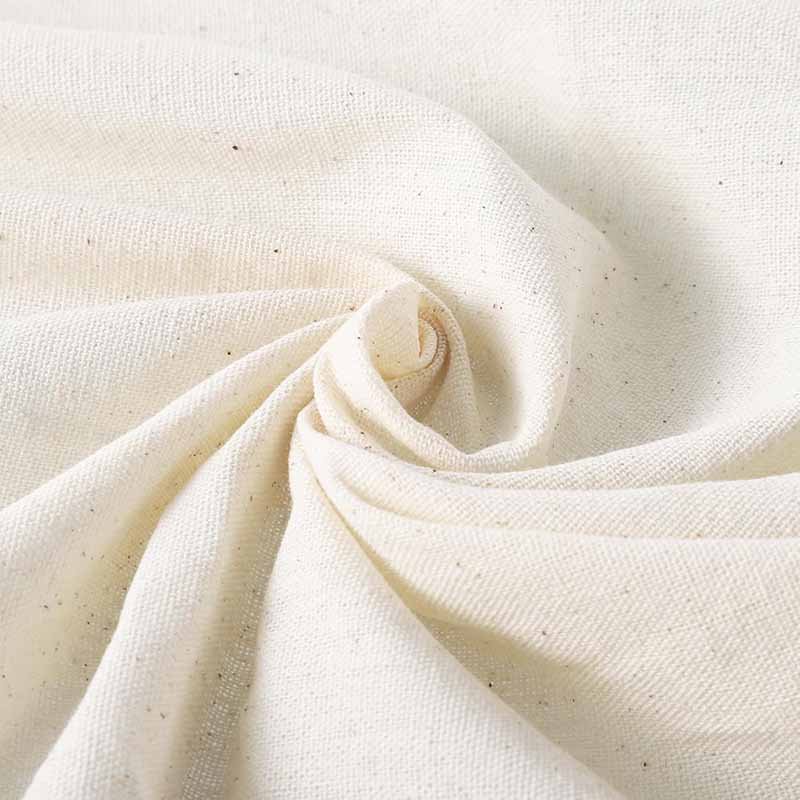
Canvas material is a heavy-duty woven fabric characterized by a dense plain weave and high durability. Traditionally made from cotton or linen, modern canvas may also be produced from polyester, nylon, or blended fibers. Canvas is valued for its strength, abrasion resistance, and structural stability, making it widely used in bags, apparel, footwear, outdoor gear, and industrial products.
What Defines Canvas Fabric Structurally?
From a textile engineering perspective, canvas is defined primarily by its tight plain weave construction, not by a specific fiber.
In a plain weave, each warp yarn alternates over and under each weft yarn. In canvas fabric, this weave is executed using thicker yarns and higher yarn density, creating a fabric that is:
- Firm and structured
- Resistant to tearing
- Capable of carrying heavy loads
This structural density is what separates canvas from lighter plain-weave fabrics such as poplin or broadcloth. Even when made from different fibers, canvas retains its core identity because the weave prioritizes strength and longevity over softness.
How Is Canvas Different from Other Common Fabrics?
Canvas is often compared to fabrics like twill, Oxford cloth, or denim, but its purpose is distinct.
- Compared to twill, canvas has less drape and more stiffness
- Compared to Oxford fabric, canvas is heavier and more rigid
- Compared to denim, canvas lacks diagonal ribs and has a flatter surface
These differences explain why canvas is rarely chosen for elegant garments but is widely used where durability, structure, and reliability are more important than fluid movement or refined appearance.
Is Canvas a Material or a Fabric Category?
Canvas should be understood as a fabric category, not a single standardized material.
Two fabrics can both be called “canvas” while performing very differently due to:
- Fiber composition (cotton, polyester, blends)
- Yarn thickness and weave density
- Surface finishing (waxing, coating, laminating)
For example:
- A lightweight cotton canvas tote feels soft and breathable
- A heavy polyester canvas bag feels rigid and water-resistant
This is why professional buyers always evaluate canvas specifications, not just the name.
Why Has Canvas Been Used for Centuries?
Canvas has been used for centuries because it solves a fundamental problem: how to create fabric that can endure stress, friction, and environmental exposure.
Historically, canvas was used for:
- Sails and tents
- Military gear
- Workwear and utility equipment
Modern manufacturing has expanded its use into lifestyle and fashion products, but the core reason remains the same—canvas lasts longer under real-world conditions than many alternative fabrics.
How Does Modern Canvas Differ from Traditional Canvas?
Traditional canvas was almost exclusively made from cotton or linen. Modern canvas, however, often incorporates:
- Polyester for moisture resistance
- Nylon for higher tensile strength
- Blended yarns for balanced performance
These advancements allow brands to fine-tune canvas fabric for specific needs, such as reducing weight, improving water resistance, or controlling cost—without abandoning the core canvas structure.
How Do Buyers Commonly Misunderstand Canvas Material?
One of the biggest misconceptions is assuming that all canvas is heavy, stiff, and 100% cotton. In reality:
- Canvas weight varies widely
- Fiber composition varies significantly
- Performance depends heavily on finishing
Many product failures happen not because canvas is a poor choice, but because the wrong type of canvas was selected for the application.
What Is Canvas Material Made Of
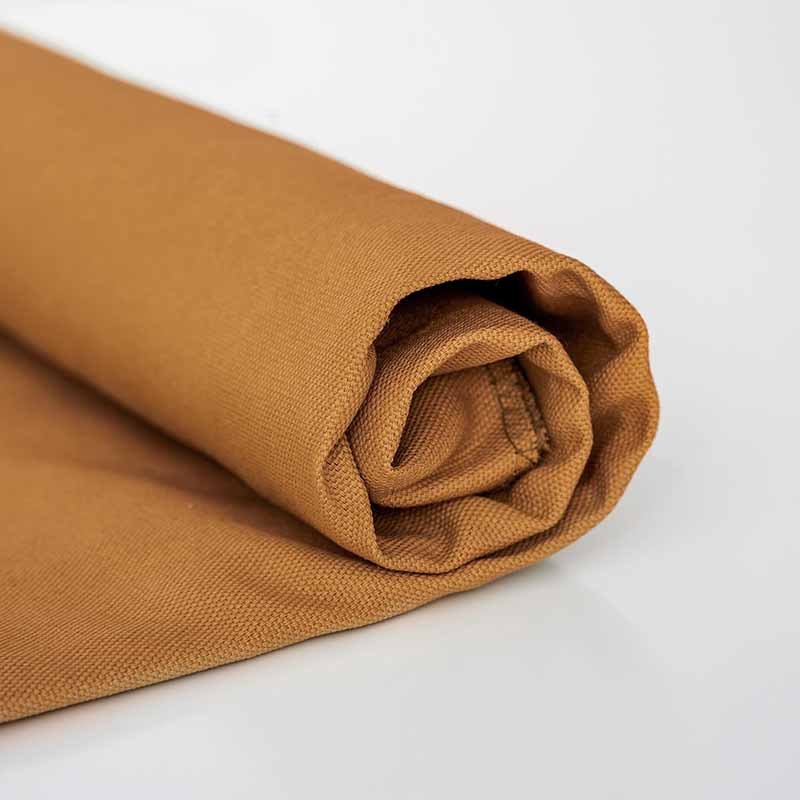
Canvas material is made from natural fibers such as cotton or linen, synthetic fibers like polyester or nylon, or blends of natural and synthetic yarns. Traditional canvas was primarily cotton-based, while modern canvas fabrics often use polyester or blended fibers to improve durability, water resistance, and cost efficiency. The exact composition directly affects strength, weight, breathability, and end use.
What Fibers Are Commonly Used in Canvas Fabric?
Canvas is not limited to a single fiber type. Instead, it is produced using several core fiber categories, each chosen for specific performance goals.
The most common fibers used in canvas include:
- Cotton – natural, breathable, traditional
- Linen (flax) – historically used, very strong, less common today
- Polyester – durable, moisture-resistant, cost-stable
- Nylon – high tensile strength, premium performance
- Blended fibers – engineered balance of comfort and durability
The fiber choice determines not only how canvas feels, but also how it behaves under stress, moisture, and long-term use.
Is Canvas Material 100% Cotton?
No. Although canvas is often associated with cotton, canvas material is not always 100% cotton.
Historically, most canvas fabrics were made from cotton or linen because synthetic fibers did not yet exist. In modern manufacturing, however, pure cotton canvas is only one category among many.
Today:
- Cotton canvas is common in lifestyle, fashion, and eco-focused products
- Polyester or blended canvas dominates bags, backpacks, and outdoor gear
- Nylon canvas is used in high-load or performance-driven products
This shift reflects changing product requirements rather than declining quality. In many cases, synthetic or blended canvas performs better than 100% cotton in real-world conditions.
How Does Cotton Canvas Differ from Synthetic Canvas?
The differences between cotton and synthetic canvas are fundamental and practical.
| Aspect | Cotton Canvas | Polyester / Nylon Canvas |
|---|---|---|
| Fiber origin | Natural | Synthetic |
| Breathability | High | Moderate |
| Water absorption | High | Low |
| Shrinkage risk | Yes | Minimal |
| Durability | Good | Very high |
| Typical use | Tote bags, apparel | Bags, outdoor gear |
Cotton canvas offers comfort and natural aesthetics, while synthetic canvas prioritizes performance consistency and longevity.
Why Are Blended Canvas Fabrics So Common Today?
Blended canvas fabrics combine cotton with polyester or nylon, aiming to solve the weaknesses of single-fiber canvas.
Benefits of blended canvas include:
- Reduced water absorption compared to pure cotton
- Better shape retention and less shrinkage
- Improved abrasion resistance
- More stable pricing and supply
For OEM/ODM manufacturing, blended canvas often delivers the best cost-to-performance ratio, which is why it is widely used in commercial bag production.
How Does Yarn Thickness and Density Affect Canvas Composition?
Canvas composition is not only about fiber type—it also depends on yarn thickness and weave density.
- Thicker yarns increase strength and stiffness
- Higher density improves abrasion resistance
- Lighter yarns reduce weight and rigidity
Two canvas fabrics made from the same fiber can behave very differently depending on these construction variables. This is why professional specifications always include weight (oz/yd² or GSM) in addition to fiber content.
Do Finishes and Treatments Change What Canvas Is “Made Of”?
While finishes do not change the fiber composition, they significantly alter performance.
Common treatments include:
- Waxing (adds water resistance and vintage look)
- PU or PVC coating (improves waterproofing)
- DWR treatments (water repellency without heavy coating)
From a buyer’s perspective, finished canvas behaves like a different material altogether—even though the base fibers remain the same.
How Should Buyers Understand Canvas Composition Correctly?
A common mistake is equating “canvas” with a single material, such as cotton. In reality, canvas should be understood as a fabric platform that can be engineered using different fibers, yarns, and finishes.
Professional buyers evaluate canvas by:
- Fiber composition
- Yarn size and density
- Weight and thickness
- Surface treatment
This approach ensures the selected canvas matches the product’s real-world demands rather than assumptions.
Which Types of Canvas Fabric Exist

Canvas fabric exists in several types based on fiber composition, weight, weave density, and surface treatment. Common types include natural cotton canvas, synthetic polyester or nylon canvas, blended canvas fabrics, and treated or coated canvas such as waxed or waterproof canvas. Each type offers different performance characteristics suited to specific applications.
How Can Canvas Fabric Be Classified in Practice?
In real manufacturing and sourcing scenarios, canvas fabrics are classified using four key dimensions rather than marketing names:
- Fiber composition (natural, synthetic, blended)
- Fabric weight and thickness (light, medium, heavy canvas)
- Weave density and yarn size
- Surface treatment or coating
Understanding these dimensions allows buyers to accurately compare canvas options and avoid costly material mismatches.
Natural Canvas Fabrics (Cotton & Linen Canvas)
Natural canvas is made from cotton or linen fibers and represents the most traditional form of canvas.
Key characteristics:
- Breathable and comfortable
- Natural, textured appearance
- Softens with use over time
Common uses: Tote bags, apparel, shoes, home textiles, lifestyle accessories.
Limitations: High water absorption, potential shrinkage, heavier weight when wet.
Synthetic Canvas Fabrics (Polyester & Nylon Canvas)
Synthetic canvas uses polyester or nylon yarns while maintaining a dense plain weave structure.
Key characteristics:
- Higher abrasion resistance
- Better moisture resistance
- More stable dimensions
Common uses: Backpacks, outdoor bags, travel gear, equipment covers.
Performance note: Nylon canvas provides superior tensile strength, while polyester canvas offers better cost stability.
Blended Canvas Fabrics (Cotton-Poly / Cotton-Nylon)
Blended canvas combines natural and synthetic fibers to balance comfort and durability.
Key characteristics:
- Reduced water absorption compared to pure cotton
- Improved shape retention
- Balanced hand feel
Common uses: OEM bag products, lifestyle bags, private label accessories.
This category is extremely popular in commercial production because it delivers consistent quality at controlled cost.
Canvas by Weight and Thickness (Light vs Heavy Canvas)
Canvas fabrics are also categorized by fabric weight, usually measured in ounces per square yard (oz/yd²) or grams per square meter (GSM).
| Canvas Weight | Typical Feel | Common Uses |
|---|---|---|
| Light Canvas | Soft, flexible | Apparel, linings |
| Medium Canvas | Structured | Tote bags |
| Heavy Canvas | Stiff, rigid | Tool bags, tents |
Heavier canvas offers strength but reduces flexibility, making weight selection a critical decision.
Treated and Coated Canvas Fabrics
Canvas performance can be enhanced through surface treatments.
Common treatments include:
- Waxed canvas: Water resistance, vintage appearance
- PU-coated canvas: Lightweight waterproofing
- PVC-coated canvas: High waterproofing, stiff feel
- DWR-treated canvas: Water repellency without coating
These treatments significantly expand canvas applications, especially in outdoor and travel products.
Specialty and Performance Canvas Fabrics
Advanced canvas variants may include:
- Recycled fiber canvas
- Flame-retardant canvas
- UV-resistant canvas
- Reinforced or double-layer canvas
These are used in technical, industrial, or regulated environments where performance standards are strict.
Which Type of Canvas Fabric Should Buyers Choose?
There is no single “best” canvas fabric. The correct choice depends on:
- Load and wear expectations
- Environmental exposure
- Desired appearance and hand feel
- Cost and production scale
Professional suppliers help align canvas type with product intent, reducing risk and improving long-term performance.
What Are Canvas Fabric Properties

Canvas fabric is known for its high durability, strength, abrasion resistance, and structural stability. Its dense plain weave gives it excellent load-bearing capacity but also makes it heavier and stiffer than many fabrics. Depending on fiber type and finishing, canvas may be breathable, water-resistant, or weather-protected, making it suitable for bags, apparel, outdoor, and industrial products.
Is Canvas Fabric Durable and Strong?
Yes. Durability is the core property of canvas fabric. Canvas owes its strength to two factors: thick yarns and a dense plain weave. This structure distributes stress evenly across the fabric surface, reducing localized tearing and seam failure.
- Cotton canvas offers strong tear resistance and long service life
- Polyester canvas improves abrasion resistance and consistency
- Nylon canvas provides the highest tensile strength
In bag and luggage applications, canvas often outperforms lighter woven fabrics under repeated loading, dragging, and folding.
How Heavy and Rigid Is Canvas Fabric?
Canvas is generally heavier and stiffer than many other fabrics.
- Light canvas feels structured but flexible
- Medium canvas balances firmness and usability
- Heavy canvas is rigid and highly load-bearing
This rigidity is a double-edged sword: it improves shape retention and durability but reduces drape and softness. For products that require structure (tote bags, tool bags), this is a major advantage. For flowing garments, it may be a limitation.
Is Canvas Fabric Breathable?
Breathability depends heavily on fiber type and finishing.
- Cotton canvas allows moderate airflow and moisture absorption
- Synthetic canvas is less breathable but more moisture-resistant
- Coated or waxed canvas significantly reduces breathability
This is why canvas works well in workwear and casual apparel but is less suitable for high-performance sportswear where ventilation is critical.
Is Canvas Fabric Water-Resistant or Waterproof?
Untreated canvas is not waterproof. Natural fibers absorb water easily.
Water resistance is achieved through:
- Waxing (traditional, water-repellent)
- PU or PVC coatings (waterproofing)
- DWR surface treatments
Once treated, canvas can handle rain and damp environments effectively, though coatings increase weight and stiffness.
How Does Canvas Perform Against Abrasion and Wear?
Canvas fabric performs very well in abrasion-prone environments.
- Dense weave resists surface wear
- Thick yarns slow fiber breakage
- Heavy canvas withstands friction from floors, walls, and equipment
This makes canvas ideal for bags, footwear, tool rolls, and industrial covers where surface contact is frequent.
Does Canvas Fabric Hold Its Shape Over Time?
Yes. Canvas has excellent dimensional stability, especially compared to softer fabrics.
Benefits include:
- Less sagging in bags
- Improved edge definition
- Better seam alignment over time
Blended and synthetic canvases further reduce stretching and deformation, which is critical for long-term product quality.
How Does Canvas Fabric React to Washing and Weather?
Canvas behavior varies by composition:
- Cotton canvas may shrink if exposed to heat
- Synthetic canvas resists shrinkage
- Repeated wet-dry cycles can stiffen untreated cotton canvas
Proper pre-treatment and care are essential for maintaining performance, especially in consumer products.
What Are the Key Limitations of Canvas Fabric Properties?
Canvas properties also introduce trade-offs:
- Heavier weight than modern synthetics
- Stiff feel when new
- Low water resistance without treatment
- Reduced comfort in hot climates
Understanding these limitations prevents misapplication and improves product satisfaction.
What Are Common Uses of Canvas Material

Canvas material is commonly used in bags, backpacks, apparel, footwear, outdoor gear, and industrial products. Its dense weave and high durability make it ideal for load-bearing and abrasion-resistant applications. Depending on fiber type and finishing, canvas can be adapted for lifestyle, utility, or professional use.
Is Canvas Material Widely Used in Bags and Backpacks?
Yes. Bags and backpacks are the most common uses of canvas material. Canvas is favored because it can carry weight, resist abrasion, and maintain structure over time.
Typical canvas bag applications include:
- Tote bags and shopping bags
- Backpacks and rucksacks
- Duffel bags and travel bags
- Tool bags and utility bags
Heavy cotton canvas is often used for lifestyle and fashion bags, while blended or polyester canvas is preferred for functional and travel-oriented products where water resistance and shape stability matter.
How Is Canvas Used in Luggage and Travel Products?
Canvas has a long history in travel gear due to its strength and repairability.
Common applications include:
- Soft-shell suitcases
- Weekender bags
- Garment bags
Treated or blended canvas is often used in travel products to reduce moisture absorption and improve durability during repeated handling and transport.
Is Canvas Suitable for Apparel and Workwear?
Yes, but with limitations. Canvas is widely used in:
- Work jackets and utility pants
- Aprons and uniforms
- Casual outerwear
In apparel, canvas provides structure and durability rather than softness. It is ideal for garments that need to withstand wear and tear but is less suitable for lightweight or highly drapey clothing.
How Is Canvas Used in Footwear and Accessories?
Canvas is commonly found in:
- Canvas sneakers and shoes
- Belts and straps
- Hats and caps
In footwear, canvas offers breathability and strength at a lower cost than leather. It is easy to dye and print, making it popular in casual and streetwear markets.
Why Is Canvas Used in Outdoor and Camping Products?
Canvas performs well in outdoor environments when properly treated.
Outdoor applications include:
- Tents and awnings
- Tarps and covers
- Camping bags and storage
Waxed or coated canvas improves weather resistance while maintaining durability, making it suitable for moderate outdoor exposure.
What Industrial and Commercial Uses Does Canvas Have?
Beyond consumer products, canvas is used in:
- Equipment covers
- Tool rolls and organizers
- Protective storage bags
Its abrasion resistance and load-bearing capability make it a reliable choice in industrial and commercial environments.
Is Canvas Used in Home and Lifestyle Products?
Yes. Canvas has become popular in:
- Storage bins and organizers
- Laundry bags
- Home décor accessories
Its structured look and durability suit modern minimalist and utility-inspired interiors.
How Do Brands Choose the Right Canvas for Each Use Case?
Professional brands select canvas based on:
- Expected load and stress
- Exposure to moisture or weather
- Desired aesthetic and texture
- Cost and production scale
Choosing the right canvas type ensures long product life and customer satisfaction.
How to Choose the Right Canvas Fabric

To choose the right canvas fabric, buyers should evaluate fiber composition, fabric weight, weave density, surface treatment, and end-use requirements. The best canvas fabric balances durability, weight, water resistance, appearance, and cost based on how the product will be used. There is no single “best” canvas—only the most suitable one for a specific application.
What Is the Intended Use of the Canvas Product?
The first and most important question is how the product will be used.
Ask yourself:
- Will it carry heavy loads or light items?
- Will it be used indoors or outdoors?
- Will it face moisture, friction, or repeated folding?
For example:
- Tote bags and lifestyle products prioritize appearance and feel
- Backpacks and tool bags prioritize strength and abrasion resistance
- Outdoor products prioritize weather protection
Defining the use case prevents over-engineering or selecting a canvas that fails prematurely.
Which Fiber Composition Should You Choose?
Fiber choice determines how canvas behaves in real life.
- Cotton canvas: natural look, breathable, softer feel, but absorbs water and may shrink
- Polyester canvas: more durable, moisture-resistant, stable, and cost-efficient
- Blended canvas: balances comfort and performance, widely used in OEM production
- Nylon canvas: highest strength, used for premium or heavy-duty applications
There is no universally “better” fiber—only a better fit for your product goals.
How Do Fabric Weight and Thickness Affect Performance?
Canvas weight (measured in oz/yd² or GSM) directly impacts durability and usability.
| Canvas Weight | Typical Feel | Best For |
|---|---|---|
| Light Canvas | Soft, flexible | Apparel, linings |
| Medium Canvas | Structured | Tote bags, casual backpacks |
| Heavy Canvas | Rigid, strong | Tool bags, outdoor gear |
Choosing the correct weight avoids unnecessary bulk while ensuring sufficient strength.
How Important Is Weave Density and Yarn Quality?
Two canvas fabrics with the same weight can perform very differently.
Key quality indicators include:
- Tighter weave density
- Even yarn thickness
- Minimal yarn slippage
High-quality canvas holds seams better, resists distortion, and ages more gracefully—critical for long-term product quality.
Do You Need Coated or Treated Canvas?
Canvas is not naturally waterproof. Surface treatments dramatically change performance.
Common options include:
- Waxed canvas: water resistance + vintage look
- PU-coated canvas: lightweight waterproofing
- PVC-coated canvas: strong waterproofing, stiffer feel
- DWR treatments: light water repellency
Buyers should match treatment level to actual exposure conditions to avoid unnecessary stiffness or cost.
What Are the Disadvantages of Canvas Fabric?
Choosing canvas also means accepting certain trade-offs:
- Heavier than many modern synthetic fabrics
- Stiffer hand feel, especially when new
- Low water resistance without treatment
- Cotton canvas may shrink or wrinkle
Understanding these disadvantages helps buyers decide when canvas is appropriate—and when it is not.
When Should Buyers Avoid Using Canvas Material?
Canvas may not be ideal for:
- Ultra-lightweight travel products
- Soft, drapey fashion garments
- Products requiring full waterproofing without coatings
In such cases, alternative fabrics like Oxford or nylon may perform better.
Why Is Working with a Professional Supplier Important?
Choosing canvas is not just about material—it’s about engineering and consistency.
A professional supplier helps with:
- Material selection and testing
- Weight and performance matching
- Sample development and optimization
- Stable mass production quality
This reduces risk, controls cost, and improves product success.
FAQs — Canvas Material Questions
What is canvas material made of?
Canvas material is made from cotton, linen, polyester, nylon, or blended fibers. Traditional canvas was mainly cotton or linen, while modern canvas often uses polyester or blended yarns to improve durability, reduce water absorption, and control cost. The fiber composition directly affects strength, weight, breathability, and end use.
Is canvas material 100% cotton?
No. Canvas is not always 100% cotton. While cotton canvas is common in lifestyle and fashion products, many modern canvas fabrics are made from polyester or cotton-polyester blends. These alternatives offer better dimensional stability, moisture resistance, and durability, especially for bags and outdoor products.
Is canvas material good quality?
Yes, canvas is generally considered high quality when properly specified. Its dense plain weave provides excellent strength, abrasion resistance, and load-bearing capability. However, quality varies depending on fiber type, fabric weight, weave density, and finishing. Not all canvas fabrics perform the same.
What are the disadvantages of canvas fabric?
Canvas fabric has several limitations:
- Heavier than many modern synthetic fabrics
- Stiffer hand feel, especially when new
- Low water resistance without treatment
- Cotton canvas may shrink or wrinkle
These drawbacks do not make canvas inferior, but they mean it is not suitable for every application.
Is canvas waterproof or water-resistant?
Canvas is not naturally waterproof. Untreated canvas absorbs water. Water resistance is achieved through waxing, PU/PVC coatings, or DWR treatments. Treated canvas can handle rain and damp conditions but may become heavier and less breathable.
Does canvas fabric shrink after washing?
Cotton canvas can shrink if washed in hot water or dried at high temperatures. Polyester and blended canvas fabrics have minimal shrinkage. Pre-shrinking and proper care significantly reduce this risk.
Is canvas breathable?
Canvas offers moderate breathability. Cotton canvas is more breathable than synthetic canvas, while coated or waxed canvas has limited airflow. Breathability depends on fiber type and surface finishing.
Is canvas better than polyester fabric?
Canvas and polyester serve different purposes. Canvas is stronger and more structured, while polyester fabrics are lighter and often more flexible. Polyester canvas combines the advantages of both by using polyester fibers in a canvas weave.
Is canvas better than Oxford fabric?
Canvas is heavier, stiffer, and more durable, while Oxford fabric is lighter and more flexible. Canvas suits load-bearing and utility products, whereas Oxford fabric is often chosen for lightweight bags and everyday accessories.
How long does canvas material last?
With proper care, canvas products can last many years. Heavy canvas bags and outdoor products often outlast lighter fabrics due to their abrasion resistance and structural strength. Lifespan depends on usage, environment, and fabric treatment.
Is canvas material eco-friendly?
Canvas can be eco-friendly when made from natural fibers, recycled yarns, or produced with sustainable processes. However, coated canvas may reduce recyclability. Sustainability depends on material sourcing and finishing methods rather than the weave alone.
What weight of canvas is best for bags?
Medium to heavy canvas is commonly used for bags.
- Medium canvas balances durability and weight for tote bags
- Heavy canvas suits backpacks, tool bags, and outdoor products
The best weight depends on load requirements and design intent.
Is canvas easy to clean and maintain?
Canvas is relatively easy to maintain. Spot cleaning, gentle washing, air drying, and proper storage help preserve quality. Coated or waxed canvas should be cleaned carefully to avoid damaging the finish.
Can canvas fabric be customized for OEM or private label products?
Yes. Canvas is highly customizable in fiber composition, weight, color, finishing, and performance. This makes it ideal for OEM, ODM, and private label bag and accessory manufacturing.
Why do manufacturers still choose canvas today?
Manufacturers choose canvas because it is reliable, versatile, and proven. Canvas offers predictable performance, strong market acceptance, and excellent durability across many product categories, making it a low-risk material for long-term production.
Conclusion
Understanding what canvas material is made of is only the first step. Choosing the right canvas fabric specification is what determines whether a product succeeds in the market.
At Lovrix, with over 19 years of experience across fabric, webbing, and bag manufacturing, we help brands develop custom canvas fabrics and finished products that balance durability, appearance, and cost.
Contact Lovrix today to discuss your canvas fabric or bag project and receive expert guidance from concept to production.


