Skip to content
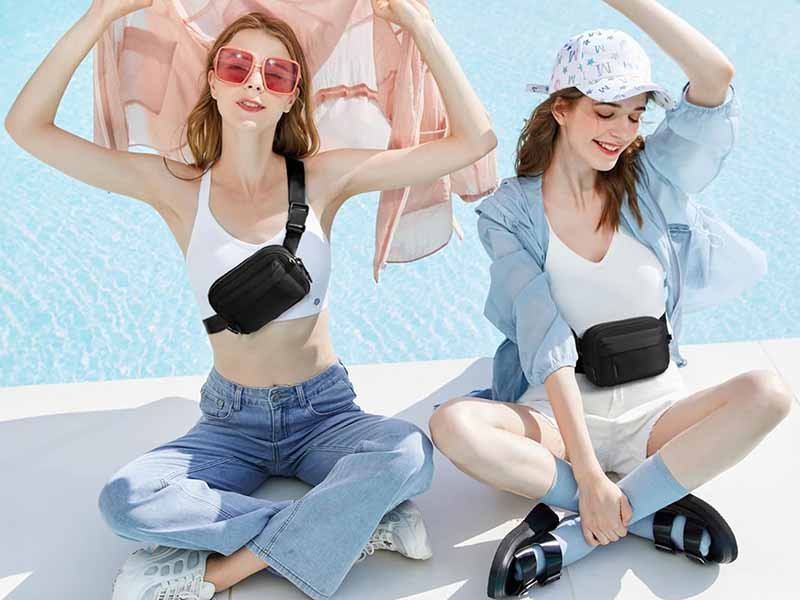
Fanny packs have made an incredible comeback, transcending their 90s nostalgia to become a must-have accessory in today’s world of fashion and functionality. Whether you’re creating a personalized product for your brand or launching a unique line, the key to designing a successful custom fanny pack lies in balancing utility with style. With material choice, brand branding, functionality, and market appeal all playing crucial roles, every decision you make can either elevate or detract from the pack’s overall value. Designing your own custom fanny packs requires understanding your target audience, selecting the right materials, and choosing the appropriate features. The best designs blend functionality and style while keeping branding consistent. Whether you’re creating for a niche market or a broader demographic, your fanny pack’s size, compartments, and material choice will determine its practicality and appeal.
Creating a custom fanny pack involves much more than simply adding a logo—it’s about crafting a product that serves a purpose while looking great. In this guide, we’ll take you through each step, from understanding the market and material selection to adding your brand name and working with manufacturers.
What Is a Fanny Pack

A fanny pack is a small, lightweight bag worn around the waist, usually with an adjustable strap. It is designed for easy access to essentials like a wallet, phone, and keys. Fanny packs are versatile, being worn on the waist, across the chest, or over the shoulder. Originally designed for practicality and comfort, they have become a popular accessory in both casual and fashion-forward settings.
What Defines a Fanny Pack?
A fanny pack is a small, hands-free bag that typically sits around the waist, secured by an adjustable strap. The compact size allows for quick access to everyday essentials while keeping your hands free. The strap can be worn around the waist, across the chest, or even over the shoulder, depending on the user’s preference.
Key characteristics:
- Compact Size: Offers just enough room for essentials (phone, wallet, keys).
- Adjustable Strap: Designed to fit most body types, allowing for versatile wearing options.
- Hands-Free Convenience: Ideal for activities where carrying a traditional bag is cumbersome, like walking, traveling, or exercising.
- Variety of Designs: Fanny packs come in minimalist designs for casual use or larger versions for tech or outdoor use.
The fanny pack has evolved from a purely practical item into a fashion statement, often used by people looking for both function and style. It offers a balance between mobility and accessibility, especially in situations where you need your hands free but still want to keep essential items within easy reach.
How Did the Fanny Pack Evolve?
The fanny pack’s origins trace back to practical outdoor use in the 1970s and 1980s, when they were designed for hikers and travelers to store small items without the bulk of a backpack. Originally, these packs were worn around the waist (hence the name “fanny pack”) and became synonymous with utility and convenience. However, their rise in popularity during the 90s also sparked a fashion craze, leading to different shapes, materials, and colors to appeal to a broader audience.
In recent years, the fanny pack has seen a resurgence as part of the retro fashion revival, with high-end designers and streetwear brands adopting the style and integrating it into modern collections. The result is a bag that is no longer just for function but also for expressing personal style.
How Is a Fanny Pack Different from Other Bags?
While fanny packs, crossbody bags, and backpacks are all used for carrying essentials, they differ in structure, size, and functionality.
| Feature | Fanny Pack | Crossbody Bag | Backpack |
|---|---|---|---|
| Size | Small, compact | Medium to large | Large |
| Strap Type | Single strap (waist or chest) | Long strap across the body | Two shoulder straps |
| Accessibility | Quick access to essentials | Medium access | Access requires removal |
| Comfort | Hands-free, low weight | Hands-free but heavier | More balanced weight |
| Functionality | Ideal for minimal carry | Suitable for moderate carry | Suitable for heavy or long-duration carry |
Fanny packs are designed for short-term, minimal carry. They are typically more compact than crossbody bags and far smaller than backpacks, offering quick access to essentials without the bulk.
Why Are Fanny Packs So Popular Today?
Fanny packs have made a comeback in recent years, driven by both practicality and fashion. The key reasons for their resurgence include:
- Hands-Free Convenience: Fanny packs are incredibly practical for everyday tasks, travel, and outdoor activities where keeping your hands free is important.
- Versatility: Fanny packs are no longer just for hiking or jogging—they’ve become fashionable accessories worn with everything from streetwear to high-end fashion outfits.
- Comfort and Accessibility: They offer an ideal solution for people who don’t want to carry bulky bags but still need to keep their essentials close at hand.
In addition, the fact that Gen Z and millennials have embraced fanny packs as statement pieces has led to increased demand, with brands now creating designs that combine style with functionality.
Where Do People Wear Fanny Packs?
Fanny packs are versatile in terms of where they can be worn and how they can be used.
- Around the Waist: Traditionally worn around the waist, providing easy access to items like keys and wallets.
- Across the Chest: Often worn in a “crossbody” style, this allows for better security, making it perfect for travel or crowded areas.
- Over the Shoulder: Some fanny packs are designed to be worn over the shoulder for added comfort, especially for heavier designs or when traveling long distances.
Fanny packs are adaptable and can be worn to suit different needs, whether you’re out running errands, traveling, or attending an event. Their portability and compact size allow them to be used both functionally and stylishly.
Why Design Custom Fanny Packs

Designing custom fanny packs allows brands to stand out by offering unique products that reflect their identity and cater to specific needs. Custom fanny packs offer personalization in terms of design, materials, and branding, creating a strong connection between the product and the consumer. They’re highly effective for marketing, promoting brand loyalty, and standing out in a competitive accessory market.
Why Do Brands Choose Custom Fanny Packs?
Custom fanny packs offer several strategic advantages for brands looking to make a lasting impact in the marketplace. They not only serve as practical accessories but also as personalized marketing tools that reflect a brand’s values, aesthetics, and message.
- Brand Identity: Customizing fanny packs allows brands to tailor the product to their unique identity. Whether it’s through specific materials, logos, or colors, a custom fanny pack will stand out from the competition.
- Differentiation: With countless mass-produced bags in the market, a custom fanny pack offers an opportunity to differentiate your brand. A distinctive design creates a strong visual identity that sets your product apart.
- Niche Targeting: Custom designs enable brands to target niche audiences more effectively. Whether it’s for outdoor enthusiasts, travelers, or urban commuters, a custom fanny pack can be made to suit the specific needs of your market.
By providing customization, you not only offer consumers something unique, but also position your brand as one that values individuality and creativity.
Are Custom Fanny Packs Effective for Marketing?
Yes, custom fanny packs can be incredibly effective marketing tools. When branded with a logo, design, or slogan, fanny packs become walking advertisements, promoting your brand to a broad audience. They can be used in several ways to increase brand visibility and awareness:
- Promotional Giveaways: Offering custom fanny packs as free gifts at trade shows, events, or online contests can increase brand awareness and attract new customers.
- Corporate Merchandise: Companies can use custom fanny packs as branded gifts for employees or clients, which serve both as functional products and as advertisements when worn publicly.
- Influencer and Affiliate Marketing: Partnering with influencers who showcase your custom fanny pack helps increase brand exposure while aligning your product with trusted personalities or communities.
Custom fanny packs, when strategically used, can make a long-lasting impression on customers, turning them into loyal advocates who help spread your brand message.
How Do Custom Packs Help Build Brand Identity?
Brand identity is central to the success of any product, and custom fanny packs are a perfect way to reflect that identity in a tangible, wearable form. The process of designing a custom fanny pack gives a brand the chance to embed its values and personality directly into the product.
- Branding Opportunities: Your logo, brand colors, and design style can be featured prominently on the fanny pack, making it a mobile billboard for your brand. Placement can be on the front, strap, or side for maximum visibility.
- Emotional Connection: By offering customized features—such as interior compartments, secure zippers, and ergonomic straps—you demonstrate a commitment to quality and customer satisfaction. Customers will start to associate these functional elements with the trustworthiness and reliability of your brand.
- Brand Values: For eco-conscious brands, fanny packs made from sustainable materials (like recycled fabrics or biodegradable leather) can help communicate your commitment to environmental responsibility. This strengthens the brand’s ethical identity and resonates with eco-minded consumers.
In essence, a custom fanny pack serves as a physical manifestation of your brand’s core identity, establishing a deeper, more meaningful connection with your target audience.
What Are the Benefits of Custom Fanny Packs in Promotional Campaigns?
Custom fanny packs are excellent for use in promotional campaigns due to their visibility, practicality, and appeal to a wide range of consumers.
- Functional Merchandise: Unlike other types of branded items that may be used once or left in drawers, fanny packs are practical and can be used daily. They’re wearable advertisements, keeping your brand visible long after they’re distributed.
- Wide Appeal: Custom fanny packs appeal to a broad demographic, from young, fashion-forward users to outdoor enthusiasts looking for practicality. Their versatility makes them suitable for multiple promotional purposes, including:
- Brand Awareness: For new product launches or campaigns
- Event Promotion: As giveaways at festivals, concerts, or conventions
- Corporate Gifts: For internal marketing or customer loyalty programs
- Increased Engagement: Custom fanny packs encourage customers to engage with your brand not just through purchase, but by wearing your product in public, thus driving organic marketing. They create long-lasting engagement, giving you an edge over traditional promotional items.
By combining usefulness, customization, and brand visibility, custom fanny packs are a powerful tool for boosting your marketing efforts.
Are Custom Fanny Packs Suitable for Limited Edition Releases?
Absolutely! Custom fanny packs can create exclusivity around your brand, especially when they are designed as limited-edition products. Limited releases appeal to customers looking for unique or exclusive items and can create urgency in the market.
- Exclusive Designs: Create unique designs, colors, or collaborations with artists or influencers to make your fanny pack even more special.
- Limited Quantities: Offering a limited number of custom fanny packs makes them highly sought after and increases their perceived value. Scarcity often drives demand, and people are more likely to act quickly if they know the product is rare.
Limited edition custom fanny packs not only enhance your brand’s exclusive appeal but also generate buzz and word-of-mouth promotion.
Why You Should Design Custom Fanny Packs
Custom fanny packs offer incredible potential for brand differentiation, effective marketing, and creating a strong emotional connection with customers. Whether used as a promotional tool, a branding asset, or a practical everyday item, custom fanny packs allow you to merge functionality with style, while reinforcing your brand’s identity.
Designing your own fanny pack lets you control every detail, from materials and size to branding and finish. This level of personalization is a valuable tool for growing your brand, boosting customer loyalty, and expanding your market reach.
How to Choose Fanny Pack Style & Features

Choosing the right fanny pack style depends on your target audience and intended use. Consider size, material, and compartments. For everyday use, opt for a compact, lightweight design. For travel or outdoor activities, look for larger sizes with secure compartments and water-resistant features. Always consider comfort, ease of access, and durability to create a functional and stylish fanny pack.
Which Fanny Pack Style Fits Your Audience?
The first step in choosing a fanny pack style is understanding the target audience. Different users have different needs, so the style and features of your fanny pack should align with their preferences.
1. Casual and Urban Users
- Style: Minimalist, sleek, and trendy.
- Features: Lightweight materials, simple compartments for essentials like phone, keys, and wallet.
- Material Choices: Canvas, nylon, and polyester are popular for their affordability and versatility.
2. Active or Outdoor Enthusiasts
- Style: Sporty, rugged, and functional.
- Features: Larger sizes with water-resistant zippers, multiple compartments, ventilated back panels, and secure straps.
- Material Choices: Waterproof nylon or ripstop fabrics for durability and weather resistance.
3. Travel and Tech Users
- Style: Tech-focused with compartments for gadgets.
- Features: Padded compartments for tablets, power banks, and cameras, hidden security pockets, and quick-access zippers.
- Material Choices: Lightweight nylon or high-tech fabrics that offer durability while being lightweight.
Understanding the needs and lifestyle of your target market will help determine which style and features are most appropriate.
How Do You Choose the Right Size for a Fanny Pack?
Size is a crucial factor in choosing a fanny pack, as it determines how much you can carry and the comfort level of the bag.
Small Fanny Packs (Ideal for Everyday Essentials)
- Best for: Light carry like phone, wallet, keys.
- Features: Compact design, minimal compartments.
- When to Choose: Ideal for minimalists who only need a few items on hand.
- Comfort: Lightweight and easy to wear around the waist or chest.
Medium Fanny Packs (Great for Daily Use and Small Gadgets)
- Best for: A few extra items such as sunglasses, a small notebook, or a portable charger.
- Features: One or two compartments, adjustable straps, ergonomic design.
- When to Choose: Perfect for users who want more space without carrying a backpack.
- Comfort: Offers a good balance between storage and portability.
Large Fanny Packs (Perfect for Travel and Tech)
- Best for: Storing gadgets, larger accessories, or even small books.
- Features: Multiple compartments for organization, security zippers, and adjustable straps for a better fit.
- When to Choose: Best for those who need extra storage for longer trips or who carry larger tech devices.
- Comfort: Best worn across the chest or back to avoid straining your waist.
What Are the Best Materials for Comfort and Durability?
The material choice for your fanny pack will determine both its comfort and longevity. Here are some of the best materials to consider based on your fanny pack’s intended use.
1. Canvas
- Pros: Durable, versatile, and lightweight. It has a classic, casual look that works for everyday carry.
- Best For: Casual, everyday use, urban fashion.
- Comfort: Slightly thicker material, but breathable.
- Downside: Not as water-resistant as synthetic fabrics.
2. Nylon
- Pros: Lightweight, water-resistant, and strong. Perfect for tech accessories and outdoor activities.
- Best For: Active users, travel, and tech-focused fanny packs.
- Comfort: Smooth and comfortable, especially when worn over longer periods.
- Downside: Can show wear and tear over time, especially with heavy use.
3. Polyester
- Pros: Affordable, durable, and highly resistant to shrinking and wrinkles. It’s also water-resistant.
- Best For: Budget-friendly, everyday, and travel fanny packs.
- Comfort: Lightweight and breathable, though not as luxurious as leather.
- Downside: Lower-end polyester may lose shape after prolonged use.
4. Leather
- Pros: Premium look and feel. Durable and stylish, it gives the fanny pack a sophisticated look.
- Best For: Fashion-forward designs or high-end products.
- Comfort: Stiff initially, but softens over time.
- Downside: Heavier, not ideal for heavy-duty use or active wear.
5. Waterproof Fabrics
- Pros: Waterproof, highly durable, and ideal for outdoor or wet environments.
- Best For: Hiking, festivals, or rainy climates.
- Comfort: May feel less breathable than nylon or canvas, but keeps contents safe from moisture.
- Downside: Can feel stiff or less flexible.
Choosing the right material depends on your target audience and their specific needs. For everyday fashion and light use, canvas or nylon works well, while for rugged outdoor or travel use, durable waterproof fabrics or leather can be more appropriate.
What Features Should You Look for in a Fanny Pack?
Fanny packs aren’t just about carrying your essentials; they’re designed to enhance your convenience and experience. Here are some key features to look for when choosing the right one for your audience:
1. Adjustable Strap
An adjustable strap allows for comfortable wear across the waist or chest. Ensure the strap is padded to reduce strain, especially for larger packs that carry heavier loads.
2. Multiple Compartments
A good fanny pack should provide organization for smaller items:
- Main compartment for your phone, wallet, and keys.
- Secondary compartments for items like cards, sunglasses, or portable chargers.
- Hidden pockets for valuable items like money or ID cards.
3. Water-Resistant Zippers
Water-resistant or waterproof zippers ensure that the contents stay safe even in rainy conditions. This is especially important for those using fanny packs during outdoor activities or travel.
4. Reflective Strips
For outdoor or night use, having reflective strips or accents can make the fanny pack more visible in low light, adding an extra layer of safety.
5. Breathable Back Panel
When worn on the back, having a breathable mesh back panel helps with air circulation, keeping the wearer cool and reducing sweat accumulation.
What Materials Are Used for Custom Fanny Packs

Custom fanny packs are made from a variety of materials, each offering unique benefits. Canvas and Oxford fabric are popular for their durability and casual aesthetic, while nylon and polyester provide lightweight, water-resistant options. Leather offers a premium, stylish look, and waterproof fabrics like PVC and TPU are ideal for outdoor and travel use. The material choice depends on the intended use, desired style, and comfort preferences.
What Is the Best Material for a Durable Fanny Pack?
When it comes to durability, some materials are far stronger and longer-lasting than others. Canvas and Oxford fabric are widely known for their ruggedness and ability to stand up to wear and tear.
Canvas
- Pros: Highly durable, breathable, and softens over time, giving it a vintage look. Ideal for casual, everyday use.
- Best For: Urban fashion, lifestyle brands, and those looking for a more natural aesthetic.
- Downside: Not naturally water-resistant (though it can be treated).
Oxford Fabric
- Pros: A woven fabric known for its strength and lightness. Oxford is often treated to be water-resistant, making it more versatile.
- Best For: Urban and outdoor fanny packs due to its light weight and durability.
- Downside: Can be less flexible than canvas, though it’s much more lightweight.
Both canvas and Oxford are excellent choices when durability and everyday wearability are a priority. However, if you’re looking for a premium aesthetic, you might opt for leather or a more sleek fabric.
How Do Nylon and Polyester Compare for Fanny Packs?
Nylon and polyester are among the most commonly used materials for fanny packs, especially those designed for travel, outdoor activities, or sportswear.
Nylon
- Pros: Extremely lightweight, strong, and water-resistant. Nylon is known for its flexibility and abrasion resistance, making it an excellent choice for active users.
- Best For: Outdoor, travel, and athletic fanny packs. Nylon is great for multi-functional designs.
- Downside: Can show wear over time, especially with rough usage.
Polyester
- Pros: Affordable, durable, and highly resistant to shrinking and wrinkling. Polyester is also water-resistant and dries quickly.
- Best For: Budget-friendly designs, casual fanny packs for daily use, and travel.
- Downside: May feel less premium compared to leather or nylon.
Both nylon and polyester are ideal for active users or those looking for water-resistant options. Nylon offers a higher level of strength, while polyester provides a more affordable yet still durable option.
Why Is Leather a Premium Choice for Custom Fanny Packs?
Leather is often chosen for custom fanny packs when luxury, style, and timeless appeal are the priorities.
Leather
- Pros: Leather offers a premium look and feel, and it’s known for its durability and unique texture. Over time, it develops a patina, adding character.
- Best For: High-end fashion fanny packs, luxury brands, and special edition designs.
- Downside: Heavier than other materials and requires more maintenance to keep it looking fresh. Also, it is less water-resistant than synthetic fabrics unless treated.
For brands focusing on luxury or high-end fashion, leather provides a stylish, premium alternative to the more common fabrics used for fanny packs. Leather is perfect when the aesthetic is just as important as functionality.
Are Waterproof Fabrics Suitable for Outdoor Fanny Packs?
Yes, for outdoor activities or rainy environments, waterproof fabrics are a great option. Materials like PVC and TPU are increasingly being used in the design of fanny packs that need to withstand harsh weather conditions.
PVC (Polyvinyl Chloride)
- Pros: Fully waterproof, durable, and easy to clean. PVC is ideal for keeping your contents dry, no matter the weather.
- Best For: Outdoor and waterproof fanny packs for hiking, festivals, or sports events.
- Downside: Not as breathable as fabric options, which may cause discomfort during long periods of wear.
TPU (Thermoplastic Polyurethane)
- Pros: Eco-friendly alternative to PVC, flexible, and water-resistant. TPU is often used in high-performance outdoor gear because of its flexibility and durability.
- Best For: Fanny packs used for extreme outdoor activities or in rainy climates.
- Downside: Still a plastic material, it lacks the same aesthetic appeal as fabric-based options.
Waterproof fabrics like PVC and TPU are excellent choices if you want to ensure maximum protection for your items in wet conditions.
What About Eco-friendly Materials for Custom Fanny Packs?
As sustainability continues to play an important role in consumer choices, eco-friendly materials are becoming increasingly popular in the production of custom fanny packs.
Recycled Fabrics
- Pros: Made from post-consumer waste, recycled nylon and recycled polyester help reduce environmental impact while maintaining durability and function.
- Best For: Brands aiming to appeal to environmentally-conscious consumers.
- Downside: Can be slightly more expensive than regular materials.
Vegan Leather
- Pros: Vegan leather options made from polyurethane (PU) or cork offer a cruelty-free, stylish alternative to animal-derived leather.
- Best For: Fashion-conscious brands with a commitment to sustainability.
- Downside: While cruelty-free, vegan leather may not last as long as genuine leather under heavy wear.
These eco-friendly materials give brands the opportunity to cater to a growing market of eco-conscious consumers who are looking for stylish, ethical, and durable accessories.
How to Create Fanny Pack Design Specs

Creating design specs for custom fanny packs involves defining size, compartments, materials, and functional features. Include key measurements, such as strap length and bag dimensions, and specify material types, branding placement, and hardware details. Prototypes are essential for testing and refining the design before mass production. Clear and detailed specs ensure that the final product matches expectations and performs well in real-world use.
How to Draw Your Design Concept?
The design concept is the blueprint of your custom fanny pack, and it sets the tone for the entire development process. Whether you are sketching by hand or using digital tools, your design concept should include:
- Shape: Decide whether you want a compact or larger design, and the overall profile of the fanny pack (rectangular, square, or more unique shapes).
- Features: Think about how many compartments you need and where they will be positioned for easy access.
- Branding: Decide where and how your brand logo will appear, ensuring it aligns with your overall design aesthetic.
For a more professional design, use design software (e.g., Adobe Illustrator, CorelDRAW) to produce precise mockups. This allows you to visualize how your fanny pack will look once produced.
What Measurements Must Be Included in the Design Specs?
Accurate measurements are crucial for ensuring that the fanny pack fits well and meets your functional requirements. Below are essential measurements to include in your design specs:
- Bag Dimensions:
- Width: How wide is the main compartment?
- Height: How tall should the fanny pack be when worn?
- Depth: How deep should it be to accommodate specific items?
- Strap Length:
- Adjustable straps should have a defined minimum and maximum length to accommodate different body sizes.
- Consider strap width to ensure comfort, especially for larger bags.
- Compartment Sizes:
- Define the size of internal pockets and external compartments to fit specific items like phones, wallets, and keys.
- Zipper and Hardware Sizes:
- Provide measurements for zippers, buckles, and buttons. This ensures that the bag’s hardware is functional and appropriately sized for the bag.
Having these precise measurements will give both designers and manufacturers a clear understanding of what’s needed.
Do You Need a Prototype or Sample First?
Yes, creating a prototype or sample is a crucial step in ensuring your design meets expectations before mass production. A sample allows you to evaluate:
- Fit and Comfort: Try the bag on to check for fit, ease of wear, and comfort.
- Functionality: Test out compartments, zippers, and straps to ensure everything works smoothly.
- Quality of Materials: See and feel the materials to ensure that they meet your quality standards.
This step is essential, especially if you are working with a manufacturer for the first time. The sample helps catch any potential issues before moving to full production.
What Should You Include in Material Specifications?
Clearly specifying the materials in your design specs is essential for consistency and quality assurance. Be sure to include:
- Material Type: Specify the fabric (e.g., canvas, nylon, leather) and the finishes (e.g., waterproof, UV-resistant).
- Weight and Durability: Include any specific requirements related to fabric weight and abrasion resistance.
- Sustainability: If you’re opting for eco-friendly materials, specify recycled fabrics or biodegradable options.
- Hardware Details: Mention the type of zippers, buckles, and adjustable straps you need, including color and finish (e.g., metal, plastic, or eco-friendly).
Including these details ensures that the manufacturer understands the exact material requirements and avoids misunderstandings during production.
How to Specify Branding and Custom Features?
Branding is a key element in designing a custom fanny pack, and custom features should align with your brand identity. Here’s how to approach branding and unique features:
- Logo Placement:
- Decide whether you want your logo to be embroidered, printed, or debossed onto the fanny pack.
- Specify where the logo should be placed—on the front flap, strap, or back panel.
- Unique Features:
- If you plan to include extra pockets, hidden compartments, or water bottle holders, define these features clearly in your design specs.
- Mention any special closures (e.g., magnetic clasps, Velcro, or zippers) or adjustable straps that are unique to your design.
- Branding Elements:
- Beyond the logo, think about adding your brand’s colors or unique design patterns to the bag. These small details enhance the personalized appeal of your fanny pack.
Your brand identity should come through clearly in your design, and these custom features will make your fanny pack stand out in the market.
What Are Common Mistakes When Creating Fanny Pack Design Specs?
While creating design specs, there are common mistakes that can lead to confusion or delays during production:
- Lack of Clear Measurements: Vague or missing measurements can lead to confusion and production errors. Always provide precise dimensions for each component of the fanny pack.
- Ignoring Comfort Factors: Design specs should include considerations for straps, padding, and weight distribution. If comfort isn’t prioritized, the final product may feel bulky or uncomfortable for users.
- Overloading the Design: Adding too many compartments or accessories can overcomplicate the design, making the fanny pack heavy or uncomfortable. Keep the design streamlined and functional.
- Skipping Prototype Testing: Never skip the prototype phase. It allows you to catch any potential issues early in the process, saving you time and money in the long run.
How to Work with a Manufacturer

Working with a manufacturer requires clear communication, proper planning, and understanding the production process. Start by choosing a reputable manufacturer, establishing your design specs, and setting expectations for quality, lead time, and costs. Maintain regular communication during production, request samples, and ensure quality checks are in place. A good manufacturer will be a partner who can offer advice, meet deadlines, and produce your product to the highest standards.
How to Choose a Reliable OEM/ODM Partner?
Selecting the right OEM (Original Equipment Manufacturer) or ODM (Original Design Manufacturer) is crucial for the success of your custom fanny pack project. Here are key factors to consider when evaluating potential manufacturers:
1. Experience and Reputation
- Look for experience: Choose a manufacturer with a proven track record in custom bag production and experience in creating products similar to your custom fanny pack.
- Check reviews: Look for customer testimonials, case studies, and portfolio examples of previous work. A reputable manufacturer should have positive feedback from other businesses.
2. Capability and Specialization
- Assess production capacity: Make sure the manufacturer can handle the scale of your order, whether it’s a small batch or a large-scale production.
- Product expertise: Ensure they specialize in manufacturing fanny packs or similar accessories. Specialized manufacturers are more likely to understand the nuances of materials, design, and function.
3. Location and Communication
- Proximity to your business: While location isn’t always critical, consider if it would be beneficial to work with a local or regional manufacturer for easier logistics and faster communication.
- Clear communication: Choose a manufacturer that speaks your language and is responsive to your queries. Effective communication is key to avoiding misunderstandings during the production process.
What Questions Should You Ask Your Supplier?
Before entering into a partnership with a manufacturer, it’s essential to ask the right questions to ensure the collaboration runs smoothly. Key questions to ask include:
1. What is the Minimum Order Quantity (MOQ)?
- Understand the manufacturer’s MOQ requirements, which can vary significantly between suppliers. Some may offer low MOQ for small runs, while others may have larger minimums.
2. What is the Lead Time for Production?
- Discuss the expected lead times for prototyping, manufacturing, and shipping. Ensure that the timeline aligns with your business goals, such as product launch dates or seasonal promotions.
3. What Are Your Quality Control Processes?
- A reliable manufacturer should have clear and consistent quality control processes. Ask about their testing procedures, how they handle defects, and if they provide any warranties or guarantees for their products.
4. Can You Provide Samples Before Full Production?
- Always request samples to assess the quality, design, and functionality of your custom fanny pack. Samples help you confirm if the manufacturer can meet your design expectations.
5. What Are the Payment Terms?
- Discuss payment terms in detail. Common terms include deposit followed by balance payments, but ensure you’re clear on the financial structure before proceeding.
How to Manage Quality and Lead Times?
Managing quality and lead times is one of the most crucial aspects of working with a manufacturer. Here’s how to ensure you’re satisfied with the final product and delivery schedule:
1. Set Clear Expectations from the Start
- Clarify specifications: Ensure your design specs, including material, dimensions, and features, are clearly documented and agreed upon by both parties.
- Discuss quality standards: Specify the quality benchmarks and acceptable tolerances for manufacturing. For example, if using leather, outline specific texture, thickness, and color requirements.
2. Maintain Regular Communication
- Stay in touch regularly: Regular updates from the manufacturer keep you informed about production progress. Use email, video calls, or project management tools to stay connected.
- Address issues promptly: If there’s a problem or change needed during production, make sure it’s addressed early to avoid delays.
3. Request Samples at Key Stages
- Before full production, request samples for:
- Initial prototype: To test design and functionality.
- Production sample: To confirm material, color, and final design are correct.
- Quality assurance sample: To ensure that the product meets your standards before the full run.
4. Conduct On-site Inspections (Optional)
- If possible, visit the manufacturer’s production facility or hire an independent third-party inspector to check quality at key stages in production, especially for large orders.
How to Ensure Your Fanny Pack Is Produced to Your Specifications?
A successful partnership with a manufacturer means that the final product is produced exactly as you’ve envisioned. Here are some steps to ensure that happens:
1. Detailed Design Specs and Prototypes
- Provide the manufacturer with detailed design specifications that include material choices, stitching patterns, compartment placement, and hardware options. Confirm all of these aspects in the prototype stage.
2. Review Samples Thoroughly
- Test functionality: Ensure zippers open and close smoothly, straps are adjustable, and compartments fit your intended items.
- Assess comfort: Try wearing the fanny pack to check how it fits on different body types and how comfortable it is for extended use.
- Check for defects: Look for stitching errors, loose threads, or inconsistencies in materials.
3. Confirm Production Milestones
- Set milestones with your manufacturer for key stages in production, such as material procurement, sample approvals, and final quality checks. This helps ensure the process stays on track and any issues are caught early.
What Are the Benefits of Working with an Experienced Manufacturer?
An experienced manufacturer brings several benefits to the table:
- Faster production: They understand the production process and can optimize timelines for quicker turnaround.
- Quality assurance: Skilled manufacturers have better control over quality and can advise on the best materials, design tweaks, and practical solutions.
- Cost efficiency: Experienced manufacturers have established processes to minimize waste and overproduction, helping reduce costs.
With an experienced manufacturer, you not only get a quality product but also a reliable business partner who can help you scale.
How to Launch Your Custom Fanny Pack Line
To launch your custom fanny pack line, start by identifying your target market, creating a unique brand message, and designing a product that meets customer needs. Build an e-commerce platform for online sales, and consider retail partnerships and event marketing for exposure. Set the right price, plan a marketing campaign, and offer limited editions or exclusive promotions to create excitement. A strong launch will help your brand stand out in a competitive market.
How to Position Your Fanny Pack Line in the Market?
Market positioning is the key to differentiating your custom fanny pack from the competition. Defining how you want your product to be perceived by customers will guide your entire branding and marketing strategy. Start by asking yourself:
1. Who Is Your Target Audience?
Understanding who your customers are will guide decisions around style, functionality, and marketing. Your target audience can include:
- Young fashion-forward consumers: Look for trendy, bold designs and affordable pricing.
- Active lifestyle users: Focus on functionality with features like water resistance and secure compartments.
- Luxury consumers: Create high-end designs with premium materials like leather or eco-friendly alternatives.
2. How Do You Want Your Fanny Pack to Be Perceived?
Consider whether you want your fanny packs to be viewed as:
- Functional, everyday items
- Exclusive, luxury accessories
- Eco-friendly, sustainable alternatives
Your brand’s positioning will help determine pricing, features, and marketing channels.
Where Should You Sell Your Custom Fanny Packs?
Once you’ve established your brand position, the next step is deciding where to sell your custom fanny packs. A solid sales strategy will increase exposure and help you reach your target audience.
1. E-commerce Platforms
An e-commerce website is a great way to sell directly to customers. You can set up a user-friendly online store, offer various payment options, and provide direct shipping. Platforms like Shopify, WooCommerce, or BigCommerce can help you build a professional, responsive site.
Additionally, consider listing your custom fanny packs on major platforms like:
- Amazon: The world’s largest online marketplace.
- Etsy: Popular for handmade and custom items.
- eBay: For auction-style listings.
2. Retail Partnerships
If you want your fanny packs to reach a wider audience, consider collaborating with local boutiques, larger retailers, or pop-up shops. Retailers can offer your fanny packs in physical stores, increasing visibility and attracting in-person shoppers.
3. Pop-up Events
Pop-up events and trade shows are great ways to market and sell your custom fanny packs. Consider participating in events like:
- Fashion events
- Music festivals
- Outdoor expos
These events give you a chance to engage directly with potential customers and generate buzz for your brand.
What Is the Right Price for Your Custom Fanny Packs?
Pricing is a delicate balance between cost, value, and market demand. Setting the right price point ensures you remain competitive while making a profit.
1. Cost of Production
Start by calculating the cost of manufacturing, including materials, labor, and shipping. Add the cost of custom features (e.g., logos, custom zippers) and overhead costs such as marketing and packaging.
2. Competitor Pricing
Research what other brands are charging for similar products. This helps you understand market trends and where your product fits within the pricing spectrum.
3. Value Perception
The perceived value of your fanny pack can justify a higher price. For example, if your product uses high-quality materials or has unique features (e.g., water-resistant zippers, eco-friendly fabric), you can price it at a premium level.
Make sure to choose a price that reflects your brand’s positioning while offering value to your customers.
How to Create a Buzz Before the Launch?
Building anticipation for your custom fanny pack line is crucial to creating excitement around your product. Here are some strategies to build momentum:
1. Social Media Marketing
Use social media platforms like Instagram, TikTok, and Facebook to promote your fanny packs. Leverage visual content like:
- Teaser videos showcasing design elements.
- Behind-the-scenes looks at the production process.
- User-generated content from influencers or early testers.
2. Influencer Partnerships
Partner with influencers who align with your brand to create pre-launch excitement. Influencers can give your product credibility and help you reach a larger audience.
3. Exclusive Pre-orders
Offer pre-order opportunities for your fanny pack line. You can create limited-edition colors or designs that only pre-order customers can access, increasing the urgency to buy.
4. Email Campaigns
Build a waitlist for interested buyers, and send them exclusive content, sneak peeks, and special offers leading up to the launch. Email campaigns help keep your audience engaged and remind them to check out the official launch.
How to Market Your Fanny Pack Line After Launch?
Once your fanny pack line is live, it’s time to focus on long-term marketing strategies to maintain momentum. Consider:
1. Paid Advertising
Invest in paid ads on platforms like Facebook, Instagram, and Google. Paid ads can drive targeted traffic to your website and increase sales.
2. Collaborations and Limited-Edition Designs
Collaborate with other brands or influencers to create exclusive designs that cater to niche markets. Limited-edition items generate a sense of urgency and exclusivity, boosting demand.
3. Customer Reviews and Testimonials
Encourage customers to leave reviews and share their experiences. Positive customer reviews are invaluable for building trust and attracting new buyers. Use customer testimonials in your marketing materials and website.
How to Scale Your Custom Fanny Pack Line?
Once your custom fanny packs are successfully launched, you may want to scale your business. Scaling involves:
- Expanding your product line by offering new colors, designs, or related accessories.
- Increasing your distribution channels by reaching out to new retail stores or expanding your online presence.
- Increasing production capacity while maintaining quality control.
To grow your brand, keep focusing on maintaining quality, customer satisfaction, and innovative marketing techniques.
Conclusion
At Lovrix, we understand that creating a successful custom fanny pack involves much more than just choosing materials and designing a logo. It’s about bringing your brand identity to life, ensuring your product is functional, stylish, and aligned with customer needs. Whether you’re a small boutique looking for unique merchandise or a large company aiming to offer custom-branded fanny packs, we’ll help you create products that your customers will love to carry. Ready to bring your custom fanny pack ideas to life? Get in Touch with Lovrix Today!Lovrix is here to help you every step of the way, from design to production and beyond. Request a free consultation today and start designing the perfect custom fanny packs that represent your brand’s unique style!