Skip to content
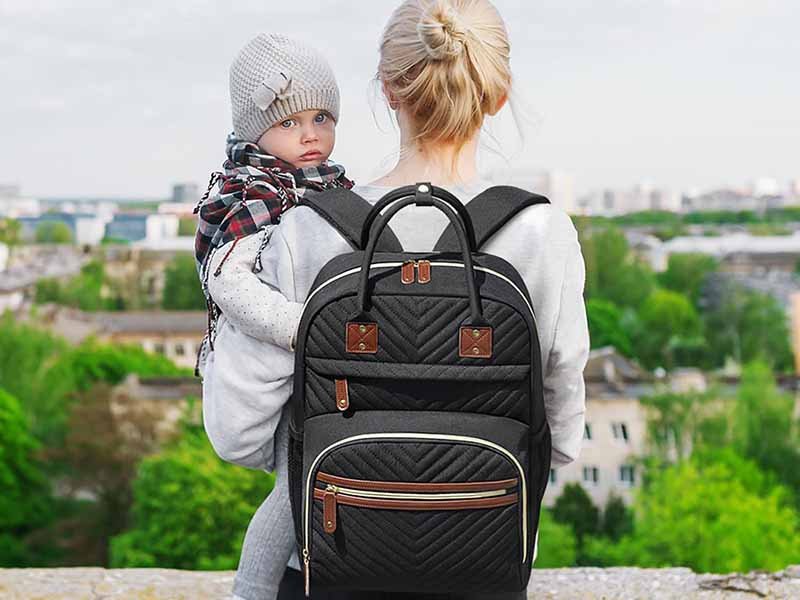
Becoming a parent changes the way you move through the world. A short walk turns into a planned mission. A quick coffee run requires preparation. Diapers, wipes, bottles, spare clothes, snacks, toys—suddenly, leaving the house means carrying half of your child’s universe with you. This is where the diaper bag quietly becomes one of the most used and underestimated tools in daily parenting.
At first glance, a diaper bag looks like just another bag. But in practice, it represents something much deeper: readiness. It is designed not only to carry items, but to reduce stress, save time, and give parents confidence when caring for their baby outside the home. The right diaper bag can turn chaotic moments into manageable ones—and that difference matters more than most people realize.
A diaper bag is a specially designed bag used by parents to carry baby essentials such as diapers, wipes, bottles, extra clothing, and feeding supplies when leaving home. Unlike regular bags, diaper bags feature multiple compartments, easy-clean materials, and parent-focused organization to support feeding, changing, and caregiving needs during daily outings, travel, and emergencies.
Yet many people still ask: What exactly makes a diaper bag different? Why is it called a diaper bag? And is it really necessary? To answer these questions properly, we need to look beyond definitions and understand how diaper bags evolved, how parents actually use them, and why thoughtful design plays such a critical role in everyday family life.
What Is a Diaper Bag

A diaper bag is a specially designed bag used by parents and caregivers to carry baby essentials such as diapers, wipes, bottles, extra clothing, and feeding supplies when leaving home. Unlike regular bags, a diaper bag is structured around caregiving tasks, offering organized compartments, easy-clean materials, and quick-access features that help parents manage diaper changes, feeding, and unexpected situations efficiently in public or during travel.
What does a diaper bag mean in daily parenting?
In daily life, a diaper bag means preparedness.
For parents, especially those with infants or toddlers, leaving the house without essential supplies can quickly turn a simple outing into a stressful situation. A diaper bag exists to prevent that. It centralizes everything a baby may need outside the home—hygiene, feeding, comfort, and safety—into one organized system.
Unlike a fashion bag or casual backpack, a diaper bag is designed around use moments, not appearance alone. Every pocket, divider, and opening is meant to support real parenting tasks: changing diapers in public restrooms, feeding a baby on the go, calming a crying child, or responding to spills and accidents.
In this sense, a diaper bag is not just a container—it is a practical tool that supports confident parenting beyond the home.
Why is it called a diaper bag?
The term diaper bag comes from the most frequent and unavoidable need in early childcare: diaper changing.
Diapers are the one item parents must always carry. Unlike toys or snacks, diapers cannot be improvised or delayed. Historically, when parents began traveling more frequently with babies, they needed a dedicated bag that could safely store clean diapers, separate used items, and allow quick access during urgent situations. The bag was named after this core function.
From a language and search behavior perspective, the name is also practical. Parents naturally search using the word diaper because it represents the most urgent caregiving task. Calling it a “diaper bag” immediately communicates purpose, reducing confusion and helping users quickly understand what the product is designed to do.
Is a diaper bag different from a regular bag?
Yes, a diaper bag is fundamentally different from a regular bag in both design logic and functional priorities.
A regular bag is built for personal items—wallets, phones, documents—and assumes clean, predictable use. A diaper bag, on the other hand, is designed for unpredictable caregiving scenarios. It must handle spills, messes, time pressure, and one-handed operation.
Key differences include:
- Multiple compartments to separate clean and used items
- Wide openings for visibility and fast access
- Easy-clean or waterproof linings
- Insulated pockets for bottles or food
While some parents try to use standard backpacks at first, many later switch to diaper bags after experiencing the limitations of non-specialized designs.
What is a diaper bag used for beyond diapers?
Although diapers give the bag its name, modern diaper bags are used for much more.
In practice, a diaper bag supports:
- Feeding (bottles, formula, snacks)
- Hygiene (wipes, sanitizer, changing pads)
- Comfort (toys, pacifiers, blankets)
- Safety and emergencies (extra clothes, medication)
As children grow, the contents evolve. Fewer diapers are carried, while snacks, water bottles, and toys become more important. Many parents continue using the same diaper bag well into toddler years, and later as a family day bag or travel bag.
This long-term usability is why modern diaper bags are increasingly designed to look less “baby-specific” and more like everyday carry bags.
How has the meaning of a diaper bag changed over time?
Originally, diaper bags were purely functional and often bulky. Today, their meaning has expanded.
Modern parents expect diaper bags to:
- Fit into daily adult life
- Be shared between caregivers
- Last beyond the diaper stage
As a result, diaper bags have evolved into multi-purpose parenting bags. Design now balances organization, durability, comfort, and aesthetics. This shift reflects a broader trend in parenting products: parents want fewer items, but better-designed ones that grow with their family.
For brands and manufacturers, this evolution means diaper bags are no longer disposable accessories—they are long-term, high-trust products.
Why Do Parents Need a Diaper Bag

Parents need a diaper bag because caring for a baby or toddler outside the home requires constant access to essential supplies such as diapers, wipes, feeding items, and extra clothing. A diaper bag keeps these items organized, hygienic, and easy to reach during unpredictable situations. Unlike regular bags, it is designed to reduce stress, save time, and support efficient caregiving during daily outings, travel, and emergencies.
Why can’t regular bags replace diaper bags in real life?
In theory, any bag can carry baby items. In reality, most regular bags fail the moment pressure appears.
Babies cry unexpectedly, diapers leak, bottles spill, and parents often have only one free hand. Regular bags are not designed for this level of urgency. Items pile together, clean and used products mix, and parents are forced to dig blindly while trying to calm a child.
A diaper bag is designed specifically for high-stress, time-sensitive moments. Its compartments, wide openings, and fixed layouts allow parents to locate items instantly. This difference becomes obvious after just a few outings. Many parents who initially try using ordinary backpacks quickly realize that organization is not a luxury—it is a necessity.
What problems does a diaper bag solve for parents?
A diaper bag solves several recurring problems that parents face when leaving home with a child.
First, it addresses unpredictability. Parents cannot control when a diaper needs changing or when a baby gets hungry. A diaper bag ensures that essential supplies are always available.
Second, it supports hygiene management. Diaper changes often happen in public spaces where cleanliness is uncertain. Diaper bags are designed to separate clean items from used ones and often include easy-clean or waterproof linings.
Third, it reduces mental load. Parenting already requires constant attention. Knowing that everything has a dedicated place reduces decision fatigue and stress, especially for new parents who are still building routines.
Is a diaper bag necessary for short trips and daily errands?
Many parents assume diaper bags are only necessary for long outings. In practice, even short trips can quickly become complicated.
A ten-minute grocery run can turn into a diaper emergency. A short walk may require feeding or changing. Without a diaper bag, parents are forced to either return home or improvise—both of which increase stress.
This is why most experienced parents keep a diaper bag ready at all times. It allows them to leave the house confidently, knowing they can handle unexpected situations without disruption. Over time, the diaper bag becomes part of the daily routine, just like keys or a phone.
How does a diaper bag support different parenting stages?
The role of a diaper bag changes as a child grows, but its importance remains.
For newborns, the focus is on diapers, feeding, and hygiene. For infants, toys and comfort items become more important. For toddlers, snacks, water bottles, and spare clothes replace some baby supplies.
A well-designed diaper bag adapts to these changes. Parents don’t need to replace it every few months. Instead, the contents evolve while the bag remains the same. This adaptability is one reason parents value quality diaper bags over disposable or short-term solutions.
Does a diaper bag make parenting outside the home easier?
Yes—often more than parents expect.
A diaper bag reduces hesitation. Parents are more willing to go out, socialize, travel, or run errands when they feel prepared. This confidence improves quality of life, especially during the demanding early years of parenting.
In this way, a diaper bag does more than carry items. It enables mobility and independence. Parents are no longer limited by fear of being unprepared. Instead, they can focus on enjoying time with their child.
The Diaper Bag as a Daily Parenting System
From a broader perspective, a diaper bag functions as a portable caregiving system.
It centralizes responsibility. Everything a child might need outside the home is in one place. This is especially important in shared parenting situations, where both caregivers rely on the same bag.
This is also why thoughtful design matters. Parents notice when straps are uncomfortable, when pockets are poorly placed, or when materials wear out quickly. Over months of daily use, small design flaws become major frustrations.
What Can You Carry in a Diaper Bag

A diaper bag is designed to carry all essential items needed to care for a baby or toddler outside the home. This typically includes diapers, wipes, feeding supplies, extra clothing, hygiene products, and comfort items. Beyond baby essentials, most parents also carry personal items in the same bag. A well-organized diaper bag helps parents respond quickly to feeding, changing, and unexpected situations during outings or travel.
What are the essential items every diaper bag should carry?
Regardless of lifestyle or destination, most parents pack a core set of essentials that form the foundation of a diaper bag.
These essentials usually include:
- Diapers (quantity based on outing length)
- Baby wipes
- Changing pad or mat
- Extra set of baby clothes
- Bottles or feeding containers
- Burp cloths or bibs
These items cover the most frequent needs: diaper changes, feeding, and accidents. Their importance explains why diaper bags are designed with dedicated compartments. Parents need to locate these items instantly, often in crowded or stressful environments. A bag without clear organization quickly becomes frustrating and unreliable.
What feeding-related items do parents carry in a diaper bag?
Feeding is one of the most time-sensitive caregiving tasks, and diaper bags are often organized around it.
Common feeding-related items include:
- Milk bottles or formula containers
- Insulated bottle holders
- Snacks for older babies or toddlers
- Sippy cups or water bottles
Insulation is especially important. Temperature control protects milk quality and prevents leaks from affecting other items. This is why many high-quality diaper bags integrate insulated compartments rather than relying on external pouches.
As children grow, feeding items shift from bottles to snacks and drinks, but the need for clean, accessible storage remains constant.
What hygiene and care items are usually packed?
Hygiene is a major concern when caring for a baby outside the home.
Parents commonly carry:
- Hand sanitizer
- Diaper rash cream
- Tissues or wet wipes
- Disposable bags for used diapers or clothes
These items protect both the child and caregiver, especially when public facilities are limited or unclean. Diaper bags often use wipeable linings and waterproof pockets specifically to support hygiene management. Without these features, spills and leaks can quickly ruin a bag and contaminate clean items.
What comfort and entertainment items do parents bring?
Beyond physical care, parents also plan for emotional comfort.
Common comfort items include:
- Pacifiers
- Small toys or books
- Comfort blankets
These items help calm babies and toddlers during transitions, travel, or unexpected delays. While not strictly “essential,” they often prevent stress and public meltdowns. This is why many diaper bags include easily accessible side or front pockets for quick retrieval.
Do parents carry personal items in a diaper bag too?
Yes—and this is a critical but often overlooked detail.
Most parents use a diaper bag as their primary everyday bag, carrying:
- Phone, wallet, and keys
- Sunglasses
- Personal hygiene items
This dual-use requirement explains why modern diaper bags are designed to look less like baby gear and more like everyday backpacks or totes. A well-designed diaper bag balances baby storage with adult needs, eliminating the need to carry multiple bags.
How do diaper bag contents change as a child grows?
What parents carry evolves with the child’s age, but the bag remains useful.
- Newborn stage: diapers, feeding supplies, clothing
- Infant stage: toys, snacks, comfort items
- Toddler stage: food, drinks, spare clothes
This evolution highlights the importance of flexible internal layouts. Adjustable compartments and modular storage allow the same diaper bag to remain functional for years, not months.
Table: Typical Diaper Bag Contents by Child Stage
| Child Stage | Common Items Carried | Key Bag Requirements |
|---|---|---|
| Newborn | Diapers, wipes, bottles, clothes | Hygiene, insulation, organization |
| Infant | Food, toys, comfort items | Accessibility, durability |
| Toddler | Snacks, drinks, spare clothes | Flexibility, easy access |
| Post-diaper | Personal + child items | Multi-purpose design |
Why Organization Matters More Than Capacity
Many parents assume a bigger diaper bag is better. In reality, organization matters more than size.
A smaller bag with well-designed compartments often performs better than a large, unstructured one. Parents need to see, reach, and replace items quickly. Poor layout increases stress, especially during urgent situations.
Which Types of Diaper Bags Are There

There are several main types of diaper bags, including backpack diaper bags, tote diaper bags, messenger diaper bags, and minimalist or compact diaper bags. Each type is designed to support different parenting lifestyles, such as hands-free mobility, short daily outings, or travel. The best diaper bag type depends on how parents move, how long they stay out, and how much organization and comfort they need.
What is a backpack diaper bag and who is it best for?
Backpack diaper bags are currently the most popular type, largely because they support hands-free parenting.
They distribute weight evenly across both shoulders, making them ideal for long outings, walking-heavy routines, travel, and parents who carry heavier loads. Backpacks are especially useful when managing strollers, holding a child, or navigating crowded spaces.
Most backpack diaper bags feature:
- Multiple internal compartments
- Insulated bottle pockets
- Ergonomic shoulder straps
This type is well-suited for shared parenting, as its neutral design appeals to both caregivers. For brands, backpack diaper bags often have the widest market acceptance and longest usage lifecycle.
What is a tote diaper bag and when does it work best?
Tote diaper bags resemble traditional handbags and are favored for their quick access and familiar form.
They work well for short trips, errands, or social outings where parents prefer open-top access and easy visibility of contents. Totes are often perceived as more stylish but may become uncomfortable when overloaded.
Typical characteristics include:
- Large main compartment
- Short or shoulder-length handles
- Fewer internal dividers
Tote diaper bags are best suited for lighter packing and shorter durations. From a design standpoint, reinforcing handles and maintaining structure are critical to long-term durability.
What is a messenger diaper bag and how is it used?
Messenger diaper bags use a crossbody strap and offer a balance between backpacks and totes.
They allow fast access without removing the bag completely, which some parents find convenient during diaper changes. However, carrying weight on one shoulder for extended periods can cause fatigue.
Messenger bags often include:
- Flap closures for quick access
- Front organizational pockets
- Moderate internal structure
This type suits parents who prioritize accessibility over long-term comfort. Proper strap padding and weight balance are essential to avoid strain.
What are minimalist or compact diaper bags?
Minimalist diaper bags are designed for parents who prefer lightweight, streamlined outings.
They carry only essentials—diapers, wipes, and a few small items—and are often used as secondary bags or for short trips. Some parents use them as inserts inside larger bags.
These bags emphasize:
- Compact size
- Simple layouts
- Reduced weight
While not suitable for full-day outings, minimalist diaper bags appeal to experienced parents who know exactly what they need.
Are there gender-neutral and dad-friendly diaper bag styles?
Yes, and this category has grown rapidly.
Modern diaper bags increasingly avoid traditional “baby” aesthetics. Neutral colors, clean lines, and understated materials are now standard expectations. This shift reflects shared parenting roles and the desire for bags that integrate naturally into adult life.
Gender-neutral designs often overlap with backpack styles and focus on:
- Minimal branding
- Practical color palettes
- Functional, non-decorative design
For brands, this trend significantly expands target audiences and reduces the need for separate product lines.
Which type of diaper bag is best for travel?
For travel, backpack diaper bags are generally the most practical choice.
They provide:
- Even weight distribution
- Hands-free mobility in airports
- Compatibility with luggage handles
Some travel-oriented diaper bags also include anti-theft pockets, reinforced bases, and higher-capacity layouts. These features are particularly valued by frequent travelers and urban parents.
Table: Diaper Bag Types Compared by Use Case
| Diaper Bag Type | Best For | Key Advantages | Limitations |
|---|---|---|---|
| Backpack | Daily use, travel | Hands-free, balanced weight | Slightly slower access |
| Tote | Short outings | Quick access, stylish | Can feel heavy |
| Messenger | Medium outings | Easy access | One-shoulder strain |
| Minimalist | Quick trips | Lightweight | Limited capacity |
Why Offering Multiple Diaper Bag Types Matters
No single diaper bag type fits every parent. Lifestyle differences—urban vs suburban, travel frequency, number of children—shape how parents carry and organize supplies.
From a product strategy perspective, brands that offer multiple diaper bag formats or customizable designs tend to perform better. Parents choose bags that fit their routines, not abstract ideals.
How to Choose the Right Diaper Bag

To choose the right diaper bag, parents should focus on lifestyle needs, carrying comfort, internal organization, material durability, and long-term usability. The best diaper bag is not the biggest or most stylish one, but the one that allows quick access to essentials, stays comfortable when fully loaded, and adapts as a child grows. Choosing based on real daily routines leads to better satisfaction and longer use.
How do you choose a diaper bag based on your daily lifestyle?
The most important factor is how you actually live, not how the bag looks online.
Parents who walk a lot, commute, or travel frequently need hands-free designs and balanced weight distribution. Parents who drive short distances may prioritize quick access and visibility over carrying comfort. Families with multiple children need more capacity and stronger structure.
Before choosing a diaper bag, parents should ask:
- How long am I usually out of the house?
- Do I carry a stroller or hold my child often?
- Do I walk, drive, or travel most of the time?
A diaper bag that fits real routines will feel helpful instead of heavy.
What size diaper bag should you choose?
Size should be determined by duration and purpose, not fear of running out of space.
A common mistake is choosing an oversized diaper bag “just in case.” Large bags encourage overpacking, which increases weight and makes organization harder. On the other hand, bags that are too small force parents to leave out essential items.
The right size:
- Fits daily essentials comfortably
- Leaves room for growth as the child gets older
- Maintains structure even when partially full
Well-designed internal layouts often matter more than total volume.
Which internal organization features matter most?
Organization is where diaper bags succeed or fail.
Parents benefit most from:
- Dedicated diaper compartments
- Easy-access wipe pockets
- Insulated sections for bottles or food
- Separate areas for clean and used items
A good layout allows parents to reach items without looking, which is critical during stressful moments. Poor organization increases frustration and slows response time, even if the bag looks attractive.
How important are comfort and carrying ergonomics?
Comfort is often underestimated until problems appear.
A fully packed diaper bag can become heavy quickly. Poor strap design leads to shoulder pain, back strain, and early product abandonment. Parents who carry bags daily need:
- Wide, padded shoulder straps
- Balanced weight distribution
- Breathable backing materials
Comfort directly affects how long a diaper bag remains in use. Many parents stop using bags not because they dislike the look, but because carrying them becomes physically uncomfortable.
Do material and construction quality really matter?
Yes—more than most buyers realize.
Diaper bags face constant wear: weight, friction, spills, frequent cleaning, and repeated opening and closing. Low-quality materials lose shape, absorb stains, and wear out quickly.
High-quality diaper bags use:
- Durable outer fabrics that resist abrasion
- Reinforced stitching at stress points
- Easy-clean or waterproof inner linings
From a long-term perspective, better materials reduce replacements and improve overall satisfaction.
Should parents choose a diaper bag that works beyond the baby stage?
Absolutely.
Many parents continue using the same diaper bag well after diapers are no longer needed. Bags that can transition into:
- Toddler day bags
- Travel backpacks
- Family carryalls
offer much better value. Neutral design, flexible compartments, and durable construction support this transition. This is why modern diaper bags increasingly look like everyday bags rather than baby products.
What mistakes should parents avoid when choosing a diaper bag?
Common mistakes include:
- Choosing based on appearance alone
- Ignoring carrying comfort
- Overestimating required size
- Underestimating organization needs
Parents who regret their purchase often discover issues only after repeated use. Evaluating a diaper bag as a daily-use tool, rather than a fashion item, leads to better decisions.
Are There Specialized Features to Look For

Yes. Specialized diaper bag features such as insulated bottle pockets, waterproof linings, ergonomic straps, and smart compartment layouts significantly improve daily usability. These features help parents manage feeding, hygiene, and organization more efficiently while reducing physical strain. While not every parent needs all features, thoughtfully designed functional elements greatly enhance comfort, cleanliness, and long-term satisfaction during daily outings and travel.
What functional features make a diaper bag more practical in daily use?
The most valuable diaper bag features are those that solve recurring daily problems.
Key practical features include:
- Quick-access wipe pockets, allowing parents to grab wipes instantly during emergencies
- Wide-opening main compartments, improving visibility and reducing search time
- Structured internal dividers, keeping items upright and separated
These features reduce hesitation and stress during time-sensitive situations. Parents rarely notice them when they work well—but immediately feel their absence when they don’t. From a usability standpoint, these are foundational features, not optional upgrades.
Why are insulated pockets important in a diaper bag?
Insulated pockets are critical for feeding management, especially for infants.
They help:
- Maintain bottle temperature
- Prevent condensation from leaking into other compartments
- Separate food items from hygiene products
Without insulation, bottles can cool too quickly or cause spills that contaminate clean items. This is why many high-quality diaper bags integrate built-in insulated compartments rather than relying on removable accessories. As children grow, these pockets transition naturally to storing snacks and drinks, extending the bag’s usefulness.
How do waterproof and easy-clean linings improve hygiene?
Hygiene is one of the most overlooked but important aspects of diaper bag design.
Waterproof or wipe-clean linings protect against:
- Diaper leaks
- Spilled milk or water
- Used clothing contamination
These linings allow parents to clean the bag quickly without washing the entire product. Over time, this feature dramatically improves product lifespan and user satisfaction. Bags without easy-clean interiors often absorb odors and stains, leading parents to replace them sooner.
Are comfort and ergonomics really specialized features?
Yes—especially for parents who carry diaper bags daily.
Comfort-focused features include:
- Wide, padded shoulder straps
- Breathable mesh back panels
- Balanced weight distribution
A fully packed diaper bag can become heavy. Poor ergonomics cause shoulder and back strain, leading parents to abandon otherwise attractive bags. Comfort features directly affect how long a diaper bag remains in use, making them a core functional requirement rather than a luxury.
What role do stroller attachments and external access points play?
Stroller attachments and external access points improve mobility and flexibility.
Stroller straps allow parents to:
- Hang the bag securely
- Reduce shoulder load during walks
- Access items without removing the bag
External pockets for phones, keys, or wipes reduce the need to open the main compartment repeatedly. These features are especially valuable during short stops or while moving.
Are security and durability features important for modern parents?
Increasingly, yes.
Modern diaper bags often include:
- Secure zip closures
- Reinforced stitching at stress points
- Durable base panels to prevent sagging
For parents who travel or spend time in crowded environments, these features provide peace of mind. Durability is not just about appearance—it ensures the bag remains functional through years of daily use.
Which features help a diaper bag stay useful beyond the baby stage?
Long-term usability is a growing priority.
Features that support extended use include:
- Neutral, non-baby-specific design
- Adjustable or removable dividers
- Multi-purpose compartments
These elements allow a diaper bag to transition into a toddler bag, travel backpack, or everyday carry bag. Parents increasingly value products that grow with their family rather than being discarded after a single stage.
Table: Specialized Diaper Bag Features and Their Benefits
| Feature | Primary Benefit | Why It Matters |
|---|---|---|
| Insulated pockets | Temperature control | Supports safe feeding |
| Waterproof lining | Hygiene & easy cleaning | Prevents stains & odors |
| Ergonomic straps | Carrying comfort | Reduces strain |
| Stroller attachments | Hands-free use | Improves mobility |
| Structured compartments | Organization | Faster access |
| Reinforced base | Durability | Prevents sagging |
Why Feature Selection Should Be Intentional
More features do not always mean a better diaper bag. The best designs focus on relevant, well-executed features rather than unnecessary complexity.
Parents value reliability over novelty. A zipper that works smoothly every day is more important than an unused accessory pocket. Feature selection should be guided by real usage patterns, not marketing trends.
FAQs — What Parents Ask About Diaper Bags
What is a diaper bag used for?
A diaper bag is used to carry and organize all essential items needed to care for a baby or toddler when outside the home. This includes diapers, wipes, feeding supplies, extra clothing, hygiene products, and comfort items. Unlike regular bags, diaper bags are designed for quick access, hygiene control, and organization, helping parents manage feeding, changing, and unexpected situations efficiently during outings or travel.
Can any backpack be used as a diaper bag?
Technically, yes—but practically, most backpacks are not ideal diaper bags.
Regular backpacks usually lack structured compartments, wipe-clean linings, insulated pockets, and quick-access features. As a result, items become disorganized, clean and used products mix, and parents waste time searching during urgent moments. Diaper bags are specifically signalized around caregiving tasks, which makes daily use much easier and less stressful.
Why is a diaper bag better than a regular bag?
A diaper bag is better because it is designed around caregiving efficiency, not just storage.
Key advantages include:
- Dedicated compartments for baby essentials
- Easy-clean or waterproof interiors
- Insulated pockets for feeding
- Ergonomic carrying systems
These features reduce stress, save time, and improve hygiene. Parents often realize the difference only after experiencing real-life situations where speed and organization matter.
How long do parents actually use a diaper bag?
Most parents use a diaper bag much longer than the diaper stage alone.
While diapers may only be needed for the first 2–3 years, many parents continue using the same bag through toddler years and even beyond. The contents evolve—from diapers and bottles to snacks, water bottles, toys, and spare clothes—but the bag remains useful as a family day bag or travel bag.
This is why durability and adaptability are important when choosing or designing a diaper bag.
Do dads use diaper bags too?
Yes. Modern diaper bags are designed for shared parenting.
Many current diaper bag styles are gender-neutral, with clean lines, neutral colors, and minimal branding. Backpack-style diaper bags, in particular, are widely used by dads because they are practical, comfortable, and discreet. Today, diaper bags are parenting tools—not gender-specific accessories.
How many diapers should you carry in a diaper bag?
The number of diapers depends on how long you plan to be out.
A common rule is:
- 1 diaper for every 2–3 hours away from home
- Plus 1 extra diaper for emergencies
For short outings, 2–3 diapers may be enough. For longer trips or travel, parents often carry 5–6 diapers or more. This understanding directly affects diaper bag size and compartment design.
What size diaper bag is best for daily use?
There is no single “best” size, but most parents prefer a medium-sized diaper bag with strong organization.
Bags that are too small force parents to leave items behind. Bags that are too large encourage overpacking and become heavy. A well-designed diaper bag balances capacity with internal structure, allowing parents to carry essentials comfortably without unnecessary bulk.
Is a diaper bag necessary for short trips?
Yes, even short trips can require a diaper bag.
Babies and toddlers are unpredictable. A quick walk or short errand can easily turn into a diaper change or feeding situation. Having a diaper bag ready allows parents to leave the house confidently without worrying about emergencies. Over time, most parents keep their diaper bag packed and ready for daily use.
Are diaper bags suitable for travel and flights?
Yes. Many diaper bags are specifically designed with travel in mind.
Travel-friendly diaper bags often include:
- Backpack-style carrying for hands-free movement
- Luggage handle sleeves
- Secure closures and durable materials
Airlines generally allow diaper bags as carry-on items, especially when traveling with a baby. For frequent travelers, choosing or designing a travel-ready diaper bag is especially important.
What features should parents prioritize most in a diaper bag?
The most important features are:
- Good internal organization
- Easy-clean or waterproof lining
- Comfortable carrying system
- Durable materials
While extra features can be helpful, reliability matters more than novelty. Parents value diaper bags that work well every day, not just ones that look good.
Do parents regret buying the wrong diaper bag?
Yes, and the most common regrets include:
- Choosing style over function
- Ignoring comfort and ergonomics
- Underestimating how much organization matters
Many parents only realize these issues after weeks of daily use. This is why understanding real needs—and choosing or developing diaper bags accordingly—leads to better long-term satisfaction.
Why does diaper bag quality matter so much?
Diaper bags are used daily, often multiple times a day. Poor-quality bags wear out quickly, lose shape, absorb stains, and become uncomfortable. High-quality diaper bags last longer, perform better, and reduce the need for replacement.
For brands, this directly affects customer reviews and repeat purchases. For parents, it affects daily comfort and peace of mind.
How does this FAQ help with custom diaper bag development?
These questions reflect real parent concerns. Brands that answer them through thoughtful design create products that parents trust.
At Lovrix, custom diaper bag projects are developed by mapping real user questions—like those above—into:
- Compartment structure
- Material selection
- Feature prioritization
With over 19 years of experience in fabric development, webbing engineering, and bag manufacturing, Lovrix helps brands turn real parenting needs into reliable, market-ready diaper bags.
Conclusion
A diaper bag is more than a bag—it is a daily companion for parents navigating one of life’s most demanding roles. Poor design creates stress. Thoughtful design builds trust.
Lovrix is a Chinese manufacturing group with over 19 years of experience in fabric development, webbing engineering, and bag manufacturing. With dedicated fabric factories, webbing facilities, and bag production lines, Lovrix supports custom, private label, OEM, and ODM diaper bag projects for mid- to high-end brands and eCommerce sellers worldwide.
If you are planning to develop or upgrade a diaper bag line—whether for a new brand or an existing collection—Lovrix is ready to help turn your concept into a reliable, market-ready product.
Contact Lovrix today to request samples, discuss materials, or start your custom diaper bag project.