 Skip to content
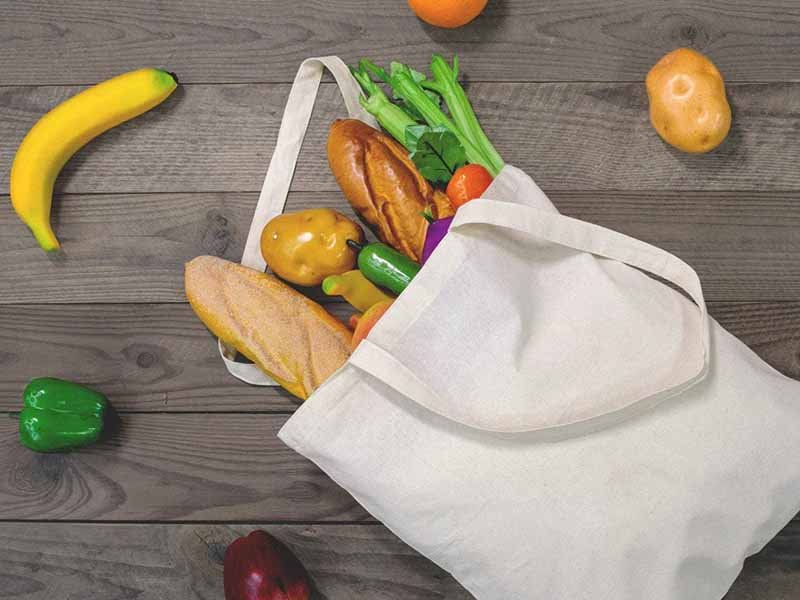
Tote bags have become a daily essential—whether you’re using them for groceries, work, or even as a fashionable accessory. But when it comes to choosing the right bag, material is key. Among the most popular options are canvas, cotton, and polyester. Each material brings its own set of advantages, but understanding the difference can be tricky if you’re not sure what to prioritize—durability, price, or environmental impact.
Canvas bags are durable and ideal for heavy-duty use. Cotton tote bags are soft and eco-friendly but less durable. Polyester is affordable, water-resistant, and durable, but lacks eco-friendliness.
If you’re a business looking to source branded bags or a consumer wondering which material fits your lifestyle, this guide will provide all the details you need. Let’s explore each fabric type and figure out which is right for you.
What Are Tote Bags?

Tote bags are simple, functional bags typically made of fabric, designed to carry a wide range of items. While their basic design hasn’t changed much over time, the materials used have evolved to meet the varying needs of consumers and businesses alike. Today, the material of the tote bag plays a major role in determining its use case, durability, and even its environmental footprint.
What Is Canvas?
Canvas is a versatile, durable fabric that has been around for centuries, often made from cotton or linen fibers. It is woven tightly to create a fabric that can withstand wear and tear, which makes it ideal for heavy-duty applications such as bags, tents, and sails.
What makes canvas a great option?
- Durability: Canvas is one of the most durable fabric choices available. It can handle heavy loads, making it a popular material for shoppers and those who use their totes daily.
- Eco-friendliness: If made from organic cotton, canvas is a more sustainable option compared to synthetic fabrics.
- Customization: Canvas is widely used for branded items because it provides an excellent surface for printing logos, designs, and artwork.
Canvas vs Other Materials
| Property | Canvas | Cotton | Polyester |
|---|---|---|---|
| Durability | High | Medium | High |
| Eco-Friendliness | Moderate (organic) | High (natural) | Low (synthetic) |
| Water Resistance | Low (unless treated) | Low | High |
| Weight | Heavy | Light | Light |
| Cost | Moderate to High | Low | Low |
Canvas in Action
- Ideal for grocery bags, promotional items, and heavy-duty carryalls.
- Print-friendly: Canvas absorbs ink well, making it the go-to fabric for businesses creating custom-branded bags.
However, a major drawback is that untreated canvas can absorb moisture, which could affect its usability in wet conditions. For some applications, waxed or treated canvas bags can address this issue, but the weight may increase.
What Is Cotton?
Cotton is a natural fiber obtained from the cotton plant. It is soft, breathable, and incredibly versatile. Cotton bags are lightweight and comfortable, making them great for casual use.
Why choose cotton for your tote bags?
- Softness and Comfort: Cotton bags feel smooth and comfortable to carry, which makes them popular for everyday use.
- Eco-friendliness: As a natural, biodegradable fiber, cotton is a great eco-friendly option for those who are sustainability-conscious.
- Affordable: Cotton is typically cheaper to produce than other fabrics like canvas or polyester.
Cotton vs Canvas vs Polyester
| Property | Canvas | Cotton | Polyester |
|---|---|---|---|
| Breathability | Low | High | Low |
| Comfort | Medium | High | Low |
| Sustainability | Moderate | High | Low |
| Maintenance | Moderate | High (wrinkles) | Low (easy to clean) |
| Stain Resistance | Low | Low | High |
Why Not Cotton?
- Cotton bags, while breathable and soft, are not as durable as canvas. They tend to wear down quicker under heavy usage or washing.
- Maintenance: Cotton bags can wrinkle easily and stain, which may require frequent washing or professional care to maintain their appearance.
Cotton is a great choice for businesses that want to offer an affordable, natural alternative, but if durability is a major concern, canvas or polyester may be better options.
What Is Polyester?
Polyester is a synthetic fabric made from petroleum-based products. It is lightweight, durable, and resistant to shrinkage, fading, and wrinkles. Polyester is one of the most popular fabrics in the world for everyday applications, including fashion, furniture, and of course, bags.
Why polyester?
- Water Resistance: Unlike cotton and canvas, polyester doesn’t absorb water. This makes it ideal for wet conditions or for keeping your items dry.
- Durability: Polyester is very strong and can withstand frequent use. It is less likely to fade or lose its shape over time.
- Cost: Polyester is typically the most affordable option, making it a budget-friendly choice for businesses that need to produce large quantities of bags.
Polyester vs Other Fabrics
| Property | Canvas | Cotton | Polyester |
|---|---|---|---|
| Water Resistance | Low (unless treated) | Low | High |
| Durability | High | Medium | High |
| Lightweight | Heavy | Light | Light |
| Cost Efficiency | Moderate to High | Low | High |
| Color Retention | High | Low | High |
Polyester’s Advantages
- Easy Care: Polyester is resistant to stains, wrinkles, and fading. Most stains can be wiped off with a damp cloth, which is a major advantage for users on the go.
- Affordable: As a synthetic material, polyester is inexpensive to produce, making it the go-to fabric for mass-market tote bags.
However, the environmental impact of polyester is a concern for eco-conscious consumers. Polyester is not biodegradable, and its production involves petroleum, a non-renewable resource. If sustainability is a priority, cotton or organic canvas may be better alternatives.
Canvas vs Cotton vs Polyester
Durability
- Canvas is highly durable, perfect for heavy-duty applications.
- Cotton, while soft and breathable, is less durable under heavy usage.
- Polyester is durable and water-resistant, making it an ideal choice for everyday use and quick-to-dry needs.
Water Resistance
- Canvas is typically not water-resistant unless treated.
- Cotton absorbs moisture quickly, which may not be ideal in wet conditions.
- Polyester offers excellent water resistance, keeping contents dry even in rainy weather.
Eco-Friendliness
- Cotton is biodegradable, but the farming practices can be resource-intensive.
- Canvas made from organic cotton is a sustainable choice.
- Polyester is synthetic and non-biodegradable, which can contribute to environmental pollution.
Price
- Canvas tends to be more expensive due to its high quality and durability.
- Cotton bags are typically more affordable but may lack durability over time.
- Polyester bags are the most cost-effective option, especially for bulk orders.
Which Material Is Right for You?
Depending on your needs, one of these materials might be more suitable than the others:
- For Heavy-Duty Use: If you need a durable bag that can withstand frequent use and carry heavy items, canvas is your best option.
- For Light, Everyday Use: If you’re looking for a lightweight, breathable bag, cotton would be a great choice.
- For Cost-Effectiveness & Durability: Polyester is the ideal material if you’re on a budget or need a bag that’s resistant to water and wear.
How to Care for Your Tote Bags
- Canvas: Wash gently in cold water and avoid frequent washing to preserve the material.
- Cotton: Wash in cold water; avoid tumble drying to prevent shrinkage.
- Polyester: Simply wipe down with a damp cloth or machine wash in cold water for easy maintenance.
Canvas vs Cotton vs Polyester – Key Differences

When comparing canvas, cotton, and polyester tote bags, the real differences show up after weeks or months of use, not on day one. What matters most to buyers is how the bag performs under weight, washing, weather, and repeated handling — especially when the bag represents a brand.
Below is a breakdown of the key differences that most customers and brands care about.
1. Fabric Structure and Thickness
The biggest difference between these materials starts with fabric density and weave.
| Material | Typical Fabric Weight | Structure |
|---|---|---|
| Canvas | 10–16 oz (340–540 GSM) | Thick, tight weave |
| Cotton | 5–8 oz (170–270 GSM) | Thin to medium weave |
| Polyester | 210D–600D | Synthetic filament |
What this means in real use:
- Canvas feels firm and structured in hand
- Cotton feels soft but collapses under weight
- Polyester feels lighter but holds shape well
Fabric thickness directly affects strength, handle stability, and how long the bag keeps its original form.
2. Load Capacity and Long-Term Strength
Most tote bag failures happen at the handles or bottom seams, not the body fabric. Material choice plays a major role in how much stress the bag can handle.
| Material | Safe Daily Load | Long-Term Performance |
|---|---|---|
| Canvas | 10–20 kg | Excellent |
| Cotton | 4–8 kg | Moderate |
| Polyester | 8–15 kg | Very good |
Real-world behavior:
- Canvas resists stretching and tearing under repeated heavy loads
- Cotton stretches over time, especially at handle attachment points
- Polyester holds weight well but depends on stitching quality
For grocery bags, book bags, or work totes, canvas clearly performs best over time.
3. Water Resistance and Weather Behavior
Water exposure is often overlooked until customers complain.
| Material | Water Reaction |
|---|---|
| Cotton | Absorbs quickly |
| Canvas | Absorbs unless treated |
| Polyester | Repels water |
What customers experience:
- Cotton bags become heavy and damp in rain
- Untreated canvas bags soak slowly but stay usable
- Polyester bags shed water and dry fast
For outdoor use, travel, or rainy climates, polyester offers the most reliable performance without additional treatment.
4. Durability Over Repeated Washing
Reusable tote bags are often washed — sometimes frequently.
| Material | Wash Resistance | Shrinkage Risk |
|---|---|---|
| Canvas | High | 3–5% |
| Cotton | Medium | 5–8% |
| Polyester | Very high | Negligible |
Important details buyers should know:
- Cotton fades and weakens faster after repeated washes
- Canvas holds structure but may shrink if not pre-washed
- Polyester maintains size and color very well
For resale or long-term reuse, wash durability matters more than initial appearance.
5. Printing and Logo Durability
Branding is a major decision factor for most buyers.
| Material | Printing Stability | Logo Longevity |
|---|---|---|
| Canvas | Excellent | Very high |
| Cotton | Good | Medium |
| Polyester | Medium–High | High (with correct method) |
Practical insights:
- Canvas supports thick ink and embroidery best
- Cotton works for simple logos but fades faster
- Polyester needs specific printing methods but retains color well
If branding quality is critical, canvas remains the safest option.
6. Environmental Considerations
Environmental impact depends not only on material, but how long the bag is used.
| Material | Biodegradable | Typical Lifespan |
|---|---|---|
| Canvas (cotton) | Yes | Very long |
| Cotton | Yes | Medium |
| Polyester | No | Long |
Key reality:
A bag reused hundreds of times often has lower overall impact than a bag used briefly, even if the short-term material seems “greener.”
Canvas performs well here because it encourages long-term reuse.
7. Cost vs Value Over Time
Many buyers focus on unit price, but brands should consider cost per use.
| Material | Unit Cost | Cost per Use |
|---|---|---|
| Canvas | Higher | Low |
| Cotton | Low | Medium |
| Polyester | Lowest | Low–Medium |
Canvas may cost more upfront, but it delivers strong value when durability and reuse matter.
8. Customer Perception and Brand Fit
How a tote bag feels influences whether customers keep it.
- Canvas → feels solid, premium, reusable
- Cotton → feels natural, casual, lightweight
- Polyester → feels practical, functional, modern
For retail and private-label products, perception often matters as much as performance.
Key Takeaway
- Choose canvas for durability, weight, and long-term reuse
- Choose cotton for light use and natural appearance
- Choose polyester for cost control and water resistance
The right choice is the one that matches how the bag will actually be used, not just how it looks on paper.
Which Material Is Right for You?

Choosing between canvas, cotton, and polyester is not about which material is “better,” but which material performs best for how the tote bag will actually be used. Many sourcing mistakes happen when brands choose based only on price or trends, without considering daily load, reuse frequency, and customer behavior.
Below is a practical way to decide.
Choose Canvas If You Need Strength, Longevity, and Brand Value
Canvas is the right choice when the tote bag is expected to be used repeatedly, carry weight, and represent quality.
Canvas works best if:
- The bag will carry groceries, books, tools, or heavy items
- Customers are expected to reuse the bag for months or years
- The tote is part of a retail product, not a giveaway
- Brand image focuses on durability, craftsmanship, or sustainability
What buyers often notice in real use:
- Canvas bags keep their shape even after heavy loading
- Handles feel more secure due to thicker stitching
- The bag “feels worth keeping,” not disposable
Typical canvas specs used by brands:
- Fabric weight: 10–16 oz (340–540 GSM)
- Safe load range: 10–20 kg
- Lifespan: hundreds of uses
Canvas costs more upfront, but the cost per use is often lower because the bag lasts longer and is reused more frequently.
Choose Cotton If You Want a Natural Look and Light Daily Use
Cotton is a good choice when the tote bag is meant to be lightweight, simple, and natural-looking, rather than heavy-duty.
Cotton works best if:
- The bag is used for light shopping, clothing, or documents
- Weight carried is usually under 6–8 kg
- The brand emphasizes natural materials or minimal design
- The tote is used for events, lifestyle brands, or short-term promotions
What buyers should realistically expect:
- Cotton bags feel soft and comfortable to carry
- They look clean and simple, especially in natural colors
- They wear faster under heavy or repeated loads
Typical cotton specs:
- Fabric weight: 5–8 oz (170–270 GSM)
- Safe load range: 4–8 kg
- Lifespan: moderate, depends heavily on use frequency
Cotton is often chosen for its look and feel, not for maximum durability. For brands, it offers a balance between natural perception and reasonable cost.
Choose Polyester If Cost Control and Water Resistance Matter Most
Polyester is the most practical option when budget, consistency, and performance in wet conditions are priorities.
Polyester works best if:
- The bag will be used in rainy or outdoor environments
- The project involves large quantities or tight budgets
- The bag is for promotions, events, or mass distribution
- Easy maintenance is important
What polyester does well in daily use:
- Does not absorb water
- Dries quickly
- Resists wrinkles and fading
- Holds shape well with frequent use
Typical polyester specs:
- Fabric types: 210D / 300D / 420D / 600D
- Safe load range: 8–15 kg
- Lifespan: high for daily functional use
Polyester is often the lowest-cost option per unit, especially for bulk orders, and performs reliably when bags are exposed to weather or frequent handling.
Material Choice by Real Usage Scenario
| Usage Scenario | Best Material |
|---|---|
| Grocery shopping | Canvas |
| Retail resale tote | Canvas |
| Eco lifestyle brand | Cotton / Canvas |
| Event giveaway | Cotton / Polyester |
| Outdoor promotion | Polyester |
| Commuting / travel | Polyester |
| Heavy daily carry | Canvas |
| Low-cost bulk order | Polyester |
A Common Buyer Mistake to Avoid
Many buyers choose cotton because it is “natural,” then receive complaints about:
- Handles stretching
- Fabric tearing under weight
- Short product lifespan
Others choose polyester for cost, then find:
- It does not match their brand’s eco positioning
- Printing method limitations
The right decision comes from matching material to actual use, not just price or marketing claims.
How to Care for Your Tote Bags

Each material requires different care to ensure it lasts long and stays in good condition. Let’s go over the care instructions for canvas, cotton, and polyester bags.
Caring for Canvas Bags
- Washing: Wash canvas bags with cold water, preferably by hand. If machine washing, place the bag in a mesh bag to protect it.
- Drying: Air dry to maintain the bag’s shape. Do not tumble dry as this may cause shrinkage or damage to the fabric.
- Stain Removal: Use a mild detergent and spot clean stains gently with a damp cloth. For stubborn stains, use a soft brush.
Caring for Cotton Bags
- Washing: Cotton bags can be machine washed in cold water. However, to prevent fading, avoid using hot water or harsh detergents.
- Drying: Tumble dry on low heat or air dry to prevent shrinkage.
- Ironing: Cotton bags tend to wrinkle, so ironing them on a low setting can help keep them looking neat.
Caring for Polyester Bags
- Washing: Polyester bags are easy to clean and can be machine washed in cold water. They are less prone to wrinkling and fading.
- Drying: Polyester dries quickly, so it’s best to air dry. Avoid tumble drying as it may cause the material to lose its shape.
- Stain Removal: Wipe down with a damp cloth or use a gentle detergent for spot cleaning.
FAQs: Canvas vs Cotton vs Polyester Tote Bags
Do canvas tote bags last longer than cotton tote bags?
Yes, in most real-world use cases, canvas tote bags last significantly longer than cotton tote bags.
The main reason is fabric density and weave structure. Canvas is usually produced at 10–16 oz (340–540 GSM) with a tight plain weave, while standard cotton tote bags are often 5–8 oz (170–270 GSM).
What this means in practice:
- Canvas handles higher weight loads (10–20 kg) without tearing
- Cotton bags begin to stretch or deform under repeated loads above 6–8 kg
- Canvas keeps its shape after hundreds of uses
For customers planning reusable grocery bags, daily carry bags, or retail totes meant for long-term use, canvas offers a much lower failure rate over time.
Are cotton tote bags really eco-friendly?
Cotton tote bags are biodegradable and plastic-free, but their environmental impact depends on how often they are reused.
Producing cotton requires:
- Large amounts of water
- Agricultural land
- Energy for spinning and weaving
Studies often show that a cotton tote bag must be reused at least 100–150 times to offset its production footprint compared to single-use plastic bags.
Important distinctions buyers should know:
- Conventional cotton → natural but water-intensive
- Organic cotton → lower chemical use, higher cost
- Recycled cotton → reduced raw material demand, slightly lower strength
Cotton works best environmentally when the bag is used frequently and kept for years, not treated as a disposable giveaway.
Is polyester better than canvas or cotton for water resistance?
Yes. Polyester is naturally water-resistant, while canvas and cotton are not unless treated.
Polyester fibers do not absorb moisture. Instead, water stays on the surface and rolls off, especially when combined with PU or PVC coatings.
Water resistance comparison:
| Material | Water Behavior |
|---|---|
| Cotton | Absorbs water quickly |
| Canvas | Absorbs water unless treated |
| Polyester | Repels water |
For customers who need:
- Tote bags for rainy climates
- Outdoor events
- Travel or commuting use
Polyester is often the most practical option.
Which tote bag material is best for logo printing?
It depends on logo complexity, ink type, and brand positioning.
Canvas
- Best for screen printing and embroidery
- Handles thick ink layers well
- Produces a premium, textured look
Cotton
- Good for simple logos and text
- Best for light ink coverage
- Softer appearance
Polyester
- Best for heat transfer and sublimation
- Excellent color sharpness
- Not suitable for water-based inks
| Printing Need | Best Material |
|---|---|
| Bold logo | Canvas |
| Eco look | Cotton |
| Bright colors | Polyester |
| Embroidery | Canvas |
Which material holds the most weight in daily use?
Canvas generally holds the most weight over time due to its thickness and structural stability.
Typical safe load ranges:
| Material | Recommended Load |
|---|---|
| Canvas | 10–20 kg |
| Polyester | 8–15 kg |
| Cotton | 4–8 kg |
However, load capacity also depends on:
- Stitching quality
- Handle reinforcement
- Bag shape
A well-made polyester bag can outperform a poorly made canvas bag, so manufacturing quality matters as much as fabric choice.
Are polyester tote bags safe and durable for daily use?
Yes. Polyester tote bags are widely used for daily carrying and are considered safe, stable, and durable.
Key durability advantages:
- Resistant to tearing
- Resistant to shrinking
- Resistant to fading
Polyester is especially suitable for:
- High-frequency use
- Commuting
- Promotional bags expected to last months or years
For brands, polyester offers consistent quality across large production runs, which is why it’s commonly used for bulk orders.
Which tote bag material is cheapest for bulk orders?
In most cases, polyester is the lowest-cost option, followed by cotton, then canvas.
Typical cost ranking (factory level):
- Polyester (lowest)
- Cotton
- Canvas (highest)
However, the true cost depends on:
- Fabric weight
- Printing method
- Order quantity
- Packaging
For example, a thin cotton bag with heavy printing may cost more than a basic polyester bag.
Which tote bag material is best for resale products?
For resale (not giveaways), durability and perceived value matter most.
- Canvas → best for premium retail totes
- Cotton → good for lifestyle and eco stores
- Polyester → best for functional or outdoor brands
Retail customers are more likely to reuse and keep a bag that:
- Feels sturdy
- Looks intentional
- Matches the brand image
Do canvas tote bags shrink after washing?
They can, especially if washed in hot water or machine-dried.
Typical shrinkage risk:
- Canvas: 3–5% if improperly washed
- Cotton: 5–8% if untreated
- Polyester: negligible
To reduce shrinkage:
- Wash in cold water
- Air dry
- Use pre-washed or treated fabrics
Factories like Lovrix often pre-wash canvas fabric to minimize post-production shrinkage.
How should brands choose between canvas, cotton, and polyester?
The best approach is to start with how the bag will be used, not just cost.
Ask these questions:
- How much weight will customers carry?
- Will the bag be reused long-term?
- Is eco perception important?
- Will the bag face rain or moisture?
- What printing method is planned?
Matching the material to real usage scenarios leads to fewer complaints, higher repeat use, and better brand perception.
Can Lovrix help recommend the right material for my project?
Yes. Lovrix works with brands to select materials based on:
- Usage scenarios
- Target price range
- Branding needs
- Market positioning
With in-house fabric, webbing, and bag production, Lovrix can adjust:
- Fabric weight
- Structure
- Reinforcement
- Printing method
This ensures the final tote bag performs well in real customer hands, not just on paper.
Final Thoughts: Which Tote Bag Material Should You Choose?
There is no single “best” material — only the right material for your purpose.
- Choose canvas if longevity and brand value matter most
- Choose cotton if natural feel and affordability are priorities
- Choose polyester if cost efficiency and water resistance are critical
Understanding these differences helps avoid costly mistakes and ensures the tote bag performs as expected in real-world use.
Ready to Customize Your Tote Bags?
If you’re planning to launch or upgrade your tote bag line — whether for retail, e-commerce, promotion, or private label — Lovrix can help you turn your ideas into production-ready products.
Contact Lovrix today to request samples, pricing, and material recommendations tailored to your brand.


