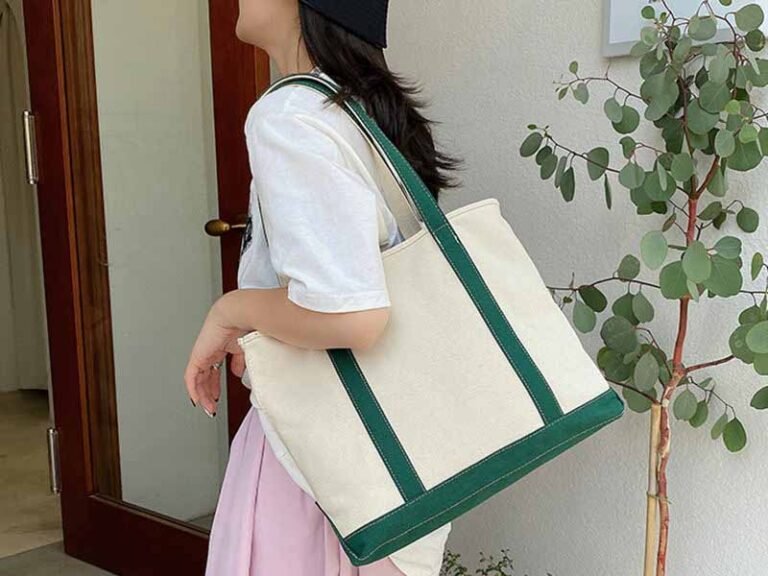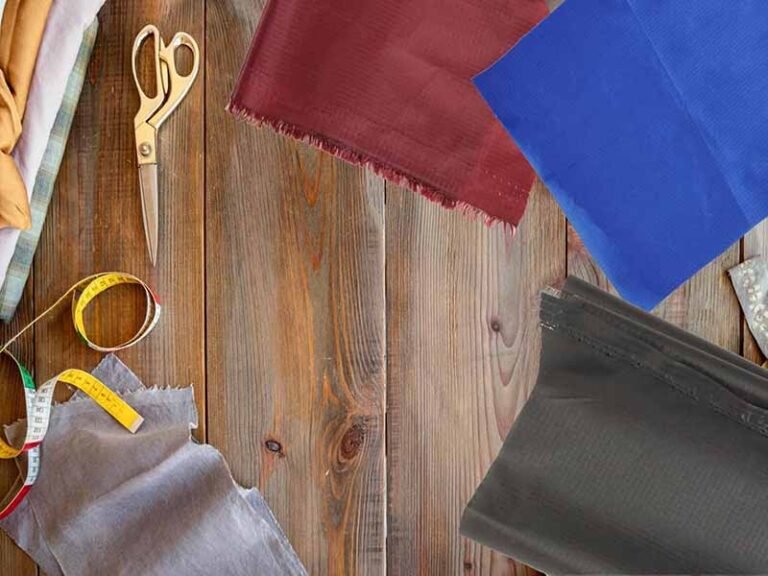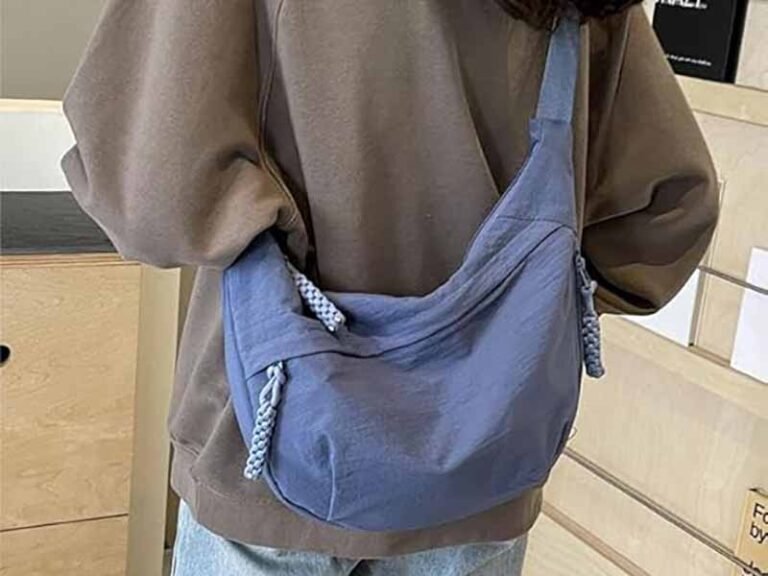
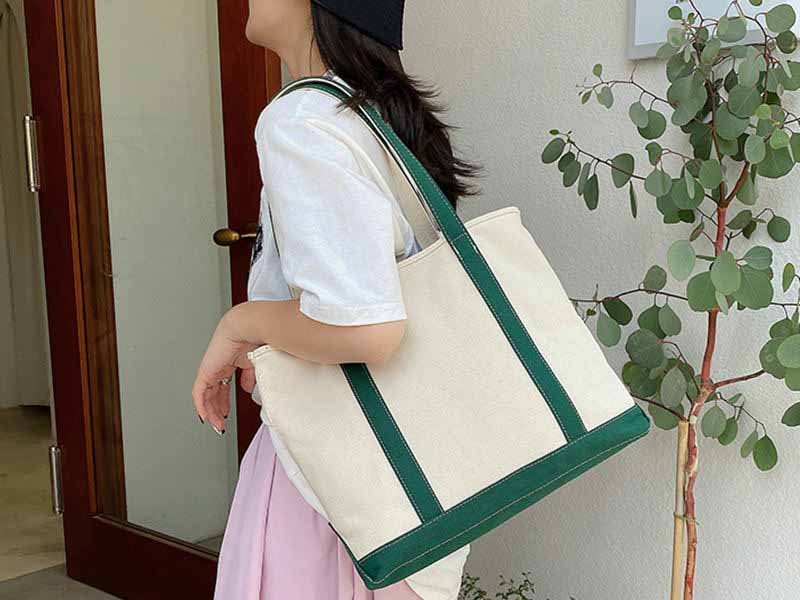
Tote bags look simple, but they’re one of the easiest products to get wrong at scale. If the fabric is too light, the bag stretches, corners wear out, and handles tear. If the fabric is too stiff, customers complain it’s “hard to fold” or “feels rough.” If the printing method doesn’t match the fabric, logos crack, colors fade, and reviews drop.
The biggest mistake we see is choosing fabric based on a photo or one small sample swatch. Tote bags are used in real life: grocery runs, daily commutes, book loads, gym gear, and sometimes wet environments. That daily stress exposes weaknesses fast—especially at seams, handle roots, and bottom corners.
Here’s the practical truth: canvas usually wins for structure and heavy loads, cotton wins for softness and “natural feel,” and polyester wins for water resistance and stable mass production. The best option depends on your target price point, how customers will use the bag, and how you want it to feel in hand.
Lovrix helps brands and e-commerce sellers make this decision with fewer surprises because we’re not only a bag factory—we also operate fabric and webbing production. That means we can adjust fabric weight, handle webbing, stitching, and reinforcement together as one system.
What Are They?
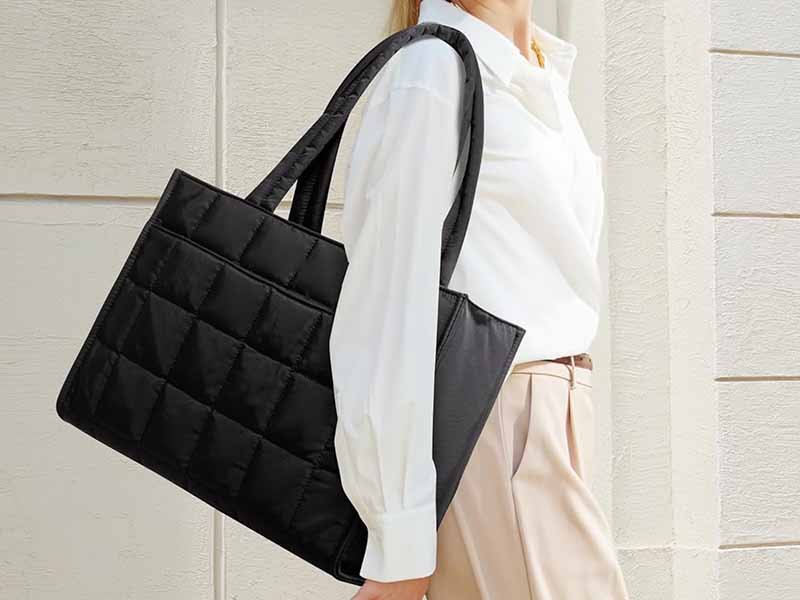
When brands compare canvas vs cotton vs polyester tote bags, the real difference starts at the fiber level and fabric construction level — not just the name of the material.
If you only look at product photos, many tote bags appear similar. But once you check fabric weight, yarn type, weave density, shrinkage rate, and coating, the differences become clear — and those differences directly affect durability, printing quality, and long-term customer satisfaction.
Let’s break them down clearly and practically.
What Is Canvas in Tote Bags?
Canvas is a heavy-duty woven fabric, traditionally made from cotton, but sometimes blended with polyester. The defining feature of canvas is its tight plain weave using thicker yarns, which gives it structure and strength.
In tote bag production, canvas is usually specified by weight (oz or GSM).
Common Canvas Weights in the Market
| Canvas Weight | GSM (Approx.) | Typical Use Case |
|---|---|---|
| 8oz | 270 GSM | Lightweight promotional tote |
| 10oz | 340 GSM | Entry retail tote |
| 12oz | 400 GSM | Everyday shopping tote |
| 14oz | 475 GSM | Premium retail tote |
| 16oz | 540 GSM | Grocery / heavy books |
| 18–24oz | 610–810 GSM | Heavy-duty or structured tote |
What Customers Actually Notice About Canvas
- The bag feels firm and stands upright better.
- It does not collapse easily when empty (above 12oz).
- It gives a “strong and reliable” impression.
- Heavier canvas increases perceived value instantly.
Technical Characteristics Buyers Should Care About
- Shrinkage (untreated cotton canvas): 3–5% after washing
- Abrasion resistance: High compared to light cotton
- Breathability: High
- Water resistance: Low unless coated or waxed
Important Production Detail
Canvas thickness affects sewing difficulty. Heavy 16oz+ canvas requires:
- Stronger needles
- Slower sewing speed
- Reinforced seam finishing
This slightly increases labor cost but improves durability.
Canvas is commonly chosen for:
- Grocery totes
- Book bags
- Premium lifestyle brands
- Custom promotional totes above mid-price range
What Is Cotton in Tote Bags?
Cotton tote bags are made from lighter plain-weave cotton fabric, sometimes twill. Unlike canvas, cotton fabric generally uses thinner yarns and lower fabric density, resulting in softer texture.
Cotton is measured in GSM.
Common Cotton Fabric Weights
| Cotton Weight | GSM | Usage |
|---|---|---|
| Lightweight | 120–150 GSM | Event giveaways |
| Standard | 150–180 GSM | Low-cost retail |
| Mid-weight | 200–240 GSM | Better daily use |
| Heavy cotton | 250+ GSM | Stronger cotton alternative |
What Customers Notice About Cotton
- Softer touch
- More flexible and collapsible
- Lightweight feel
- Easy to fold and store
Cotton gives a more “natural and relaxed” look compared to heavy canvas.
Technical Characteristics
- Shrinkage: 3–8% if not pre-treated
- Abrasion resistance: Moderate
- Water absorption: High
- Tensile strength: Lower than heavy canvas
Cotton works well for:
- Eco-branded merchandise
- Event or exhibition bags
- Fashion lifestyle promotions
- Lightweight daily use
However, if cotton GSM is too low (below 150 GSM), tearing at corners and handle stress points becomes more likely under heavier loads.
Reinforcement Often Required
To improve cotton durability:
- Box-X handle stitching
- Wider seam allowance
- Optional bottom reinforcement
- Thicker cotton webbing handles
What Is Polyester in Tote Bags?
Polyester is a synthetic fiber made from PET (polyethylene terephthalate). Unlike cotton-based fabrics, polyester fibers are engineered, which gives them higher strength relative to weight.
Polyester fabrics in tote bags are usually measured in Denier (D).
Common Polyester Denier Levels
| Denier | Typical Application |
|---|---|
| 190D–210D | Foldable supermarket tote |
| 300D | Lightweight retail tote |
| 420D | Mid-strength daily tote |
| 600D | Stronger structured tote |
Denier refers to yarn thickness. Higher denier means thicker yarn and stronger fabric.
What Customers Notice About Polyester
- Smoother surface
- Lighter weight compared to heavy canvas
- Slightly “technical” feel
- More resistant to moisture
Polyester often includes coatings (PU or PVC), which affect feel and performance:
| Polyester Type | Surface Feel | Water Resistance |
|---|---|---|
| Uncoated | Soft fabric feel | Low–Medium |
| PU-coated | Slightly smooth | Medium–High |
| PVC-coated | More rigid | High |
Technical Characteristics
- Shrinkage: <1%
- Water absorption: Very low
- Abrasion resistance: High
- Color retention: Strong under sunlight
Polyester is commonly used for:
- Foldable reusable bags
- Travel totes
- Rainy or humid markets
- Large-volume promotional campaigns
Quick Structural Comparison
To clearly see the material differences, here is a simplified technical comparison:
| Feature | Canvas | Cotton | Polyester |
|---|---|---|---|
| Fiber Type | Usually cotton | Cotton | Synthetic PET |
| Weave | Dense plain weave | Plain weave / twill | Oxford / plain |
| Weight Measurement | oz / GSM | GSM | Denier / GSM |
| Structure | Strong & rigid | Soft & flexible | Lightweight & stable |
| Shrinkage | 3–5% | 3–8% | <1% |
| Water Resistance | Low | Low | High |
| Eco Perception | High | High | Moderate (High if recycled) |
Why Understanding This Matters for Brands
When choosing between canvas vs cotton vs polyester tote bags, consider:
- Will customers carry heavy groceries?
- Will the bag be machine washed?
- Is water exposure likely?
- Is print quality critical?
- Is shipping weight a concern?
- Is sustainability messaging important?
For example:
- If your tote is sold as a grocery bag and weighs under 150 GSM cotton, complaints are likely.
- If your tote is foldable and travel-focused, heavy canvas may frustrate users.
- If you need vibrant full-color prints, polyester may outperform cotton.
At Lovrix, we don’t just ask “which material do you want?”
We ask:
- What is your target retail price?
- How much weight will customers carry?
- Where will it be used?
- What is your annual volume forecast?
Because the right fabric choice prevents margin loss, negative reviews, and production surprises.
Which Is More Durable?
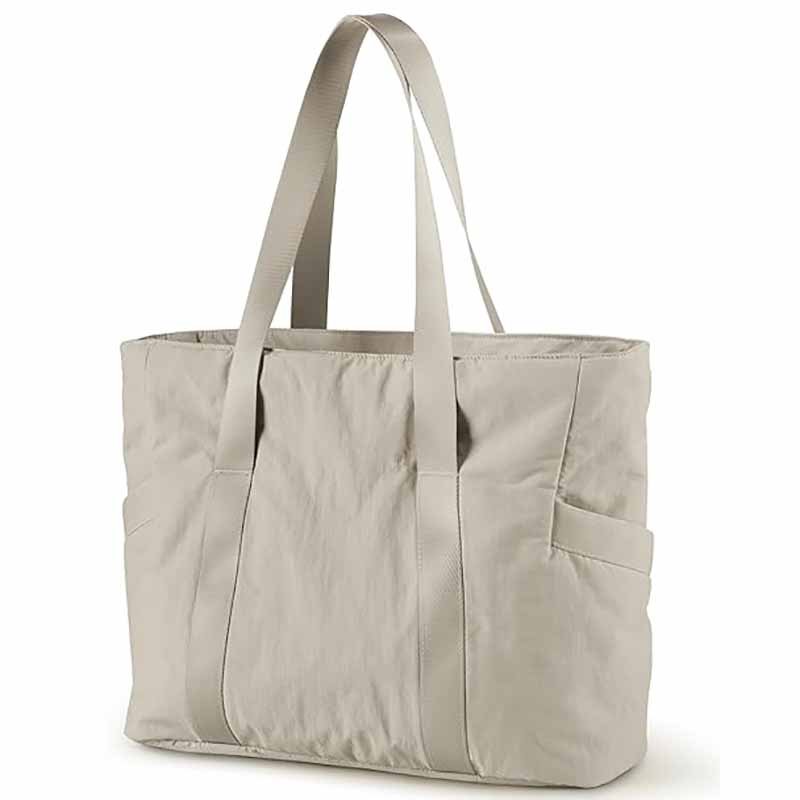
Durability is where most tote bag problems begin.
A tote may look good in photos and feel fine in hand, but once customers start carrying groceries, books, laptops, or gym gear, the real test begins. The question is not just “Which fabric is stronger?” but:
- How much weight can it realistically carry?
- How does it behave after 6–12 months of use?
- What fails first — fabric, seams, or handles?
- How does moisture affect performance?
When comparing canvas vs cotton vs polyester tote bags, durability depends on four measurable factors:
- Fabric weight (GSM or oz / Denier)
- Fiber strength
- Abrasion resistance
- Construction method (stitching + reinforcement)
Let’s break it down clearly.
1. Fabric Strength — Fiber and Weave Density
Canvas Durability
Canvas is typically the strongest option when comparing similar thickness levels because:
- It uses thicker yarn
- It has tighter weave density
- It distributes load evenly across fabric
Typical tensile strength range for cotton canvas (reference values):
| Canvas Weight | Tensile Strength (Warp Direction) | Practical Load Capacity |
|---|---|---|
| 10oz (340 GSM) | 800–1,000 N | 8–10 kg |
| 12oz (400 GSM) | 1,000–1,200 N | 10–14 kg |
| 16oz (540 GSM) | 1,200–1,500 N | 15–20 kg |
Canvas resists tearing well because the dense weave prevents small holes from spreading.
Most failures in canvas totes happen at stitching points, not in the middle of the fabric.
Cotton Durability
Cotton fabric (non-canvas) uses thinner yarn and lower weave density.
Typical tensile strength:
| Cotton Weight | Tensile Strength | Practical Load Capacity |
|---|---|---|
| 150 GSM | 400–600 N | 3–5 kg |
| 180 GSM | 600–800 N | 5–7 kg |
| 220 GSM | 700–900 N | 6–9 kg |
| 240+ GSM | 900–1,000 N | 8–12 kg |
Cotton performs well for light use but stretches more under repeated load.
Common cotton failure points:
- Corner thinning
- Handle seam tearing
- Fabric elongation after months of heavy use
If cotton tote bags are marketed for grocery use without reinforcement, return rates often increase.
Polyester Durability
Polyester is strong relative to its weight because synthetic fibers have higher tensile strength per diameter.
Typical polyester strength reference:
| Polyester Type | Tensile Strength | Practical Load Capacity |
|---|---|---|
| 210D | 500–800 N | 5–8 kg |
| 420D | 800–1,100 N | 8–12 kg |
| 600D | 1,000–1,400 N | 10–18 kg |
Polyester fibers resist tearing and stretching better than light cotton at similar thickness.
However, very thin polyester (190D–210D) can puncture more easily with sharp objects compared to thick canvas.
2. Abrasion Resistance — Long-Term Wear
Tote bags rub against:
- Denim pockets
- Car seats
- Concrete floors
- Grocery cart edges
Abrasion resistance determines how fast fabric thins.
Relative abrasion resistance (Martindale scale approximation):
| Material | Relative Abrasion Resistance |
|---|---|
| 16oz Canvas | Very High |
| 600D Polyester | High |
| 12oz Canvas | High |
| 220 GSM Cotton | Medium |
| 150 GSM Cotton | Low–Medium |
Canvas and 600D polyester both perform well under friction.
Light cotton shows visible thinning much faster, especially at bottom corners.
3. Moisture and Environmental Exposure
Moisture affects durability significantly.
Canvas and Cotton
- High water absorption
- Can weaken slightly when wet
- May develop mildew in humid storage
Untreated cotton absorbs up to 8–10% of its weight in moisture.
Repeated wet-dry cycles may reduce fabric integrity over time.
Polyester
- Absorbs less than 1% moisture
- Maintains strength when wet
- Dries faster
- Better UV resistance
For humid climates or rainy regions, polyester durability is more stable.
4. Construction — The Hidden Durability Factor
Fabric strength alone does not guarantee durability.
In real production, these factors matter just as much:
Handle Attachment
Common stitching methods:
| Method | Strength Level |
|---|---|
| Single stitch | Low |
| Double stitch | Medium |
| Box-X stitch | High |
| Bar tack reinforcement | Very High |
Most tote failures occur at the handle root.
A 16oz canvas bag with weak stitching can fail faster than a 420D polyester bag with reinforced handles.
Seam Allowance
- Narrow seam allowance (<8mm) increases tearing risk.
- Wider seam allowance (10–15mm) distributes stress better.
Bottom Reinforcement
Adding a second fabric layer at the bottom increases durability by 20–40% in load stress testing.
Lovrix often recommends:
- Double-layer bottom panels
- Webbing handle insertion deep into body panel
- Reinforced cross-stitch
Real-World Use Scenario Comparison
Here’s a realistic comparison by use case:
| Use Scenario | Best Choice | Why |
|---|---|---|
| Heavy grocery shopping | 14–16oz Canvas | Highest load tolerance |
| College books | 16oz Canvas or 600D Polyester | Strong structure |
| Beach bag (wet items) | Polyester | Moisture resistance |
| Fashion daily tote | 12oz Canvas | Balanced durability |
| Promotional giveaway | 180–220 GSM Cotton | Cost-effective |
Long-Term Shape Retention
Another durability factor is how well the bag maintains its shape.
| Material | Shape Retention |
|---|---|
| Heavy Canvas | Excellent |
| Polyester (600D) | Good |
| Cotton (lightweight) | Low |
Light cotton bags may “stretch out” after months of heavy load.
Canvas and polyester retain shape better over time.
Quick Durability Ranking (General Use)
If we simplify based on balanced weight categories:
- Heavy Canvas (14–16oz+) — Highest durability
- 600D Polyester — High durability
- 12oz Canvas — Medium–High durability
- 220–240 GSM Cotton — Medium durability
- 150 GSM Cotton — Light durability
But durability is always weight-dependent. A 16oz canvas bag is far stronger than a 210D polyester bag, but a 600D polyester bag may outperform a thin 8oz canvas bag.
What Brands Often Overlook
Many durability complaints are caused by:
- Choosing fabric weight based on price only
- Not reinforcing handles
- Underestimating customer load behavior
- Ignoring humidity conditions
- Skipping load testing before production
At Lovrix, we help brands match:
Fabric weight + Stitch method + Handle structure
instead of selecting material alone.
How Do They Feel?
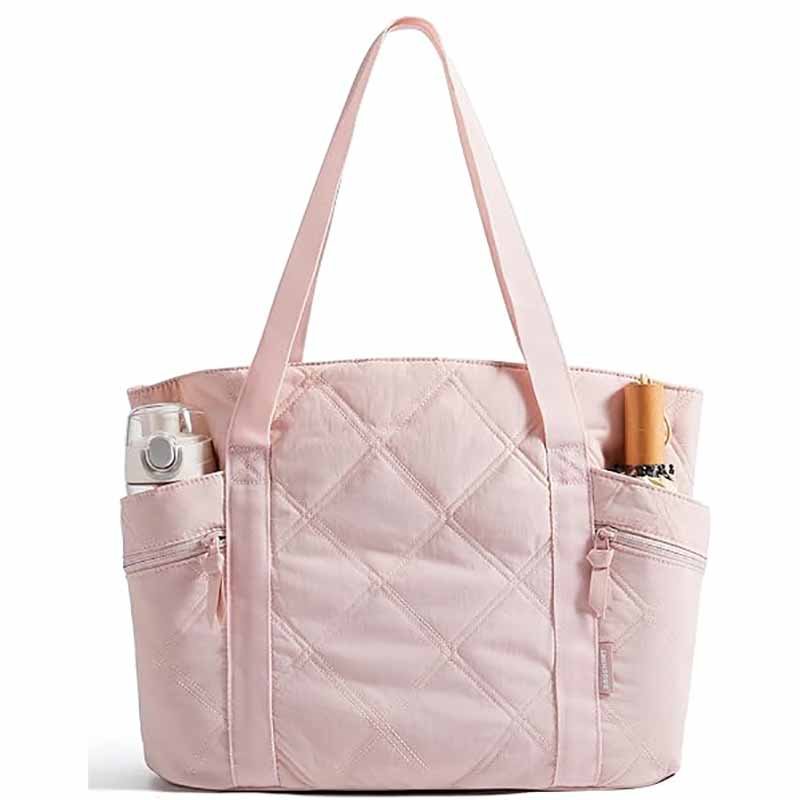
When customers pick up a tote bag for the first time, they make a decision in seconds. The hand feel influences whether the product feels “premium,” “eco,” “cheap,” or “technical.”
In canvas vs cotton vs polyester tote bags, feel depends on:
- Fiber type
- Yarn thickness
- Fabric density (GSM)
- Surface finishing
- Coating or washing treatment
A 12oz canvas tote and a 210D polyester tote can look similar in photos — but in hand, they feel completely different.
Let’s break down how each material behaves.
How Do Canvas Tote Bags Feel?
Canvas feels structured, solid, and substantial.
When customers hold a mid- to heavy-weight canvas tote (12oz–16oz), they usually describe it as:
- Thick
- Durable
- Stable
- Premium
- “Real bag” feeling
The weight gives psychological value. Heavier canvas often signals higher quality — even before the customer tests durability.
What Changes the Feel of Canvas?
| Factor | Effect on Feel |
|---|---|
| GSM increase | More rigid and structured |
| Washed finish | Softer, broken-in feel |
| Enzyme wash | Vintage texture |
| Wax coating | Rugged, slightly stiff |
| Brushed surface | Slight softness |
For fashion brands, washed canvas is popular because it keeps structure but removes stiffness.
For grocery or utility totes, unwashed heavier canvas keeps maximum strength.
From Lovrix production experience:
- 10oz canvas feels entry-level but solid
- 12–14oz feels balanced and premium
- 16oz+ feels heavy-duty and structured
Canvas is rarely described as “luxury soft.” It is described as “reliable.”
How Do Cotton Tote Bags Feel?
Cotton tote bags feel softer and more flexible than canvas.
Lightweight cotton (120–180 GSM):
- Collapses easily
- Folds flat
- Feels breathable
- Feels lightweight
Mid-weight cotton (200–240 GSM):
- Slightly more structured
- Still soft and comfortable
- Feels more “natural” than canvas
Cotton gives a warmer touch sensation compared to polyester.
Customers often associate cotton with:
- Eco-friendliness
- Simplicity
- Handmade or artisan style
However, softness can sometimes be interpreted as “less durable.” If the bag collapses too easily, customers may assume it’s not strong — even if construction is reinforced.
If your brand sells sustainability or lifestyle aesthetics, cotton can communicate that better than polyester.
How Do Polyester Tote Bags Feel?
Polyester tote bags feel lighter and smoother.
Depending on denier and coating:
- 210D polyester feels thin and flexible
- 420D feels stronger but still light
- 600D coated polyester feels structured and slightly technical
Polyester typically feels:
- Less breathable
- Slightly slick
- Less “organic”
- More performance-oriented
Customer perception depends on market:
| Market Type | Polyester Perception |
|---|---|
| Grocery chains | Practical and reusable |
| Travel/sports | Functional and durable |
| Premium fashion | Sometimes too “technical” |
| Eco-focused brands | Less aligned unless recycled PET |
Polyester also handles bright full-color printing very well, especially sublimation.
If you want photographic or gradient prints, polyester usually performs better than cotton.
What Do They Cost?
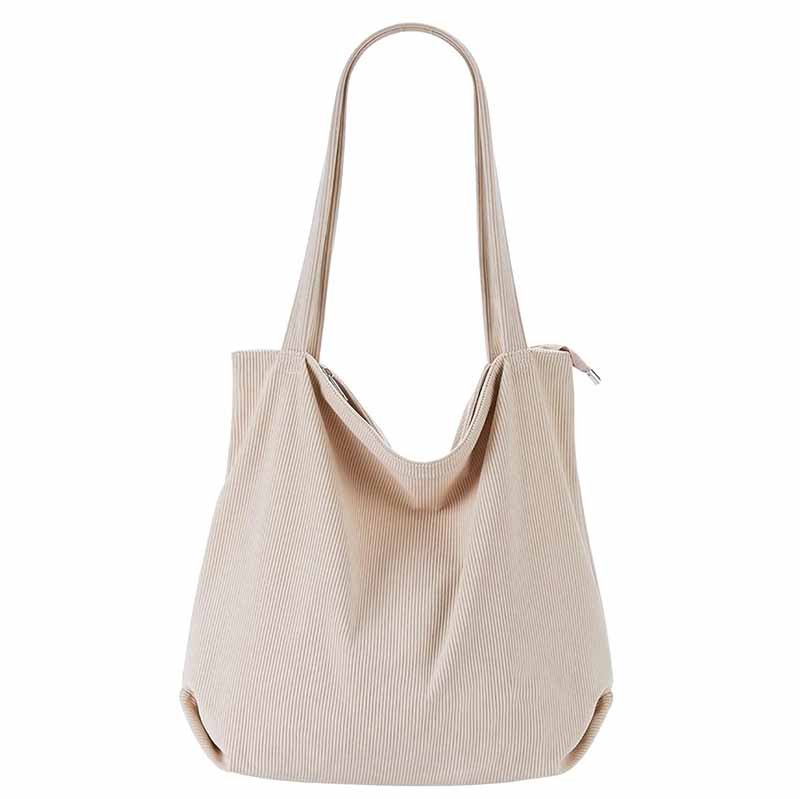
Cost is often the deciding factor, but many brands misunderstand what actually drives tote bag pricing.
Material cost depends on:
- Fiber type
- Weight (GSM or denier)
- Dyeing process
- Coating
- Printing method
- Construction complexity
- Order volume
The fabric itself is usually 35–60% of total bag material cost.
Let’s compare realistically.
Why Do Canvas Tote Bags Cost More or Less?
Canvas cost increases with weight.
Approximate relative material cost (market-dependent, example for comparison only):
| Canvas Weight | Relative Fabric Cost |
|---|---|
| 8oz | Base |
| 10oz | +10–15% |
| 12oz | +20–30% |
| 16oz | +40–60% |
| 20oz+ | +70–100% |
But heavy canvas also increases:
- Sewing labor time
- Needle wear
- Shipping cost (weight impacts freight)
If your tote bag is for high-load grocery use, heavy canvas may justify the higher price because customers perceive strength.
If your tote bag is a promotional giveaway, 16oz canvas may be unnecessary and reduce margin.
Why Do Cotton Tote Bags Cost More or Less?
Cotton tote cost depends mainly on GSM and cotton market pricing.
Cotton prices fluctuate based on global crop supply.
Compared with canvas:
- Lightweight cotton is usually cheaper
- Mid-weight cotton approaches canvas pricing
- Heavy cotton twill can equal light canvas pricing
Cost advantage of cotton:
- Lower shipping weight
- Easy printing (less special setup)
- Simple construction
Risk: If too light, returns can increase.
For promotional campaigns with large volumes (10,000+ units), lightweight cotton keeps costs low — but quality expectation must match.
Why Do Polyester Tote Bags Cost More or Less?
Polyester pricing is influenced by:
- Oil prices (raw material basis)
- Denier
- Coating
- Print method
Polyester can be very cost-efficient at scale.
Relative cost comparison:
| Material | Entry-Level Cost | Mid-Level Cost |
|---|---|---|
| Cotton 150 GSM | Low | — |
| 210D Polyester | Low | — |
| 12oz Canvas | Medium | — |
| 16oz Canvas | High | — |
| 600D Polyester | Medium | — |
Polyester advantages in cost control:
- Stable batch consistency
- Lower shrinkage risk
- Lower rejection rates
- Lightweight shipping savings
If freight cost is significant (international shipping), polyester can reduce per-unit shipping cost noticeably.
Cost Impact in Real Business Scenarios
Let’s look at simplified business positioning examples.
Scenario 1: Premium Grocery Tote Retailing at $25–35
Best fit: 14–16oz canvas
Reason: durability perception supports higher price
Material cost increase is acceptable within margin
Scenario 2: Eco Lifestyle Tote Retailing at $12–18
Best fit: 200–240 GSM cotton
Reason: soft natural feel + strong enough for light shopping
Scenario 3: Promotional Campaign at $3–6
Best fit: 150 GSM cotton or 210D polyester
Reason: cost control + lightweight
Scenario 4: Foldable Supermarket Tote Retailing at $5–10
Best fit: 210D–300D polyester
Reason: water resistance + compact storage
What Really Controls Profit Margin?
Material is only part of cost.
Other cost drivers:
- Handle webbing quality
- Reinforcement method
- Printing method (screen vs heat transfer)
- Packaging requirements
- MOQ level
Lovrix reduces cost risk by:
- Producing fabric internally or via controlled supply chain
- Manufacturing webbing in-house
- Optimizing fabric cutting yield
- Offering low MOQ so brands can test before scaling
- Fast sampling to reduce development cycle
When fabric, webbing, and sewing are integrated, cost control becomes more predictable.
Which Should You Choose?
Choosing between canvas vs cotton vs polyester tote bags is not about which material is “best.” It is about which material aligns with:
- Your retail price
- Your brand positioning
- Your customer usage scenario
- Your margin expectations
- Your return risk tolerance
A structured decision framework prevents costly mistakes.
Which Material Fits Premium Brands?
Premium brands usually care about:
- Perceived weight and structure
- Longevity
- Natural aesthetics
- Touch experience
Best Match: 12–16oz Canvas (or Washed Canvas)
Why?
- Feels substantial in hand
- Holds shape well on shelves
- Signals durability
- Works beautifully with screen printing or embroidery
If the tote will retail above $20–30, lightweight fabric often feels underwhelming. Customers associate weight with value.
Premium positioning example:
| Retail Price | Recommended Fabric |
|---|---|
| $20–25 | 12oz canvas |
| $25–35 | 14–16oz canvas |
| $35+ | 16oz+ washed or specialty canvas |
Canvas also supports structured shapes, boxed bottoms, and reinforced handles — enhancing premium feel.
Which Material Fits Eco-Focused Brands?
Sustainability messaging changes the material choice.
Cotton and canvas communicate “natural.” Polyester communicates “performance” unless it is recycled PET.
Options for Eco Positioning
| Eco Direction | Suitable Material |
|---|---|
| Natural organic feel | Organic cotton |
| Reusable grocery | Heavy cotton canvas |
| Recycled story | Recycled polyester (rPET) |
| Low-impact dyeing | Undyed natural canvas |
Important detail: customers today often ask about GSM and fiber origin. Transparency builds trust.
Organic cotton appeals emotionally.
Recycled polyester appeals technically.
The right answer depends on your audience.
Which Material Fits High-Volume E-commerce Sellers?
For high-volume online sellers, stability and consistency matter more than storytelling.
Key concerns:
- Return rate
- Fabric defect consistency
- Print clarity
- Cost control
- Freight efficiency
Strong Candidates
- 12oz canvas (balanced durability + cost)
- 210D–420D polyester (lightweight + foldable)
Polyester reduces shrinkage and batch variation. It also allows vivid full-color printing, which performs well in product photos.
If your product page shows bright graphics or photo-realistic designs, polyester may give better print precision.
GSM vs Denier — What Do These Numbers Really Mean?
Confusion around GSM and Denier often leads to wrong expectations.
GSM (Grams per Square Meter)
Used mostly for cotton and canvas.
Higher GSM = heavier fabric.
Rough guide:
| GSM | Feel Level |
|---|---|
| 120–150 | Very light |
| 180–220 | Light-medium |
| 240–300 | Medium |
| 350–450 | Heavy |
| 500+ | Very heavy |
GSM affects:
- Structure
- Strength
- Cost
- Shipping weight
Denier (D)
Used mostly for polyester.
Denier measures fiber thickness.
Higher Denier = thicker yarn.
Common tote denier levels:
| Denier | Typical Use |
|---|---|
| 210D | Foldable totes |
| 300D | Light retail |
| 420D | Mid-strength |
| 600D | Stronger daily tote |
Denier does not equal GSM directly. Coating and weave also affect final weight.
Printing Compatibility Comparison
Printing quality can make or break a tote bag.
Different materials respond differently.
| Print Method | Canvas | Cotton | Polyester |
|---|---|---|---|
| Screen print | Excellent | Excellent | Moderate |
| Heat transfer | Good | Good | Excellent |
| Sublimation | Poor | Poor | Excellent |
| Embroidery | Excellent | Excellent | Good |
If your brand uses bold flat logos → canvas/cotton are ideal.
If your brand uses full-color photographic prints → polyester is stronger.
At Lovrix, we often test print samples before mass production to avoid ink cracking or fading issues.
Risk Control Before Mass Production
Material choice is only half the decision.
Before production, confirm:
1. Handle Strength
- Stitch type (box-X or bar tack)
- Stitch density
- Webbing thickness
2. Bottom Reinforcement
- Double-layer bottom panel
- Binding tape reinforcement
- Seam allowance size
3. Fabric Shrinkage
- Pre-washed canvas?
- Cotton shrinkage tolerance defined?
4. Print Testing
- Wash test
- Friction rub test
- Colorfastness test
5. Weight Expectation
Heavy canvas increases freight cost.
Polyester reduces freight.
International shipping cost can shift total landed price significantly.
Final Strategic Comparison Table
| Factor | Canvas | Cotton | Polyester |
|---|---|---|---|
| Durability | Very High (heavy weight) | Medium | Medium–High |
| Structure | Strong | Soft | Medium |
| Eco perception | High | High | Moderate (High if recycled) |
| Water resistance | Low | Low | High |
| Print flexibility | High | High | Very High |
| Cost control | Medium | Low–Medium | High |
| Freight efficiency | Lower | Medium | High |
How Lovrix Helps Brands Make the Right Decision
Lovrix is not only a sewing factory. We integrate:
- Fabric production resources
- Webbing manufacturing
- Bag assembly lines
- Low MOQ sampling
- Rapid development cycles
Because we understand fabric structure and sewing together, we help clients:
- Select the correct GSM or Denier
- Optimize handle reinforcement
- Reduce over-specification (saving cost)
- Avoid under-specification (reducing returns)
- Test small batch before scaling
With over 18 years serving mid- to high-end brands and e-commerce sellers, we focus on balancing:
Durability + Feel + Cost + Brand Positioning
Ready to Customize Your Tote Bag Line?
If you are developing:
- Private label tote bags
- Promotional tote collections
- Premium canvas grocery bags
- Recycled polyester foldable totes
- Fashion cotton lifestyle totes
Lovrix can support:
- Free design consultation
- Low MOQ customization
- Fast sampling
- Integrated fabric and webbing control
- Short production lead time
- 100% quality inspection before shipment
Choosing canvas vs cotton vs polyester tote bags should not feel like guesswork.
Tell us your target market, retail price, and usage scenario — and we will recommend the right fabric structure, handle solution, and construction method to protect your margin and brand reputation.
Contact Lovrix today to request samples and receive a customized quotation for your next tote bag project.