...

A Trusted China Manufacturer Since 2007!

Blog

Category: neoprene bags manufacturer

neoprene bags manufacturer

Why Brands Use Neoprene Bags in Modern Product Lines

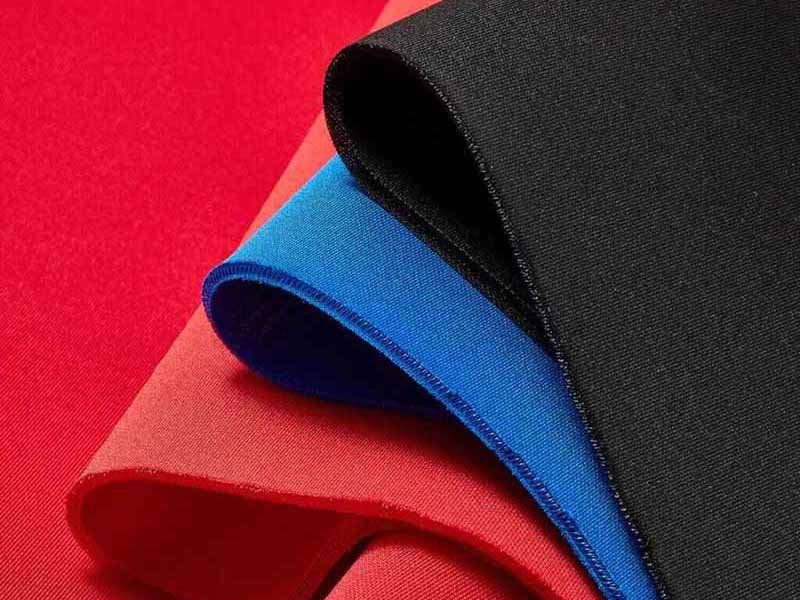
A lot of bag materials can do one thing well. Polyester is practical. Canvas looks natural. Nylon is strong. EVA holds shape. Neoprene is different because it sits in the middle of several customer needs at once. It is soft but not fragile. It cushions but does not feel bulky like hard-shell materials. It stretches enough to make daily use easier, yet still gives products a clean, modern look. That is why neoprene has moved far beyond wetsuits and technical gear. Today it appears in lunch totes, bottle carriers, laptop sleeves, cosmetic bags, travel pouches, sports accessories, and many private label collections. Neoprene itself is a synthetic rubber, and in foam form it is known for flexibility, cushioning, and good resistance to water and weathering, which helps explain why it is used across so many protective and everyday products.

neoprene bags manufacturer

Stitching Methods for Neoprene Bags: Flatlock vs Overlock vs Blind Stitch

Neoprene bags look tough—thick material, soft touch, good cushioning—so many brands assume stitching is a “small detail.” In real production, stitching is one of the biggest reasons neoprene bags get returns. A bag can use premium neoprene and still fail if the seam is wrong: threads pop when the bag stretches, corners split after repeated opening, the edge curls, or water creeps into needle holes and leaves odors inside.

neoprene bags manufacturer

How to Prevent Thickness Variation in Neoprene Production

Neoprene looks simple from the outside: a clean, uniform sheet that feels the same from corner to corner. But anyone who has tried to cut, sew, laminate, or print on neoprene knows the truth—tiny thickness changes can ruin the whole “premium” experience. A laptop sleeve starts feeling lumpy. A wetsuit panel doesn’t match. A medical brace fits fine in one size but feels tight in another. And if you’re producing at scale, thickness variation isn’t just a quality issue—it becomes a cost issue (extra scrap, slower sewing, more rework, more returns).

Contact Us

Send us a message if you have any questions or request a quote. We will be back to you ASAP!