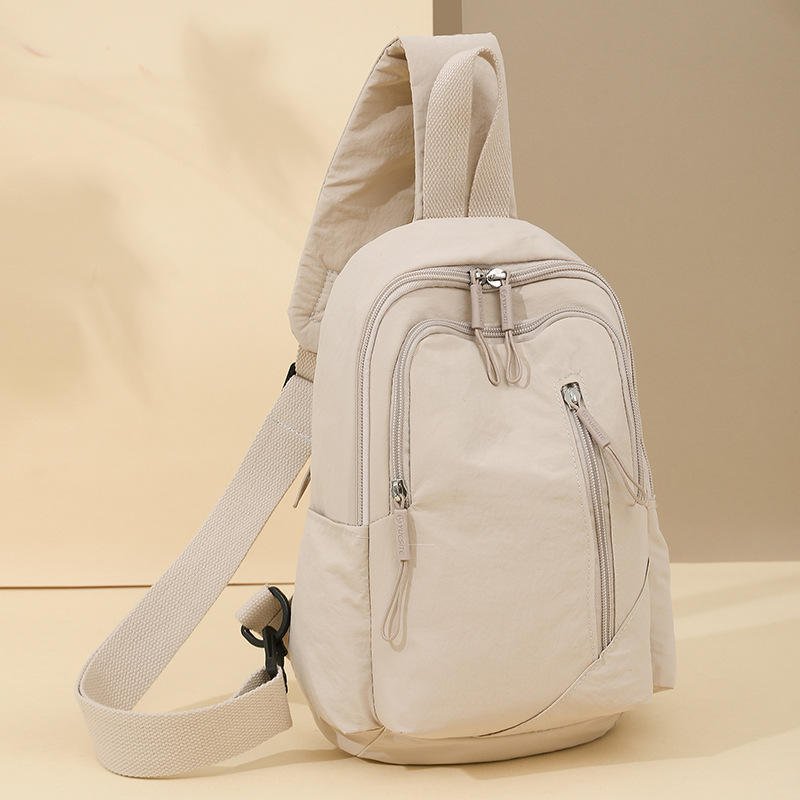
Nylon Fabric
Nylon vs Polyester for Bags: What Should Brands Choose?
Choosing between nylon and polyester sounds like a small material decision until the first bulk order goes wrong. A backpack that sags after three months,
 Skip to content

Choosing between nylon and polyester sounds like a small material decision until the first bulk order goes wrong. A backpack that sags after three months,
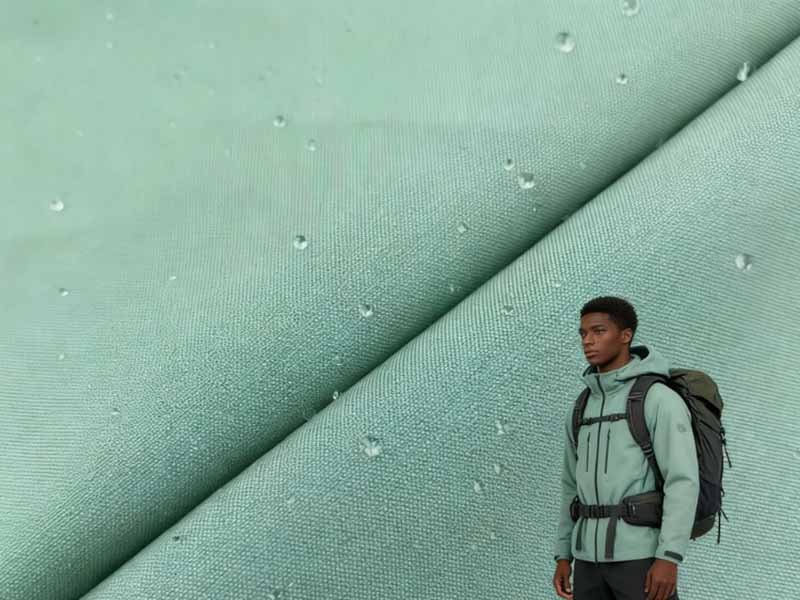
A nylon bag can look strong in a product photo and still fail quickly in real use. The fabric may feel smooth, the color may match the brand guide, and the first sample may look ready for launch. But after months of airport handling, school use, warehouse loading, outdoor travel, or daily commuting, the real performance shows up in very practical places: worn bottom corners, stretched seams, weak shoulder strap roots, torn pocket openings, loose stitching, and customer reviews that say the bag did not feel as durable as expected.
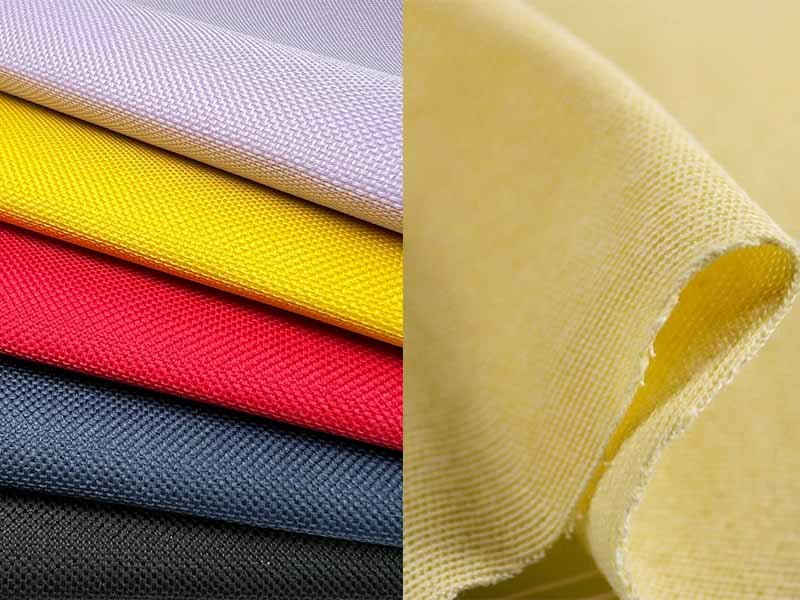
Choosing between Cordura and ballistic nylon sounds like a technical fabric question, but for a brand developing custom bags, it is really a business decision. The wrong fabric can make a backpack too stiff, a laptop bag too casual, a luggage line too heavy, or a tool bag too weak at high-stress points. The right fabric, on the other hand, can reduce product complaints, improve perceived value, support stronger positioning, and make bulk production more stable.
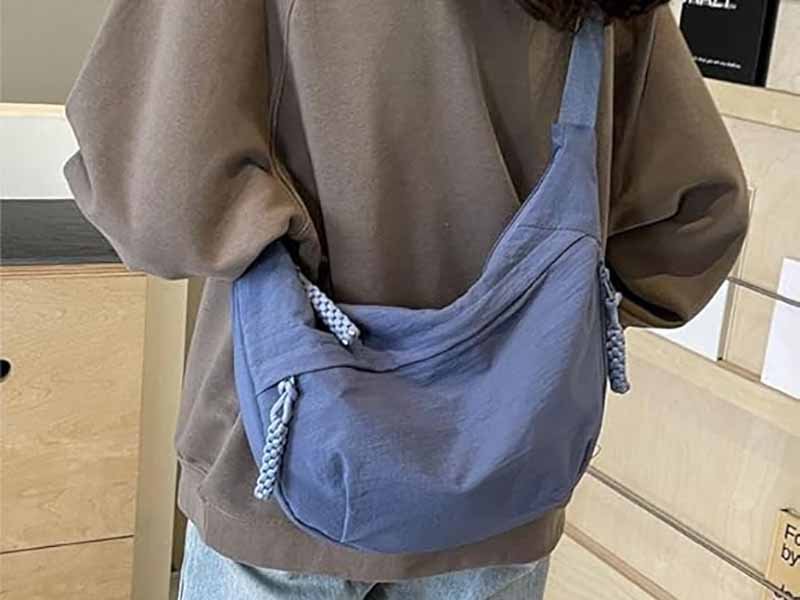
Most bag programs don’t get rejected because the design is “bad.” They get rejected because the material doesn’t match the price point. A $25 backpack made with a “premium-sounding” fabric can still feel cheap if it pills, fades, or collapses after two weeks. And a $120 backpack can lose trust fast if the fabric scuffs easily or looks “plasticky” under store lighting. Nylon vs polyester bags isn’t a debate about which fiber is “best”—it’s about which one supports your product tier, your use-case, and your margin.
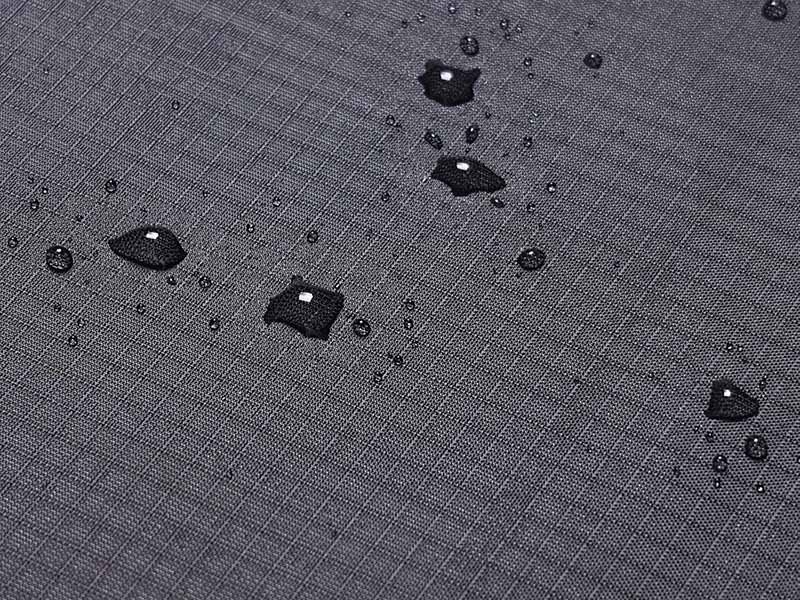
Have you ever wondered why some nylon fabrics feel stronger than others or why certain bags are more durable? The secret often lies in the denier — a term frequently mentioned but seldom understood by those who don’t deal with textiles directly. Whether you’re designing a new product, selecting the right material for your next project, or simply curious about fabric strength, understanding what denier means in nylon fabric is essential.
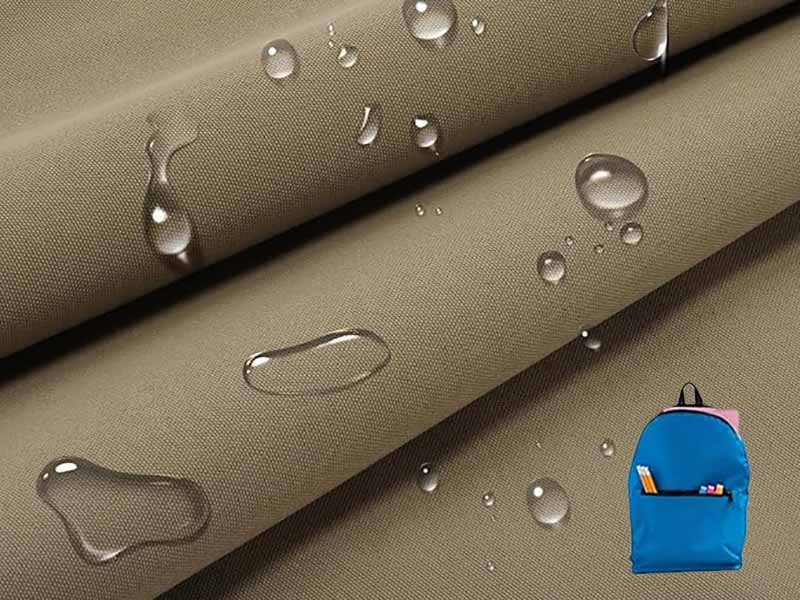
“Waterproof” is one of the most abused words in the bag industry. Nearly every product page claims it. Yet anyone who has carried a bag through rain, snow, airport floors, or a wet boat deck knows the truth: most bags fail not because they aren’t stylish, but because the fabric choice was wrong for real use.
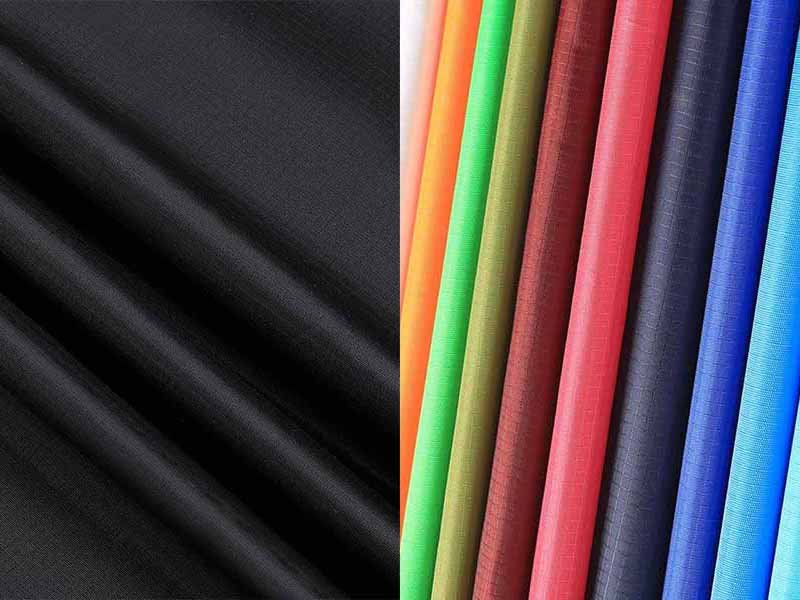
When people talk about nylon fabric, numbers like 210T and 210D often get thrown around as if they describe the same thing. In reality, they represent two completely different measurement systems, and misunderstanding them is one of the most common reasons for fabric mismatch, unexpected product failures, and rising return rates in bags and outdoor gear.

When people shop for bags—whether it’s a backpack, travel duffel, gym bag, or tool bag—they often focus on design, capacity, or price. But experienced buyers know the real difference between a bag that lasts one season and one that survives years of daily use usually comes down to material choice. Nylon is one of the most frequently mentioned materials in modern bag manufacturing, yet it is also one of the most misunderstood.