 Skip to content
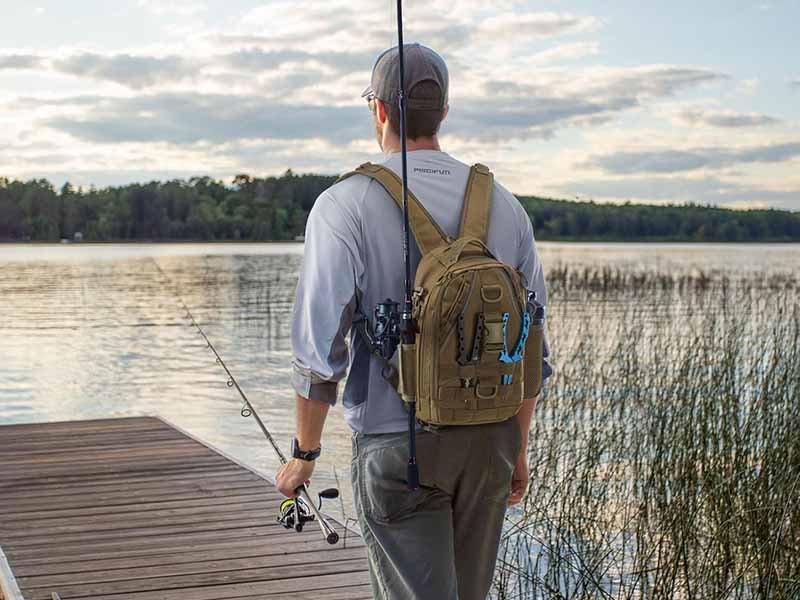
Fishing bags live a hard life. They get dragged across docks, tossed into boats, leaned against wet rocks, and opened a hundred times a day with cold fingers. In real fishing conditions, the zipper is often the first part to complain—it starts sticking, grinding, or separating at the corners. That’s why “zipper type” isn’t a small detail for anglers or brands. It affects whether the bag stays usable after a season, whether gear stays dry, and whether customers leave a 5-star review or request a return.
Coil, molded, and waterproof zippers in fishing bags differ in three practical ways: how smoothly they run, how well they resist sand/salt damage, and how effectively they block water. Coil zippers feel smooth and flexible for soft tackle bags. Molded zippers handle rough pulling and heavy loads better. Waterproof zippers protect gear best but usually cost more and feel stiffer to open.
Here’s the moment that decides everything: you unzip your bag after a rainy day on the coast—do you find dry gear and clean tools, or a damp mess and rust spots starting to form? Most of the time, that answer starts at the zipper.
What Are Coil, Molded, and Waterproof Zippers in Fishing Bags?

Coil, molded, and waterproof zippers are the most common closure systems used in fishing bags. Coil zippers use spiral nylon teeth for flexibility and smoothness. Molded zippers use rigid plastic teeth for higher structural strength. Waterproof zippers add coated sealing layers that reduce water entry. Each option trades off glide feel, durability, sealing, and cost depending on the fishing environment.
A practical look at zipper types anglers and brands actually care about
What Are Coil Zippers in Fishing Bags?
Coil zippers use continuous nylon filament shaped into a spiral and stitched onto the zipper tape. In fishing bags, coil zippers are popular because they bend easily around curves, which makes them ideal for soft-sided tackle bags, bait storage compartments, and rounded top openings.
From a user point of view, coil zippers are loved for one reason: they glide smoothly. If someone opens a bag dozens of times during a session—switching lures, checking leaders, grabbing pliers—that smooth glide feels “effortless,” especially when one hand is holding a rod.
But coil zippers have predictable weak spots in fishing environments:
- Fine sand can work into the coil track and cause grinding
- Salt crystals can dry on the track and increase friction
- If the bag is overloaded, coil teeth can spread at stress points
Where coil zippers fit best in fishing bags:
- Freshwater tackle bags
- Light/medium gear storage
- Compartments that need flexible curved openings
- Brands targeting value-to-mid price tiers
Quick performance snapshot
| Item | Coil Zippers in Fishing Bags |
|---|---|
| Glide feel | Very smooth |
| Flexibility | Very high |
| Sand tolerance | Medium-low (needs cleaning) |
| Load tolerance | Medium |
| Best for | daily access pockets, soft bags |
What Are Molded Zippers in Fishing Bags?
Molded zippers (often called “molded tooth” zippers) use individual plastic teeth formed onto the tape. In fishing bags, molded zippers are chosen when brands want a zipper that feels tough and confident—the kind you can yank open without babying it.
These are common in:
- Heavy-duty tackle bags
- Offshore boat storage bags
- Harder-structured fishing backpacks
- Compartments carrying heavier tools (pliers, cutters, gaff accessories)
Why do molded zippers last longer in rough use? Two reasons:
- Teeth are thicker and more rigid, so they resist deformation
- Debris is less likely to embed deep inside the tooth structure
However, molded zippers are less flexible. If the bag pattern requires tight curves, the zipper can feel slightly stiffer at corners. That’s not always a problem—but it matters in design.
Where molded zippers fit best in fishing bags:
- Saltwater tackle backpacks (non-submersion use)
- Bags that get overloaded and pulled hard
- Gear compartments exposed to rough handling
Quick performance snapshot
| Item | Molded Zippers in Fishing Bags |
|---|---|
| Structural strength | High |
| Abrasion resistance | High |
| Flexibility | Medium |
| Sand tolerance | Good |
| Best for | heavy-load openings, rugged bags |
What Are Waterproof Zippers in Fishing Bags?
Waterproof zippers are built for the question anglers care about most:
“Will my gear stay dry when the bag gets splashed or caught in rain?”
These zippers typically use:
- Coated tape (often TPU or PU) that sheds water
- A tighter zipper structure (often reverse-coil style)
- Sealing pressure that reduces gaps where water can enter
Waterproof zippers perform best in:
- Coastal rain and spray
- Kayak fishing
- Wading environments
- Any situation where phones, reels, line, or electronics must stay protected
The trade-off is real: waterproof zippers often require more pulling force. Some anglers love the “sealed” feel; others complain it’s stiff—especially in cold weather. That’s not a defect; it’s usually the cost of better sealing.
Where waterproof zippers fit best in fishing bags:
- Premium fishing backpacks
- Kayak/tactical fishing gear bags
- Dry compartments inside larger bags (electronics zone)
Quick performance snapshot
| Item | Waterproof Zippers in Fishing Bags |
|---|---|
| Water blocking | Excellent (splash/rain) |
| Salt exposure | Very good (with proper materials) |
| Opening force | Higher than standard |
| Flexibility | Medium |
| Best for | “dry gear” compartments |
What customers really compare: a simple scoring table
Below is a practical comparison using a 1–5 score (higher is better). This is the kind of table that helps customers quickly decide what fits their fishing style.
| Performance Factor | Coil | Molded | Waterproof |
|---|---|---|---|
| Smooth opening | 5 | 4 | 3 |
| Flexibility for curved patterns | 5 | 3 | 3 |
| Heavy-load durability | 3 | 5 | 4 |
| Sand resistance | 2–3 | 4 | 3 |
| Saltwater friendliness | 3 | 4 | 4–5 |
| Water protection | 2 | 2–3 | 5 |
| Cost control for brands | 5 | 3–4 | 2 |
Important reality check:
“Waterproof” does not always mean submersible. Many waterproof zippers are excellent for rain and splash, but full submersion protection depends on seam sealing, bag construction, and closure design—not the zipper alone.
Common zipper size choices customers ask about
Fishing bag brands often choose zipper sizes based on load and compartment role.
| Zipper Size (common) | Typical Use in Fishing Bags | Why it’s chosen |
|---|---|---|
| #5 | small pockets, accessory zones | light, smooth, cost-effective |
| #8 | medium compartments | better strength without bulk |
| #10 | main openings / heavy loads | strong teeth, better pull strength |
(Actual “best size” depends on fabric thickness, opening length, and load expectation.)
Which Coil vs Molded vs Waterproof Zippers in Fishing Bags Work Best?

There is no single zipper that works best for every fishing bag.
The right choice depends on where the bag is used, how heavy the load is, how often the zipper is opened, and how important water protection is to the user.
In real product development, brands rarely ask, “Which zipper is strongest?”
They ask more practical questions:
- Will this zipper still run smoothly after salt spray and sand exposure?
- Can it survive daily pulling under 15–25 kg of gear weight?
- Does the zipper help the product reach the target price level?
- Will customers feel the difference within one fishing season?
Answering these questions requires looking at flexibility, durability, and water protection separately, not just overall strength.
Which Coil Zippers in Fishing Bags Are Most Flexible?
Coil zippers are still the most flexible closure system used in fishing bags.
Because the teeth are formed from continuous nylon filament, the zipper can bend smoothly around:
- Curved lid openings
- Expandable soft compartments
- Lightweight folding bag structures
This flexibility gives coil zippers a natural ergonomic advantage.
When anglers open a bag repeatedly during lure changes, the lower resistance reduces hand fatigue, especially in cold or wet conditions.
Real-world flexibility impact
| Scenario | Coil Zipper Behavior | Result for User |
|---|---|---|
| One-hand opening during casting | Smooth glide | Faster access to gear |
| Curved bag lid design | No stiffness at corners | Cleaner product shape |
| Lightweight soft tackle bags | Maintains structure | Comfortable daily use |
However, flexibility also means lower structural rigidity.
When overloaded or pulled sideways, coil teeth can spread slightly, which may reduce alignment over time.
For this reason, coil zippers work best when:
- Bag weight is moderate
- Opening force is controlled
- Primary goal is smooth daily access
In product positioning, coil zippers often suit freshwater or casual fishing gear where comfort and cost balance matter more than extreme durability.
Which Molded Zippers in Fishing Bags Are Most Durable?
Molded zippers are designed for mechanical strength rather than flexibility.
Each tooth is individually formed, creating a rigid interlocking structure that tolerates:
- Heavy pulling force
- Abrasion from rough surfaces
- Repeated opening under load
This makes molded zippers the preferred option for heavy-duty fishing bags, especially those used in:
- Offshore boat fishing
- Rock or surf environments
- Tool-heavy tackle storage
Durability comparison under stress
| Stress Type | Coil Zipper | Molded Zipper |
|---|---|---|
| Heavy pulling force | Medium resistance | High resistance |
| Tooth deformation risk | Moderate | Low |
| Abrasion from sand or deck | Medium wear | Strong resistance |
| Long-term alignment stability | Medium | High |
Because of these properties, molded zippers often extend usable bag life by one or more fishing seasons compared with lighter constructions.
The trade-off is reduced flexibility and slightly higher material cost, which means molded zippers are commonly chosen for:
- Mid-to-premium fishing bags
- Products marketed as rugged or professional
- Brands emphasizing durability in reviews and marketing
Which Waterproof Zippers in Fishing Bags Stop Water Best?
Waterproof zippers are selected when keeping gear dry becomes the top priority, not just durability or smoothness.
Unlike standard coil or molded designs, waterproof zippers rely on:
- Surface coatings that block water penetration
- Tighter sealing pressure between zipper elements
- Reduced gaps along the zipper path
This dramatically improves protection against:
- Rainfall
- Deck splash
- Wet kayak environments
- Brief surface water contact
Water protection performance overview
| Condition | Standard Coil | Molded | Waterproof |
|---|---|---|---|
| Light rain | Partial resistance | Partial resistance | Strong resistance |
| Heavy rain exposure | Water entry likely | Water entry possible | Minimal entry |
| Splash from waves | Poor protection | Moderate | High protection |
| Full submersion | Not sealed | Not sealed | Depends on bag construction |
An important product truth:
Zipper waterproofing alone does not make a bag fully waterproof.
Seam sealing, fabric coating, and closure design must work together.
High-quality fishing bags treat waterproof zippers as one component of a full moisture-control system, not a standalone solution.
Because of higher material and assembly cost, waterproof zippers are most common in:
- Premium fishing backpacks
- Kayak or wading gear bags
- Dry-storage compartments for electronics
How Do Coil vs Molded vs Waterproof Zippers in Fishing Bags Compare?

Direct comparison helps clarify performance differences customers actually notice after months of use, not just factory specifications.
Instead of asking which zipper is “best,” experienced product designers compare:
- Opening feel over time
- Failure points in sand and salt
- Cost vs lifespan balance
- Customer satisfaction after one season
How Do Coil Zippers in Fishing Bags Perform Daily?
In everyday fishing use, coil zippers deliver the smoothest user experience.
Opening resistance stays low, which matters when anglers repeatedly access gear during active fishing.
Daily advantages include:
- Quiet, smooth sliding motion
- Comfortable one-hand operation
- Lightweight feel in soft bags
But long-term exposure reveals limits.
Fine sand can accumulate between coil teeth, and dried salt can increase friction if not rinsed.
After months of neglect, the zipper may feel rough rather than broken.
Daily-use lifecycle pattern
| Time Period | Common Coil Zipper Condition |
|---|---|
| First 3 months | Very smooth |
| Mid-season | Slight friction if uncleaned |
| One year heavy use | Wear visible, still usable |
This explains why coil zippers remain popular in value and mid-range fishing bags—they deliver strong comfort for the price.
How Do Molded Zippers in Fishing Bags Handle Heavy Load?
Molded zippers show their strength when bags are packed full and pulled hard.
The rigid teeth maintain alignment even when the bag is lifted by the zipper line or compressed under gear weight.
Long-term observations show:
- Less tooth spreading
- Better resistance to rough handling
- More consistent closure after repeated strain
Heavy-load lifespan trend
| Usage Level | Molded Zipper Durability |
|---|---|
| Moderate fishing | Multiple seasons |
| Heavy offshore use | One strong season or more |
| Rough commercial handling | Outlasts coil in most cases |
Because of this reliability, molded zippers are often used in bags positioned as professional or heavy-duty.
How Do Waterproof Zippers in Fishing Bags Protect Gear?
Waterproof zippers create the largest functional difference users can immediately feel—dry interior space.
For anglers carrying:
- Phones
- Cameras
- Spare reels
- Electronic fish finders
this protection becomes a deciding purchase factor.
Protection vs usability balance
| Factor | Waterproof Zippers |
|---|---|
| Moisture blocking | Excellent for rain/splash |
| Opening force | Higher than standard |
| Maintenance need | Keep clean for smooth seal |
| Customer perception | Premium quality feel |
While not always necessary for casual fishing, waterproof zippers strongly influence premium product reviews and perceived value.
Are There Problems with Coil vs Molded vs Waterproof Zippers in Fishing Bags?

Every zipper type performs well in the right environment, but real fishing conditions expose weaknesses quickly.
Understanding these predictable problems helps brands reduce warranty risk and helps anglers choose bags that last more than one season.
Most zipper failures in fishing bags are not factory defects.
They usually come from:
- Sand intrusion
- Salt crystallization
- Overloading the bag
- Pulling the zipper at an angle
- Long-term UV and moisture exposure
Knowing how each zipper reacts to these stresses is critical for product design and purchasing decisions.
Do Coil Zippers in Fishing Bags Catch Sand Easily?
Yes—coil zippers are more sensitive to fine sand and grit than molded designs.
Because the teeth are formed from a tight spiral filament, tiny particles can lodge between the coils and create friction.
What happens over time
| Exposure Level | Coil Zipper Condition |
|---|---|
| Clean freshwater use | Smooth for long periods |
| Light sand exposure | Slight roughness develops |
| Heavy beach or surf use | Grinding feeling, faster wear |
This does not mean coil zippers are poor quality.
It simply means they are better suited for cleaner environments such as:
- Boat deck storage
- Freshwater lakes
- Light-duty tackle bags
Simple rinsing with fresh water after salt or sand exposure can extend life significantly, sometimes doubling usable lifespan.
Are Molded Zippers in Fishing Bags Hard to Repair?
Molded zippers are stronger but less forgiving when damage occurs.
If a molded tooth breaks or deforms, the zipper usually cannot be repaired smoothly and may require full replacement.
However, true tooth breakage is relatively rare compared with coil wear.
Most molded zipper issues come from:
- Extreme pulling force when the bag is overloaded
- Sharp bending at corners not designed for rigid teeth
- Long-term UV aging in marine environments
Repair vs durability reality
| Factor | Coil Zipper | Molded Zipper |
|---|---|---|
| Minor damage tolerance | Higher | Lower |
| Tooth break likelihood | Low | Very low |
| Ease of temporary fix | Easier | Harder |
| Overall lifespan under heavy load | Medium | High |
For heavy-duty fishing bags, molded zippers still provide better long-term reliability, even if repair is less convenient.
Do Waterproof Zippers in Fishing Bags Increase Cost?
Yes—waterproof zippers are the most expensive zipper option used in fishing bags.
The higher cost comes from:
- Coated waterproof materials
- More complex production steps
- Slower sewing and sealing processes
- Higher quality control requirements
Cost positioning in product development
| Zipper Type | Relative Material Cost | Typical Product Tier |
|---|---|---|
| Coil | Lowest | Entry to mid range |
| Molded | Medium | Mid to heavy duty |
| Waterproof | Highest | Premium / technical gear |
Despite the cost, waterproof zippers often increase perceived product value enough to justify higher retail pricing—especially in:
- Kayak fishing gear
- Saltwater tackle backpacks
- Dry-storage fishing systems
For many brands, waterproof zippers are less about necessity and more about market positioning and customer confidence.
How to Choose Coil vs Molded vs Waterproof Zippers in Fishing Bags?
Choosing the right zipper is ultimately a balance of environment, durability expectation, and price strategy.
Successful fishing bag products rarely choose zipper types randomly.
They match zipper performance to real user behavior and target market level.
What Size Coil vs Molded vs Waterproof Zippers in Fishing Bags Fit Best?
Zipper size directly affects strength, smoothness, and visual proportion of a fishing bag.
Common size selection logic
| Zipper Size | Typical Use | Reason |
|---|---|---|
| #5 | accessory pockets | light, flexible, low cost |
| #8 | medium compartments | balanced strength and glide |
| #10 | main openings | strong teeth, heavy-load capable |
Oversized zippers add weight and stiffness, while undersized zippers reduce durability.
Balanced sizing is one of the most important engineering decisions in fishing bag design.
Which Materials Improve Zipper Performance in Fishing Bags?
Material choice affects corrosion resistance, UV stability, and long-term smoothness.
Key performance upgrades include:
- Marine-grade sliders that resist rust
- UV-stable zipper tape for sun exposure
- TPU or PU coatings for moisture protection
- Reinforced stitching zones to prevent seam tearing
These details are often invisible to consumers at first glance, but they strongly influence customer reviews after months of real use.
How Does Quality Affect Zipper Lifespan in Fishing Bags?
Zipper lifespan is determined by material grade, sewing accuracy, and load design, not just zipper type.
Realistic lifespan expectations
| Product Level | Expected Zipper Life (Heavy Use) |
|---|---|
| Entry fishing bag | 3–8 months |
| Mid-range fishing bag | 1–2 seasons |
| Premium technical bag | Multiple seasons |
This is why reliable factories focus on:
- Consistent material sourcing
- Reinforced stress stitching
- Repeatable production quality
Consistency matters more than marketing claims.
Final Section: Custom Fishing Bag Zippers from Lovrix
For fishing gear brands, choosing the right zipper is not only a technical decision—it is a business decision that affects:
- Product lifespan
- Customer satisfaction
- Return rates
- Retail pricing power
- Brand reputation in outdoor markets
Lovrix is a China-based group manufacturer with more than 18 years of experience.
We support custom fishing bag projects .
Whether you are launching a new fishing bag line or upgrading an existing product, our engineering team can help you move efficiently from:
concept → sample → testing → bulk production
Start Your Custom Fishing Bag Project
If you are planning to develop high-quality fishing bags with the right zipper system, Lovrix is ready to support your project with:
- Low minimum order quantities
- Fast sampling turnaround
- Reliable production timelines
- Consistent export quality
Contact Lovrix today to request samples, discuss customization, or receive a quotation tailored to your market.
A better zipper choice today can define how customers experience your fishing bag for years to come.


