 Skip to content
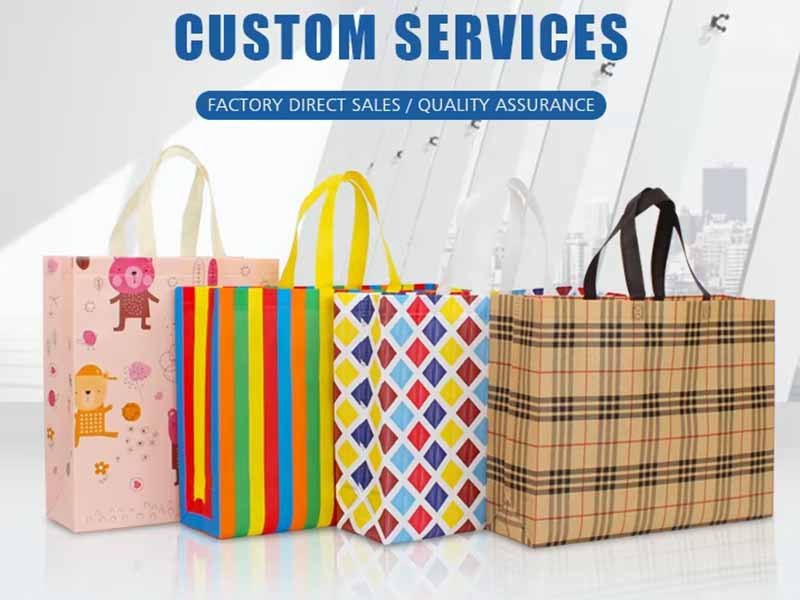
If you’ve ever attended a trade show, product launch, or retail promotion, you’ve probably walked away with a branded bag. But here’s the real question: why do some of those bags end up being used daily for years, while others get thrown away within days? The answer lies in how those bags are manufactured, designed, and aligned with the campaign goals.
Custom bag manufacturing for promotional campaigns is no longer just about printing a logo on cheap fabric. Today, brands are using data-driven design, material selection, and manufacturing strategy to turn simple bags into long-term brand exposure tools. A well-made bag can generate thousands of impressions over its lifecycle, often at a lower cost per impression than digital ads.
Custom bag manufacturing for promotional campaigns refers to the process of designing, sampling, and producing branded bags tailored to marketing goals, target audiences, and usage scenarios. It combines material selection, printing methods, and production efficiency to maximize brand visibility and ROI.
A client we worked with—an Amazon fitness brand—once shifted from basic drawstring bags to upgraded waterproof gym bags. The result? Their customer retention increased, and social media mentions doubled. That’s when they realized: the right bag isn’t a cost—it’s an asset.
What Is Custom Bag Manufacturing for Promotional Campaigns

Custom bag manufacturing for promotional campaigns is the process of turning a marketing idea into a physical product that people actually use in daily life. Instead of buying ready-made bags and simply adding a logo, brands work directly with a manufacturer to customize every key detail—material, size, structure, printing, and packaging—so the final product matches the campaign goal, target audience, and budget.
At a practical level, this process is less about “making bags” and more about solving marketing problems. For example:
- A retail brand may need a reusable tote that customers will carry to supermarkets every week
- A fitness brand may want a waterproof gym bag that appears in social media posts
- A food company may need insulated cooler bags to support outdoor promotions
Each of these scenarios requires different materials, structures, and production decisions. That’s why custom manufacturing is used instead of standard wholesale products.
Custom bag manufacturing for promotional campaigns is a structured process that includes design, material selection, sampling, production, and quality control to create branded bags that maximize usage frequency and long-term brand exposure.
What most buyers care about is not the technical definition—but the outcome:
- Will customers actually use the bag?
- How long will it last?
- How much exposure will the brand get?
- Can the factory deliver on time and within budget?
From real project data, promotional bags typically generate between 500 and 3000 impressions per piece, depending on how often they are used. A well-designed tote bag used 3 times per week can stay in circulation for 6–12 months. That’s why many brands are shifting part of their marketing budget from short-term ads to longer-lasting physical products.
What are promotional custom bags
Promotional custom bags are bags specifically produced to support a marketing activity. Unlike standard retail bags, they are designed with branding, visibility, and repeated usage in mind.
In real orders, most clients choose from a few proven categories:
- Cotton tote bags for retail stores and eco campaigns
- Drawstring bags for events, sports brands, and giveaways
- Backpacks for premium promotions or employee kits
- Cooler bags for food, beverage, and outdoor campaigns
The difference is not just the logo. A promotional bag is usually designed based on:
- Where it will be used (shopping, gym, travel)
- How often it will be used (daily vs occasional)
- Who will use it (students, office workers, families)
For example: A basic 6oz cotton tote may cost less, but many clients upgrade to 10oz–12oz cotton or canvas because thinner bags wear out faster and reduce long-term usage.
Why brands use custom bag manufacturing
Brands use custom bag manufacturing because it gives them full control over product performance and brand presentation, which is not possible with off-the-shelf products.
From actual client feedback, the main reasons include:
1. Better brand exposure A bag used multiple times per week creates repeated impressions in public places such as supermarkets, offices, and public transport.
2. Lower long-term marketing cost Compared to digital ads:
- Google Ads: $0.5–$2.5 per click
- Promotional bags: often less than $0.01 per impression over time
3. Product differentiation Custom bags allow brands to stand out with:
- Unique colors and materials
- Functional upgrades (zippers, pockets, insulation)
- Custom packaging for retail or gifting
4. Flexibility for different campaigns Brands can adjust:
- MOQ (start from 50–100 pcs for testing)
- Design for seasonal promotions
- Materials for different markets (eco vs budget)
Here’s a simplified comparison:
| Option | Control | Cost Efficiency | Brand Impact |
|---|---|---|---|
| Stock bags | Low | Medium | Low |
| Custom bags | High | High (long term) | High |
For most growing brands, especially Amazon sellers and retail brands, custom manufacturing is the only way to build a recognizable and consistent product line.
Are custom bags effective for campaigns
Custom bags are effective when they are designed with real usage in mind, not just appearance.
Based on industry data and client campaigns:
- Around 70% of users keep promotional bags for more than 6 months
- About 50% use them at least once per week
- A single bag can generate hundreds to thousands of impressions
However, effectiveness depends on three key factors:
1. Usability If the bag is not practical (too small, too weak, no closure), it will not be used.
2. Durability Poor stitching or thin fabric leads to early damage, reducing exposure time.
3. Design acceptance If the design looks too promotional, users may avoid using it in daily life.
Here is a realistic comparison:
| Bag Type | Cost | Usage Duration | Estimated Impressions |
|---|---|---|---|
| Cheap thin tote | $1.00 | 1–2 months | 200–400 |
| Standard canvas tote | $2.50 | 6–9 months | 800–1500 |
| Premium functional bag | $5–$10 | 12+ months | 2000–3000+ |
This shows that spending slightly more on quality can significantly improve campaign results.
Which Bags Fit Promotional Campaigns Best in Custom Bag Manufacturing
Which Bags Fit Promotional Campaigns Best in Custom Bag Manufacturing
Choosing the right bag for a promotional campaign is not about picking the cheapest or most common option—it’s about matching the bag to how people actually live and use it. A bag that fits naturally into daily routines will be used more often, carried into more public spaces, and ultimately deliver more brand exposure.
From real production data and client feedback, the biggest difference between a “successful” promotional bag and a failed one comes down to one simple question: Will people use this bag after the event or purchase?
The best-performing promotional bags usually share three characteristics:
- Practical for daily use (shopping, commuting, gym, travel)
- Durable enough to last several months
- Designed in a way that users feel comfortable carrying in public
In most campaigns, brands that invest an extra $0.50–$1.50 per bag to improve usability often see 2–5 times higher usage frequency, which directly increases ROI.
Which bag styles are most used
Different bag styles perform differently depending on the campaign type and target audience. Based on actual order volumes and repeat client purchases, the following categories are the most widely used:
| Bag Style | Typical Users | Usage Scenario | Avg Cost | Usage Frequency |
|---|---|---|---|---|
| Tote Bag | Retail customers | Grocery, shopping | $1.5–$3.5 | High |
| Drawstring Bag | Students, event attendees | Sports, events | $1–$2 | Medium |
| Backpack | Office workers, travelers | Daily carry | $5–$15 | Very High |
| Cooler Bag | Families, outdoor users | Food, picnic | $4–$10 | Medium–High |
| Cosmetic/Accessory Bag | Female consumers | Travel, storage | $1.5–$4 | High |
From a manufacturing perspective, tote bags account for over 60% of promotional bag orders because they are:
- Easy to produce
- Cost-efficient
- Suitable for almost any campaign
However, for brands targeting higher-value customers, backpacks and structured bags often perform better because they:
- Stay in use longer (1–2 years)
- Appear in more public environments
- Create stronger brand perception
For example, one retail client switched from standard tote bags to structured zippered tote bags. The cost increased by about $1 per unit, but customer reuse increased significantly, leading to more organic exposure.
Which materials work best
Material selection directly affects how the bag feels, how long it lasts, and how customers perceive your brand. In real production, material is usually the largest cost factor, but also the most important for long-term performance.
Here is a practical comparison of commonly used materials:
| Material | Thickness Range | Features | Best Use | Price Level |
|---|---|---|---|---|
| Cotton | 6oz–10oz | Soft, eco-friendly | Budget promotions | Low |
| Canvas | 10oz–16oz | Strong, durable | Retail & premium | Medium |
| Polyester | 210D–600D | Lightweight, cheap | Events & giveaways | Low |
| Nylon | 420D–1680D | Strong, water-resistant | Sports/outdoor | Medium–High |
| RPET | 600D–900D | Recycled, eco-friendly | Sustainable branding | Medium |
From real buyer decisions:
- 6oz cotton bags are cheaper but often too thin for long-term use
- 12oz canvas is the most balanced option for durability and cost
- 16oz canvas is used for premium retail bags
For example: A 6oz cotton bag may last 1–2 months, while a 12oz canvas bag can last 6–12 months, generating significantly more impressions.
Brands targeting US and EU markets are increasingly choosing RPET materials, not just for sustainability, but because it improves:
- Brand image
- Retail acceptance
- Consumer trust
Are eco bags better for campaigns
Eco bags have become a major trend, but they are not always the best choice for every campaign. The key is whether sustainability aligns with your brand and audience.
From market data:
- Around 60–70% of consumers prefer eco-friendly products
- Retailers are more willing to stock sustainable items
- Online listings with eco-related keywords often perform better
However, eco materials usually come with:
- Slightly higher cost (+10%–20%)
- Moderate durability depending on material
Here’s a realistic comparison:
| Factor | Eco Bags (Cotton/RPET) | Standard Bags (Polyester) |
|---|---|---|
| Cost | Medium | Low |
| Brand perception | High | Medium |
| Durability | Medium–High | Medium |
| Market appeal | Strong (US/EU) | General |
Eco bags work best when:
- Your brand focuses on sustainability
- Your customers value environmental responsibility
- You want to position your product as premium or responsible
For low-cost mass giveaways (e.g., exhibitions), polyester bags may still be more practical. But for retail and long-term branding, eco bags often deliver better results.
Which bag size and features matter most
Size and functionality are often overlooked, but they have a direct impact on whether a bag gets used regularly.
From real customer feedback, the most commonly preferred sizes are:
| Bag Type | Recommended Size |
|---|---|
| Tote Bag | 35–40cm width × 35–40cm height |
| Drawstring Bag | 34–38cm × 42–45cm |
| Backpack | 25–30L capacity |
| Cooler Bag | 10–20L capacity |
A bag that is too small becomes impractical. A bag that is too large becomes inconvenient. The goal is to match daily usage habits.
Features also play a major role in usage frequency:
| Feature | Added Cost | Impact on Usage |
|---|---|---|
| Zipper closure | +$0.30–$0.80 | High |
| Inner pocket | +$0.20–$0.50 | Medium |
| Reinforced handles | +$0.10–$0.30 | High |
| Waterproof lining | +$0.50–$1.20 | High |
For example: A standard open tote bag may be used occasionally, but adding a zipper increases security, making it more suitable for commuting or travel—this can increase usage frequency by 30–50%.
What combination works best in real campaigns
From actual production experience, the most effective promotional bag setups are usually not the cheapest—they are the most balanced.
Here are three proven configurations:
1. Budget Campaign (Events & Giveaways)
- Material: Polyester or 6–8oz cotton
- Style: Drawstring or basic tote
- Cost: $1–$2
- Focus: Quantity and reach
2. Mid-Level Campaign (Retail & Branding)
- Material: 10–12oz canvas or RPET
- Style: Tote with reinforced handles
- Features: Inner pocket or zipper
- Cost: $2–$4
- Focus: Daily usage and visibility
3. Premium Campaign (Brand Building)
- Material: Thick canvas or nylon
- Style: Backpack or structured bag
- Features: Multiple compartments, branding details
- Cost: $5–$15
- Focus: Long-term exposure and brand value
Most growing brands choose the mid-level option because it offers the best balance between cost and performance.
How Custom Bag Manufacturing for Promotional Campaigns Works

Custom bag manufacturing for promotional campaigns follows a clear, step-by-step process. For most buyers, the goal is simple: turn an idea into a finished product that arrives on time, matches expectations, and performs well in the market. But in reality, each step—design, sampling, material sourcing, production, and quality control—affects cost, speed, and final quality.
A typical project timeline looks like this:
| Stage | Time Required | What Happens |
|---|---|---|
| Design confirmation | 1–3 days | Final specs, materials, logo |
| Sampling | 5–7 days | First physical sample made |
| Sample revision (if needed) | 3–5 days | Adjustments based on feedback |
| Mass production | 20–30 days | Bulk manufacturing |
| Quality inspection & packing | 2–3 days | Final checks before shipment |
For urgent campaigns, some factories can shorten timelines, but rushing without proper checks often leads to defects. That’s why experienced buyers focus on balancing speed with control.
How design and sampling work
The process usually starts with a basic idea. Most clients don’t come with full technical drawings—they provide:
- A reference image
- A similar product link
- A rough size or usage description
From there, the manufacturer helps turn that idea into a production-ready design.
Key elements defined during this stage:
- Bag dimensions (width, height, depth)
- Material type and thickness (e.g., 10oz cotton, 600D polyester)
- Logo placement and printing method
- Structure details (handles, pockets, zippers)
Many factories, including Lovrix, offer free design support to adjust proportions and suggest materials based on budget.
Once the design is confirmed, sampling begins. A sample is not just for visual confirmation—it is used to test:
- Fabric feel and thickness
- Stitching strength (handle load test)
- Printing clarity and color accuracy
- Overall usability
Sampling typically takes:
- 5–7 days for standard bags
- 7–15 days for complex structures
Skipping sampling is one of the most common mistakes. In real cases, clients who skip samples often face issues like:
- Incorrect size
- Logo misalignment
- Weak handles
Fixing these problems after mass production is much more expensive than adjusting during sampling.
How materials and accessories are prepared
Once the sample is approved, the factory begins sourcing materials and preparing accessories. This step is critical because it directly affects both production speed and consistency.
Main components include:
- Fabric rolls (cotton, canvas, polyester, RPET, etc.)
- Webbing or handles
- Zippers, buckles, or buttons
- Printing inks or embroidery threads
Factories with their own fabric and webbing production (like Lovrix) can reduce delays because they don’t rely heavily on external suppliers.
Here’s a practical comparison:
| Supply Chain Type | Lead Time Stability | Cost Control |
|---|---|---|
| Outsourced materials | Medium | Medium |
| Integrated factory | High | High |
Material preparation usually takes 2–5 days, depending on availability. Delays often happen when:
- Special colors need dyeing
- Custom accessories need to be produced
- Eco materials (like RPET) require certification
Experienced buyers confirm material availability early to avoid production delays.
How mass production is carried out
Mass production is where the actual bag manufacturing happens. This stage involves multiple steps:
- Fabric cutting
- Large fabric sheets are cut into panels based on patterns
- Precision is important to ensure size consistency
- Printing or embroidery
- Logos are applied before assembly
- This ensures cleaner and more accurate results
- Sewing and assembly
- Panels are stitched together
- Handles, zippers, and pockets are added
- Reinforcement
- Stress points (handles, corners) are reinforced
- This step determines durability
Production capacity depends on factory size, but a typical line can produce:
- 1,000–3,000 simple bags per day
- 300–800 complex bags per day
Here is a rough production timeline:
| Order Quantity | Production Time |
|---|---|
| 100–300 pcs | 15–20 days |
| 500–1000 pcs | 20–25 days |
| 1000–5000 pcs | 25–35 days |
Factories with multiple production lines can handle larger orders faster, but consistency must be carefully managed.
How quality is controlled during production
Quality control is not just a final step—it happens throughout the process.
Key checkpoints include:
1. Incoming material inspection
- Check fabric thickness and color consistency
- Verify accessories match specifications
2. In-line production checks
- Monitor stitching quality
- Check logo placement and printing accuracy
3. Final inspection
- Ensure size consistency
- Test handle strength (load testing)
- Check for defects (loose threads, stains, misprints)
Professional factories aim for 100% inspection before shipment.
Here’s what buyers usually look for:
| Quality Issue | Cause | Prevention |
|---|---|---|
| Broken handles | Weak stitching | Reinforcement |
| Faded print | Poor ink quality | Correct printing method |
| Size inconsistency | Cutting errors | Pattern control |
| Color variation | Fabric batch differences | Batch matching |
Without proper QC, even a small defect rate can lead to large problems in bulk orders.
How packaging and shipping are handled
After production and inspection, bags are packed and prepared for shipment.
Common packaging methods:
- Individual poly bags
- Bulk packing in cartons
- Custom retail packaging (boxes, labels, inserts)
Shipping options depend on urgency and budget:
| Shipping Method | Time | Cost |
|---|---|---|
| Air freight | 5–10 days | High |
| Sea freight | 20–35 days | Low |
| Express (DHL/UPS) | 3–7 days | Very high |
For promotional campaigns with fixed launch dates, timing is critical. Delays in shipping can make even a well-produced product useless for its intended campaign.
That’s why experienced buyers usually:
- Add 5–7 days buffer time
- Confirm shipping method early
- Track production progress closely
How to Design Better Promotional Bags in Custom Bag Manufacturing
How to Design Better Promotional Bags in Custom Bag Manufacturing

Designing a promotional bag is not about making something that looks attractive in a mockup—it’s about creating a product that people choose to use repeatedly in real life. The difference between a bag that gets used for months and one that ends up in a drawer usually comes down to a few practical decisions made during the design stage.
From real campaign feedback, brands that focus on usability + durability + subtle branding often see significantly better results. In many cases, spending an extra $0.50–$1.20 per bag on better design details can increase usage frequency by 30%–100%, which directly improves marketing performance.
A well-designed promotional bag should meet three basic conditions:
- It fits naturally into daily routines
- It feels reliable and comfortable to use
- It represents the brand without feeling overly promotional
How to design for real daily use
The first step in designing a better promotional bag is to think about how and where it will be used, not just how it looks.
Most high-performing bags are designed around specific daily scenarios:
- Grocery shopping
- Commuting to work or school
- Gym or outdoor activities
- Short trips or errands
If the design doesn’t match a real-life use case, the bag will rarely be used.
Here are some practical design guidelines based on real usage:
| Usage Scenario | Recommended Design |
|---|---|
| Grocery shopping | Wide opening, strong handles, 35–40cm width |
| Commuting | Zipper closure, inner pocket for valuables |
| Gym | Lightweight, water-resistant material |
| Travel | Foldable design or multi-compartment |
One common mistake is designing bags that are too small or too thin. For example:
- A tote that cannot carry groceries comfortably will not be reused
- Thin handles can cause discomfort when carrying heavy items
Experienced buyers often request:
- Handle length of 25–30cm drop for shoulder carrying
- Bottom gusset (5–10cm) to increase capacity
These small details make a big difference in actual usage.
How to make your logo more effective
Logo design on promotional bags is not just about visibility—it’s about acceptability. If the branding is too aggressive, users may avoid using the bag in public.
From real customer behavior:
- Minimal branding increases usage frequency
- Clean and simple designs are more likely to be reused
Here’s a practical comparison:
| Logo Approach | Visibility | User Willingness to Use |
|---|---|---|
| Large bold logo | High | Medium |
| Small centered logo | Medium | High |
| Pattern + subtle logo | Medium | Very High |
Instead of placing a large logo in the center, many brands now prefer:
- Small logos in the corner
- Tone-on-tone printing
- Repeating patterns with brand elements
This approach makes the bag feel more like a retail product rather than a giveaway.
From a technical perspective:
- Screen printing works well for bold logos
- Heat transfer allows more color detail
- Embroidery creates a premium feel but increases cost
The goal is not just to be seen—it’s to be used often enough to be seen repeatedly.
Which features actually improve usage
Features are one of the most underestimated factors in promotional bag design. Adding the right features can significantly increase how often a bag is used.
Based on production data and customer feedback, the following features have the highest impact:
| Feature | Added Cost | Practical Benefit |
|---|---|---|
| Zipper closure | +$0.30–$0.80 | Security, suitable for commuting |
| Inner pocket | +$0.20–$0.50 | Organization for small items |
| Reinforced handles | +$0.10–$0.30 | Prevents tearing under load |
| Bottom gusset | +$0.20–$0.60 | Increases capacity |
| Waterproof lining | +$0.50–$1.20 | Suitable for outdoor use |
For example: A basic open tote bag may be used occasionally, but adding a zipper makes it suitable for carrying laptops, documents, or personal items. This can increase usage frequency by 30%–50%.
Many experienced buyers prioritize:
- Reinforced stitching at stress points
- Slightly thicker material for durability
- Functional upgrades that match the target user
The key is to avoid adding unnecessary features that increase cost without improving usability.
How to balance cost and design
One of the most common challenges is balancing cost with performance. Many buyers start with a target price, but the better approach is to define target usage and then optimize cost.
Here’s a practical example:
| Design Level | Cost | Expected Usage | ROI |
|---|---|---|---|
| Basic bag | $1.20 | Low | Low |
| Optimized bag | $2.50 | Medium–High | High |
| Premium bag | $6.00 | Very High | Very High |
Instead of cutting costs across all aspects, experienced buyers optimize selectively:
- Reduce print colors (save cost without affecting usability)
- Choose medium-weight fabric instead of the thickest option
- Focus budget on high-impact features
For example: Reducing from 4-color printing to 2-color printing can save 10%–20%, while adding a zipper increases usability significantly.
The goal is to create a bag that feels valuable without being expensive.
How to design for different campaign goals
Different campaigns require different design strategies. A bag designed for a trade show will not perform the same as one designed for retail customers.
Here are three common scenarios:
1. Event Giveaway Bags
- Focus: Low cost and large quantity
- Design: Simple, lightweight
- Material: Polyester or thin cotton
- Goal: Maximum reach
2. Retail or Brand Promotion Bags
- Focus: Daily usability
- Design: Clean, minimal branding
- Material: Canvas or RPET
- Goal: Long-term exposure
3. Premium Campaign Bags
- Focus: Brand image and quality
- Design: Structured, multi-functional
- Material: Thick canvas or nylon
- Goal: High perceived value
Matching the design to the campaign goal is critical. A mismatch can lead to low usage even if the bag is well-made.
What mistakes to avoid in design
From real manufacturing projects, the most common design mistakes include:
1. Over-branding Large logos reduce willingness to use the bag
2. Ignoring durability Thin materials and weak stitching lead to short lifespan
3. Poor size selection Bags that are too small or too large are inconvenient
4. No functional features Lack of zippers or pockets reduces practicality
5. Designing only for appearance Ignoring real-life usage scenarios
Avoiding these mistakes can significantly improve campaign results without increasing cost too much.
How to Choose Custom Bag Manufacturing for Promotional Campaigns

Choosing the right manufacturer is one of the most important decisions in any promotional campaign. A good supplier helps you control cost, hit your timeline, and deliver consistent quality. A poor one can lead to delays, defects, and wasted marketing budget.
In real projects, most issues don’t come from the bag design itself—they come from supplier selection mistakes, such as unclear communication, unstable quality, or missed deadlines. That’s why experienced buyers don’t just compare prices. They evaluate capability, reliability, and long-term cooperation potential.
From actual sourcing data, buyers who work with stable, experienced manufacturers reduce production issues by 30%–50% compared to switching suppliers frequently.
What to check in a factory
Before placing an order, buyers should verify whether the supplier is a real manufacturer or just a trading company. This affects pricing, communication speed, and production control.
Key factors to check:
| Criteria | What to Look For | Why It Matters |
|---|---|---|
| Factory ownership | Own production lines | Better quality control |
| Product range | Fabric + webbing + bags | Faster coordination |
| Experience | 10+ years | Fewer production errors |
| Sampling ability | In-house sample room | Faster revisions |
| QC system | Clear inspection process | Consistent output |
Factories like Lovrix operate integrated production (fabric + webbing + bag manufacturing), which reduces:
- Material delays
- Cost fluctuations
- Quality inconsistency
In real sourcing, buyers often request:
- Factory photos or videos
- Production process explanation
- Sample references from past projects
If a supplier cannot clearly explain their production process, it’s usually a warning sign.
How MOQ and lead time affect your campaign
MOQ and lead time directly impact how flexible your campaign can be.
Typical market conditions:
| Factor | Standard Market | Flexible Manufacturer |
|---|---|---|
| MOQ | 300–1000 pcs | 50–100 pcs |
| Sampling time | 10–15 days | 5–7 days |
| Production time | 30–45 days | 25–30 days |
Low MOQ is especially useful for:
- Testing new designs
- Launching new products
- Seasonal or short-term campaigns
For example: A brand testing 3 designs with 100 pcs each can quickly identify which one performs best before scaling to 1000+ pcs.
Lead time is equally important. Missing a campaign window (holiday, event, product launch) can make the entire order useless.
Experienced buyers usually:
- Confirm timelines in advance
- Add 5–7 days buffer
- Choose suppliers with stable delivery records
How to evaluate quality consistency
Quality is not just about one good sample—it’s about whether the factory can repeat that quality in bulk production.
Here are the most common quality issues in bag manufacturing:
- Weak stitching causing handle breakage
- Misaligned or faded printing
- Size inconsistencies across batches
- Color differences between fabric lots
To avoid these problems, buyers should check:
| Quality Check | What It Means |
|---|---|
| Sample vs bulk consistency | Same materials and workmanship |
| Stitching strength | Reinforced stress points |
| Print durability | Resistant to rubbing and washing |
| Inspection process | 100% or AQL inspection |
Professional manufacturers usually provide:
- Pre-production samples
- In-line production checks
- Final inspection reports
From real cases: A small stitching issue affecting 5% of bags in a 2000 pcs order means 100 defective units, which can impact brand reputation.
Why communication matters more than price
One of the biggest differences between suppliers is communication. Even a technically capable factory can cause problems if communication is slow or unclear.
Key communication indicators:
| Indicator | Good Supplier | Risky Supplier |
|---|---|---|
| Response time | Within 12–24 hours | 2–3 days or more |
| Clarity | Clear answers, detailed | Vague responses |
| Problem-solving | Proactive suggestions | Reactive only |
| Updates | Regular production updates | No visibility |
In real cooperation, fast communication helps:
- Fix design issues quickly
- Avoid misunderstandings
- Keep production on schedule
Many experienced buyers prefer working with suppliers who:
- Ask questions about usage and requirements
- Provide suggestions based on experience
- Share progress during production
This kind of collaboration reduces risk significantly.
Why OEM and private label capability matter
For brands that want to grow, OEM (Original Equipment Manufacturing) and private label services are essential.
These services allow you to:
- Add custom logos and branding
- Create unique product designs
- Customize packaging (labels, inserts, boxes)
Without OEM capability, you are limited to generic products, which leads to:
- Price competition
- Low brand differentiation
- Limited scalability
With OEM manufacturing, brands can build:
- Recognizable product lines
- Higher perceived value
- Better margins
Example:
| Product Type | Selling Price | Brand Value |
|---|---|---|
| Generic bag | $5–$8 | Low |
| Custom branded bag | $12–$25 | High |
The difference is not just the product—it’s the branding and customization behind it.
How to reduce risk when choosing a supplier
From real sourcing experience, the safest approach is to start small and verify step by step.
Recommended process:
- Request a sample
- Check quality and communication
- Place a small trial order (50–200 pcs)
- Evaluate consistency
- Scale up production
Additional tips:
- Avoid choosing suppliers only based on the lowest price
- Confirm all specifications in writing (material, size, printing)
- Ask for production timeline breakdown
- Use third-party inspection if needed
Here’s a simple risk comparison:
| Strategy | Risk Level |
|---|---|
| Lowest price selection | High |
| Sample + small order test | Low |
| Long-term supplier cooperation | Very Low |
What makes a reliable long-term partner
In long-term cooperation, the best manufacturers are not just suppliers—they act as partners who help improve your product and reduce operational stress.
Reliable partners typically offer:
- Stable quality across orders
- Consistent lead times
- Flexible MOQ for testing
- Suggestions for cost and design optimization
Manufacturers like Lovrix support clients by:
- Providing free design adjustments
- Offering fast sampling (5–7 days)
- Maintaining low MOQ (50 pcs)
- Ensuring consistent quality through integrated production
For growing brands, this kind of partnership is critical. It allows you to:
- Launch products faster
- Reduce trial-and-error costs
- Build a stable supply chain
How Much Does Custom Bag Manufacturing for Promotional Campaigns Cost
When buyers ask about cost, the most honest answer is: it depends on how you want the bag to perform, not just how it looks. Two bags that appear similar in photos can have very different costs based on material, structure, and production details.
From real orders, most promotional bags fall into a price range between $0.80 and $8.00 per unit, with premium designs going higher. But what matters more than the unit price is how that cost translates into usage, durability, and brand exposure.
A better way to think about cost is:
- How long will the bag be used?
- How many people will see it?
- Does the quality match your brand positioning?
Many experienced buyers are willing to spend 20%–40% more upfront if it leads to 2–3 times more usage, because the overall return is higher.
What factors affect bag cost
The final cost of a custom bag is built from several components. Understanding these helps buyers control their budget more effectively.
| Cost Factor | Impact Level | Practical Explanation |
|---|---|---|
| Material | Very High | Fabric type and thickness determine base cost |
| Size | Medium | Larger bags require more fabric |
| Printing | High | More colors = higher cost |
| Features | Medium | Zippers, pockets, lining add cost |
| Quantity | Very High | Larger orders reduce unit price |
For example:
- 6oz cotton tote → lower cost, shorter lifespan
- 12oz canvas tote → higher cost, longer lifespan
- 600D polyester bag → low cost, suitable for giveaways
Real pricing examples:
| Bag Type | Specification | Price Range |
|---|---|---|
| Drawstring bag | 210D polyester, 1-color print | $0.80–$1.50 |
| Basic tote | 8oz cotton, 1-color print | $1.20–$2.00 |
| Mid-level tote | 12oz canvas, zipper | $2.50–$4.00 |
| Premium backpack | 600D/1680D polyester, multi-pocket | $6–$15 |
How material choice changes pricing
Material is usually the largest cost component, often accounting for 40%–60% of the total price.
Here’s a realistic comparison:
| Material | Cost Level | Durability | Typical Use |
|---|---|---|---|
| 6oz cotton | Low | Low–Medium | Budget promotions |
| 10–12oz canvas | Medium | High | Retail bags |
| Polyester (210D–600D) | Low | Medium | Events |
| Nylon (420D–1680D) | Medium–High | High | Outdoor/sports |
| RPET | Medium | Medium–High | Eco campaigns |
Example:
- Upgrading from 8oz cotton to 12oz canvas may increase cost by $0.50–$1.00, but can double the lifespan.
This is why many brands choose mid-weight materials instead of the cheapest option—they deliver better long-term value.
How printing and branding affect cost
Printing is another major cost driver, especially when designs become more complex.
| Printing Type | Cost Impact | Best For |
|---|---|---|
| 1-color screen print | Low | Simple logos |
| Multi-color print | Medium | Brand graphics |
| Heat transfer | Medium | Detailed designs |
| Sublimation | Medium | Polyester full print |
| Embroidery | High | Premium branding |
Cost example:
| Design Option | Unit Cost Increase |
|---|---|
| 1-color → 2-color print | +$0.20–$0.50 |
| 2-color → 4-color print | +$0.30–$0.80 |
| Add embroidery logo | +$0.80–$2.00 |
For many campaigns, reducing color count is one of the easiest ways to save money without affecting usability.
How features and structure add cost
Functional upgrades improve usability but also increase cost. The key is to invest only in features that actually matter.
| Feature | Added Cost | When It’s Worth It |
|---|---|---|
| Zipper closure | +$0.30–$0.80 | Daily commuting use |
| Inner pocket | +$0.20–$0.50 | Organization needed |
| Bottom gusset | +$0.20–$0.60 | Larger capacity |
| Waterproof lining | +$0.50–$1.20 | Outdoor/food use |
| Reinforced handles | +$0.10–$0.30 | Heavy load |
Example: A tote bag with zipper and reinforced handles may cost $1 more, but can increase usage frequency significantly.
In real campaigns, adding 1–2 practical features usually gives the best return.
How order quantity affects price
Quantity has one of the biggest impacts on unit cost because fixed costs (setup, printing plates, labor) are spread over more units.
Typical pricing trend:
| Quantity | Unit Price Reduction |
|---|---|
| 100 pcs | Baseline price |
| 300 pcs | -10% to -15% |
| 500 pcs | -15% to -20% |
| 1000+ pcs | -20% to -30% |
Example:
- 100 pcs tote bag → $2.80/unit
- 1000 pcs → $2.10/unit
For this reason, many buyers:
- Start with small orders for testing
- Scale up once the design is confirmed
Factories like Lovrix support low MOQ (50 pcs), which allows brands to reduce risk in the early stage.
How to calculate total landed cost
Many buyers only look at unit price, but the real cost includes shipping and additional expenses.
Total landed cost includes:
- Product cost
- Shipping (air or sea)
- Import duties (if applicable)
- Packaging upgrades
Example:
| Cost Component | Example (1000 pcs tote) |
|---|---|
| Unit cost | $2.20 × 1000 = $2200 |
| Sea shipping | $300–$600 |
| Air shipping | $800–$1500 |
| Packaging upgrade | $200–$400 |
Final landed cost per bag:
- Sea shipping → ~$2.50–$2.80
- Air shipping → ~$3.00–$3.70
For promotional campaigns with tight timelines, air shipping may be necessary, but it increases cost significantly.
How to optimize cost without sacrificing performance
The goal is not to make the cheapest bag, but to make the most cost-effective bag for your campaign.
Here are practical ways buyers reduce cost:
1. Adjust material weight
- Use 10oz canvas instead of 16oz if heavy-duty use is not required
2. Simplify printing
- Reduce colors or avoid full-panel prints
3. Focus on key features only
- Add zipper or reinforcement, skip unnecessary extras
4. Plan quantities wisely
- Combine orders to reach better pricing
Here’s a comparison:
| Strategy | Cost Saving | Impact on Quality |
|---|---|---|
| Reduce fabric weight slightly | Medium | Low |
| Reduce print colors | Medium | Low |
| Remove key features | High | High (negative) |
| Increase order quantity | High | Positive |
The best strategy is to optimize, not downgrade.
What budget range works for different campaigns
From real client projects, most campaigns fall into three budget levels:
1. Low Budget Campaign
- Cost: $1–$2 per bag
- Use: Events, exhibitions
- Focus: Quantity
2. Mid-Level Campaign (Most Common)
- Cost: $2–$4 per bag
- Use: Retail, brand promotion
- Focus: Daily usage and exposure
3. Premium Campaign
- Cost: $5–$10+ per bag
- Use: High-end branding, gifting
- Focus: Long-term value
Most brands choose the mid-level range because it balances cost and performance.
How to Measure ROI in Custom Bag Manufacturing for Promotional Campaigns
Most buyers don’t struggle with ordering bags—they struggle with answering one real question afterward: Did these bags actually bring value to the business?
Unlike digital ads, where you can see clicks and conversions immediately, promotional bags work in a slower but often more durable way. They generate exposure over time through repeated use. Because of this, measuring ROI requires a slightly different approach.
In practical terms, ROI for promotional bags is based on three things:
- How often the bag is used
- How many people see it
- Whether it leads to brand recall or sales
From real campaign data, well-designed promotional bags can deliver hundreds to thousands of impressions per unit, often at a much lower cost than paid advertising.
How many impressions can a bag generate
Impressions are the foundation of ROI. Every time someone carries a bag in public, it creates opportunities for others to see the brand.
Based on industry averages and client feedback:
| Metric | Typical Range |
|---|---|
| Usage duration | 3–12 months |
| Weekly usage | 2–5 times |
| People reached per use | 5–20 |
| Total impressions per bag | 500–3000+ |
Let’s break it down with a simple example:
- A tote bag used 3 times per week
- Each time seen by 10 people
- Used for 6 months
Total impressions: 3 × 10 × 24 weeks = 720 impressions
In reality, many bags exceed this because they are used in:
- Supermarkets
- Offices
- Public transport
- Outdoor activities
This is why practical, durable bags consistently outperform cheap ones—they stay in circulation longer.
How to calculate cost per impression
Cost per impression (CPI) is one of the most useful ways to evaluate promotional bag ROI.
Basic formula:
Cost per impression = Total cost ÷ Total impressions
Example:
| Item | Value |
|---|---|
| Cost per bag | $2.50 |
| Impressions per bag | 1500 |
| Cost per impression | $0.0017 |
Now compare this with other channels:
| Channel | Cost |
|---|---|
| Google Ads CPC | $0.5–$2.5 per click |
| Facebook Ads CPM | $5–$15 per 1000 impressions |
| Promotional bag CPI | ~$0.001–$0.005 |
This shows that promotional bags can be significantly more cost-efficient over time, especially for brand awareness campaigns.
How quality affects ROI
Not all bags deliver the same return. The biggest difference comes from quality and usability.
Here’s a real comparison:
| Bag Type | Cost | Lifespan | Impressions | ROI |
|---|---|---|---|---|
| Cheap thin bag | $1.00 | 1–2 months | 200–400 | Low |
| Standard canvas bag | $2.50 | 6–9 months | 800–1500 | High |
| Premium bag | $6.00 | 12+ months | 2000–3000+ | Very High |
A cheaper bag may seem attractive at first, but if it breaks or is rarely used, the actual return is lower.
From real projects, upgrading material or adding simple features (like reinforced handles or zippers) often increases usage significantly.
How to track real campaign performance
Unlike digital ads, promotional products don’t have built-in tracking. However, there are practical ways to measure performance:
1. Coupon or QR codes
- Print a QR code or discount code on the bag
- Track how many users scan or redeem
2. Social media mentions
- Monitor posts where customers use the bag
- Especially effective for lifestyle brands
3. Repeat customer behavior
- Check if customers who received bags return to buy again
4. Event feedback
- Ask participants if they continue using the bag after the event
Example:
| Tracking Method | What It Shows |
|---|---|
| QR code scans | Direct engagement |
| Discount usage | Conversion impact |
| Social posts | Brand visibility |
| Customer feedback | Product acceptance |
These methods don’t give perfect data, but they provide a clear picture of whether the campaign is working.
How promotional bags compare to other marketing tools
When comparing ROI, promotional bags perform differently from digital ads.
| Factor | Promotional Bags | Digital Ads |
|---|---|---|
| Cost structure | One-time cost | Ongoing cost |
| Lifespan | Months to years | Ends when budget stops |
| Engagement | Passive, repeated | Active, short-term |
| Tracking | Indirect | Direct |
Digital ads are better for:
- Immediate traffic
- Short-term campaigns
Promotional bags are better for:
- Long-term brand exposure
- Offline visibility
- Customer retention
Many brands combine both:
- Ads to drive initial traffic
- Bags to maintain long-term exposure
How to improve ROI in future orders
ROI is not fixed—it improves with each iteration if you adjust based on results.
Here are practical ways brands improve performance:
1. Upgrade materials slightly
- Increase durability without large cost increase
2. Improve design usability
- Add features that encourage daily use
3. Refine target audience
- Match bag type to user behavior
4. Test multiple designs
- Start with small MOQ, then scale the best performer
Example approach:
| Step | Action |
|---|---|
| Test phase | 100 pcs × 3 designs |
| Evaluation | Monitor usage and feedback |
| Scale phase | Produce 1000+ pcs of best design |
Factories like Lovrix support this process with:
- Low MOQ (50 pcs) for testing
- Fast sampling (5–7 days)
- Flexible production scaling
This allows brands to improve ROI over time instead of relying on one-time decisions.
Work With Lovrix for Custom Bag Manufacturing
If you’re planning a promotional campaign, the difference between a forgettable giveaway and a high-performing marketing asset comes down to how your bags are designed and manufactured.
Lovrix brings over 18 years of experience in fabric, webbing, and bag manufacturing, offering a fully integrated production system that ensures:
- 100% quality control across all stages
- Low MOQ starting from 50 units
- Fast sampling within 5–7 days
- Free design support and product development
- Short lead times for bulk production
Whether you are:
- Launching a new brand
- Running a seasonal campaign
- Scaling an Amazon product line
Lovrix helps you turn ideas into high-impact custom bags that people actually use.
Instead of treating promotional bags as a cost, treat them as a long-term brand investment—one that keeps working long after your campaign ends.
Send your design or idea today and get a fast quotation + free sample support from Lovrix.


