Skip to content
 At Lovrix, we manufacture certified fall protection harnesses designed for industrial, construction, and rescue applications. Each harness combines ergonomic comfort, maximum tensile integrity, and international compliance (EN 361, EN 358, ANSI Z359) to ensure total safety when working at height.
Build safety and brand confidence with fully customizable harness systems engineered to protect workers across construction, industrial, and rescue environments.
At Lovrix, we combine advanced materials, precision stitching, and certified hardware to deliver OEM harness solutions that balance comfort, compliance, and customization. Whether you need heavy-duty construction gear or lightweight rescue designs, every harness can be tailored to your specific brand and safety requirements.
Lovrix harnesses are precision-built for total safety, ergonomic comfort, and long-term reliability—designed to protect workers in construction, industrial, and rescue environments.
Each harness evenly disperses impact forces across the shoulders, chest, waist, and thighs, minimizing pressure points during a fall. The result is enhanced comfort, stability, and reduced injury risk in critical moments.
Built-in energy-absorbing webbing or shock packs reduce arresting forces transmitted to the body, ensuring compliance with EN 355 and ANSI Z359.13 standards. This feature is essential for high-altitude or tower-climbing work.
Equipped with dorsal, sternal, side, and ventral D-rings, each harness supports multiple functions—from fall arrest and work positioning to suspension and rescue. Hardware is forged steel or anodized aluminum for lasting strength.
Constructed from high-tenacity polyester or aramid (Kevlar®/Nomex®) fibers, our harness webbing delivers excellent tensile performance, abrasion resistance, and UV protection—maintaining structural integrity even in extreme conditions.
Fast-acting automatic or dual-action quick-release buckles enable efficient donning and removal while maintaining secure closure. Corrosion-resistant finishes ensure smooth operation in humid, dusty, or marine environments.
Padded waist, shoulder, and leg supports enhance wearer comfort during long shifts. Contrast stitching, ID labels, and inspection loops simplify pre-use safety checks and compliance recordkeeping.
Lovrix designs and manufactures a full range of certified safety harnesses engineered to meet the diverse demands of construction, maintenance, and rescue operations. Each type can be fully customized for fit, function, and branding.

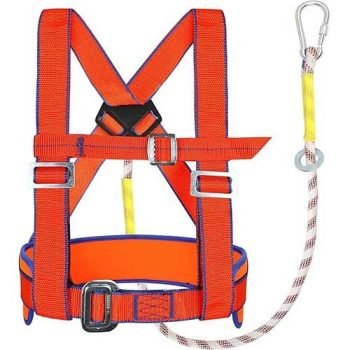
The most common and versatile option, featuring dorsal, sternal, and side D-rings for total fall arrest protection. Designed to evenly distribute body weight and arrest forces, it’s ideal for general construction, industrial maintenance, and tower climbing.

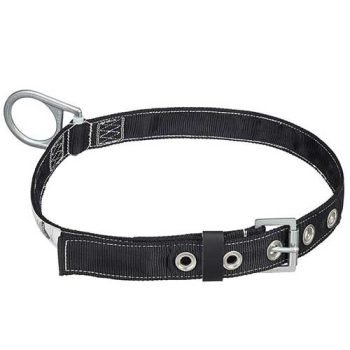
Equipped with waist and side D-rings, this harness allows workers to secure themselves hands-free while working on poles, towers, or elevated structures. Enhanced lumbar support and adjustable straps improve balance and endurance.

Lightweight and easy to don, the chest-style harness provides upper-body restraint for confined-space entry and vertical ladder work. Often used in combination with a sit or waist belt to complete a full fall-arrest system.

Designed for rope access technicians and window-cleaning or inspection work, this harness includes ventral and side attachment points for controlled suspension. Ergonomic padding and reinforced seat panels ensure comfort during prolonged hanging.

Built for emergency operations, this harness integrates multiple attachment loops, extended dorsal rings, and front rescue connection points. Compatible with descent devices, it ensures safe lowering and retrieval in confined-space or fire-rescue scenarios.

Configured with front sternal and guided rail connectors, it supports continuous fall protection on vertical lifeline systems. Lightweight yet durable, it’s widely used in telecommunications, wind turbine, and high-rise maintenance work.
Every Lovrix fall protection harness is engineered to exceed global safety standards, combining precise material selection, structural integrity, and ergonomic performance.
| Webbing Width | 25 mm – 50 mm | — |
| Breaking Strength | ≥ 15 kN | EN 364 |
| Energy Absorber Rating | Up to 6 kN arrest force | EN 355 |
| D‑Ring Load Rating | ≥ 25 kN | EN 362 |
| Adjustment Range | Waist: 60–140 cm; Thighs: 45–75 cm | — |
| Padding Thickness | 10–25 mm EVA or breathable mesh | — |
| Harness Weight | 1.2 kg – 2.5 kg (dependant on options) | — |
| Stitching Thread | UV‑resistant polyester, bonded | EN ISO 13935‑2 |
| Hardware Finish | Zinc‑plated, anodized, or stainless | — |

Need wider webbing, heavier‑duty D‑rings, or unique adjustment spans? We accommodate bespoke dimensions and load capacities.
Every harness undergoes tensile, dynamic drop, and hardware fatigue tests. Batch certificates are provided for full traceability.
Free prototype harnesses ship with preliminary test data within 5 days—verify performance before bulk production.
Select from high-tenacity polyester, nylon, or aramid fibers in custom Pantone-matched colors. Combine durability, flexibility, and visual identity with anti-UV or flame-retardant coatings for enhanced performance in extreme environments.

Choose from 40 mm to 60 mm widths and variable ply thicknesses to balance comfort, weight, and tensile capacity. Heavier webbing offers maximum strength for industrial or rescue applications.

Customize dorsal, sternal, side, or ventral D-ring placements for specific safety functions—fall arrest, work positioning, or rope access—using forged steel or anodized aluminum hardware.

Integrate built-in energy absorbers or external shock-pack systems to minimize fall impact forces. Perfect for tower climbing, construction, or confined-space operations requiring enhanced energy dispersion.

Add breathable EVA foam, mesh liners, and ergonomic shoulder or waist padding. Each harness is contoured for balanced weight distribution and long-term comfort during extended wear.

Fully adjustable leg, chest, and torso straps ensure a secure, personalized fit. Options include quick-connect, pass-through, or tongue buckles for fast, intuitive donning and removal.

Enhance visibility with woven labels, reflective stitching, or laser-engraved hardware. Include serial numbers, QR codes, or OEM logos for traceability and brand differentiation.

Receive branded packaging—custom boxes, instruction manuals, or QR-labeled bags. Request free sample kits to evaluate fit, comfort, and finish before full-scale production.

Lovrix’s custom-engineered fall protection harnesses are trusted across industries where height safety, reliability, and comfort are non-negotiable. Each harness is purpose-built to meet the exact requirements of your environment and task.


Each Lovrix harness is engineered through a rigorous eight-step process—ensuring safety, strength, and compliance with the world’s toughest fall protection standards.
We begin by understanding your industry needs, safety standards, and branding preferences. Our design engineers prepare CAD drawings showing webbing layout, D-ring configuration, padding zones, and color options for your approval.
High-tenacity polyester, nylon, or aramid fibers are sourced from certified mills. Each batch undergoes tensile strength, elongation, and color consistency tests before entering production to guarantee quality and traceability.
Webbing is woven under controlled tension to achieve uniform thickness, smooth texture, and high load-bearing stability. Flame-retardant or UV-resistant coatings are applied where specified.
Automated machines cut webbing sections to precise lengths. Components such as buckles, D-rings, and energy absorbers are pre-sorted and prepared for harness assembly.
Critical load points are secured using bar-tack or box-X reinforced stitching with bonded high-tenacity thread. Each joint is calibrated for optimal strength and consistent performance under stress.
Ergonomic foam and mesh pads are attached to enhance comfort and ventilation. Reflective strips or logo patches are added according to your customization requirements.
Every harness undergoes static and dynamic load tests per EN 361, EN 358, and ANSI Z359. Certificates of compliance, batch reports, and inspection records are issued with each shipment.
Harnesses are individually packed with manuals, labels, and tracking barcodes. We manage DDP or FOB logistics, ensuring fast global delivery and continuous after-sales support.
At Lovrix, we prioritize quality at every stage of the production process to ensure our webbing meets the highest industry standards. Our commitment to excellence is backed by rigorous quality control, internationally recognized certifications, and a dedication to sustainability.


Our state-of-the-art webbing manufacturing facility ensures high-quality, fully customizable webbing solutions. With strict quality control and advanced production techniques, we meet the needs of global brands and businesses.


If you have your own tech packs, logo designs, or even just an idea, please share your project details with us, including preferred fabric, color, and customization options. We’re eager to help bring your webbing designs to life through our sample production process.
Proudly Partnered With Leading Brands Worldwide


Get quick answers to the most common questions about materials, customization options, durability, applications, and order process.
Lovrix harnesses are made from high-tenacity polyester, nylon, and aramid blends. Polyester offers low stretch and high UV resistance, nylon provides elasticity for shock absorption, and aramid (like Kevlar®) delivers flame and cut resistance. Each batch is tensile-tested and meets EN 361 and ANSI Z359 standards.
All harnesses are tested and certified according to EN 361 (Full Body Harness), EN 358 (Work Positioning Belts), and ANSI Z359 (Fall Arrest Systems). Compliance ensures your gear meets global fall-protection safety regulations across industries such as construction, telecom, and utilities.
Depending on design and webbing composition, Lovrix harnesses typically support load capacities between 100 kg and 150 kg (220 – 330 lbs). Reinforced multi-layer stitching and double D-rings enhance breaking strength beyond 15 kN in static load testing.
Lovrix produces full-body, work-positioning, chest, rope-access, descent/rescue, and ladder-climbing harnesses. Each design features specific D-ring placements, padding configurations, and hardware to suit diverse operational environments.
Yes. We offer Pantone-matched webbing colors, laser-engraved or embossed logos, and custom metal or aluminum D-rings, buckles, and clips. Reflective stitching and woven labels are also available for brand visibility and compliance tracking.
Every harness undergoes tensile, dynamic drop, abrasion, UV, and corrosion testing. Load-bearing webbing and stitching are tested to destruction under ISO 9001-certified quality control systems. Batch records and traceability labels accompany each shipment.
Sampling requires 3–5 days, while standard production takes 10–20 days, depending on order volume and customization. We maintain flexible MOQs starting from 50 pcs, ideal for OEM trials and brand launches.
Store harnesses in a cool, dry area away from sunlight and chemicals. Clean with mild detergent and inspect for frays, corrosion, or buckle damage before each use. Replace harnesses immediately after any fall or visible wear to maintain full safety performance.
Choosing the right fall protection harness is not just about compliance—it’s about matching the correct safety gear to your specific work environment, movement pattern, and comfort needs. The wrong harness can cause fatigue, restrict mobility, or even fail under extreme load. Here’s a detailed guide for industrial buyers, contractors, and OEM designers on how to select the best harness for each use case.
1. Assess the Type of Work and Fall Risk
Start by identifying whether your workers face fall arrest, work positioning, restraint, or rescue scenarios.
Fall arrest harnesses are full-body types with dorsal D-rings designed to stop a fall mid-air.
Work positioning harnesses use side D-rings for hands-free operation on towers or scaffolds.
Rescue or descent harnesses incorporate front and shoulder D-rings for vertical lift or evacuation.
Knowing your primary application ensures the harness provides the right D-ring configuration and energy-absorption capability.
2. Choose the Appropriate Webbing Material
Webbing determines comfort, longevity, and resistance to environmental factors.
Polyester: Ideal for general construction and industrial use; low stretch and high UV resistance.
Nylon: Slightly elastic, suitable for energy absorption but less UV stable—best for indoor work.
Aramid (Nomex®, Kevlar®): Inherently flame-resistant and high-temperature stable; recommended for welding, oil, and electrical environments.
Lovrix also offers blended webbing that combines tensile performance with ergonomic flexibility.
3. Evaluate Comfort and Ergonomic Design
Modern harnesses prioritize worker comfort to improve compliance. Look for:
Padded shoulder, waist, and leg straps to reduce pressure points.
Breathable mesh linings for temperature regulation.
Quick-connect or automatic buckles for fast donning and removal.
A well-fitted harness encourages consistent use and reduces long-term fatigue.
4. Verify Standards and Certification
Only select harnesses that comply with recognized global standards:
EN 361: Full-body harness for fall arrest.
EN 358: Work-positioning and restraint belts.
ANSI Z359: U.S. standard for personal fall-arrest systems.
CSA Z259: Canadian fall-protection compliance.
Lovrix harnesses are tested and certified according to EN and ANSI requirements, ensuring reliable performance in every market.
5. Consider the Work Environment
Environmental factors can degrade materials over time.
For outdoor or offshore work, choose UV- and salt-resistant polyester with anti-corrosion hardware.
For hot works, select aramid webbing with flame-retardant thread and coatings.
For cold climates, ensure flexibility retention down to −40 °C to prevent stiffness and cracking.
6. Match Hardware Configuration
D-rings, buckles, and adjusters should be corrosion-resistant and load-tested.
Lovrix offers steel, aluminum, and die-cast zinc hardware, each rated for minimum breaking strength above 22 kN. Dual-acting or quick-release designs minimize accidental disengagements.
7. Customization and Branding
Private-label harnesses can include woven logos, heat-transfer markings, or engraved hardware. Color-coded webbing simplifies size or department identification. These custom touches not only enhance safety management but also strengthen brand visibility.
8. Maintenance and Replacement
Even the best harnesses degrade. Inspect before each use for fraying, broken stitches, or deformed D-rings. Replace immediately after any fall event. Lovrix provides inspection logs and serial-number tracking for maintenance traceability.
Summary:
Choosing a fall-protection harness requires balancing regulatory compliance, environmental resistance, and user comfort. By partnering with Lovrix, buyers gain access to engineered solutions that meet exact specifications—ensuring optimal safety, long-term durability, and brand consistency across global operations.
Testing and certification are the backbone of fall-protection reliability. Every Lovrix harness undergoes a multi-phase inspection regime to ensure it meets or exceeds international standards such as EN 361, EN 358, and ANSI Z359. Below is an in-depth look at how professional testing ensures worker safety and regulatory compliance.
1. Raw-Material Verification
Before weaving begins, yarns (nylon, polyester, or aramid) are subjected to tensile-strength and elongation tests.
Tensile tests: Measure breaking strength per ISO 13934-1.
UV-resistance: Simulated exposure confirms color and strength retention.
Flame-resistance: For FR harnesses, materials are tested under ISO 6941 to verify self-extinguishing time.
2. Webbing Load & Abrasion Testing
Finished webbing samples are tested for load capacity, elongation, and abrasion endurance.
Minimum breaking strength: > 15 kN (EN standard).
Abrasion tests simulate 10,000 cycles under friction to ensure outer-fiber integrity.
Dimensional stability tests confirm no shrinkage or elongation beyond 5 %.
3. Stitch & Hardware Validation
Critical seams (box-X, bar-tack) are stress-tested using tensile rigs. Each seam must sustain a static load of 22 kN or higher without thread failure.
Hardware—including D-rings, buckles, and adjusters—is salt-spray and drop-tested to replicate real-world corrosion and impact resistance.
4. Static Load Testing
Harnesses are mounted on test mannequins and subjected to increasing static loads. The system must hold without deformation or slippage for 3 minutes under 15 kN. This verifies structural integrity before dynamic testing.
5. Dynamic Drop Testing
To simulate an actual fall, a weighted dummy (100–150 kg) is dropped from a controlled height. The harness must arrest the fall safely, limit deceleration forces to below 6 kN, and remain intact. This is the most critical performance indicator.
6. Chemical & Environmental Testing
Harness materials undergo exposure to oil, acids, and saltwater to evaluate degradation. UV chambers and climatic cycles (−40 °C to +80 °C) confirm performance across temperature extremes.
7. Certification & Traceability
Each production batch is documented with a unique serial number, batch ID, and test certificate. Reports include test data, lab conditions, and equipment calibration logs. Certificates comply with EN ISO 17025 laboratory requirements.
8. Third-Party & Field Audits
Beyond internal QC, Lovrix harnesses are periodically audited by certified third-party labs such as SGS, TÜV, and Intertek. Random samples are pulled from production lines to validate ongoing compliance.
Summary:
Comprehensive testing ensures every Lovrix fall-protection harness can withstand real-world stresses. From material inspection to dynamic drop analysis, each step reinforces user safety and regulatory adherence. For OEM buyers, this rigorous testing translates into consistent quality, reduced liability, and trustworthy performance across global markets.
Understanding the different types of fall-protection harnesses is crucial for choosing the right system for your application. Though they share structural similarities, full-body, work-positioning, and rescue harnesses are designed for distinct operational functions and safety mechanics.
1. Full-Body Harness
The full-body harness is the most widely used form of fall protection.
Purpose: Arrest a fall by distributing impact forces across the thighs, chest, shoulders, and pelvis.
Design: Features a dorsal D-ring on the back for lanyard or SRL connection, and sometimes a front D-ring for climbing systems.
Use Cases: Construction, telecom towers, oil rigs, and maintenance operations.
Advantages: Provides maximum protection for fall-arrest scenarios and evenly disperses impact energy to reduce injury risk.
2. Work-Positioning Harness
This harness allows workers to maintain hands-free stability while working at height.
Purpose: Supports workers on vertical structures like poles, towers, or scaffolds.
Design: Equipped with side D-rings for attaching positioning lanyards, plus waist padding for comfort during prolonged suspension.
Use Cases: Utilities, arborists, and tower maintenance.
Advantages: Provides freedom of movement while securing workers in a defined position, reducing fatigue and improving efficiency.
3. Rescue Harness
Rescue harnesses are designed for vertical lifting, retrieval, and confined-space rescue.
Purpose: Enable smooth and safe extraction of personnel in emergency or rescue operations.
Design: Incorporates front, shoulder, and dorsal D-rings for various lifting angles and pulley connections.
Use Cases: Emergency response, firefighting, confined-space work, and industrial rescue teams.
Advantages: Facilitates upward or downward lifting and allows integration with descent and retrieval devices.
4. Key Differences at a Glance
| Feature | Full-Body | Work-Positioning | Rescue |
|---|---|---|---|
| Primary Function | Fall arrest | Work stabilization | Lifting & extraction |
| D-Ring Placement | Dorsal / Front | Side / Dorsal | Shoulder / Front / Dorsal |
| Comfort Level | High | Very High | Moderate–High |
| Applicable Standards | EN 361 / ANSI Z359 | EN 358 | EN 1497 |
| Use Environment | Construction / General | Utilities / Telecom | Emergency / Rescue |
5. Selecting the Right Harness
For general industry, a full-body harness provides universal compliance.
For utility or tower work, a work-positioning harness increases mobility.
For confined-space or rescue tasks, a rescue harness with multiple D-rings ensures safety and versatility.
6. Customization Options
Lovrix offers private-label harnesses with Jacquard logos, reflective stitching, heat-transfer labels, and hardware coatings (zinc, chrome, or anodized aluminum). Color-coding options simplify team identification during operations.
Summary
While all harnesses aim to protect against falls, each serves a unique operational role. Understanding these distinctions helps buyers equip their workforce effectively. Partnering with Lovrix ensures you receive the correct harness type—tested, certified, and optimized for your specific safety requirements.
Send us a message if you have any questions or request a quote. We will be back to you ASAP!