Skip to content
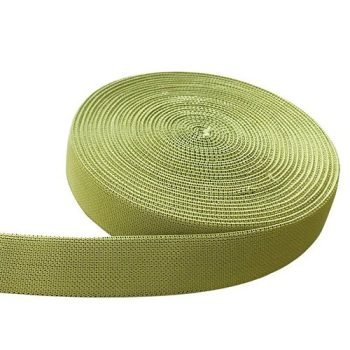
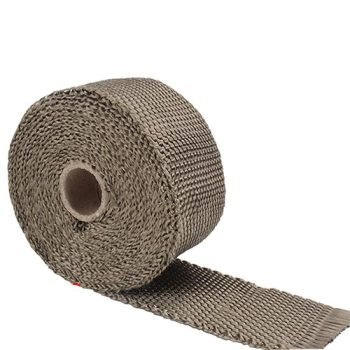
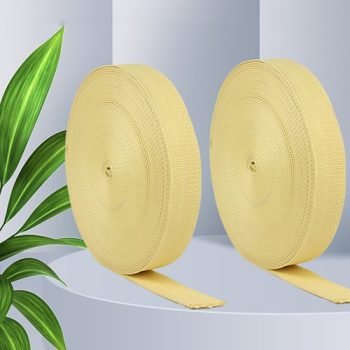
 Lovrix manufactures premium fireproof webbing built to perform under the harshest conditions. Crafted from aramid, Kevlar®, and flame-retardant nylon fibers, our straps provide unmatched strength, thermal stability, and compliance with global fire-safety standards.
Lovrix offers fully customizable fireproof webbing solutions engineered for maximum safety, performance, and brand distinction. Whether you’re developing firefighting gear, industrial harnesses, or high-temperature lifting systems, our private-label service delivers precision and durability you can rely on.
Available Options:
Materials: Aramid, Kevlar®, meta-aramid, flame-retardant nylon, or blended fibers
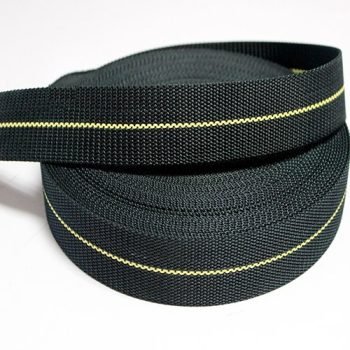
Weaving: Plain, herringbone, tubular, or high-density reinforced patterns
Widths: 10 mm – 100 mm, adjustable for different load and safety requirements
Finishes: Anti-UV, waterproof, anti-mildew, and heat-set stabilization
Branding: Custom colors, woven logos, or printed markings for OEM/ODM projects
Applications: Firefighting suits, rescue harnesses, conveyor belts, and insulation gear
Every Lovrix fireproof webbing is tested for tensile strength, flame resistance, and long-term thermal stability—crafted to perform when safety matters most.
Engineered for superior flame resistance, heat endurance, and structural integrity—Lovrix fireproof webbing delivers protection you can trust in every extreme environment.
Our fireproof webbing meets UL94 V-0, ISO 6941, and NFPA 701 standards, with optional MIL-SPEC compliance. Each batch undergoes vertical flame and afterglow testing to confirm instant self-extinguishing behavior and long-term safety reliability.
Lovrix FR webbing maintains full tensile integrity under continuous exposure to +260 °C (500 °F) and short-term peaks beyond +400 °C, ensuring dependable performance in welding zones, engine compartments, and foundry environments.
Made from Nomex®, Kevlar®, or FR-treated nylon, our webbing’s flame resistance is built into the fiber—not applied as a coating. That means no degradation or wash-off, preserving fire protection through years of heavy use and laundering.
Woven with high-tenacity cores and multi-layer structures, it resists abrasion, cutting, and exposure to oils or solvents. Even in high-stress rescue or industrial operations, it retains exceptional load-bearing strength and dimensional stability.
Designed for confined or hazardous environments, our FR webbing produces minimal smoke and non-toxic fumes when exposed to flame—meeting aerospace, mining, and emergency-response safety standards.
Start production from just 50 meters. Receive 3–5-day test samples verified for flame performance and tensile strength. Choose from multiple fiber blends, widths, patterns, colors, and pre-installed hardware for fully customized, ready-to-ship solutions.
Crafted from aramid and FR-treated nylon fibers, the flame-resistant property is built into the yarn itself—not a coating—ensuring permanent protection even after repeated washing or long-term exposure.
Withstands continuous heat up to +260 °C and short-term peaks over +400 °C, maintaining tensile integrity without melting, dripping, or losing shape in high-temperature environments.
Reinforced multi-layer weaving and high-tenacity yarns provide superior mechanical strength. Ideal for harnesses, lifting slings, or gear exposed to friction, pressure, or heavy mechanical load.
Designed to emit minimal smoke and non-toxic gases when exposed to flame—making it safe for use in enclosed, hazardous, or emergency environments like tunnels, aircraft, and rescue operations.
Special treatments enhance stability against sunlight, fuel, oil, and solvents. This ensures color retention, strength, and safety performance even in outdoor or industrial chemical conditions.
Available in widths from 10 mm – 100 mm and thicknesses up to 3 mm, with optional finishes such as waterproofing, anti-mildew, anti-UV, or reflective coatings to meet your exact specification.
From firefighting to aerospace, Lovrix fireproof webbing is built to perform where ordinary materials fail—delivering strength, heat protection, and reliability in every critical operation.


Configure every specification of your fireproof webbing—from fiber type to finishing—to achieve the perfect balance of performance, safety, and brand distinction.

Choose from aramid (Nomex®, Kevlar®), FR-treated nylon, or blended fibers to match your thermal, tensile, and smoke emission requirements. Each option provides permanent flame resistance and consistent high-temperature stability.

Select plain, herringbone, or tubular constructions in single or multi-layer formats. Adjust thickness from 0.8 mm to 3.0 mm to achieve the ideal combination of flexibility, strength, and thermal insulation.

Available in widths from 10 mm to 100 mm and custom cut lengths to suit belts, harnesses, slings, or protective covers. Precision cutting ensures dimensional consistency and eliminates fraying.

Opt for heat-sealed edges or heavy-duty overlock stitching for enhanced durability. Reinforced seams and box-X stitches improve load distribution and prevent edge wear in high-stress applications.

While most FR fibers retain natural hues, optional pigment treatments or reflective tracers can be added. Custom woven logos or printed identification codes support traceability and OEM brand presentation.

Pre-install buckles, D-rings, or metal clips for turnkey assembly. Each batch is coiled, labeled, and packed in export-ready cartons or reels, with optional private-label branding and protective heat wrapping for transit safety.
Lovrix’s eight-step production workflow ensures every fireproof webbing roll meets the highest standards of strength, heat resistance, and compliance—engineered precisely for your mission-critical applications.
We begin with an in-depth consultation to define your requirements for heat resistance, tensile load, and certification standards. Our engineers then produce CAD mockups illustrating fiber selection, weave structure, dimensions, and hardware placement for review.
Within 3–5 days, we produce a physical prototype that replicates your final design. This allows you to evaluate texture, flexibility, and flame-resistance before authorizing bulk production—reducing risk and ensuring full satisfaction.
We source aramid, FR-treated nylon, or blended FR fibers from verified suppliers. Each batch is laboratory-tested for tensile strength, heat endurance, and yarn consistency to guarantee performance under continuous high-temperature exposure.
Using high-precision looms, fibers are woven into dense, stable structures. Optional reflective or flameproof layers are laminated under controlled heat and pressure to enhance surface protection and overall durability.
Edges are sealed by heat or reinforced with Kevlar® stitching—single, double, or box-X patterns—to prevent fraying and distribute stress evenly. This step ensures structural integrity during heavy use or extreme thermal stress.
Automated laser cutters trim webbing to precise lengths. Stainless-steel or aluminum alloy components—rated for 260 °C and above—are pre-installed when required, providing a ready-to-use assembly for your production line.
Every batch undergoes rigorous testing for tensile strength, thermal cycling, smoke emission, and abrasion resistance. Certified to EN ISO 6941, UL94, and NFPA 701, our reports ensure complete traceability and compliance for safety audits.
Finished straps are coiled, labeled, and packed in export-grade cartons or reels. We manage FOB, CIF, or DDP logistics worldwide and provide ongoing post-sale support to guarantee consistent quality in future orders.
At Lovrix, we prioritize quality at every stage of the production process to ensure our webbing meets the highest industry standards. Our commitment to excellence is backed by rigorous quality control, internationally recognized certifications, and a dedication to sustainability.


Our state-of-the-art webbing manufacturing facility ensures high-quality, fully customizable webbing solutions. With strict quality control and advanced production techniques, we meet the needs of global brands and businesses.


If you have your own tech packs, logo designs, or even just an idea, please share your project details with us, including preferred fabric, color, and customization options. We’re eager to help bring your webbing designs to life through our sample production process.
Proudly Partnered With Leading Brands Worldwide


Frequently Asked Questions — Essential Insights for Engineers, Buyers, and OEM Developers
Fireproof webbing is a specialized woven material engineered to resist ignition, self-extinguish, and maintain tensile strength under extreme heat. It’s commonly made from aramid fibers like Kevlar® or Nomex®, or FR-treated nylon. These fibers have high melting points and low flammability, ensuring continuous protection in environments reaching 260 °C or more.
Lovrix uses aramid, FR nylon, meta-aramid, and blended technical fibers. Aramid (Nomex®, Kevlar®) provides the best flame resistance and mechanical strength, while FR nylon offers greater flexibility and lower cost for medium-heat applications.
Our webbing can endure continuous heat up to +260 °C (500 °F) and short-term exposure exceeding +400 °C (750 °F) without melting, dripping, or deforming—making it ideal for firefighting, welding, and aerospace applications.
Lovrix webbing complies with UL94 V-0, ISO 6941, NFPA 701, and MIL-SPEC standards. Each batch is tested for flame resistance, smoke emission, and tensile strength in accordance with international safety protocols.
Inherent FR fibers (e.g., aramid) are naturally flame-resistant at the molecular level, ensuring permanent protection even after washing or abrasion. FR-coated webbing, by contrast, relies on surface treatments that may gradually wear off.
Yes. Lovrix supports full OEM/ODM customization. You can specify width (10–100 mm), thickness (0.8–3 mm), color, weave type (plain, herringbone, tubular), and even add woven logos or reflective tracers for branding and visibility.
Our fireproof webbing is widely applied in firefighting gear, industrial safety harnesses, automotive interiors, aerospace restraints, power equipment, and defense applications—where heat, flame, and strength performance are critical.
Lovrix offers a low MOQ starting at 50 meters, with sampling completed in 3–5 days. Standard production lead time ranges from 10–15 days, depending on complexity and customization level. Worldwide delivery is available under FOB, CIF, or DDP terms.
The performance of fireproof webbing largely depends on the fibers it’s made from. Aramid, Kevlar®, and FR nylon are three of the most widely used materials—each offering unique characteristics in heat resistance, mechanical strength, and flexibility. Understanding their differences helps engineers and buyers choose the right composition for their specific application.
1. Aramid (Generic Family of Fire-Resistant Fibers)
“Aramid” is short for aromatic polyamide, a class of synthetic fibers known for exceptional flame resistance, dimensional stability, and strength-to-weight ratio. Aramids do not melt or drip when exposed to flame; instead, they carbonize, forming a protective barrier. They can withstand continuous exposure to 260 °C (500 °F) and short-term bursts above 400 °C (750 °F).
Aramid webbing offers high tensile strength (up to 3,000 MPa) and low elongation, making it suitable for firefighting harnesses, aerospace restraints, and military load-bearing straps. However, it tends to be stiffer and slightly more expensive compared to other options.
2. Kevlar® (A Type of Para-Aramid)
Kevlar® is a branded type of para-aramid fiber developed by DuPont. It offers all the core benefits of generic aramid—plus enhanced tensile performance and superior cut resistance. Kevlar® webbing can handle over 500 °C (932 °F) for short durations and provides five times the tensile strength of steel by weight.
Its unique molecular alignment gives it outstanding ballistic and mechanical protection, which is why it’s used in fire-resistant ropes, turnout gear reinforcements, and industrial lifting slings. Kevlar® also resists chemicals and radiation, maintaining structural integrity under the most demanding conditions.
3. FR Nylon (Flame-Retardant Treated Nylon)
FR nylon webbing is derived from polyamide fibers treated with flame-retardant chemicals. While standard nylon melts around 220 °C (428 °F), FR-treated variants self-extinguish quickly and resist ignition. They’re softer and more flexible than aramids, which makes them ideal for wearable safety equipment, seat belts, and soft harness systems.
However, FR nylon’s flame resistance is surface-based, meaning prolonged washing or abrasion can reduce its effectiveness over time. It’s more cost-effective for medium-heat applications but less suitable for extreme heat exposure.
Summary:
| Property | Aramid | Kevlar® | FR Nylon |
|---|---|---|---|
| Heat Resistance | Up to 400 °C | Up to 500 °C | Up to 220 °C |
| Flame Retardancy | Inherent | Inherent | Chemical Treatment |
| Flexibility | Medium | Medium | High |
| Strength | Very High | Very High | Moderate |
| Cost | Medium | High | Low |
Conclusion:
For mission-critical safety and firefighting applications, aramid and Kevlar® are the preferred materials due to their inherent flame resistance and long-term reliability. FR nylon offers a flexible, economical solution for lighter-duty applications or where comfort is a priority. Lovrix provides all three materials, enabling buyers to balance performance and cost precisely.
Fireproof webbing has evolved from niche firefighting use into a critical component across multiple industries where heat, friction, or chemical exposure threaten material performance. Here’s how various sectors use it:
1. Firefighting and Rescue Equipment
This is the core domain. Aramid and Kevlar® webbing forms the structural backbone of harnesses, turnout suits, and safety belts, providing flame protection and tensile reliability even in flashover environments. Its low smoke output also ensures better visibility and breathability in rescue zones.
2. Aerospace and Aviation
Fireproof webbing is used for seat restraints, cargo tie-downs, and aircraft insulation straps, meeting FAR 25.853 and EN 45545 standards. Its low toxicity and weight make it ideal for high-altitude, oxygen-limited conditions where safety is paramount.
3. Automotive and Rail Transport
In transportation, FR webbing is applied in seat assemblies, battery insulation for EVs, and cable harnesses, complying with FMVSS 302 flame spread requirements. This prevents interior fires and reduces smoke density during accidents.
4. Oil, Gas, and Mining Operations
Here, heat-resistant webbing is used in lifting slings, fall-arrest harnesses, and tool tethers. Its aramid composition ensures stability amid sparks, static, and chemical vapors common in refineries and drilling platforms.
5. Power Generation and Electrical Equipment
FR webbing provides insulation and strain relief for high-voltage cables, turbine maintenance harnesses, and transformer wraps. Its dielectric stability and resistance to arc flash events make it indispensable in substations.
6. Industrial and Foundry Applications
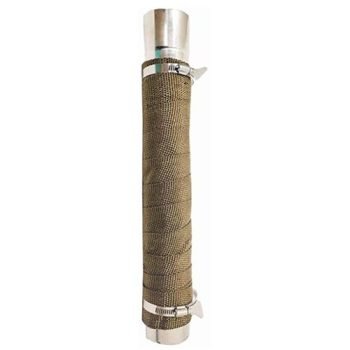
In metal processing, foundry lines, and welding facilities, Lovrix fireproof webbing functions as heat shields, conveyor tie-downs, and PPE straps, surviving molten splash and radiant heat.
Conclusion:
From protective apparel to aerospace engineering, fireproof webbing is no longer optional—it’s a mission-critical safety material. Lovrix customizes each specification to the sector’s load, temperature, and compliance requirements, ensuring optimal reliability in every environment.
Even the most advanced FR webbing can degrade prematurely if mishandled. Understanding maintenance, inspection, and usage best practices ensures consistent performance and safety throughout its service life.
1. Proper Cleaning and Washing
Avoid harsh detergents, bleach, or fabric softeners—they can weaken fiber bonds or wash away FR treatments. Use mild pH-neutral cleaners with warm water and air dry naturally. Never expose the webbing to open flames or direct dryers.
2. Storage Conditions
Store webbing in cool, dry, shaded environments away from sunlight, moisture, and chemical vapors. UV radiation can degrade polymer chains over time, so always keep materials in sealed packaging when not in use.
3. Regular Inspection
Before and after each use, check for fraying, discoloration, or stiff spots, which may indicate heat exposure or chemical damage. Replace straps showing more than 10% surface wear or any melted sections.
4. Avoid Overloading
Respect the specified Working Load Limit (WLL) indicated by the manufacturer. Exceeding load capacity not only risks mechanical failure but accelerates thermal fatigue when exposed to heat.
5. Limit Chemical Contact
Although FR fibers resist most solvents, prolonged exposure to oils, acids, or alkalis can reduce flexibility. For chemical plants or refineries, request Lovrix’s specialized coated FR webbing with enhanced chemical barriers.
6. Follow Usage Rotation
For industrial fleets or fire departments, rotate straps periodically to distribute wear evenly. Keeping inspection logs helps anticipate replacements before failure occurs.
7. Scheduled Re-Certification
Fireproof webbing used in regulated industries (e.g., aerospace or defense) should undergo annual testing for tensile and flame resistance. Lovrix provides re-certification support to verify ongoing compliance.
Conclusion:
Fireproof webbing is engineered for longevity, but its durability depends on correct handling. With proper care—cleaning, inspection, and periodic testing—Lovrix FR webbing can maintain its protective performance for 5–10 years, even under intensive industrial use. This proactive approach safeguards both your workforce and operational reliability.
From custom polyester straps to eco-friendly bands, Lovrix is your trusted webbing manufacturer, supplier, and wholesale factory in China. With certified quality, fast sampling, and scalable production, we help global brands achieve personalized, bulk-ready solutions.
Send us a message if you have any questions or request a quote. We will be back to you ASAP!