
 Skip to content
 Lovrix manufactures premium jute webbing with customizable width, color, and weave patterns for furniture, crafts, and packaging industries worldwide.
Lovrix jute webbing combines natural texture with industrial strength, offering eco-friendly, durable, and customizable options for global brands.
Eco-Friendly Material: Made from 100% natural jute fiber — biodegradable, renewable, and compliant with REACH & OEKO-TEX standards.
Fully Customizable: Choose width, color, weave, and finish. Options include herringbone, plain, or twill patterns.
Durable & Reliable: High tensile strength and abrasion resistance make it ideal for furniture, bags, belts, and packaging.
Precision Manufacturing: Produced on advanced looms with strict QC for consistent thickness and color.
Factory-Direct Service: Fast sampling, flexible MOQ, and global delivery from an experienced jute webbing manufacturer.
Lovrix jute webbing is valued for its natural strength, earthy appearance, and sustainable performance — ideal for both industrial and decorative uses.
Made from 100% natural jute fibers, it decomposes naturally without harming the environment — a perfect sustainable alternative to synthetic webbing.
Strong and durable, capable of withstanding heavy tension — ideal for upholstery, straps, and furniture frames.
Jute’s natural fiber structure allows airflow while resisting humidity, maintaining shape and strength even in damp environments.
Offers a rustic, organic appearance with a soft matte finish that enhances the look of handmade or eco-luxury products.
Available in various widths (10mm–100mm), patterns (plain, herringbone, twill), and finishes to suit different design needs.
Supports natural dyeing, printing, or surface coating for custom branding and aesthetic designs.
Performs well under sunlight and moderate heat, suitable for outdoor applications like garden decor and furniture straps.
Abundant raw material availability makes it economical for bulk orders while supporting eco-conscious sourcing strategies.

Choose from natural beige tones or custom-dyed colors using eco-friendly, AZO-free dyes. We support both solid and gradient finishes for decorative and branding applications.

Available in multiple sizes from 10 mm – 100 mm wide and adjustable thickness for strength, flexibility, or lightweight needs. Each batch can be precision-woven to meet your technical specs.

Select from plain, herringbone, twill, or custom weave designs. Each pattern offers a distinct aesthetic and texture for furniture, crafts, and apparel straps.

Add your logo, pattern, or text through screen printing, heat transfer, or woven-in logo techniques. Perfect for private-label or promotional product lines.

Enhance eco value with recycled jute blends, biodegradable coatings, or water-based finishing. Ideal for brands promoting low-carbon, natural materials.

Fast sample production with custom roll length, labeling, and export-grade packaging. All samples are inspected for consistency before mass production.

Lovrix provides precise data and testing standards for every batch to guarantee performance, consistency, and compliance. All measurements can be tailored to your project’s exact needs.
| Property | Specification Range | Description / Notes |
| Material Composition | 100% Natural Jute Fiber | Sustainable, biodegradable plant fiber |
| Width Options | 10 mm – 100 mm | Custom sizes available upon request |
| Thickness | 1.5 mm – 4.0 mm | Adjustable for strength or flexibility |
| Tensile Strength | 400 – 1200 N (depending on width) | Tested under ISO 13934-1 standards |
| Elongation at Break | 2% – 5% | Controlled elasticity for secure hold |
| Moisture Absorption | 10% – 14% | Naturally breathable, humidity-resistant |
| Abrasion Resistance | ≥ 10,000 cycles | Martindale test performance |
| Color Fastness | Grade 4–5 (dry & wet) | Certified dyeing stability |
| Temperature Tolerance | -10°C to +80°C | Suitable for indoor & outdoor use |
| Roll Length | 25 m / 50 m / 100 m | Custom roll packaging available |

Custom Ranges Available- Need a wider width, higher tensile rating, or different moisture tolerance?
Lovrix supports bespoke weaving and finishing adjustments to meet any industrial or decorative requirement.
Batch Certificates-Every production run includes tensile, abrasion, and color fastness reports.
Quality documentation can be provided for compliance with REACH, OEKO-TEX, ISO9001, and buyer-specific audit standards.
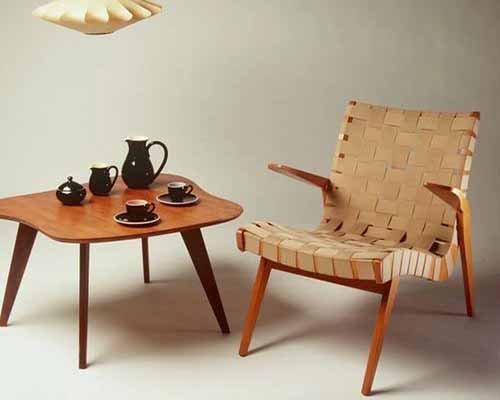
Lovrix jute webbing is trusted across multiple industries for its strength, texture, and eco-friendly character. From furniture to fashion, it delivers both performance and natural appeal.


Every roll of Lovrix jute webbing is crafted through a precise, eco-conscious process that ensures consistent strength, appearance, and quality.
We source high-grade, long-staple jute fibers from certified suppliers to ensure durability, flexibility, and uniform color.
Fibers are softened using steam and natural oils to improve spinnability, reduce brittleness, and maintain natural luster.
Conditioned fibers are spun into fine jute yarn with controlled twist ratios for consistent tensile strength and smooth texture.
Yarns are aligned and loaded onto advanced shuttle or needle looms, depending on the desired weave pattern and width.
Skilled technicians monitor tension, density, and pattern accuracy to produce uniform webbing in plain, herringbone, or twill weaves.
Webbing is dyed with eco-friendly, AZO-free dyes and finished with softening or waterproof treatments upon request.
Each batch undergoes tensile, abrasion, and color fastness tests, ensuring compliance with ISO, REACH, and OEKO-TEX standards.
Webbing is cut to custom lengths, labeled, rolled, and securely packaged for international delivery — maintaining perfect condition from factory to client.
At Lovrix, we prioritize quality at every stage of the production process to ensure our webbing meets the highest industry standards. Our commitment to excellence is backed by rigorous quality control, internationally recognized certifications, and a dedication to sustainability.


Our state-of-the-art webbing manufacturing facility ensures high-quality, fully customizable webbing solutions. With strict quality control and advanced production techniques, we meet the needs of global brands and businesses.


If you have your own tech packs, logo designs, or even just an idea, please share your project details with us, including preferred fabric, color, and customization options. We’re eager to help bring your webbing designs to life through our sample production process.
Proudly Partnered With Leading Brands Worldwide


Get quick answers to the most common questions about materials, customization options, durability, applications, and order process.
Jute webbing is woven from 100% natural jute fiber, known for its strength, breathability, and eco-friendliness. It’s biodegradable and ideal for sustainable products.
Standard jute webbing ranges from 25mm to 100mm wide, with thickness options from 1.5mm to 3.5mm. Custom sizes can be produced according to client specifications.
Yes. Our jute webbing is tightly woven for high tensile strength, making it suitable for furniture webbing, straps, and packaging reinforcement.
Absolutely. We offer custom dyeing, stripe weaving, and screen printing using eco-safe pigments that comply with REACH and OEKO-TEX standards.
Minimal. Properly processed jute webbing undergoes starch finishing and heat setting, reducing elongation and maintaining consistent tension under load.
The minimum order quantity starts from 500 meters per design, with a lead time of 10–15 days depending on dyeing and finishing requirements.
Yes. We can blend jute with cotton or polyester to enhance flexibility, colorfastness, and moisture resistance while retaining a natural look.
Every batch includes tensile strength, colorfastness, and abrasion test reports, and can be supplied with ROHS, REACH, and GRS certificates upon request.
When sustainability becomes a decisive factor in sourcing, jute webbing stands out as one of the most environmentally responsible options available. As a 100% natural plant fiber, jute grows rapidly, requires minimal fertilizers or pesticides, and thrives even on marginal soil. Studies show that one hectare of jute can absorb around 15 tons of CO₂ and release 11 tons of oxygen within just 100 days of growth. This carbon-absorbing efficiency makes it one of the most eco-positive fibers in textile production.
From a product perspective, jute webbing is biodegradable and compostable, unlike petroleum-based fibers such as polypropylene or polyester. Once discarded, jute decomposes naturally without releasing microplastics or toxic residues. For brands pursuing zero-plastic packaging, eco furniture components, or sustainable fashion accessories, jute provides both environmental and marketing value.
In recent years, global demand for jute-based products—including fabrics, sacks, and webbings—has grown steadily, fueled by bans on single-use plastics and increasing consumer awareness. Market analyses estimate a CAGR of 5–6% for the jute sector through 2030, driven by Europe’s and North America’s green procurement policies.
From a branding standpoint, using jute webbing allows manufacturers and product developers to highlight “natural,” “renewable,” and “low-carbon” sourcing on packaging and sustainability reports. These claims resonate with retailers and final consumers alike, especially in lifestyle, home décor, and fashion categories.
However, being transparent about its physical limitations is important. Compared to synthetics, jute is less resistant to prolonged UV exposure, moisture, or abrasion. Its tensile strength, though sufficient for many applications, is generally lower than high-tenacity polyester or nylon. For outdoor, high-tension, or safety-critical uses, synthetic or blended webbings might still be preferred.
That said, manufacturers can mitigate these weaknesses through finishing:
Water-repellent coatings to improve moisture resistance
UV stabilizers for outdoor exposure
Starch or latex stiffening for dimensional stability
Blends with cotton or polyester to balance strength and sustainability
In summary, jute webbing offers genuine sustainability benefits—from raw material cultivation to end-of-life biodegradability—making it a strong candidate for brands seeking a greener materials portfolio. Manufacturers that can provide full traceability, eco-certifications (OEKO-TEX, REACH, GRS), and mechanical performance data will earn a competitive edge in eco-conscious markets.
Integrating jute webbing into product design requires more than choosing a width or color. Because it’s a natural fiber, performance characteristics depend heavily on weaving density, finishing, and intended application.
1. Width, thickness, and strength alignment
Jute webbing for upholstery or seat support must deliver consistent tension and low stretch. Common widths range from 50 mm to 100 mm, with thicknesses between 1.5 mm and 3 mm. For furniture, a 3 ½ inch (≈ 89 mm) webbing with dense plain weave offers ideal rigidity. Always confirm tensile ratings in kg or N to ensure suitability for structural applications.
2. End finishing and assembly
Cut edges may fray easily if left raw. High-quality suppliers should offer heat-sealed edges, hemmed ends, or welded hooks for fastening. When used in bags or accessories, reinforced stitching or metal fittings are recommended to prevent unraveling.
3. Color and branding customization
Natural jute has a distinctive beige-brown hue that many designers favor for its organic look. However, dyed or printed versions are possible using low-impact reactive dyes. Because fiber absorption varies, slight tone variation should be expected—this is part of its natural character. Offering Pantone matching, logo printing, or woven patterns expands your brand customization capability.
4. Environmental exposure
If used outdoors or in humid areas, untreated jute may absorb moisture, leading to mildew or degradation. Applying anti-fungal, anti-mold, or water-repellent finishes significantly extends product life. For heavy-duty outdoor straps, a poly-jute blend balances durability and aesthetics.
5. Weaving density and elongation control
Well-made jute webbing should maintain elongation below 3–4 %. This can be achieved through tight warp/weft density and starch sizing. High-density weaves not only improve strength but also give a smoother, more refined surface—preferred for luxury packaging or bag applications.
6. Testing and certification
Professional buyers often request tensile strength, colorfastness, or abrasion resistance reports. Providing batch-specific test certificates and clear specification sheets increases confidence and reduces claims risk.
In conclusion, designing with jute webbing requires understanding both its natural beauty and structural constraints. With proper finishing, blending, and certification support, it can serve multiple industries—from interior furniture reinforcement to eco-fashion straps—while reinforcing your company’s sustainability positioning.
Jute webbing offers a unique natural texture and sustainable appeal, yet it poses some practical challenges that manufacturers and designers must anticipate. Understanding these limitations—and providing engineering or chemical solutions—ensures reliability and customer satisfaction.
1. Mechanical strength limitations
While jute is durable, its tensile strength and abrasion resistance are lower than high-tenacity synthetics. Under repeated load or moisture exposure, fibers may weaken.
Solution: For demanding applications, use reinforced jute webbing (blended with cotton or polyester yarns), or double-layer weaves for higher load capacity. Always specify maximum working load and breaking strength in datasheets.
2. Moisture absorption and biodegradability
Jute’s hydrophilic nature means it absorbs ambient humidity, which can cause swelling, mold, or odor.
Solution: Apply wax, PU, or latex coatings to improve water repellency, and store rolls in controlled-humidity environments. For outdoor products, add anti-fungal and anti-UV treatments.
3. Color variation and dyeing difficulty
Due to uneven fiber texture, achieving consistent colors can be challenging, especially for brand-specific Pantone shades.
Solution: Encourage clients to approve pre-production dye samples and use reactive dyes with post-wash fixation. Embrace natural shades where possible, marketing them as “eco-aesthetic raw tone.”
4. Dimensional stability and stretch
Jute may slightly elongate under initial load (commonly 1–3 %), which could affect furniture or strap alignment.
Solution: Use pre-stretched or heat-set webbing during production, or instruct end-users to apply pre-tension during installation (as in upholstery seat strapping).
5. Supply and cost fluctuation
As an agricultural product, jute availability depends on harvest conditions in India and Bangladesh.
Solution: Maintain stable supplier relationships and raw-fiber stock. Long-term contracts help mitigate seasonal volatility.
6. Limited suitability for extreme environments
Continuous exposure to direct sunlight, seawater, or industrial chemicals can degrade natural fibers faster than synthetics.
Solution: Clearly define usage scope—“for indoor, decorative, or moderate-load applications.” Offer blended alternatives when clients need higher resistance.
Ultimately, jute webbing’s challenges are manageable with modern processing and transparent communication. By combining traditional natural fibers with controlled finishing, technical reinforcement, and reliable testing, manufacturers like Lovrix can deliver webbing that meets modern industry standards while preserving its authentic, eco-friendly identity.
Send us a message if you have any questions or request a quote. We will be back to you ASAP!


