 Skip to content
Custom Printed Bags Engineered for Color Accuracy, Durability & High-Volume Stability
Lovrix manufactures printed bags with consistent color, reinforced structure, and long-term reorder reliability—across PP woven, nonwoven, polyester, canvas, and RPET materials.
With over 18 years of fabric, webbing, coating, and bag manufacturing experience, Lovrix combines in-house printing, lamination, sewing, and QC systems to produce printed bags that look sharp, carry weight safely, and match previous orders precisely—even at 100,000–500,000+ pcs scale.
- ΔE ≤ 1.5 Pantone Accuracy: Controlled by spectro testing and locked print curves.
- GRS, REACH, RoHS, EN-71 Compliant: Verified materials and traceable rolls for eco programs.
- Stable Mass Production: 6–8 color gravure lines, automatic lamination, 72 sewing stations.
- Zero Artwork Shift: Registration control, tension-calibrated sewing, CNC panel cutting.
- Reliable Reorders: 12-month print profile storage + archived cylinders/plates.
What Problem Does Lovrix Actually Solve for You?
Printed bags fail for very predictable reasons—color inconsistency, weak ink adhesion, panel distortion, lamination defects, and unstable reorders. Lovrix solves these issues with engineering-controlled printing, calibrated machines, and documented production parameters.
Most printed bag projects do not fail because of design. They fail because the factory cannot maintain control over the printing process—especially when the order crosses 10,000–200,000 pcs. The challenges are technical: ink behavior, fabric absorbency, heat settings, lamination pressure, and stitch tension all decide the final result. Lovrix’s role is to eliminate these risks before they reach mass production.
My sample looked great. Why does mass production look different
This happens when factories print samples manually and switch to automated production later. Lovrix avoids this by using the same print curve, same ink system, same mesh count, and same temperature control during sampling and mass production.
We record:
- ink viscosity
- curing temperature
- lamination pressure
- ΔE color readings
- print speed
Every sample is created with parameters we can duplicate at scale.
Why does color shift between cartons
Color drift usually happens because:
- light source differs (D65 vs TL84)
- ink batches change
- operators adjust curing temperature mid-run
- lamination cooling varies with humidity
Lovrix prevents this by:
- stabilizing the print room with controlled humidity
- using branded inks (Huntsman / Toyo / local certified suppliers)
- enforcing ΔE ≤ 1.5 across the entire run
- recording every batch in our internal color system
This is the same method used for supermarket and apparel print programs.
Why does artwork look blurry on nonwoven fabric?
Nonwoven fibers create bleeding if ink load is too heavy. Lovrix solves this by engineering the print method:
- higher mesh screens for finer details
- reduced ink load near outlines
- applying a surface pre-treatment on high-bleed areas
- adjusting squeegee hardness to control pressure
These steps sharpen edges, especially for cartoon-style prints.
Why is lamination peeling or bubbling?
The root cause is almost always poor temperature or pressure control on the lamination line. Lovrix uses:
- automatic lamination lines
- calibrated roller pressure
- controlled cooling tunnel
- consistent adhesive thickness
We test lamination peel strength after cooling, not immediately after bonding (which many factories skip).
Why does the artwork shift after stitching?
Printed panels stretch differently depending on fabric and coating. Lovrix keeps the artwork stable by:
- standardizing panel trimming tolerances within ±2 mm
- using guiding templates on sewing tables
- adjusting feed dog pressure to avoid fabric drift
- adding stabilizing layers for thin materials
This ensures the printed graphics sit exactly where intended.
Why do reorders never match the first shipment?
Two causes:
- factories fail to record print settings
- new operators adjust machines blindly
Lovrix documents all print and lamination data in project-specific files:
- Pantone numbers under different light sources
- lamination thickness report
- ink formula and mixing ratios
- screen mesh model
- fabric roll supplier + batch number
A reorder placed six months or even two years later can be matched accurately.
Why do handles tear on printed bags?
Printed bags aren’t only about artwork—load strength matters. Lovrix reinforces all load-bearing points with:
- X-box stitching
- bartacks
- internal PP patches
- in-house woven webbing
This prevents breakage even on heavy promotional loads.
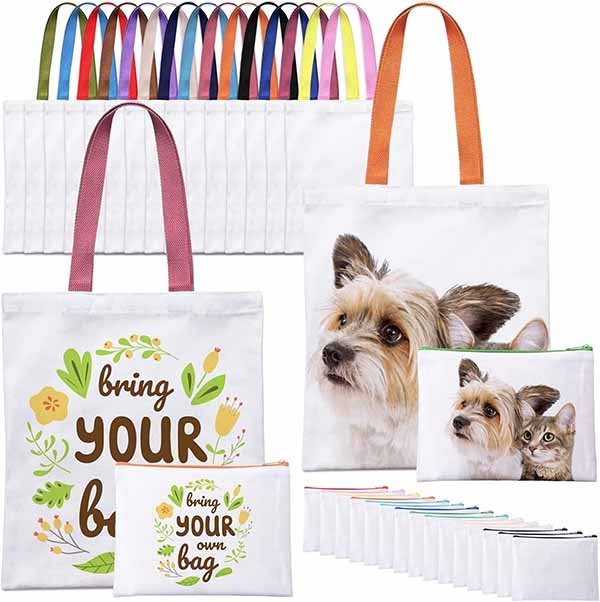
Understanding the Real Needs of Printed-Bag Buyers
Printed-bag buyers come from different industries, each with its own priorities—color accuracy, reinforcement strength, compliance, cost stability, short lead times, or retail-grade presentation. Lovrix shapes solutions according to these distinct buyer patterns, not a generic one-size-fits-all approach.
Lovrix has worked with more than 480 printed-bag clients over the past years, and one thing is clear
Retail Chains and Supermarkets
Retail chains purchase printed bags not as “marketing items,” but as operational products. What they really care about:
- identical color across hundreds of thousands of pieces
- bags that survive daily heavy load (10–15 kg)
- lamination that doesn’t crack on store shelves
- precise folding for automated facings
- carton size that fits their shelf fixtures
- reliable long-term reorder consistency
These clients operate on strict timelines and cannot afford color deviation between stores. Lovrix supports them by:
- storing print cylinders for 12+ months
- locking lamination temperature and pressure for each artwork
- using automatic folding machines for identical presentation
- providing data-driven QC reports
For these buyers, a printed bag is as important as any other retail supply.
Importers & Wholesalers
Importers must balance margin, risk, and lead time. What they prioritize:
- predictable unit cost
- consistent cartons (stackable for distribution)
- stable materials across repeated orders
- attractive print that doesn’t add unnecessary costs
- fast repeat orders without redesigning artwork
Lovrix helps wholesalers grow by:
- pre-booking PP woven and nonwoven rolls
- standardizing reinforcement structures
- saving print profiles for quick reorders
- supporting mixed-SKU loads to reduce MOQ pressure
Their core need is not “beautiful artwork,” but reliable supply that protects their stock strategy.
Amazon, Shopify & Online Sellers
Online sellers need printed bags that create a premium feel while keeping cost under control. Their top concerns:
- small MOQ (500–3,000 pcs)
- eye-catching artwork for product images
- color consistency for repeat orders
- strong structure to avoid negative reviews
- packaging that satisfies FBA standards
- specific texture: matte, glossy, or soft-touch
Lovrix handles these buyers by:
- offering heat-transfer or digital print for small runs
- improving artwork clarity for e-commerce photography
- reinforcing handles even when the design looks “simple”
- providing barcodes, polybags, and FBA-ready carton labels
These brands care about: design aesthetics → user experience → review stability → reorder safety.
Lifestyle, Boutique & Apparel Brands
These brands sell the image of their label, so the bag must reflect it. They expect:
- exact Pantone matching
- thick canvas or high-density polyester
- clean stitching and edge finishing
- matte or textured print surface
- puff screen prints, embroidery, or custom labels
- retail-grade packaging presentation
Lovrix supports them with:
- controlled tension sewing lines for clean topstitching
- 8oz/12oz/16oz canvas in stable weaves
- deeper ink loadings for solid matte colors
- premium cotton webbing handles
- pre-production sampling that mirrors retail quality
Their buyers will judge the brand from the quality of this printed bag—Lovrix engineers accordingly.

Eco-Focused Brands and Sustainability Programs
These clients are not only purchasing a product; they want transparency. Top concerns:
- GRS-certified RPET materials
- recycled PP nonwoven options
- water-based inks
- FSC-certified packaging
- compliance for REACH, RoHS, EN-71, California Prop 65
- traceability records
Lovrix supports sustainability-driven buyers with:
- full material traceability records
- GRS certificates for each batch
- optional water-based ink systems
- documentation prepared for audits
- recyclable or biodegradable packaging options
These projects require engineering precision and paperwork discipline, not just production capacity.
Corporate Merchandising & Event Clients
Corporate clients focus on:
- sharp, clean logo printing
- fast lead times
- balanced cost-quality ratio
- large quantities needed quickly
- consistent color across all gift items
Lovrix’s print team prepares Pantone-specific screen mixes and runs parallel production lines to meet tight deadlines.
These clients often order multiple projects per year with seasonal branding, so print consistency is more important than fancy graphics.
Promotional Agencies
Promotional agencies win or lose projects based on delivery time and reliability. They require:
- rapid sampling
- flexible materials for different client budgets
- ability to turn around 10k–50k pcs quickly
- simple, high-contrast prints
- strict budget control
Lovrix’s automatic lamination and multi-line sewing setup help them hit short deadlines without overcomplicating the project.
Food, Beverage, and Meal Delivery Companies
These clients need printed bags that do more than look good—they need to perform. What they care about:
- thermal stability
- reinforced stitching
- food-contact-safe materials
- lamination that withstands condensation
- large, bold print for delivery visibility
Lovrix engineers cooler bags with:
- PE foam insulation
- aluminum lining
- reinforced sidewalls
- anti-scratch lamination
Their brand visibility depends heavily on the printed artwork, especially in delivery scenarios.
Tourism, Souvenir & Seasonal Holiday Brands
These companies push colorful artwork and large, tourism-driven prints. They look for:
- rich CMYK colors
- high-resolution photo-quality prints
- quick turnaround to match holiday seasons
- small variations of the same artwork
- packaging suitable for display racks
Lovrix uses gravure or sublimation to maintain artwork detail and vibrancy.

OEM/ODM Clients Developing Custom Retail Products
These clients care about engineering more than artwork. Their needs include:
- multi-layer lamination
- reinforced bottom panels
- precise tolerance control
- laser cut panels
- multiple material combinations (canvas + PU + PP woven)
- sewn-in pockets or zippers
Lovrix assigns an engineering manager to these projects, creating full spec sheets before sampling.
Why Printed Bag Projects Fail
Printed bags fail for predictable reasons—unstable printing parameters, wrong material selection, weak reinforcement, inconsistent lamination, or sewing distortion. These failures usually come from shortcuts taken during production. Lovrix prevents them by engineering the process upfront and documenting every detail.
Most of the printed bag problems we see at Lovrix come from clients who worked with low-cost suppliers first. Below are the real reasons printed bag projects collapse, based on hundreds of rework and rescue cases handled by our engineering team.
Color Inconsistency Between Sample and Bulk Production
This is the number one complaint in the industry.
Why it happens:
- ink is mixed “by feeling” instead of under Pantone control
- sample is made on different equipment than production
- lighting conditions vary between sample room and factory floor
- no ΔE measurement
- inexperienced operators adjust ink mid-production
Lovrix solution:
- spectrophotometer checks for ΔE ≤ 1.5
- stored ink curves for each artwork
- sampling done on real production machines
- lighting booths (D65 / TL84 / Horizon)
- printing parameters recorded every 500–800 meters
Result: color stays consistent from sample → bulk → reorder.
Lamination Problems: Bubbles, Wrinkles, Peeling, Stress Lines
These issues show up especially on PP woven and PP nonwoven laminated bags.
Why it happens:
- adhesive applied unevenly
- lamination film stretched by unstable tension
- roller temperature too high/low
- cooling zone too short
- film shrinkage during folding
Lovrix solution:
- automatic lamination lines with ±3°C temperature control
- anti-bubble cooling tracks
- pressure calibration before every job
- thicker lamination for high-volume retail bags
- extra curing time before folding and packing
When lamination is wrong, the bag looks cheap—even with good printing.
Blurry Prints and Ink Bleeding
Nonwoven fibers move, absorb, and spread ink differently than woven or polyester.
Why it happens:
- low mesh screen
- no surface pre-treatment
- wrong ink viscosity
- insufficient curing
- fabric GSM too low
Lovrix solution:
- surface treatment to stabilize fibers
- 100–120 mesh screens for fine artwork
- higher-density nonwoven for detailed designs
- deeper curing cycles
- matte lamination to lock the artwork
This makes single-color logos sharp and CMYK prints bright, not washed-out.
Artwork Distortion During Sewing
Printed panels often shift during sewing because the fabric stretches differently in each direction.
Why it happens:
- operator pulls fabric unevenly
- tension not balanced across machines
- lamination film slips
- panel cut inaccurately (±5 mm tolerance with low-end cutters)
Lovrix solution:
- CNC cutting to ensure ±2 mm accuracy
- stitching guides for printed panels
- weekly tension calibration across machines
- trimmed panels with compensation margin for stretch
- slow-feed sewing for laminated surfaces
This ensures the final bag looks straight, not crooked or “tilted.”

Handle Failure and Tearing Under Load
A bag with beautiful print is useless if the handle rips.
Why it happens:
- insufficient reinforcement
- thin PP webbing
- ultrasonic welding without internal patch
- overstitching of laminated film (cracking risk)
Lovrix solution:
- X-box reinforcement
- bartack stitching at stress points
- inside woven patch for 10–20 kg load bags
- heat-sealed reinforcement for nonwoven bags
- load testing on drop-test machines
Lovrix retail customers expect every bag to survive daily use.
Odor Issues After Printing and Lamination
Bad smell = poor materials, improper curing, or storage problems.
Why it happens:
- solvents not fully evaporated
- low-quality lamination film
- storage without ventilation
- chemical residues from cheap inks
Lovrix solution:
- odor testing at multiple production stages
- fully ventilated curing zones
- REACH/EN-71 compliant inks only
- lamination film suppliers audited yearly
This matters especially for cosmetics, groceries, and clothing brands.
Reorders Don’t Match Previous Batches
One of the biggest pain points for long-term clients.
Why it happens:
- different ink batches
- different lamination rollers
- different substrate roll suppliers
- old print settings lost or undocumented
- new operators without reference standards
Lovrix solution:
- archive cylinders/rollers for 12 months
- store print curve and lamination temperature per artwork
- golden sample storage
- roll traceability (PP, RPET, nonwoven)
- mandatory calibration before each reorder
This is why Lovrix is chosen by chains that reorder 5–6 times a year.
Poor Folding and Carton Packing
Printed bags often get scratched, creased, or deformed during packing.
Why it happens:
- bags packed before lamination fully cools
- inconsistent folding
- low-strength cartons
- compression damage during stacking
Lovrix solution:
- automatic folding for large-volume orders
- 13–15 kg burst-strength cartons
- pre-cooling period before packing
- moisture-resistant liners
- uniform stacking height for container stability
This preserves lamination quality and shelf presentation.
Fabric Variation When Using RPET or Recycled Materials
Eco materials are great—but require stricter controls.
Why it happens:
- recycled yarn varies in denier
- RPET rolls differ slightly in thickness
- uneven surface affects ink absorption
- lamination adhesion varies by supplier
Lovrix solution:
- RPET roll-by-roll calibration
- GRS certificates matched to roll ID
- customized lamination pressure settings
- test strips printed for every roll change
This is critical for sustainable programs with strict compliance demands.

Unrealistic Cost Cutting That Compromises Quality
Some suppliers reduce cost by reducing quality in ways clients cannot detect until the product fails.
Common shortcuts used by low-cost suppliers:
- thinner GSM material than quoted
- lower lamination thickness
- single reinforcement stitch instead of cross-stitch
- recycled film substituted without disclosure
- ink diluted to stretch usage
Lovrix approach:
Lovrix cannot match suppliers who “play with bottom lines,” but we guarantee:
- true GSM as quoted
- lamination thickness confirmed during QC
- required reinforcement per usage scenario
- documented material compliance
- consistent ink formulation
Lovrix always builds bags that look good on day 1 and still perform on day 100.
Key Factors You Must Consider Before Choosing Custom Printed Bags
Printed bags look simple on the surface, but achieving stable color, correct fabric behavior, durable handles, and consistent lamination across thousands of units requires strict control. These are the core engineering decisions that determine your final outcome.
Most printed-bag problems originate before the production begins—during selection of material, printing method, and structural design. Lovrix reviews these factors upfront because the wrong choice can make even great artwork look cheap, blurry, or unstable.
Material Selection Controls Print Quality
Each material absorbs ink differently:
- PP woven / laminated PP: best for glossy full-color prints; stable but sensitive to lamination temperature.
- Nonwoven (spunbond): affordable but requires ink-bleed control for sharp edges.
- Polyester: crisp detail, suitable for transfer printing or digital sublimation.
- Canvas: absorbs ink deeply; needs higher ink load and longer drying.
- RPET fabrics: eco-certified but vary slightly by batch; requires calibration.
Lovrix evaluates the artwork style to match the correct substrate, not the other way around.
Printing Method Determines Sharpness and Cost
Different print technologies serve different purposes:
- Gravure printing → best for large volumes (10k–500k+ pcs), high clarity, vivid color.
- Screen printing → strong colors for simple logos; thick ink feel.
- Lamination printing → allows full-color CMYK graphics on PP.
- Digital sublimation → ideal for polyester, photo-quality results.
- Heat-transfer → good for small batches with sharp detail.
Lovrix engineers the print method based on your artwork, not based on our factory convenience.
Handle and Stitching Requirements
Many buyers focus on artwork but ignore structure. For printed shopping bags, failure usually comes from:
- weak welding or low GSM
- unreinforced stress points
- narrow PP webbing
- missing inside patches
Lovrix uses X-box stitching, bartacks, and in-house PP webbing to guarantee strength.
Lamination Options (Glossy, Matte, Anti-scratch)
Lamination quality affects:
- color vibrancy
- resistance to cracking
- bag stiffness
- scratch resistance
Glossy lamination requires stronger adhesive control; matte lamination needs wider cooling time. Lovrix calibrates lamination parameters per artwork.
Packaging Impact on Print Surface
Bad packing can destroy beautiful prints:
- carton compression can cause surface dents
- stacking weight can deform lamination
- tight packing can create white stress lines
Lovrix uses:
- 13–15 kg burst-strength cartons
- variable carton heights depending on lamination sensitivity
- controlled “cool-down” time before packing

Color Management Across Different Light Sources
Retail brands require color accuracy under:
- daylight (D65)
- store lighting (TL84)
- warm lighting (Horizon)
Lovrix checks all three and maintains ΔE ≤ 1.5.
Artwork Panel Behavior After Sewing
Sewing can distort printed panels by 2–4 mm. Lovrix corrects this by:
- adjusting panel size before production
- aligning print registration to stitching path
- using guided sewing plates
This ensures your prints remain centered and visually balanced.

Lovrix’s Engineering-Driven Development Workflow for Printed Bags
Stable printed bag production requires more than printing machines. It requires documented workflows, controlled print parameters, and a sampling process that mirrors mass production. Lovrix follows a step-by-step development system used for large retail programs.
Below is the real workflow used in our factory.
STEP 1
Requirement Mapping & Feasibility Review
Our engineering team reviews:
- artwork style (full color / lines / gradients)
- Pantone references
- target material (PP / nonwoven / polyester / canvas / RPET)
- use scenario (retail, promotional, grocery, premium packaging)
- strength requirements (load weight, handle width, reinforcement)
- intended order quantity & future reorder plans
This allows us to recommend the correct substrate, print method, lamination, and reinforcement from day one.
STEP 2
Material & Print Matching
We run test strips on actual substrate to check:
- ink absorption
- edge sharpness
- color brightness
- drying / curing behavior
- lamination compatibility
If artwork includes fine text or gradients, we adjust meshes, lamination temperature, and roller pressure.
STEP 3
Sample Development Using Production Settings
Lovrix does not create samples by hand. We sample using the same equipment used for mass production:
- same ink type
- same mixing ratio
- same curing temperature
- same lamination roller
- same cutting templates
This ensures that “sample = mass production,” reducing risk.
STEP 4
Cost Engineering & Specification Finalization
We provide clear cost breakdown:
- material GSM
- lamination thickness
- ink loading
- webbing type
- stitching method
- carton type
- pack-out quantity
Every detail impacts long-term reorder stability.
STEP 5
Trial Production (For Large Orders)
For orders above 30,000 pcs or high-difficulty prints, Lovrix runs:
- 500–1,000 pcs pilot printing
- lamination-checking
- color stability review
- sewing behavior test
- handle load tests (10–20 kg depending on bag type)
Only after approval do we proceed to mass production.

STEP 6
Mass Production With Documented Settings
We lock:
- Pantone curve
- ink viscosity
- curing temperature (±2°C)
- lamination pressure
- lamination cooling time
- cutting template version
- sewing alignment guides
These settings stay in your project file permanently.
STEP 7
Inspection & Packing Control
Lovrix uses a multi-stage QC process:
- print QC (before lamination)
- lamination QC
- cutting board QC
- sewing QC
- final AQL 2.5 inspection
- odor testing
- carton strength testing
This is the same system we use for supermarket clients.

Material Options for Custom Printed Bags
Different bag materials absorb ink, bond with lamination, and behave during sewing in completely different ways. Choosing the wrong substrate is the fastest way to ruin a printed-bag project. Lovrix helps select materials based on artwork and usage.
Below are the main materials Lovrix uses, with engineering notes based on actual factory behavior.
Laminated PP Woven
Best for: heavy grocery bags, supermarket programs, high-volume retail.
Advantages:
- vibrant CMYK prints
- strong tensile + tear strength
- ideal for 10k–500k+ orders
Behavior notes:
- requires stable lamination temperature
- artwork lines must be thicker to avoid moiré
Lovrix stores lamination roller settings to ensure repeatability.


Laminated Nonwoven (PP Spunbond)
Best for: promotional bags, gift bags, seasonal programs.
Advantages:
- excellent cost efficiency
- bright colors with lamination
- recyclable
Behavior notes:
- fibers cause ink bleeding without lamination
- matte lamination requires slow cooling
Lovrix uses surface pre-treatment for fine-line artwork.
Polyester (210D / 300D / 600D / 900D)
Best for: premium printed tote bags, drawstring bags, branding bags.
Advantages:
- crisp prints using transfer or sublimation
- smooth surface
- excellent for gradient artwork
Behavior notes:
- sublimation temperature must stay stable
- fabric stretch can shift artwork if not controlled
Lovrix uses calibrated transfer presses.


Canvas (8oz / 12oz / 16oz)
Best for: retail-quality printed totes, lifestyle brands.
Advantages:
- natural texture
- long-lasting prints
- premium appearance
Behavior notes:
- absorbs ink deeply → colors appear slightly matte
- requires thicker ink loading for dark artwork
Lovrix tests drying time for each batch.
RPET Materials (Recycled PET Fabrics)
Best for: eco brands, corporate sustainability programs.
Advantages:
- GRS-certified
- stable surface
- compatible with most print methods
Behavior notes:
- batch-to-batch differences must be calibrated
- lamination adhesion varies by supplier
Lovrix tracks roll numbers for full traceability.


PVC / TPU for Special-Effect Printed Bags
Best for: clear bags, stadium bags, waterproof branding bags.
Advantages:
- sharp print outline
- durable and waterproof
- premium texture
Behavior notes:
- requires low-temperature printing
- careful tension control during sewing to avoid curling
Lovrix uses reinforced binding for stable edges.
Printing & Branding Technologies Lovrix Offers
The print method determines not only how your artwork looks on day one, but how it survives folding, rubbing, shipping, and retail display. Lovrix runs multiple printing systems in-house to match each artwork, material, and order volume accurately.
Below are the core printing and branding technologies Lovrix uses for different printed bag projects.

Gravure Printing (Best for Large Volume CMYK Projects)
Applications: Supermarket bags, grocery chains, department-store programs, holiday campaigns.
Why Lovrix uses it:
- consistent color across 50,000–500,000 pcs
- lowest cost per unit at scale
- supports detailed CMYK artwork and gradients
- long-lasting ink even under repeated folding
Lovrix capability notes:
- 6–8 color gravure lines
- 400–450 m/min print speed
- roller archives stored for 24 months
- ΔE color management per roller set
- automatic ink viscosity control

Lamination Printing (PP Woven & PP Nonwoven)
Applications: High-gloss retail bags, promotional gift bags, seasonal prints.
Key advantages:
- bright, vivid colors
- fingerprint resistance
- allows large area full-color imagery
Lovrix process controls:
- lamination thickness: 15–25 microns
- temperature: precisely controlled within ±3°C
- anti-wrinkle, anti-bubble cooling track
- film tension calibration for artwork alignment
Suitable for all PP-based materials.

Screen Printing (For Simple Logos or Thick Color Blocks)
Applications: Corporate gift bags, event bags, drawstring bags.
Why clients choose it:
- vivid, solid colors
- raised ink texture if needed
- great for logos
Lovrix capability notes:
- 80–120 mesh calibrated screens
- pre-treatment process for nonwoven
- pantone-mixed inks prepared in-house
- precise curing time per color
Best for lower volumes and single-color prints.

Heat Transfer Printing (Polyester & RPET)
Applications: Retail tote bags, cosmetic bags, lifestyle branding.
Advantages:
- sharp lines
- durable finish
- good for small-batch, multi-SKU clients
Lovrix notes:
- 170–190°C pressing temp
- heat-press plates recalibrated weekly
- suitable for high-resolution photographs

Digital Sublimation (Full Graphics on Polyester)
Applications: Premium lifestyle tote bags, promotional sublimation bags, souvenir bags.
Advantages:
- true photographic quality
- unlimited color range
- no cracking or peeling
Lovrix equipment:
- Japanese digital sublimation machines
- ICC color profile control
- pre-shrinking of polyester to prevent distortion

Offset Printing (Paper Gift Bags + Fabric/Paper Hybrids)
Applications: Retail gift bags, packaging bags, hybrid paper/fabric gift sets.
Lovrix advantages:
- precise registration
- metallic and spot UV available
- matte and gloss finishes

Embroidery (For Premium Canvas + Polyester Bags)
Applications: Lifestyle brands, fashion stores, corporate VIP programs.
Lovrix capability notes:
- multi-head embroidery machines
- 400–700 stitches per minute
- stable tension control for 12oz–16oz canvas
- supports 3D puff embroidery
Embroidery is often used for logo-centric premium bags.

Rubber Patch, Silicone Patch, Woven Label Branding
Applications: Streetwear brands, apparel brands, retail projects.
Lovrix capability notes:
- custom mold development
- pantone-matched silicone colors
- woven labels created on jacquard looms
- heat-bonding or stitching options
Structural Engineering for Printed Bags -Handles, Reinforcements, Load Capacity
A printed bag must not only look visually appealing; it needs to survive real use. Handle tearing, lamination cracking, and seam failure remain the top complaints from buyers who used low-cost suppliers. Lovrix prevents these issues with structural engineering.
Below is the construction logic we use for printed bag categories.

Handle Engineering
Different bag types require different handle structures:
PP Woven / Nonwoven Bags
- ultrasonic welding
- cross-stitch (X-box) reinforcement
- extra PP patch layer inside
- webbing width adjusted based on weight load
Load capacity: 10–15 kg (tested on Lovrix’s load-drop machine).
Canvas / Polyester Bags
- double-folded handles
- box-stitch reinforcement
- hidden cross-lining
- reinforced inner patch
- precise tension control to prevent stretching
Load capacity: 12–20 kg depending on fabric.

Panel Reinforcement and Stress Mapping
Lovrix uses stress-mapping from past projects:
- corner reinforcements for heavy grocery bags
- edge binding for laminated PP to prevent peeling
- internal patching for canvas bags carrying heavier loads
- double stitching around gussets
This prevents tearing during repeated use.

Lamination Stability
Common issues in the market:
- lamination cracking
- white stress lines when folded
- bubbling under heat
Lovrix prevents these issues through:
- lamination cooling channels
- tension-controlled rollers
- thicker lamination in high-stress areas
- anti-scratch film available for premium programs

Cutting & Alignment Accuracy
Even a 2 mm shift can make artwork appear “off-center.” Lovrix uses:
- CNC cutting machines for large orders
- die-cut templates checked every 20,000 cuts
- registration marks for artwork alignment
- pre-production panel mapping for complex prints

Stitching Behavior and Distortion Management
Print distortion can happen during sewing if:
- tension is inconsistent
- fabric stretches
- lamination slips
Lovrix controls this by:
- calibrating sewing machines weekly
- using reinforced binding for laminated edges
- pre-trimming panels with compensation margin
- training sewing operators specifically for printed materials

Load Testing & Durability Validation
Lovrix runs real-world durability tests:
- drop test: 1m height, 20 times
- static load test: 10–20 kg for 24 hours
- handle pull test: 150–250N depending on bag type
- abrasion test for laminated bags
These tests are the reason Lovrix can serve supermarket and retail chain clients.
Common Failure Points in Printed Bag Production
Most printed-bag failures can be predicted and prevented if the factory knows how materials, ink, lamination, and stitching behave across real production conditions. Lovrix has accumulated years of failure case data and built standards to avoid them.
Below are the failures we fix most often when clients switch to Lovrix.
1. “The colors do not match my Pantone.”
Cause: uncontrolled ink mixing or inconsistent lighting. Lovrix solution:
- pantone spectro reading
- ΔE ≤ 1.5 standard
- full ink curve record
2. “The artwork looks blurry.”
Cause: nonwoven fiber movement or low mesh count. Lovrix solution:
- surface treatment
- higher mesh screens
- deeper curing cycles
3. “The lamination is peeling or wrinkled.”
Cause: incorrect temperature / pressure. Lovrix solution:
- calibrated lamination rollers
- anti-bubble cooling path
- adhesive thickness control
4. “The bag tears at the handle.”
Cause: weak ultrasonic welding or no reinforcement. Lovrix solution:
- X-box stitching
- inside patch of woven PP
- tensile testing
5. “The artwork shifts after sewing.”
Cause: panel stretch or tension imbalance. Lovrix solution:
- guided panel alignment
- balanced machine tension
- compensated panel templates
6. “The sample and mass production don’t match.”
Cause: different print settings or non-uniform ink. Lovrix solution:
- sample created using real production equipment
- locked print settings
- archived print profiles
7. “Reorders look different.”
Cause: inconsistent substrate or new ink batch. Lovrix solution:
- roll traceability for PP/RPET
- same ink curve & Pantone
- sample retention for 12 months


Types of Printed Bags Lovrix Manufactures
Lovrix produces printed bags across multiple materials and categories, each tailored to a specific usage scenario. Instead of forcing every project into one standard model, we engineer each type to match load requirements, print behavior, and retail expectations.
Below are the key printed-bag categories Lovrix manufactures, along with real engineering considerations for each.

Laminated PP Woven Shopping Bags
Typical use: supermarket chains, grocery stores, promotional retail programs
Print method: gravure or lamination
Engineering notes:
- requires precise lamination temperature control
- handle reinforcement must support 10–15 kg
- best for full-color CMYK artwork
- woven structure prevents tearing under heavy load
Lovrix delivers these at volumes of 20,000–500,000+ pcs per order.

Laminated Nonwoven Bags
Typical use: gift packaging, promotional events, seasonal campaigns
Print method: lamination (gloss/matte)
Engineering notes:
- fibers cause bleed without lamination
- matte lamination cools slowly and needs longer curing
- suitable for mid-volume orders (3,000–50,000 pcs)
Great balance between cost and print brightness.

Unlaminated Nonwoven Printed Bags
Typical use: conferences, exhibitions, corporate events
Print method: screen printing
Engineering notes:
- best for simple logos
- edge sharpness depends on mesh count
- fast lead time (7–12 days)
Lovrix adjusts ink viscosity per fabric GSM.

Polyester Drawstring Bags
Typical use: sports brands, schools, lifestyle brands
Print method: heat transfer / sublimation
Engineering notes:
- pre-shrinking needed for sublimation
- cord channel must be reinforced
- artwork must avoid high-stress fold lines
Suitable for detailed artwork.

Canvas Tote Bags (8oz / 12oz / 16oz)
Typical use: retail brands, fashion labels, boutiques
Print method: screen printing / heat transfer
Engineering notes:
- canvas absorbs ink → matte finish
- requires thicker ink load for dark prints
- heavy-weight canvas needs reinforced seams
Lovrix provides cotton webbing handles for a premium appearance.

RPET Printed Bags
Typical use: eco-conscious brands, corporate sustainability programs Print method: lamination / heat transfer Engineering notes:
- RPET rolls vary slightly by supplier → calibration required
- lamination adhesion must be tested on every batch
- suitable for certifications (GRS, REACH, RoHS)
Lovrix maintains full roll traceability.

Clear PVC / TPU Printed Bags
Typical use: stadium bags, travel bags, cosmetic sets
Print method: low-temp screen or specialized bonding print
Engineering notes:
- TPU curls under heat → tension control is required
- clear surfaces show flaws easily → QC must be strict
- stitching requires slow feed rate to avoid tearing
Used widely for retail cosmetics and US stadium-approved bags.

Insulated Cooler Printed Bags
Typical use: meal delivery, food brands, beverage companies
Print method: lamination / screen
Engineering notes:
- requires foam or aluminum liner
- needs water-resistant seams
- print film must handle temperature fluctuation
- handle reinforcement is crucial for weight
Lovrix engineers thermal structure to maintain temperature retention.

Foldable Printed Bags (Pocket Tote, Packable Bag)
Typical use: reusable shopping bags for retail chains
Print method: heat transfer / lamination
Engineering notes:
- extremely thin polyester → careful heat control
- folds must not crack or fade
- compact packaging requires specific fold patterns
Lovrix designs folding methods that avoid artwork stress zones.

Gift & Promotional Printed Paper Bags (Fabric / Paper Combo)
Typical use: luxury packaging, retail boutiques
Print method: offset printing
Engineering notes:
- metallic gold/silver available
- handle eyelet reinforcement
- precise color matching required
Lovrix produces hybrid fabric–paper bags for premium clients.
Cost Structure & Price Factors for Printed Bags
Printed bag pricing varies widely depending on material type, printing method, artwork complexity, and reinforcement level. Lovrix provides transparent cost structures so clients can understand where their money goes and how to optimize designs without losing quality.
Below is the real cost model Lovrix uses internally.
Material Cost (40–60% of total price)
Material pricing depends on GSM, lamination, and substrate type:
- PP woven: controlled by density and weaving cost
- nonwoven: GSM (70–120gsm) + lamination
- polyester: 210D / 300D / 600D
- canvas: 8oz / 12oz / 16oz
- RPET: recycled content + GRS certification
Lovrix buys in bulk (yearly contracts), giving stable pricing.
Printing Cost (20–35%)
Factors affecting print cost:
- number of colors
- print method (gravure costs more up front but cheaper per unit)
- film usage for lamination
- ink type (eco inks cost more)
- artwork coverage area
Lovrix typical benchmarks:
- gravure cylinders: spread cost across large orders
- screen print: cost rises with each color
- digital: good for small batches, but ink is pricier
Labor & Sewing Cost (10–20%)
Based on:
- bag type
- stitching method
- reinforcement level
- pocket complexity
Lovrix operates 72 sewing stations and 2 automatic folding/packing lines, optimizing labor efficiency.
Lamination (10–18%)
Factors:
- gloss/matte
- thickness
- anti-scratch or standard film
- lamination speed
Lovrix uses automatic lamination with precise temperature zones.
Reinforcement & Accessories (3–8%)
Includes:
- woven handles
- metal eyelets
- zippers (for certain styles)
- foam or thermal liners
- internal patches
Packaging & Cartons (2–6%)
Retail programs require strict carton specs:
- carton burst strength
- fold pattern requirement
- bag orientation (flat / half-fold / quarter-fold)
Lovrix uses custom cartons for large export programs.
Compliance, QC, and Testing (2–5%)
Depending on your region:
- REACH
- RoHS
- California Prop 65
- EN-71
- biodegradable certification
- food-contact testing for cooler bags
Lovrix maintains documentation for each.

Price Ranges (Typical Reference — May Vary)
(for 5,000–100,000 pcs orders)
- Laminated PP woven bag: $0.22 – $0.55
- Laminated nonwoven: $0.18 – $0.48
- Unlaminated nonwoven: $0.12 – $0.25
- Polyester drawstring bag: $0.55 – $1.20
- Canvas tote bag: $1.20 – $2.80
- RPET laminated bag: $0.28 – $0.68
Lovrix always tailors final pricing to your material spec, artwork, and volume.
Try Before You Order – Free Sample Program
We offer free custom samples for qualified clients. Whether you’re testing a new market or validating design quality, our samples help you move forward with confidence.
Lovrix QC Workflow & Mass Production Stability
Printed bags fail most often during mass production, not during sampling. Lovrix maintains a consistent QC workflow built from years of supplying supermarket chains, retail programs, and high-volume promotional clients.
Below is the real QC system used at Lovrix.
Incoming Material Check
We inspect:
- GSM of nonwoven and PP woven
- weaving density for PP woven
- RPET roll verification with GRS documents
- canvas weight (±3% tolerance)
- film clarity and thickness
Only approved rolls enter production.
Print QC (Pre-Lamination)
We examine:
- pantone ΔE
- clarity of lines
- dot gain
- ink thickness
Print QC happens every 500–800 meters.
Lamination QC
Inspections include:
- adhesion strength
- anti-bubble zones
- wrinkle-free surface
- lamination thickness
Lovrix records lamination parameters batch by batch.
Cutting QC
We verify:
- cutting accuracy (±2 mm tolerance)
- alignment with artwork
- smooth edges without film cracking
Templates are replaced every 20,000 cycles.
Sewing QC
Lovrix checks:
- handle stitching
- gusset alignment
- reinforcement consistency
- tension balance
Operators receive training specifically for printed materials.

Final AQL Inspection
Standard: AQL 2.5 unless stricter is required. Checks include:
- lamination defects
- print color consistency
- odor check
- handle pull test
- fold alignment
Packaging & Carton QC
We inspect:
- folding consistency
- bag count per carton
- carton strength
- moisture resistance
All cartons have batch labels for traceability.

Sustainability & Eco-Friendly Printed Bag Options
More brands and retailers now require environmental compliance and traceability. Lovrix supports sustainable printed bag programs with recycled materials, lower-impact inks, and responsible production practices that align with global environmental standards.
Lovrix’s sustainability capabilities are based on real certifications, controlled sourcing, and documented traceability—not marketing slogans. Below are the options we commonly supply.
GRS-Certified RPET Printed Bags
Material: recycled PET fibers with GRS chain-of-custody certification.
Key advantages:
- reduces virgin plastic usage
- consistent surface for lamination and heat transfer
- compatible with CMYK full-color printing
Lovrix provides:
- batch traceability from bottle flake to finished rolls
- GRS certification documents for each shipment
- print calibration per RPET roll
Recycled Nonwoven (Recycled PP)
Popular for: promotional campaigns, eco retail programs.
Characteristics:
- slightly softer than virgin PP
- supports lamination printing
- cost-efficient eco alternative
Lovrix verifies recycled content using supplier lab reports.
Water-Based Ink Options
For clients aiming to reduce solvent-based chemicals.
Advantages:
- lower odor
- better for indoor retail use
- safer for children’s products
We calibrate ink viscosity since water-based inks behave differently on nonwoven.
Biodegradable & Compostable Options
Includes:
- biodegradable nonwoven
- PLA-based materials
- plant-fiber blends
Note: Printing options are more limited, but Lovrix engineers the best method per material. These are used mainly for premium boutique gift bags and eco campaigns.
FSC-Certified Paper + Fabric Hybrid Bags
For premium brands wanting natural textures with full-color prints.
Advantages:
- sustainable sourcing
- elegant retail display look
- supports offset printing, metallic finishes, embossing
Lovrix ensures paper and fabric bonding does not delaminate under load.
Reusable Bags With Extended Lifecycle Engineering
A truly eco-friendly bag is one that lasts longer, not one that is just “recycled.” Lovrix reinforces reusable printed bags with:
- durable handles
- heavy-gauge lamination
- X-box stitching
- abrasion-resistant fabric
This improves lifecycle and reduces replacement waste.
Case Studies
Six Real Printed Bag Projects by Lovrix
These six case studies come from real printed-bag projects Lovrix produced over the past several years. They show the typical challenges buyers face—and how Lovrix solves them using engineering, print control, and stable mass-production systems.
380,000 pcs Laminated PP Woven Bag for a European Supermarket Chain
Project Type: high-volume CMYK program with strict retail standards
Material: 140gsm woven PP + glossy lamination
Print: 5-color gravure on full-panel artwork
Reinforcement: cross-patch + X-box handle stitching
Load Requirement: 15 kg
Client Challenge:
Their previous supplier had large color differences between stores. The same design looked dark blue in some cities and bright blue in others. Lamination wrinkles appeared after long-distance shipping.
Lovrix Engineering Actions:
- rebuilt the CMYK curve using spectro readings
- used automatic ink-viscosity adjustment to reduce tone shift
- extended the lamination cooling zone by 18% to avoid micro-wrinkles
- increased lamination thickness from 18 microns to 22 microns
- re-engineered handle patch to meet daily grocery load
- implemented carton stacking simulation to avoid pressure marks
Outcome:
Color variation reduced to ΔE 1.2–1.5 across all pallets. Carton pressure marks dropped 90%. Supermarket chain renewed order for a 12-month cycle, totaling 1.8M pieces.


25,000 pcs Heavy Canvas Tote Bag for a Boutique Lifestyle Brand
Project Type: premium retail tote
Material: 12oz canvas
Print: screen print with thick ink layer
Handles: 3.5 cm cotton webbing
Finishing: clean topstitching + hidden binding
Client Challenge:
The brand wanted a deep matte black print on beige canvas with absolutely no bleeding. Their earlier supplier produced fuzzy edges and inconsistent ink density.
Lovrix Engineering Actions:
- adjusted ink loading to create thicker matte texture
- reduced print pressure to prevent spreading
- extended drying time by 40% for long-lasting adherence
- pre-washed canvas to stabilize shrinkage before cutting
- used tension-controlled sewing for perfectly straight topstitch lines
Outcome:
Print edges remained crisp even on fine serif fonts. Client later expanded to 6 more SKUs because retail sell-through was excellent.
150,000 pcs Laminated Nonwoven Bag for an International Cosmetics Retailer
Project Type: matte laminated gift bag
Material: 100gsm nonwoven + matte lamination
Print: full CMYK + metallic spot
Special Requirement: scratch-resistant surface
Client Challenge:
Matte lamination from previous suppliers scratched very easily, making bags appear old before even reaching stores.
Lovrix Engineering Actions:
- introduced anti-scratch matte film
- slowed lamination speed to reduce surface tension
- extended cooling time by 25%
- added extra reinforcement on side gussets
- applied batch-to-batch adhesion testing
Outcome:
Scratches reduced by over 85% in rubbing test. Client expanded to Christmas and Mother’s Day seasonal collections.


40,000 pcs RPET Laminated Bag for a US Organic Food Brand
Project Type: GRS-certified eco program
Material: RPET fabric with traceable roll IDs
Print: lamination printing (CMYK)
Certification: GRS + REACH + FDA (liner)
Client Challenge:
RPET rolls had inconsistent surface texture, causing uneven lamination adhesion. Brand required traceability because products were marketed as recycled.
Lovrix Engineering Actions:
- performed roll-by-roll calibration for lamination pressure
- matched each roll with its GRS source certificate
- adjusted ink viscosity for RPET to reduce dot spread
- conducted 24-hour odor test for compliance
- added searchable traceability labels inside cartons
Outcome:
Lamination stability improved by 60–70% compared to their previous supplier. Brand passed US retail chain audits without a single corrective action.
18,000 pcs Polyester Drawstring Bag With High-Resolution Sublimation
Project Type: tourism and souvenir brand
Material: 210D polyester
Print: full-panel sublimation
Requirement: photo-quality clarity
Client Challenge:
After sublimation, artwork looked slightly shifted and colors were inconsistent across different panels.
Lovrix Engineering Actions:
- pre-shrank polyester rolls
- created an ICC profile specifically for this artwork
- stabilized heat-press temperature at 182°C (±1°C)
- added alignment markers on transfer paper
- used slow-feed sewing to prevent distortion
Outcome:
Artwork was sharp enough to display fine details like building textures. Client ordered 10 more designs for their tourist season.


120,000 pcs Screen-Printed Nonwoven Bags for a Global Tech Conference
Project Type: event bag with fast deadline
Material: 90gsm nonwoven
Print: 1-color screen
Deadline: 12 days total
Client Challenge:
Their event date was fixed, and their previous supplier couldn’t meet the deadline. They needed clean, bold prints and fast delivery.
Lovrix Engineering Actions:
- activated two parallel screen-print lines
- added night shift for 7 days
- used pre-cut nonwoven sheets to speed workflow
- adjusted ink curing to ensure no smudging in packing
- performed carton drop tests to secure long-haul shipping
Outcome:
Delivery finished 2 days earlier than required. Ink remained clean even under heavy handling at the event site.
Ready To Elevate Your Business Line?
Embark on your Lovrix bag journey today. We offer wholesale and custom bag services at the most competitive prices to help you elevate your brand image.
FAQ for Custom Printed Bags
1. What is the minimum order quantity for custom printed bags?
Lovrix’s MOQ varies depending on printing method. Screen printing starts from around 500–1,000 pcs, while gravure printing requires 5,000–10,000+ pcs to offset cylinder costs. Laminated PP woven/nonwoven bags generally begin at 3,000–5,000 pcs, but we frequently support mixed-SKU programs for boutique clients or Amazon sellers who require smaller batches but stable color matching across restocks.
2. How long does sampling take?
Sampling typically takes 5–10 days depending on the print method. Gravure-printed samples take longer due to cylinder production, while screen printing and heat transfer samples can often be finished within a week. Importantly, Lovrix always samples using real production settings, not hand-made shortcuts, so color and lamination behavior match mass production.
3. Can Lovrix match my Pantone colors exactly?
Yes. Lovrix uses spectrophotometers to record Pantone ΔE readings and keeps each project’s ink curves archived. During production, every 500–800 meters of printed material is checked under D65 and TL84 lighting. This process ensures your colors remain consistent batch-to-batch, and reorders within 12 months match the original print perfectly.
4. What printing method should I choose for my artwork?
It depends on both your artwork and your material. CMYK gradients and lifestyle photography perform best with gravure or sublimation, while simple logos suit screen printing. Matte, glossy, and anti-scratch laminations further affect the final look. Lovrix engineers the print method based on your artwork style rather than applying a one-size-fits-all solution.
5. Do printed bags need lamination?
Not always. Laminated printing is best for bright, full-color designs and offers extra durability, especially for PP woven and nonwoven bags. Unlaminated nonwoven is suitable for one-color prints but may look fuzzy with detailed artwork. Lovrix evaluates your artwork during the material-selection stage and recommends lamination only if it improves clarity and longevity.
6. How strong are Lovrix printed bags?
Strength depends on the material and reinforcement, but Lovrix routinely engineers bags for 10–20 kg loads. We use X-box stitching, internal PP patches, double-fold handles, and calibrated ultrasonic welding for PP-based bags. All load requirements are validated through drop tests, pull tests, and 24-hour static load tests before final approval.
7. Can Lovrix make eco-friendly printed bags?
Yes. Lovrix produces GRS-certified RPET bags, recycled PP nonwoven bags, FSC paper-fabric hybrids, and water-based ink prints. For each batch, we maintain traceability documents and offer testing reports for REACH, RoHS, EN-71, and other compliance requirements depending on your market.
8. Will my reorders look the same as the first batch?
Yes. Lovrix stores print cylinders, ink curves, lamination temperature settings, fabric batch notes, and golden samples for at least 12 months. When you reorder, we re-run calibration prints before mass production to confirm color consistency and panel alignment. This is why most retail-chain clients trust Lovrix with long-term programs.
9. How are printed bags packed for shipping?
Packing depends on your display requirements. Lovrix uses 13–15 kg burst-strength cartons, moisture-resistant liners, and standardized folding patterns. For supermarket programs, we maintain strict height and alignment control so all bags appear uniform on retail shelves. Cartons can be palletized or optimised for container loading as required.
10. What is the typical lead time for bulk production?
Depending on the material and print method, production usually takes 15–35 days. Gravure projects higher than 100k pcs may require additional time for lamination and QC, while screen-printed or heat-transfer polyester bags are faster. Lovrix can accelerate timelines when needed by running parallel printing and sewing lines.
Start Your Printed Bag Project with Lovrix
Ready to develop custom printed bags that deliver sharp artwork, strong structure, and consistent color across every order? Lovrix’s engineering team can help you choose the right material, printing method, and reinforcement setup—and guide you through sampling, testing, and mass production.
Share your artwork, material preference, order quantity, and usage scenario.
We’ll provide a clear development plan and exact recommendations within 24 hours.
- (+86) 13823134897
- info@lovrix.com