 Skip to content
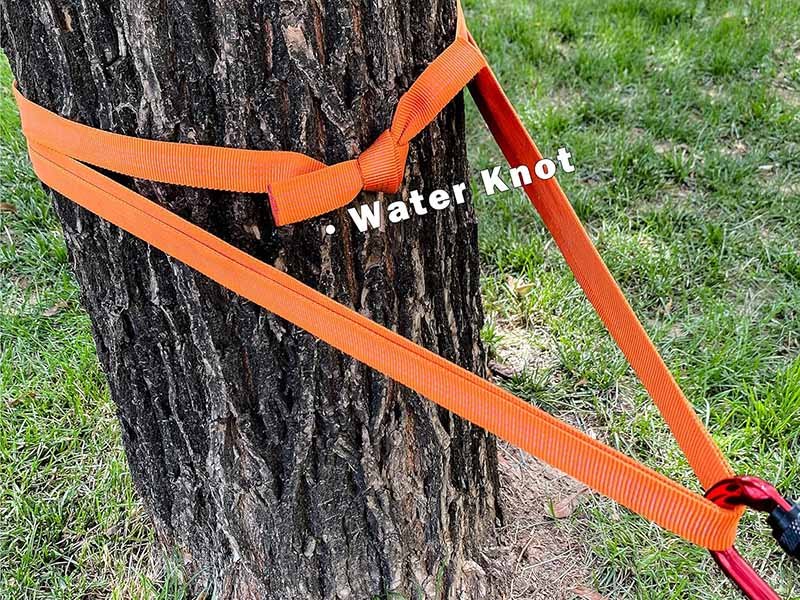
A strap can make a product feel premium—or instantly “cheap”—even when everything else is perfect. Many brands learn this the hard way: the first samples look great on the table, but after a week of real use the strap edge turns fuzzy, the buckle starts chewing the weave, or the shoulder comfort isn’t what customers expected. That’s why flat webbing vs tubular webbing is not a small design detail. It’s a structural choice that affects how the strap wears, how it feels on skin, how it behaves in hardware, and how reliable your sewing is in mass production.
Choose flat webbing when you need a clean, low-bulk strap that runs smoothly through buckles, stitches easily, and keeps cost controlled. Choose tubular webbing when you need better edge comfort, stronger performance around knots and rough contact points, and higher durability under rubbing and bending. The right pick depends on load level, abrasion points, hardware shape, and whether comfort or crisp structure matters more.
If you’ve ever had two “identical” straps feel different in hand, it usually comes down to webbing structure—and it’s fixable once you know what to specify.
What Is Flat Webbing vs Tubular Webbing?
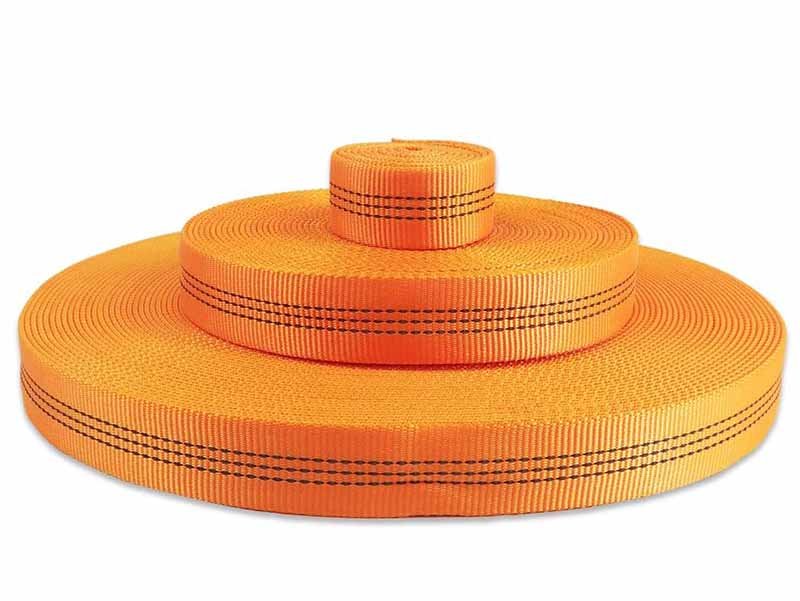
Flat webbing and tubular webbing are both woven straps, but they’re built differently. Flat webbing is a single-layer weave that stays slim and easy to sew. Tubular webbing is woven as a tube and then flattened, creating a thicker, softer edge feel and often better wear performance at contact points. In flat webbing vs tubular webbing, structure decides comfort, bulk, and how the strap survives friction.
What is flat webbing?
Flat webbing is a single flat woven band. In bags and daily gear, this is the strap you see most often because it’s stable, predictable in sewing, and easy to run through common hardware.
Why product teams choose flat webbing
- Low bulk at folds: cleaner box-X stitches, cleaner folded ends, easier bartacks
- Smooth hardware travel: slides well through ladder locks, tri-glides, adjusters
- Cleaner branding surface: easier for jacquard logos or printed marks
- Cost discipline: lower yarn usage at the same width compared with tubular construction
Where flat webbing can disappoint if it’s under-specified
- Edge fuzzing when it rubs on metal rings or sharp plastic corners
- Edge “curl” if the weave balance or heat-setting is not matched to the strap width
- Hard feel if the pick density is too high for a shoulder strap (great for tie-downs, not great for comfort)
Factory-side specs that matter more than “flat”
- yarn type (nylon / polyester / polypropylene)
- yarn size (denier)
- weave density (tightness)
- heat-setting and finishing (controls curl, shrink, stiffness)
What is tubular webbing?
Tubular webbing is woven as a hollow tube and then pressed flat. That tube structure gives a more cushioned hand-feel and often improves edge durability because the edges aren’t just one exposed line taking all the abrasion.
Why brands select tubular webbing
- Comfort: edges feel rounder and less “biting” on shoulder or hand carry
- Better behavior around bends: less harsh creasing at fold points
- Better performance when tied or cinched: tube structure generally holds up better in knots than many flat weaves
- Abrasion tolerance: edges usually survive rubbing longer in rough-use products
Where tubular webbing needs attention
- More bulk: some hardware (tight slides, small adjusters) may not accept it cleanly unless sized correctly
- Sewing settings: thicker cross-sections often need needle/thread adjustments to avoid skipped stitches or puckering at layers
- Branding clarity: some tubular surfaces show weaving texture more strongly, so logo detail needs planning (jacquard vs woven label vs print)
How is flat webbing vs tubular webbing made?
This is the simplest way to picture it:
- Flat webbing: woven as a flat strip → consistent thickness, consistent face surface
- Tubular webbing: woven as a tube → flattened → “double-wall feel” and thicker edges
What that changes in real production:
- flat webbing gives flat geometry (good for slides and sewing)
- tubular webbing gives rounded geometry (good for comfort and wear)
How does flat webbing vs tubular webbing feel?
Feel comes from structure + fiber + tightness. Still, most customers notice these differences quickly:
Feel differences you can expect
- Tubular webbing: softer edge feel, thicker hand-feel, less sharpness at the edges
- Flat webbing: cleaner, flatter, crisper look; can be soft or stiff depending on weave
A practical comfort rule
- Shoulder strap that carries weight for long time → tubular often feels better
- Strap that must slide through adjusters cleanly → flat often works better
what changes in real products
| Item | Flat Webbing | Tubular Webbing |
|---|---|---|
| Structure | single flat weave | tube weave flattened |
| Bulk at folds | lower | higher |
| Comfort on shoulder | depends on fiber/weave | often better edge comfort |
| Hardware compatibility | excellent with most slides | needs correct hardware sizing |
| Edge wear | edges more exposed | edges often survive longer |
| Branding surface | cleaner flat face | texture more visible |
Which Is Better: Flat Webbing vs Tubular Webbing?

Neither is “better” in every product. Flat webbing vs tubular webbing becomes a smart decision when you match webbing structure to your strap’s job: load level, rubbing points, contact with skin, and how the strap runs through hardware. Flat webbing is usually the better choice for clean sewing and smooth adjustability. Tubular webbing is usually the better choice for comfort and durability in rough contact zones.
Which is stronger: flat webbing vs tubular webbing?
Strength depends heavily on fiber, width, weave density, and finishing. But for decision-making, it helps to think in tiers:
Strength drivers (ranked by impact)
- Fiber (nylon vs polyester vs PP)
- Width (wider usually increases breaking load)
- Yarn size and weave density (tighter/heavier webbing carries more)
- Construction (flat vs tubular changes how load distributes)
- Stitching + hardware (often the true weak point in products)
Real product truth: most bag straps do not fail because webbing “snaps” in a straight pull. They fail at:
- stitching (thread break, seam tear, bartack failure)
- hardware contact (abrasion, cutting, melting)
- edge wear over time (fuzzing → thinning → eventual failure)
Strength planning table
| Product scenario | What to focus on first | Flat vs Tubular guidance |
|---|---|---|
| Fashion tote straps | comfort + appearance + sewing | flat for clean look, tubular for comfort |
| Backpack shoulder straps | comfort + hardware travel | flat often for adjusters; tubular for carry handles |
| Heavy tool bag handles | abrasion + reinforcement | tubular or heavy flat + handle wrap |
| Safety / high-load straps | certified testing + spec control | choose construction based on standard + test |
Which lasts longer: flat webbing vs tubular webbing?
“Lasts longer” usually means “survives rubbing and bending without ugly wear.”
Wear points that shorten strap life
- metal D-rings with sharp edges
- tight plastic ladder locks under load
- repeated bending at the same fold line (handle bases)
- dirty/sandy environments (abrasive grit)
Why tubular often lasts longer at contact points
- edges tend to be more protected and less likely to split or fuzz quickly
- tube structure spreads abrasion instead of concentrating it on one edge yarn line
When flat lasts just as long
If you choose a flat webbing with:
- higher weave density
- the right fiber (often nylon for abrasion feel, polyester for stability)
- proper heat-setting (reduces edge curl and loosening)
Which stretches more: flat webbing vs tubular webbing?
Stretch is mostly a fiber choice.
Practical stretch behavior
- Nylon webbing: more “give” under load → can feel nicer in hand carry, but can lengthen slightly under repeated load
- Polyester webbing: more stable length → holds strap adjustment better over time and in wet conditions
- PP webbing: light and economical → often used for light-duty straps, but less suitable for high-load or premium feel
Factory-friendly guidance
- If your strap must keep its length (camera straps, precise fit products, outdoor adjustable straps): polyester is often preferred
- If comfort and shock absorption matter more (hand carry, carry handles): nylon can feel better
Which handles abrasion: flat webbing vs tubular webbing?
Abrasion is where many straps fail visually first.
Two abrasion types
- Surface abrasion (strap rubbing against fabric or soft parts): both can perform well
- Edge abrasion (strap rubbing against hardware or corners): tubular often has an advantage
What to do if you must use flat webbing but abrasion is a concern
- increase weave density (tighter strap)
- choose a tougher yarn (and correct denier)
- add a wear sleeve at the rub zone (small cost, big improvement)
- switch to rounded/cleaner hardware edges
- use reinforced stitch patterns so load is distributed
Data-focused “choose fast” table
| Your strap problem | Best direction | Why |
|---|---|---|
| Strap feels sharp on shoulder | tubular webbing | softer edge feel |
| Strap must slide smoothly through adjusters | flat webbing | low bulk + flat geometry |
| Edges fuzz quickly at a D-ring | tubular / heavier flat + sleeve | better edge protection |
| Sewing has puckering or skipped stitches | flat webbing (or adjust sewing setup) | less bulk at layers |
| Premium look + crisp branding | flat webbing | cleaner face surface |
How Does Flat Webbing vs Tubular Webbing Work in Straps?
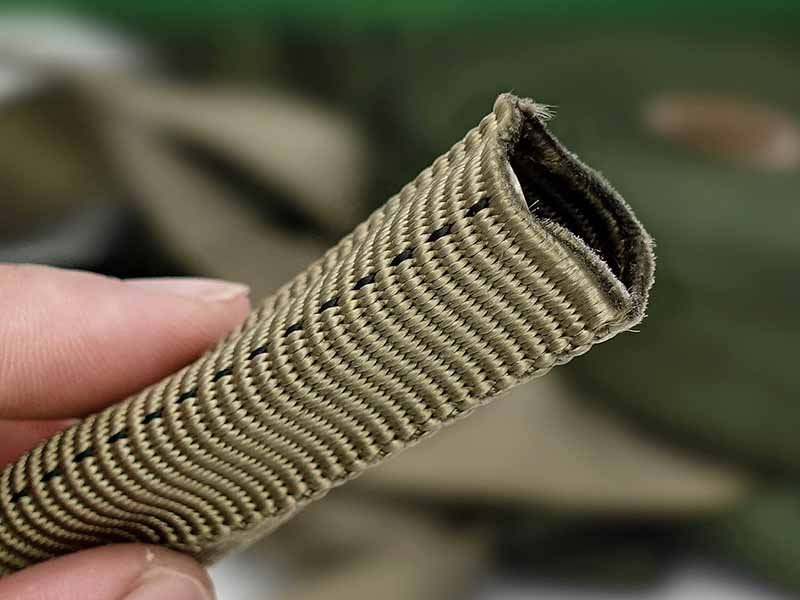
Flat webbing vs tubular webbing works differently in straps because the structure changes how the strap bends, contacts skin, and interacts with hardware. Flat webbing stays low-bulk and feeds smoothly through adjusters, making it easier to sew and keep flat. Tubular webbing feels softer and often resists edge wear better, but needs the right hardware size and sewing setup to avoid bulk and puckering.
How does flat webbing vs tubular webbing affect comfort?
Comfort is not just “soft vs hard.” In real products, comfort is usually controlled by edge pressure + strap width + how the load spreads.
What customers feel first
- Edges: sharp edges feel “cutting” on the shoulder; rounded edges feel “friendly.”
- Width: a 38 mm strap usually feels better than a 25 mm strap at the same load.
- Stiffness: too stiff feels “boardy”; too soft can twist and dig in.
Practical comfort rules you can use
- Hand-carry handles (totes, duffels, tool bags): tubular webbing often feels better because the edge is rounder and the strap feels thicker in hand.
- Shoulder straps with adjusters (backpacks, sling bags): flat webbing often feels better overall because it stays flat through hardware and doesn’t create bulky folds at ladder locks.
Comfort target guide
| Use case | Load feel | Safer width range | Flat vs tubular suggestion |
|---|---|---|---|
| Fashion tote shoulder strap | light–medium | 25–38 mm | flat for clean look; tubular for softer feel |
| Heavy duffel hand carry | heavy | 25–38 mm | tubular or padded handle wrap |
| Backpack shoulder adjust strap | medium | 20–25 mm | flat feeds best through hardware |
| Pet leash handle | medium | 20–25 mm | tubular feels nicer in hand |
If your strap carries heavy loads, add a handle wrap (matching fabric/leather/neoprene) for the hand-carry zone. It costs little but changes customer comfort immediately.
How does flat webbing vs tubular webbing affect stitching?
Most strap failures don’t happen because the webbing “breaks.” They happen because the stitching and layers weren’t planned for the strap structure.
Flat webbing sewing behavior
- Lays flat under the presser foot.
- Easier to keep stitch lines straight.
- Easier to fold and bartack without “stacking” too much thickness.
- More forgiving for mass production speed.
Tubular webbing sewing behavior
- More bulk at folds (tube structure).
- Can trap air and compress under the presser foot (creates uneven thickness at folds).
- Needs better control of feed and presser pressure to avoid puckering.
Factory sewing setup
| Problem in samples | Common reason | Practical fix |
|---|---|---|
| Skipped stitches on tubular | needle too small / wrong point | increase needle size; use correct needle point |
| Puckering at folded ends | presser pressure too high | reduce presser pressure; use walking foot |
| Stitch line looks “wavy” | webbing compresses unevenly | slow down at thick zones; clamp before sewing |
| Thread breaks at bartack | wrong thread spec / tension | use stronger thread; retune tension |
- Box-X stitch: excellent for handles and strap anchors.
- Bartack: good for reinforcement but must match webbing thickness (too short = cuts yarns, too long = weak).
- Multiple rows: good for wide straps; spreads load.
How does flat webbing vs tubular webbing behave on hardware?
Hardware is where straps often “die.” Not from one big pull—but from thousands of small rubs.
Where flat webbing is strong
- Slides cleanly through ladder locks and tri-glides.
- Less bulk → less friction jamming.
- Works well in tight adjusters.
Where tubular webbing is strong
- Handles hardware edges better in many designs (less harsh edge bite).
- Often feels smoother when pulled by hand (better grip comfort).
Common hardware problems and how to prevent them
| Hardware symptom | What it means | Best webbing move |
|---|---|---|
| Strap is hard to adjust | too much bulk/friction | choose flat webbing or reduce thickness |
| Strap slips under load | weave too smooth or hardware teeth weak | change weave texture; change hardware |
| Strap edge fuzzes at buckle | sharp edge or small radius | upgrade hardware edges; consider tubular |
| Strap “folds” inside buckle | webbing too soft | choose tighter weave or add stiffness |
Ask your supplier to confirm the minimum inner width of the adjuster vs webbing width. Even 1–2 mm mismatch causes folding and uneven wear.
How does flat webbing vs tubular webbing handle edge wear?
Edge wear is the number one reason straps look old fast.
What edge wear looks like
- fuzzing
- fraying
- yarn splitting
- whitening (fiber stress)
- “tooth marks” from hardware
Why tubular often holds edges better
- tube structure reduces direct exposure of edge yarn lines
- abrasion spreads across more yarns rather than cutting a single edge
How to make flat webbing last longer at edges
- choose a tighter weave
- avoid overly soft yarn at high-rub zones
- heat-seal or ultrasonic cut edges correctly
- add a wear sleeve where it rubs (simple protective layer)
Practical “wear sleeve” idea for brands
If the strap rubs at a specific point (D-ring zone), add a small sleeve:
- matching webbing wrap
- fabric tube
- PU/leather patch This often doubles the “clean look time” before fuzzing becomes visible.
What Uses Fit Flat Webbing vs Tubular Webbing?

Flat webbing vs tubular webbing fits different uses because products have different failure points. Flat webbing fits bags and adjustable straps where clean sewing and smooth hardware travel matter. Tubular webbing fits heavy-wear, comfort-first straps and products that see rubbing, bending, or knot-like loading. The right choice comes from mapping where the strap touches hardware, where it rubs, and how much load it carries.
What bag uses need flat webbing vs tubular webbing?
When flat webbing is the safer choice for bags
- backpacks with adjusters
- luggage straps that pass through buckles
- clean, minimal fashion straps
- products where bulk creates problems at stitching points
When tubular webbing is the better choice for bags
- carry handles that sit in the hand
- duffel handles under heavier loads
- tote straps where comfort and feel matter more than adjuster travel
| Bag type | Strap feature | Better direction |
|---|---|---|
| Backpack | adjustable strap system | flat webbing |
| Duffel | heavy hand carry | tubular or flat + handle wrap |
| Tote | shoulder carry comfort | tubular or softer flat |
| Tech sling | slim adjust hardware | flat webbing |
What outdoor uses need flat webbing vs tubular webbing?
Outdoor products often fail from abrasion + dirt + repeated bending.
- If your strap will rub against rocks, metal, or rough surfaces: tubular webbing often survives longer.
- If your strap must be adjustable and compact: flat webbing usually performs better.
| Outdoor product | Main risk | Better direction |
|---|---|---|
| Camping gear straps | dirt + abrasion | tubular or heavy flat |
| Adjustable outdoor packs | hardware travel | flat webbing |
| Utility belts | comfort + wear | tubular or padded designs |
What safety uses need flat webbing vs tubular webbing?
For safety products, the decision is not only structure. It is certification + tested performance.
- If the product is load-critical (fall protection, rescue), choose webbing that matches the required standard and request test reports.
- Tubular webbing is widely used in climbing applications because it ties and wears well, but your product requirements decide the final selection.
Safety purchase checklist
- define required minimum breaking strength
- define elongation target (too much stretch can be unsafe)
- define abrasion and aging requirements (UV, moisture)
- require batch traceability
What heavy-load uses need flat webbing vs tubular webbing?
Heavy-load straps often fail at:
- stitching anchor points
- hardware edges
- repeated flex points
Good choices for heavy-load
- tubular webbing for handles and rough contact
- heavy flat webbing with reinforced weave + protective sleeves
Heavy-load planning table
| Heavy-load use | Failure risk | Best webbing plan |
|---|---|---|
| Tool bag handles | abrasion + stitching | tubular + box-X + handle wrap |
| Tie-down straps | stretch control | polyester flat webbing |
| Cargo straps | hardware bite | flat webbing + rounded hardware |
| If your product needs… | Choose more toward… |
|---|---|
| Smooth adjustability | flat webbing |
| Softer hand/shoulder comfort | tubular webbing |
| Lower bulk at stitch points | flat webbing |
| Better edge survival at rub points | tubular webbing |
| Clean, crisp logo surface | flat webbing |
How Do You Spec Flat Webbing vs Tubular Webbing?
To spec flat webbing vs tubular webbing correctly, you must define width, thickness, fiber, weave style, finish, color method, and performance targets (breaking strength, stretch, abrasion, colorfastness). Then match the webbing to your hardware and sewing method. The best spec is the one a factory can repeat: clear numbers, a test method, and a simple approval sample process.
What sizes matter for flat webbing vs tubular webbing?
Size is not just “25mm” or “38mm.” A strap that looks the right width can still fail because thickness and weave density are wrong. Here’s what matters in production:
1) Width (mm)
Width drives:
- comfort (wider spreads load)
- hardware compatibility (must fit buckle/adjuster)
- visual proportion (strap-to-bag balance)
Common widths used in bags and gear
- 10–15 mm: small accessories, key straps, internal straps
- 20–25 mm: backpack adjust straps, slings, leashes
- 30–38 mm: totes, duffels, shoulder carry straps
- 50 mm+: heavy gear, tactical, industrial
2) Thickness (mm) and “hand-feel”
Thickness impacts:
- sewing bulk at folds
- how well it feeds through slides
- how sharp or soft it feels on shoulder
Reality check: tubular webbing of the same width usually behaves “thicker” than flat webbing in folds and hardware.
3) Weave density (tightness)
Two 25 mm webbings can perform very differently because of density.
- tighter weave: stronger, less fuzzing, stiffer
- looser weave: softer, but can wear faster
Spec table you can copy into a PO
| Spec item | What to write | Why it matters |
|---|---|---|
| Webbing type | flat or tubular | sets structure + bulk |
| Width | e.g., 25 mm ± 0.5 mm | hardware fit |
| Thickness | e.g., 1.6–2.0 mm (range) | sewing + comfort |
| Weave style | plain / twill / herringbone | hand-feel + abrasion |
| Edge finish | heat cut / ultrasonic | fray control |
If your strap passes through hardware, don’t only spec width—spec thickness range too. That’s how you prevent “bulk won’t feed through buckle” surprises.
Which materials fit flat webbing vs tubular webbing?
Fiber choice decides stretch, water behavior, UV aging, and long-term look.
Nylon
Best when you want:
- softer hand-feel
- better “give” under load
- good abrasion feel
Watch out for:
- higher stretch than polyester
- can feel looser after heavy use if not designed right
Polyester
Best when you want:
- stable length (holds adjustment better)
- better outdoor stability for many bag use cases
- a slightly crisper “technical” feel
Watch out for:
- can feel stiffer than nylon in some weaves
- edges can feel sharper if weave is very tight (choose a softer weave if comfort matters)
Polypropylene (PP)
Best when you want:
- light weight
- value pricing
- many color options for light-duty use
Watch out for:
- not the first choice for premium straps under long-term heavy load
- can show wear faster depending on weave
Fiber decision table
| Your product need | Better fiber direction |
|---|---|
| Soft, comfortable carry feel | nylon |
| Stable strap length + outdoor use | polyester |
| Light-duty + low cost | PP |
| Premium feel + strong durability | nylon/polyester with correct weave + finish |
The “best” fiber can change based on finish and weave. A well-finished polyester can feel premium; a cheap nylon can feel fuzzy quickly. That’s why sampling matters.
What colors and branding fit flat webbing vs tubular webbing?
Brand teams often focus on color first—and then realize the color doesn’t match across lots, or the logo looks blurry.
Color methods
- Yarn-dyed: best for consistent color and premium look
- Piece-dyed: flexible for small runs but can vary more
- Solution-dyed: strong color stability, good for outdoor fading control
Branding methods
- Jacquard logo webbing: woven logo; great for flat webbing surfaces; works on tubular too but needs careful design spacing
- Heat transfer / printing: best for flat webbing; can crack if webbing is too textured
- Woven label sewn on: reliable for both types; keeps logo crisp
| Branding need | Better direction |
|---|---|
| Crisp woven logo | flat webbing (jacquard) |
| Smooth printed surface | flat webbing |
| Premium minimal look | flat webbing or tubular with subtle texture |
| Heavy-duty strap look | tubular webbing |
Always confirm logo direction and repeat length (for jacquard). A small mismatch can cause logo cropping on finished straps.
How do you test flat webbing vs tubular webbing?
Testing doesn’t need to be complicated. For most brands, these tests catch 90% of problems before mass production.
Core performance tests (recommended)
- Breaking strength
- confirms the webbing meets your load target
- for bags, focus on “strong enough” plus stitching strength
- Abrasion test
- simulate hardware rubbing and repeated use
- key for straps that pass through rings, buckles, or ground contact
- Colorfastness
- rubbing color transfer (dry/wet)
- washing or sweat exposure if it touches clothing
- Dimensional stability
- check shrinkage or length change after heat/humidity
- important for adjustable straps
Hardware + stitch testing (the most realistic)
A webbing can test strong in a lab and still fail in your product if the stitch pattern or hardware edge cuts it.
Two simple product-level tests brands love
- Hardware cycle test: run strap through adjuster 200–500 cycles and check fuzzing
- Loaded hang test: hang a weighted bag for 24 hours and check slippage, stitch creep, and strap deformation
| Test item | What it prevents | When to require it |
|---|---|---|
| Breaking strength | snapping under load | heavy bags, safety gear |
| Abrasion (hardware contact) | fuzzing, edge failure | straps with rings/buckles |
| Colorfastness (rub) | staining clothing | fashion, outdoor |
| Dimensional stability | loose straps over time | adjustable systems |
| Stitch pull test | seam failure | all straps in bags |
Why brands work with Lovrix for webbing and strap development
Lovrix isn’t only supplying webbing. Because we have fabric, webbing, and bag manufacturing under one group, we can develop the strap the way it’s actually used in a finished product:
- Match webbing structure to your bag pattern and load points
- Select the right fiber and weave density for comfort + durability
- Test with your chosen hardware (no guessing)
- Provide quick samples so you can approve feel, color, and performance early
- Support low MOQ customization for brands and e-commerce sellers
- Deliver stable bulk production with consistent QC
Ready to quote your webbing?
If you tell us these 5 items, we can usually propose the best webbing option fast and prepare samples:
- Flat webbing vs tubular webbing preference (or “recommend best”)
- Width (mm)
- Fiber (nylon/poly/PP) or end use (we recommend)
- Color (Pantone or sample match)
- Hardware type (adjuster, ring, buckle size)
Send your requirements to Lovrix and request free design support + a quick quotation + sample options. We’ll help you choose the right strap structure so your product feels good, wears well, and stays consistent in bulk production.


