 Skip to content
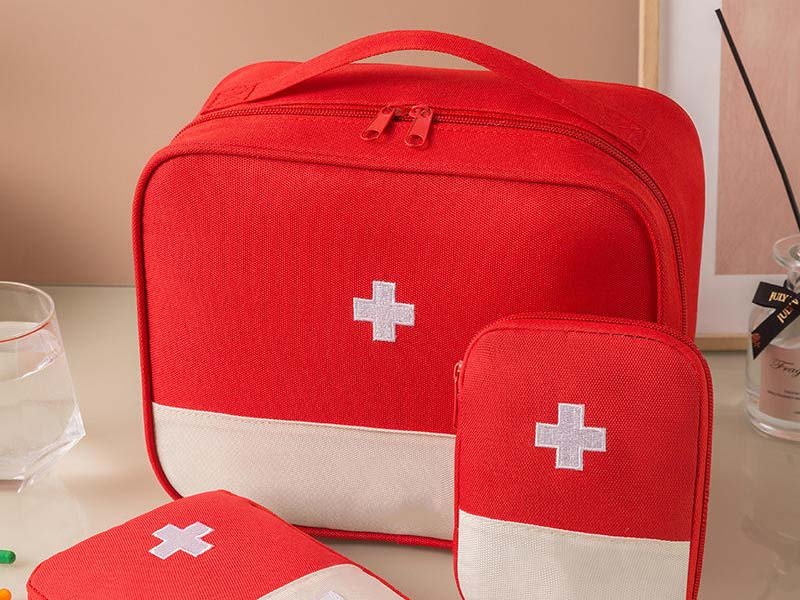
Emergency medical bags are becoming much more than simple storage bags for bandages and basic supplies. In many countries, they are now part of workplace safety systems, school emergency plans, sports injury response, outdoor rescue kits, home healthcare organization, vehicle safety products, and professional EMS operations. The rise in demand is not only coming from hospitals or ambulance teams. It is also coming from companies, distributors, online sellers, outdoor brands, elderly care providers, schools, factories, hotels, and families that want better readiness for unexpected situations.
Global demand for emergency medical bags is growing because more people need portable, organized, and fast-access storage for medical and first aid supplies. The growth is driven by workplace safety requirements, outdoor activities, aging populations, home healthcare, disaster preparedness, sports injuries, vehicle safety, and the expansion of emergency response systems.
For companies planning to develop this product category, the opportunity is not just selling “a red bag with a medical cross.” Real market value comes from bags that solve practical problems: faster access, clearer organization, stronger handles, easier cleaning, better visibility, durable materials, customized compartments, and professional branding. A medical bag used in a factory does not need the same structure as one used by a mountain rescue team. A home care bag should not look or feel like a tactical trauma kit. A private label first aid bag sold online needs both useful design and strong visual appeal.
That is where manufacturing experience becomes important. Lovrix, with more than 18 years of experience in fabric, webbing, and bag development, can help customers turn different emergency medical bag ideas into real products. The best products in this category are not always the biggest or most expensive. They are the ones designed for the right user, the right supplies, and the right emergency scenario.
What Is Global Demand for Emergency Medical Bags?
Global demand for emergency medical bags refers to the growing need for portable bags that store, organize, protect, and transport first aid supplies, EMS tools, trauma products, home care items, workplace safety kits, and outdoor rescue equipment. Demand comes from healthcare, workplaces, families, schools, vehicles, outdoor activities, disaster response, and professional emergency services.
Emergency medical bags are practical products, but the market behind them is broad. Some customers need simple first aid bags for offices and cars. Some need professional EMS bags with multiple compartments. Some need outdoor medical bags made from water-resistant materials. Some need home care bags that feel clean, soft, and easy to use.
The product is closely connected with three business directions:
- Safety readiness: workplaces, schools, hotels, factories, vehicles, and public spaces need emergency supplies nearby.
- Healthcare organization: caregivers, nurses, families, and medical service providers need clean, portable storage.
- Outdoor and rescue use: hiking, camping, boating, sports, and disaster response require medical supplies that can move with the user.
For manufacturers, this means emergency medical bags should not be treated as one fixed product. Size, fabric, zipper, lining, layout, handle, logo, and packaging all need to match the intended market.
| Market Need | Product Direction | Main Design Focus |
|---|---|---|
| Basic first aid | Compact medical pouch | Affordable, simple, clear label |
| Workplace safety | Portable first aid bag | Durable, visible, easy to store |
| EMS response | Professional medical bag | Fast access, strong compartments |
| Trauma care | Emergency response bag | Reinforced, organized, high visibility |
| Outdoor rescue | Water-resistant rescue bag | Lightweight, rugged, easy to carry |
| Home care | Medical organizer bag | Clean, soft, practical, family-friendly |
| Vehicle safety | Car first aid bag | Compact, stable, easy to find |
| Disaster preparedness | Large medical supply bag | High capacity, strong handles, modular layout |
Emergency Medical Bags Today
Emergency medical bags today are used in more daily environments than before. They are no longer only seen inside ambulances or clinics. They are now placed in offices, construction sites, factories, schools, gyms, sports clubs, hotels, cars, homes, boats, outdoor backpacks, and community response centers.
This wider use changes how the product should be designed. A medical bag used by a paramedic must support speed and professional organization. A school first aid bag must be simple and easy for staff to use. A car emergency bag should be compact and easy to locate. A home care bag should look clean and approachable, not overly technical.
Customers also expect more from the product. A basic pouch with one empty compartment may still work for low-cost supply kits, but many markets now prefer better internal organization. Mesh pockets, elastic loops, transparent sections, removable pouches, label windows, and divided compartments help users find items faster.
For Lovrix customers, this creates space for product differentiation. Instead of offering only one generic design, a brand can develop a full emergency medical bag series:
- Small first aid pouch for travel.
- Medium first aid bag for home and car.
- Large workplace medical bag.
- EMS-style response bag.
- Outdoor rescue medical bag.
- Home care medical organizer.
- Custom private label medical kit bag.
This kind of product line is more attractive for distributors, e-commerce sellers, safety suppliers, and healthcare brands because it gives customers choices based on real usage.
Global Demand by Use
Global demand is easiest to understand by looking at where emergency medical bags are used. Each use case creates different requirements for structure, material, capacity, visibility, and customization.
A workplace safety bag usually needs to be durable, clear, and easy to locate. A sports medical bag needs fast access to tapes, bandages, cold packs, and injury supplies. An outdoor rescue bag needs to resist moisture, abrasion, and rough handling. A home care bag needs to feel clean and easy to organize.
| Use Scenario | Common Contents | Bag Features Customers Care About |
|---|---|---|
| Office and Workplace | Bandages, gloves, disinfectant, gauze, scissors | Clear label, compact layout, strong zipper |
| Factory and Warehouse | Burn care, eye wash, wound dressing, gloves | Durable fabric, visible color, reinforced handle |
| Construction Site | Trauma dressing, gloves, tape, splints, scissors | Rugged fabric, dust resistance, large opening |
| School and Campus | Basic first aid, thermometer, masks, medicine | Simple layout, safe zipper, easy identification |
| Sports Team | Tape, cold pack, wrap, scissors, spray, gauze | Wide opening, elastic loops, quick access |
| Vehicle Safety | Compact first aid supplies, gloves, emergency blanket | Small size, strong pouch, high visibility |
| Outdoor Travel | Bandages, survival tools, medicine, emergency items | Water-resistant fabric, lightweight structure |
| Home Care | Medicine, devices, gloves, daily care tools | Clean lining, soft handle, organized pockets |
| EMS Response | Trauma tools, airway items, dressings, supplies | Heavy-duty zipper, modular compartments |
| Disaster Preparedness | Medical supplies, masks, tools, hygiene items | Large capacity, strong webbing, easy sorting |
This table shows why one standard design cannot meet all demand. Customers are not only asking for “medical bags.” They are asking for different levels of readiness.
For Lovrix, the development process starts with the customer’s use case. Before selecting material or confirming size, the team can help clarify:
- Who will use the bag?
- Where will the bag be stored?
- What supplies will be placed inside?
- How quickly does the bag need to open?
- Will the bag be carried by hand, shoulder, backpack, or vehicle?
- Does it need to resist water, dust, or abrasion?
- Is the product for retail, workplace supply, healthcare distribution, or promotional use?
- Does it need logo printing, woven label, patch, or custom packaging?
These questions help avoid product mismatch. A bag that looks good online but fails in real use can damage customer trust. A bag that is overbuilt for a simple promotional kit may become too expensive. The right design balances function, price, and market expectation.
Emergency Medical Bags Value
The value of emergency medical bags comes from organization, protection, visibility, and speed. In urgent situations, users do not want to search through loose supplies. A well-designed medical bag helps them see what they need, reach it quickly, and carry it safely to the place where help is needed.
For product sellers, this value can be translated into stronger product positioning. A better emergency medical bag can be sold not only as a container, but as a safety solution.
Customers usually care about these value points:
- Faster access: wide openings, dual zippers, large pullers, and clear pockets reduce search time.
- Better organization: dividers, mesh pockets, elastic loops, and labels keep supplies in place.
- More durable carrying: reinforced handles, shoulder straps, and webbing support heavier contents.
- Cleaner storage: wipeable lining and smooth interior finishing help maintain hygiene.
- Stronger visibility: bright colors, reflective strips, and medical symbols make the bag easier to find.
- Better brand trust: stable quality, neat stitching, and professional appearance help sellers build confidence.
- More flexible sales: the same product category can serve home, car, workplace, travel, outdoor, and EMS markets.
| Product Value | Design Feature | Business Benefit |
|---|---|---|
| Quick response | Wide opening, clear layout | Better user satisfaction |
| Durable use | Strong fabric, reinforced handle | Fewer product complaints |
| Clean storage | Wipeable lining, smooth seams | Better healthcare image |
| Easy identification | Red color, cross logo, reflective tape | Stronger emergency function |
| Retail appeal | Custom logo, color, packaging | Higher perceived value |
| Multi-market use | Size and layout variations | Easier product line expansion |
| Repeat order potential | Stable quality and consistent specs | Better long-term supply relationship |
For brands and distributors, emergency medical bags can be developed as empty bags, filled kit bags, private label first aid bags, EMS supply bags, home care organizers, outdoor rescue bags, or workplace safety kits. This flexibility makes the category attractive for different sales channels.
Lovrix supports this value through custom design, material selection, webbing development, logo solutions, fast sampling, low MOQ customization, and OEM/ODM production. Since the company has fabric, webbing, and bag factory resources, it can help customers build products that are practical for use and suitable for market sales.
Why Is Global Demand for Emergency Medical Bags Rising?

Global demand for emergency medical bags is rising because safety awareness, workplace protection, outdoor activities, home healthcare, aging populations, vehicle safety, disaster preparedness, and emergency response needs are all increasing. More customers want medical supplies stored in a portable, organized, visible, and durable bag that can be used quickly in real situations.
The market is not growing for only one reason. It is supported by several changes happening at the same time. Companies are paying more attention to employee safety. Families are preparing first aid supplies at home. Outdoor activities are creating new demand for compact rescue bags. Sports groups need medical kits for injuries. Healthcare services are moving into homes. Cities and communities are improving emergency readiness.
For product developers, this means demand comes from many channels, not only hospitals. A good emergency medical bag can be sold to:
- Healthcare suppliers.
- Safety product distributors.
- Workplace safety companies.
- Outdoor and camping brands.
- Sports equipment sellers.
- School supply companies.
- Automotive emergency kit sellers.
- Home care service providers.
- E-commerce private label brands.
- Promotional gift companies.
- Disaster preparedness suppliers.
This wide demand is good news, but it also means competition is becoming more detailed. Customers increasingly compare materials, layouts, durability, zipper quality, internal organization, logo options, and delivery speed. A factory that understands these details can help customers enter the market with stronger products.
Global Demand from Workplaces
Workplaces are one of the strongest sources of demand for emergency medical bags. Offices, factories, warehouses, construction sites, restaurants, hotels, schools, laboratories, logistics centers, and retail stores all need first aid readiness.
In many working environments, small injuries happen more often than people expect. Cuts, burns, slips, sprains, eye irritation, minor bleeding, and tool-related accidents are common reasons to keep medical supplies nearby. A fixed first aid box can work in one location, but a portable emergency medical bag is more useful when staff need to bring supplies directly to the scene.
Workplace customers often care about practical details:
- The bag should be easy to find.
- The medical symbol should be clear.
- The zipper should open smoothly.
- The inner pockets should keep supplies sorted.
- The outer fabric should resist daily wear.
- The handle should feel secure when the bag is full.
- The size should match the number of employees or work area.
- The logo or label should match company safety standards.
- The bag should be easy to reorder in consistent quality.
Workplace emergency medical bags can be developed in several levels:
| Workplace Type | Suggested Bag Style | Key Features |
|---|---|---|
| Office | Compact first aid bag | Clean appearance, simple pockets, wall storage |
| Factory | Medium safety medical bag | Durable fabric, handle reinforcement, clear labeling |
| Warehouse | Portable first aid kit bag | High visibility, strong zipper, easy carry |
| Construction Site | Heavy-duty emergency bag | Abrasion resistance, dust protection, larger capacity |
| Hotel | Clean first aid organizer | Professional look, neat lining, logo option |
| School | Basic medical response bag | Easy access, safe structure, clear compartment |
| Restaurant | Small first aid pouch | Wipeable material, compact storage, fast opening |
| Logistics Fleet | Vehicle medical bag | Compact, durable, visible color |
For Lovrix customers targeting workplace safety, consistency matters. Many companies buy bags for multiple branches, vehicles, departments, or job sites. They need the same color, size, logo, material, and quality across the full order. Lovrix can support this through controlled sampling, custom production, and repeatable OEM supply.
Global Demand from Outdoor Use
Outdoor activities are pushing emergency medical bags into a more lifestyle-driven market. Hiking, camping, cycling, boating, climbing, fishing, hunting, skiing, trail running, and adventure travel all create situations where people need first aid supplies outside traditional medical environments.
Outdoor users care about different things than office users. They may deal with rain, mud, dust, scratches, rough ground, sunlight, and limited space. A medical bag for outdoor use must be portable, visible, and protective.
Outdoor emergency medical bags often need:
- Water-resistant or waterproof-style fabric.
- Lightweight construction.
- Strong zipper or buckle.
- Reflective strip for low-light visibility.
- Bright color such as red, orange, or yellow.
- Abrasion-resistant bottom or panel.
- Webbing loop or attachment point.
- Belt, backpack, or MOLLE-style connection.
- Compact layout for essential supplies.
- Reinforced seams for active movement.
Outdoor demand is also good for product line expansion. An outdoor brand can develop several emergency medical bag products at once:
- Mini first aid pouch for hiking.
- Medium camping first aid bag.
- Waterproof boating first aid pouch.
- Bike emergency medical bag.
- Family camping rescue bag.
- Outdoor trauma pouch.
- Car and travel emergency kit bag.
This allows brands to serve different price levels and customer groups. A small pouch may attract casual users. A more rugged rescue bag may serve serious outdoor users. A waterproof-style bag may fit boating, beach, and camping markets.
Lovrix can support these outdoor-focused emergency medical bags with material selection, waterproof-style fabrics, reinforced webbing, reflective details, custom colors, and private label branding. Since outdoor bags often need both function and strong visual style, fabric and webbing coordination is especially important.
Global Demand from Home Care
Home care is another major factor behind global demand for emergency medical bags. More families are organizing health supplies at home. More elderly people need daily care products. More caregivers need portable storage for medicine, gloves, thermometers, monitoring devices, and basic first aid items.
Unlike EMS or outdoor rescue bags, home care medical bags should not feel too aggressive or overly technical. They should feel clean, calm, organized, and easy to use. A family health bag may sit in a cabinet, bedroom, bathroom, or car. A caregiver bag may be carried between homes or clinics.
Home care customers often care about:
- Lightweight materials.
- Soft but durable handles.
- Easy-open zippers.
- Clean inner lining.
- Multiple small pockets.
- Transparent sections for quick identification.
- Washable or wipeable surfaces.
- Compact size for home storage.
- Calm colors such as navy, gray, white, green, or light blue.
- Private label packaging for retail sales.
Home care emergency medical bags can serve many product directions:
- Family medicine organizer.
- Elder care medical bag.
- Nurse visit bag.
- Home first aid storage bag.
- Travel medicine pouch.
- Baby care emergency bag.
- Chronic care supply organizer.
- Clean medical storage bag for daily use.
For e-commerce sellers, this category has strong potential because it connects with daily family needs. The product does not need to be positioned only for emergencies. It can also be sold as a home health organizer, caregiver supply bag, or travel medicine kit.
Lovrix can help customers develop home care bags with softer structures, cleaner linings, better interior pockets, and lifestyle-friendly branding. This makes the product more suitable for retail and online sales.
Global Demand from Preparedness
Emergency preparedness has become a stronger purchase reason in many markets. Natural disasters, extreme weather, travel uncertainty, public health concerns, road safety, and community response planning all make people more aware of the need to store emergency supplies properly.
Preparedness bags are often larger and more organized than simple first aid pouches. They may carry medical supplies, masks, gloves, emergency blankets, flashlights, whistles, basic tools, hygiene items, and personal protection products. This creates demand for stronger bag structures.
Preparedness customers often want:
- Larger capacity.
- Strong handles.
- Shoulder strap or backpack style.
- Water-resistant outer fabric.
- Reinforced bottom.
- Multiple compartments.
- Clear labels.
- Bright color.
- Reflective details.
- Space for customized kit contents.
- Durable webbing.
- Long-term storage performance.
Preparedness products can be developed for several markets:
| Preparedness Market | Bag Concept | Key Design Needs |
|---|---|---|
| Family Emergency | Home preparedness bag | Large capacity, clear pockets, easy storage |
| Vehicle Safety | Car emergency medical bag | Compact, stable, high-visibility |
| School Safety | Classroom medical bag | Simple layout, easy staff access |
| Workplace Evacuation | Emergency response bag | Strong handle, reflective strip, organized supplies |
| Community Response | Volunteer rescue bag | Large compartments, durable fabric |
| Travel Safety | Portable emergency kit bag | Lightweight, compact, easy carry |
| Natural Disaster Prep | Multi-supply emergency bag | Reinforced structure, modular storage |
For brands, preparedness products can become strong repeatable items because they connect with practical safety concerns. Customers may buy for homes, cars, offices, schools, and travel. This makes the category suitable for distributors, online sellers, safety suppliers, and promotional companies.
Lovrix can help customers customize preparedness medical bags based on volume, material, logo, compartment layout, webbing strength, and packaging. For larger bags, the company can also support reinforced stitching, stronger handles, and better internal organization.
Demand Drivers and Product Response
Global demand for emergency medical bags is not only about more people buying bags. It is about changing expectations. Customers want bags that match their environment and give them confidence.
| Demand Driver | What Customers Need | Product Response |
|---|---|---|
| Workplace Safety | Fast access to first aid supplies | Clear medical symbol, portable structure |
| Outdoor Growth | Medical storage for rough conditions | Water-resistant fabric, strong webbing |
| Home Care Growth | Daily health item organization | Clean lining, soft handle, divided pockets |
| Aging Population | More medicine and care storage | Easy-open zipper, visible compartments |
| Vehicle Safety | Compact emergency readiness | Small size, high-visibility color |
| Sports Injuries | Quick treatment on field | Wide opening, elastic loops, cold pack space |
| Disaster Preparedness | Larger emergency supply storage | Big capacity, reinforced handles |
| EMS Expansion | Professional medical transport | Modular compartments, heavy-duty structure |
For Lovrix customers, understanding these demand drivers helps make better product decisions. Instead of copying a common design, customers can create emergency medical bags that fit a specific market. This improves product usefulness and helps the final product stand out in a crowded category.
Which Emergency Medical Bags Meet Global Demand?

Emergency medical bags that meet global demand are designed around real use, not only appearance. The strongest product types include first aid bags, EMS bags, trauma care bags, outdoor rescue bags, home care bags, workplace medical bags, vehicle emergency bags, and disaster preparedness bags. Each type needs a different balance of material strength, access speed, compartment layout, visibility, hygiene, and carrying comfort.
The global market is not asking for one universal emergency medical bag. It is asking for many product versions that solve different problems. A car first aid bag must be compact and easy to store. An EMS response bag must open quickly and hold many supplies. A home care medical bag must look clean and feel easy to use. An outdoor rescue bag must resist rough handling and weather.
For brands, distributors, e-commerce sellers, and healthcare suppliers, this creates a strong product development opportunity. Instead of selling one basic medical pouch, companies can build a complete product line around different use scenarios, price levels, and customer groups.
Emergency Medical Bags for First Aid
First aid bags are one of the most widely demanded emergency medical bag types because they serve many everyday environments. Homes, offices, vehicles, schools, hotels, gyms, retail stores, warehouses, factories, and travel users all need basic first aid storage.
A first aid bag usually does not need to be overly complicated. Its main job is to keep supplies visible, organized, protected, and easy to access. However, “simple” does not mean low quality. A first aid bag still needs reliable stitching, smooth zipper movement, clean interior finishing, and suitable material strength.
Common first aid bag contents may include:
- Adhesive bandages.
- Gauze pads.
- Medical tape.
- Disposable gloves.
- Small scissors.
- Alcohol wipes.
- Cotton swabs.
- Antiseptic cream.
- Elastic bandage.
- Emergency blanket.
- Burn dressing.
- Basic medicine storage.
- Small instruction card.
For this product type, customers often care about price, size, visibility, and reorder consistency. Many first aid bags are ordered in larger quantities, especially for workplace safety, promotional kits, vehicle kits, or retail first aid products.
| First Aid Bag Need | Recommended Design Detail |
|---|---|
| Easy identification | Red fabric, white cross logo, reflective trim |
| Basic organization | Mesh pocket, elastic loops, inner divider |
| Cost control | Polyester or Oxford fabric with simple lining |
| Retail presentation | Custom logo, color card, polybag or box packaging |
| Travel use | Compact size, lightweight fabric, smooth zipper |
| Workplace use | Stronger handle, clear label window, durable fabric |
Lovrix can support first aid bag projects with custom sizes, fabric options, logo printing, woven labels, zipper pullers, inner pocket layouts, and private label packaging. For e-commerce customers, Lovrix can also help develop multi-size sets, such as small travel first aid bags, medium home bags, and larger workplace safety bags.
Emergency Medical Bags for EMS
EMS bags are designed for professional or semi-professional emergency response. Compared with first aid bags, EMS bags need stronger construction, more organized interiors, faster access, and better carrying systems. They may be used by ambulance teams, emergency responders, industrial safety teams, event medical staff, clinics, rescue groups, or community response teams.
The main purpose of an EMS bag is speed. In an emergency, the user must open the bag quickly and find the correct supply without wasting time. This is why EMS bag design often includes wide openings, color-coded sections, removable pouches, strong handles, reflective strips, and multiple access zones.
EMS bag customers usually focus on:
- Large capacity without messy storage.
- Reinforced handles and shoulder straps.
- Strong zipper and large pullers.
- Heavy-duty fabric.
- Water-resistant or wipeable surface.
- Reflective strips for night visibility.
- Modular pockets for different supplies.
- Clear windows or labels for identification.
- Stable base structure.
- Strong stitching at stress points.
Common EMS bag structures include:
| EMS Bag Style | Use Case | Key Features |
|---|---|---|
| Hand-Carry EMS Bag | General emergency response | Large main compartment, strong handle |
| EMS Shoulder Bag | Mobile response | Adjustable strap, fast side access |
| EMS Backpack | Rescue and field response | Backpack straps, modular compartments |
| Oxygen Bag | Equipment transport | Reinforced structure, fixed inner layout |
| Modular EMS Bag | Professional supply organization | Removable inner pouches, label windows |
| Event Medical Bag | Sports, concerts, public venues | Fast opening, easy identification |
For EMS-style products, production quality is especially important. A weak zipper, poorly sewn handle, or badly designed pocket layout can make the bag difficult to use. Lovrix can help customers develop EMS bags with stronger fabric, reinforced webbing, bartack stitching, wide-mouth structures, and practical internal organization.
Emergency Medical Bags for Trauma Care
Trauma care bags are built for more serious emergency situations. They are often used by EMS teams, sports medicine staff, rescue groups, industrial safety teams, outdoor organizations, tactical-style emergency suppliers, and disaster response groups.
These bags are usually designed to carry supplies for bleeding control, wound care, burn care, splinting, and urgent injury response. The layout must be extremely clear because trauma response is time-sensitive.
A trauma care bag may include space for:
- Trauma dressings.
- Compression bandages.
- Tourniquets.
- Gauze rolls.
- Medical gloves.
- Trauma shears.
- Burn dressings.
- Splints.
- Elastic wraps.
- Emergency blankets.
- Marker pens.
- Airway-related items.
- Blood control supplies.
- Eye protection.
- Face masks.
For trauma care bags, customers often expect a stronger and more functional design than a standard first aid bag. The bag should be easy to open with one hand, visible in stressful environments, and organized by supply category.
Important design details include:
- Wide opening for full visibility.
- Elastic loops for tools.
- Mesh pockets for small supplies.
- Transparent compartments.
- Color-coded zones.
- Strong zipper pullers.
- Reflective medical symbol.
- Reinforced side seams.
- Durable handle.
- Water-resistant fabric.
- Easy-clean lining.
| Trauma Bag Area | Design Purpose |
|---|---|
| Main Compartment | Holds bulkier wound care supplies |
| Elastic Loops | Secures shears, pens, small tools |
| Mesh Pockets | Keeps supplies visible |
| Clear Pockets | Helps identify contents quickly |
| Front Pocket | Stores urgent-access items |
| Reinforced Handle | Supports fast grabbing and carrying |
| Reflective Strip | Improves visibility in low light |
| Label Panel | Allows category marking |
Lovrix can support trauma bag customization for different markets, including sports trauma kits, vehicle trauma bags, workplace emergency bags, outdoor injury response kits, and larger rescue medical bags. For customers selling in professional channels, Lovrix can help focus on reinforced structure, practical compartments, and durable materials.
Emergency Medical Bags for Outdoor Rescue
Outdoor rescue medical bags are designed for environments where the bag may face rain, dust, mud, sunlight, impact, and abrasion. They are often used for hiking, camping, cycling, climbing, boating, fishing, skiing, hunting, trail running, and adventure travel.
Outdoor customers usually want a bag that is light enough to carry but strong enough to protect emergency supplies. The design should not feel too clinical, but it must still be easy to identify as a medical or rescue bag.
Outdoor rescue bags often need:
- Water-resistant or waterproof-style fabric.
- Abrasion-resistant base.
- Compact but organized structure.
- Bright color or reflective detail.
- Reinforced zipper.
- Webbing loops.
- Carabiner or belt attachment.
- MOLLE-style panel for some markets.
- Lightweight inner dividers.
- Dust-resistant zipper cover.
- Strong stitching at corners.
Different outdoor products may require different structures.
| Outdoor Use | Bag Style | Key Design Focus |
|---|---|---|
| Hiking | Compact first aid pouch | Lightweight, visible, easy to pack |
| Camping | Medium rescue bag | More capacity, water-resistant material |
| Cycling | Small emergency pouch | Compact shape, strap attachment |
| Boating | Waterproof-style medical bag | PVC/TPU or coated fabric, sealed protection |
| Climbing | Attachment-ready pouch | Webbing loops, strong zipper, abrasion resistance |
| Family Outdoor Travel | Larger medical organizer | Compartments, handle, clear supply zones |
For outdoor brands, appearance also matters. A rescue bag should match the style of camping gear, hiking backpacks, or adventure equipment. Lovrix can help customize colors, fabric texture, webbing details, reflective strips, patches, zipper pullers, and packaging so the bag fits the customer’s brand identity while staying functional.
Emergency Medical Bags for Home Care
Home care medical bags are growing in demand because more people manage medicine, health tools, first aid supplies, and care items at home. These bags are used by families, caregivers, nurses, elderly care providers, baby care users, and home healthcare services.
A home care bag is different from an EMS bag. It does not need to look aggressive or heavy-duty. It should feel clean, calm, practical, and easy to organize. Customers may keep it in a bedroom, bathroom, cabinet, car, or travel suitcase.
Common items stored in home care medical bags include:
- Medicine bottles.
- Thermometer.
- Blood pressure monitor.
- Glucose meter.
- Disposable gloves.
- Face masks.
- Bandages.
- Wound care supplies.
- Creams and ointments.
- Cotton pads.
- Small scissors.
- Daily care tools.
- Baby care emergency items.
Home care medical bags often need:
- Soft handle.
- Lightweight fabric.
- Smooth zipper.
- Clean lining.
- Transparent pockets.
- Divided storage.
- Elastic holders.
- Easy-clean surface.
- Calm color options.
- Retail-ready packaging.
| Home Care User | Product Direction | Design Focus |
|---|---|---|
| Family | Home first aid organizer | Easy storage, simple layout |
| Elder Care | Daily medical care bag | Clear pockets, easy-open zipper |
| Caregiver | Portable care supply bag | Strong handle, organized compartments |
| Travel User | Medicine travel bag | Compact size, secure pockets |
| Baby Care | Baby first aid pouch | Soft material, gentle colors |
| Home Nurse | Professional care bag | Clean look, durable handle |
For e-commerce and private label brands, home care medical bags can be positioned in a more lifestyle-friendly way. They can be marketed as family health organizers, medicine storage bags, caregiver bags, or travel medical organizers. Lovrix can support these products with softer colors, cleaner linings, printed packaging, woven labels, and custom compartment layouts.
Emergency Medical Bags for Vehicles
Vehicle emergency medical bags are in demand because many customers want first aid supplies stored in cars, trucks, vans, buses, taxis, fleet vehicles, and delivery vehicles. These bags must be compact, stable, easy to find, and durable enough for long-term vehicle storage.
Vehicle bags usually need to fit into glove compartments, trunks, seat pockets, door storage areas, or emergency compartments. They should not be too bulky, but they should hold enough basic supplies for roadside accidents, minor injuries, travel needs, or workplace driving safety.
Vehicle emergency medical bags often need:
- Compact rectangular shape.
- Strong zipper.
- Red or high-visibility color.
- Medical cross logo.
- Lightweight but durable material.
- Inner mesh pocket.
- Elastic loops.
- Carabiner or strap option.
- Heat-resistant consideration for some markets.
- Custom logo for fleet or corporate use.
Vehicle medical bags are suitable for:
- Personal cars.
- Commercial fleets.
- Delivery vehicles.
- School buses.
- Tour buses.
- Taxis and ride-share vehicles.
- Rental cars.
- Construction vehicles.
- Outdoor travel vehicles.
- Emergency preparedness kits.
For companies operating vehicle fleets, customization can be valuable. A company may want its logo, department label, vehicle number label, or safety message printed on the bag. Lovrix can help develop these vehicle-focused first aid bags with consistent quality across bulk orders.
Emergency Medical Bags for Disaster Preparedness
Disaster preparedness bags are designed for larger and more serious emergency storage. They may hold medical supplies, masks, gloves, first aid items, emergency blankets, flashlights, hygiene products, tools, and survival items. These bags are used by families, schools, workplaces, community groups, volunteer teams, and emergency preparedness suppliers.
Preparedness bags usually need more capacity than a normal first aid pouch. They also need stronger handles, better organization, and durable materials because they may be stored for long periods and used under stressful conditions.
Common design needs include:
- Large main compartment.
- Multiple storage zones.
- Reinforced bottom.
- Strong webbing handles.
- Shoulder strap or backpack straps.
- Water-resistant fabric.
- Reflective strips.
- High-visibility color.
- Label windows.
- Inner mesh pockets.
- Modular pouches.
- Strong zippers.
| Preparedness Bag Type | Best Use | Key Feature |
|---|---|---|
| Family Emergency Bag | Home disaster readiness | Large capacity and clear layout |
| Workplace Response Bag | Evacuation and safety teams | Strong handle and organized compartments |
| School Emergency Bag | Classroom or campus use | Easy access and clear labels |
| Community Rescue Bag | Volunteer response | Durable fabric and modular storage |
| Travel Preparedness Bag | Road trips and outdoor travel | Portable size and water resistance |
For customers entering the preparedness market, Lovrix can help build product lines across different sizes and use scenarios. A small vehicle emergency bag, medium family preparedness bag, and large workplace response bag can share a consistent brand look while offering different functions.
How Do Buyers Read Global Demand for Emergency Medical Bags?

Customers read global demand for emergency medical bags by studying who will use the bag, where it will be used, what supplies it must hold, how fast it must open, how durable it must be, and how the product should look in the market. The best emergency medical bags combine practical function, reliable materials, organized layout, hygiene-friendly design, and clear branding.
A strong emergency medical bag is not designed by guessing. It is designed by matching product features with use scenarios. Before confirming a design, customers should think carefully about the target user and the sales channel.
A bag sold to workplace safety departments needs different details from a bag sold to outdoor campers. A professional EMS bag must meet higher durability expectations than a simple home medicine pouch. A medical bag sold online must also look attractive in photos and feel professional when customers open the package.
Emergency Medical Bags Materials
Material is one of the most important decisions in emergency medical bag development. It affects durability, weight, cost, appearance, cleaning, water resistance, and customer perception.
Common material choices include polyester, nylon, Oxford fabric, canvas, PVC, TPU, coated fabric, mesh, webbing, and reflective tape. Each material has different strengths.
| Material | Best For | Main Advantage | Design Note |
|---|---|---|---|
| Polyester | First aid bags, promotional bags | Cost-effective and customizable | Good for bulk orders |
| Nylon | EMS bags, travel medical bags | Lightweight and flexible | Good for portable designs |
| Oxford Fabric | Workplace and outdoor bags | Strong and abrasion-resistant | Good for durable products |
| Canvas | Lifestyle home care bags | Natural and sturdy look | Better for softer branding |
| PVC | Clear medical pouches | Easy to wipe and water-resistant | Good for visible storage |
| TPU | Premium waterproof-style bags | Softer and more flexible than PVC | Higher-end feel |
| Coated Fabric | Outdoor and wet-use bags | Water-resistant surface | Good for travel and rescue bags |
| Mesh | Inner compartments | Visibility and airflow | Useful for supply sorting |
| Webbing | Handles and straps | Strength and carrying support | Important for larger bags |
| Reflective Tape | EMS and outdoor bags | Low-light visibility | Good for safety positioning |
Customers should avoid choosing material only by price. A cheaper fabric may reduce unit cost but increase complaints if the bag fails too early. An expensive fabric may look impressive but may be unnecessary for simple first aid kits. Lovrix helps customers select materials based on target market, expected use, and budget.
Emergency Medical Bags Layout
Layout decides how useful the bag feels in real use. A medical bag with one empty compartment may be inexpensive, but it may not help users find supplies quickly. A better layout can make the bag more practical and more valuable.
Emergency medical bag layouts can include:
- One main compartment for large supplies.
- Mesh pockets for visible items.
- Elastic loops for tools.
- Transparent PVC pockets.
- Removable pouches.
- Divider panels.
- Color-coded sections.
- Label windows.
- Wet and dry separation.
- Front quick-access pocket.
- Side pockets.
- Document pocket.
- Zippered inner sections.
The layout should match the product’s job.
| Bag Type | Layout Priority |
|---|---|
| First Aid Bag | Simple pockets and clear organization |
| EMS Bag | Multiple compartments and removable modules |
| Trauma Bag | Fast access and supply category separation |
| Outdoor Rescue Bag | Compact layout with protected storage |
| Home Care Bag | Small pockets and easy daily use |
| Vehicle Bag | Compact and stable storage |
| Workplace Bag | Clear categories and durable structure |
| Disaster Bag | Large capacity and modular organization |
For private label development, layout is a strong way to stand out. Many emergency bags look similar from the outside, but a better inner structure can make customers choose one product over another. Lovrix can help customers plan pocket size, divider position, mesh area, elastic loops, and zipper opening based on the exact supplies the bag will carry.
Emergency Medical Bags Access
Access speed is one of the most important design points for emergency medical bags. In urgent situations, the user should not struggle with a tight opening, small zipper puller, or confusing pocket structure.
Good access design can include:
- Wide-mouth opening.
- Clamshell opening.
- Dual zipper pullers.
- Large zipper tabs.
- Quick-release buckles.
- Front emergency pocket.
- Pull-out inner pouch.
- Clear inner pockets.
- Color-coded sections.
- Elastic holders for frequently used tools.
The opening style should match the product use. A small travel first aid pouch may only need a simple zipper. A trauma bag may need a wide clamshell opening. An EMS bag may need multiple access points. A workplace bag may need a clear front pocket for basic supplies.
| Access Feature | Benefit |
|---|---|
| Wide Opening | Lets users see supplies quickly |
| Dual Zipper | Allows opening from either side |
| Large Puller | Easier to grab with gloves |
| Clear Pocket | Helps identify contents fast |
| Front Pocket | Stores urgent-access items |
| Color Zones | Reduces confusion during use |
| Removable Pouch | Supports modular supply sorting |
| Elastic Loop | Keeps tools in fixed position |
Lovrix can help customers test access during sample development. A product may look good in a drawing, but the real sample shows whether the opening is wide enough, whether the zipper is smooth, and whether the compartments are easy to use.
Emergency Medical Bags Hygiene
Hygiene is a key concern because emergency medical bags may carry gloves, dressings, masks, medicine, creams, wound care supplies, or items used in dirty environments. Customers often prefer materials and linings that are easy to wipe and maintain.
Hygiene-focused design may include:
- Wipeable lining.
- PVC or TPU inner pockets.
- Coated fabric.
- Smooth seam finishing.
- Reduced raw edges.
- Removable inner pouch.
- Separate clean and used item zones.
- Transparent pockets for quick checking.
- Water-resistant inner layer.
- Easy-to-clean bottom panel.
Different markets have different hygiene expectations. A home care bag may only need clean lining and simple pockets. An EMS bag may need stronger wipeable materials and clear supply separation. An outdoor rescue bag may need a balance between water resistance and durability.
| Hygiene Need | Product Detail |
|---|---|
| Easy Cleaning | Coated lining or PVC pocket |
| Supply Separation | Dividers and removable pouches |
| Reduced Dirt Build-up | Smooth inner seams |
| Wet Item Control | Separate waterproof-style pocket |
| Daily Home Use | Soft but washable lining |
| Professional Look | Clean colors and neat finishing |
Lovrix can help customers choose inner materials that match the product’s real use. This is especially important for medical, home care, EMS, and workplace products where cleanliness influences customer trust.
Emergency Medical Bags Branding
Branding is important because emergency medical bags are often sold as part of a larger safety, healthcare, outdoor, or private label product line. A strong product needs clear identification, professional appearance, and brand consistency.
Branding options may include:
- Screen printed logo.
- Heat transfer logo.
- Embroidered logo.
- Woven label.
- Rubber patch.
- PVC patch.
- Reflective logo.
- Custom zipper puller.
- Medical cross symbol.
- Label window.
- Color-matched webbing.
- Custom packaging.
- Printed care label.
- Instruction card.
- Retail hangtag.
For emergency medical bags, branding must be practical. The logo should not block the medical symbol. A patch should not make the bag too stiff. A printed design should remain clear after use. A reflective logo can improve both branding and visibility.
| Branding Method | Best Use |
|---|---|
| Screen Printing | Cost-effective logos for bulk orders |
| Heat Transfer | Clean graphic logos and symbols |
| Embroidery | Premium look for fabric bags |
| Woven Label | Durable private label identity |
| Rubber Patch | Outdoor and rugged style bags |
| PVC Patch | Waterproof-style and modern designs |
| Reflective Logo | Safety and outdoor products |
| Custom Puller | Small detail for retail quality |
| Custom Packaging | E-commerce and private label sales |
Lovrix can help customers choose branding methods based on material, product positioning, order quantity, and budget. The goal is to make the emergency medical bag look professional while still keeping function at the center.
Emergency Medical Bags Cost Planning
Cost planning is important in emergency medical bag development because different markets have very different price expectations. A basic first aid pouch for promotional use may need strict cost control. A professional EMS bag can support higher material and construction costs. A home care medical organizer may need a good balance between appearance and affordability.
Main cost factors include:
- Bag size.
- Fabric type.
- Lining material.
- Zipper quality.
- Number of compartments.
- Webbing and handle structure.
- Reflective tape.
- Logo method.
- Stitching complexity.
- Packaging type.
- Order quantity.
- Sample revision needs.
| Cost Level | Suitable Product | Recommended Focus |
|---|---|---|
| Economy | Promotional first aid pouch | Simple structure, polyester fabric |
| Standard | Workplace and home first aid bag | Better pockets, durable zipper |
| Mid-Range | Outdoor or vehicle emergency bag | Stronger fabric, water resistance |
| Premium | EMS or trauma response bag | Reinforced structure, modular layout |
| Retail Private Label | E-commerce medical organizer | Visual appeal, packaging, user-friendly design |
Lovrix can help customers balance cost and function. The goal is not always to make the cheapest product. The goal is to make a product that matches the selling price, market use, and customer expectation. This helps customers avoid low-quality products that hurt reviews or overdesigned products that become too expensive to sell.
Where Is Global Demand for Emergency Medical Bags Strong?

Global demand for emergency medical bags is strong in North America, Europe, Asia-Pacific, the Middle East, and Latin America, but each region buys for different reasons. Mature markets often focus on workplace safety, EMS systems, retail quality, and private label branding. Fast-growing markets often focus on healthcare expansion, workplace protection, vehicle safety, and affordable emergency preparedness products.
For companies developing emergency medical bags, regional demand should not be treated as one global pattern. A bag that sells well in the United States may not be the best design for the Middle East. A compact European car first aid bag may not meet the needs of an outdoor rescue customer in Australia. A home care medical organizer for Japan or South Korea may need a softer and cleaner design than a rugged EMS trauma bag for industrial use.
Regional differences affect:
- Bag size and capacity.
- Material selection.
- Color preference.
- Medical symbol placement.
- Logo and labeling method.
- Compartment layout.
- Cleaning requirements.
- Retail packaging style.
- Price level.
- MOQ planning.
- Shipping and delivery expectations.
For Lovrix customers, understanding these regional differences helps avoid generic product development. Instead of producing one bag for all markets, customers can create targeted emergency medical bag lines for North America, Europe, Asia-Pacific, the Middle East, and Latin America.
North America Demand
North America has strong demand for emergency medical bags because the market has mature workplace safety awareness, active outdoor participation, strong e-commerce channels, developed EMS systems, and broad home preparedness habits. Emergency medical bags are commonly used in homes, cars, schools, offices, factories, sports teams, outdoor activities, and professional response environments.
Customers in this market usually pay close attention to product reliability. A medical bag should not only look good in product images; it must also feel strong when opened, carried, and packed with supplies. Online reviews also matter. If a zipper breaks, a handle tears, or the inner layout feels poorly planned, customers may leave direct negative feedback.
Common North American product directions include:
- Car first aid bags.
- Family emergency medical bags.
- Workplace first aid bags.
- EMS response bags.
- Trauma care bags.
- Sports medical bags.
- Outdoor rescue bags.
- Preparedness kit bags.
- Private label medical organizers.
- Promotional safety bags.
North American customers often value:
- Durable polyester, nylon, or Oxford fabric.
- Strong zippers with easy pullers.
- Clear first aid symbol.
- Red, black, orange, navy, or high-visibility colors.
- Reinforced handles.
- Multiple inner pockets.
- Retail-friendly packaging.
- Private label branding.
- Consistent quality for repeat orders.
| North America Product Type | Common Sales Channel | Design Focus |
|---|---|---|
| Car First Aid Bag | Amazon, retail, automotive kits | Compact, visible, easy to store |
| Family Medical Bag | E-commerce, pharmacy, home goods | Clean layout, practical pockets |
| Workplace Safety Bag | Safety suppliers, distributors | Durable fabric, clear label, bulk consistency |
| EMS Bag | Medical suppliers, response teams | Heavy-duty structure, fast access |
| Outdoor Rescue Bag | Outdoor brands, camping stores | Water resistance, webbing, rugged style |
| Sports Medical Bag | Clubs, schools, trainers | Wide opening, cold pack space, elastic loops |
For Lovrix customers targeting North America, the strongest approach is usually to build product versions by use case. A small car bag, medium home bag, and larger workplace bag can share a consistent brand look while serving different buyers. This allows customers to expand SKUs without starting every design from zero.
Europe Demand
Europe has strong demand for emergency medical bags because of workplace safety culture, travel readiness, automotive first aid use, outdoor lifestyles, healthcare organization, and clean product design preferences. European customers often care about practical structure, reliable materials, neat finishing, and simple professional appearance.
In many European markets, customers prefer products that look clean and organized rather than overly bulky or tactical. A first aid bag for cars, homes, offices, or travel should feel practical, not exaggerated. For healthcare and home care products, neutral colors and refined details may perform better than aggressive emergency styling.
Common European product directions include:
- Compact car medical bags.
- Workplace first aid bags.
- Travel first aid pouches.
- Outdoor rescue pouches.
- Home medicine organizers.
- Sports injury bags.
- Healthcare service bags.
- Eco-style canvas medical bags.
- Private label pharmacy bags.
European customers may care about:
- Clean stitching and neat finishing.
- Compact structure.
- Organized inner pockets.
- Material safety and durability.
- Simple color matching.
- Recyclable or lower-impact packaging where possible.
- Clear labeling.
- Private label presentation.
- Stable repeat-order quality.
| Europe Product Need | Suggested Bag Design | Key Detail |
|---|---|---|
| Car Emergency Use | Compact zip pouch | Small size, easy storage, clear symbol |
| Workplace Safety | Medium first aid bag | Durable material, organized layout |
| Travel Medical Storage | Lightweight pouch | Compact, clean, easy to pack |
| Home Care | Soft organizer bag | Calm color, clean lining |
| Outdoor Rescue | Water-resistant pouch | Strong zipper, reflective trim |
| Pharmacy Retail | Private label medical bag | Neat packaging and clean logo |
For Lovrix customers selling to Europe, product appearance and finishing are especially important. Uneven stitching, rough binding, messy logo placement, or cheap-looking materials can reduce trust quickly. A well-controlled sample, clean production standard, and careful final inspection help make the product more suitable for European retail and distribution markets.
Asia-Pacific Demand
Asia-Pacific demand for emergency medical bags is growing because of healthcare development, urbanization, workplace safety improvement, e-commerce expansion, travel growth, aging populations, and increasing family health awareness. The region includes both mature markets and fast-growing economies, so product needs can vary widely.
In mature Asia-Pacific markets, customers may prefer compact, well-organized, clean-looking medical bags for home care, travel, and daily health management. In fast-growing markets, workplace safety bags, school medical bags, vehicle first aid bags, and affordable emergency preparedness bags may have strong demand.
Common Asia-Pacific product directions include:
- Home medical organizer bags.
- School first aid bags.
- Workplace safety medical bags.
- Vehicle first aid kits.
- Travel medicine bags.
- Elder care supply bags.
- Outdoor rescue pouches.
- Promotional first aid bags.
- E-commerce private label bags.
- Community emergency bags.
Asia-Pacific customers often value:
- Cost-performance balance.
- Compact size options.
- Multi-function storage.
- Fast sampling.
- Flexible MOQ.
- Custom colors and logos.
- Clean packaging for e-commerce.
- Lightweight materials.
- Practical internal layout.
| Asia-Pacific Market Direction | Product Opportunity | Design Focus |
|---|---|---|
| Home Healthcare | Medical organizer bag | Clean pockets, lightweight, easy storage |
| E-Commerce | Private label first aid pouch | Attractive design, packaging, low MOQ testing |
| Workplace Safety | Basic emergency bag | Durable, visible, affordable |
| School Safety | First aid storage bag | Simple layout, safe zipper |
| Elder Care | Daily care supply bag | Clear pockets, easy access |
| Outdoor Travel | Compact rescue pouch | Lightweight, water-resistant |
For Lovrix customers targeting Asia-Pacific, flexibility is very important. Some customers may want low MOQ trial orders to test online demand. Others may need a full private label program with multiple sizes. Lovrix’s fast sampling, free design support, and low MOQ customization can help customers test product styles before scaling into larger production.
Middle East Demand
Middle East demand for emergency medical bags is connected with healthcare investment, construction safety, industrial workplaces, logistics, tourism, public venues, schools, and emergency preparedness. Many environments in the region require practical, durable, and easy-to-identify medical storage products.
Industrial and workplace demand can be especially important. Construction sites, oil and gas facilities, warehouses, hotels, transportation services, schools, and event venues may need first aid bags or emergency response bags that can handle heat, dust, frequent handling, and larger supply volumes.
Common Middle East product directions include:
- Construction site first aid bags.
- Industrial emergency medical bags.
- Vehicle emergency bags.
- Large workplace response bags.
- Hotel first aid bags.
- School medical bags.
- EMS-style response bags.
- Event medical bags.
- Community preparedness bags.
- Healthcare supply bags.
Middle East customers may care about:
- Strong outer fabric.
- Dust-resistant structure.
- Reinforced handles.
- High-visibility color.
- Heat-aware material choices.
- Large capacity.
- Clear labeling.
- Durable zipper.
- Easy-clean lining.
- Professional logo placement.
| Middle East Use Case | Recommended Bag Feature | Reason |
|---|---|---|
| Construction Site | Oxford fabric, reinforced handle | Handles rough use and daily movement |
| Industrial Workplace | Large compartments, strong zipper | Holds more safety supplies |
| Hotel and Tourism | Clean appearance, logo option | Supports professional service image |
| Vehicle Fleet | Compact and durable pouch | Easy storage across multiple vehicles |
| Public Events | EMS-style response bag | Fast access and visible identification |
| Schools | Medium first aid bag | Simple and reliable emergency access |
For Lovrix customers targeting the Middle East, material strength and practical carrying design should be considered early. A bag that looks good but uses weak handles may fail in industrial or outdoor use. Strong webbing, reinforced stitching, durable fabric, and easy-clean lining can make the product more suitable for this region.
Latin America Demand
Latin America demand for emergency medical bags is supported by workplace safety, vehicle safety, schools, community healthcare, outdoor activities, sports, travel, and growing interest in practical home emergency products. Many customers in this region look for a strong balance between durability and price.
The market may include distributors, healthcare suppliers, promotional companies, school suppliers, workplace safety vendors, automotive kit sellers, and e-commerce brands. Products should be practical, affordable, and durable enough for daily use.
Common Latin America product directions include:
- Basic first aid bags.
- Vehicle medical pouches.
- School medical bags.
- Workplace first aid kits.
- Sports medical bags.
- Community health bags.
- Outdoor first aid pouches.
- Home care medical organizers.
- Promotional emergency bags.
- Private label medical kit bags.
Latin America customers may care about:
- Competitive pricing.
- Durable material.
- Simple but useful layout.
- Clear first aid logo.
- Strong zipper.
- Bulk order consistency.
- Custom branding.
- Practical packaging.
- Easy reorder support.
- Low MOQ product testing.
| Latin America Product Type | Best Design Direction | Main Customer Concern |
|---|---|---|
| Basic First Aid Bag | Simple polyester pouch | Affordable and useful |
| Vehicle Medical Bag | Compact zip bag | Easy storage and visibility |
| Workplace First Aid Bag | Medium Oxford bag | Durable and clear |
| Sports Medical Bag | Wide-opening bag | Fast access to supplies |
| Community Health Bag | Portable organizer | Capacity and easy carry |
| Promotional Medical Bag | Logo-customized pouch | Cost and brand exposure |
For Lovrix customers targeting Latin America, product design should avoid unnecessary complexity unless the product is positioned as premium. A clean, durable, affordable medical bag with a clear logo, good zipper, and useful internal pockets can perform better than an overly expensive design. Lovrix can support different cost levels by adjusting fabric, structure, logo method, and packaging.
Regional Product Planning
A practical global strategy is to develop emergency medical bags by region and use case, instead of relying on one generic model. This helps customers match local demand more accurately.
| Region | Strong Demand Area | Product Focus | Lovrix Support |
|---|---|---|---|
| North America | Home, car, EMS, workplace, outdoor | Durable, retail-ready, private label | Multi-size product lines, logo and packaging |
| Europe | Car, workplace, travel, home care | Compact, clean, practical | Neat finishing, material selection |
| Asia-Pacific | Home care, e-commerce, workplace, school | Cost-performance, flexible MOQ | Fast samples, low MOQ customization |
| Middle East | Industrial, construction, events, healthcare | Strong, visible, easy-clean | Reinforced webbing and durable fabrics |
| Latin America | Workplace, vehicle, school, sports | Practical, affordable, durable | Cost-controlled custom production |
For customers building a global product line, Lovrix can help adjust the same core product into different regional versions. For example, one emergency medical bag concept can be adapted into:
- A compact version for cars.
- A medium version for workplaces.
- A stronger version for outdoor use.
- A cleaner version for home care.
- A larger version for preparedness kits.
- A branded version for e-commerce retail.
This approach helps customers reduce development time while still serving different market needs.
How Can Lovrix Support Global Demand for Emergency Medical Bags?
Lovrix supports global demand for emergency medical bags through custom design, fabric selection, webbing development, OEM/ODM production, quality control, fast sampling, low MOQ customization, free design support, free sample support, and short lead times. The company helps customers create emergency medical bags that match real use, regional demand, and brand positioning.
Lovrix is a Chinese group company with more than 18 years of experience in fabric, webbing, and bag research, development, manufacturing, and sales. The company has fabric finished-product factories, webbing factories, and bag factories. This integrated structure is valuable for emergency medical bags because the product depends on several connected details: fabric durability, zipper quality, webbing strength, stitching stability, compartment layout, logo application, and packaging.
For medium and high-end brands, e-commerce sellers, healthcare suppliers, safety product companies, outdoor brands, and importers, Lovrix can support custom, private label, OEM, and ODM projects from idea to shipment.
Emergency Medical Bags Design
Emergency medical bag design should start from use, not only appearance. Lovrix can help customers turn product ideas into practical structures based on target users, supplies, capacity, access needs, and sales channels.
Design support may include:
- Product size planning.
- Main compartment structure.
- Inner pocket layout.
- Mesh pocket placement.
- Elastic loop arrangement.
- Transparent pocket design.
- Removable pouch options.
- Zipper opening method.
- Handle or shoulder strap design.
- Reflective strip placement.
- Logo position.
- Label window design.
- Color matching.
- Packaging planning.
A good design process can prevent many common problems. For example, a bag may look compact in a drawing but become too small for the customer’s actual supply list. A zipper may look fine on a flat layout but not open wide enough in real use. A handle may look strong but need reinforcement when the bag is filled.
Lovrix can help review these details during the design and sample stage, reducing the risk of costly changes later.
Emergency Medical Bags Materials
Material selection directly affects durability, appearance, cleaning, cost, and product positioning. Lovrix can recommend suitable materials based on the customer’s market and intended use.
Material support may include:
- Polyester for basic and cost-effective first aid bags.
- Nylon for lightweight travel and EMS-style bags.
- Oxford fabric for workplace and outdoor emergency bags.
- Canvas for lifestyle and home care medical organizers.
- PVC for transparent or easy-clean medical pouches.
- TPU for premium waterproof-style products.
- Coated fabric for water-resistant emergency bags.
- Mesh for inner visibility and organization.
- Webbing for handles, straps, and loops.
- Reflective tape for EMS, outdoor, and safety products.
- Wipeable lining for hygiene-focused designs.
Because Lovrix has fabric-related manufacturing resources, customers can receive more practical advice on material behavior. Some fabrics look good but are difficult to sew. Some materials are cost-effective but may not match premium positioning. Some waterproof-style materials need special seam consideration. Lovrix helps customers balance these factors before bulk production.
Emergency Medical Bags OEM
Lovrix supports OEM production for customers who already have product designs, samples, drawings, or reference styles. The team can help turn customer specifications into stable bulk production.
OEM support may include:
- Production based on customer design.
- Custom size and pattern development.
- Material sourcing and confirmation.
- Logo application.
- Custom color matching.
- Inner layout production.
- Zipper and webbing customization.
- Packaging customization.
- Bulk production quality control.
- Repeat order support.
OEM emergency medical bags are suitable for:
- Healthcare product brands.
- Safety product distributors.
- Outdoor gear brands.
- E-commerce private label sellers.
- Automotive emergency kit suppliers.
- Promotional product companies.
- School and workplace supply companies.
- Medical equipment distributors.
For customers who need consistent supply, Lovrix can help maintain approved samples, material standards, and production details for repeat orders.
Emergency Medical Bags ODM
Lovrix also supports ODM projects for customers who have a market idea but need help developing the product. This is useful for customers who know they want to enter the emergency medical bag category but are not sure about the exact size, layout, material, or structure.
ODM support may include:
- Product concept suggestions.
- Structure recommendations.
- Material and cost comparison.
- Existing style reference.
- Functional layout development.
- Sample creation.
- Sample revision.
- Product series planning.
- Packaging suggestion.
- Market-positioned customization.
For example, a customer may want to develop a three-piece emergency medical bag series for online sales:
- Small travel first aid pouch.
- Medium home medical organizer.
- Large workplace emergency bag.
Lovrix can help create a consistent design language across all three products while adjusting size, layout, material, and cost level. This makes the product line easier to sell as a brand collection.
Emergency Medical Bags Quality
Emergency medical bags must be reliable because they are connected with safety and care. Lovrix focuses on product quality from material selection to final inspection.
Quality control may include:
- Fabric quality check.
- Color consistency check.
- Cutting accuracy.
- Stitching inspection.
- Zipper smoothness check.
- Handle reinforcement review.
- Webbing strength check.
- Inner pocket inspection.
- Logo position check.
- Reflective strip placement check.
- Lining cleanliness.
- Thread trimming.
- Shape and size review.
- Final packing inspection.
Key areas that often need extra attention include:
| Quality Area | Why It Matters | Lovrix Control Focus |
|---|---|---|
| Zipper | Used frequently during emergencies | Smooth opening, strong attachment |
| Handles | Carry weight under pressure | Reinforced stitching, strong webbing |
| Inner Layout | Affects supply organization | Pocket accuracy and clean stitching |
| Fabric | Determines durability and appearance | Material inspection and suitability |
| Logo | Affects brand presentation | Position accuracy and durability |
| Lining | Affects hygiene and user feel | Clean finish and easy-care material |
| Corners | Affects bag shape and strength | Reinforcement and sewing control |
| Packaging | Affects retail and delivery | Clean packing and product protection |
Lovrix offers 100% quality assurance, helping customers reduce the risk of defective products, inconsistent shipments, and poor customer feedback.
Emergency Medical Bags Sampling
Sampling is one of the most important steps in emergency medical bag development. It allows customers to check the product before mass production and make adjustments to size, material, layout, zipper, logo, stitching, and packaging.
Lovrix supports fast sampling to help customers move quickly from idea to physical product. This is important for e-commerce sellers, brand owners, distributors, and importers who need to test products or respond to market demand.
Sampling can confirm:
- Whether the size holds the intended supplies.
- Whether the zipper opens wide enough.
- Whether the inner layout is useful.
- Whether the material feels right.
- Whether the handle is comfortable.
- Whether the logo looks professional.
- Whether the bag shape is stable.
- Whether the packaging matches the sales channel.
- Whether production cost matches the target market.
Emergency Medical Bags Branding and Packaging
Branding and packaging are important because many emergency medical bags are sold through retail, e-commerce, distributors, healthcare channels, and promotional programs. A well-made product still needs the right presentation.
Lovrix can support branding options such as:
- Screen printed logo.
- Heat transfer logo.
- Embroidered logo.
- Woven label.
- Rubber patch.
- PVC patch.
- Reflective logo.
- Custom zipper puller.
- Custom first aid symbol.
- Printed care label.
- Label window.
- Hangtag.
- Insert card.
- Retail box.
- Polybag packaging.
- Custom carton marks.
Packaging can be adjusted for different channels:
| Sales Channel | Packaging Focus |
|---|---|
| E-Commerce | Attractive presentation, barcode, compact shipping |
| Retail | Hangtag, color card, display-ready packaging |
| Medical Supply | Professional label, clean packing |
| Workplace Safety | Bulk carton packing, clear model identification |
| Promotional Gift | Logo presentation and cost control |
| Outdoor Brand | Rugged visual style and branded packaging |
Lovrix can help customers create packaging that matches product positioning without adding unnecessary cost.
Final Thoughts: Build Emergency Medical Bags That People Can Trust
Global demand for emergency medical bags is growing because safety, healthcare, outdoor activity, workplace protection, home care, vehicle readiness, and emergency preparedness are becoming more important around the world. But the market does not only need more bags. It needs better bags—products that are useful, durable, organized, easy to identify, clean to maintain, and suitable for real emergency scenarios.
A successful emergency medical bag should answer practical questions:
- Can users find supplies quickly?
- Can the bag handle the weight of its contents?
- Is the zipper smooth and reliable?
- Are the pockets arranged logically?
- Is the fabric strong enough for the target use?
- Can the lining be cleaned easily?
- Is the handle reinforced?
- Is the logo clear and professional?
- Does the packaging match the sales channel?
- Can the factory repeat the same quality in bulk production?
For brands, importers, e-commerce sellers, safety product suppliers, outdoor companies, healthcare distributors, and promotional product companies, emergency medical bags offer strong product development potential. The category can serve homes, cars, workplaces, schools, sports teams, EMS users, outdoor travelers, and disaster preparedness markets.
Lovrix helps customers turn this demand into custom products. With more than 18 years of experience in fabric, webbing, and bag manufacturing, Lovrix provides custom, private label, OEM, and ODM solutions for emergency medical bags. The company supports free design, low MOQ customization, fast sampling, free sample support, short lead times, and 100% quality assurance.
Customers can work with Lovrix to develop:
- First aid bags.
- EMS response bags.
- Trauma care bags.
- Outdoor rescue bags.
- Home care medical organizers.
- Vehicle emergency bags.
- Workplace safety bags.
- School first aid bags.
- Disaster preparedness bags.
- Private label medical bag collections.
If you are planning to develop emergency medical bags for your brand, product line, safety program, healthcare channel, outdoor market, or e-commerce store, Lovrix can help you create a practical and market-ready solution.
Contact Lovrix today to share your product idea, target market, preferred material, size requirement, logo plan, and order quantity. Lovrix will help you build custom emergency medical bags that match your market, budget, and quality expectations.


