Skip to content
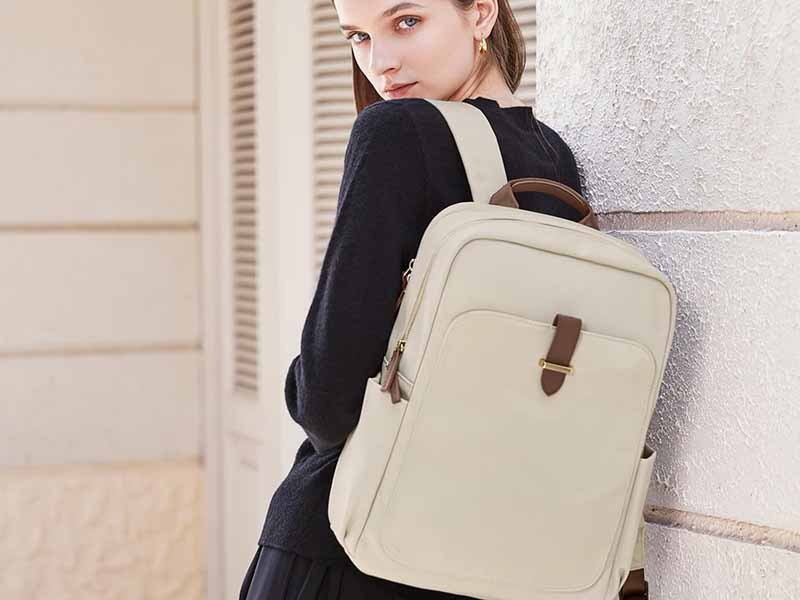
When people ask “How much does a backpack cost?” they’re usually expecting a simple number. But backpacks don’t work that way. A $25 backpack and a $180 backpack might look similar on the outside, yet behave very differently after six months of daily use. Zippers fail, seams split, padding collapses, waterproof coatings wear off—and suddenly the cheaper option isn’t cheap anymore.
Backpacks sit at the intersection of materials, engineering, and real-life use. Unlike fashion items worn occasionally, a backpack absorbs weight, friction, weather, and movement every single day. That’s why pricing varies so widely—from budget school bags to premium travel packs and fully customized brand products.
Most backpacks cost between $20 and $150, depending on materials, construction, features, and brand positioning. Entry-level backpacks focus on basic function and low cost, while higher-priced backpacks invest in durable fabrics, reinforced stitching, ergonomic structure, and long-term performance. Custom and OEM backpacks vary in price based on fabric choice, complexity, order volume, and branding details.
Behind every backpack price is a series of design and production decisions. One buyer once told us: “We didn’t realize the cost difference came from what you don’t see.” And that’s where the real story begins.
What Determines Backpack Cost

Backpack cost is mainly determined by materials, construction quality, internal structure, hardware components, design complexity, and production scale. Higher prices usually reflect better fabric durability, reinforced stress points, ergonomic support systems, premium zippers and buckles, and stricter quality control. Customization level and order volume also play a major role in determining final unit cost.
Backpack pricing is not arbitrary. Each price difference can be traced back to specific engineering and production decisions. Understanding these factors helps buyers avoid paying for features they don’t need—or underpaying for products that won’t last.
Materials: Why fabric choice sets the cost baseline
Fabric is the single largest cost component in most backpacks, typically accounting for 30–45% of total manufacturing cost.
Key material factors that affect price include:
- Fiber type (polyester, nylon, recycled yarns)
- Density and strength (GSM, denier, weave tightness)
- Surface treatment (coating, lamination, water resistance)
- Abrasion and tear resistance
For example, switching from basic 600D polyester to high-density nylon or Cordura-style fabrics can increase unit cost by several dollars—but may double or triple product lifespan. From a value perspective, fabric choice often matters more than brand name.
Construction & stitching: Where durability is decided
Two backpacks made from the same fabric can have very different costs due to construction quality.
Cost increases with:
- Reinforced stitching at load-bearing points
- Higher stitch density and stronger thread
- Bar-tacking at strap connections
- Multi-layer panel construction
These details require more labor time and skilled operators. They are also the main reason why some backpacks fail within months while others last for years. Construction quality is invisible at first glance—but critical in real use.
Internal structure: Why shape and support add cost
Backpacks are not just fabric shells. Structure adds both cost and performance.
Common structural elements include:
- Foam padding layers
- PE boards or frame sheets
- Reinforced bottom panels
- Load distribution components
Each layer increases material usage and assembly steps. Structured backpacks cost more because they are designed to carry weight comfortably over time, not just hold items. This is especially important for travel, laptop, and professional-use backpacks.
Hardware components: Small parts with big impact
Zippers, buckles, and adjusters may represent a small portion of total material cost, but they have a high failure risk.
Price is affected by:
- Zipper brand and smoothness
- Buckle strength and fatigue resistance
- Custom-molded vs generic components
Premium hardware reduces breakage, returns, and negative reviews. Cheaper hardware lowers upfront cost but often becomes the first failure point—especially under daily use.
Design complexity: How shape and features affect pricing
Design complexity increases cost in ways many buyers overlook.
Cost rises with:
- Multiple compartments and curved panels
- Specialized pockets (laptop, anti-theft, hidden)
- Ergonomic shoulder strap shaping
- Custom sizes or non-standard patterns
Complex designs increase cutting loss, labor time, and quality control effort. A simpler design using better materials often delivers better value than a complex design built to a price.
Customization & branding: Why “small changes” aren’t free
Customization adds cost because it disrupts standard production flow.
Common cost drivers include:
- Custom logos (woven labels, embroidery, heat transfer)
- Special colors or fabrics
- Custom packaging
- Private label specifications
Each customization step introduces setup time and approval cycles. However, when managed properly—especially with experienced manufacturers—customization allows brands to invest budget where customers actually notice and care.
Order volume & production scale: How MOQ changes unit cost
MOQ directly affects unit price by spreading fixed costs such as:
- Pattern development
- Sampling
- Tooling and setup
Lower volumes mean higher per-unit costs. This is why manufacturers with low-MOQ systems and integrated factories (like Lovrix) are attractive to growing brands—they reduce entry barriers without sacrificing quality.
How Much Do Backpacks Cost by Type

Backpack prices vary by type, typically ranging from $20 to over $200. Everyday backpacks usually cost $25–$60, laptop backpacks $40–$120, travel backpacks $80–$200+, and premium or specialty backpacks even more. Price differences are driven by capacity, structure, materials, protection level, and intended use rather than appearance alone.
Backpacks are designed for different use scenarios. Comparing prices without understanding type-specific requirements often leads to poor buying decisions. Below is how cost breaks down by backpack category—and why.
How much does an average backpack cost?
Across global online marketplaces and retail stores, the average backpack costs between $40 and $70. This range represents the point where manufacturers can balance material quality, basic structure, and acceptable durability.
At this price level, most backpacks include:
- Medium-density polyester or nylon fabrics
- Basic padding on straps and back panel
- Standard zippers and hardware
- Simple internal organization
However, “average” does not mean “universal.” The same $55 backpack may feel adequate for light daily use but fail under heavier loads or frequent travel. Average pricing works best for general-purpose use, not specialized needs.
Everyday backpacks: What price range is typical?
Everyday backpacks—used for school, commuting, or casual daily carry—generally fall in the $25–$60 range.
- $25–$35: Entry-level backpacks with thin fabrics, minimal padding, and basic stitching. Suitable for light loads and short-term use.
- $40–$60: Mid-range daily backpacks with improved fabric density, better padding, and reinforced stress points.
For most users, the $40–$60 range offers the best balance between comfort and cost. For brands, this segment is highly competitive, which is why small upgrades in material or construction can strongly influence customer reviews.
Laptop & tech backpacks: Why do they cost more?
Laptop backpacks typically range from $40 to $120, even when they are similar in size to everyday backpacks.
The added cost comes from:
- Dedicated laptop sleeves with impact protection
- Suspended or floating compartments
- Extra padding and structural reinforcement
- Cable management and organization features
These backpacks are priced higher because they protect high-value items. Consumers are more willing to pay for reduced risk of device damage, making this category less price-sensitive and more performance-driven.
Travel backpacks: Why are prices higher?
Travel backpacks usually cost $80–$200 or more, depending on size and build quality.
Key cost drivers include:
- Larger capacity (30–50L or more)
- Load-bearing structure to support weight
- Reinforced seams and bases
- Durable, abrasion-resistant fabrics
Unlike daily backpacks, travel backpacks must remain comfortable when fully loaded and used continuously for days or weeks. The price reflects the need for structural reliability, not just storage space.
Hiking & outdoor backpacks: What pushes prices up?
Hiking and outdoor backpacks often overlap with travel backpacks in price but are engineered for more demanding environments. Prices commonly range from $100 to $250+.
Higher cost is driven by:
- Advanced back ventilation systems
- Weight-distribution frames
- Weather-resistant materials
- Specialized ergonomic design
These backpacks are built for endurance and safety. Failure in outdoor settings carries higher risk, which is why performance standards—and costs—are higher.
School backpacks: How pricing differs by region
School backpack pricing varies significantly by country and culture.
- Global average: $20–$60
- Japan (randoseru): $300–$600
Japanese school backpacks are designed to last 6+ years of daily use, with thick materials, rigid structure, and strict quality standards. The high price reflects long-term durability rather than short-term fashion.
This example shows that backpack cost is often tied to expected lifespan, not just materials.
Specialty & premium backpacks: When price exceeds $200
Premium, tactical, or specialty backpacks can exceed $200–$400.
These prices reflect:
- Military-grade or industrial materials
- Extensive testing and certification
- Low-volume or niche production
- Brand positioning and warranty support
For most users, these backpacks are unnecessary. For specific professions or extreme conditions, they offer value that cheaper options cannot.
Backpack Cost by Type
| Backpack Type | Typical Price Range | Main Cost Drivers |
|---|---|---|
| Everyday | $25–$60 | Fabric density, basic padding |
| Laptop | $40–$120 | Device protection, structure |
| Travel | $80–$200+ | Capacity, load support |
| Hiking/Outdoor | $100–$250+ | Ergonomics, durability |
| School (Japan) | $300–$600 | Longevity, rigid structure |
| Premium/Specialty | $200–$400+ | Materials, testing |
Which Backpack Features Add Cost

Backpack cost increases mainly with features that improve capacity, protection, comfort, and durability. Larger size, reinforced structure, waterproof construction, ergonomic load systems, premium padding, and specialized compartments all raise material usage, labor time, and quality control requirements. These features don’t just add convenience—they significantly extend product lifespan and reduce failure risk.
Not all features add equal value. Some features mainly increase perceived appeal, while others fundamentally change how a backpack performs over time. Understanding this difference helps buyers invest wisely.
Capacity & size: Why bigger backpacks cost more
Larger backpacks require more fabric, lining, padding, and webbing, which directly increases material cost. However, size alone is not the biggest cost driver—structure is.
For example, increasing capacity from 20L to 30L may only add modest fabric cost. But once a backpack exceeds 25–30L, structural reinforcement becomes necessary to prevent sagging and discomfort.
This includes:
- Thicker back panels
- Reinforced bottoms
- Stronger shoulder strap anchors
Without these upgrades, larger backpacks fail quickly. That’s why high-capacity backpacks are rarely cheap.
Internal structure & reinforcement: The hidden cost factor
Internal structure is one of the most expensive—and least visible—features.
Common structural elements include:
- Multi-layer foam padding
- PE boards or frame sheets
- Load-bearing panels
- Shape-retention inserts
Each layer increases cutting steps, alignment precision, and assembly time. Structured backpacks cost more because they are designed to maintain shape under load, not just look good on a shelf.
This feature is especially critical for travel, laptop, and professional backpacks.
Waterproofing & weather protection: Why it adds 10–30% cost
Waterproof features significantly affect cost depending on execution.
| Waterproof Method | Cost Impact | Protection Level |
|---|---|---|
| Water-resistant coating | Low | Light rain |
| PU/TPU laminated fabric | Medium | Heavy rain |
| Seam sealing + coating | High | Near waterproof |
True waterproof backpacks require material upgrades and tighter quality control. Even small mistakes in seam alignment or coating thickness can cause leaks, which increases rejection rates during inspection—another hidden cost.
Padding & comfort systems: Why comfort isn’t cheap
Comfort-related features add cost because they rely on material density and precise layering.
Higher-end backpacks use:
- Multi-density foam (not single-layer padding)
- Breathable mesh with abrasion resistance
- Contoured shoulder straps and back panels
Cheap padding compresses within months. High-density foam maintains resilience for years but costs more and requires more complex assembly.
For users carrying backpacks daily, comfort features are often the difference between a usable product and a constant complaint.
Ergonomic load distribution: When backpacks become systems
Advanced ergonomics move backpacks from “bags” to load systems.
Cost-driving ergonomic features include:
- Sternum straps and load lifters
- Adjustable back length
- Weight distribution frames
These features add cost because they increase:
- Component count
- Assembly time
- Testing and adjustment steps
They are rarely necessary for casual use but essential for travel and outdoor backpacks.
Specialized compartments: Why organization adds cost
Multiple compartments don’t just add zippers—they add complexity.
Cost increases with:
- Laptop suspension systems
- Anti-theft hidden pockets
- Tech organization panels
- Shoe or wet/dry compartments
Each compartment adds fabric layers, stitching lines, and quality checkpoints. A highly organized backpack may cost significantly more than a simple design of the same size.
Premium hardware: Small parts, big price impact
Upgrading hardware adds cost disproportionate to size.
Examples include:
- YKK® zippers vs generic zippers
- High-strength buckles vs basic plastic
- Metal adjusters vs molded parts
Premium hardware reduces breakage, noise, and user frustration. For brands, this means fewer returns and better reviews—often justifying the higher upfront cost.
Custom features & branding: Why “small changes” matter
Customization is not free because it disrupts standard production flow.
Cost drivers include:
- Custom logos and label types
- Special color matching
- Non-standard sizes or patterns
- Custom packaging
Each change adds setup time and approval cycles. However, when managed by experienced manufacturers, customization allows brands to invest budget where customers actually notice.
| Feature | Cost Impact | Long-Term Value |
|---|---|---|
| Larger capacity | Medium | Depends on structure |
| Internal structure | High | Very high |
| Waterproofing | Medium–High | High |
| Comfort padding | Medium | High |
| Ergonomic systems | High | Use-case specific |
| Premium hardware | Low–Medium | High |
| Custom branding | Low–Medium | Brand-driven |
How to Estimate Backpack Cost for Custom Orders

Custom backpack cost is estimated by combining material choice, size and structure, feature complexity, branding requirements, and order volume. Unlike retail pricing, OEM pricing is modular and transparent. Buyers can estimate cost by defining fabric type, capacity, structural support, hardware grade, and customization level, then adjusting unit price based on MOQ and production scale.
Estimating custom backpack cost does not require guessing—it requires breaking the product into cost blocks. Below is how experienced brands and manufacturers approach pricing.
Step 1: Define the base product (size, type, use case)
Cost estimation starts with what the backpack is designed to do, not how it looks.
Key questions:
- Daily, travel, laptop, or outdoor use?
- Capacity range (e.g., 20–25L vs 30–40L)?
- Expected load weight and usage frequency?
A simple 20L daily backpack and a structured 35L travel backpack are fundamentally different products—even before materials are chosen. Size sets the baseline fabric and labor requirement.
Step 2: Choose fabric & lining (30–45% of total cost)
Fabric is the largest cost driver in custom backpacks.
Typical fabric cost tiers:
- Basic polyester: low cost, moderate durability
- High-density nylon: higher cost, better abrasion resistance
- Coated or laminated fabrics: added cost for water protection
Lining quality also matters. Cheap linings tear quickly and increase returns. Upgrading lining fabric often adds little cost but significantly improves perceived quality.
Step 3: Decide structure & padding level
Structure separates budget backpacks from long-term performers.
Structural options include:
- Foam thickness and density
- PE board or frame sheet
- Reinforced base panels
Each layer adds material cost and labor time. Buyers often underestimate how much structure affects pricing—but also how much it affects comfort and durability.
Step 4: Select hardware grade (zippers, buckles, webbing)
Hardware failures are among the most common backpack complaints.
Cost increases with:
- Premium zipper brands or waterproof zippers
- High-strength buckles
- Thicker, higher-tensile webbing
Hardware usually represents a smaller portion of total cost, but upgrading it often delivers disproportionate improvements in reliability.
Step 5: Add features & compartments
Each additional feature adds cost in three ways:
- More materials
- More stitching lines
- More quality checkpoints
Common cost-adding features:
- Laptop protection systems
- Anti-theft pockets
- Shoe or wet/dry compartments
- Hidden or zippered internal panels
Complex designs may increase cutting loss and labor time more than expected.
Step 6: Branding & customization details
Customization affects setup cost and production flow.
Branding options include:
- Woven labels, embroidery, heat transfer
- Custom colors or fabrics
- Private label packaging
These costs are usually modest per unit at scale, but noticeable at low MOQs. Clear branding decisions early prevent costly revisions later.
Step 7: MOQ & production scale adjustment
MOQ has a direct impact on unit price by spreading:
- Pattern development
- Sampling cost
- Production setup
| Order Volume | Unit Cost Trend |
|---|---|
| Very low MOQ | Higher |
| Medium MOQ | Balanced |
| High volume | Lowest |
This is why manufacturers with low-MOQ capability are valuable to growing brands—they reduce entry cost without sacrificing build quality.
Simple Cost Estimation Logic
| Cost Block | Impact Level |
|---|---|
| Fabric & lining | High |
| Structure & padding | High |
| Hardware | Medium |
| Features | Medium |
| Branding | Low–Medium |
| MOQ | High |
Rather than asking “What’s the cheapest option?”, experienced buyers ask “Where should we spend and where can we save?”
Are Cheap Backpacks Worth Buying

Cheap backpacks can be worth buying for light, short-term, or low-risk use, but they rarely offer long-term value. Lower prices usually result from thinner materials, simpler construction, and reduced quality control. For daily commuting, travel, or branded products, cheap backpacks often wear out faster, leading to higher replacement costs and lower user satisfaction over time.
A backpack’s price is paid once—but its performance is tested every day. Cheap backpacks aren’t automatically bad; they are simply built with different expectations.
What makes a backpack “cheap” in real manufacturing terms?
Cheap backpacks are not cheap by accident. Their price reflects deliberate cost reductions in several areas:
- Fabric weight & density: thinner yarns, looser weaves
- Structure: little to no internal reinforcement
- Padding: single-layer, low-density foam
- Hardware: generic zippers and buckles
- Quality control: limited inspection checkpoints
These choices reduce cost, but also reduce tolerance for stress, weight, and time. Cheap backpacks are designed to work until they don’t—usually sooner than expected under daily use.
When cheap backpacks actually make sense
There are situations where cheap backpacks are the rational choice:
- Occasional or seasonal use
- Very light carrying loads
- Promotional or giveaway purposes
- Short-term events or campaigns
- Entry-level or trial products
In these cases, longevity is not the primary goal. Paying more would not necessarily add proportional value.
Why cheap backpacks fail under daily use
Daily use exposes weaknesses quickly. Common failure points include:
- Shoulder strap seams pulling loose
- Zippers breaking or jamming
- Back panels collapsing
- Bottom corners tearing
These failures rarely appear in the first weeks—but emerge after repeated loading and movement. Once structural failure begins, repair is usually impractical.
Cost per year: A better way to judge value
Looking only at purchase price is misleading. A more accurate metric is cost per year of use.
| Backpack Type | Price | Lifespan | Cost per Year |
|---|---|---|---|
| Cheap backpack | $25 | 6–12 months | $25–$50 |
| Mid-range backpack | $60 | 3–5 years | $12–$20 |
| Well-built custom backpack | $120 | 6–10 years | $12–$20 |
Higher-quality backpacks often cost the same—or less—over time.
User experience & hidden costs
Cheap backpacks don’t just fail structurally; they also create comfort and perception costs:
- Shoulder pain from poor padding
- Heat buildup due to non-breathable materials
- Poor organization leading to daily frustration
For brands, these translate into:
- Higher return rates
- Lower reviews
- Reduced repeat purchases
These hidden costs often outweigh initial savings.
Are cheap backpacks risky for branded products?
For branded backpacks, cheap construction carries brand risk. A backpack is a high-visibility, high-contact product. Failures are noticed immediately and associated with the brand.
This is why many successful brands avoid extreme cost-cutting and instead choose controlled-cost custom production—investing in durability where users notice it most.
How to Get the Best Backpack Value
The best backpack value comes from matching materials, structure, and features to real use, then comparing products by cost-per-year—not just unit price. Buyers get better value by choosing durable fabrics, reliable hardware, and essential comfort features while avoiding unnecessary complexity. For brands, OEM/private label production often offers higher value because budget can be allocated directly to performance rather than retail markup.
“Value” isn’t a feeling—it’s a measurable outcome. A backpack is high-touch, high-wear, and highly reviewed. The best-value backpack is the one that performs well after months of real use, not the one that looks great on day one.
Start with the use case: What is the backpack really for?
The fastest way to waste money is buying a backpack built for the wrong job.
Ask these questions first:
- Is it for daily commuting, travel, outdoor, school, or work gear?
- What’s the average load weight (light, medium, heavy)?
- How often will it be used (weekly vs daily)?
- Will it face rain, abrasion, or rough handling?
Once the use case is clear, you can decide which upgrades truly add value—like waterproofing for frequent rain, or structure for heavy loads.
Compare by “cost per year,” not sticker price
Value becomes obvious when you divide price by lifespan.
A $60 backpack lasting 4 years often beats a $25 backpack replaced annually. This also reduces shopping time, frustration, and failure risk.
Simple rule:
- Short-term use: price matters more
- Long-term daily use: durability matters more
For buyers and brands, this mindset aligns with customer satisfaction and return reduction.
Spend on the “Top 3 value drivers”: fabric, structure, hardware
If you only upgrade three things, upgrade these:
- Fabric durability
- Higher density weave and abrasion resistance reduce visible wear.
- Internal structure & reinforcement
- Reinforced base and strap anchors prevent early failure.
- Zippers & buckles
- Hardware failure is one of the most common reasons backpacks are discarded.
These upgrades raise manufacturing cost modestly but often extend lifespan dramatically.
Avoid “complexity traps”: features that add cost but little value
Some features look premium but don’t always create real-world value:
- Too many compartments that reduce usable space
- Over-designed organization panels
- Decorative hardware that adds weight without strength
- Fashion-first materials that scuff easily
Better value often comes from simpler designs executed with stronger materials, rather than complex designs built to a price.
Regional pricing insight: How much does a Japanese school backpack cost?
Japanese randoseru backpacks commonly cost $300–$600, sometimes more. That price makes sense because they’re expected to last 6+ years with heavy daily use, and are built with:
- Rigid structural reinforcement
- Thick leather or high-grade synthetics
- Strict quality standards
- Comfort engineering for load distribution
The lesson for global buyers: when a market expects longevity, higher prices reflect long-term performance, not branding alone.
How to compare suppliers: What to ask beyond unit price
For sourcing or custom orders, value improves when you ask practical questions:
- What fabric spec is used (denier/GSM, coating type)?
- How are strap stress points reinforced (bar-tack, extra layers)?
- What zipper grade is used and what failure rate is typical?
- What QC steps happen before packing?
- What is the sample approval process and tolerance control?
Suppliers who answer clearly are usually better partners than those who only quote a low price.
For brands: Why OEM/private label often delivers better value
Retail pricing includes brand marketing, distribution, and store margins. OEM/private label shifts budget back into the product itself.
Brands gain value by:
- Selecting materials based on customer needs
- Controlling structure and comfort upgrades
- Customizing features that affect reviews
- Avoiding unnecessary retail overhead
- Building consistency across product lines
This is why many fast-growing brands move from “buying generic” to building their own backpack spec.
Conclusion
Asking “How much do backpacks cost?” is really about asking “What am I paying for—and what am I getting in return?”
Whether you’re sourcing backpacks for retail, e-commerce, corporate use, or brand expansion, the smartest decisions come from understanding materials, structure, and real-world use—not just price tags.
Work with Lovrix to Build Backpacks That Deliver Real Value
With over 19 years of experience in fabric development, webbing production, and backpack manufacturing, Lovrix helps brands turn ideas into reliable, market-ready backpacks.
If you’re planning a new backpack line—or want to improve the value of your current products—reach out to Lovrix for a tailored quotation and sample support.
The right backpack isn’t the cheapest one. It’s the one that keeps working long after the first impression.