 Skip to content
How to Develop High-Performance Hunting Bags with a Reliable OEM Manufacturer in China
Hunting gear requires a level of engineering far beyond ordinary outdoor bags. Experienced hunters demand durability, silent operation, weather protection, load stability, rifle or bow compatibility, and intuitive pocket layout—because equipment failure in hunting scenarios is not an option.
A high-performance hunting bag must be engineered with rugged fabrics, waterproof coatings, silent hardware, modular gear access, balanced weight distribution, and camouflage integration. Working with a professional OEM/ODM hunting bag manufacturer ensures proper material selection, specialized stitching, reinforced load-bearing construction, and testing against real field conditions. Brands should prioritize durability, stealth, ergonomics, and safety compliance during development.
Hunters rely on gear that performs under harsh conditions, so your manufacturing partner must understand hunting behaviors, terrain, climate variables, and equipment load patterns. This page is your step-by-step guide to developing premium hunting bags from concept to mass production.
What Problems Are Buyers Trying to Solve When Developing Hunting Bags?
This page is designed to serve all decision-makers involved in sourcing, designing, or selling hunting gear. Because hunting bags are highly technical, buyers need a manufacturing partner who understands the ecosystem of hunters, terrains, climates, and equipment carried in the field.
Hunting Equipment Brands
Companies that manufacture or sell:
- rifles, bows, crossbows
- scopes and optics
- ammunition & accessories
- calls, lures, traps
These brands require hunting bags engineered for:
- gear compatibility
- silent operation
- ruggedness
- specific terrain patterns
Outdoor Gear & Tactical Brands
Businesses expanding into hunting subcategories:
- tactical backpacks
- MOLLE modular systems
- hybrid outdoor packs
They need a partner who understands how to merge tactical engineering with hunting-specific stealth and camouflage.
Sporting Goods Retailers & Chain Stores
Regional or global retail networks selling private-label hunting gear:
- require multi-SKU hunting bag collections
- expect packaging, UPC, and retail display support
- depend on consistent repeat-production quality
We help them build full-range seasonal hunting bag lines, from daypacks to rifle bags.
Amazon & DTC Hunting Brands
Buyers launching or improving hunting bags online typically need:
- low/medium MOQs
- differentiation from competitors
- improved features (silent fabrics, reinforced frames, waterproofing)
- competitive margins
We specialize in optimizing designs for top-ranking models.
Bow Hunting & Archery Companies
These brands require premium engineering for:
- bow-carrying systems
- silent harness configurations
- anti-slip weapon retention straps
- fleece and tricot panels
Firearm & Rifle Accessory Companies
We support rifle-focused brands with:
- padded rifle scabbards
- long-gun backpacks
- hybrid hunting–tactical packs
- heavy-duty bottom panels
Wildlife Conservation, Game Rangers & Field Organizations
Organizations operating in rugged terrains require:
- waterproof packs
- tactical-grade durability
- multi-climate performance
Hunting Tour Operators & Outdoor Experience Providers
They often need:
- customized field packs
- durable guide equipment bags
- branded multi-day hunting bags
Startups Creating a New Hunting Brand
We support early-stage brands with:
- material consultation
- cost analysis
- small-batch prototyping
- branding & design refinement
Why Hunting Bags Require Professional Engineering
Hunting bags must withstand extreme outdoor conditions, carry heavy equipment safely, remain silent, and offer fast access to gear. Poor engineering leads to noise, failure, or unsafe situations during field use.
Why hunting bag design cannot be approached like standard outdoor bags:
A. Hunting Environment Stress Factors
- sharp branches
- rocky terrain
- heavy rain and mud
- extreme temperatures
- long-distance tracking
Materials must resist tearing, moisture, abrasion, and UV exposure.
B. Noise Suppression Is Critical
Metal clinking or fabric friction can spook wildlife. Requires:
- silent zipper pulls
- fleece or brushed tricot panels
- rubberized hardware
- friction-reduced fabrics
C. Heavy & Uneven Load Distribution
Hunters carry:
- ammunition
- optics
- food & water
- first-aid kits
- knives or survival tools
- bow/rifle accessories
Load stress must not cause back pain or structural failure.
D. Safety & Reliability
A broken strap or faulty buckle in the wild can become dangerous. Therefore:
- bar-tack at stress points
- military-grade stitching
- reinforced shoulder harness
E. Modular & Fast Access Design
Hunters need quick retrieval:
- ammo pockets
- hydration compartments
- weapon attachment straps
- front-loading systems

Key Factors to Consider When Developing a Hunting Bag
This section outlines essential engineering considerations including materials, camouflage patterns, stealth features, weight distribution, pocket layout, modular attachment systems, and environmental durability.
Material Strength & Abrasion Resistance
Recommended:
- 600D–1680D polyester
- heavy-duty ballistic nylon
- Cordura-style woven fabrics
- TPU ripstop
- silent suede-touch tricot
Camouflage System Accuracy
Important factors:
- printing clarity
- colorfastness
- pattern alignment
- multi-terrain compatibility
- infrared-reducing coatings (optional for military/tactical use)
Silent Operation Features
- fleece zipper garages
- rubber-coated pullers
- magnetic quick-access closures
- soft-touch buckles
Durability & Reinforcement
- high-tensile stitching
- PE/EVA board reinforcement
- padded internal frame
- abrasion-resistant bottom
Ergonomic Carry System
- adjustable shoulder & chest straps
- breathable mesh
- load-stabilizer belt
- padded lumbar support
Hydration System Integration
- hydration bladder sleeve
- hose exit port
- insulation panels
Specialized Gear Storage
- ammo pockets
- bow or rifle cinch straps
- optics compartment
- rain cover pocket
- first aid compartment
- game haul system (for certain models)

Material Options, Surface Finishing & Construction Engineering
Hunting bags require rugged, waterproof, silent, and abrasion-resistant materials combined with reinforced stitching, structural panels, and stealth coatings. This section details the engineering behind premium hunting bag construction.
A. Exterior Fabrics
| Material | Benefits | Notes |
|---|---|---|
| 600D Polyester | balanced durability & cost | ideal for mid-range hunting bags |
| 900D / 1000D Nylon | heavy-duty & abrasion resistant | premium price, strong tactical appeal |
| Ballistic Nylon | extremely rugged | ideal for rifle bags, tactical models |
| TPU-Coated Ripstop | waterproof protection | ideal for wet climates |
| Brushed Tricot | silent & matte | used on bow-hunting & stealth bags |


B. Surface Finishing Options
- Waterproof PU coating
- DWR (Durable Water Repellent)
- Anti-scratch PVC base
- Anti-noise tricot overlays
- Camouflage sublimation or rotary printing

C. Structural Engineering
- EVA foam walls (3–8mm)
- molded back panel
- internal aluminum or plastic frame
- PE base board
- sandwich-layer pocket construction

D. Hardware Selection
- rubberized buckles
- paracord zipper pullers
- YKK or SBS zippers
- camo-coated snaps
- quick-release clips
Our OEM/ODM Engineering Solution for Hunting Bags
Our OEM/ODM framework covers design research, material engineering, silent technology, camouflage management, structural reinforcement, ergonomic load systems, prototyping, testing, and global manufacturing for professional hunting bag programs.
Our development system is built to handle the technical challenges unique to hunting bags.
Step 1
Research, User Profiling & Competitor Benchmarking
We analyze:
- hunting style (bow, rifle, tree-stand, waterfowl, big game)
- expected climate conditions
- load weight & distribution
- required silent zones
- competitor weaknesses (noise, durability, poor reinforcement)
- target retail price (cost–feature optimization)
Deliverables:
- functional requirement document
- feature–priority matrix
- material selection draft
- early 2D sketches or 3D mockups
Step 2
Material Engineering & Fabric System Development
We identify the correct materials for:
Exterior Shell
- 600D / 900D / 1680D nylon
- ballistic nylon
- Cordura-like heavy-duty weaves
- tricot silent overlays
- TPU waterproof fabric
Interior System
- ripstop lining
- anti-microbial coatings
- waterproof PU backing
Reinforcement Materials
- EVA foam (3–10 mm)
- PE board, PP board
- aluminum stays (for framed packs)
Hardware System
- silent zippers
- rubberized buckles
- anti-corrosion coated pullers
Camouflage Printing
- sublimation
- rotary print
- digital print
- custom color-calibration
Step 3
Pocket Architecture & Utility Engineering
We design pocket systems optimized for hunting behavior:
Includes:
- front quick-access pockets
- ammo pocket geometry
- optics & binocular compartment
- hydration bladder sleeve
- waterproof pocket for electronics
- fleece-lined pockets for silent operation
- side utility loops & cinch straps
- rain cover pocket
We use CAD-based pattern modeling for accurate dimensional mapping.
Step 4
Load-Bearing Ergonomics & Frame Engineering
We engineer hunting bags to carry 10–40 kg loads safely.
Ergonomic components include:
- contoured shoulder straps
- S-curve harness
- ventilated 3D mesh back panel
- adjustable sternum strap
- multi-layer lumbar padding
- hip belt with MOLLE or pockets
Optional upgrades:
- internal aluminum frame
- external frame for game haul packs
- molded EVA back panels
Step 5
Prototype Development (1–3 Rounds)
Sample 1 (Functional Sample):
- verifies structure
- checks noise performance
- tests pocket accessibility
Sample 2 (Refinement Sample):
- improves fit & load balance
- adjusts camo alignment
- upgrades hardware
Sample 3 (PP Sample / Final Pre-production):
- full accuracy
- factory-ready specification
- performance validated
Step 6
Performance Testing & QC Integration
Testing includes:
- material strength
- stitch reinforcement
- waterproofing
- noise suppression
- UV colorfastness
- vibration & impact durability
Step 7
Mass Production & Quality Control
Processes include:
- fabric inspection & weight verification
- panel cutting with camo-aligned marker
- stitching with reinforced pathways
- integration of shoulder harness and frame
- in-line QC checkpoints
- final AQL inspection
Step 8
Packaging, Labeling & Export Support
We provide:
- retail packaging
- barcode implementation
- carton design
- FBA-compliant labeling
- export logistics support
Key Questions Buyers Should Ask When Choosing a Hunting Bag Manufacturer
Choosing the wrong factory leads to noise issues, weak stitching, inaccurate camouflage, or structural failure during field use. The checklist below ensures you select a truly specialized hunting bag supplier.

Material & Fabric Capability
- Can the factory source ballistic nylon, tricot, Cordura-like, or waterproof TPU?
- Do they offer silent fabrics and fleece overlays?
- Can they print or match professional camouflage patterns?

Reinforcement & Structural Engineering
- Do they understand PE/EVA reinforcement for frame stability?
- Can they build internal metal/plastic frames for premium packs?
- How do they reinforce stress points, bottom panels, and shoulder strap joints?

Noise Reduction Techniques
- What silent hardware options do you offer?
- Can you engineer rubberized buckles, silent zipper garages, and fleece quiet zones?
- How do you test noise levels?

Ergonomics & Load-Bearing Expertise
- Can you design a hunting-specific harness system?
- Do you use lumbar support, mesh ventilation, and adjustable chest straps?
- How do you ensure comfort under 10–25 kg load?


Camouflage Printing Capabilities
- Can they reproduce commercial camo patterns (Realtree, Mossy Oak) if the buyer provides a license?
- Do they ensure color consistency across batches?
- How do they handle print alignment and panel cutting?

Quality Control & Testing
Ask for:
- drop test results
- tensile strength tests
- waterproofing test reports
- colorfastness test reports
- abrasion test data
OEM/ODM Design Capabilities
- Do they have in-house designers?
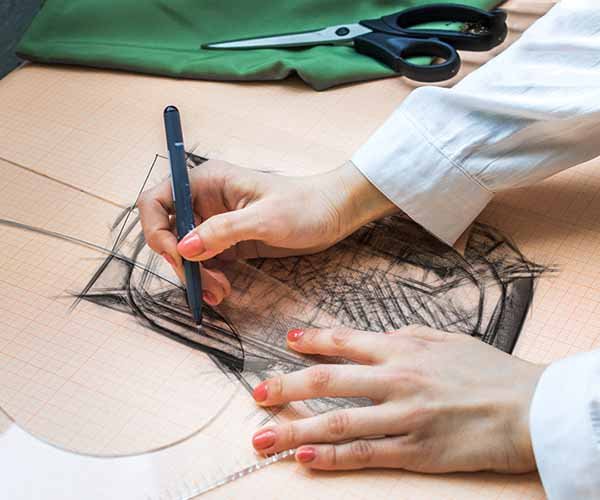
- Can they produce CAD patterns, 3D mockups, and prototype iterations?
- Can they customize hardware, trim, and internal layout?

Production Scale & Flexibility
- What is the minimum order quantity?
- Can they support small-batch testing before mass production?
- Can they scale to large seasonal demand?
Safety, Durability & Performance Testing Standards for Hunting Bags
Hunting bags undergo rigorous mechanical, environmental, noise, and durability testing to ensure they withstand extreme outdoor use, heavy loads, moisture, abrasion, UV exposure, and sudden impacts.
Hunting bag testing must simulate real environments to guarantee survival in harsh terrain.
Mechanical Strength Tests
1. Static Load Test (20–40 kg)
- Bag suspended with load for 24–72 hours
- Evaluates seam integrity, frame stability, and overall deformation
2. Dynamic Load Test
Simulates real hunting movement:
- pack swinging
- climbing stress
- quick-direction changes
3. Strap Tensile Test
Shoulder strap tensile strength: 250–350 N
Handle tensile strength: 150–200 N
4. Drop Impact Test
Dropped from 1 m, fully loaded
Assesses structural shock absorption.
Fabric & Material Durability Tests
1. Abrasion Resistance (Martindale)
Simulates rubbing against:
- rocks
- bark
- rough terrain
- equipment
Required cycles: 10,000–30,000 depending on material.
2. Tear Strength Test
Ensures nylon/cotton blends resist ripping when snagged.
3. Puncture Resistance
Simulates sharp branches, knives, or gear corners.
Waterproof & Climate Tests
1. Hydrostatic Pressure Test
Test fabric tolerance:
- 500 mm for basic bags
- 1,000–3,000 mm for premium waterproof packs
2. Seam Sealing Test
Ensures rain cannot penetrate stitching.
3. Mud & Wet Condition Simulation
Fabric must resist odor, bacteria, and water absorption.
4. Heat/Cold Cycling
Simulates temperatures from -20°C to +50°C.
Noise Suppression Tests
Critical for bow hunting and stealth approaches.
We measure:
- zipper pull decibel levels
- strap friction noise
- buckle closing noise
- brush noise on fabric
Silent fabrics should maintain noise levels below 20–25 dB during operation.
Hardware Tests
Buckle Fatigue (5,000–10,000 cycles)
Ensures operational longevity.
Cold-Impact Hardware Test
Simulates freezing temperatures to ensure plastic buckles do not crack.
Metal Hardware Corrosion Test
Required for swamp/wetland hunting.
Environmental Resistance
UV Colorfastness Testing
Especially important for camouflage.
Camo must not fade after 24–72 hours of UV exposure.
Dust, Sand & Debris Testing
Simulates desert or dry field conditions.
Long-Term Compression Test
Bag retains shape after being compressed under weight.
Industries & Applications We Serve
We manufacture hunting bags for global hunting brands, outdoor retailers, tactical gear companies, bow/rifle accessory brands, eCommerce sellers, and field organizations operating in extreme environments.
Our manufacturing capability supports a wide spectrum of hunting-related industries, each with distinct technical requirements. Below is the full breakdown.

Hunting Equipment Manufacturers
These include companies specializing in:
- rifles & shotguns
- scopes, optics & binoculars
- ammo & shell accessories
- compound bows & crossbows
What they need:
- bags with weapon compatibility
- integrated gear-storage systems
- high load capacity
- silent materials for stealth hunts

Outdoor & Tactical Gear Brands
These brands require hybrid hunting–tactical functionality, such as:
- MOLLE webbing integration
- ballistic nylon construction
- hydration compatibility
- modular pouches
Our value:
We understand how to blend tactical durability with hunting-specific noise-control and camouflage.

Sporting Goods Retail Chains (Wholesale & Private Label)
We supply large-scale production for:
- big-box retailers
- regional outdoor chains
- seasonal hunting collections
- promotional bundles
Key needs:
- strict color consistency
- retail packaging
- barcode labeling
- predictable mass-production capacity

Amazon & DTC Brands (High-Growth Category)
These clients need:
- small MOQs for testing
- optimized feature sets
- fast sampling
- superior value-for-price ratio
- high perceived quality for listing photos
We often reverse-engineer top-selling SKUs and upgrade them for performance and reviews.

Bow-Hunting & Archery Brands
They require specialized engineering for:
- bow-holder straps
- limb-protection padding
- silent fleece overlays
- extra-quiet zipper systems
- minimal gear vibration

Rifle & Firearm Accessory Companies
We support:
- rifle scabbard backpacks
- padded rifle bags
- multi-weapon transport packs
- reinforced long-gun compartments

Waterfowl & Duck-Hunting Gear Brands
Bags for wetland and marsh environments require:
- waterproof bases
- floatation systems (optional)
- corrosion-resistant hardware
- mud-resistant fabrics

Wildlife Conservation & Ranger Organizations
Organizations operating in remote environments require:
- rugged duty packs
- waterproof and dustproof performance
- external utility systems
- hydration integration

Hunting Tour Operators & Outfitters
They require specialized engineering for:
- bow-holder straps
- limb-protection padding
- silent fleece overlays
- extra-quiet zipper systems
- minimal gear vibration

Hunting Apparel Brands
They require specialized engineering for:
- bow-holder straps
- limb-protection padding
- silent fleece overlays
- extra-quiet zipper systems
- minimal gear vibration

Emergency/Survival Gear Companies
Hunting bags often double as survival gear bags.
We engineer:
- multi-day load-bearing systems
- external tool loops
- fire-starting kit pockets
- waterproof compartments

Promotional, Corporate & Event Programs
We produce hunting-themed bags for:
- outdoor expos
- shooting events
- merchandise programs
- brand giveaways
Types of Hunting Bags — Full Professional Classification Guide
Hunting bags come in backpacks, rifle bags, bow packs, daypacks, game haulers, blind bags, hydration packs, hip packs, tree-stand bags, and tactical hybrids. Each requires unique engineering for silent operation, durability, and load distribution.
This is the industry’s most complete classification, covering over 40 subtypes used across different terrain and species.
A. By Category & Function

Hunting Backpacks (30–45L)
Engineering features:
- internal or external frame
- hydration sleeve
- silent tricot overlays
- large capacity for gear & clothing
- reinforced bottom panel
Best for multi-day hunts.

Bow-Hunting Packs
Engineered for stealth and bow compatibility.
Key components:
- silent fabric throughout
- bow-carry straps or pocket
- magnetic closures
- adjustable harness system
- low-profile shape for treestand movement

Rifle Backpacks / Scabbard Packs
Built specifically for firearm transport.
Features:
- padded rifle scabbard
- adjustable retention straps
- waterproof base
- reinforced spine padding
- quick-draw side access

Hunting Daypacks (10–25L)
Best for:
- short sessions
- high mobility
- minimal gear
Features:
- lightweight materials
- camo print
- silent hardware

Game Hauler Packs
Designed for carrying harvested animals.
Engineering:
- external metal frame
- anti-slip straps
- washable surfaces
- high tensile strength stitching
Often used in big-game hunting.

Blind Bags (Waterfowl Hunting)
Made for wet climates and water access.
Features:
- waterproof bottom
- floating panels (optional)
- fast-access shell pockets
- corrosion-proof hardware

Tree-Stand Packs
Designed for elevated tree-stand hunting.
Features:
- lightweight
- silent operation
- integrated hanging system
- fold-out pocket access

Hip Packs / Fanny Packs
Low-noise, compact gear bags.
Features:
- ergonomic belt system
- silent zippers
- ammo loops
- hydration compatibility (optional)

Hydration Packs (1–3L bladder)
Key components:
- insulated bladder sleeve
- hose routing ports
- breathable mesh back panel

Duck/Waterfowl Bags
Features:
- mudproof fabrics
- shell pockets
- waterproof side pouches

Tactical–Hunting Hybrid Packs
For rugged terrain and multi-function use.
Features:
- MOLLE webbing
- ballistic nylon
- reinforced drag handle
- compatibility with tactical gear

Hunting Daypacks (10–25L)
Specialized padded compartments for:
- spotting scopes
- binoculars
- laser rangefinders
B. By Construction System
1. Internal Frame Hunting Packs
- aluminum or PE frame
- engineered for 20–40 kg loads
2. External Frame Hunting Packs
- detachable frame
- ideal for big-game hauling
3. Soft-Structure Silent Packs
- silent fleece, tricot, or brushed materials


C. By Climate & Terrain
1. Forest / Dense Vegetation Packs
- anti-snag fabrics
- quiet movement optimization
2. Mountain Hunting Packs
- strong load-bearing harness
- breathable back system
3. Desert Hunting Packs
- UV-resistant materials
- sand-proof zippers
4. Wetland & Waterfowl Packs
- waterproof base
- corrosion-resistant hardware
D. By Camo Integration Level
1. Full Fabric Camo
2. Partial Camo with Accent Panels
3. Custom Terrain-Specific Camo
We can match any color scheme with extremely strict tolerance.

Our Experience & Successful Case Studies in Hunting Bag Manufacturing
We have extensive experience developing hunting bags for global outdoor and tactical brands, supporting complex requirements including silent fabrication, camouflage consistency, heavy-load engineering, and real field-condition testing.
As a full-capability OEM/ODM factory, we support hunting brands from concept creation to mass production, specializing in the unique requirements of bow hunters, rifle users, all-terrain backpackers, and tactical consumers.
Why Brands Trust Us for Hunting Gear Development
We offer capabilities that typical bag factories cannot match:
1. Silent Engineering Expertise
Most hunting bags fail because they make noise. We master:
- fleece overlays
- magnetic closures
- rubberized buckles
- silent zipper garages
- brushed tricot panels
2. Camouflage Precision
We guarantee:
- consistent color reproduction
- print alignment across panels
- accurate matching to licensed commercial camo
- fabric-cutting layouts that preserve pattern flow
3. Heavy-Duty Structural Strength
Used by brands requiring:
- 20–40 kg load capability
- internal frame construction
- advanced stitching pathways
- ballistic-grade bottom material
4. Multi-Climate Durability
Designed to survive:
- wet marsh environments
- snowy forests
- hot desert terrain
- high UV exposure zones
5. Advanced Pocket Architecture
We have engineered pockets for:
- ammunition
- optics & scopes
- hydration systems
- game calls
- first aid
- survival tools
- bow or rifle retention

Example Case Studies (Without Revealing Client Names)

Case 1 — Premium Bow-Hunting Backpack for a North American Outdoor Brand
Requirements:
- attachable bow system
- 35L capacity
- silent operation
- accurate Realtree-style camo
Our solution:
- tricot silent front panels
- magnetic quick-access pockets
- EVA back-structure support
- licensed camouflage reproduction
- reinforced tension straps
Outcome: Product became a top seller across multiple U.S. retailers.
Case 2 — Rifle Scabbard Backpack for a European Hunting Gear Company
Requirements:
- padded scabbard
- 25 kg load
- waterproof base
Solution:
- ballistic nylon exterior
- foam-padded scabbard
- high-density PE bottom
- chest + waist stabilizer belts
Outcome: Brand expanded into three new European regions due to strong performance feedback.


Case 3 — Lightweight Tree-Stand Daypack for an eCommerce Brand
Requirements:
- silent
- lightweight
- hanging hook
Solution:
- tricot panels
- EVA shoulder straps
- integrated tree hook system
Outcome: Achieved top 20 ranking in hunting backpack category online.
Pricing, MOQ & Production Timelines for Hunting Bags
Pricing varies based on materials, camouflage complexity, reinforcement systems, silent hardware, frames, capacity, and labor intensity. MOQs are flexible, and production timelines depend on customization level and seasonality.
This module provides a transparent, engineering-based pricing model, helping buyers plan budgets accurately.
A. MOQ (Minimum Order Quantity)
Hunting bags require heavier materials and more complex stitching, but we maintain flexible MOQs:
1. Entry-Level Models:
- 300 pcs per style
- 150 pcs per color (case-by-case)
2. Mid-Level Hunting Backpacks:
- 400–600 pcs per style
3. Complex Designs (Frame Packs, Bow Packs):
- 600–800 pcs minimum
4. Camo Printed Bags:
MOQ varies depending on:
- printing method
- camo type
- licensed pattern requirements
B. Price Range (Detailed Cost Table)
| Type of Hunting Bag | Price Range (FOB China) | Cost Drivers |
|---|---|---|
| Basic daypack | $6–$12 | standard polyester, simple pockets |
| Silent bow-hunting pack | $15–$35 | tricot fabric, silent hardware |
| Rifle scabbard pack | $18–$50 | padding thickness, frame structure |
| External-frame hauler | $30–$80+ | aluminum frame, heavy reinforcement |
| Blind/waterfowl bag | $12–$35 | waterproof base, shell pockets |
| Tactical-hybrid pack | $12–$28 | MOLLE webbing, ballistic nylon |
C. Sampling Timelines
Normal Samples:
7–12 days
Advanced Camo Samples:
10–18 days (including strike-off tests)
Frame Packs:
15–25 days
Silent System Testing:
+3–5 days for refinement
D. Mass Production Timelines
Standard Bags:
20–30 days
High-Complexity Packs:
25–35 days
Peak Season (Aug–Dec):
+5–10 days
Reorders:
Often 20–25 days due to existing patterns and materials.
E. Packaging & Add-On Services
We offer:
- retail cartons
- private-label branding
- FBA packaging
- compressed packing to reduce volume
- custom hangtags & waterproof labels


Quality & Certifications
Certified by ISO9001, OEKO-TEX100, GRS, and Higg Index, Lovrix ensures every bag product meets global compliance standards. We implement strict QC at every stage, from yarn to final packaging.





FAQ — Expert Answers for Hunting Bag Buyers
This FAQ section answers the most common technical, material, and production questions from hunting brands, outdoor retailers, and eCommerce buyers.
Here are 15 professional Q&A optimized for SEO and AI interpretation:
1. Can you produce licensed camouflage patterns like Realtree or Mossy Oak?
Yes. If the client provides licensing approval, we can reproduce these patterns with strict colorfastness and pattern alignment. Without licensing, we offer alternative in-house camo designs.
2. What materials are best for heavy-duty hunting backpacks?
The best choices include 900D/1000D nylon, ballistic nylon, TPU-coated fabrics, and silent tricot overlays. These materials balance durability, stealth, abrasion resistance, and weather protection.
3. Do you offer silent hardware and noise-reduction engineering?
Yes. We produce silent zipper garages, fleece overlays, rubber-coated buckles, magnetic closures, and brushed tricot zones. Noise testing is part of our QC process.
4. What load capacity can your hunting bags support?
Standard models support 10–20 kg. Heavy-duty packs with internal frames can support 20–40 kg, depending on the design.
5. Do you make hunting bags with built-in bow or rifle carriers?
Yes. We engineer bow-carry straps, rifle scabbards, padded sleeves, and multifunctional retention systems with reinforced tension points.
6. Can you customize camouflage colors and tone?
We can adjust hues, contrast, highlight regions, and terrain bias to create unique, brand-owned camo designs.
7. What kind of waterproofing options do you provide?
DWR coating, PU coating, TPU laminates, waterproof zippers, seam-sealed compartments, and waterproof bottom panels.
8. Do you provide internal frame systems?
Yes. Options include aluminum stays, PE board frames, EVA molded back panels, or hybrid systems.
9. Can you help improve an existing hunting bag design?
Absolutely. We frequently optimize structure, silent zones, pocket layout, and weight balance based on your current product.
10. Do you offer low MOQ for new brands?
Yes. We accept smaller orders for new product development, typically 100–300 pcs depending on design complexity.
11. What tests do your hunting bags undergo?
Load strength tests, drop tests, abrasion tests, waterproofing tests, noise reduction tests, hardware tensile tests, and UV colorfastness tests.
12. Can you produce tactical-style hunting bags with MOLLE systems?
Yes. We can integrate MOLLE webbing, laser-cut panels, and hybrid tactical + hunting designs.
13. What packaging options do you offer?
Polybag with barcode, branded packaging, retail box, compression packing, or eco-friendly packaging.
14. Do you ship to Amazon FBA warehouses?
Yes. We support direct FBA shipment with labeling, carton marking, and packaging that meets Amazon requirements.
15. Can you help with marketing samples or photography samples?
Yes. We provide premium pre-production samples suitable for photography, video, and pre-launch marketing campaigns.
Trusted By 1000+ Brands And Innovative Startups













Contact Us for Custom Hunting Bag Development
If you are developing hunting bags or expanding your outdoor gear line, our engineering team can assist with materials, structure, silent design, prototypes, and mass production.
Developing a premium hunting bag requires specialized engineering, not just stitching fabric together. We are ready to support your project with:
- material sourcing
- silent hardware solutions
- custom camouflage
- ergonomic design
- prototype development
- low MOQs for new brands
- stable long-term manufacturing
- (+86) 13823134897
- info@lovrix.com