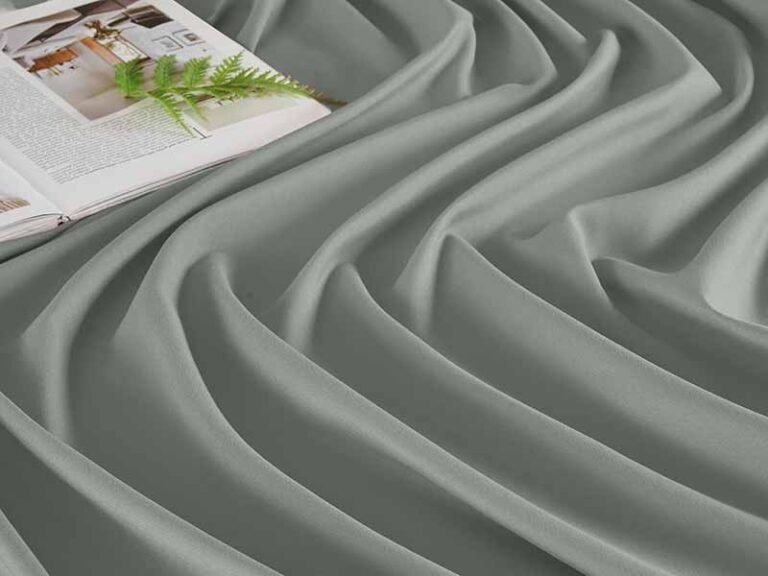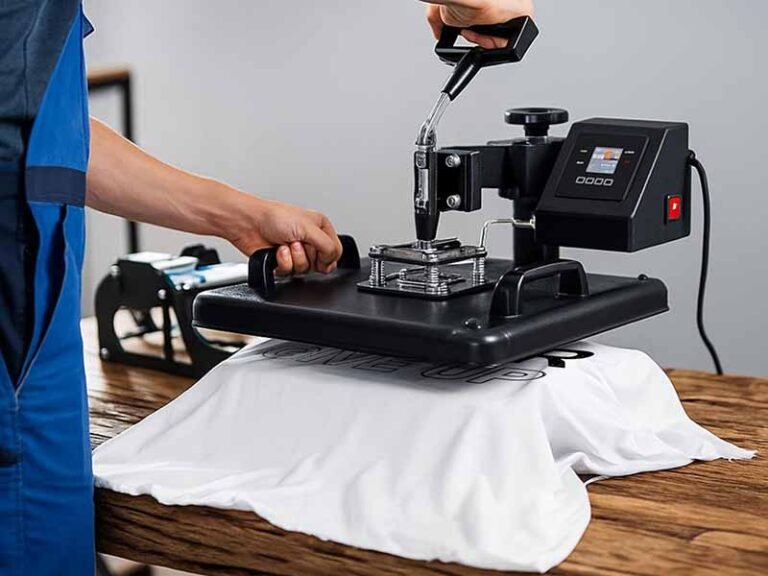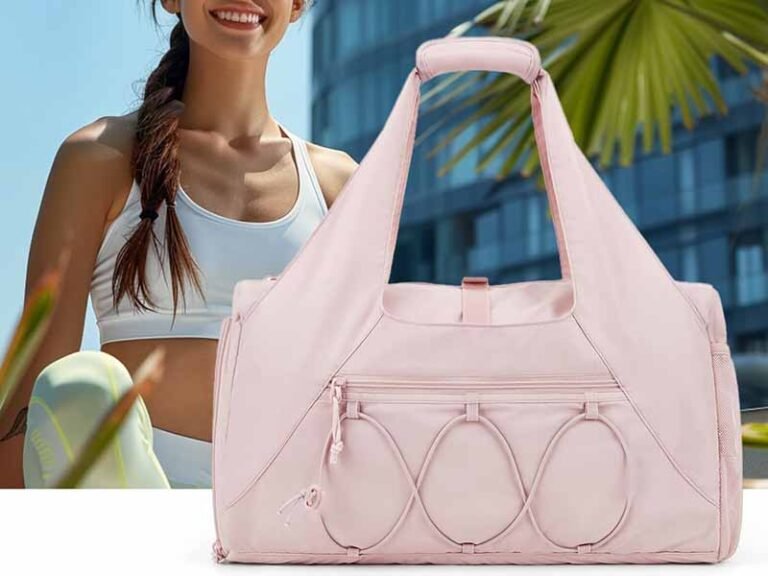
Microfiber polyester is one of those materials people touch every day without realizing it. It’s the soft sports shirt that dries fast, the smooth lining inside a travel bag, the sofa fabric that looks clean with a quick wipe, and the cleaning cloth that “grabs” dust instead of pushing it around. But here’s the problem: many products labeled “microfiber” don’t perform the same way. One microfiber cloth can feel plush and absorbent; another feels slick and barely picks up water. Two fabrics can both be called microfiber polyester, yet one pills quickly while the other stays smooth after many washes. The difference is not marketing—it’s fiber fineness, fabric construction, and finishing choices.
Microfiber Polyester Fabric is made from extremely fine polyester filaments (often under 1 denier per filament) woven or knitted into a dense structure. Compared with regular polyester, it usually feels softer, drapes better, and offers higher surface area that improves moisture spreading or dirt pickup. Its performance varies by yarn type, fabric density (GSM), and finishing, so choosing the right grade depends on the end product—apparel, home textiles, cleaning, or bag linings.
If you’re selecting microfiber polyester for a product line, the smartest move is to stop thinking “microfiber = one fabric.” Think of it as a toolbox. Once you know what measurements actually control feel, strength, and performance, you can specify exactly what you need—and avoid costly sampling mistakes.
What Is Microfiber Polyester Fabric?
Microfiber Polyester Fabric is a polyester textile made from very fine filaments, designed to create a smooth, soft surface and a high filament count per yarn. This structure increases surface area and fabric density, which can improve comfort, drape, moisture spreading, and cleaning performance compared with regular polyester.
Customers usually care about microfiber polyester for three reasons:
- Feel: softer, less “plastic” touch
- Performance: dries quickly, handles sweat better
- Maintenance: easy to wash, less wrinkle-prone
For brands and product developers, the core question is:
What microfiber spec gives the feel and durability your customers will notice?
What defines Microfiber Polyester Fabric?
Microfiber polyester is defined by fiber fineness, usually expressed as denier (D) or dtex, and by filament count in the yarn. The smaller the filament, the more filaments fit into the yarn, which changes how the fabric behaves.
Quick reference: what “microfiber” means in real numbers
| Term | What It Measures | Common Microfiber Range | Why It Matters |
|---|---|---|---|
| Denier (D) | Mass per 9,000 m of fiber | < 1.0 D per filament | Lower = finer, softer |
| Dtex | Mass per 10,000 m | < 1.1 dtex per filament | Same idea as denier |
| Filament count | Number of filaments in yarn | 72F / 144F / 288F+ | Higher = smoother, denser |
What customers feel when filaments get finer
- Softer touch (less scratchy)
- Better drape (fabric falls naturally)
- More “peach skin” or suede-like hand when brushed
- Better dust pickup in cleaning cloths
What product developers should document
- Yarn spec (e.g., 75D/144F, 150D/288F)
- Fabric structure (woven/knit)
- GSM (weight)
- Finish (brushed, suede, anti-static, water repellent, etc.)
What makes Microfiber Polyester Fabric different?
Regular polyester and microfiber polyester are both “polyester,” but they behave differently because microfiber uses many more, much finer filaments. That raises surface area and changes friction, softness, and how liquids spread on the surface.
Microfiber polyester vs regular polyester (practical differences)
| Feature | Regular Polyester | Microfiber Polyester | What Customers Notice |
|---|---|---|---|
| Hand feel | Firm, sometimes slick | Softer, smoother | “Premium touch” |
| Drape | Stiffer | Better drape | Looks less rigid |
| Surface area | Lower | Higher | Better moisture spread / dust pickup |
| Pilling risk | Depends on yarn | Can be higher if low quality | “Fuzz balls” if wrong spec |
| Drying speed | Fast | Fast to very fast | Dries quickly after wash |
| Breathability | Depends on weave | Depends on weave | Not automatic—needs right structure |
Important reality check
Microfiber does not automatically mean “more breathable.” Breathability depends on:
- knit vs woven
- fabric density
- finishing (some finishes block airflow)
So if you’re choosing microfiber polyester for summer apparel, you need to check construction and GSM, not just the word “microfiber.”
Which Benefits Does Microfiber Polyester Fabric Offer?
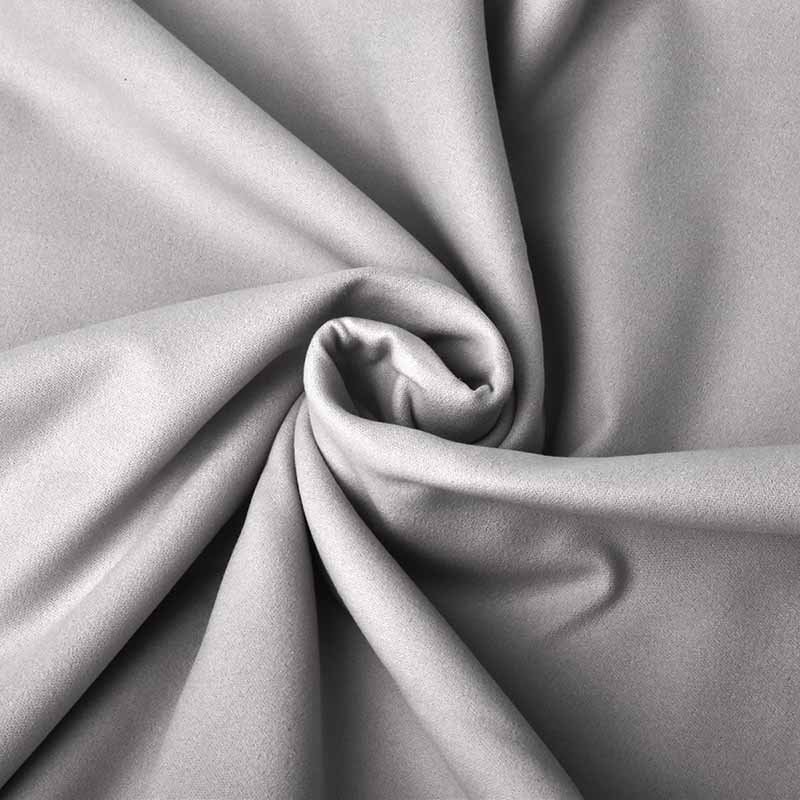
Microfiber Polyester Fabric is valued because it can combine soft touch, controlled durability, quick drying, and easy care in one material. The real benefit depends on matching filament count, GSM, and finishing to the end use—sportswear needs different specs than cleaning cloths or bag linings.
To make decisions easier, it helps to look at benefits in three buckets: strength, comfort, and care.
Which strengths does Microfiber Polyester Fabric provide?
Microfiber polyester can be surprisingly tough when woven/knitted correctly. The strength comes from polyester’s inherent durability plus dense construction.
Where it performs well
- abrasion resistance for daily rubbing (bags, linings, upholstery)
- stable shape after repeated washing
- good color consistency (when dyeing is controlled)
Strength-related specs customers don’t see but factories should control
| Spec | Common Range | What It Impacts |
|---|---|---|
| GSM | 80–350+ | Thickness, durability, cost |
| Weave/knit density | tight → very tight | Abrasion, snag resistance |
| Yarn twist / texturing | varies | Pilling, softness |
| Seam slippage (woven) | controlled by density | Stitch durability |
Practical note on pilling
Microfiber polyester can pill if the yarn is too soft and the construction is loose. If your product is high-friction (gym wear, sofa, bag base), specify:
- tighter construction
- anti-pilling finish
- abrasion test targets
Which comfort features come from Microfiber Polyester Fabric?
Comfort is why many brands choose microfiber polyester: it can feel smooth on skin while staying lightweight.
Comfort outcomes that matter in real life
- softer touch for sensitive skin
- less “crinkly” noise than some standard poly fabrics
- better drape so garments look more natural
- smoother lining feel inside bags and jackets
Comfort design table (GSM-based guidance)
| End Use | Recommended GSM | Why It Works |
|---|---|---|
| Summer sports tops | 90–140 | Light, dries fast |
| Leggings / training wear | 180–260 | Better coverage + durability |
| Jacket lining / bag lining | 70–120 | Smooth, lightweight |
| Soft-touch upholstery | 220–350 | Dense and durable |
Customer-facing truth
A fabric can be soft but still feel hot if it’s too dense. For breathable comfort, balance:
- GSM
- knit structure
- moisture finish
Which care advantages belong to Microfiber Polyester Fabric?
Microfiber polyester is popular because it’s easy to live with. It typically:
- dries faster than cotton
- wrinkles less
- holds shape well
- handles frequent washing
Care performance checklist
| Care Concern | Microfiber Polyester Behavior | What to Tell Customers |
|---|---|---|
| Shrinkage | Very low | Size stays stable |
| Dry time | Fast | Great for travel/workouts |
| Wrinkles | Low | Usually no ironing |
| Stains | Moderate to good | Depends on finish |
Care warning customers actually need
Microfiber fabrics can lose performance if washed with heavy fabric softeners (especially cleaning cloth microfiber). Softener can coat fibers and reduce “grab” and absorbency. For apparel, it’s less dramatic, but still worth noting for performance products.
Quick “Choose the Right Microfiber” Snapshot
| If your product is… | Look for Microfiber Polyester Fabric with… |
|---|---|
| Sportswear | 90–220 GSM, anti-pilling, moisture finish |
| Cleaning cloth | very high filament count, split microfiber if needed, no softener use |
| Bag lining | 70–120 GSM, smooth surface, anti-static optional |
| Upholstery | 220–350 GSM, high abrasion resistance, stain resistance finish |
How Is Microfiber Polyester Fabric Made?
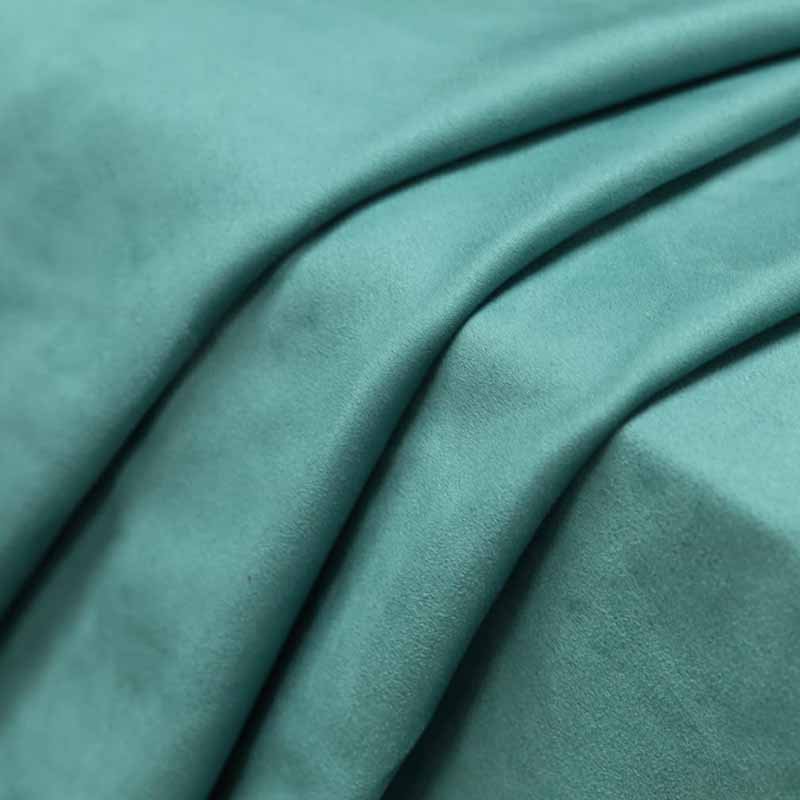
Microfiber Polyester Fabric is created by spinning extremely fine polyester filaments, forming yarns with high filament counts, and then converting those yarns into woven or knitted fabrics. Final finishing processes—such as brushing, coating, or moisture treatment—determine the fabric’s softness, durability, and functional performance.
For product developers and sourcing teams, understanding this production path is critical because most quality differences appear during spinning, construction, or finishing, not in the raw polyester polymer itself.
How are fibers formed in Microfiber Polyester Fabric?
Microfiber begins at the filament extrusion stage, where molten polyester is pushed through precision spinnerets containing very small holes.
Each hole forms a filament that may be much thinner than human hair.
Key production variables at this stage include:
- Filament denier (controls softness and density)
- Filament count per yarn (affects smoothness and strength balance)
- Cross-section shape (round, trilobal, wedge, or split-ready profiles)
Common microfiber yarn specifications
| Yarn Example | Total Denier | Filaments | Resulting Feel |
|---|---|---|---|
| 75D / 72F | Medium | 72 | Smooth, lightweight |
| 75D / 144F | Fine | 144 | Softer, denser |
| 150D / 288F | Very fine | 288 | Very soft, high surface area |
Some microfiber is also split during finishing, creating wedge-shaped micro-filaments that greatly improve dust capture and absorbency—especially important for cleaning cloth applications.
From a sourcing perspective, the yarn specification sheet is one of the most important documents to review before sampling.
How does structure shape Microfiber Polyester Fabric?
After spinning, yarns are converted into fabric through weaving or knitting, and this structural decision strongly affects performance.
Woven microfiber characteristics
- Higher dimensional stability
- Better abrasion resistance
- Smoother, flatter surface
- Often used for upholstery, bag linings, or outerwear shells
Knitted microfiber characteristics
- Greater stretch and flexibility
- Softer drape for apparel
- Improved air permeability (depending on knit type)
- Common in sportswear and base layers
Structure comparison
| Structure | Strength | Stretch | Breathability | Typical Uses |
|---|---|---|---|---|
| Plain weave | High | Low | Low–Medium | Linings, shells |
| Twill weave | Very high | Low | Medium | Upholstery, bags |
| Warp knit | Medium–High | Medium | Medium–High | Activewear |
| Circular knit | Medium | High | High | T-shirts, leggings |
This explains why two microfiber fabrics with the same yarn can feel completely different once constructed.
For OEM projects, structure selection should match:
- movement level (stretch vs stability)
- abrasion exposure
- target drape and softness
How do finishes improve Microfiber Polyester Fabric?
Finishing is where microfiber becomes product-specific.
Without finishing, many microfiber fabrics feel neutral and lack functional performance.
Common finishing processes include:
Mechanical finishes
- Brushing or sanding → creates suede-like softness
- Embossing → decorative or grip texture
- Calendering → smoother, slightly glossy surface
Chemical or functional finishes
- Water-repellent coating for outdoor or bag fabrics
- Moisture-management treatment for sportswear
- Anti-static finish for linings and electronics protection
- Stain resistance for upholstery or home textiles
Finishing impact overview
| Finish Type | Main Benefit | Typical End Use |
|---|---|---|
| Brushed | Soft touch | Apparel, blankets |
| Water-repellent | Surface protection | Bags, outerwear |
| Moisture-wicking | Faster drying feel | Sportswear |
| Anti-static | Reduced friction & dust | Linings, interiors |
| Stain-resistant | Easier cleaning | Furniture fabrics |
Because finishing directly affects customer perception, it is often the stage where premium vs low-cost microfiber diverges most clearly.
Where Is Microfiber Polyester Fabric Used?
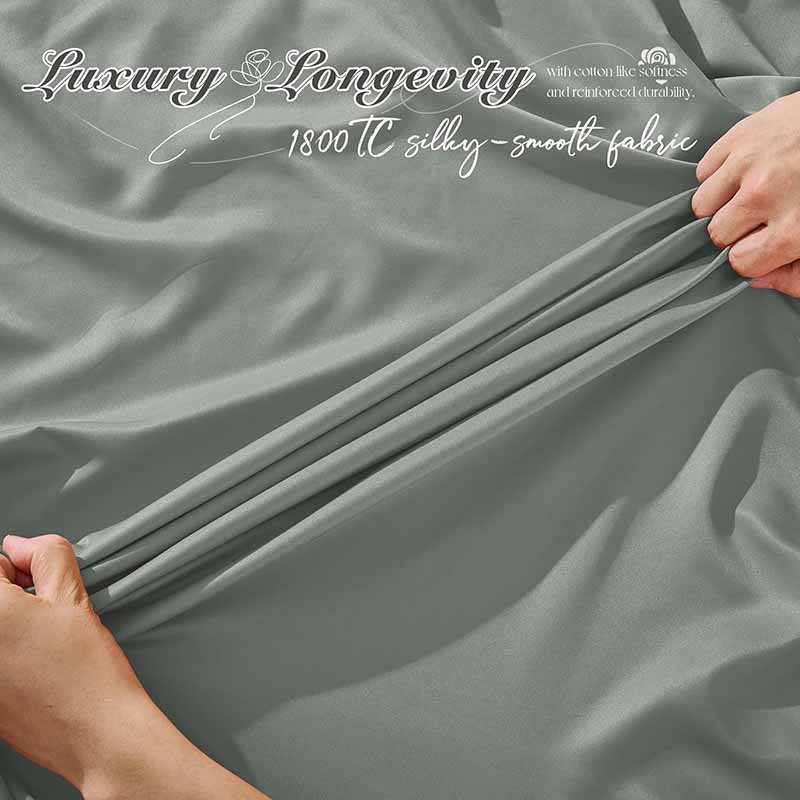
Microfiber Polyester Fabric is widely used across apparel, home textiles, cleaning products, and technical applications due to its balance of softness, durability, and easy maintenance. Different constructions and finishes allow the same base fiber to serve very different industries.
Understanding application differences helps brands choose the right microfiber specification instead of a generic one.
Where does apparel use Microfiber Polyester Fabric?
In apparel, microfiber polyester is valued for lightweight comfort and quick drying.
It commonly appears in:
- athletic T-shirts and training tops
- leggings and compression garments
- lightweight jackets and linings
- performance underwear
Apparel performance targets
| Property | Desired Range |
|---|---|
| GSM | 90–220 |
| Stretch (knits) | Medium to high |
| Moisture control | Moderate to strong |
| Pilling resistance | Medium–high |
Choosing incorrect GSM or knit density can lead to:
- overheating
- transparency issues
- early pilling
So end-use testing is essential before bulk production.
Where do home goods use Microfiber Polyester Fabric?
Home applications focus more on durability, stain resistance, and soft touch than on stretch.
Common uses include:
- sofa and upholstery covers
- bedding and blankets
- curtains
- mattress protectors
Home textile specification trends
| Product | Typical GSM | Key Finish |
|---|---|---|
| Upholstery | 220–350 | Stain-resistant |
| Bedding | 90–150 | Soft brushed |
| Blankets | 180–300 | Plush or fleece finish |
Higher abrasion resistance is critical for furniture fabrics, where microfiber often replaces heavier woven textiles.
Where do technical fields use Microfiber Polyester Fabric?
Technical and industrial uses rely on precision fiber behavior rather than comfort alone.
Important sectors include:
- cleaning cloths and wipes
- filtration layers
- electronics packaging linings
- automotive interiors
Technical microfiber requirements
| Application | Key Property |
|---|---|
| Cleaning cloth | Split fiber absorbency |
| Filtration | Controlled pore size |
| Electronics lining | Anti-static behavior |
| Automotive | Abrasion resistance + colorfastness |
These specialized uses show how microfiber polyester functions as a performance material, not only a comfort textile.
How Do You Choose Microfiber Polyester Fabric?
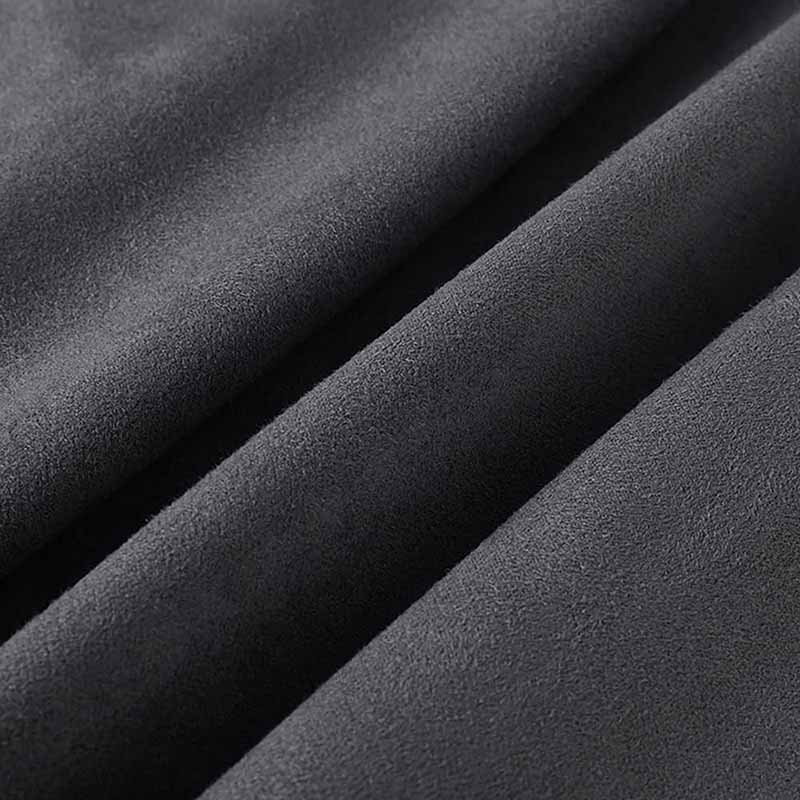
Choosing Microfiber Polyester Fabric requires matching fiber fineness, fabric structure, GSM weight, and finishing treatment to the real product environment. The correct choice is not the softest or cheapest fabric, but the one that balances durability, comfort, maintenance, and long-term user expectations.
Many sourcing mistakes happen because teams select fabric by hand feel alone.
In real production, long-term satisfaction depends on measurable specifications, not first impressions.
A reliable selection process usually includes:
- defining the end-use scenario (sportswear, upholstery, lining, cleaning, etc.)
- confirming GSM and construction type
- reviewing finishing performance after washing
- testing abrasion, pilling, and colorfastness
These steps prevent costly bulk-production surprises.
How to compare Microfiber Polyester Fabric quality?
Quality comparison should begin with objective fabric data, not visual softness.
Core comparison checklist
| Parameter | Why It Matters | Common Range |
|---|---|---|
| Filament fineness | Controls softness & density | < 1 denier |
| Filament count | Affects smoothness & strength | 72F–288F+ |
| GSM weight | Impacts durability & opacity | 70–350+ |
| Construction | Determines stretch & airflow | Woven or knit |
| Finishing | Adds function (water, stain, anti-static) | Varies |
Practical sourcing insight
Two fabrics with the same GSM can feel completely different because:
- one uses higher filament count yarn
- the other uses looser construction
For this reason, experienced product teams request:
- fabric specification sheets
- wash test samples
- abrasion or pilling data
before confirming orders.
How to test Microfiber Polyester Fabric durability?
Durability testing ensures the fabric will perform after months of real use, not just in a showroom.
Common textile durability tests
| Test Type | What It Measures | Why It’s Important |
|---|---|---|
| Martindale abrasion | Surface wear resistance | Upholstery, bags |
| Pilling test | Fiber fuzz formation | Apparel longevity |
| Wash fastness | Color stability after washing | Clothing, bedding |
| Tear strength | Resistance to ripping | Outerwear, linings |
Typical performance expectations
- Apparel microfiber: ≥ 10,000 abrasion cycles
- Upholstery microfiber: ≥ 25,000–40,000 cycles
- Bag lining microfiber: moderate abrasion + strong tear strength
If durability targets are unclear, the safest approach is to test multiple GSM options during sampling.
How to select Microfiber Polyester Fabric for products?
Each product category requires a different balance of softness, strength, and finish.
Selection guide by application
| Product Type | Recommended GSM | Key Requirements |
|---|---|---|
| Sportswear | 90–180 | Breathability, anti-pilling |
| Leggings / activewear | 180–260 | Stretch recovery, opacity |
| Bag lining | 70–120 | Smooth, lightweight, anti-static optional |
| Upholstery | 220–350 | Abrasion resistance, stain finish |
| Cleaning cloth | varies | Split fiber absorbency |
Common mistake to avoid
Choosing one microfiber fabric for multiple products often leads to:
- overheating in apparel
- weak abrasion in upholstery
- unnecessary cost in linings
Targeted fabric selection improves both performance and cost control.
Why Quality Control Matters in Microfiber Polyester Fabric Production
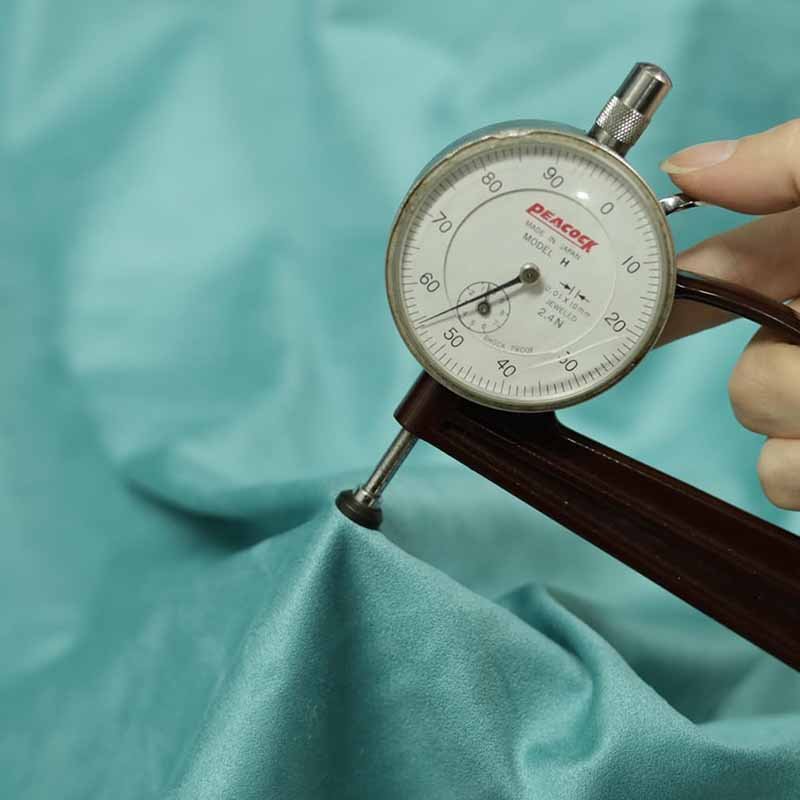
Consistent quality in Microfiber Polyester Fabric depends on stable yarn supply, controlled weaving or knitting density, and repeatable finishing processes. Without strict quality control, microfiber fabrics may vary in softness, color, shrinkage, or durability between batches.
For brands selling internationally, consistency is as important as performance.
Key inspection checkpoints during production
1. Yarn verification
- Confirm filament count and denier
- Check yarn evenness and strength
2. Greige fabric inspection
- Detect weaving defects or density variation
- Measure initial GSM consistency
3. Dyeing and finishing control
- Test colorfastness and shrinkage
- Confirm finishing durability after washing
4. Final fabric testing
- Abrasion, pilling, and tear strength
- Shade consistency between lots
Quality variation risks without control
| Issue | Result in Market |
|---|---|
| GSM fluctuation | Inconsistent garment fit |
| Weak colorfastness | Customer complaints after washing |
| Poor pilling resistance | Short product lifespan |
| Finish instability | Loss of water or stain resistance |
Strong inspection standards protect brand reputation and reorder stability.
Ready to Develop Custom Microfiber Polyester Fabric with Lovrix?
Understanding Microfiber Polyester Fabric is only the starting point.
Turning that knowledge into a reliable commercial product requires:
- stable raw-material sourcing
- precise fabric engineering
- repeatable finishing technology
- strict production quality control
For apparel brands, home textile companies, and product developers, the real goal is clear:
Right microfiber specification → stable production quality → reliable user experience → long-term market success
Whether you are planning a new sportswear fabric, a durable upholstery textile, or a smooth bag lining material, Lovrix can help transform performance requirements into production-ready Microfiber Polyester Fabric solutions.
You are welcome to contact Lovrix to discuss:
- Custom Microfiber Polyester Fabric development
- GSM, structure, and finishing optimization
- Sampling timelines and cost planning
- OEM or private-label textile production
A well-engineered microfiber fabric is not just soft—it defines how a product feels, lasts, and performs in everyday life. Partnering with the right manufacturer ensures that performance remains consistent from the first sample to the final shipment.