 Skip to content
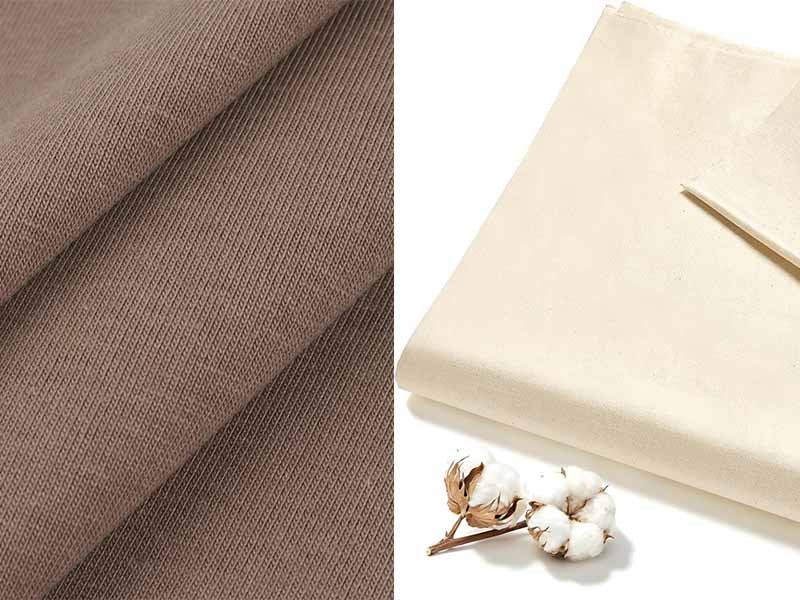
Choosing between organic cotton and conventional cotton sounds simple until a real custom bag order is on the table. A brand may want a sustainable tote bag, but the sourcing team still has to manage cost, MOQ, fabric weight, print quality, color consistency, delivery time, certification files, packaging requirements, and whether the final bag can survive real daily use. That is where the decision becomes less about a nice material label and more about product strategy.
For custom bags, organic cotton is usually better when certified sustainability, premium positioning, eco-conscious retail, or corporate responsibility claims matter. Conventional cotton is often better when cost control, wide availability, fast sourcing, and large promotional volume are the main priorities. In real bag performance, fabric weight, weave density, handle reinforcement, stitching, shrinkage control, and logo method often matter more than the cotton label alone.
A buyer once told us, “Our customer asked for organic cotton, but our purchasing team only asked suppliers for the cheapest cotton tote.” That is exactly where many projects go wrong. The word organic can help sell a product, but only if the material, documentation, construction, printing, sewing, and packaging all support the claim from sample approval to final carton.
What Is Organic Cotton?

Organic cotton is cotton grown under organic farming standards, usually without genetically modified seeds, synthetic pesticides, or synthetic fertilizers. For custom bags, its value is not only the fiber itself, but the credibility it gives to sustainable product claims, especially when supported by certifications such as GOTS or OCS.
What makes cotton organic?
Organic cotton begins at the farm, not at the sewing table. The cotton must come from crops grown according to organic agricultural rules. In most sourcing conversations, this means the cotton is grown without genetically modified seeds and without routine use of synthetic pesticides or synthetic fertilizers. Organic systems often rely more on crop rotation, soil management, compost, biological pest control, and careful farm practices.
For a custom bag buyer, this matters because “organic cotton” is not just a fabric mood. It is a product claim. A tote bag, drawstring bag, dust bag, pouch, or canvas shopping bag can only be confidently described as organic when the fiber origin and supply chain records support that claim.
Many buyers confuse natural cotton, unbleached cotton, recycled-looking cotton, and organic cotton. They are not the same. A beige fabric may still be conventional cotton. An unbleached fabric may avoid whitening treatment, but that does not prove the cotton was organically grown. Organic cotton must be verified from the fiber source, not judged by color, texture, or handfeel.
In custom bag development, this distinction should be settled before sample making. If a buyer approves an unbleached conventional cotton tote and later asks to market it as organic, the project may need to restart with different fabric, different documents, and possibly different pricing.
Is organic cotton always certified?
Organic cotton should be backed by credible documentation, but in real sourcing, not every organic cotton claim is equally reliable. Some fabric suppliers may use the term loosely because the cotton looks natural or because an upstream vendor described the yarn as organic. That is not enough for a serious brand, retailer, or corporate client.
If a brand plans to print organic cotton on a hangtag, website, product label, retail package, Amazon listing, Shopify product page, or corporate gifting proposal, the documentation should be checked before sampling. Buyers should ask for fabric composition, certification scope, transaction certificate where applicable, and clear guidance on what wording can be used for the final product.
The risk is not only legal or regulatory. It is also commercial. A retailer, sustainability team, marketplace auditor, or corporate procurement department may ask for proof. If the supplier cannot provide matching documents, the project can be delayed, relabeled, discounted, or rejected.
For larger custom bag programs, certification should be handled like any other technical specification. It belongs in the product brief together with fabric weight, color, size, logo process, packaging method, inspection standard, and delivery plan.
What are GOTS and OCS?
GOTS and OCS are two common certification systems connected with organic cotton textiles. GOTS is often viewed as more comprehensive because it covers organic fiber content and broader textile processing requirements. In GOTS labeling, organic label grades are linked to certified organic fiber percentages, with 95% and 70% thresholds commonly used for different claim levels.
OCS focuses mainly on verifying organic material content and chain of custody. It helps confirm that organic raw materials are tracked through the supply chain. For custom cotton bags, OCS can be useful when the key requirement is organic content verification, while GOTS may be preferred when the buyer wants stronger textile-processing credibility.
The right certification depends on the sales channel and claim level. A premium retail tote collection may need stronger proof than a simple internal corporate gift. A private label e-commerce brand may need documents that match marketplace or retailer requirements. A company using the bag for ESG communication may need a clear chain from certified material to finished bag.
The safest rule is simple: decide the claim before buying the fabric. “Made with organic cotton,” “organic cotton fabric,” “GOTS certified product,” and “contains certified organic cotton” can mean different things. The supplier should help the buyer select the correct wording instead of overpromising.
| Term | What it usually means | Buyer risk if misunderstood | Practical use in custom bags |
|---|---|---|---|
| Natural cotton | Cotton with a natural-looking color or finish | May not be organic | Basic tote bags, dust bags, casual packaging |
| Unbleached cotton | Cotton fabric not whitened through bleaching | Still may be conventional cotton | Eco-style bags without organic claims |
| Organic cotton | Cotton grown under organic farming standards | Needs proof before marketing claims | Sustainable tote bags, premium drawstring bags |
| OCS cotton | Organic content verified through chain of custody | Confirms content, but does not cover every processing impact | Organic-content-focused bag programs |
| GOTS cotton | Organic textile standard with broader processing rules | Final claim depends on certification scope and fiber content | Retail, premium, and stricter sustainability projects |
What Is Conventional Cotton?

Conventional cotton is cotton grown through mainstream agricultural systems, often using standard commercial farming inputs such as synthetic fertilizers, pest-control chemicals, irrigation, and high-yield seed varieties where allowed. It remains widely used in bag manufacturing because it is available, cost-efficient, scalable, and easy to source in many fabric weights and finishes.
How is conventional cotton grown?
Conventional cotton is produced through standard commercial farming methods. Depending on the country, farm, climate, and regulation, this may include synthetic fertilizers, pesticides, herbicides, irrigation systems, mechanized harvesting, and high-yield seed varieties. The purpose is usually to improve yield, manage pests, stabilize output, and keep cotton available for large textile markets.
This does not mean every conventional cotton farm is the same. Some farms use better water management, improved chemical control, modern irrigation, or more responsible agronomy. Others may be less controlled. That is why broad statements like “all conventional cotton is bad” are too simplistic for a serious sourcing decision.
For custom bag buyers, the important point is clear: conventional cotton does not carry the same organic claim unless it is part of a documented certified blend or certified supply chain. It can still be useful, durable, washable, reusable, and commercially smart, but it should not be marketed as organic.
A conventional cotton canvas tote can be a strong product when the fabric is well selected and the sewing is controlled. The problem is not conventional cotton itself. The problem is inaccurate claims or poor construction.
Why is conventional cotton widely used?
Conventional cotton is widely used because it is practical. It is easier to source, available in more standard weights, more flexible for dyeing and finishing, and usually more affordable than certified organic cotton. For many custom bag programs, especially event totes, promotional bags, basic shopping bags, dust bags, drawstring bags, and simple private label pouches, that practicality matters.
In factory production, material availability affects sample timing, bulk lead time, color matching, MOQ, pricing, and repeat-order consistency. Conventional cotton fabrics are often available in common weight ranges such as 120-160 gsm, 180-240 gsm, 10 oz canvas, 12 oz canvas, and heavier canvas constructions.
A buyer ordering a large promotional program may care more about cost and delivery than a premium organic story. In that situation, the best result may come from choosing the right fabric weight, handle reinforcement, and logo process rather than paying for certification that the end user may not recognize.
This is why experienced bag developers do not treat fabric choice as a moral slogan. They treat it as a balance between market position, product function, budget, and claim risk.
Is conventional cotton bad for every product?
No. Conventional cotton can be a good material choice when the product claim is honest and the construction is suitable for the intended use. A well-built conventional cotton canvas tote can be stronger and more useful than a thin organic cotton tote selected only because the label sounds better.
For example, a 12 oz conventional cotton canvas bag with reinforced handles, clean stitching, and a strong bottom seam can perform very well as a reusable shopping bag. A lightweight organic cotton bag with weak stitching may fail quickly, which damages the sustainability message because the user stops reusing it.
The real question is not whether conventional cotton is good or bad. The better question is whether it fits the buyer’s product goal. If the goal is verified sustainability, organic cotton has a stronger case. If the goal is affordable, scalable, reusable cotton bags for broad distribution, conventional cotton may be the right choice.
The strongest conventional cotton projects usually have clear specifications: fabric weight, shrinkage tolerance, seam strength, handle length, logo process, packing method, and quality inspection standard. When those details are controlled, conventional cotton can deliver reliable commercial value.
Where it fits best
Conventional cotton fits projects where price, speed, and supply flexibility are important. It is common in promotional totes, retail shopping bags, cotton dust bags, drawstring packaging bags, shoe bags, event giveaways, book fair bags, school bags, simple pouches, and standard reusable shopping bags.
It is especially useful when the buyer does not plan to make organic claims. A brand can still communicate accurate benefits such as reusable, cotton, washable, lightweight, foldable, or plastic alternative if those claims are true. It should avoid overstating the environmental benefit or implying certification that does not exist.
A practical example: a company preparing 20,000 conference tote bags may choose 180-220 gsm conventional cotton, one-color screen printing, standard handles, and bulk carton packing. That can create a useful, affordable product. A premium lifestyle retailer may choose 12 oz organic canvas with inside label, reinforced handle, retail hangtag, and certified material documents. Both choices can be correct in the right context.
Which Cotton Is More Sustainable?

Organic cotton is usually stronger for sustainability positioning because it reduces reliance on many synthetic farming inputs and supports organic agricultural practices. However, sustainability is not decided by the word organic alone. Water source, yield, land use, dyeing, finishing, durability, shipping distance, and how many times the bag is reused all affect the real outcome.
How do farming methods differ?
The biggest difference is the farming system. Organic cotton farming restricts many synthetic inputs and focuses more on soil health, biodiversity, and organic agricultural management. Conventional cotton farming allows a wider range of commercial tools, including synthetic fertilizers and chemical pest control, which can improve productivity and help manage crop risk.
For brand buyers, this difference affects product storytelling. Organic cotton gives a clearer sustainability message because the raw material starts from a more controlled agricultural standard. That is why it is attractive for eco-conscious brands, organic retailers, premium lifestyle products, responsible corporate gifting programs, and sustainability-led promotional campaigns.
However, farming method is only the first layer. Once cotton becomes fabric, other steps also matter. Spinning, weaving, dyeing, washing, printing, cutting, sewing, packaging, and transport all add environmental impact. A certified organic cotton fabric that is poorly made into a short-life bag may not deliver the intended sustainability benefit.
A responsible sourcing decision should avoid both extremes. Organic cotton should not be treated as a magic word, and conventional cotton should not be dismissed without looking at product use, durability, and honesty of claims.
How do water and soil impacts compare?
Organic cotton is often associated with better soil management and reduced synthetic chemical input. These are meaningful advantages. Healthier soil can improve long-term farm resilience, and lower synthetic pesticide use can reduce chemical pressure on surrounding ecosystems.
Water comparison is more complex. Some organic cotton is rain-fed and may have a lower irrigation burden. Some conventional cotton is grown with efficient irrigation systems. Some cotton is grown in water-stressed regions; some is not. Because cotton is grown in many climates and farming systems, it is risky to say organic cotton always uses less water in every case.
For custom bag buyers, a practical sustainability decision should combine material choice with product lifespan. A cotton bag that is reused regularly has a better chance of delivering real value. If a bag is too thin, uncomfortable, poorly sewn, or visually unattractive, users may not keep it. That means the environmental value of the material is weakened by poor product design.
In other words, sustainability is not only farming. It is also whether the final bag earns a place in the user’s daily routine.
Are organic cotton claims always reliable?

Organic cotton claims are reliable only when documents support them. Greenwashing often appears when suppliers or brands use words like eco, natural, organic feel, sustainable cotton, or environmentally friendly without clear proof. In serious procurement, these words are not enough.
A buyer should verify whether the fabric is certified organic, whether the certification applies only to fabric or to the finished product, what percentage of the bag is certified organic fiber, and whether trims such as thread, labels, handles, drawcords, zippers, coatings, and printing affect the final claim.
For large buyers, this is not a small detail. Retail chains, marketplaces, corporate clients, and brand sustainability teams may request evidence. If the claim cannot be verified, the buyer may need to change product wording, packaging, or even material before launch.
The safest approach is to match the claim to the document. If the project only uses organic cotton fabric but the final bag is not certified, the product page should not imply full finished-product certification. Clear language protects both the buyer and the supplier.
What matters beyond the farm?
For bags, sustainability does not stop at cotton farming. A reusable bag becomes more responsible when it is designed to be used many times. That means fabric should match the expected load, handles should be comfortable, seams should be reinforced, and the logo should last through normal use.
A cotton tote used weekly for months has a different value from a thin giveaway bag thrown into a drawer after one event. A drawstring bag used for packaging and then reused for storage has more value than a decorative pouch that tears quickly.
The most responsible sourcing decisions usually balance four points: verified material, practical construction, honest claim language, and realistic user behavior. Organic cotton helps the story, but product engineering helps the bag stay in use.
This is where material-driven development becomes important. Buyers should not ask only, “Is this organic?” They should also ask, “Will people actually keep using this bag?”
| Sustainability factor | Organic cotton | Conventional cotton | What buyers should check |
|---|---|---|---|
| Farming input | Usually restricts synthetic pesticides and fertilizers | May allow synthetic inputs depending on region | Certification and farming standard |
| Water impact | Can be lower in some rain-fed systems, but not universal | Varies by region and irrigation method | Source country, farm system, and supplier data if available |
| Soil management | Often stronger focus on soil health | Depends on farm practice | Material claim and supplier transparency |
| Traceability | Stronger when certified | Usually weaker unless separately traced | Scope certificate, transaction certificate, supply-chain records |
| Product lifespan | Depends on fabric weight and construction | Depends on fabric weight and construction | GSM or oz, stitching, reinforcement, inspection |
| Claim risk | Lower when certified correctly | Higher if marketed as eco without proof | Label wording and documentation |
Which Cotton Performs Better in Bags?

Organic cotton does not automatically perform better than conventional cotton in bags. Performance depends more on fabric weight, yarn quality, weave density, shrinkage control, sewing structure, handle reinforcement, and finishing. Organic cotton improves the sustainability story; correct fabric specification improves carrying strength, product appearance, and user experience.
Is organic cotton stronger?
Organic cotton can be strong, but its strength does not come from being organic alone. Strength comes from fiber quality, yarn spinning, fabric construction, fabric weight, weave density, finishing, and how the bag is sewn. A lightweight organic cotton tote may be suitable for brochures, apparel, or small gifts, but it may not be ideal for books, groceries, bottles, or heavy samples.
In bag manufacturing, buyers should define the usage first. Will the bag carry cosmetics, groceries, apparel, shoes, documents, wine bottles, sports items, or retail purchases? Will it be used once at an event or sold as a long-term lifestyle product? These questions decide fabric weight and structure.
A strong cotton bag usually needs more than good fabric. Handle attachment, box stitching, bartacks, seam allowance, inner binding, bottom structure, and thread quality all affect final performance. A premium organic fabric still needs proper sewing engineering.
The practical rule is simple: choose organic cotton for the claim and brand value, but choose the fabric specification and sewing structure for performance.
Does cotton weight matter more?
Yes. For most cotton bag projects, fabric weight is one of the most important performance factors. Buyers often compare cotton by GSM or ounce weight. Lightweight cotton is easier to fold and cheaper to ship, but it may feel less premium and carry less weight. Heavier cotton canvas looks stronger, prints better for bold artwork, and gives a more durable impression.
Common lightweight cotton fabrics may range from about 120 to 160 gsm. These are often used for dust bags, small drawstring bags, and low-load packaging. Medium-weight cotton from around 180 to 240 gsm is common for event totes and promotional bags. Canvas weights such as 10 oz, 12 oz, 14 oz, and 16 oz are more common for retail totes, shopping bags, and lifestyle canvas bags.
The right weight depends on the product. A luxury shoe dust bag does not need the same cotton as a grocery tote. A fashion retail tote should not feel like a thin conference giveaway. A heavy-duty canvas bag may look premium, but it may also increase unit cost and shipping weight.
A good supplier should guide the buyer by use case, not only by price.
| Fabric range | Typical feel | Common bag use | Practical note |
|---|---|---|---|
| 120-160 gsm cotton | Light, soft, foldable | Dust bags, small drawstring bags, simple packaging | Lower carrying strength, good for lightweight products |
| 180-240 gsm cotton | Balanced, economical | Event totes, promotional bags, basic shopping bags | Common choice for volume programs |
| 10 oz cotton canvas | Noticeably stronger | Retail totes, reusable shopping bags | Good balance of cost, structure, and durability |
| 12 oz cotton canvas | Stronger handfeel | Premium totes, daily carry bags | Better structure, higher material cost |
| 14-16 oz canvas | Heavy, durable, premium | Lifestyle canvas bags, heavy-duty retail totes | Higher sewing and shipping cost |
| Washed cotton canvas | Soft, casual, broken-in feel | Fashion, lifestyle, and casual branded bags | Good handfeel, may need shrinkage control |
How do printing results compare?
Both organic and conventional cotton can print well if the fabric surface is suitable. Printing quality depends on weave texture, fabric color, artwork detail, ink choice, pretreatment, and production control. The cotton type matters less than the fabric behavior.
Screen printing is common for cotton totes because it works well for simple logos and bold graphics. Heat transfer is useful for detailed artwork, gradients, or smaller runs with complex designs. Embroidery gives a premium feel, but it may not suit very thin cotton because stitches can pull or distort the fabric. Woven labels, leather patches, silicone badges, or printed labels may be better for some brand styles.
Natural cotton color also affects print appearance. A logo printed on unbleached cotton may look warmer or less bright than the same logo printed on white fabric. Dark dyed cotton may require underbase printing for stronger color visibility.
Before bulk production, buyers should always review a logo sample on the actual production fabric. A digital mockup is useful for layout, but it cannot show true ink absorption, texture, color shift, or stitch tension.
How do sewing details affect performance?
Sewing details are often more important than buyers expect. A cotton bag usually fails first at stress points: handle joints, side seams, bottom corners, drawstring channels, zipper ends, or inner pocket openings. The fabric may still be intact while the stitching gives way.
For tote bags, handle reinforcement is critical. X-box stitching, bartacks, double stitching, and enough seam allowance can greatly improve real-use reliability. For drawstring bags, the cord channel must be clean and strong enough to resist repeated pulling. For canvas bags, thicker fabric may require stronger needles, suitable thread, and careful seam handling to avoid bulky, uneven corners.
This is where a material conversation becomes a production conversation. A buyer may choose organic cotton for brand reasons, but the factory still needs to turn it into a bag that can carry weight, hold shape, and survive normal handling.
In sample approval, buyers should not only check appearance. They should pull the handles, inspect seam ends, check logo placement, review inner finishing, test packing volume, and confirm whether the sample can be repeated consistently in bulk.
How Do Costs and MOQ Differ?
Organic cotton usually costs more and may require more careful MOQ planning because certified fiber, traceable supply, fabric availability, dyeing, processing, and documents add cost and complexity. Conventional cotton is usually more flexible for price-sensitive, urgent, or high-volume projects. The best choice depends on claim level, order size, timeline, and target market.
Why does organic cotton cost more?
Organic cotton usually costs more because it is not just a fiber purchase. It often involves controlled farming, certified supply, separated handling, traceability documents, and more careful fabric sourcing. If the buyer requires certified dyed fabric, certified processing, special finishing, or finished-product claim support, the cost can rise further.
In practical sourcing, the price difference also depends on availability. If a supplier has certified organic cotton fabric in stock, the project may move faster and cost less. If the fabric must be custom woven, dyed, washed, or finished, MOQ and lead time may increase.
Buyers should think about whether the market will pay for the upgrade. Organic cotton makes sense when the product story supports a higher perceived value. It is less useful when the bag is treated as a low-cost giveaway and the end customer will not recognize or value the certification.
That does not mean organic cotton is too expensive. It means the buyer should connect the material choice to retail value, brand promise, campaign goal, and customer expectation.
How does certification affect price?
Certification can affect price through material cost, documentation, handling, and supply-chain control. A certified organic cotton fabric may need to be sourced from approved suppliers. The factory may need to keep documents organized and ensure the final claim does not exceed what the certification supports.
The most common mistake is assuming that buying certified fabric automatically makes the finished bag certified. Finished-product certification depends on the certification scope and the full production route. If the brand needs to make a formal certified claim, this should be discussed before sample development.
Certification may also affect trims and finishing. Thread, labels, coatings, dyeing, printing ink, drawcords, interlining, packaging, or mixed-material components can influence what can be claimed. Even when the fabric is certified, the final bag description must be accurate.
For serious buyers, certification is not a decoration. It is a document system. It should be included in the purchase order file, sample approval file, material file, and final shipment record.
Do buyers need certified material?
Buyers need certified material when the product will be marketed as organic, sold through channels that require proof, or used in sustainability-sensitive programs. This is common for premium retail brands, organic lifestyle brands, children’s product brands, corporate ESG gifts, eco-focused retailers, and some e-commerce private label products.
If the buyer only wants a natural cotton look and does not plan to make organic claims, conventional cotton or unbleached conventional cotton may be enough. This can reduce cost and simplify sourcing.
A practical decision is to separate material preference from claim requirement. A buyer may like organic cotton, but if no claim will be made, the project may not need expensive certification paperwork. On the other hand, if the marketing team plans to say certified organic cotton, then the sourcing team must secure the right documents.
The earlier this decision is made, the smoother the project becomes. Late changes from conventional cotton to certified organic cotton can affect sampling, fabric booking, price, packaging wording, and delivery schedule.
How should MOQ be planned?
MOQ should be planned around fabric, color, logo process, trims, and packaging. A simple natural cotton tote using available fabric may have a lower production barrier than a custom-dyed certified organic canvas bag with private label packaging. The more customized the material and trims are, the more MOQ pressure usually appears.
For organic cotton, MOQ may increase when the buyer requests a special weight, special weave, custom dye color, washed finish, certified printing process, or certified finished-product claim. For conventional cotton, standard fabric options are often easier to source, especially in natural, black, white, and common canvas weights.
The safest approach is to define the project clearly before asking for price: bag size, fabric weight, cotton type, color, logo method, quantity, packaging, target market, and claim language. Without these details, the quote may look attractive but fail during sampling or bulk production.
For many custom bag manufacturers, a standard custom project MOQ may start around 500 pcs, but the actual MOQ can vary with fabric availability, material customization, logo process, packaging method, and order complexity.
| Cost factor | Organic cotton project | Conventional cotton project | Buyer impact |
|---|---|---|---|
| Raw fabric price | Usually higher | Usually lower | Organic needs stronger margin planning |
| Fabric availability | More limited in some weights and colors | Wider availability | Conventional can be faster for common specs |
| MOQ | May be higher for custom certified fabric | Often more flexible for standard fabric | Organic needs earlier planning |
| Lead time | Longer if certified fabric must be booked | Usually shorter for stocked fabric | Certification can affect schedule |
| Documentation | More important and time-consuming | Simpler unless special claims are used | Buyers should confirm before sampling |
| Marketing value | Higher for eco or premium claims | Lower organic claim value | Depends on target customer |
| Claim risk | Lower if certified correctly | Higher if marketed as organic without proof | Claim wording must be controlled |
How Should Brands Choose?
Brands should choose between organic and conventional cotton based on product claim, target market, bag use, budget, certification needs, and durability expectations. Organic cotton fits premium sustainable products. Conventional cotton fits cost-sensitive and high-volume programs. In both cases, fabric weight, structure, printing, sewing, and quality control decide the final result.
Which cotton fits tote bags?
Organic cotton fits tote bags when the bag is part of a premium, eco-conscious, retail, or brand-image project. It works well for sustainable fashion totes, organic grocery bags, lifestyle retail bags, subscription packaging, and corporate ESG gifting. The product story becomes stronger when the bag is attractive, durable, and reusable.
Conventional cotton fits tote bags when the project needs cost control, fast delivery, large volume, or standard reusable function. It is common for trade shows, event giveaways, school programs, promotional campaigns, and basic retail packaging. A conventional cotton tote can still be a useful, well-made product when fabric and stitching are properly specified.
The decision should not start with “Which is cheaper?” It should start with “What will the customer believe, use, and keep?” A bag that looks good and performs well is more likely to stay in use, which is important for both brand exposure and sustainability.
If the tote bag will be sold as a premium product, the buyer should consider heavier canvas, clean stitching, strong handles, accurate logo placement, and retail-ready packaging. If the tote is a giveaway, the buyer should still choose enough fabric weight to avoid a disposable feel.
Which cotton fits promotional bags?
Promotional bags usually need a balance of unit cost, visible branding, delivery time, and user acceptance. Conventional cotton often works well for large promotional programs because it allows better cost control and more flexible sourcing. If the campaign message is strongly tied to sustainability, organic cotton can be worth the extra cost.
The logo method also affects the decision. A one-color screen print on natural cotton can be economical and clean. A full-color heat transfer may be better for detailed campaign graphics. Embroidery can make a promotional bag feel more premium, but it may not be suitable for very thin fabric.
For promotional bags, the biggest mistake is choosing the lowest fabric weight just to reduce cost. If the bag feels too weak, users may not reuse it, and the campaign loses long-term exposure. A slightly better fabric can sometimes create a much better brand impression.
A practical promotional tote should be light enough to control cost, but strong enough to carry real items. The best campaign bag is not the cheapest one; it is the one people continue using after the event.
How should buyers verify suppliers?
Buyers should verify suppliers by asking questions that reveal real manufacturing knowledge. A capable supplier should be able to discuss cotton types, fabric weight, shrinkage, print compatibility, stitching method, handle reinforcement, sampling, inspection, packaging, and certification documents.
Price matters, but a low quote without material clarity is risky. Buyers should ask whether the quoted fabric is organic or conventional, certified or non-certified, stock or custom woven, dyed or natural, pre-shrunk or untreated, and suitable for the intended logo process. For organic projects, they should also ask what documents can be provided and what claim language is realistic.
A professional custom bag manufacturer should help the buyer avoid both over-specifying and under-specifying. Over-specifying wastes cost. Under-specifying creates quality complaints. The right supplier helps match product positioning, material choice, construction, and budget.
For B2B buyers, the best supplier is not simply the one who says yes fastest. It is the one who can explain material trade-offs before production problems appear.
What should buyers prepare?
A clear brief makes sourcing faster and more accurate. Before requesting a quote, buyers should prepare the target bag size, fabric preference, cotton type, fabric weight, logo file, logo size, print position, handle style, inner structure, packaging method, quantity, target market, and required delivery time.
If certification matters, the buyer should state this early. If the product will be sold as organic cotton, GOTS certified, OCS certified, or made with organic cotton, the supplier needs to evaluate material documents and production feasibility before sample making. If the buyer only wants a natural cotton look, that should also be clear.
For OEM and ODM cotton bag projects, the strongest results usually come from early alignment. A good sample is not only about appearance. It should confirm fabric handfeel, real size, seam quality, logo effect, carrying comfort, packaging, and whether the product can be produced consistently in bulk.
A material-driven custom bag manufacturer can help compare organic cotton, conventional cotton, canvas weights, logo methods, and packaging options before the buyer commits to bulk production.
| Buyer goal | Better cotton choice | Suggested fabric direction | Key verification point |
|---|---|---|---|
| Premium sustainable retail tote | Organic cotton | 10-12 oz organic canvas | Certification, handfeel, stitching, print sample |
| Large event tote | Conventional cotton | 180-240 gsm cotton | Cost, lead time, logo clarity |
| Organic grocery bag | Organic cotton | Medium to heavy cotton or canvas | Certified material and load-bearing structure |
| Simple dust bag | Conventional or organic cotton | 120-160 gsm cotton | Softness, size accuracy, drawstring quality |
| Corporate ESG gift | Organic cotton | 220 gsm cotton or 10 oz canvas | Claim language and documentation |
| Budget promotional giveaway | Conventional cotton | 140-180 gsm cotton | Print effect and basic seam strength |
| Fashion lifestyle canvas bag | Organic or conventional cotton | 12-16 oz canvas, washed or structured | Handfeel, shrinkage, color consistency |
| Private label e-commerce tote | Depends on positioning | 10-12 oz canvas | Packaging, barcode label, repeat-order consistency |
Start your cotton bag project
Organic cotton is the better choice when your brand needs a credible sustainability story, certified organic content, premium positioning, or alignment with eco-conscious customers. Conventional cotton is the better choice when your project is driven by cost, availability, fast production, or large-volume promotional use. Neither option should be selected by label alone.
For custom bags, the better decision comes from matching five things: material claim, fabric weight, bag structure, logo method, and final use case. A strong organic cotton tote can become a reusable brand asset. A well-built conventional cotton canvas bag can also deliver excellent value and long-term daily use. The wrong choice is not organic or conventional. The wrong choice is choosing fabric before understanding the product.
If you are developing organic cotton tote bags, conventional cotton shopping bags, canvas bags, drawstring bags, dust bags, promotional cotton bags, or private label cotton bag collections, Lovrix can help evaluate material options, certification needs, structure, MOQ, sampling, logo process, packaging, and bulk production planning.
Send your drawings, reference images, target size, fabric preference, logo file, quantity, and delivery plan to Lovrix. The team can review your project, compare suitable cotton and canvas options, and help turn your cotton bag idea into a production-ready custom product built for real commercial use.


