 Skip to content
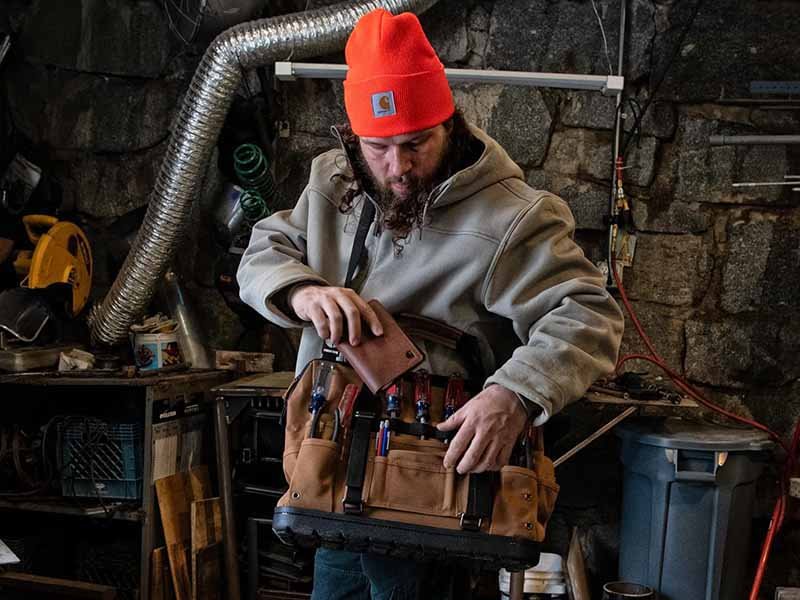
Plumbing is one of those jobs where “being prepared” isn’t a nice-to-have—it’s the difference between a smooth 20-minute fix and a frustrating hour of back-and-forth. You might be working under a sink with almost no light, in a wet mechanical room, on a ladder near a ceiling line, or in a cramped apartment bathroom where every tool needs to be within reach. In these environments, the bag matters more than people think. The wrong bag collapses, tips over, hides tools, soaks up water, and turns your workflow into a scavenger hunt.
Plumber tool bags are portable storage systems built to carry, protect, and organize plumbing tools in real jobsite conditions—tight spaces, moisture, heavy loads, and frequent movement. A good plumber tool bag makes tools visible, reduces rework caused by missing items, and helps you move faster and safer across a workday. The best choice depends on tool weight, how often you walk between locations, what kind of sites you work in (residential vs commercial), and whether you want a clean “grab-and-go” setup or a full mobile workstation.
And if you’ve ever watched an experienced plumber open a well-organized bag—everything in the same place every time—you’ll notice something: they don’t rush. They simply work. That calm, fast rhythm usually starts with the right tool bag system.
What Are Plumber Tool Bags?

Plumber tool bags are soft-sided or semi-structured work bags designed for plumbing tools and parts. They focus on quick access (open pockets), stable storage (structured panels), and moisture resistance (coated fabrics + protective bases). Compared with a standard toolbox, plumber tool bags are easier to carry into tight areas and usually offer better tool visibility through vertical pockets and internal dividers.
What Do Plumber Tool Bags Do?
A plumber tool bag has one job: make your tools easy to carry and faster to use—without getting destroyed by the work environment. That sounds simple, but plumbing work is rough on bags: sharp tools, heavy metal fittings, damp floors, and constant loading/unloading.
A well-designed plumber tool bag supports these customer “pain points”:
- Speed: tools are visible and reachable without emptying the bag
- Consistency: same tool always goes back to the same pocket
- Protection: tools don’t grind against each other and dull prematurely
- Jobsite hygiene: wet/dirty tools can be separated from clean areas
- Safety: less digging with hands (reduces accidental cuts from blades)
- Comfort: weight is distributed better than carrying a rigid box
Here’s what real users usually carry (so the bag must be designed for it):
| Common Plumbing Category | Examples | Bag Requirements |
|---|---|---|
| Hand tools | adjustable wrench, tongue-and-groove pliers, screwdrivers | vertical pockets + reinforced seams |
| Cutting tools | pipe cutter, tubing cutter, saw | rigid dividers + abrasion-resistant lining |
| Measuring/marking | tape measure, markers, small level | quick-grab outer pockets |
| Consumables | PTFE tape, sealant, O-rings | small zipper compartments |
| Small parts | fittings, valves, washers | removable parts pouches |
| Electronics | inspection camera, meter | padded pocket + dry zone |
Customer truth: plumbers don’t just carry tools—they carry workflow. A bag becomes a portable workstation.
How Are Plumber Tool Bags Different from Tool Boxes?
Toolboxes are great when you can place them on a stable surface and work from there. Plumbing work often doesn’t give you that luxury. You’re in a crawlspace, on stairs, or squeezed behind a toilet tank. Tool bags win because they move with you and keep tools visible.
Key differences that customers actually notice:
| Feature | Plumber Tool Bags | Tool Boxes |
|---|---|---|
| Work in tight spaces | Easy (soft sides compress) | Difficult (rigid walls) |
| Visibility | High (vertical pockets) | Medium (stacked layers) |
| Grab speed | Fast (top access) | Slower (latches, trays) |
| Comfort | Shoulder/back carry options | Usually hand-carry only |
| Noise | Quieter (fabric absorbs rattle) | Louder (metal/plastic clatter) |
| Moisture handling | Better with coated fabric + base | Varies; water can pool inside |
Practical example: If you service apartments, your bag may go up and down stairs all day. If you do commercial installs, you may carry heavier loads longer distances. The bag is chosen based on movement pattern, not just tool count.
Why Do Professionals Use Plumber Tool Bags?
Professionals choose plumber tool bags for one reason: they save time and reduce daily fatigue. Over months, that adds up to real money and fewer injuries.
Here are the “professional-grade” specs customers should look for (and what they mean):
| Spec / Feature | What It Means on the Job | Practical Target Range |
|---|---|---|
| Fabric denier | higher denier = better abrasion resistance | 600D–1680D |
| Stitching | prevents seam failure under heavy loads | double stitching + bar-tacks |
| Base construction | keeps bag upright + protects on wet floors | molded EVA/PP base |
| Zipper grade | prevents daily zipper failure | large-tooth, metal pullers |
| Handle reinforcement | reduces tearing when lifting heavy tools | wrapped webbing handle |
| Internal structure | stops bag collapsing | stiff panels/dividers |
| Water resistance | protects tools and electronics | coated fabric + water-resistant base |
How heavy is “heavy”?
A typical plumber’s daily kit can easily reach 12–25 kg depending on the role (service vs install). The bag must handle repeated lifting with that weight.
What customers care about most (in order):
- Bag stays upright and doesn’t collapse
- Tools don’t stab through the fabric
- Zippers don’t fail after 2–3 months
- Base doesn’t soak up water / rot
- Pocket layout matches real tool shapes
- Comfortable carry for stairs and long walks
A realistic durability expectation:
- Economy bags may last 3–8 months under daily professional use
- Better constructed bags commonly last 12–24 months or more, depending on load and environment
This is why many plumbing companies prefer a stable supply partner: once they find a layout that works, they want consistency in repeat orders—same size, same pocket placement, same material, same quality.
Quick “Must-Have” Checklist for Plumber Tool Bags
If you’re choosing a bag for plumbing work, these are the non-negotiables:
- Upright stability: structured sides + reinforced base
- Abrasion resistance: 600D+ (ideally higher for daily pro use)
- Tool separation: internal dividers or vertical pockets
- Wet protection: molded base + coated fabric
- Fast access: open-top or wide-mouth zipper opening
- Small parts control: at least 1–2 zip pockets for fittings/tape/sealant
Which Plumber Tool Bags Are Common?

Plumber tool bags come in several structural styles, each designed around movement pattern, tool quantity, and workspace constraints. The most widely used categories are open-top tote bags, zip-top structured bags, backpack tool bags, and compact service pouches. Choosing the right format depends less on appearance and more on daily workflow efficiency, load weight, and how often tools must be accessed during a job.
In real plumbing environments, technicians rarely use just one storage solution. Many professionals combine:
- One primary carry bag for core tools
- One lightweight pouch for quick service calls
- One larger transport bag kept in the vehicle
Understanding how each bag type performs in real work conditions helps brands and contractors avoid costly design mistakes.
Are Open-Top Plumber Tool Bags Better?
Open-top plumber tool bags are widely preferred for fast-paced service work because they provide instant visibility and one-hand tool access. Without zippers or flaps slowing movement, technicians can grab tools in seconds—especially useful during repetitive repair tasks.
Where open-top designs perform best
- Residential maintenance visits
- Quick leak repairs
- Environments requiring frequent tool switching
- Jobs where the bag stays nearby on the floor
Strengths vs limitations
| Factor | Open-Top Bags | Real-World Impact |
|---|---|---|
| Access speed | Extremely fast | Saves seconds on every tool change |
| Visibility | Full interior view | Reduces forgotten tools |
| Weather protection | Low | Not ideal for rain or outdoor sites |
| Spill resistance | Low | Bag tipping may scatter tools |
| Structure | Depends on frame | Rigid rim improves stability |
Service plumbers often value speed over protection, making open-top bags one of the most purchased formats globally.
However, poor structural design is the biggest failure point. Without reinforced rims or internal panels, cheaper open-top bags collapse after months of heavy use.
Do Backpack Plumber Tool Bags Help Mobility?
Backpack plumber tool bags are designed for technicians who walk long distances or climb frequently, such as in:
- Large commercial buildings
- Hospitals or campuses
- High-rise maintenance routes
- Outdoor infrastructure work
By distributing weight across both shoulders instead of one hand, backpack designs significantly reduce muscle fatigue and long-term strain.
Ergonomic comparison
| Carry Style | Weight Distribution | Fatigue Level After Full Day |
|---|---|---|
| Hand-carry tote | One arm | High |
| Shoulder strap bag | One shoulder | Medium-high |
| Backpack tool bag | Two shoulders + back | Lowest |
Backpack bags usually include:
- Padded shoulder straps
- Ventilated back panels
- Structured interiors with layered pockets
- Water-resistant outer shells
Trade-offs customers should know
- Slower tool access compared with open-top totes
- Slightly higher production cost
- Heavier empty weight due to structure
Despite this, demand for backpack plumber tool bags continues to grow because comfort directly influences productivity and injury prevention.
Which Small Plumber Tool Bags Fit Tight Jobs?
Compact plumber tool bags and service pouches are essential for tight or elevated work zones where carrying a full-size bag is impractical.
Typical use cases include:
- Under-sink repairs
- Ladder work
- Ceiling pipe access
- Emergency quick-fix calls
Common compact formats
| Type | Capacity | Best Use |
|---|---|---|
| Waist tool pouch | 3–6 tools | Hands-free ladder work |
| Small zip bag | Basic repair kit | Quick service calls |
| Parts organizer pouch | Fittings & tape | Prevents lost components |
These smaller bags improve speed and safety, but they are rarely used alone. Most professionals treat them as secondary carry solutions supporting a main tool bag.
For brands, compact bags are attractive because they:
- Require less material cost
- Ship more efficiently
- Sell well as add-on accessories
How to Choose Plumber Tool Bags?

Selecting the right plumber tool bag involves balancing capacity, durability, comfort, and internal organization. Customers who focus only on price often face early failure, discomfort, or poor usability, leading to replacement costs within months.
Professionals typically evaluate tool bags using four practical questions:
- Can it carry my full daily tool load safely?
- Will it survive rough, wet environments for at least a year?
- Is it comfortable during long walking or climbing routes?
- Does the pocket layout match my real tool shapes?
Answering these questions correctly is far more important than color or appearance.
What Size Plumber Tool Bags Do You Need?
Bag size should match tool quantity and job type, not personal preference. Oversized bags create unnecessary weight, while undersized bags force technicians to leave tools behind.
Practical size guide
| Job Role | Recommended Bag Volume | Typical Load Weight |
|---|---|---|
| Light residential service | 10–15 L | 8–12 kg |
| General plumbing technician | 15–25 L | 12–20 kg |
| Commercial install plumber | 25–35 L | 18–30 kg |
Choosing the correct size improves:
- Carry comfort
- Tool organization
- Work speed
- Bag lifespan
Which Materials Suit Plumber Tool Bags Best?
Material quality determines abrasion resistance, water protection, and structural lifespan. The most common heavy-duty fabrics are polyester and ballistic nylon in different denier levels.
Material durability comparison
| Material | Abrasion Resistance | Water Resistance | Cost Level | Common Use |
|---|---|---|---|---|
| 600D polyester | Moderate | Basic | Low | Light-duty bags |
| 900D polyester | Good | Good | Medium | Service tool bags |
| 1680D ballistic nylon | Excellent | Very good | Higher | Professional heavy-duty bags |
Higher-denier fabrics significantly extend usable life under daily professional load, which is why serious contractors rarely choose low-density materials.
How Important Is Comfort in Plumber Tool Bags?
Comfort directly affects daily endurance, posture health, and long-term injury risk. Even a durable bag becomes impractical if it causes:
- Shoulder strain
- Hand fatigue
- Back pressure
Comfort features professionals look for
- Wide padded handles
- Adjustable shoulder straps
- Breathable back padding (for backpacks)
- Balanced internal weight distribution
Field feedback shows that ergonomic carry systems can reduce perceived fatigue by over 30% during long walking routes, making comfort a measurable productivity factor.
What Pockets Should Plumber Tool Bags Have?
Pocket layout determines real-world usability more than overall size. The best plumber tool bags separate tools by frequency of use and function.
Ideal pocket structure
| Pocket Type | Purpose | Placement |
|---|---|---|
| Vertical tool slots | Hold pliers/screwdrivers upright | Interior walls |
| Wide base compartment | Store heavy tools | Center bottom |
| Zipper pocket | Secure small parts | Inner side panel |
| External quick pocket | Fast-grab items | Outer front |
Poor pocket design leads to:
- Tool stacking
- Slow retrieval
- Premature fabric wear
This is why many brands refine pocket layouts repeatedly before mass production.
Do Plumber Tool Bags Improve Work?

Yes. A well-designed plumber tool bag has a direct and measurable effect on daily job speed, physical effort, and tool protection.
For working plumbers, the difference is not theoretical—it shows up in how many service calls can be completed in a day, how tired the body feels after climbing stairs, and how often tools need to be replaced due to damage or rust.
In field service environments, small inefficiencies repeat dozens of times per day.
If a technician spends just 45 seconds searching for a tool and does this 30 times daily, that equals:
- 22+ minutes lost every day
- Nearly 2 hours lost per workweek
- Over 90 hours lost per year
A structured plumber tool bag reduces these hidden losses by keeping tools visible, separated, and consistently positioned.
This is why experienced professionals often describe a good tool bag as something that “quietly speeds up everything.”
How Do Plumber Tool Bags Save Time?
Time savings mainly come from faster tool access and fewer return trips to the vehicle.
Without organized storage:
- Tools stack on top of each other
- Small items disappear into corners
- Technicians stop working to search
- Forgotten tools require walking back outside
These interruptions feel minor but accumulate quickly during a full schedule of service calls.
Measured workflow comparison
| Work Situation | Disorganized Carry | Organized Tool Bag |
|---|---|---|
| Average tool search per task | 30–90 seconds | 5–15 seconds |
| Trips back to vehicle per job | 1–3 times | Rare |
| Service call duration | Longer and inconsistent | Shorter and predictable |
| Jobs completed per day | 4–6 typical | 5–8 possible |
Even one additional completed job per day can significantly increase:
- Daily revenue
- Customer satisfaction
- Schedule flexibility for emergencies
For plumbing companies managing multiple technicians, this improvement scales across the entire team.
Which Tools Stay Inside Plumber Tool Bags?
A productive tool bag does not carry every tool.
It carries the right daily-use tools that cover most service scenarios while keeping total weight manageable.
Practical daily carry range
Most professionals try to keep their main bag between:
- 12–20 kg for service plumbers
- 18–25 kg for installation work
Beyond this range, fatigue rises quickly—especially when climbing stairs or walking long corridors in commercial buildings.
Typical daily tool set
| Category | Common Tools | Reason for Inclusion |
|---|---|---|
| Gripping & turning | adjustable wrench, groove pliers | Needed on almost every repair |
| Cutting | pipe cutter, mini saw | Frequent pipe size adjustments |
| Fastening | screwdrivers, nut drivers | Fixture removal and mounting |
| Sealing | PTFE tape, sealant | Essential leak prevention |
| Measuring | tape measure, small level | Alignment and spacing checks |
| Small parts | washers, O-rings, fittings | Immediate replacement during service |
Keeping only high-frequency tools inside the bag improves:
- Carry comfort
- Internal organization
- Tool lifespan (less collision and wear)
Less-used specialty tools are usually stored in the vehicle and retrieved only when required.
How Should Plumber Tool Bags Be Organized?
Good organization follows a simple rule used by experienced technicians:
The more often a tool is used, the easier it should be to reach.
Practical pocket layout strategy
- Outer vertical pockets: pliers, screwdrivers, adjustable wrench
- Upper interior zone: medium-use hand tools
- Bottom center compartment: heavy cutters or metal tools
- Zipper pockets: sealants, tape, small parts
- Separate dry sleeve: inspection camera or meter
This layout reduces:
- Time spent searching
- Accidental hand injuries from sharp tools
- Damage caused by metal tools rubbing together
Team efficiency benefit
For companies with multiple plumbers using the same bag design, consistent layout creates:
- Faster onboarding for new staff
- Easier tool sharing between technicians
- More predictable workflow across service calls
This is one reason many service companies eventually standardize one approved tool bag model across the entire team.
Real-World Impact Over One Year
To understand the full value, it helps to look at long-term numbers.
Annual productivity effect
Assume:
- 5 saved minutes per service call
- 6 calls per day
- 250 working days per year
That equals:
5 × 6 × 250 = 7,500 minutes saved per year
≈ 125 working hours recovered
This is more than three full workweeks of productive time—created simply by improving tool organization and carry efficiency.
Physical Strain Reduction Matters Too
Efficiency is not only about time.
It is also about body wear over years of work.
Poor carrying systems can lead to:
- Shoulder strain
- Lower back fatigue
- Wrist stress from uneven loads
Ergonomic tool bags—especially balanced totes and backpack styles—help distribute weight more evenly.
Many technicians report noticeably lower fatigue at the end of long stair-heavy days after switching to better-designed bags.
Over a multi-year career, this difference is meaningful.
Are Custom Plumber Tool Bags Worth It?
For individual plumbers, standard bags may be enough.
But for brands, distributors, and service companies, custom plumber tool bags often deliver higher long-term value, stronger branding, and better product differentiation.
Custom development becomes especially meaningful when:
- Selling through e-commerce or retail
- Building a professional service brand
- Requiring consistent repeat purchasing
- Targeting mid- to high-end market positioning
What Can Custom Plumber Tool Bags Include?
Modern OEM customization goes far beyond adding a logo.
Manufacturers like Lovrix can adjust structure, materials, and functional layout to match real customer workflows.
Common customization options
| Area | Custom Choices | Business Value |
|---|---|---|
| Fabric strength | 600D / 900D / 1680D | Controls durability & price tier |
| Base construction | EVA / PP molded / waterproof | Extends lifespan in wet jobsites |
| Pocket layout | Tool-specific sizing | Improves usability |
| Carry system | handle / strap / backpack | Targets different users |
| Branding | logo, color system, labels | Builds recognition |
| Packaging | retail box, polybag, barcode | Supports distribution |
These adjustments transform a generic bag into a market-ready branded product.
How Do OEM Plumber Tool Bags Support Brands?
OEM production enables brands to control quality, cost, and identity simultaneously.
Strategic advantages
- Stable quality across batches → fewer returns
- Predictable cost structure → easier pricing strategy
- Unique design appearance → reduced price competition
- Brand visibility on jobsites → free daily marketing
- Scalable supply → supports business growth
For many distributors, the shift from reselling generic bags to owning a private-label product line marks a major profitability upgrade.
Which Quality Standards Apply to Plumber Tool Bags?
Professional buyers increasingly evaluate durability, safety, and consistency before placing bulk orders.
Key quality checkpoints
| Category | What to Verify | Why It Matters |
|---|---|---|
| Load testing | handle & seam strength | Prevents field failure |
| Abrasion resistance | fabric wear cycles | Extends product life |
| Water resistance | base + coating | Protects tools |
| Hardware durability | zipper & buckle cycles | Reduces warranty issues |
| Production consistency | batch uniformity | Supports brand reputation |
Reliable factories implement repeatable QC systems so every shipment matches approved samples—critical for long-term partnerships.
Final Section: Choosing the Right Manufacturing Partner
A plumber tool bag is not just a storage item.
For professionals, it is a daily work companion.
For brands, it is a functional product tied directly to reputation and repeat sales.
That is why selecting the right manufacturing partner matters as much as choosing the bag design itself.
Request Custom Plumber Tool Bags from Lovrix
Lovrix is a China-based group manufacturer with over 18 years of experience.
We support custom plumber tool bags for:
- Professional tool brands
- Distributors & wholesalers
- E-commerce sellers
- Service companies building private labels
What you can expect from Lovrix
- Low MOQ for market testing
- Fast sampling to confirm structure and quality
- Stable mass production with strict QC
- Custom materials, layouts, and branding
- Reliable global delivery support
If you are planning to launch or upgrade a plumber tool bag product line, our engineering and production teams are ready to help you move from idea → sample → bulk production with confidence.
Contact Lovrix today to request samples, discuss customization, or receive a quotation tailored to your market.


