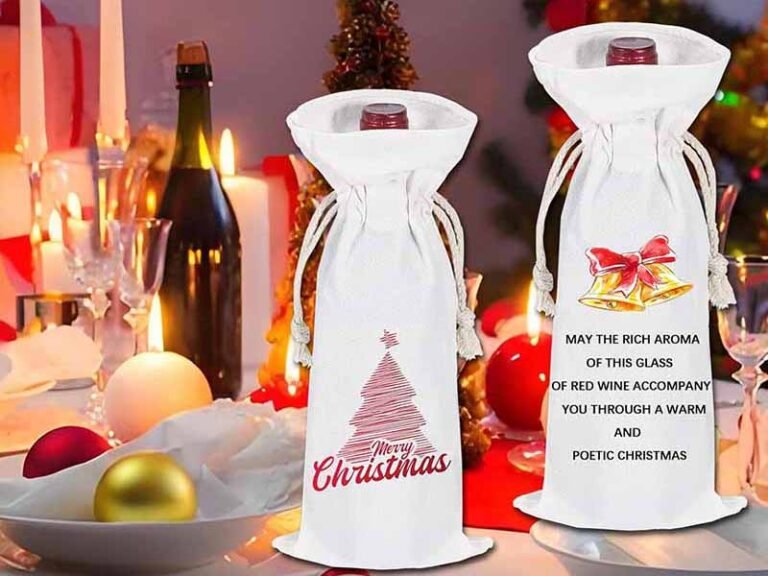
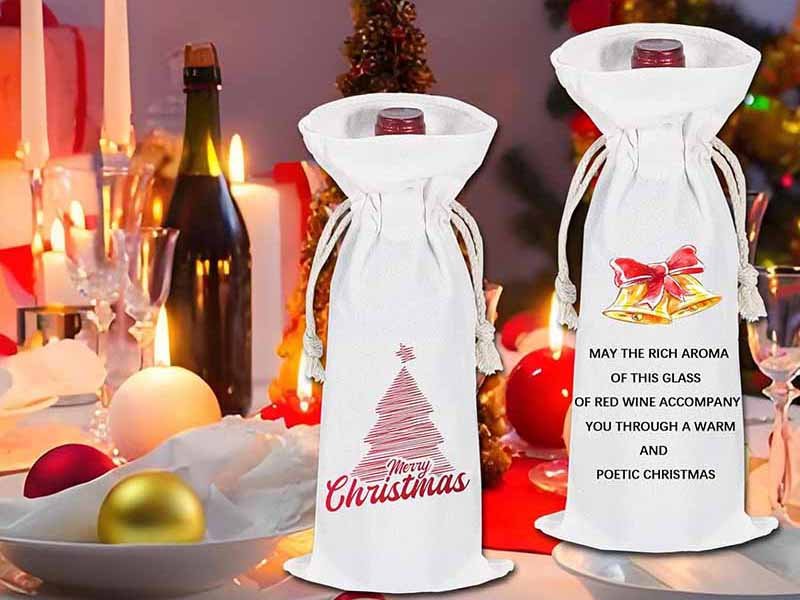
Wine is one of the few products in hospitality where the “moment of handover” can instantly raise—or lower—the perceived value. A guest doesn’t need to taste the wine to judge it. They judge it when a bottle is carried to the table, handed over for takeaway, or delivered to a hotel room. If the bottle arrives warm, wet, scratched, or packed in something flimsy, the experience feels careless. If it arrives protected, clean, and well-presented, it feels premium—even before the cork is pulled.
For restaurants and hotels, wine bags are not decoration. They are tools that solve very real problems: breakage during transport, slippery condensation, poor carry comfort, inconsistent branding, and messy storage behind the counter. The right wine bag helps staff move faster, reduces replacement cost, and makes guests more likely to share photos or buy again.
Restaurant and hospitality wine bags are purpose-built bottle carriers used in dining, hotel, bar, catering, takeaway, and delivery settings. They protect bottles, make carrying safer, support temperature control when needed, and improve the guest-facing look of wine service. A good wine bag also standardizes branding and reduces damage risk, making it easier to scale service across locations.
A manager once told us a simple truth: “We didn’t lose money from the wine— we lost money from the broken bottle, the refund, and the bad review.” That is why smart hospitality operators treat wine bags as part of their service system, not as an afterthought.
What Are Restaurant and Hospitality Wine Bags?
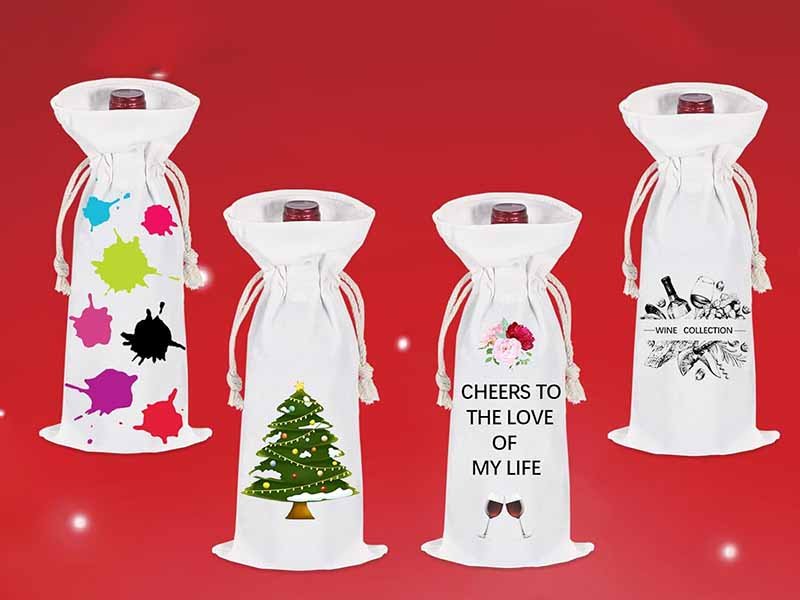
Restaurant and hospitality wine bags are functional bottle carriers designed specifically for real service environments such as restaurants, hotels, bars, catering events, takeaway counters, and delivery operations. Unlike decorative retail gift bags, these wine bags must handle weight, moisture, movement, and repeated daily use while still presenting the bottle in a clean, professional way that reflects the venue’s brand.
At a basic level, they solve three operational problems that hospitality teams deal with every day:
- Safe transport – preventing bottle breakage, leakage, or collision during takeaway or delivery
- Efficient handling – allowing staff to carry, store, and hand over wine quickly during busy service hours
- Consistent presentation – ensuring every guest receives wine in packaging that looks intentional and on-brand
Because hospitality environments are fast-paced, the design of these wine bags focuses on durability and predictability, not decoration alone.
How Restaurant and Hospitality Wine Bags Differ from Regular Wine Gift Bags
Many venues initially try to use standard paper or thin retail gift bags.
In practice, these often fail within days of real service use.
| Aspect | Retail Gift Bag | Hospitality Wine Bag |
|---|---|---|
| Load strength | Low, handle tears easily | Reinforced webbing or stitched handle |
| Moisture resistance | Poor, absorbs condensation | Coated fabric or wipe-clean lining |
| Reusability | Usually single-use | Designed for repeated handling |
| Bottle protection | Minimal | Padding, divider, or stable base |
| Brand consistency | Limited printing control | Custom color, logo, and structure |
| Storage efficiency | Bulky or collapses poorly | Foldable or stackable design |
For restaurants and hotels serving dozens or hundreds of bottles per week,
these differences quickly translate into real cost and service impact.
Core Functional Types Used in Hospitality
Restaurant and hospitality wine bags are usually selected based on service scenario, not style alone.
| Type | Typical Use | Key Functional Focus |
|---|---|---|
| Table-presentation wine bags | Fine dining, gifting, VIP service | Appearance, structure, quiet handling |
| Takeaway wine carriers | Guests bringing bottles home | Comfortable handles, durability |
| Insulated delivery wine bags | Courier or room service | Temperature control, padding |
| Multi-bottle catering bags | Events and banquets | Dividers, load stability, fast packing |
| Retail/minibar wine sleeves | Hotel shop or display | Compact size, branding visibility |
Each type answers a different operational need, which is why a single generic bag rarely works across all hospitality scenarios.
Real Performance Requirements in Daily Service
Hospitality teams usually evaluate wine bags using practical performance questions, not design language:
- Can the handle hold 2–6 kg without tearing?
- Will condensation from chilled wine soak through the material?
- Does the base keep the bottle upright on a counter or tray?
- Can staff wipe the bag clean in seconds after a spill?
- Will the bag still look acceptable after 50–100 uses?
These measurable concerns shape real purchasing decisions.
Why Restaurants and Hotels Treat Wine Bags as Service Equipment
In high-volume environments, small packaging failures create chain reactions:
| Small Issue | Operational Result |
|---|---|
| Torn handle | Bottle drop → replacement cost |
| Wet exterior | Guest discomfort → complaint risk |
| Poor insulation | Warm wine → lower satisfaction |
| Inconsistent logo | Weak brand image in photos |
| Bulky storage | Slower packing during rush hours |
Because of this, experienced operators no longer view wine bags as optional accessories.
They treat them as part of the service system, similar to trays, glassware, or takeaway containers.
The Practical Value Behind a Simple Product
A well-designed restaurant or hospitality wine bag does not need to be complex.
Its value comes from reliability over time:
- Fewer damaged bottles
- Faster takeaway packing
- Cleaner presentation at handover
- Stronger visual branding in guest photos
- Lower replacement frequency across months of use
When multiplied across daily service volume, even small improvements in packaging performance can produce noticeable savings and better guest feedback.
Which Restaurant and Hospitality Wine Bags Work Best?
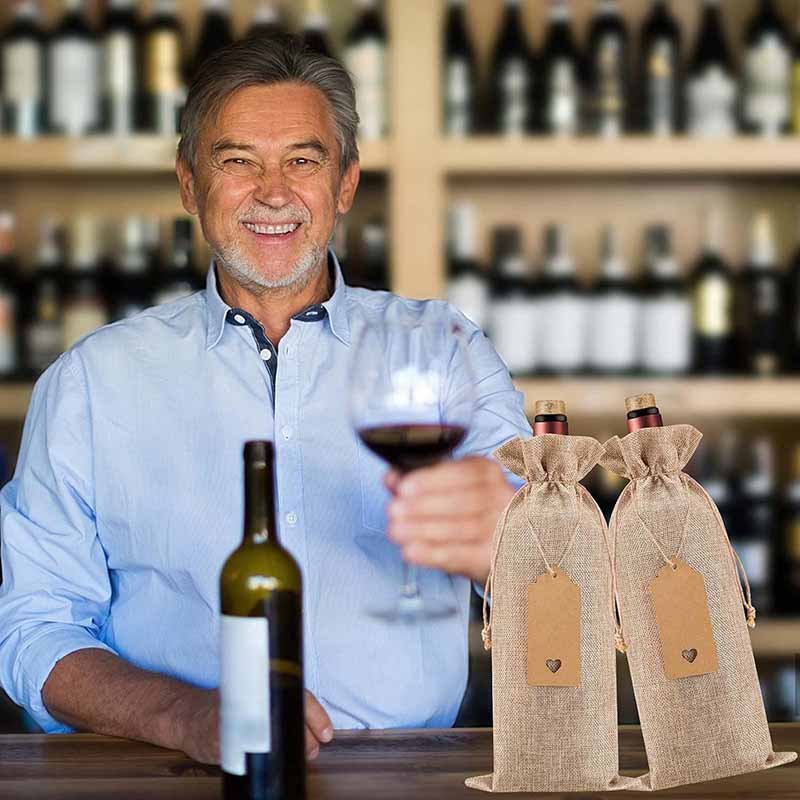
The restaurant and hospitality wine bags that work best are not defined by appearance alone.
They are defined by how well they perform during real service—carrying weight safely, protecting bottles during movement, resisting moisture from chilled wine, fitting storage space behind counters, and maintaining a clean, professional look after repeated use.
For most restaurants, hotels, and catering teams, the “best” wine bag is the one that balances four measurable factors:
- Durability per use cycle (how long the bag lasts before replacement)
- Protection level (shock resistance, divider support, base stability)
- Operational convenience (fast packing, easy cleaning, compact storage)
- Brand presentation (logo clarity, material texture, color consistency)
Because service models differ, the right choice depends heavily on how the wine is served or delivered.
Best Wine Bag Types by Hospitality Scenario
Different service environments require different structural solutions.
Selecting by use case first prevents overspending on unnecessary features.
| Hospitality scenario | Recommended wine bag type | Why it works best |
|---|---|---|
| Fine dining table presentation | Structured fabric or felt tote | Premium appearance, quiet handling |
| Guest takeaway (short distance) | Reinforced canvas carrier | Comfortable handle, reusable durability |
| Food delivery or room service | Insulated padded wine bag | Temperature control and shock protection |
| Catering events or banquets | Multi-bottle divider carrier | Fast packing and bottle separation |
| Hotel minibar or retail display | Slim branded wine sleeve | Space-efficient branding and easy storage |
This scenario-based approach helps operators match cost to real function instead of choosing purely by style.
Material Choices That Perform Well in Daily Service
Material selection directly affects lifespan, cleaning effort, and guest perception.
Hospitality buyers usually focus on materials that can survive high-frequency handling without looking worn too quickly.
| Material | Practical strengths | Limitations | Best use environment |
|---|---|---|---|
| Heavy canvas (10–16 oz) | Strong, breathable, printable | Can absorb stains if untreated | Takeaway and casual dining |
| RPET felt | Thick texture, eco positioning | Limited wipe-clean ability | Hotels and boutique retail |
| Neoprene (3–5 mm) | Shock-absorbing, handles condensation | Higher unit cost | Premium takeaway or gifting |
| Polyester with foam + PEVA lining | Lightweight insulation, easy cleaning | Less natural texture | Delivery and room service |
| PU/TPU laminated fabric | Water-resistant, easy to wipe | Appearance may feel synthetic | Bars, outdoor venues, beach service |
In hospitality, ease of cleaning often matters more than raw durability, because visible stains reduce perceived hygiene even if the bag is structurally intact.
Structural Features That Make the Biggest Difference
From a service perspective, a few structural details determine whether a wine bag feels reliable or problematic.
1. Handle strength and comfort
A full 750 ml bottle typically weighs 1.2–1.6 kg.
Two bottles plus packaging can exceed 3 kg.
Handles therefore need:
- 25–38 mm webbing width for hand comfort
- Bar-tack or box-X reinforcement at stress points
- Stitch density strong enough to prevent seam tearing
Weak handles are one of the most common failure points in hospitality packaging.
2. Base stability and bottle protection
| Feature | Why it matters in service |
|---|---|
| Bottom gusset | Keeps bottle upright on counters |
| PE board insert (1.5–3 mm) | Prevents sagging during carry |
| Side padding or foam | Reduces impact during movement |
| Internal divider | Stops bottles from colliding |
For delivery environments, divider height and foam density often matter more than outer fabric style.
3. Moisture and temperature control
Chilled wine creates condensation within minutes in warm environments.
Without proper lining, moisture can:
- Soak through fabric
- Weaken paper labels
- Cause slipping during handover
Common protective solutions:
- PEVA or aluminum-film lining for moisture resistance
- 3–6 mm foam insulation for short-distance temperature stability
- Neoprene body construction for combined shock and condensation control
A simple rule many operators follow:
If transport time exceeds 15–20 minutes, insulation becomes worthwhile.
Below that range, structure and appearance usually matter more.
Cost-to-Performance Balance in Hospitality Programs
Choosing the “best” wine bag also means understanding replacement frequency vs. unit price.
| Bag type | Typical lifespan in service | Cost efficiency level |
| Paper gift bag | 1 use | Low |
| Thin fabric tote | 10–20 uses | Medium |
| Reinforced canvas bag | 50+ uses | High |
| Insulated padded carrier | 6–18 months delivery use | Very high |
Even when insulated or reinforced bags cost more upfront,
their longer service life often lowers total packaging expense over time.
Practical Selection Framework Used by Restaurants and Hotels
Hospitality teams often simplify the decision into three quick questions:
- How far will the wine travel?
- Short distance → focus on appearance and handle comfort
- Long distance → prioritize insulation and padding
- How often will the bag be reused?
- Single use → lower-cost structure acceptable
- Repeated use → reinforced stitching and durable fabric required
- What brand image should guests remember?
- Casual → canvas or simple fabric
- Premium → felt, neoprene, or structured textile
- Eco-focused → RPET or recyclable materials
This framework keeps purchasing decisions clear, measurable, and aligned with real service needs.
How Do Restaurant and Hospitality Wine Bags Improve Service?
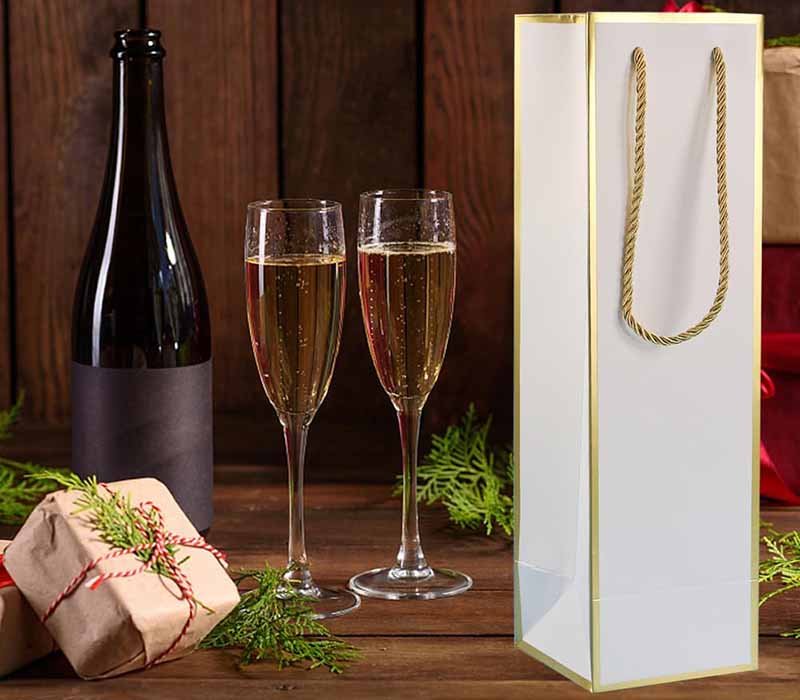
Restaurant and hospitality wine bags improve service by protecting bottles during handling, simplifying takeaway and delivery workflows, enhancing visual presentation for guests, and maintaining consistent branding across locations. Well-designed wine bags reduce breakage risk, speed up staff operations, and create a more premium handover experience that guests notice immediately.
Wine service is not only about taste—it is about control, timing, and perception.
A strong wine bag quietly supports all three.
Restaurant and Hospitality Wine Bags for Presentation
Presentation begins before the bottle is opened.
When a guest sees a wine bottle arrive in a structured, clean, well-proportioned carrier, the experience feels intentional rather than routine.
Why presentation quality changes guest perception
Hospitality psychology shows that visual framing influences value judgment.
Even without changing the wine itself, refined presentation can lead to:
- Higher perceived product quality
- Greater willingness to purchase a second bottle
- Increased likelihood of social sharing or gifting
In practical service terms, presentation-ready wine bags usually include:
- Wrinkle-resistant structure so the bag keeps shape on the table
- Balanced proportions that match standard 750 ml bottles
- Quiet materials that do not rustle or look disposable
- Neat stitching and aligned branding visible in photos
These are small construction details, but they strongly affect first impressions.
Elements that influence presentation quality
| Design element | Guest perception impact |
|---|---|
| Structured silhouette | Feels premium and intentional |
| Thick fabric or felt texture | Suggests durability and value |
| Clean logo alignment | Signals professionalism |
| Matching color palette | Reinforces brand identity |
| Smooth handle fall | Improves table-side elegance |
Restaurants focused on fine dining or boutique branding often treat wine bags as part of their visual storytelling, similar to menus or glassware.
Restaurant and Hospitality Wine Bags for Delivery
Delivery introduces a completely different challenge: movement, vibration, and time.
A bottle that looks perfect on the shelf can fail quickly during transport if protection is insufficient.
Main risks during wine delivery
- Bottle collision inside the bag
- Impact from sudden stops or turns
- Temperature change during transit
- Condensation causing slippery surfaces
- Handle fatigue from repeated lifting
To reduce these risks, delivery-ready wine bags usually combine:
- Foam padding in side panels
- Internal divider for multi-bottle orders
- Moisture-resistant lining
- Reinforced handle stitching
Protection levels by delivery distance
| Delivery distance | Recommended structure |
|---|---|
| <1 km walking | Basic reinforced tote |
| 1–5 km scooter/bike | Padded sides + divider |
| 5–15 km vehicle | Full insulation + base board |
| Catering transport | Thick padding + rigid support |
Operators who upgraded from thin paper bags to padded carriers often notice:
- Fewer refund cases
- Less staff stress during packing
- More consistent arrival condition
Delivery protection is therefore not only about safety, but also operational stability.
Are Insulated Restaurant and Hospitality Wine Bags Necessary?
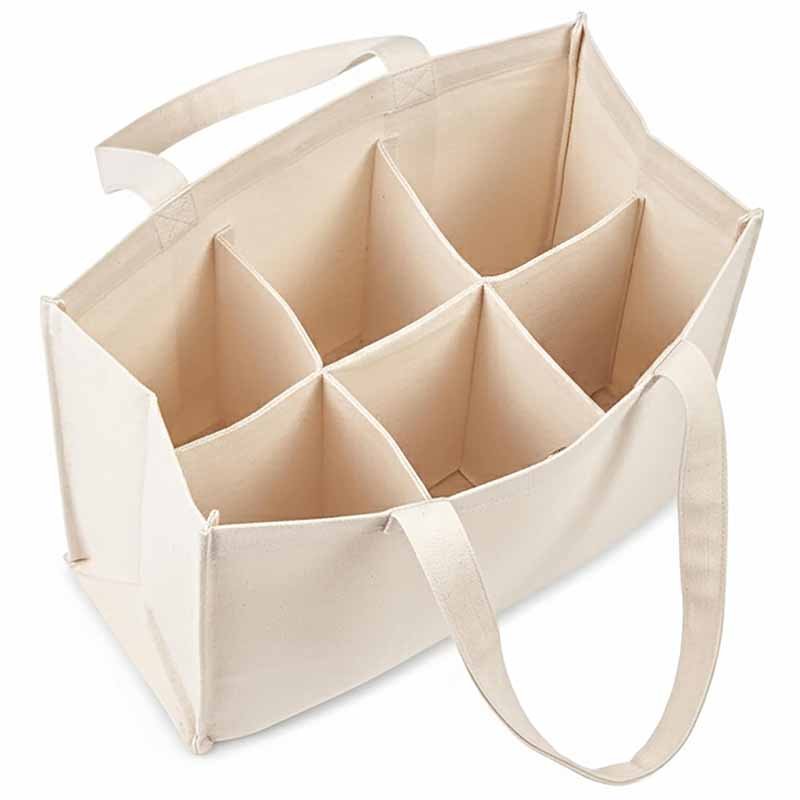
Insulated restaurant and hospitality wine bags are necessary when wine must maintain temperature during takeaway, delivery, outdoor service, or event catering. They are less critical for immediate table-side presentation or short indoor transport. Choosing insulation depends on transit time, ambient temperature, and wine type rather than price alone.
Understanding when insulation truly matters prevents unnecessary cost.
Insulated Restaurant and Hospitality Wine Bags Benefits
Insulation provides two main functions:
- Temperature stability
- Condensation control
White, rosé, and sparkling wines are especially sensitive to warming during transport.
Even a 5–10 °C temperature rise can noticeably affect taste and guest satisfaction.
Common insulation structures
| Layer | Purpose |
|---|---|
| Outer fabric | Durability and branding |
| Foam (EPE/PE) | Thermal barrier + cushioning |
| Reflective lining (PEVA/aluminum) | Heat reflection and moisture resistance |
Real-world situations where insulation matters most
- Summer takeaway orders
- Outdoor dining or beach service
- Hotel room delivery from distant kitchens
- Catering events with staging delay
Without insulation, chilled wine may arrive lukewarm or wet, leading to complaints even if the wine itself is excellent.
Non-Insulated Restaurant and Hospitality Wine Bags Uses
Not every hospitality scenario needs insulation.
In fact, unnecessary padding can:
- Increase storage space
- Slow down packing speed
- Raise unit cost
- Reduce foldability behind counters
Situations where non-insulated bags work well
| Scenario | Reason insulation isn’t needed |
|---|---|
| Table-side gifting | Bottle served immediately |
| Indoor takeaway (<10 min) | Minimal temperature change |
| Retail display in hotel shop | Focus on branding, not transport |
| Wine promotions/events | Short handling time |
Decision rule many operators use
If transport time exceeds ~15–20 minutes in warm conditions, insulation becomes valuable.
Below that threshold, structure and appearance matter more than thermal control.
Balancing insulation correctly keeps packaging functional without overspending.
How to Choose Restaurant and Hospitality Wine Bags Suppliers?
Choosing the right restaurant and hospitality wine bags supplier requires evaluating material capability, structural engineering experience, sampling speed, quality-control systems, and consistency across repeat production. A reliable supplier should translate service needs into precise specifications, provide fast prototypes, maintain stable bulk quality, and support branding customization for long-term hospitality programs.
Selecting a supplier is not just a purchasing decision—it is a risk-control decision that affects service reliability, guest perception, and operational cost over time.
Restaurant and Hospitality Wine Bags Supplier Criteria
Hospitality operators typically compare suppliers across five practical dimensions:
1. Material and construction capability
A qualified supplier should control:
- Fabric sourcing and testing
- Webbing strength and dye consistency
- Foam density and insulation structure
- Stitching reinforcement at load points
This ensures wine bags remain durable after repeated real-world use, not just during sampling.
2. Sampling speed and accuracy
Slow or inaccurate sampling delays menu launches, seasonal promotions, and hotel retail programs.
Efficient suppliers usually provide:
| Sampling factor | Practical expectation |
|---|---|
| Design review feedback | Within 24–72 hours |
| First prototype lead time | ~5–10 working days |
| Revision cycle | 3–7 days if needed |
| Visual confirmation (photos/video) | Before shipping sample |
Fast sampling reduces time-to-market risk, which is critical in hospitality.
3. Quality-control structure
Consistent bulk quality matters more than a perfect sample.
Look for suppliers with multi-stage inspection, including:
| QC stage | Key checkpoint |
|---|---|
| Incoming materials | Fabric weight, foam thickness, color |
| In-line sewing | Stitch density, reinforcement accuracy |
| Semi-finished check | Size tolerance, divider alignment |
| Final inspection | Appearance, function, cleanliness |
| Carton audit | Quantity, labeling, drop safety |
This layered control helps prevent unexpected defects after shipment.
4. Customization flexibility
Hospitality brands often require:
- Logo printing or embroidery
- Custom colors matching interior design
- Special sizes for local bottle formats
- Eco-material options for sustainability goals
A supplier must handle low-to-mid MOQ customization without excessive cost.
5. Long-term production stability
Restaurants and hotels reorder regularly.
Consistency across batches protects:
- Brand image
- Storage planning
- Cost forecasting
Stable suppliers maintain repeatable specifications and documentation for future orders.
Restaurant and Hospitality Wine Bags Ordering Questions
Before confirming an order, experienced hospitality teams ask clear, practical questions.
Core technical questions
- What materials and thickness will be used in bulk production?
- What load weight can the handle safely carry?
- What temperature retention time is expected for insulated models?
- What size tolerance is allowed in production?
- How are logo color and placement controlled?
These questions transform a quotation into a predictable production agreement.
Commercial and logistics questions
| Topic | Why it matters |
|---|---|
| MOQ level | Controls inventory risk |
| Sampling cost | Affects development budget |
| Mass production lead time | Impacts launch schedule |
| Packaging method | Influences shipping damage |
| Export experience | Reduces customs delays |
Clear answers prevent hidden costs and scheduling surprises.
How Lovrix Supports Restaurant and Hospitality Wine Bags Projects
Lovrix supports restaurant and hospitality wine bag development through integrated fabric, webbing, and bag manufacturing, fast sampling, precise technical documentation, and strict multi-stage quality control. This end-to-end capability helps hospitality brands launch custom wine bags efficiently while maintaining consistent appearance, durability, and cost stability across repeat orders.
With more than 18 years of manufacturing experience, Lovrix focuses on practical production reliability, not just visual design.
Lovrix Restaurant and Hospitality Wine Bags Development
Lovrix begins each project with a service-scenario evaluation, ensuring the wine bag design matches real hospitality use.
Early validation areas
| Area | Key question addressed |
|---|---|
| Bottle compatibility | Will global bottle shapes fit safely? |
| Carry comfort | Is handle width suitable for full weight? |
| Protection level | Is padding sufficient for delivery distance? |
| Cleaning practicality | Can staff maintain hygiene easily? |
| Brand presentation | Does the look match venue positioning? |
Solving these questions before sampling reduces redesign time and cost.
Lovrix then prepares:
- Clear technical drawings
- Complete material specifications
- Structured BOM lists
- Defined inspection standards
This documentation ensures sample-to-bulk consistency, a major concern for hospitality buyers.
Lovrix Restaurant and Hospitality Wine Bags Production
After approval, Lovrix moves into rapid sampling and controlled mass production.
Typical development timeline
| Stage | Estimated duration |
|---|---|
| Technical confirmation | 1–3 days |
| Material preparation | 3–7 days |
| Sample production | 5–10 days |
| Sample adjustment | 3–7 days if required |
| Mass production | ~20–35 days |
(Timing varies by complexity and quantity.)
Production quality assurance
Lovrix applies structured inspection at every stage:
- Material verification before cutting
- Reinforcement checks during sewing
- Dimensional measurement after assembly
- Visual and functional final inspection
- Carton integrity testing before shipment
This system helps ensure bulk goods match approved samples, reducing risk for international hospitality programs.
Start Your Custom Restaurant and Hospitality Wine Bags Project with Lovrix
Restaurant and hospitality wine bags may appear simple, but they influence service efficiency, guest perception, and brand consistency every day.
Choosing the right design and the right manufacturing partner ensures these small items quietly support smooth operations and memorable guest experiences.
Lovrix integrates fabric production, webbing manufacturing, and bag assembly into one coordinated system—helping restaurants, hotels, and catering brands move from concept to reliable bulk delivery with confidence.
If you are planning to develop custom wine bags for takeaway, delivery, gifting, minibar retail, or promotional events, the next step is straightforward:
Share your requirements or design concept with Lovrix.
The team can assist with structure planning, rapid sampling, and stable production tailored to real hospitality use.
Your wine already tells a story.
The right wine bag ensures that story begins the moment it is handed to the guest.