 Skip to content
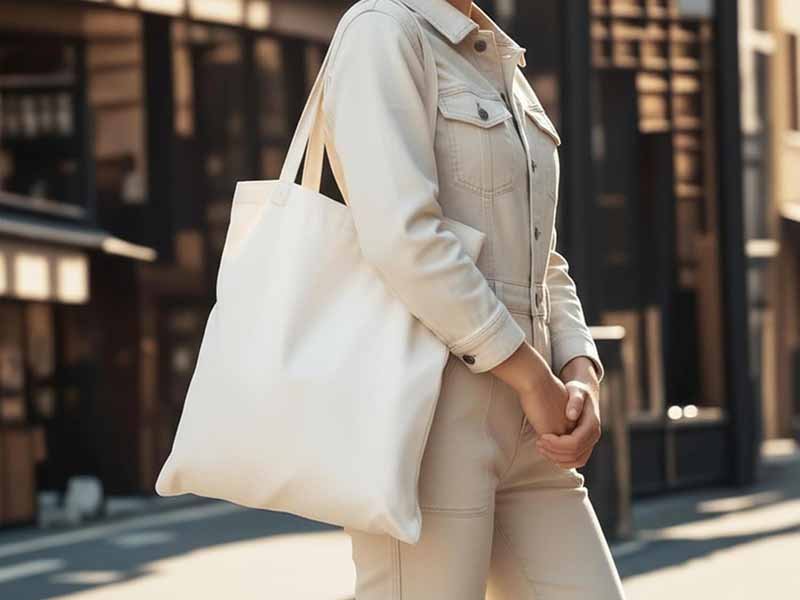
Canvas bags look simple, but size is the decision that quietly controls everything: how much the bag carries, whether it feels comfortable on the shoulder, how stable it stands on a counter, and how good your logo looks once it’s printed. If you’ve ever ordered a “standard tote” online and it arrived smaller than expected, you already know the problem—bag size language is often vague, and the market uses a few common ranges rather than one universal standard.
Here’s the straight answer: “standard” canvas bag sizes depend on the job the bag is meant to do. A daily tote needs a balanced width and height so it doesn’t swing awkwardly. A grocery bag needs a deeper gusset so bottles don’t tip over. A beach bag needs extra width for towels and bulky items. Utility bags focus on structure and load strength, so they often go larger and heavier.
A small brand once asked a factory to “match a popular tote size.” The sample looked great, but customers complained it couldn’t fit a 15-inch laptop—returns increased, and the campaign lost momentum. That’s why smart brands treat size like a product feature, not a detail.
Standard canvas bag sizes are best understood by type. A common canvas tote is around 14–16 in (W) × 15–16 in (H) with a 4–6 in gusset. Grocery canvas bags often use a deeper base, like 13–15 in wide with 8–10 in gussets for stability. Beach canvas bags are usually wider, around 18–22 in. Utility canvas bags often run 20+ in with reinforced construction.
What Are Standard Canvas Bag Sizes?

Most “standard” canvas bag sizes fall into a few proven ranges that manufacturers and brands repeatedly use because they balance comfort, capacity, and cost. The quickest way to understand standard sizing is to look at width × height × gusset and then match that to the bag’s real job—daily carry, shopping, groceries, beach, or heavy-duty utility.
What Is a Standard Tote Canvas Bag Size?
A standard tote is the everyday workhorse: books, laptop, lunch box, daily essentials. The market’s most repeated tote format is in the 15-inch class because it feels normal in-hand and on-shoulder while still being big enough to be useful.
| Tote size tier | Width (in) | Height (in) | Gusset (in) | Common use |
|---|---|---|---|---|
| Small tote | 12–13 | 13–14 | 3–4 | events, gifts, light carry |
| Standard tote | 14–16 | 15–16 | 4–6 | daily use, retail, promos |
| Large tote | 17–20 | 15–17 | 5–6 | travel, bulky shopping |
Practical notes brands care about:
- Laptop fit (real-world): A 15.6″ laptop usually needs at least 16.5–17″ internal width once seams and lining take space. That’s why many “work totes” are 16–17″ wide even if they look similar to a 15″ tote.
- Comfort: Too tall (18″+ height) can feel awkward because the bag hits the hip and swings more when walking.
- Structure: A 5″ gusset helps the bag stand and keeps the bottom from collapsing—this is the difference between a tote that feels “premium” and one that feels floppy.
What Is a Standard Shopper Canvas Bag Size?
Shopper bags overlap with totes, but they’re chosen for retail and errands, so brands push toward more capacity and a slightly wider bottom for stability.
| Shopper style | Width (in) | Height (in) | Gusset (in) | What it carries well |
|---|---|---|---|---|
| Compact shopper | 13–14 | 14–15 | 4–5 | small shopping runs |
| Standard shopper | 15–17 | 15–16 | 5–6 | clothing, boxed items |
| Oversized shopper | 18–20 | 15–16 | 6–7 | bulky retail purchases |
What matters in practice:
- Gusset = usable space. A bag that’s 16″ wide but flat can feel smaller than a 15″ bag with a 5–6″ gusset.
- Retail packaging fit. Apparel and lifestyle brands often choose sizes that fit folded items. For example, a folded sweatshirt pack is often around 12–14″ wide, so a 15–17″ width feels safer.
What Is a Standard Grocery Canvas Bag Size?
Grocery bags are engineered around stability and load-bearing, not just looks. This is where gusset depth matters most. A deeper gusset helps bottles stay upright and spreads weight across a wider base.
| Grocery bag type | Width (in) | Height (in) | Gusset (in) | Best for |
|---|---|---|---|---|
| “Market tote” | 14–16 | 13–15 | 6–8 | mixed groceries |
| Deep-base grocery | 12–15 | 14–16 | 8–10 | bottles, cartons |
| Boxy grocery | 12–14 | 12–14 | 8–10 | heavy, compact loads |
Real-world capacity view (approximate):
- Flat tote (15×16×0): often feels like 10–12 L usable
- Grocery with 8–10″ gusset: often reaches 22–30 L usable, depending on shape
Durability details brands often request:
- Reinforced handle attachment: box stitch or X-stitch
- Heavier canvas: 12–16 oz is common for grocery loads
- Bottom reinforcement: extra layer or binding for abrasion resistance
What Is a Standard Beach Canvas Bag Size?
Beach bags are built for bulky items: towels, sunscreen, spare clothes, water bottles. They typically go wider and sometimes slightly shorter to keep the load comfortable.
| Beach bag size tier | Width (in) | Height (in) | Gusset (in) | What it fits |
|---|---|---|---|---|
| Medium beach tote | 16–18 | 14–15 | 5–6 | 1–2 towels + extras |
| Standard beach tote | 18–22 | 14–16 | 6–8 | family day load |
| Oversized beach tote | 22–24 | 15–17 | 7–9 | towels + shoes + snacks |
Customer-focused sizing tips:
- Width matters more than height at the beach. A wider opening is easier for packing towels and reaching items quickly.
- Gusset helps the bag sit on sand without collapsing.
- Brands often add interior pockets; pocket placement must account for bag depth so items don’t fall into the bottom corners.
What Is a Standard Utility Canvas Bag Size?
Utility canvas bags are used for work gear, storage, tools, or heavier everyday carry. They often go larger and use stronger construction.
| Utility bag type | Width (in) | Height (in) | Gusset (in) | Design focus |
|---|---|---|---|---|
| General utility tote | 16–20 | 14–16 | 6–8 | balanced load |
| Large utility carry | 20–24 | 14–18 | 7–10 | high capacity |
| Structured utility | 14–18 | 12–15 | 8–10 | stands upright |
What brands usually care about here:
- Load target: many utility designs aim at 8–15 kg safe carry when reinforced.
- Reinforcement: webbing wrap, bottom boards, double layers.
- Canvas weight: 14–18 oz is often used for “work” positioning.
Which Canvas Bag Sizes Are Most Popular?

The most popular canvas bag sizes cluster into three groups—small (events and light carry), medium (daily and universal), and large (grocery, beach, heavy carry). Medium sizes win because they suit the widest audience and give enough print area for branding without becoming uncomfortable.
Which Small Canvas Bag Sizes Are Common?
Small canvas bags are chosen when brands want lower cost, fast distribution, and easy portability—think giveaways, gift-with-purchase, and small retail packaging.
| Small canvas bag use | Popular size (in) | Why it works |
|---|---|---|
| event giveaway tote | 12×13×3 | low cost, easy to carry |
| gift tote | 10×12×3 | fits small boxed items |
| mini retail tote | 12×14×4 | feels usable, not “tiny” |
| accessory pouch (canvas) | 8×6×3 | cosmetics, cables, small goods |
What to watch:
- If a small tote can’t carry something “real” (like a water bottle + book), customers often stop using it quickly.
- Brands often choose slightly larger “small” sizes (like 12×14×4) to keep the bag useful without jumping cost too much.
Which Medium Canvas Bag Sizes Are Popular?
Medium is the safe zone—good for daily carry, retail, and promotional use. Most brands start here when they want a bag that many people will keep using.
| Medium bag purpose | Popular size (in) | Capacity feel |
|---|---|---|
| everyday tote | 15×16×5 | balanced, universal |
| work tote | 16×15×5–6 | better laptop fit |
| retail shopper | 16×16×6 | more volume + stability |
Useful “brand reality” details:
- A medium tote gives a strong branding area without looking like a “freebie.”
- It’s easier to hit quality expectations (shape, stitching, handle comfort) without needing heavy reinforcements like a utility bag.
Which Large Canvas Bag Sizes Are Used Most?
Large canvas bags are selected for customers who prioritize capacity and function: groceries, beach days, travel, or utility carry.
| Large bag category | Popular size (in) | Best feature |
|---|---|---|
| grocery bag | 13×15×10 | stable base for bottles |
| beach tote | 20×15×6–8 | wide opening for towels |
| travel tote | 22×16×7 | bulky carry + comfort |
Large bags need smarter construction:
- Wider gussets increase stress on seams.
- Handle attachment must be stronger.
- Fabric weight and reinforcement choices have a bigger impact on customer satisfaction than in small/medium bags.
How Do You Measure Canvas Bag Sizes?

Canvas bag sizes are measured using three core dimensions: width, height, and gusset depth. These measurements determine how much the bag can carry, how it sits when filled, and how comfortable it feels to carry. Most manufacturers follow a consistent measurement method so that brands can compare bag sizes accurately when developing custom products.
Understanding how bags are measured helps avoid common mistakes during product development. Many brands approve a design based only on width and height, then realize later that the bag’s usable capacity is smaller than expected because the gusset depth was too shallow.
How Are Canvas Bag Width and Height Measured?
The width and height define the basic shape of the bag body. Factories measure these dimensions when the bag is lying flat and empty.
| Measurement | Definition | Where to Measure |
|---|---|---|
| Width | Horizontal distance across the bag | Left seam to right seam |
| Height | Vertical distance from bottom seam to top opening | Bottom seam to bag opening |
| Opening width | Top edge width | Sometimes wider than body width |
Important practical details:
- The internal usable width is usually 0.5–1 inch smaller than the external width because seams take up space.
- Thick canvas (14–16 oz) reduces internal space slightly more than thin fabric.
- Bags with binding or rolled seams lose additional internal width.
Example comparison:
| Bag label size | External width | Internal usable width |
|---|---|---|
| 15 in tote | 15 in | ~14–14.5 in |
| 16 in tote | 16 in | ~15–15.5 in |
This difference is small but important when customers want to fit specific items like laptops or binders.
A 15.6-inch laptop often needs at least 16–17 inches of internal width, so a bag labeled “15 inches” may actually feel too small.
How Is Canvas Bag Depth or Gusset Measured?
The gusset determines the bag’s real capacity. It is the folded section at the bottom or sides that allows the bag to expand.
Factories measure gusset depth when the bag is fully opened and expanded.
| Gusset type | Measurement method | Effect on bag |
|---|---|---|
| Bottom gusset | Distance across the base when opened | Adds volume |
| Side gusset | Distance between front and back panels | Makes bag box-shaped |
| Combined gusset | Bottom + sides | Maximum stability |
Example volume difference:
| Bag dimensions | Approx capacity |
|---|---|
| 15 × 16 × 0 | ~11 liters |
| 15 × 16 × 5 | ~18 liters |
| 15 × 16 × 8 | ~26 liters |
A deeper gusset increases capacity dramatically. That’s why grocery bags often use 8–10 inch gussets, while promotional tote bags stay around 4–5 inches.
Another advantage of deeper gussets is load stability. A flat tote tends to collapse when placed on the ground, but a gusseted bag stands more upright.
How Is Canvas Bag Handle Drop Measured?
Handle drop refers to the vertical distance from the top of the bag to the highest point of the handle when the bag is hanging naturally.
| Handle type | Typical drop |
|---|---|
| Hand carry | 4–6 inches |
| Short shoulder carry | 8–10 inches |
| Comfortable shoulder carry | 10–12 inches |
| Oversized tote | 12–14 inches |
Comfort is strongly influenced by handle drop length.
If the handle is too short, the bag may feel tight under the arm.
If it is too long, the bag swings while walking.
Most canvas tote bags use 10–11 inch handle drops, which balance comfort and control.
Handle width also affects comfort:
| Handle width | Carry feel |
|---|---|
| 1 inch | lightweight use |
| 1.25 inch | common retail tote |
| 1.5 inch | heavier loads |
| 2 inch | heavy-duty utility |
For heavy grocery bags, many brands choose 1.5 inch webbing handles because they distribute weight better across the shoulder.
How Do Canvas Bag Sizes Affect Capacity?
Capacity is not determined by width alone. The combination of width, height, and gusset depth defines how much the bag can hold.
A useful way to estimate capacity is:
Capacity (liters) ≈ Width × Height × Gusset × 0.016
Example calculations:
| Bag size (inches) | Estimated capacity |
|---|---|
| 14 × 15 × 4 | ~13 liters |
| 15 × 16 × 5 | ~19 liters |
| 18 × 15 × 6 | ~26 liters |
| 20 × 16 × 8 | ~41 liters |
These numbers help brands choose sizes based on real-world usage.
For example:
| Use case | Recommended capacity |
|---|---|
| daily tote | 15–20 L |
| grocery bag | 25–35 L |
| beach bag | 30–45 L |
| travel tote | 35–50 L |
Manufacturers like Lovrix often help customers evaluate capacity during product development by comparing bag dimensions with real objects such as laptops, books, grocery items, or clothing.
How Do You Choose the Right Canvas Bag Size?

Choosing the right canvas bag size depends on three main factors: usage scenario, user comfort, and branding requirements. Brands that carefully match bag size to real customer behavior often achieve higher product satisfaction and repeat use.
Many companies make the mistake of copying a competitor’s bag size without considering their own customers’ needs.
A well-designed bag size should answer a simple question:
What will customers actually put inside this bag?
How Do Canvas Bag Sizes Match Different Uses?
Different activities require different bag capacities.
| Use scenario | Recommended bag size |
|---|---|
| daily commuting | 15 × 16 × 5 |
| laptop + books | 16 × 15 × 5 |
| grocery shopping | 13 × 15 × 10 |
| beach trips | 20 × 15 × 6 |
| travel carry | 22 × 16 × 7 |
For example:
A grocery bag must hold heavy items like milk cartons or vegetables. This is why grocery bags emphasize deep gussets rather than extra height.
A beach bag must fit bulky towels, so designers prioritize wide openings.
Understanding these differences helps brands design bags that customers actually use instead of leaving them at home.
How Do Canvas Bag Sizes Affect Comfort?
Comfort depends on both size and weight distribution.
Larger bags can hold more items, but if they become too wide or tall they may feel awkward.
Typical comfort ranges:
| Factor | Comfortable range |
|---|---|
| bag width | 14–20 inches |
| bag height | 14–17 inches |
| gusset depth | 4–8 inches |
Beyond these ranges, the bag may feel oversized for daily carry.
Another comfort factor is weight when fully loaded.
| Bag type | Average load |
|---|---|
| small tote | 2–4 kg |
| medium tote | 4–7 kg |
| grocery bag | 6–12 kg |
If a bag is designed to carry heavier loads, the fabric and handles must be reinforced.
How Do Canvas Bag Sizes Affect Printing Area?
Canvas bags are also marketing tools. Brands often use them to display logos or artwork.
Printing area depends on the front panel dimensions.
| Bag width | Printable area |
|---|---|
| 12 in | ~120 sq in |
| 15 in | ~180 sq in |
| 18 in | ~230 sq in |
| 20 in | ~260 sq in |
Larger bags provide more space for branding, but extremely large logos may look unbalanced.
Most brands position logos within 8–12 inches wide to maintain good visual proportions.
Factories like Lovrix also help customers evaluate print placement during sample production so that designs remain centered and readable once the bag is filled.
How Do Brands Choose Canvas Bag Sizes?
Successful brands often follow a simple product development process when choosing bag sizes:
- Identify the main usage scenario
- Determine capacity requirements
- Test comfort with sample prototypes
- Adjust gusset and handle length
- Confirm printing layout
During this process, small changes can make a big difference.
For example:
Increasing gusset depth from 4 inches to 6 inches can increase capacity by nearly 40% without dramatically changing the bag’s appearance.
That’s why many experienced manufacturers recommend building physical samples before mass production.
Factories like Lovrix, which operate fabric mills and bag manufacturing lines, typically help brands refine bag sizes during sampling so the final product balances capacity, durability, and aesthetics.
Do Manufacturers Offer Custom Canvas Bag Sizes?
Yes. Most professional canvas bag factories can produce fully customized bag sizes, because canvas products are cut and sewn from raw fabric panels rather than molded from fixed tooling. This flexibility allows brands to adjust width, height, gusset depth, handle length, pocket placement, and fabric weight to match their product concept.
For many brands, the difference between a successful bag and an unused promotional item often comes down to small adjustments in dimensions. A gusset that is one inch deeper or a handle that is two inches longer can significantly improve usability.
Because of this, most OEM canvas bag projects start with a size discussion before design work begins.
Do Factories Customize Canvas Bag Sizes?
Professional canvas bag factories routinely produce bags in custom dimensions, especially for private label brands, retailers, and promotional campaigns.
Below are common customization parameters manufacturers can adjust.
| Customizable element | Typical adjustment range | Purpose |
|---|---|---|
| Bag width | 8–24 inches | Capacity and opening space |
| Bag height | 8–20 inches | Internal storage |
| Gusset depth | 3–12 inches | Volume and stability |
| Handle drop | 6–14 inches | Carry comfort |
| Fabric weight | 8–18 oz canvas | Durability and load strength |
Because canvas bags are sewn products, factories simply modify the cutting patterns to produce different sizes. No expensive molds or injection tools are required, which keeps development costs relatively low.
However, there are practical limits.
Extremely narrow bags may become unstable, while extremely large bags may require heavier fabric and reinforced handles to prevent tearing.
Experienced manufacturers will usually review a design and suggest adjustments if a requested size could create structural problems.
How Do Custom Canvas Bag Sizes Get Developed?
Custom bag development normally follows a structured workflow. Each stage ensures the bag’s dimensions are practical for production and comfortable for real-world use.
Typical development process:
| Step | Development activity | Key output |
|---|---|---|
| 1 | Concept discussion | target size & use case |
| 2 | Technical drawing | bag dimension specifications |
| 3 | Fabric selection | canvas weight & material |
| 4 | Prototype sampling | first physical sample |
| 5 | Sample revision | size adjustments |
| 6 | Pre-production sample | final confirmation |
| 7 | Mass production | bulk manufacturing |
During the sampling stage, designers often adjust dimensions slightly after seeing the first prototype.
For example:
- Increasing gusset depth improves capacity
- Shortening bag height improves balance
- Lengthening handles improves shoulder comfort
Factories with in-house pattern-making teams can usually produce first samples within 5–7 days, allowing brands to quickly test different bag sizes before finalizing production.
How Do MOQ and Cost Affect Canvas Bag Sizes?
Canvas bags are flexible products, but production economics still influence size decisions.
Two factors are especially important:
Minimum Order Quantity (MOQ) and material consumption.
Below is a simplified view of how size influences production cost.
| Bag size category | Fabric usage | Approx relative cost |
|---|---|---|
| Small bags | low | lowest cost |
| Medium bags | moderate | standard |
| Large bags | high | higher cost |
Example comparison:
| Bag dimensions | Estimated fabric usage |
|---|---|
| 12 × 13 × 3 | ~0.35 sq yd |
| 15 × 16 × 5 | ~0.50 sq yd |
| 20 × 15 × 6 | ~0.65 sq yd |
A larger bag consumes more canvas fabric and may require stronger handles and reinforcements.
Typical production MOQ ranges for canvas bags:
| Order type | Typical MOQ |
|---|---|
| simple promotional tote | 200–500 pcs |
| private label retail bag | 300–800 pcs |
| complex utility bag | 500–1000 pcs |
Factories may accept smaller trial orders for new brands, but larger volumes generally produce better unit pricing.
Brands planning long-term product lines often start with 500 pieces, which balances risk and cost efficiency.
How Does Lovrix Produce Custom Canvas Bag Sizes?
Lovrix operates as an integrated manufacturer with fabric production, webbing manufacturing, and bag assembly facilities, allowing greater control over product quality and customization.
Because Lovrix manages multiple stages of production, customers can develop bags with a wide range of materials and specifications.
Key production capabilities include:
| Capability | Details |
|---|---|
| Canvas fabric production | cotton canvas, recycled canvas, heavy-duty canvas |
| Fabric weight range | 8 oz – 18 oz |
| Printing methods | screen printing, heat transfer, embroidery |
| Bag structure options | flat tote, gusseted bag, box bottom bag |
| Reinforcement options | double stitching, cross stitching, webbing reinforcement |
This integrated manufacturing structure allows Lovrix to support a wide variety of projects.
Typical client applications include:
- Retail tote bags
- Promotional canvas bags
- Grocery shopping bags
- Beach tote bags
- Utility storage bags
- Private label brand products
Because Lovrix produces both fabric and finished bags, the company can also ensure consistency in fabric quality and supply stability, which is critical for long-term brand partnerships.
Conclusion: Finding the Right Canvas Bag Size for Your Brand
Choosing the right canvas bag size is not just a technical decision. It directly influences how customers experience the product and how often they use it.
A well-designed bag should balance several factors:
- Capacity — enough space for real daily use
- Comfort — practical dimensions and handle length
- Durability — fabric strength and reinforcement
- Brand visibility — suitable printing area
Many successful brands treat bag size as part of their product strategy. Instead of copying existing designs, they adjust dimensions to match their customers’ lifestyle and product packaging.
This approach often leads to higher customer satisfaction and stronger brand recognition.
If you are developing a new canvas bag product or planning a private-label bag line, working with an experienced manufacturer can save significant time and reduce costly design mistakes.
Lovrix has more than 18 years of experience in fabric development, webbing production, and bag manufacturing, supporting global brands and e-commerce companies with custom OEM and private-label products.
The company offers:
- Free design consultation
- Low MOQ customization
- Fast sample development
- Stable manufacturing capacity
- Strict quality control
Whether you are creating custom tote bags, grocery bags, beach bags, or heavy-duty utility canvas bags, the Lovrix team can help refine dimensions and produce samples tailored to your brand.
If you would like to develop custom canvas bags with your own size, materials, and logo, you are welcome to contact Lovrix for a quotation and product consultation.
The right bag size can turn a simple product into something customers use every day—and that is the real value of good design.


