 Skip to content
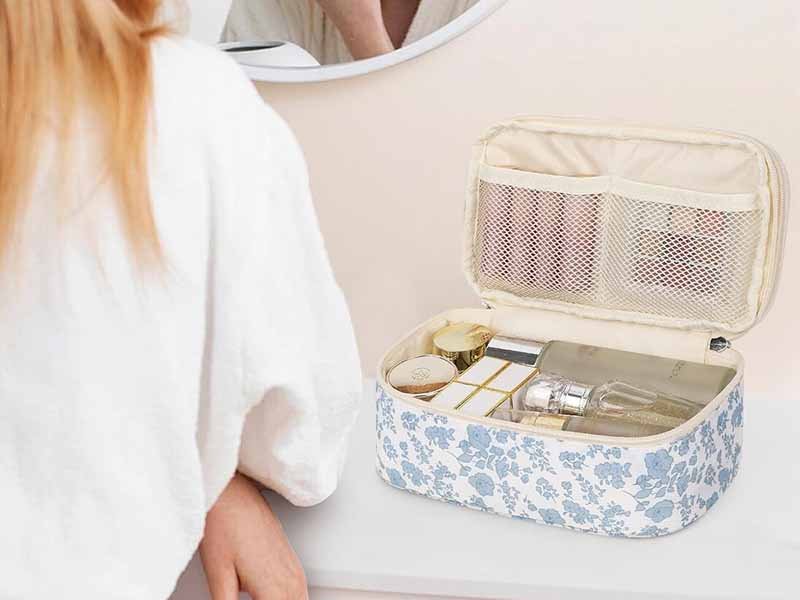
Most people don’t buy the “wrong” makeup bag because the fabric is bad—they buy the wrong one because the size doesn’t match their real routine. A bag that’s too small turns into a messy pile where caps pop off and compacts crack. A bag that’s too big wastes space, feels heavy, and becomes a “black hole” you hate digging through. The good news: standard makeup bag sizes are predictable, and once you understand the typical dimensions and what actually fits, choosing becomes simple.
Standard makeup bag sizes usually fall into Small (about 15–18 cm wide) for minimal essentials, Medium (about 19–23 cm wide) for daily full-face sets, and Large (about 24–30+ cm wide) for travel kits or professional-level capacity. The best size depends on how many items you carry, whether you include brushes/skincare, and whether the bag must fit inside a tote or backpack.
A quick story you’ve probably seen: someone packs a “cute” pouch for a trip, then ends up buying a second bag on day two because it can’t hold brushes + skincare + liquids. Let’s avoid that mistake and choose a size that feels easy every time you zip it.
What Are Standard Makeup Bag Sizes?

In real purchasing decisions, standard makeup bag sizes are not defined by names like “small” or “large” alone, but by how many products fit comfortably without squeezing, stacking, or damaging them. Across most global brands and factories, standard sizes fall into three functional ranges, shaped by everyday makeup habits, common product dimensions, and how people carry bags in daily life.
Instead of thinking in abstract labels, it’s more useful to understand standard makeup bag sizes by capacity, dimensions, and use scenario.
The Three Real-World Standard Makeup Bag Size Categories
| Size Category | Typical Outer Dimensions (L×W×H) | Approx. Capacity | Primary Use |
|---|---|---|---|
| Small | 15–18 × 5–7 × 9–11 cm | 0.7–1.2 liters | Touch-ups, purse carry |
| Medium | 19–23 × 7–9 × 12–14 cm | 1.8–3.0 liters | Daily full routine |
| Large | 24–30 × 9–12 × 16–20 cm | 4.5–6.5+ liters | Travel & professional use |
These size ranges exist because they align with how makeup products are manufactured, not just how bags look on a shelf.
Why These Sizes Became “Standard”
Most cosmetic packaging worldwide falls into predictable size ranges:
- Lipsticks: 7–9 cm
- Mascaras: 12–14 cm
- Brow / eyeliner pencils: 12–15 cm
- Cushion & powder compacts: 7–9 cm diameter
- Small palettes: 12–18 cm width
- Short makeup brushes: 12–16 cm
- Full brushes: 18–22 cm
Standard makeup bag sizes evolved to fit these products without bending brushes, cracking powders, or forcing products sideways.
What Actually Fits in Each Standard Makeup Bag Size
Small Standard Makeup Bag Sizes (Minimal Carry)
Designed for quick access and portability, not full routines.
Typically fits:
- 1 cushion or compact
- 1 mascara
- 1 brow or eyeliner pencil
- 1–2 lip products
- Optional: mini powder or blotting paper
Real user profile:
- Keeps bag inside a purse
- Uses makeup mainly for touch-ups
- Prioritizes lightweight carry
Limitations customers notice quickly:
- No space for brushes
- Very limited skincare
- Becomes overcrowded if items increase
Medium Standard Makeup Bag Sizes
This is the most widely used and purchased size globally.
Typically fits:
- Foundation or cushion
- Powder + blush or bronzer
- Mascara + eyeliner + brow
- 2–4 lip products
- 2–6 short brushes or sponge
- Optional mini skincare items
Real user profile:
- Does full face makeup daily
- Carries bag to work, gym, or travel
- Wants balance between space and portability
Why customers prefer this size:
- Everything fits without stacking
- Easy to see and reach items
- Still fits into tote bags and backpacks
Large Standard Makeup Bag Sizes (Travel & Professional)
Built for volume, protection, and organization.
Typically fits:
- Multiple face products
- 1–2 palettes
- Full brush set (including long handles)
- Skincare bottles and tubes
- Tools (curler, tweezers, sponges)
- Sometimes toiletries in separate sections
Real user profile:
- Travels frequently
- Carries backup products
- Makeup artists and beauty professionals
Key advantages:
- Prevents product damage during travel
- Reduces need for multiple bags
- Faster setup and packing
Capacity Matters More Than Length Alone
Two bags with the same width can perform very differently.
Key capacity drivers customers care about:
- Gusset depth (side width) – affects how many items stand upright
- Opening width – determines how easy it is to access products
- Internal height – decides whether bottles and brushes fit vertically
- Structure – impacts usable space vs protection
A 22 cm wide bag with a 9 cm gusset often holds 30–40% more than one with a 6 cm gusset.
Standard Sizes vs. Customer Expectations
From customer feedback across brands:
| Expectation | Size That Satisfies It |
|---|---|
| “Fits in my handbag” | Small or slim Medium |
| “Holds my daily routine” | Medium |
| “One bag for travel” | Large |
| “No broken makeup” | Medium or Large with structure |
| “Easy to clean” | Any size with coated lining |
Standard makeup bag sizes succeed when expectations match real capacity, not marketing labels.
Why Brands Still Customize Standard Makeup Bag Sizes
Even within standard ranges, brands often adjust:
- +1–2 cm height for brushes
- Wider base for compacts
- Reinforced bottom for travel
- Cleaner interior layout for visibility
These small adjustments improve usability without confusing customers, because the bag still “feels” standard.
What Defines a Standard Size for Makeup Bags?

A “standard” size is the range that most brands repeatedly use because it fits common product sets, ships efficiently, and matches how people carry bags in real life. In practice, standard makeup bag sizes are built around typical item counts (10–25 pieces) and common packaging shapes (tubes, compacts, pencils, travel bottles).
What “Standard Makeup Bag Sizes” Usually Mean in Real Packing Terms
Small standard makeup bag sizes (purse-friendly) usually hold:
- 1 cushion/foundation compact or 1 small bottle (30–50 ml)
- 1–2 lip products
- 1 mascara
- 1 eyeliner or brow pencil
- 1 small powder or mini palette Typical item count: ~6–10 items
Medium standard makeup bag sizes (daily full-face) usually hold:
- foundation + powder + blush (or 1 face palette)
- 2–4 lip products
- mascara + eyeliner + brow
- 2–6 brushes (short handles fit easiest)
- small skincare add-ons (mini cleanser, sunscreen stick) Typical item count: ~12–22 items
Large standard makeup bag sizes (travel/pro) usually hold:
- multiple face products + 1–2 palettes
- full brush set (including longer handles)
- skincare minis + liquids (depending on travel rules)
- extra tools (lash curler, sponges, tweezers)
- sometimes toiletries in a separate section Typical item count: ~20–40+ items
Common Item Sizes That Drive “Standard Makeup Bag Sizes”
| Item Type | Typical Packaging Size (Approx.) | What It Means for Bag Choice |
|---|---|---|
| Mascara | 12–14 cm long | needs ≥10 cm height to stand or lie flat |
| Lipstick | 7–9 cm | fits any size; multiples add bulk fast |
| Compact/powder | 7–9 cm diameter | needs a flatter base to prevent cracking |
| Small palette | 12–18 cm wide | medium or large works best |
| Brush (short handle) | 12–16 cm | medium bags handle this well |
| Brush (full handle) | 18–22 cm | large bags or long “brush section” needed |
| Travel bottle | 50–100 ml, 10–14 cm tall | medium/large with leak-resistant lining preferred |
How Standard Makeup Bag Sizes Affect User Experience
If you want customers to love the bag (and reorder), the size needs to support fast access and low mess. Here’s what end-users notice quickly:
- Zip opening width: can you grab a lipstick in 2 seconds without spilling?
- Standing stability: does it fall over on a vanity or hotel sink?
- Protection: are compacts and glass bottles safe from impact?
- Cleanability: does the lining wipe clean after foundation spills?
- Weight: larger bags get heavy fast once bottles and palettes are added.
Practical Sizing Rules People Actually Follow
These are simple, “real life” rules that match how users decide:
- If it must fit inside a purse: choose small standard makeup bag sizes or a slim medium (gusset ≤8 cm).
- If you do a full face daily: medium standard makeup bag sizes are usually the most comfortable.
- If you travel 3+ days or carry skincare + brushes: large standard makeup bag sizes reduce frustration and product damage.
- If your products are mostly compacts/palettes: prioritize wider bags over taller bags.
- If your products are mostly tubes and pencils: prioritize height and opening width.
Mini Checklist: Confirm the “Right Standard Makeup Bag Sizes” Before You Order
- Count your daily items (don’t guess—count them)
- Add 20–30% extra space for new products or seasonal changes
- Decide your carry method (purse / tote / suitcase / pro kit)
- Confirm the longest item (often a brush or mascara)
- Pick structure level: soft (lightweight) vs structured (protection)
Which Size Is Best for Daily Use?
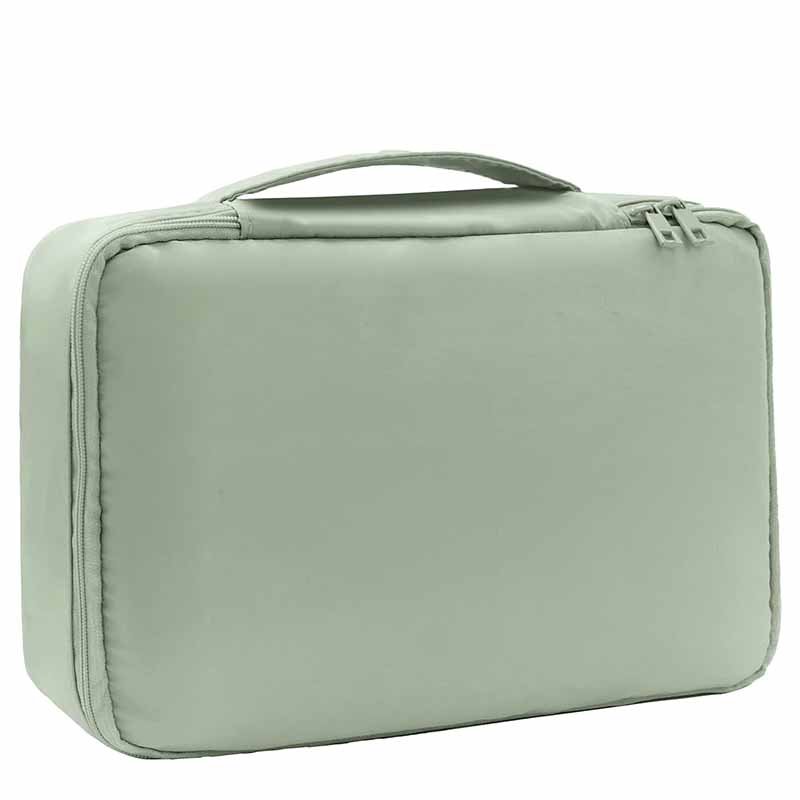
For most users, medium standard makeup bag sizes offer the best balance for daily use. They hold a full everyday makeup set without feeling bulky, and they still fit easily into a tote bag, backpack, or work bag.
Daily use is not about maximum capacity—it’s about speed, comfort, and predictability. A daily makeup bag should let users grab products quickly, stay organized without constant rearranging, and avoid unnecessary weight.
What “Daily Use” Really Means in Real Life
Daily makeup routines are usually consistent. Most users rotate the same products every day, occasionally swapping lip colors or adding one seasonal item. A good daily-use size must support:
- Stable routines (same items every day)
- Fast access (no digging or spilling)
- Portability (easy to carry between home, work, gym, or travel)
This is why medium standard makeup bag sizes dominate everyday sales across brands.
Daily Essentials That Drive Size Choice
Most daily users carry a surprisingly consistent set of items:
- Foundation or cushion
- Powder or compact
- Blush or bronzer
- Mascara
- Eyeliner or brow pencil
- 1–3 lip products
- Optional: small brush set or sponge
Once brushes or skincare are added, small bags quickly become impractical.
Daily Use Size Comparison
| Standard Makeup Bag Sizes | Daily Fit | Comfort Level | Typical User Feedback |
|---|---|---|---|
| Small | Tight | High portability, low flexibility | “Cute, but I outgrew it fast” |
| Medium | Ideal | Balanced and comfortable | “Everything fits, nothing wasted” |
| Large | Loose | Heavy for daily carry | “Too big for everyday use” |
Small bags work for minimalists. Medium bags work for real routines.
Why Medium Standard Makeup Bag Sizes Work Best
Medium bags succeed because they:
- Hold 12–22 items without crowding
- Accommodate short brushes and small tools
- Keep products upright, reducing leaks and damage
- Fit inside most work bags and backpacks
- Don’t feel “overpacked” even when full
They also leave room for growth, which matters more than people expect.
Common Daily-Use Mistakes Brands Should Avoid
From real customer feedback, these mistakes cause dissatisfaction:
- Bags labeled “daily” but sized like mini pouches
- No internal structure, causing items to stack and crush
- Narrow openings that block visibility
- Overly stiff bags that reduce usable space
Daily users value ease, not complexity.
How Big Should a Travel Makeup Bag Be?

A travel makeup bag should usually be large standard size or a roomy medium, depending on trip length. If the trip is longer than 3 days or includes skincare and tools, large sizes reduce stress and product damage.
Travel introduces variables that daily use doesn’t:
- More products
- Liquids and skincare
- Brushes and tools
- Packing and unpacking repeatedly
This changes how size should be evaluated.
Travel Needs Change Everything
When traveling, users tend to pack:
- Backup products “just in case”
- Skincare they don’t use daily
- Larger liquid containers
- Hair or grooming tools
A bag that works perfectly at home may fail completely on the road.
Travel Makeup Bag Size by Trip Length
| Trip Length | Recommended Size | Why |
|---|---|---|
| 1–2 days | Medium | Similar to daily routine |
| 3–5 days | Large | Extra products + skincare |
| 6+ days | Large + compartments | Better separation & protection |
Travel-Friendly Dimensions That Actually Work
| Size Category | Typical Dimensions | Travel Advantage |
|---|---|---|
| Medium | ~22×8×13 cm | Fits carry-on bags easily |
| Large | ~28×10×18 cm | Holds full routine + skincare |
Travel bags benefit more from width and opening angle than height. Wide openings reduce spills and speed up packing.
Liquids, Leaks, and Reality
Travel exposes makeup bags to:
- Pressure changes
- Side compression in suitcases
- Temperature shifts
That’s why travelers prefer:
- Waterproof or coated linings
- Structured bases
- Separated compartments for liquids
A slightly larger bag with better structure performs better than a tight one.
Why Travelers Prefer “Too Big” Over “Too Small”
Users almost never regret having extra space on a trip—but they frequently regret bags that are too small.
Common complaints include:
- Bottles tipping over
- Brushes bending
- Products rubbing against zippers
- Makeup mixing with toiletries
Large standard makeup bag sizes solve these issues without needing multiple bags.
Which Size Do Professionals Prefer?

Professionals overwhelmingly choose large standard makeup bag sizes or modular systems. Capacity, protection, and organization matter more than portability.
Professional use is fundamentally different from personal use. The bag is not an accessory—it’s a tool.
What Makes Professional Needs Different
Professionals need to manage:
- Multiple skin tones and product variations
- Full brush sets
- Hygiene separation
- Fast setup and breakdown
- Repeated daily use
This demands size and internal structure.
Typical Professional Loadout
A professional kit often includes:
- 2–4 foundations
- Multiple powders and palettes
- Full brush roll (10–20 brushes)
- Sponges, disposables, tools
- Sanitizing products
This load simply does not fit into small or medium bags reliably.
Professional Size & Structure Comparison
| Feature | Medium | Large |
|---|---|---|
| Product capacity | Limited | High |
| Brush storage | Partial | Full |
| Setup speed | Moderate | Fast |
| Protection | Medium | High |
| Preferred by pros | Rarely | Very common |
Why Structure Matters More Than Size Alone
Professionals care deeply about:
- Flat, reinforced bases
- Adjustable dividers
- Wide-open zip designs
- Clear visibility of contents
A poorly structured large bag can still fail, while a well-designed one becomes indispensable.
How to Choose the Right Size for Your Needs?
The right standard makeup bag size is chosen by matching how many items you carry, what shapes they are, and how you use the bag (daily, travel, or professional). Size should support your routine, not force you to change it.
Most people choose incorrectly because they start with appearance. The correct approach starts with usage.
Step 1: Count What You Actually Carry
Before choosing any size, list your real items—not what you might carry one day.
Use this simple rule:
- ≤10 items → small standard makeup bag sizes
- 11–22 items → medium standard makeup bag sizes
- 23+ items → large standard makeup bag sizes
Include brushes, tools, and skincare. These add volume fast.
Step 2: Identify the Longest and Bulkiest Item
One oversized item can decide the entire size.
Common “size breakers”:
- Full-length makeup brushes (18–22 cm)
- Liquid foundation bottles (glass)
- Palettes wider than 18 cm
- Skincare tubes with hard caps
If even one item doesn’t fit comfortably, the bag will feel wrong every day.
Step 3: Decide How the Bag Is Carried
Where the bag lives matters as much as what’s inside it.
| Carry Method | Best Size Choice | Why |
|---|---|---|
| Inside handbag | Small / Slim Medium | Weight & space limits |
| Work tote / backpack | Medium | Balance of space & comfort |
| Suitcase / carry-on | Large | Protection + organization |
| Professional kit | Large / Modular | Speed & capacity |
A “perfect” size on a desk can be frustrating inside a purse.
Step 4: Choose Structure Based on Usage
Size alone doesn’t define usability.
| Usage Type | Recommended Structure |
|---|---|
| Daily use | Light structure, soft walls |
| Travel | Reinforced base, wipeable lining |
| Professional | Dividers, rigid panels, wide opening |
A medium bag with poor structure can feel smaller than a well-designed small bag.
Size Comparison Table
| User Type | Best Standard Makeup Bag Sizes | Reason |
|---|---|---|
| Minimalist | Small | Carries only essentials |
| Office / daily user | Medium | Full routine, portable |
| Frequent traveler | Large | Extra products + protection |
| Makeup artist | Large | Tools + speed + hygiene |
| Brand starter SKU | Small + Medium | Broadest appeal |
| Premium brand line | Medium + Large | Upsell potential |
This table is often enough for customers to decide in seconds.
How Brands Use Standard Makeup Bag Sizes to Increase Sales
From a brand perspective, size strategy directly affects conversion.
Successful brands often:
- Offer 2–3 clear size options
- Explain who each size is for
- Use simple comparison charts
- Position medium as “most popular”
- Position large as “travel / professional”
This reduces hesitation and increases average order value.
Smart Size Lineup
| Product Name | Size Category | Target User |
|---|---|---|
| Daily Pouch | Small | Minimal everyday users |
| Everyday Organizer | Medium | Core customer group |
| Travel / Pro Kit | Large | High-value buyers |
Clear naming + clear sizing = fewer questions, more orders.
Why Standard Sizes Still Need Customization
Even “standard” makeup bag sizes benefit from customization when brands want to stand out.
Common custom adjustments include:
- Slight width increase for brushes
- Taller walls for bottles
- Wider zip opening
- Added base reinforcement
- Custom lining for easy cleaning
These changes don’t confuse customers—but they dramatically improve satisfaction.
Why Brands Choose Lovrix for Custom Makeup Bags
At Lovrix, we work with brands and e-commerce sellers who want makeup bags that sell well and perform well.
We don’t just manufacture bags—we help brands choose sizes that customers keep using.
Ready to Customize Your Makeup Bag Line?
If you’re planning to:
- Launch a makeup bag collection
- Improve an existing product
- Add travel or professional versions
- Reduce returns caused by poor sizing
Tell Lovrix your target customer and usage scenario, and we’ll help you define the right standard makeup bag sizes, structure, and materials—then turn them into production-ready samples quickly.
Contact Lovrix today to start your custom makeup bag project.
Smart sizing is not a detail—it’s the difference between a product that sells once and one that sells again.


