 Skip to content
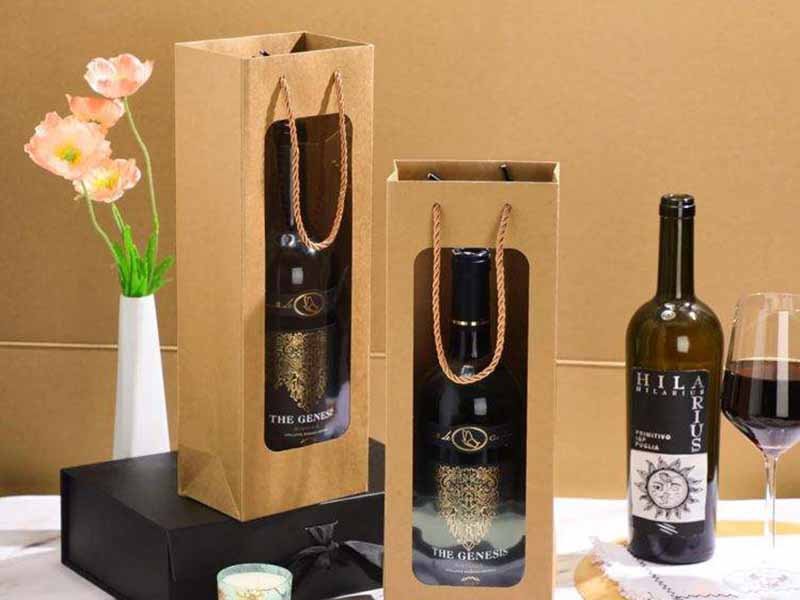
Wine gifting has evolved far beyond simple paper wrapping or rigid boxes. Today, consumers and brands alike are shifting toward packaging that is not only visually appealing but also practical, reusable, and aligned with sustainability trends. This shift is where portable wine gift bags come into play. These bags are designed to protect, carry, and present wine bottles in a way that feels effortless yet premium. Whether used for retail, corporate gifting, or personal occasions, they combine functionality with brand storytelling.
In competitive markets like the U.S. and Europe, over 65% of wine buyers consider packaging as part of the gifting experience, and reusable packaging significantly increases perceived value. For brands, this means packaging is no longer just a cost—it’s a marketing tool.
Portable wine gift bags are specially designed bags used to carry and present wine bottles safely and attractively. They are made from materials like fabric, jute, or neoprene and often include handles, padding, or insulation. Unlike traditional packaging, they are reusable, customizable, and ideal for gifting, retail, and promotional use.
Imagine a customer picking up a bottle of wine for a dinner invitation. Instead of struggling with fragile paper wrapping, they grab a stylish, durable wine bag that not only protects the bottle but also enhances the entire gifting moment. That small detail often becomes the difference between an ordinary purchase and a memorable brand experience.
What Are Portable Wine Gift Bags?

Portable Wine Gift Bags are specially made bags for carrying and presenting wine bottles in a safer, cleaner, and more attractive way than ordinary paper gift wrap or thin shopping bags. In practical terms, they sit between packaging and product presentation: they protect the bottle, improve the gifting experience, and give brands a visible surface for logo display, color identity, and premium positioning. For many wine sellers, gift shops, subscription brands, event planners, and private-label packaging buyers, they are not just an accessory. They are part of the value customers feel when they hold the product in their hands.
What Are Portable Wine Gift Bags Used For?
Portable Wine Gift Bags are used to carry wine bottles securely while making the bottle feel more gift-ready, retail-ready, and brand-ready. They are widely used for holiday gifting, winery retail, restaurant takeout, corporate gifts, event welcome packs, supermarket promotions, and private-label packaging programs.
A standard 750 ml glass wine bottle is heavy, narrow, and breakable. That combination creates three practical packaging problems. First, the bottle is hard to hold comfortably without a handle or carrier. Second, the bottle can knock against hard surfaces during transport. Third, plain packaging often makes a gift feel unfinished. Portable Wine Gift Bags solve all three at once.
For customers, the value is simple and immediate:
- easier to carry from shop to car, event, dinner, or hotel
- safer than holding a bottle loose by the neck
- more presentable than using a regular shopping bag
- reusable, so the packaging keeps working after the first use
For businesses, the value is broader:
- stronger shelf appeal
- better perceived product value
- more room for brand identity
- a practical upsell item for retail and gifting channels
- lower waste than one-time decorative wrapping in many use cases
That is one reason reusable and sustainability-linked packaging keeps gaining attention. Deloitte has reported strong consumer interest in sustainable and reusable packaging, including willingness among many shoppers to pay more for packaging solutions they perceive as more sustainable.
In other words, Portable Wine Gift Bags are not only about carrying wine. They help turn a bottle into a more complete product experience.
What Makes Portable Wine Gift Bags Different?
The biggest difference is that Portable Wine Gift Bags are designed around the real shape, weight, and gifting role of a wine bottle. A normal paper bag can carry a bottle, but it is not engineered for bottle balance, side protection, grip comfort, or visual presentation. A rigid box looks premium, but it costs more, stores poorly, and is less convenient for everyday retail and event use.
Portable Wine Gift Bags usually perform better in the areas that matter most to customers and commercial buyers:
| Factor | Portable Wine Gift Bags | Paper Gift Wrap / Paper Bags | Rigid Wine Boxes |
|---|---|---|---|
| Easy to carry | Strong | Weak to medium | Medium |
| Reusable | Strong | Weak | Medium |
| Storage efficiency | Strong | Medium | Weak |
| Branding area | Strong | Medium | Strong |
| Shipping efficiency | Strong | Strong | Weak |
| Premium feel | Medium to high | Low to medium | High |
| Cost control in bulk | Medium to strong | Strong | Weak to medium |
This is why many brands do not treat wine bags as a cheap replacement for boxes. They treat them as a separate packaging strategy.
A well-made wine bag can also create a different emotional effect. Boxes often signal ceremony and high-end presentation. Portable Wine Gift Bags, by contrast, signal ease, warmth, convenience, and usefulness. That matters because not every wine purchase is for a formal gift. Some are for dinner parties, vacation stays, real estate closings, holiday thank-you packs, employee gifts, tasting-room purchases, or seasonal promotional bundles. In those moments, customers often want something polished, but not excessive.
For many commercial clients, the decision is not “bag or box” in a general sense. It is usually:
- bag for everyday gifting and retail movement
- box for top-tier premium sets
- insulated bag for outdoor, picnic, or travel use
- foldable fabric bag for bulk events or repeat promotional exposure
That is a much more useful way to evaluate packaging.
Why Are Portable Wine Gift Bags So Popular?
Portable Wine Gift Bags have become more popular because they align with how people actually shop, carry, gift, and reuse products today. They are practical enough for daily retail and polished enough for gifting. That combination is hard to beat.
There are four main reasons behind their growth.
First is convenience. Wine is often purchased on the way to somewhere else: a dinner, a party, a holiday visit, a hotel stay, a client meeting, or an event. Customers want packaging that is quick, reliable, and easy to carry.
Second is presentation. Packaging has a strong influence on how premium a product feels, especially in food and beverage. Even outside wine, Deloitte has noted that consumers are willing to reward products they see as sustainable or higher-value, and many report paying more for those choices.
For wine, that same logic applies at the gift moment: better presentation can support a higher perceived value.
Third is reuse. A paper wrap is thrown away. A fabric or insulated wine bag can be used again for another bottle, picnic items, kitchen storage, seasonal gifting, or event carry use. That repeated use gives the packaging a longer commercial life.
Fourth is branding. A reusable wine bag can keep moving after the original sale. It may appear at restaurants, homes, office kitchens, holiday parties, tasting events, and weekend outings. For a business, that means one packaging unit can create many brand impressions over time.
The commercial appeal becomes even clearer when you look at what customers increasingly care about:
| What customers notice | Why it matters |
|---|---|
| Handle comfort | A full bottle is heavy enough that poor handles feel cheap fast |
| Fabric quality | Thin material reduces trust and hurts gift value |
| Shape stability | Better structure makes the bottle look more premium |
| Stitching quality | Weak seams raise failure risk during carry |
| Reusability | Customers are more likely to keep the bag |
| Print quality | Directly affects brand image |
| Easy storage | Retailers and distributors prefer compact packaging |
This is where experienced manufacturers matter. Lovrix, for example, is positioned around integrated development and production across fabrics, webbing, and bags, which is important because wine bag performance does not come from one material choice alone. It comes from how fabric, handle webbing, structure, stitching, and decoration work together in one finished product. For customers developing custom, private-label, or OEM/ODM wine packaging, that integrated control usually leads to more stable sampling, lower mismatch risk between materials, and better consistency in volume production.
How Do Portable Wine Gift Bags Create Value for Brands?
A lot of companies still underestimate packaging because they look only at unit cost. But customers rarely judge packaging that way. They judge it by feel, ease, appearance, and whether it makes the product feel worth buying or gifting.
Portable Wine Gift Bags create value for brands in several layers at the same time.
At the product level, they improve the look of the bottle. A modestly priced wine can feel more polished when it comes in a well-fitted, well-printed, well-stitched reusable carrier.
At the sales level, they can support upsells and bundle offers. Retailers can sell the bag separately, include it in a premium set, or use it to justify a seasonal gift price increase.
At the brand level, they help companies show their positioning more clearly:
- natural and eco-focused brands often prefer cotton, jute, or recycled fabric looks
- modern promotional brands may prefer non-woven or polyester structures
- premium gifting programs may prefer canvas, felt, velvet-touch, or structured laminated finishes
- outdoor or picnic-linked brands may choose insulated constructions
At the operational level, they can also be easier to manage than rigid gift packaging. Foldable structures reduce storage pressure. Flexible material options make it easier to hit different price targets. And multiple decoration methods allow the same bag structure to be adapted for different clients or seasons.
For private-label and custom packaging customers, the most important value drivers usually include:
- whether the bag fits the target bottle size accurately
- whether the handle can bear the real load safely
- whether the stitching and edge finishing hold up in repeated use
- whether the print stays clean and sharp
- whether the minimum order quantity is realistic for testing a new line
- whether sample speed is fast enough for seasonal planning
- whether the supplier can keep color, structure, and logo execution stable across repeat orders
That is exactly why many medium and high-end brands prefer to work with manufacturers that can handle not just sewing, but also fabric sourcing, webbing development, sampling, and production management under one system. It reduces communication gaps and shortens the path from idea to shipped product.
What Should Customers Pay Attention to First?
When customers first look for Portable Wine Gift Bags, they often focus on appearance. That is understandable, but it should not be the first filter. The first filter should be performance in actual use.
A wine gift bag is successful only when it does five things well:
- fits the bottle correctly
- carries the weight safely
- protects the bottle reasonably well
- looks good enough for the selling channel
- lands at a workable target cost
That means customers should check the following before asking only about price:
| Priority | What to check | Why it matters |
|---|---|---|
| 1 | Bottle size and shape | Bordeaux, Burgundy, Champagne, and gift bottles vary |
| 2 | Load-bearing handle structure | Weak handle attachment is a common failure point |
| 3 | Fabric thickness and hand feel | Affects both appearance and durability |
| 4 | Bottom construction | Reinforced bottoms improve support and bottle stability |
| 5 | Decoration method | Screen print, heat transfer, embroidery, woven label, foil, and patch all behave differently |
| 6 | Reuse expectation | One-time event use and long-term reuse need different specs |
| 7 | Order volume | Influences material choice, printing setup, and total cost |
For customers sourcing from China, practical service capability matters just as much as product capability. Lovrix’s positioning around 18+ years of experience, free design support, low MOQ customization, rapid sampling, free samples, and short lead times speaks directly to the concerns many growing brands and e-commerce sellers have: they want packaging that feels professional without being forced into oversized commitments or slow development cycles.
That is especially important when the packaging itself affects conversion. In gift-oriented categories, packaging often helps close the sale. When the bag looks right, feels reliable, and carries the bottle comfortably, customers do not see it as “extra packaging.” They see it as part of the gift.
What Materials Are Used in Portable Wine Gift Bags?

Portable Wine Gift Bags are made from a range of materials selected based on durability, cost, appearance, and intended use. The most common options include cotton, canvas, jute, polyester, non-woven fabric, and neoprene. Each material offers different benefits in terms of strength, reusability, print quality, and environmental impact, which directly affects product positioning and customer perception.
What Are the Most Common Materials for Portable Wine Gift Bags?
The material you choose determines not only how the bag looks, but also how it performs in real use. In the wine packaging industry, material selection is usually tied to price segment and usage scenario.
Here are the most widely used materials and their typical positioning:
| Material | Key Features | Common Use Cases | Price Level |
|---|---|---|---|
| Cotton | Soft, natural feel, reusable | Retail, eco brands | Medium |
| Canvas | Thick, durable, premium look | High-end gifting, branding | Medium–High |
| Jute | Natural texture, eco-friendly | Organic products, rustic branding | Medium |
| Non-woven | Lightweight, cost-effective | Promotions, bulk events | Low |
| Polyester | Strong, smooth surface | Custom print, retail | Medium |
| Neoprene | Elastic, protective, insulated | Travel, premium protection | High |
Cotton and canvas are often chosen by brands that want a more natural or premium feel. Jute is popular in markets where sustainability messaging is important. Non-woven fabric is widely used for large-volume promotions due to its low cost. Polyester offers flexibility in printing and durability, while neoprene is used when protection and insulation are priorities.
How Does Material Affect Durability and Performance?
Material selection directly impacts how well the wine bag performs under real conditions. A wine bottle typically weighs between 1.2 kg and 1.8 kg, and the bag must handle that weight without tearing, stretching, or losing shape.
Stronger materials like canvas and polyester provide better load-bearing performance, especially when combined with reinforced stitching and webbing handles. Neoprene adds an extra layer of protection by absorbing impact, which is useful for travel or outdoor use.
Key performance factors influenced by material include:
- Load capacity: Thick canvas or polyester can handle repeated use without deformation
- Tear resistance: Non-woven materials are cheaper but more prone to tearing under stress
- Moisture resistance: Polyester and neoprene perform better in wet environments
- Shape retention: Structured materials keep the bottle upright and stable
For customers developing long-term retail products, durability is critical. A bag that fails after one or two uses damages both the product experience and the brand reputation.
Which Materials Are Better for Eco-Friendly Portable Wine Gift Bags?
Sustainability has become a key decision factor, especially in North America and Europe. Many brands now prefer materials that can be reused multiple times or are made from renewable or recycled sources.
Common eco-focused material options include:
- Organic cotton: biodegradable, soft, and reusable
- Jute: natural fiber, low environmental impact
- Recycled polyester (rPET): made from recycled plastic bottles
- Non-woven polypropylene (reusable types): lower waste when reused multiple times
However, sustainability is not only about the material itself. It also depends on how long the product is used. A durable polyester bag used 20 times may have a lower overall environmental impact than a weak cotton bag used only twice.
This is why many experienced buyers evaluate sustainability from two angles:
| Factor | Why It Matters |
|---|---|
| Reusability | Longer life reduces total waste |
| Material source | Renewable or recycled materials support eco claims |
| Production quality | Higher quality extends usage cycles |
| End-of-life disposal | Biodegradable or recyclable options preferred |
For brands, combining sustainability with durability often creates stronger market positioning.
How Does Material Impact Branding and Printing Quality?
Different materials behave very differently when it comes to logo printing and branding. This is a key concern for businesses that rely on visual identity.
For example:
- Cotton and canvas: excellent for screen printing and embroidery, giving a premium, textured look
- Polyester: ideal for heat transfer and full-color printing, suitable for complex designs
- Non-woven: supports simple printing but may not hold fine details well
- Jute: works best with bold, simple logos due to rough texture
- Neoprene: supports high-quality printing with strong color vibrancy
The choice of material should match the brand’s visual style. A luxury wine brand may prefer subtle embroidery on canvas, while a promotional campaign may require bright, full-color printing on polyester.
For custom projects, experienced manufacturers like Lovrix typically provide material + printing combination suggestions, helping clients avoid mismatches that can lead to poor visual results or higher costs.
How to Choose the Right Material for Your Market?
Choosing the right material depends on how and where the wine bag will be used. There is no one-size-fits-all solution, but there are clear decision patterns.
Here is a practical selection guide:
| Scenario | Recommended Material | Reason |
|---|---|---|
| Retail stores | Cotton / Canvas | Balanced cost and premium feel |
| Promotional events | Non-woven | Low cost, large volume |
| Premium gifting | Canvas / Neoprene | High perceived value |
| Outdoor / picnic | Neoprene / Polyester | Protection and insulation |
| Eco-focused brands | Jute / Organic cotton | Natural and sustainable image |
Buyers should also consider order quantity, target price, and shipping cost. Heavier materials increase freight costs, while lightweight materials reduce them but may compromise durability.
Lovrix, with its integrated fabric and bag manufacturing capability, helps clients match material selection with real market needs, ensuring both performance and cost efficiency.
How Do Portable Wine Gift Bags Work?

Portable Wine Gift Bags work by combining structure, material strength, and ergonomic design to safely hold and transport wine bottles. They use reinforced seams, stable bottoms, and durable handles to distribute weight evenly, while optional padding or insulation adds protection and temperature control.
How Do Portable Wine Gift Bags Protect Bottles?
Protection is one of the most important functions of a wine bag. A broken bottle not only causes product loss but also creates safety risks and damages brand trust.
Most wine bags use a combination of design elements to reduce risk:
- Reinforced bottom panels to support bottle weight
- Tight-fit structure to prevent excessive movement
- Padding or foam layers for shock absorption (in premium models)
- Divider systems for multi-bottle bags
Neoprene and padded polyester bags offer the highest level of protection, while basic cotton or non-woven bags provide standard carrying support.
For e-commerce or long-distance transport, additional protective features are often required.
How Do Portable Wine Gift Bags Improve Portability?
Portability is where wine bags outperform most other packaging types. A well-designed handle system allows users to carry bottles comfortably without strain.
Important handle design factors include:
- Handle width: wider straps reduce pressure on the hand
- Attachment strength: reinforced stitching prevents tearing
- Length: allows hand carry or shoulder carry
Webbing handles (often made from polyester or cotton tape) are commonly used because they provide high strength and durability.
Lovrix, with its in-house webbing production capability, ensures that handle strength matches the overall bag structure, reducing failure risk during use.
Do Portable Wine Gift Bags Offer Insulation?
Some wine bags include insulation features, especially those designed for outdoor use or wine transport over longer periods.
Insulated wine bags typically use:
- Foam layers for thermal resistance
- Aluminum foil lining to reflect heat
- Zipper closures to maintain internal temperature
These bags can help maintain wine temperature for 2–6 hours, depending on material and environmental conditions.
Insulated bags are particularly popular for:
- picnics and outdoor events
- wine tourism and travel
- premium gift sets
How Do Portable Wine Gift Bags Handle Multi-Bottle Storage?
Multi-bottle wine bags are designed with internal dividers to keep bottles separated and stable. This prevents collision and reduces breakage risk.
Typical configurations include:
- 2-bottle bags for casual gifting
- 4-bottle bags for small gatherings
- 6-bottle bags for retail or wine club use
Dividers are usually made from padded fabric or reinforced panels, ensuring each bottle stays in place during movement.
For customers, the key concern is balance. A well-designed multi-bottle bag distributes weight evenly, making it easier to carry.
What Design Details Affect Real-World Performance?
Small design details often determine whether a wine bag performs well or fails in real use.
Key details to evaluate include:
| Design Element | Impact |
|---|---|
| Stitch density | Higher density improves durability |
| Bottom reinforcement | Prevents sagging and tearing |
| Edge finishing | Reduces fraying |
| Closure type | Affects security and appearance |
| Handle integration | Determines load capacity |
Experienced manufacturers like Lovrix focus on these details during development and sampling, ensuring that the final product performs consistently in bulk production.
Which Types of Portable Wine Gift Bags Are Available?

Portable Wine Gift Bags come in a wide range of styles, each designed for different usage scenarios, price levels, and customer expectations. From simple single-bottle carriers to premium insulated totes, the right type depends on how the product will be used, sold, and presented. For most brands and distributors, choosing the correct type is just as important as choosing the right material.
What Are the Main Types of Portable Wine Gift Bags?
In the market, wine bags are generally divided into several core categories based on structure and function:
| Type | Structure | Best For | Key Advantage |
|---|---|---|---|
| Single bottle bag | Slim, vertical | Retail, gifting | Simple, cost-effective |
| Double bottle bag | Dual compartments | Couples, small gifts | Balanced carrying |
| Multi-bottle bag (4–6) | Dividers inside | Wine shops, subscriptions | Bulk carrying |
| Tote-style wine bag | Open top, flexible | Casual use, shopping | Easy access |
| Insulated wine bag | Foam + lining | Outdoor, travel | Temperature control |
| Foldable wine bag | Soft, collapsible | Promotions, bulk events | Easy storage |
| Luxury wine bag | Structured, premium finish | High-end gifting | Strong visual impact |
Each type serves a different purpose. For example, retail stores often prefer single or double bottle bags for quick sales, while wine clubs and subscription services use multi-bottle bags for shipment and delivery. Premium brands may invest more in structured or insulated designs to match their product positioning.
How Do Single and Multi-Bottle Wine Gift Bags Compare?
The difference between single and multi-bottle wine bags is not just capacity—it’s about usage context and customer expectations.
Single bottle bags are:
- lighter and more affordable
- easier to display at checkout counters
- ideal for impulse purchases
Multi-bottle bags are:
- designed for transportation rather than quick gifting
- more structured and reinforced
- commonly used by wine retailers and distributors
Here is a practical comparison:
| Feature | Single Bottle Bag | Multi-Bottle Bag |
|---|---|---|
| Cost per unit | Lower | Higher |
| Weight | Light | Heavy |
| Structure | Simple | Reinforced |
| Use case | Gifting, retail | Transport, bulk purchase |
| Branding area | Limited | Larger |
For brands, the decision often depends on whether the goal is presentation or logistics.
Are Insulated Portable Wine Gift Bags Worth It?
Insulated wine bags are increasingly popular, especially in markets where outdoor activities and wine tourism are common. These bags are designed to maintain temperature and protect wine quality during transport.
Typical insulation structure includes:
- outer fabric layer
- foam insulation layer
- reflective inner lining
Performance-wise, insulated wine bags can maintain temperature for 2–6 hours, depending on conditions. This makes them highly suitable for:
- picnics and outdoor dining
- beach and camping trips
- winery tours
- premium gift packages
From a business perspective, insulated bags often justify a higher retail price due to their added functionality. Customers are more willing to pay when the product offers both utility and presentation.
Which Portable Wine Gift Bags Are Best for Retail vs Promotion?
Different sales channels require different product strategies.
For retail environments, the focus is on:
- appearance
- brand consistency
- moderate durability
- cost balance
Recommended options:
- cotton or canvas single bottle bags
- polyester bags with clean logo printing
For promotional campaigns, the focus shifts to:
- low cost per unit
- large volume production
- simple but visible branding
Recommended options:
- non-woven wine bags
- lightweight foldable designs
For premium gifting, the focus is on:
- texture and structure
- visual impact
- perceived value
Recommended options:
- canvas, felt, or neoprene bags
- structured or insulated designs
This segmentation helps brands avoid overspending or under-delivering in the wrong channel.
How Do Design and Style Influence Customer Choice?
Customers often make decisions within seconds, especially in retail environments. Design plays a major role in that moment.
Key design factors include:
- Color: neutral tones for premium brands, bright colors for promotions
- Shape: structured bags feel more premium
- Logo placement: centered and clean logos improve recognition
- Texture: thicker fabrics feel more valuable
A well-designed wine bag can increase perceived product value by 20–40%, especially in gifting scenarios. This is why many brands invest in consistent packaging design across product lines.
Lovrix supports custom development across multiple bag types, helping clients align design, structure, and material with their market positioning.
How to Customize Portable Wine Gift Bags?
Portable Wine Gift Bags can be fully customized in terms of size, material, color, logo, and structure. Customization allows brands to create packaging that matches their identity, improves recognition, and enhances customer experience.
What Customization Options Are Available?
Most manufacturers offer a wide range of customization options:
- Size: fits standard wine bottles, champagne, or custom shapes
- Material: cotton, canvas, jute, polyester, neoprene
- Color: Pantone matching for brand consistency
- Structure: single, double, or multi-bottle designs
Customization allows brands to differentiate themselves in a crowded market.
How Are Logos Applied to Portable Wine Gift Bags?
Logo application is one of the most critical aspects of customization.
Common methods include:
| Method | Effect | Best For |
|---|---|---|
| Screen printing | Clean, cost-effective | Simple designs |
| Heat transfer | Full-color detail | Complex graphics |
| Embroidery | Premium texture | High-end branding |
| Woven labels | Durable branding | Long-term use |
| Foil printing | Metallic effect | Luxury positioning |
Choosing the right method depends on design complexity, budget, and brand positioning.
How Does Customization Affect Cost and MOQ?
Customization directly impacts pricing and minimum order quantity (MOQ).
Key cost factors include:
- material type
- printing method
- bag structure
- order volume
Typical MOQ ranges:
- 100–500 units for standard customization
- higher for complex designs or premium materials
Lovrix offers low MOQ and flexible customization, making it easier for small and medium brands to test new products without high risk.
How to Develop a Custom Portable Wine Gift Bag Step by Step?
A typical development process includes:
- Define usage scenario and target market
- Select material and structure
- Create design and logo layout
- Produce samples for testing
- Adjust details based on feedback
- Confirm bulk production
Working with an experienced manufacturer reduces development time and avoids costly mistakes.
How to Choose the Right Portable Wine Gift Bags?
Choosing the right wine bag requires balancing cost, quality, and market positioning. The best option is not always the most expensive—it’s the one that fits your product and customer expectations.
What Factors Should You Consider First?
Buyers should prioritize:
- bottle size compatibility
- load capacity
- material durability
- branding requirements
- target price
Ignoring these basics often leads to poor product performance.
How Do Price and Quality Balance Work?
Higher quality materials increase cost but also improve durability and brand perception.
| Level | Material | Use Case |
|---|---|---|
| Low | Non-woven | Promotions |
| Medium | Cotton / Polyester | Retail |
| High | Canvas / Neoprene | Premium gifting |
The goal is to match quality with customer expectations, not overspend unnecessarily.
Why Is Supplier Capability Important?
A reliable supplier ensures:
- consistent quality
- stable lead times
- accurate color and logo execution
- scalable production
Lovrix, with 18+ years of experience and integrated production across fabric, webbing, and bags, provides better control over quality and delivery, which is critical for growing brands.
What Trends Are Shaping Portable Wine Gift Bags?
Portable Wine Gift Bags are evolving with changing consumer preferences and market demands.
Are Eco-Friendly Wine Bags the Future?
Yes. Sustainability is becoming a standard expectation rather than a niche feature. Brands are moving toward reusable and recyclable materials.
How Is E-Commerce Changing Wine Packaging?
Online sales require packaging that is:
- lightweight
- protective
- cost-efficient for shipping
Wine bags are adapting to meet these needs.
What Design Trends Are Emerging?
Current trends include:
- minimalist branding
- natural textures
- multi-functional designs
These trends reflect broader consumer preferences.
Conclusion: Start Your Custom Portable Wine Gift Bags with Lovrix
Portable Wine Gift Bags are no longer just packaging—they are part of the product experience, brand identity, and customer journey. Choosing the right material, structure, and customization strategy can significantly improve both product value and customer satisfaction.
If you are planning to develop custom wine bags for your brand, retail business, or promotional campaign, working with an experienced manufacturer makes a clear difference.
Whether you need simple promotional bags or premium custom designs, Lovrix can help you turn your ideas into market-ready products.
Contact Lovrix today to get a quote and start your custom Portable Wine Gift Bags project.


