 Skip to content
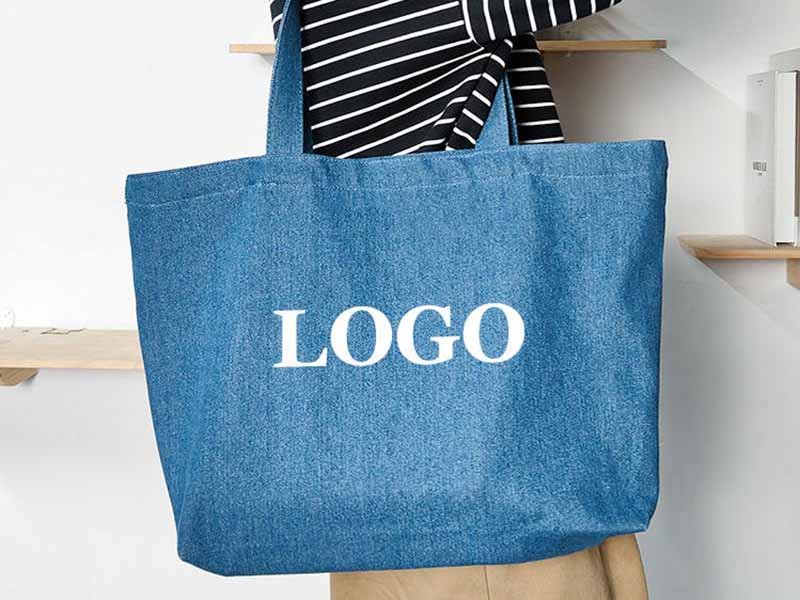
Denim has a rare advantage in the bag market: people already know how it feels, how it ages, and why it lasts. A denim bag does not need to shout “eco” to look responsible. The texture, cotton touch, faded blue tone, visible stitching, and worn-in character already tell a story. For fashion labels, lifestyle stores, gift companies, supermarkets, campus programs, and online sellers, sustainable denim bags are becoming a useful product category because they combine daily function with a material story customers can understand quickly.
Sustainable denim bags are reusable bags made with lower-impact denim materials such as recycled denim, upcycled denim, organic cotton denim, deadstock denim, or denim produced with reduced waste, lower chemical use, and longer product life. A good sustainable denim bag should not only use responsible fabric; it also needs strong construction, durable handles, safe trims, clean stitching, reasonable packaging, and quality control that supports repeated use.
Many brands start with a simple idea: “Can we turn denim into an eco bag collection?” The real answer depends on design details. A thin denim tote with weak handles may look good in a product photo but fail after carrying a laptop and two books. A slightly heavier denim tote with reinforced stress points, better thread, stronger webbing, and colorfastness checks may cost more, yet it gives customers a product they keep using. That difference is where sustainable denim moves from marketing language into real product value.
What Are Sustainable Denim Bags?

Sustainable denim bags are reusable bags developed from denim materials with lower environmental pressure, stronger product life, and clearer sourcing logic. They may use recycled denim, upcycled jeans, organic cotton denim, deadstock denim, or denim offcuts. The most valuable denim bag programs combine responsible fabric, durable sewing, controlled shrinkage, stable color, suitable trims, efficient cutting, and packaging that fits the same sustainability direction.
What Makes a Denim Bag Sustainable?
A denim bag becomes sustainable through a full product system, not through a single fabric claim. A sourcing team should look at material origin, fabric strength, cutting waste, sewing quality, washing process, packaging choice, and how long the final bag can stay in daily use. If a bag breaks quickly, the environmental story becomes weak, even when the surface fabric contains recycled content.
For custom projects, the first decision is fabric source. Denim can come from several lower-impact channels:
Post-industrial denim waste comes from cutting scraps, mill surplus, rejected rolls, or unused fabric from garment and bag production. It is often easier to sort by color and fiber content, so it can support more stable production.
Post-consumer denim comes from used jeans or garments. It has a stronger recycling story but needs more sorting, cleaning, and processing. Color variation, fiber degradation, and supply stability need to be reviewed before bulk production.
Deadstock denim refers to unused fabric already produced for previous programs. It can be a smart option for short lead times and limited collections, but repeat orders may be difficult once stock is gone.
Organic cotton denim uses cotton grown under organic standards. It gives a clean material message for premium lifestyle products, but cost, available colors, and lead time need checking before order confirmation.
Upcycled denim keeps existing denim panels, seams, pockets, labels, or wash effects. It works well for limited-edition products, vintage-style collections, and storytelling campaigns, but every piece may show natural variation.
The second decision is durability. Sustainable does not mean soft and fragile. Denim bags are often used for books, groceries, laptops, cosmetics, travel accessories, gifts, and retail packaging. Several construction details directly affect product life:
Reinforced handle joints help prevent tearing during repeated loading.
Bartack stitching at stress points improves strength around handles, zipper ends, and strap connections.
Proper seam allowance reduces the risk of fabric fraying after use.
Clean edge finishing helps control loose threads inside the bag.
Correct needle and thread selection prevents skipped stitches, puckering, and seam breakage.
Shrinkage control matters because denim can change after washing or steam finishing.
Colorfastness testing reduces dye transfer risk, especially for dark indigo denim.
For Lovrix, sustainable denim bag development usually starts with the intended use. A denim tote for a bookstore should not use the same structure as a denim cosmetic pouch for a beauty subscription box. A grocery tote needs load-bearing strength. A fashion tote needs texture and branding. A laptop tote needs shape, lining, and protection. A promotional gift bag needs cost balance and carton efficiency. The fabric story is important, but daily function decides whether customers keep the bag.
| Sustainability Point | What Brands Should Check | Why It Matters |
|---|---|---|
| Fabric source | Recycled, upcycled, organic, deadstock, or lower-impact denim | Supports a clearer product claim and sourcing direction |
| Fabric weight | Usually selected by bag type, structure, and load needs | Prevents overbuilding or underbuilding the product |
| Handle strength | Webbing width, stitching length, reinforcement method | Reduces tearing under repeated carrying |
| Seam quality | Stitch density, thread strength, bartack placement | Improves product life and lowers complaint risk |
| Color control | Crocking, washing, shrinkage, shade consistency | Prevents dye transfer and unstable product appearance |
| Trim choice | Zipper, snap, label, webbing, patch, lining | Keeps function and sustainability message aligned |
| Cutting efficiency | Pattern layout and panel planning | Reduces waste and supports better cost control |
| Packaging | Polybag, paper band, carton, hangtag, label | Affects retail display, shipping, and eco perception |
| Inspection | Size, seam, load, color, packing, logo placement | Protects brand reputation before shipment |
A strong sustainable denim bag should feel useful first and responsible second. Customers rarely keep a bag only because it has an eco claim. They keep it because it carries well, looks good, fits their lifestyle, and does not fall apart. For brands, that means sustainability should be built into engineering, not added as a slogan after sampling.
Is Recycled Denim the Same as Upcycled Denim?
Recycled denim and upcycled denim are often used together in product conversations, but they serve different business goals. Recycled denim usually means denim waste has been broken down and processed into new textile material. Upcycled denim usually means existing denim fabric, garments, or panels are reused without fully turning them back into fiber.
Recycled denim is better when a brand needs more consistent production. The fabric can be produced in rolls, cut with standard bag patterns, and inspected with clearer tolerances. For example, a retailer ordering 3,000 denim totes for stores may need stable color, stable GSM, matching logo placement, and consistent carton packing. Recycled denim fabric is usually easier to manage for that kind of program.
Upcycled denim is better when a brand wants uniqueness. A bag may use old jeans pockets, contrast panels, visible seams, faded sections, or patchwork layouts. This creates a stronger story for limited collections, boutique campaigns, influencer merchandise, festival products, and vintage-style accessories. The challenge is consistency. One panel may be lighter, another may be thicker, and some areas may show different wear marks. These variations can be beautiful, but they must be planned into the design, not treated as defects later.
For custom bag development, the main question is not “Which one is more sustainable?” The better question is “Which one matches the sales channel, quantity, price level, and customer expectation?”
A fashion boutique may welcome shade variation because every bag feels special.
A large retailer may reject shade variation because shelf presentation needs consistency.
An e-commerce brand may like upcycled storytelling but still require repeatable product photos.
A corporate gift program may prefer recycled denim because logo placement and color control matter.
A premium lifestyle label may use deadstock denim because it balances limited stock, good texture, and fast sampling.
Lovrix can support different denim routes because the company has fabric, webbing, and bag manufacturing resources under one development system. This helps teams compare shell fabric, strap material, lining, logo process, reinforcement method, and packaging before moving into bulk production.
| Development Route | Best Use Case | Main Advantage | Main Risk | Lovrix Recommendation |
|---|---|---|---|---|
| Recycled denim fabric | Retail totes, e-commerce bags, private label lines | More consistent bulk production | Fiber strength and composition need confirmation | Check GSM, tensile strength, shrinkage, and colorfastness before approval |
| Upcycled denim panels | Limited collections, vintage-style bags, campaign products | Unique look and strong reuse story | Shade, thickness, and panel size variation | Approve variation standards before sampling |
| Deadstock denim | Fast launches, capsule drops, cost-controlled eco bags | Uses existing fabric and shortens sourcing time | Repeat order may be limited | Confirm available meters before final design |
| Organic cotton denim | Premium lifestyle bags, natural retail products | Clean cotton sourcing message | Higher cost and possible longer fabric lead time | Match with simple trims and clean packaging |
| Denim offcut patchwork | Small accessories, pouches, creative merchandise | Reduces cutting waste and creates visual texture | More sewing time and labor cost | Use for small runs or premium storytelling products |
A recycled denim bag may look neat, uniform, and ready for retail shelves. An upcycled denim bag may look more artistic, personal, and one-of-a-kind. Neither is automatically better. A smart project starts by deciding how the bag will be sold, who will use it, how much consistency the sales channel needs, and how much variation customers will accept.
Are Denim Bags Truly Eco-Friendly?
Denim bags can be eco-friendly when they reduce waste, replace disposable packaging, use lower-impact materials, and stay in use for a long period. But denim bags are not automatically eco-friendly just because they look natural or use cotton. Cotton farming, dyeing, washing, finishing, transport, and packaging all create environmental impact. The final product must be judged by material choice, durability, manufacturing method, and actual use life.
For many brands, the most important question is use frequency. A reusable denim tote that customers carry every week can have stronger value than a low-quality bag that stays in a drawer. Longevity is a major part of sustainability. A bag that lasts 12 to 24 months of regular use can support a stronger environmental and commercial story than a bag designed only for one event.
Eco value also depends on whether the product replaces something. A denim shopping bag used instead of single-use bags has a clearer purpose. A denim gift bag reused as a daily pouch gives packaging a second life. A denim tote sold as merchandise can become walking brand exposure. A denim wine bag, book bag, cosmetic pouch, or laptop sleeve can remain useful after the first purchase moment.
At the same time, brands should avoid vague claims. Words like “green,” “eco,” or “sustainable” need support from real product decisions. If a denim bag uses recycled fabric but arrives in excessive plastic packaging, the message becomes weaker. If the bag uses organic cotton but the handles are poorly sewn, the customer will not care about the material story once the product fails.
A more credible approach is to use precise language:
Made with recycled cotton blend denim.
Made from deadstock denim fabric.
Developed with upcycled denim panels.
Designed for reusable retail packaging.
Reinforced for long-term daily carrying.
Packed with reduced individual plastic where suitable.
Produced with 100% pre-shipment inspection.
This type of language feels more honest because it explains what the product actually does. It also helps search engines and AI answer systems understand the content better because the wording is specific, not generic.
For Lovrix projects, several quality checks are especially important for denim bags:
Color rubbing test: Dark denim may transfer color when rubbed against light clothing. Dry and wet crocking should be reviewed for dark indigo and black denim.
Shrinkage review: Denim may shrink after washing, steaming, or wet processing. Size allowance should be confirmed before bulk cutting.
Load test: Tote bags, shoulder bags, and shopping bags should be tested with weight based on intended use. A fashion tote may require a different standard from a grocery tote.
Seam strength check: Handle joints, zipper ends, bottom corners, and side seams need additional attention.
Metal hardware review: Rivets, snaps, sliders, and buckles should not rust easily or damage fabric.
Logo durability check: Screen print, embroidery, woven label, leather patch, and heat transfer each have different durability behavior on denim.
| Quality Item | Suggested Review Area | Risk If Ignored |
|---|---|---|
| Dry rubbing | Dark denim against white cloth | Color transfer complaints |
| Wet rubbing | Damp denim surface | Staining during rain or washing |
| Shrinkage | Fabric after wash or steam | Size mismatch and twisted shape |
| Handle load | Carrying weight based on use | Handle tearing and return risk |
| Seam strength | Stress points and bottom corners | Loose seams after short use |
| Zipper function | Opening, closing, tape strength | Poor user experience |
| Logo durability | Print, embroidery, patch, label | Branding fades or peels |
| Packing method | Fold marks, moisture, carton pressure | Poor arrival condition |
Eco-friendly denim bags should be developed with both honesty and engineering. A product can have a responsible story, but it must still pass the simple customer test: “Would I actually use this bag again?” When the answer is yes, sustainability becomes visible in daily life, not only in product copy.
Why Do Brands Choose Denim Bags?
Brands choose denim bags because denim feels familiar, durable, casual, and easy to style. It works across many markets and product categories. A denim bag can feel youthful, vintage, urban, natural, premium, handmade, or workwear-inspired depending on wash, shape, stitching, logo, and trims. This flexibility makes denim useful for custom programs where one material direction needs to serve several SKUs.
For fashion brands, denim bags extend the visual language of apparel. A washed denim tote can match jeans, jackets, skirts, sneakers, and casual collections. A raw denim shoulder bag can feel more premium and structured. A patchwork denim pouch can support a vintage or limited-edition release. A dark denim tote with clean embroidery can work for minimalist lifestyle brands.
For retailers, denim bags can create higher perceived value than plain non-woven bags or basic cotton totes. A denim shopping bag can be sold as merchandise, used as a gift-with-purchase, or offered as reusable packaging. Customers are more likely to reuse a bag when it looks like an accessory rather than disposable packaging.
For e-commerce sellers, denim has strong photo value. Texture shows well in product images and short videos. Embroidery, patches, contrast stitching, rivets, and labels add visible detail. A product listing for a denim tote, denim makeup pouch, denim book bag, or denim lunch bag can communicate material and style quickly without long explanation.
For corporate and event programs, denim feels less cheap than standard giveaway materials. A conference tote made with denim can be positioned as a reusable lifestyle item. A denim wine bag can work for holiday gifting. A denim drawstring bag can fit schools, clubs, and sports events. A denim cosmetic pouch can fit beauty brands and subscription boxes.
Lovrix’s advantage sits in development control. Because Lovrix integrates fabric resources, webbing production, bag sampling, OEM/ODM development, private label service, and quality inspection, brands can adjust the full product rather than only buying a ready-made bag. This is valuable when teams need:
Custom denim fabric selection.
Custom webbing color and width.
Logo embroidery, woven label, patch, or print.
Private label packaging.
Low MOQ custom development.
Fast sample support.
Free design assistance.
Free sample support for suitable projects.
Shorter production communication path.
100% quality guarantee.
For many brands, the product decision is not only about eco value. It is also about whether the supplier can help reduce development mistakes. The right manufacturer should explain the difference between 8 oz and 12 oz denim, tell when a lining is needed, recommend strap width, point out shrinkage risks, and suggest a logo method that will not damage the fabric. These details save time before the first sample and reduce costly changes before bulk production.
Which Materials Are Used?

Sustainable denim bags can use recycled denim, upcycled denim, organic cotton denim, deadstock denim, washed denim, raw denim, denim offcuts, cotton lining, recycled polyester lining, cotton webbing, recycled webbing, metal hardware, paper labels, woven labels, embroidery, patches, and reinforced thread. The best material combination depends on product type, price target, use scene, order quantity, durability needs, and brand positioning.
Which Denim Weights Work Best?
Denim weight affects appearance, structure, cost, sewing difficulty, comfort, shipping weight, and durability. Many customers assume heavier denim is always better, but bag manufacturing is more nuanced. A heavy denim may look premium, yet it may create bulky seams, stiff corners, higher needle breakage risk, and heavier cartons. A lighter denim may reduce cost and fold well, yet it may need lining or reinforcement for load-bearing bags.
Denim weight is usually measured in ounces per square yard. For bag projects, a useful range often sits between 6 oz and 14 oz, depending on product type. Lightweight denim can work for small pouches, gift bags, drawstring bags, soft totes, and foldable packaging. Medium denim is often suitable for daily totes, shopping bags, shoulder bags, cosmetic bags, and casual retail bags. Heavy denim fits structured totes, workwear-inspired bags, backpacks, laptop sleeves, tool bags, and premium accessories.
The design should lead the fabric decision. A flat tote with long handles may need stronger handle reinforcement more than thicker body fabric. A cosmetic pouch may need a soft hand feel, smooth zipper, and clean corner turning. A laptop bag may need padding and lining more than heavy denim. A wine bag may need bottom strength. A retail shopping bag may need foldability and carton efficiency.
| Denim Weight | Best Product Types | Feel and Structure | Key Notes |
|---|---|---|---|
| 6–7 oz | Gift bags, drawstring bags, small pouches | Soft, light, easy to fold | May need lining or reinforced seams |
| 8–9 oz | Promotional totes, casual shopping bags, pouch sets | Balanced softness and body | Good for cost-sensitive custom programs |
| 10–12 oz | Retail totes, shoulder bags, cosmetic bags, daily carry bags | Stronger hand feel and better structure | Often works well for private label denim bags |
| 13–14 oz | Structured totes, laptop sleeves, workwear-style bags | Premium, firm, durable | Higher sewing difficulty and shipping weight |
| 15 oz+ | Heavy-duty bags, limited premium designs | Very firm and rugged | Needs careful seam design and machine setup |
For Lovrix sampling, fabric weight is usually confirmed together with bag size, handle width, lining plan, logo method, and target carton packing. A product that looks perfect on a design board may become too heavy or too expensive after bulk calculation. Early material review avoids surprises.
What Is Organic Cotton Denim?
Organic cotton denim is made with cotton grown under organic farming standards. For brands selling natural lifestyle products, eco fashion accessories, baby-related goods, clean beauty merchandise, wellness gifts, or premium retail items, organic cotton denim can support a more refined material story. It gives customers a familiar denim feel while showing that the cotton source was considered from the beginning.
Organic cotton denim can be used for tote bags, drawstring bags, cosmetic pouches, book bags, lunch bags, baby accessory bags, and simple shoulder bags. It works especially well when the final product design is clean, minimal, and not overdecorated. Natural cotton labels, embroidery, kraft paper tags, simple carton packing, and reduced plastic can help keep the full product consistent.
However, organic cotton denim requires careful planning. Cost is usually higher than conventional denim. Available colors may be fewer. Some special washes, custom shades, or heavier weights may require longer sourcing. For urgent e-commerce launches, available deadstock denim or recycled denim may be faster. For premium collections with longer planning windows, organic cotton denim may be worth the investment.
A good sourcing discussion should cover:
Required certification or documentation needs.
Fabric composition and GSM.
Color options and wash effect.
Shrinkage after wash or steam.
Colorfastness level for dark shades.
MOQ for fabric and finished bags.
Sample lead time and bulk lead time.
Logo method compatibility.
Packaging direction.
Lovrix helps customers compare organic cotton denim with recycled denim, deadstock denim, and conventional cotton denim before sampling. This matters because the best material is not always the most expensive one. A premium-looking bag still needs the right cost structure, stable supply, and product performance.
What Is Recycled Denim Fabric?
Recycled denim fabric is made by recovering denim waste and turning it into usable textile material again. The waste may come from factory scraps, unsold denim products, used jeans, garment cutting waste, or fabric leftovers. In many cases, the denim is sorted, cleaned, shredded, opened into fiber, blended with other fibers when needed, spun into yarn, and woven into new fabric.
For custom bag manufacturing, recycled denim fabric gives brands a waste-reduction story while keeping production more stable than one-of-a-kind upcycled panels. It can be supplied in fabric rolls, cut with standard bag patterns, and used for repeatable SKUs. This is useful for retail programs, e-commerce listings, subscription boxes, uniform merchandise, and private label collections.
Recycled denim fabric still needs technical review. Recycled cotton fibers can be shorter than virgin cotton fibers, which may affect yarn strength. Some recycled denim fabrics include virgin cotton, polyester, viscose, or other fibers to improve durability, color stability, or weaving performance. That does not make the material poor; it simply means the composition should be clear.
For serious custom projects, the sourcing team should ask:
What is the recycled content percentage?
Is the recycled source post-industrial or post-consumer?
What is the full fiber composition?
Can the fabric pass basic strength requirements?
Is the color stable enough for the sales channel?
Can the same fabric be reordered?
What is the minimum fabric quantity?
Can fabric shade vary between lots?
A recycled denim tote for a supermarket campaign may need a different fabric from a recycled denim pouch for a beauty brand. A large tote needs load performance and handle strength. A pouch needs smoother hand feel and zipper compatibility. A shoulder bag needs body structure and strap comfort. Lovrix can help match recycled denim fabric to the final product, not just the material name.
Which Linings and Trims Matter?
Linings and trims are often where sustainable denim bag projects become stronger or weaker. A bag is not only the outside denim. It includes thread, zipper, puller, snap button, rivet, webbing, lining, interlining, foam, label, patch, hangtag, polybag, carton, and sometimes care card or barcode label. Every part affects cost, quality, appearance, and customer experience.
For linings, the decision depends on the bag’s function. A denim tote may not need lining if the inside seams are clean. A cosmetic pouch usually needs lining because customers expect a cleaner interior. A laptop sleeve may need padding and soft inner fabric. A wine bag may need reinforced bottom material. A lunch bag may need insulated lining if cold-keeping performance is required. A fashion shoulder bag may need a lining pocket, zipper pocket, or printed lining for added value.
For trims, the most common options include:
Cotton webbing for a natural look and comfortable hand feel.
Recycled polyester webbing for strength and color consistency.
Self-fabric denim handles for a fully denim appearance.
Metal rivets for workwear style and stress-point reinforcement.
Embroidery for durable branding with a premium feel.
Woven labels for clean private label identity.
PU patches for jeans-style branding.
Kraft hangtags for eco retail presentation.
YKK-style or custom zippers for smoother function.
Snap buttons for casual closure.
The right trim choice should match the product level. A low-cost promotional tote may use printed logo and simple cotton webbing. A premium denim shoulder bag may use embroidery, metal hardware, branded zipper puller, inner pocket, and woven label. A sustainable retail packaging bag may use reduced trims to keep cost and waste lower.
| Component | Lower-Cost Option | Higher-Value Option | Selection Advice |
|---|---|---|---|
| Handle | Cotton webbing | Custom woven webbing or reinforced denim handle | Choose by load requirement and visual level |
| Logo | Screen print | Embroidery, woven label, PU patch | Denim texture works well with embroidery and patches |
| Lining | No lining | Cotton, rPET, canvas, or printed lining | Add lining when cleanliness or structure matters |
| Closure | Open top | Zipper, snap, magnetic button, drawstring | Match closure to use scene |
| Hardware | Basic metal parts | Branded pullers, rivets, sliders | Avoid weak hardware on heavy bags |
| Label | Standard care label | Woven brand label and hangtag set | Important for private label retail |
| Packaging | Bulk pack | Individual bag, paper band, gift box, barcode sticker | Choose by sales channel and warehouse needs |
| Reinforcement | Extra stitching | Bartack, interlining, webbing reinforcement | Critical for totes and shoulder bags |
A sustainable denim bag should not feel unfinished. Customers judge the full product in their hands. If the zipper feels rough, the handle is uncomfortable, or the logo cracks, the denim material story loses power. Lovrix reviews fabric, webbing, trims, sewing method, and packaging together, helping brands build denim bags that look responsible and perform well in daily use.
How Are Denim Bags Made?

Denim bags are made through fabric selection, material inspection, pattern development, cutting, sewing, reinforcement, logo processing, finishing, quality checking, and packing. For sustainable denim bags, the process also needs better waste control, color management, shrinkage review, and trim matching. A well-made denim bag should keep its shape, carry weight safely, show clean branding, and remain useful after repeated daily use.
How Is Denim Waste Collected?
For sustainable denim bag production, denim waste can come from several sources. The source affects cost, appearance, consistency, lead time, and final product story. A brand planning a custom denim bag collection should not only ask whether the material is “recycled.” It should ask where the denim comes from and how stable the supply can be.
Common denim sources include:
Post-industrial cutting waste from garment or textile factories.
Unused fabric rolls left from previous denim production.
Overstock denim fabrics from mills or apparel programs.
Used jeans collected from recycling channels.
Rejected denim garments with usable fabric sections.
Factory denim offcuts from bag or apparel cutting tables.
For Lovrix, material selection usually starts with the project target. A 500-piece boutique drop may use upcycled jeans panels or deadstock denim because uniqueness is acceptable. A 5,000-piece retail tote program usually needs roll fabric because size, shade, and cutting efficiency must stay stable. A 20,000-piece promotional project may need stronger cost control, lighter denim, efficient packing, and consistent color across batches.
The challenge is not only collecting denim. The harder part is sorting. Denim can vary in shade, fiber composition, weight, stretch, finish, and previous washing treatment. Stretch denim with spandex behaves differently from 100% cotton denim. Heavy raw denim cuts differently from soft washed denim. Black denim may carry higher dye-transfer risk than light blue denim. These details affect sewing, testing, and final customer experience.
A good denim bag manufacturer should help clients separate “nice material story” from “safe bulk production.” Some denim waste looks beautiful but is difficult to scale. Some recycled denim roll fabric looks simpler but supports cleaner QC. Lovrix helps clients compare material availability, cost, quality risk, and product positioning before the first sample is made.
| Denim Source | Best Product Direction | Strength | Risk to Manage |
|---|---|---|---|
| Factory denim offcuts | Patchwork pouches, small bags, limited series | Reduces cutting waste and creates texture | Size and color variation |
| Deadstock denim rolls | Totes, shoulder bags, drawstring bags | Fast sourcing and stable cutting | Repeat orders may be limited |
| Recycled denim fabric | Retail programs and private label lines | Better consistency for bulk production | Fiber content and strength need checking |
| Used jeans panels | Vintage bags and campaign products | Strong storytelling and unique appearance | Cleaning, sorting, and panel size limits |
| Organic cotton denim | Premium lifestyle bags | Clean material positioning | Higher cost and longer sourcing cycle |
| Washed denim fabric | Fashion totes and soft pouches | Comfortable hand feel | Shrinkage and colorfastness control |
How Are Patterns Cut?
Pattern cutting decides how much fabric is used, how much waste is created, how stable the shape becomes, and how easy the bag is to sew. For denim bags, cutting is more important than many clients expect because denim has grain direction, thickness, shade variation, and possible shrinkage. Poor cutting can cause twisted bags, uneven panels, mismatched seams, and weak stress areas.
Before cutting, Lovrix usually confirms the product drawing, finished size, seam allowance, fabric weight, lining plan, logo position, handle placement, and packing method. For a simple tote bag, this may sound easy. In real production, even a few millimeters can affect the final look. A handle placed too close to the edge may tear. A front pocket cut against the wrong grain may twist. A patchwork panel without shade planning may look messy instead of intentional.
Pattern planning for denim bags should consider:
Finished bag size after sewing.
Fabric shrinkage allowance.
Denim grain direction.
Panel symmetry.
Logo placement area.
Handle insertion depth.
Bottom gusset width.
Seam allowance.
Lining and outer shell matching.
Hardware and zipper position.
For sustainable denim projects, cutting efficiency also matters. Fabric waste can be reduced by smarter panel layout, smaller accessories made from offcuts, and coordinated pattern planning. For example, leftover denim from tote body panels can be used for small coin pouches, inner pockets, zipper pulls, patch labels, hangtag loops, or sample swatches. This approach can improve material use while adding more product value.
Cutting method depends on quantity and complexity. Small custom orders may use manual cutting or die-cutting for certain parts. Larger orders may use layered cutting and marker planning to improve efficiency. For upcycled denim, cutting often requires more hand selection because panels may include pockets, seams, faded areas, or worn textures. This adds labor but can create a more distinctive product.
| Cutting Factor | Why It Matters | Client Decision Point |
|---|---|---|
| Grain direction | Controls shape stability and twisting | Important for totes, pouches, and shoulder bags |
| Seam allowance | Affects strength and appearance | Too narrow increases fraying risk |
| Panel layout | Affects fabric waste and cost | Better layout can reduce material loss |
| Shade matching | Controls visual consistency | Critical for front-facing retail bags |
| Logo position | Prevents distortion after sewing | Confirm before bulk cutting |
| Offcut reuse | Reduces waste and adds value | Can create small accessories or inner details |
| Cutting tolerance | Affects size consistency | Important for e-commerce product specs |
A clean denim bag starts at the cutting table. Sewing can fix some issues, but it cannot fix poor fabric planning. When the cut panels are accurate, shade-matched, and prepared with clear sewing marks, production becomes smoother and the final product looks more stable.
How Are Bags Sewn and Reinforced?
Denim bag sewing requires stronger attention to seam strength, needle selection, thread tension, edge finishing, and reinforcement. Denim can be thick, especially at folded seams, handle joints, pockets, corners, and zipper ends. If the sewing setup is not correct, the bag may show skipped stitches, broken thread, needle marks, uneven seams, or bulky corners.
For most denim tote bags, the handle area carries the highest stress. A nice-looking bag can fail quickly if the handle is only stitched once into the top seam. Lovrix usually recommends reinforcement based on the intended load. A light promotional tote may use box stitching. A shopping tote may use box-and-cross stitching or bartack reinforcement. A heavy daily carry bag may need deeper handle insertion, webbing reinforcement, or an additional inside strip.
Common reinforcement methods include:
Bartack stitching at handle joints and zipper ends.
Box-and-cross stitching for tote handles.
Double stitching along side seams.
Binding tape for inner seam protection.
Reinforced bottom panels for heavy-use bags.
Interlining for structured shapes.
Rivet support for workwear-style designs.
Webbing extension into the bag body for added strength.
Thread choice is another important factor. Cotton thread may look natural, but polyester thread usually offers stronger durability for bags. Contrast stitching can create a jeans-style look, while matching stitching gives a cleaner fashion appearance. Stitch density should match fabric thickness. Too many stitches can weaken the denim by perforating it. Too few stitches can reduce seam strength.
For pouches and cosmetic bags, zipper installation is a common quality point. Denim thickness near zipper ends should be controlled so the zipper opens smoothly. For shoulder bags, strap connection points must be tested. For backpacks, shoulder straps, top handles, and bottom corners need stronger reinforcement. For wine bags, the bottom seam and handle connection should be designed for the bottle weight.
| Bag Area | Common Risk | Recommended Control |
|---|---|---|
| Handle joint | Tearing under load | Bartack, box stitch, deeper insertion |
| Bottom corner | Fabric abrasion and seam stress | Double seam, binding, reinforced base |
| Zipper end | Bulky seam or zipper break | Correct zipper length and end reinforcement |
| Side seam | Seam bursting | Proper stitch density and seam allowance |
| Inner seam | Loose threads and fraying | Overlock, binding, or clean seam finish |
| Strap connection | Pulling and distortion | Reinforced stitching and stress testing |
| Front pocket | Uneven shape | Grain control and topstitching |
| Logo area | Wrinkling or distortion | Add logo before final sewing when needed |
A sustainable denim bag should not only look strong; it should be built strong. Lovrix’s bag factory experience helps clients adjust stitch type, reinforcement position, and sewing process before mass production, reducing the risk of weak handles, messy seams, and uneven finishing.
How Can Washing Be Lower Impact?
Denim washing can change the entire personality of a bag. Raw denim feels structured and clean. Washed denim feels softer, more casual, and easier to match with lifestyle products. Stone-washed or faded denim can create a vintage effect. Light-wash denim looks fresh and relaxed. Dark indigo denim feels classic and premium. However, washing can also add cost, water use, chemical use, shrinkage, and color variation.
For sustainable denim bags, the washing decision should be practical. Not every denim bag needs a heavy wash. Many projects can use pre-washed fabric, enzyme-wash effects, garment washing, or controlled finishing. Some designs can keep raw denim and use contrast stitching or patches for style instead of intensive washing.
Lower-impact washing choices may include:
Using fabric already washed before bag production.
Selecting deadstock denim with existing finish.
Reducing unnecessary fading effects.
Choosing enzyme wash instead of harsher treatments where suitable.
Using light wash only where product positioning requires it.
Avoiding excessive distressing for low-price products.
Confirming shrinkage before cutting bulk panels.
Testing dark denim for rubbing and dye transfer.
The key production issue is shrinkage. If denim is washed after sewing, the bag may shrink, twist, or wrinkle. If denim is washed before cutting, the fabric becomes more stable but needs proper preparation. For bags with lining, zipper, labels, leather-like patches, foam, or metal hardware, post-sewing washing can create extra risk. The wash may damage trims, wrinkle lining, or affect logo appearance.
Lovrix usually discusses wash direction during material selection. A fashion tote may benefit from soft washing. A structured laptop sleeve may need more stable raw or pre-shrunk denim. A gift bag may not need washing if cost control matters. A high-end retail denim bag may use washed fabric but avoid aggressive post-sewing processes.
| Wash Direction | Visual Effect | Best For | Risk to Control |
|---|---|---|---|
| Raw denim | Clean, structured, darker tone | Premium totes, laptop sleeves, minimalist bags | Dye transfer and stiffness |
| Pre-washed denim | Softer hand feel, more stable size | Daily totes, pouches, shoulder bags | Shade consistency |
| Light wash | Casual, bright, relaxed | Fashion and lifestyle collections | Color lot difference |
| Enzyme wash | Soft texture with cleaner finish | Mid-range retail bags | Shrinkage and hand feel control |
| Vintage wash | Worn-in, retro look | Limited collections and streetwear | Higher variation |
| No extra wash | Lower cost and faster production | Promotional and simple bags | Fabric hand feel depends on source |
A good wash should improve the product, not create problems. For custom denim bags, the safest path is to confirm fabric condition, sample appearance, shrinkage, colorfastness, and trim compatibility before approving the bulk process.
How Is Quality Checked?
Quality checking for denim bags should cover material, size, sewing, color, logo, strength, trims, packing, and shipment preparation. Denim bags look simple, but small quality issues can quickly become customer complaints. Dark denim may rub off on clothing. Handles may tear. Zippers may feel rough. Fabric may shrink. Logo placement may shift. Inner seams may fray. Carton packing may create permanent creases.
Lovrix’s quality control for custom denim bag projects usually starts before bulk production. The approved sample becomes the reference for fabric color, GSM, stitching, logo size, hardware finish, lining, handle length, packing method, and overall appearance. During production, inspections check whether the bulk goods match the approved sample.
Important QC points include:
Fabric shade and texture.
Fabric defects, stains, holes, or weaving marks.
Size tolerance.
Handle length and position.
Seam straightness.
Stitch density.
Bartack strength.
Zipper smoothness.
Hardware attachment.
Logo size and placement.
Lining cleanliness.
Loose threads.
Color rubbing risk.
Packing quantity and carton marks.
For denim bags, color rubbing deserves special attention. Dark indigo, black, and heavily dyed denim can transfer color to light clothing or packaging. This is especially important for fashion bags, tote bags, and shoulder bags that rub against garments. Brands selling into stricter retail channels should confirm testing requirements early.
Load testing is also important. A simple tote may be expected to carry 5 kg, 8 kg, 10 kg, or more depending on use. A laptop tote may need to hold a computer and accessories. A grocery bag may carry heavy items. A wine bag must hold glass bottles safely. The load requirement should be discussed before sample development because reinforcement affects pattern, sewing time, material cost, and appearance.
| QC Check | What Is Reviewed | Why It Matters |
|---|---|---|
| Size check | Width, height, gusset, handle drop | Keeps product specs consistent |
| Fabric check | GSM, shade, defects, hand feel | Controls appearance and durability |
| Seam check | Stitch density, straightness, strength | Prevents seam failure |
| Handle test | Pulling, carrying, bartack position | Reduces return risk |
| Color rubbing | Dry and wet rubbing areas | Avoids staining complaints |
| Logo check | Position, size, color, durability | Protects brand presentation |
| Zipper test | Smooth opening and closing | Improves daily user experience |
| Packing check | Fold, polybag, carton, label | Supports warehouse and retail needs |
Quality control is not only about rejecting bad products. It is about preventing mistakes before they grow. For sustainable denim bags, QC protects both function and trust. If a client promotes a reusable denim bag, the product must be strong enough to support that promise.
What Types Can Brands Customize?

Brands can customize denim tote bags, shopping bags, shoulder bags, crossbody bags, backpacks, cosmetic pouches, drawstring bags, lunch bags, wine bags, laptop sleeves, gift bags, packaging bags, festival bags, and retail merchandise bags. Custom options include size, fabric weight, wash effect, handle style, lining, pockets, closure, logo method, label, packaging, color, and full private label presentation.
What Are Denim Tote Bags?
Denim tote bags are one of the most popular sustainable denim bag styles because they are easy to use, easy to customize, and suitable for many sales channels. They can be used as fashion accessories, reusable shopping bags, bookstore bags, campus bags, brand merchandise, event gifts, grocery bags, and retail packaging upgrades.
A basic denim tote may have an open top, two handles, no lining, and a printed or embroidered logo. A higher-value tote may include lining, inner pocket, zipper closure, bottom gusset, reinforced handles, woven label, hangtag, and custom packing. The same product category can serve very different price levels depending on structure.
Key tote bag customization points include:
Bag size: small, medium, large, oversized.
Denim weight: usually selected by load and structure.
Handle type: denim self-fabric, cotton webbing, recycled webbing.
Handle drop: short hand carry or long shoulder carry.
Gusset: flat tote, side gusset, bottom gusset, boxy shape.
Closure: open top, snap, zipper, drawstring, magnetic button.
Logo: embroidery, print, patch, woven label, leather-like label.
Lining: none, cotton, rPET, canvas, printed lining.
Pocket: inside pocket, front pocket, zipper pocket, bottle pocket.
Packing: bulk pack, individual pack, paper band, hangtag set.
For clients, the main decision is use scene. A supermarket denim tote should carry weight and fold efficiently. A fashion boutique tote should look stylish and photograph well. A bookstore tote may need stronger handles and a comfortable shoulder drop. A beauty brand tote may need cleaner finishing and a more elegant logo method. Lovrix can adjust size, GSM, handle width, stitching, and packaging to fit the project.
| Tote Type | Suggested Size Direction | Suitable Features | Product Positioning |
|---|---|---|---|
| Basic denim tote | 35 × 40 cm | Open top, cotton webbing, print logo | Promotional or low-cost retail |
| Daily shopping tote | 38 × 42 × 10 cm | Bottom gusset, reinforced handles | Reusable shopping and lifestyle |
| Fashion tote | 32 × 36 × 12 cm | Embroidery, lining, inner pocket | Apparel and boutique merchandise |
| Book tote | 36 × 38 × 8 cm | Strong handles, flat front logo | Bookstores, campus, cultural shops |
| Premium tote | Custom size | Heavy denim, zipper, patch, lining | Private label retail line |
Which Styles Fit Retail Brands?
Retail brands often need denim bags that look valuable on shelf, online, and in customer hands. The style should match the selling environment. A denim bag for a fashion store does not need the same design as a denim bag for a supermarket, wine brand, outdoor campaign, beauty kit, or subscription box.
High-potential denim bag styles include:
Denim tote bags for fashion, bookstores, grocery, campus, and lifestyle shops.
Denim shoulder bags for casual fashion collections.
Denim crossbody bags for streetwear, travel, and young consumers.
Denim cosmetic pouches for beauty brands and gift sets.
Denim drawstring bags for events, sports clubs, schools, and packaging.
Denim wine bags for holiday gifts and retail promotions.
Denim laptop sleeves for office, campus, and tech merchandise.
Denim backpacks for youth, streetwear, and workwear-inspired collections.
Denim lunch bags for lifestyle and reusable packaging programs.
Denim packaging bags for gift-with-purchase and reusable retail bags.
For retail use, appearance consistency matters. The product photo, shelf sample, and delivered goods should match closely. This is easier with recycled denim roll fabric or deadstock denim rolls than with highly variable upcycled panels. If the brand wants an upcycled look, the variation range should be approved before production. For example, acceptable shade difference, patch placement, pocket position, and visible wear marks should be clearly defined.
Retail products also need stronger packaging planning. A denim tote sold online may need individual packing, barcode labels, carton marks, and fold control. A denim pouch in a beauty gift set may need exact dimensions to fit inside the box. A wine bag may need bottle-size testing. A laptop sleeve may need device size confirmation and padding review.
| Retail Category | Suitable Denim Bag | Key Design Focus |
|---|---|---|
| Fashion apparel | Tote, shoulder bag, crossbody bag | Wash effect, logo, lining, trims |
| Beauty and skincare | Cosmetic pouch, gift bag, mini tote | Clean finishing, zipper, inner lining |
| Grocery and supermarket | Shopping tote, foldable bag | Load strength, washable structure |
| Wine and gifting | Wine bag, gift tote | Bottom support and presentation |
| Bookstore and campus | Book tote, drawstring bag | Handle comfort and print area |
| Outdoor lifestyle | Utility tote, backpack, pouch | Reinforcement and practical pockets |
| Subscription box | Pouch, small tote, reusable packaging | Size control and packing efficiency |
| Corporate gifts | Tote, laptop sleeve, gift bag | Logo clarity and consistent packing |
A good retail denim bag should have a clear reason to exist. It may replace disposable packaging, complete a fashion look, add gift value, or become reusable merchandise. Lovrix helps clients choose the style that fits the channel rather than forcing every project into the same tote bag format.
How Can Logos Be Added?
Denim is one of the most flexible fabrics for logo customization. The textured surface works well with embroidery, woven labels, leather-like patches, screen print, heat transfer, metal badges, jacron labels, and applique. The best logo method depends on the denim color, fabric weight, order quantity, price target, wash process, and desired visual level.
Embroidery is popular for denim bags because it feels premium and durable. It works well on tote bags, pouches, shoulder bags, laptop sleeves, and cosmetic bags. However, very small text may lose clarity, especially on thick or textured denim. The embroidery area may need backing material, and heavy embroidery can slightly stiffen the fabric.
Screen printing is cost-efficient for simple logos, slogans, event artwork, and large surface designs. It works best on smoother denim surfaces. For washed or uneven denim, print texture may vary. Dark denim may need underbase printing for lighter colors. Print durability should be checked if the bag will be washed or rubbed often.
Woven labels are clean and professional for private label products. They can be sewn on the outside, inside, side seam, handle, or packaging. A woven label gives consistent brand identity without covering too much denim texture. For minimalist brands, this is often a strong choice.
PU patches, jacron patches, and leather-like labels create a jeanswear look. They work well for workwear, streetwear, vintage, and premium casual lines. Placement can be on the front, back, handle area, side seam, or pocket. The patch material should match the sustainability message. Some clients choose washable paper-like patches or recycled leather-like options where suitable.
| Logo Method | Best For | Advantage | Watch Point |
|---|---|---|---|
| Embroidery | Premium totes, pouches, fashion bags | Durable and textured | Small letters may lose detail |
| Screen print | Promotional totes and large artwork | Cost-efficient and clear | Dark denim may need underbase |
| Woven label | Private label retail products | Clean and consistent | Size must be readable |
| PU patch | Jeanswear-style bags | Premium casual look | Material story should match product |
| Jacron patch | Natural jeans label style | Lighter and paper-like look | Durability depends on quality |
| Heat transfer | Simple graphics and small runs | Smooth and flexible | Needs adhesion testing |
| Applique | Creative fashion bags | Strong visual texture | Higher labor cost |
| Metal badge | Premium accessories | Strong brand visibility | Adds weight and cost |
Lovrix usually recommends testing logo placement on a real sample before bulk approval. Denim texture, seam position, wash effect, and bag folding can all affect how the logo appears. A logo that looks perfect on a flat digital mockup may look different after sewing. Real sampling protects the final result.
Do Denim Bags Support Private Label?
Denim bags are very suitable for private label development because they can be customized across fabric, shape, logo, lining, label, packaging, and product set structure. A brand can create a simple denim tote collection, a full denim accessory line, or a coordinated gift program with several bag types using the same material direction.
Private label denim bag options may include:
Custom size and shape.
Custom denim color or wash.
Recycled or organic denim selection.
Custom webbing color.
Embroidery or patch logo.
Woven main label.
Care label.
Hangtag.
Barcode sticker.
Custom polybag.
Paper sleeve or belly band.
Gift box.
Carton mark.
Instruction card or brand story card.
For e-commerce clients, private label details are especially important because product unboxing affects reviews, repeat purchase, and social sharing. A denim cosmetic pouch with a clean woven label, paper hangtag, and neat individual packing may feel more valuable than a plain pouch in bulk packaging. A denim tote with barcode-ready packing can move more smoothly through warehouses. A laptop sleeve with care instructions can reduce customer confusion.
For retail brands, private label development also supports product line expansion. One denim material direction can be extended into:
Large tote.
Mini tote.
Cosmetic pouch.
Drawstring bag.
Crossbody bag.
Wine bag.
Laptop sleeve.
Gift bag.
Packing pouch.
This creates visual consistency across collections. It can also improve material planning because the same denim fabric may be used across several SKUs. Offcuts from larger bags can be used for smaller accessories, which supports waste reduction and cost efficiency.
Lovrix’s integrated resources are useful here. Fabric factory support helps with denim and lining selection. Webbing factory support helps with custom straps, handle widths, colors, and textures. Bag factory support handles sampling, sewing, inspection, packing, and shipment. For clients developing custom, OEM, ODM, or private label denim bag programs, this reduces communication gaps and helps keep the product direction consistent from material to finished goods.
| Private Label Element | Options | Why It Matters |
|---|---|---|
| Main fabric | Recycled, upcycled, organic, deadstock denim | Defines product story and cost base |
| Bag structure | Tote, pouch, shoulder bag, sleeve, gift bag | Matches sales channel and user need |
| Logo | Embroidery, label, patch, print | Creates brand recognition |
| Webbing | Cotton, recycled polyester, custom woven | Affects strength and appearance |
| Lining | None, cotton, rPET, canvas, printed lining | Improves function and perceived value |
| Packaging | Bulk, individual, paper band, gift box | Supports retail, e-commerce, and gifting |
| Label set | Main label, care label, barcode, hangtag | Supports professional product presentation |
| QC standard | Size, load, color, logo, packing | Reduces complaint and return risk |
A private label denim bag should feel intentional, not generic. The customer should understand why the material, shape, logo, and packaging belong together. Lovrix helps brands turn a basic denim bag idea into a sellable product line with clearer structure, stronger details, and better production control.
How Do Brands Source Them?

Brands source sustainable denim bags by confirming product use, denim type, fabric weight, size, structure, logo method, MOQ, sample plan, quality requirements, packaging, and shipping needs before production. A strong sourcing process should compare material story with real performance, not only price. The best result comes from early technical review, accurate sampling, clear specifications, and factory-side control from fabric to finished bag.
What Should Brands Ask First?
Before asking for a price, brands should define what the denim bag needs to achieve. A bag made for grocery shopping has different requirements from a denim cosmetic pouch, a fashion shoulder bag, a gift-with-purchase tote, or a retail laptop sleeve. Price becomes meaningful only when the product details are clear enough to compare.
A strong custom denim bag inquiry should include several basic details:
Product type: tote bag, pouch, shoulder bag, drawstring bag, wine bag, backpack, laptop sleeve, gift bag, or other style.
Target use: retail sale, promotional gift, reusable packaging, subscription box, fashion collection, campus program, event merchandise, or e-commerce product.
Approximate size: width, height, gusset, handle drop, zipper length, pocket size, or device/bottle/item fit.
Material direction: recycled denim, upcycled denim, organic cotton denim, deadstock denim, washed denim, raw denim, or denim combined with canvas.
Fabric weight: light, medium, heavy, or a specific ounce range when known.
Structure: open top, zipper closure, snap button, drawstring, lining, inner pocket, front pocket, bottom gusset, reinforced base, padding, or divider.
Logo method: embroidery, screen print, woven label, PU patch, jacron patch, heat transfer, metal badge, or applique.
Color direction: dark indigo, washed blue, light blue, black denim, grey denim, raw denim, or mixed patchwork.
Quantity: estimated order quantity and whether the order may repeat.
Packaging: bulk pack, individual polybag, paper band, hangtag, barcode sticker, gift box, or retail carton.
Compliance and testing: colorfastness, load testing, material composition, REACH-related request, CPSIA-related request, or retailer-specific inspection.
Many early inquiries fail because the request is too broad. “Please quote recycled denim tote bag” can lead to a wide price range because fabric weight, size, lining, handle, logo, and packing are unknown. A 6 oz simple denim tote and a 12 oz lined denim tote with embroidery and zipper closure are completely different products.
A more useful inquiry may look like this:
“We need a recycled denim tote bag for a lifestyle retail collection. Target size is 38 × 42 × 10 cm, medium-weight denim, shoulder-length handles, inside pocket, embroidery logo, woven label, paper hangtag, individual packing, first order around 1,000 pieces. The bag should carry daily items such as books and groceries.”
With those details, Lovrix can recommend fabric options, handle structure, reinforcement, logo method, sample direction, and an estimated price range more accurately.
| Question to Ask | Why It Matters | Example Decision |
|---|---|---|
| What will the bag carry? | Defines fabric weight and reinforcement | Books need stronger handles than a gift pouch |
| How will the bag be sold? | Affects finishing and packaging | Retail sale needs cleaner labels and packing |
| Does the fabric claim matter? | Defines sourcing route | Recycled, upcycled, organic, or deadstock denim |
| Is color consistency important? | Affects material choice | Roll fabric is safer than mixed upcycled panels |
| Is the logo simple or detailed? | Affects branding method | Embroidery works better for bold logos |
| Will the bag be washed? | Affects shrinkage and trims | Washed denim needs size control |
| What quantity is planned? | Affects price and material sourcing | Small runs may suit deadstock denim |
| Will the product repeat? | Affects fabric availability | Deadstock may not support repeat orders |
For Lovrix, the best development path begins with product function first, then fabric story, then visual design, then cost optimization. A denim bag should not be designed only around an attractive photo. It must carry real items, survive real use, fit real packaging, and support real selling channels.
How Do MOQ and Samples Work?
MOQ and sampling depend on denim source, bag structure, logo process, trim requirements, and packaging level. A simple denim tote using available fabric can move faster than a fully customized private label bag with custom dyed webbing, embroidery, lining, zipper, patch, barcode packaging, and retail cartons.
Lovrix supports low MOQ custom development for suitable projects, which is helpful for new collections, e-commerce launches, market testing, seasonal campaigns, and private label product expansion. However, MOQ should be understood correctly. The MOQ for the finished bag is not always the same as the MOQ for every material. Some trims or packaging items may have their own minimum requirements.
For example:
Available denim fabric may support lower order quantities.
Custom woven webbing may need a higher minimum length.
Custom metal pullers may require mold charges or higher MOQ.
Custom printed lining may require fabric printing MOQ.
Custom gift boxes may require a packaging MOQ.
Embroidery may be flexible, but very detailed artwork increases sample work.
Upcycled denim panels may support small runs but need more hand sorting.
Recycled denim roll fabric may be better for stable larger orders.
A realistic sample process usually follows several steps:
The client shares product direction, size, logo, quantity, and reference images.
Lovrix reviews fabric, structure, trims, sewing feasibility, and estimated cost range.
The design team prepares or refines drawings when needed.
Material options are selected and confirmed.
A first sample is made.
The sample is checked for size, appearance, structure, logo, sewing, and function.
Adjustments are made based on feedback.
A final approved sample becomes the reference for bulk production.
For a simple denim tote, sample development can be faster. For a more complex denim shoulder bag, backpack, laptop sleeve, padded pouch, or private label product set, sampling needs more time because pattern adjustment, structure testing, trim matching, and logo placement all matter.
Lovrix’s free design support is useful during early development. Many clients have ideas, sketches, product photos, mood boards, or competitor references, but not complete technical drawings. Lovrix can help turn rough ideas into workable product structures. Free sample support can also be provided for suitable projects, helping clients reduce early-stage sourcing pressure.
| Project Type | Sample Focus | Common Adjustment Points |
|---|---|---|
| Simple denim tote | Size, handle, logo, fabric weight | Handle length, print size, seam finish |
| Recycled denim shopping bag | Load strength and folding | Reinforcement, gusset, packing method |
| Denim cosmetic pouch | Zipper, lining, corner shape | Zipper smoothness, lining fit, logo position |
| Denim shoulder bag | Strap, closure, body structure | Strap width, hardware, pocket layout |
| Denim laptop sleeve | Padding, fit, protection | Inner fabric, foam thickness, size tolerance |
| Upcycled denim bag | Panel layout and visual variation | Shade range, pocket placement, patchwork balance |
| Private label set | Full brand presentation | Label, hangtag, barcode, packaging |
MOQ is not only a number. It is connected to material usage, production setup, labor efficiency, inspection cost, and packaging. A lower MOQ may help testing, while a larger order may improve unit cost. Lovrix can help clients compare the trade-off between launch quantity, target price, and product complexity before placing an order.
A useful planning range for custom denim bag projects:
Small trial orders are suitable for new market testing, simple structures, and available fabrics.
Medium orders fit private label launches, e-commerce listings, gift programs, and retail testing.
Large orders support chain retail, supermarket reusable bags, event programs, and long-term product lines.
Repeat orders should avoid rare deadstock materials unless the brand accepts design updates later.
The best sample is not always the most beautiful first attempt. The best sample is the one that helps the brand confirm real production details: fabric weight, logo method, stitching, structure, usability, packing, and cost. Once those decisions are stable, bulk production becomes much safer.
How Is Quality Checked?
Quality checking for sustainable denim bags should begin before mass production and continue through material inspection, in-line inspection, finished goods inspection, packing review, and shipment preparation. The main goal is simple: the bulk goods should match the approved sample in size, color, structure, logo, sewing, function, and packaging.
For denim bags, quality control needs special attention because denim has natural variation. Shade, hand feel, thickness, wash effect, and rubbing behavior can vary between fabric lots. A responsible factory should not treat denim like a flat synthetic fabric. It needs fabric review before cutting and process control during production.
Lovrix usually checks the following areas:
Material inspection: fabric shade, weight, defects, stains, holes, weaving marks, shrinkage, and hand feel.
Cutting inspection: panel size, grain direction, shade matching, logo position marks, and cutting accuracy.
Sewing inspection: seam straightness, stitch density, skipped stitches, loose threads, bartack position, and edge finishing.
Structure inspection: bag shape, gusset width, handle drop, pocket size, zipper placement, and closure function.
Logo inspection: embroidery clarity, print alignment, patch position, woven label direction, and color matching.
Strength inspection: handle pull, seam strength, bottom support, strap connection, and zipper end reinforcement.
Color review: dry rubbing, wet rubbing, shade difference, and dark denim dye-transfer risk.
Packing inspection: folding method, individual packing, hangtag, barcode sticker, carton quantity, carton mark, and moisture protection.
For retail and e-commerce channels, packing accuracy can be as important as sewing. A well-made bag packed poorly may arrive with deep creases, wrong barcode labels, missing hangtags, or mixed SKUs. These problems create warehouse delays and customer service issues. Lovrix’s inspection process checks both product and shipment presentation.
Quality should also match the product’s actual use. A denim wine bag should be tested with bottle weight. A laptop sleeve should be checked with device dimensions. A grocery tote should be reviewed under carrying load. A cosmetic pouch should open and close smoothly. A shoulder bag should feel comfortable across the body. A gift bag should stand or fold as intended.
| QC Stage | Main Checkpoints | Why It Protects the Project |
|---|---|---|
| Fabric inspection | Shade, GSM, defects, shrinkage | Prevents unstable appearance before cutting |
| Cutting inspection | Panel size, grain, shade matching | Reduces shape distortion and visible mismatch |
| In-line inspection | Stitching, reinforcement, logo process | Catches problems before full production finishes |
| Finished inspection | Size, structure, zipper, handle, seams | Confirms product matches approved sample |
| Color review | Rubbing and dye-transfer risk | Important for dark denim bags |
| Load review | Handle and seam strength | Reduces tearing complaints |
| Packing check | Label, fold, quantity, carton mark | Supports smooth delivery and warehouse handling |
| Final review | Random inspection before shipment | Protects brand reputation |
A clear quality standard should be set before production. Without a standard, one person may accept a shade difference while another rejects it. One team may see natural upcycled variation as a feature, while another may see it as inconsistency. For upcycled denim bags especially, the approved variation range should be written and photographed before bulk production.
Useful quality details to confirm before production:
Finished size tolerance.
Accepted shade range.
Approved fabric hand feel.
Handle load requirement.
Logo position tolerance.
Stitch color.
Thread type.
Hardware finish.
Lining color.
Packing method.
Carton quantity.
Carton labeling.
Moisture control.
Inspection sample ratio if required.
Lovrix’s 100% quality guarantee is supported by its integrated production system. Because fabric, webbing, and bag manufacturing resources are connected, communication becomes more direct when quality adjustments are needed. If webbing width feels too weak, it can be changed. If denim weight is too soft, another fabric can be reviewed. If the logo position is affected by seam folding, the pattern can be revised. These details are easier to manage when development and production are coordinated under one team.
Why Work With Lovrix?
Lovrix is a China-based group company with more than 18 years of experience in fabric, webbing, bag research, development, manufacturing, and sales. The company has fabric finished goods factories, webbing factories, and bag factories, which gives clients a more complete supply chain for custom denim bag programs. Instead of only selecting from ready-made stock items, clients can develop their own products through custom, private label, OEM, or ODM service.
Lovrix is especially suitable for mid-to-high-end brand clients and e-commerce clients who need product development support rather than simple trading. Sustainable denim bags often require decisions across fabric, webbing, structure, logo, sewing, packaging, inspection, and delivery. A factory group with fabric and bag resources can help reduce trial-and-error during development.
Lovrix can support:
Custom denim bag development.
Private label denim bags.
OEM and ODM denim bag projects.
Recycled denim material selection.
Upcycled denim product planning.
Organic cotton denim sourcing support.
Deadstock denim options when available.
Custom webbing production.
Logo design and placement support.
Free design assistance.
Low MOQ customization.
Fast sampling.
Free sample support for suitable projects.
100% quality guarantee.
Short lead time production planning.
Material, structure, and packaging coordination.
For sustainable denim bags, Lovrix’s webbing capability is especially useful. Handles and straps are not minor details. They determine carrying comfort, strength, style, and cost. A tote bag with weak handles may fail even when the denim body is strong. With in-house webbing resources, Lovrix can help clients select cotton webbing, recycled polyester webbing, custom jacquard webbing, colored webbing, or reinforced strap structures based on the product need.
The fabric resource is equally important. A denim bag project may need several rounds of material comparison before the right direction is found. One fabric may look perfect but rub color too easily. Another may be stable but too stiff. Another may be eco-positioned but too expensive for the target price. Lovrix can help clients balance material story, production feasibility, cost, and product performance.
| Lovrix Capability | How It Helps Denim Bag Projects |
|---|---|
| 18+ years manufacturing experience | Better understanding of fabric, sewing, cost, and export requirements |
| Fabric factory resources | Easier access to denim, lining, and material alternatives |
| Webbing factory resources | Stronger control over handle width, color, texture, and strength |
| Bag factory resources | Sampling, sewing, QC, packing, and shipment under one system |
| Free design support | Helps turn ideas or reference photos into workable bag structures |
| Low MOQ customization | Supports test orders, new collections, and e-commerce launches |
| Fast sampling | Reduces product development waiting time |
| Free sample support | Helps suitable projects move forward with lower early-stage cost |
| OEM/ODM service | Supports private label and original product development |
| 100% quality guarantee | Adds confidence before bulk shipment |
| Short lead time | Helps seasonal launches and fast-moving sales programs |
A good denim bag supplier should not only say “yes” to every request. It should also point out risks. If a fabric is too light for the intended load, the supplier should say so. If a logo is too detailed for embroidery on thick denim, the supplier should suggest another method. If an upcycled denim idea cannot meet repeat-order requirements, the supplier should explain the limitation. If a dark denim fabric may rub color, the supplier should recommend testing before approval.
Lovrix’s role is not only production. It is development support. For clients creating sustainable denim bag lines, that support can save time, reduce mistakes, and make the final product stronger.
What Costs Affect Sustainable Denim Bags?
The cost of sustainable denim bags is affected by denim type, fabric weight, bag size, structure, lining, handle material, logo process, hardware, washing, order quantity, labor complexity, packaging, testing, and shipping method. A lower unit price is possible when the design is simple and materials are available. Premium denim bags cost more because they require stronger fabric, better trims, cleaner finishing, and more inspection.
Which Details Change Price Most?
Several details have a stronger impact on cost than others. Fabric is the first major factor. Recycled denim, organic cotton denim, deadstock denim, and upcycled denim can have different price structures. Available deadstock fabric may be cost-efficient, but only when stock quantity matches the order. Organic cotton denim may cost more and need longer sourcing. Upcycled denim may use existing materials but require more labor for sorting and cutting.
Bag size is the second factor. A larger tote uses more denim, more lining, longer handles, larger packing space, and higher shipping weight. Even small changes in gusset width or handle length can affect fabric consumption.
Structure is the third factor. An open-top tote is much simpler than a lined zipper tote with inner pocket, bottom reinforcement, and custom patch. Each added detail increases material, labor, and inspection time.
Logo method also changes cost. Screen print is often more cost-efficient for simple artwork. Embroidery adds texture and durability but costs more, especially for large logos or dense stitching. Woven labels are stable for private label products. Patches and metal badges add perceived value but increase cost and production steps.
Packaging is often underestimated. Bulk packing is cheaper. Individual packing with hangtag, barcode sticker, paper band, retail card, or gift box increases unit cost but may be necessary for e-commerce and retail sales.
| Cost Factor | Lower-Cost Direction | Higher-Cost Direction |
|---|---|---|
| Denim fabric | Available denim or deadstock | Organic, custom washed, heavy recycled denim |
| Fabric weight | 6–9 oz | 12–14 oz or heavier |
| Bag structure | Open-top simple tote | Lined bag with zipper, pockets, reinforcement |
| Logo | Simple print or woven label | Large embroidery, patch, applique, metal badge |
| Handle | Standard webbing | Custom jacquard webbing or reinforced strap |
| Lining | No lining | Printed lining, rPET lining, padded lining |
| Hardware | None or basic snap | Branded puller, rivets, buckles, sliders |
| Washing | No extra wash | Enzyme wash, vintage wash, garment wash |
| Packaging | Bulk pack | Retail-ready individual packing |
| Testing | Basic inspection | Additional third-party or retailer testing |
For clients, the smartest approach is not always to remove details. It is to keep details that improve sales value and remove details that do not matter to the end user. A denim tote may not need expensive hardware, but it may need better handle stitching. A cosmetic pouch may not need heavy denim, but it needs a smooth zipper and clean lining. A private label fashion bag may justify embroidery and branded patch because those details support perceived value.
How Can Brands Control Cost?
Brands can control cost by simplifying structure, choosing available materials, reducing unnecessary trims, using efficient sizes, confirming logo methods early, planning packaging carefully, and selecting order quantities that fit production efficiency. Cost control should happen before sampling, not after the sample is already approved.
Useful cost-control methods include:
Use available denim fabric when launch timing is tight.
Choose medium-weight denim instead of unnecessary heavy denim.
Avoid complex washing unless it supports the selling story.
Use one strong logo method instead of several decorative processes.
Keep bag size close to efficient fabric usage.
Reduce hardware if the bag does not need it.
Use lining only when function requires it.
Standardize webbing width across several SKUs.
Use offcuts for small pouches or inner pockets.
Choose retail packing only for channels that need it.
Develop product sets using the same denim fabric.
For example, a client developing a denim tote and cosmetic pouch set can use the same denim fabric across both products. Large tote panels create smaller leftover pieces that may be used for pouch details, zipper pulls, or labels. This improves material efficiency and gives the collection a more unified look.
Another cost-control method is phased development. A brand may start with one core denim tote, then add a pouch, drawstring bag, wine bag, or shoulder bag after market response. Lovrix’s low MOQ customization helps clients test the first product without committing too early to a full line.
Price should always be evaluated with product purpose. A very cheap denim bag that fails load testing can damage a brand more than it saves. A well-made denim bag with slightly higher unit cost may sell at a better retail price, receive better reviews, and stay in use longer.
Start Your Custom Denim Bag Project With Lovrix
Sustainable denim bags are strongest when material, design, function, and production quality work together. A good denim bag should feel natural in daily life: strong enough for real carrying, stylish enough for repeated use, and clear enough in its material story for customers to understand without confusion. Recycled denim, upcycled denim, organic cotton denim, deadstock denim, and washed denim can all be valuable choices when matched with the right bag structure and sales channel.
For brands developing custom denim bags, the most important step is not choosing the trendiest fabric. It is building a product that people want to keep. That means the handles should feel strong. The stitching should be clean. The denim should match the product level. The logo should look intentional. The packaging should support the selling channel. The quality inspection should protect the final shipment.
Lovrix can help you develop sustainable denim tote bags, denim shopping bags, denim pouches, denim shoulder bags, denim drawstring bags, denim wine bags, denim laptop sleeves, denim gift bags, and full private label denim accessory collections. With more than 18 years of experience across fabric, webbing, and bag manufacturing, Lovrix supports custom, private label, OEM, and ODM projects for mid-to-high-end brands and e-commerce clients.
If you are planning a sustainable denim bag collection, send Lovrix your product idea, target size, quantity, logo artwork, preferred denim style, and packaging needs. The Lovrix team can help review material options, recommend structure improvements, prepare samples, support low MOQ customization, and guide your project from concept to finished products.
Contact Lovrix to start your custom sustainable denim bag project and create a denim bag line with stronger material value, better daily function, and cleaner brand presentation.


